| 真情來自美國最古老的“農貿市場” 在克利夫蘭住了太久,不知不覺之中,當年的英俊小伙,也早隨着歲月跑的無影無蹤。哈哈,唯獨這個大名鼎鼎的農貿市場,卻依然是充滿生機,雖然已經經歷了百多年的風風雨雨。 小小的克利夫蘭,曾經是有着非常重要經濟地位的城市。美國的第一個“大”規模的購物中心(Mall),就誕生在這座古城。這個mall,當年的氣派,雖然無法和今天越來越宏大、寬敞的豪華購物中心相比,但是,曾經的氣派和豪華,在經歷了這許多年的歲月磨打之後,依然是依稀可見,紅顏依舊,寶刀未老。 克利夫蘭西市場(West Side Market),初建於1840年,算下來,也很有年頭了。當初的農貿市場,在今天依然還是農貿市場,而且,如果你不仔細看,還很可能會以為是中國什麼地方的農貿市場呢。 長期以來,這個市場靠的是市政府的財政資助,讓普通的小人物有個自謀生路的場地和機會,也算是市政府間接扶持“普通人”的一個範例了。給人們提供機會,當然是遠比直接將人養着,更有意義。不過,即使如此,今天看來,最得益的,似乎也不是市政府初衷希望扶持的對象。反倒是那些千里迢迢來到這裡的新移民,就此有了一個低成本、低門檻融入美國社會的機會。就此看來,造福社會的功能,還真的不小。 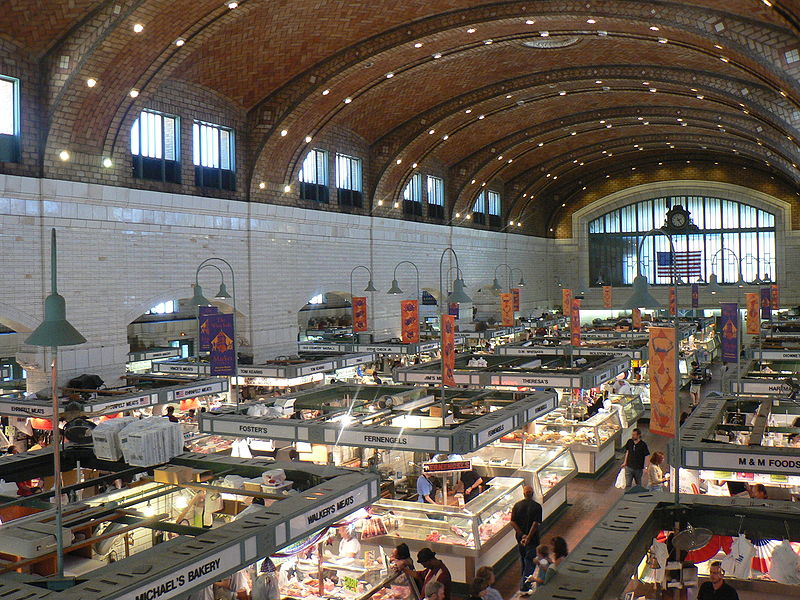
只是,後來,隨着克利夫蘭自己經濟的衰退,自顧不暇之下,來自市政府的財政支持也就有心無力。最近幾十年,租戶們更多的是靠自力更生,來扛起讓市場得以繼續生存下去的重任。很多從這裡起步的新移民,在獲得經濟穩定之後,開始更深入的融入美國的“主流”。同時,也有不少的新移民,就此兢兢業業在那裡勞碌一生,擔負着養家糊口的重任。 前段時間,已經擴大規模不小的西市場,因故遭遇火災,停業了半個月的樣子。開門之後,大量的消費者慷慨解囊捧場,很多攤點的貨物,據說,不到關門時間就被購買一空。更讓人心口熱乎乎的是,很多顧客購買物件,不僅少了過去討價還價的興趣,還乾脆來個口口聲聲“不用找錢”的大方。 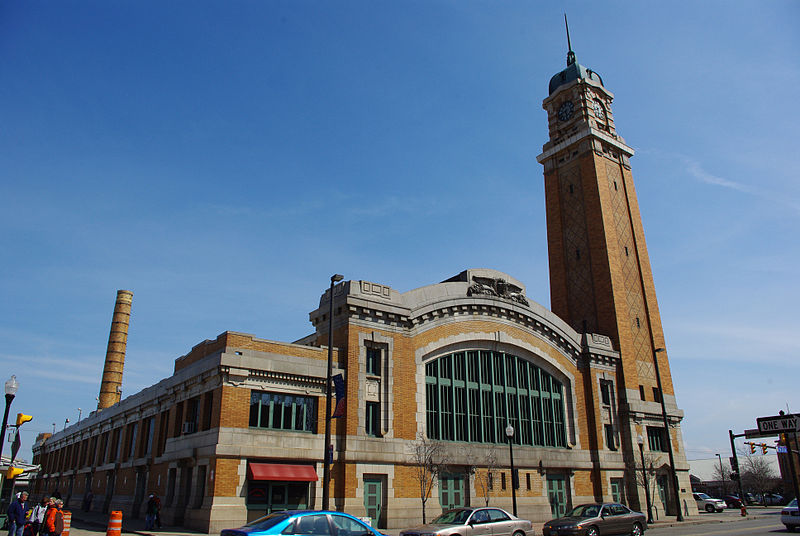
人們在用自己不同的方式,來資助那些靠這份生意養家糊口的勤勞人們。這,就是美國人的心靈和精神面貌。患難之處見真情。我相信,那些常常去西市場購買貨物的消費者,也不可能是闊佬,至少,大部分的他們,都不會是闊佬。即使對於經濟狀況有限的顧客,也依然有這樣的慷慨,和對“弱者”的憐憫,對勤奮者的鼓勵,可能才是美國能夠征服世界的最大力量來源吧。 當然,克利夫蘭有這樣的奉獻和大公無私,並不意味着,克利夫蘭就是一個高度文明和“偉大”至頂的城市。在這裡,和美國其它城市一樣,也有骯髒的一面。都市區隨意的射殺,撞傷人逃逸的現象,也在時不時的發生、出現。 關於西市場的更為詳細的介紹,我附上來自Wiki的文字。這裡已經成為克利夫蘭的一大風景,也成為很多人遠道而來不得不光顧的地點之一。在美國今天這樣的經濟水準下,還有如此生龍活虎的農貿市場存在,真的是難得。下一次,當你到訪克利夫蘭,甚至只是路過的時候,你是不是也想到那裡去一飽眼福,同時解解饞呢? 和武漢的漢正街相比,這裡可是別有一番風味。或許,在那裡,你還能夠吃到地道的家鄉口味呢。不信,你就試試吧。 下面是關於西市場的英文介紹文章: The market began operating in 1840, across the street from its current location.[2] Josiah Barber and Richard Lord, prominent businessmen and both former mayors of Ohio City before it was incorporated into Cleveland, donated the tract of land to Ohio City's government, stipulating that the land be used for an open-air neighborhood market. The market space became a center of the Ohio City community for the following three decades, and other benefactors donated adjacent lands that allowed the marketplace to expand. In 1868, a one-story, wooden framed building was erected on the site, and the newly christened Pearl Street Market was opened. Thanks to brisk population growth in Cleveland and Ohio City in the latter part of the 19th century, the market outgrew its space yet again. In 1902, lands were purchased across the street from the Pearl Market site, to allow for market expansion and eventual construction of additional indoor market space. Cleveland architectural firm Hubbell and Benes was contracted to create the new indoor space and, after nearly a decade of planning and construction, the current West Side Market building was finished in 1912 at a cost of nearly $680,000. The Neo-Classical/Byzantine building is a brick construct with a large interior concourse that provides nearly 100 stalls for sellers, and a 85-stall outdoor produce arcade that wraps around the side and rear of the main building. In addition, the building has a large clock tower, which was easily visible from most of Ohio City in the building's early days. In 1915, the permanent building spurred sellers to establish the West Side Market Tenants' Association, a coalition founded to help maintain the market and organize for future improvements and additions. This organization still exists at the Market today. Periodic upgrades accommodated more tenants and maintained and improved the overall conditions. A fuller, $1.1 million modernization was undertaken in 1953 to add lower-level storage areas and upgrade stalls in the arcade. Another renovation, this one for $5 million, took place after the Market was added to the National Register of Historic Places in 1973. The market's profile rose in the latter portion of the 20th century. Politicians passing through Cleveland often stopped in to sample the array of foods that the Market has on sale on any given day. The Market also began sponsoring major food festivals in the neighborhood, which drew people from all corners of Cleveland and abroad. Despite the successes of the 1980s, however, the Market began to face financial straits as Cleveland itself was experiencing monetary struggles. A large portion of the Market’s subsidies from the city dried up, leaving tenants of the Market to pay higher rents to keep the Market open. Yet the Market expanded and was renovated throughout the 1990s and into the 21st century. A 2004 project enclosed the arcade portion of the market, adding space heating there, and completed major interior and architectural renovations to the main building. The market's centennial was celebrated in 2012。 Most residents of the neighborhood, and many Clevelanders in general, still do a large portion of their shopping at the Market. The market is open to customers Mondays and Wednesdays from 7:00 a.m. to 4:00 p.m., and Fridays and Saturdays from 7:00 a.m to 6:00 p.m。 The market attracts tourists from all parts of the United States, who tour the market and learn about its history. Guided tours are offered. Its national profile has been boosted in recent years by coverage on various programs produced by the Travel Channel and Food Network. Many stalls have remained under individual family control for much of the life of the Market, in a few cases dating back to its 1912 opening. The market's tenants and sellers reflect the cultural diversity of the surrounding neighborhood and Cleveland as a whole. The current roster of tenants includes those of Irish, German, Slovene, Italian, Greek, Polish, Russian, and Middle Eastern descents, among others. In the September 2010 issue of Food Network Magazine, the West Side Market was named America's "Best Food Lovers' Market." |