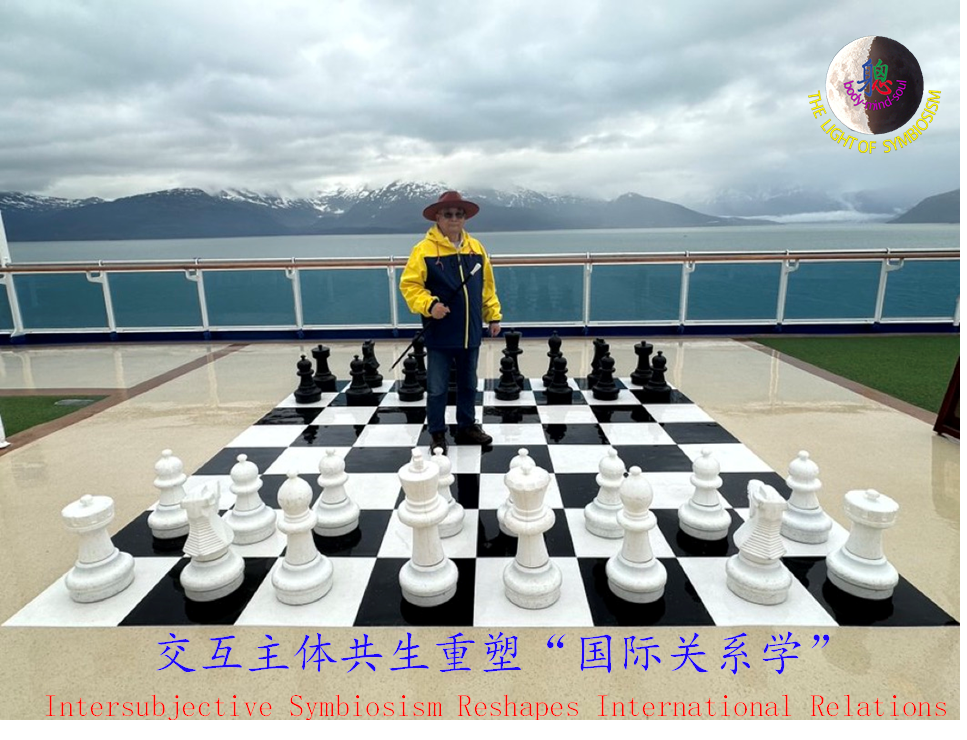
民生六要素與交互主體共生新思維 Six Essentials of Livelihood and the New Thinking of Intersubjective Symbiosism ——從周有光的提醒到“黃宗羲陷阱”與“洛克難題”的現代再釋 — From Zhou Youguang’s Reminder to the Modern Re-interpretation of the “Huang Zongxi Trap” and the “Lockean Dilemma” 錢 宏(Archer Hong Qian) 我曾於2009、2014年兩次有幸拜訪世紀智者周有光先生。先生當時104歲,對他剛出版的《朝聞道集》被叫停再發行並不在意,卻又對美國電影《阿凡達》饒有興趣!
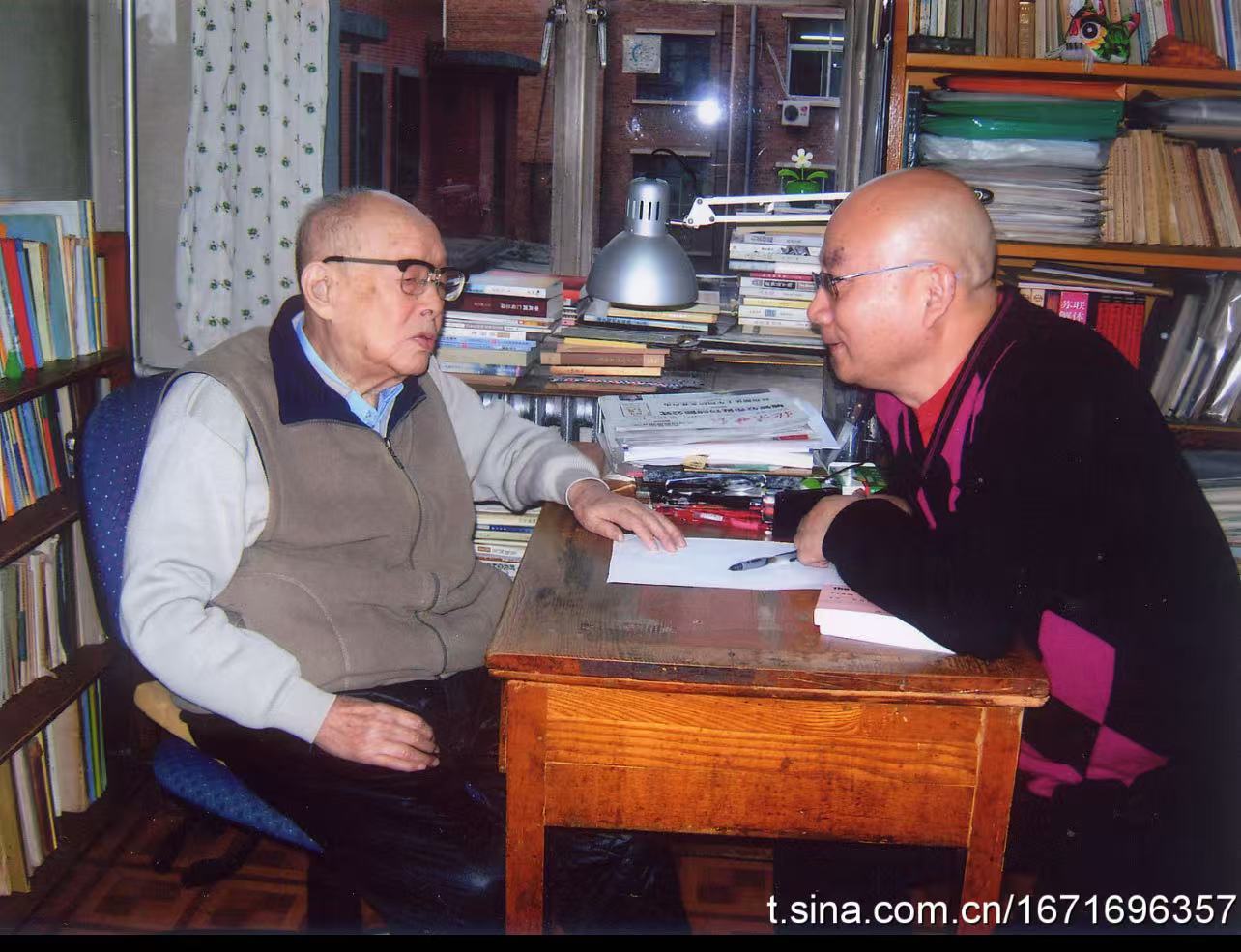
先生曾親口對我說,過去講國民生活四個字:衣、食、住、行,其實遠遠不夠,應該是六個字:衣、食、住、行、性、信(孞),才把國民生命、生產、生態的物質、精神講透了!而且,從世界看(中國),不是從中國看(世界),國民衣、食、住、行、性和信,都是社會自組織連接平衡與再平衡的行為(self-organizing balance of life),政府越少干預越好。 就此出發,我的理解是:從社會、政治、經濟、文化各部門的情況看,政府(Government)只是由同樣需要衣、食、住、行、性、信(孞)的人組成的一種組織形態(organizational form),萬萬不可誇大其詞。它不是國家(State)的化身,更不是凌駕於國民之上的“超主體(super-subject)”。歷史上,一旦有人假國家之名,行特權之實(in the name of the State, in essence exercising privilege),便開啟了特洛伊木馬式的制度滑坡: 一、民生六要素的再闡釋(含英文注釋) 民生六要素不是由政府賜予,而是國民生命自組織(self-organization of life)自然生成的秩序;政府的正當性,只能來源於對這種自組織的尊重、護持與激勵,而非替代與凌駕。 二、哲學轉型的基座:從“軸心時代二元論”到“交互主體共生” 理想國(The Republic)、烏托邦(Utopia)、天下為公(all-under-Heaven as common)、替天行道(acting on behalf of Heaven)、大同世界(Great Unity)、共產小康(communal well-being)——無論描繪得多麼精緻漂亮,其共同本質都是:為一部分人以主體(Subject)自居,把“自己人”之外的異己者、他者當作客體(Object)加以支配、操縱、劫掠,預留了榨取性制度—文化空間。 這套思維出自軸心時代(Axial Age)的主客二元對立統一(subject–object duality),在現代頻頻化身為各種“宏大敘事”。 今天,我們處在一個根本不同的時代: 三者構成交互主體共生(Intersubjective Symbiosism)的新範式:主體與主體在多層網絡中以信任、契約、信息與規則耦合,不再以“主體—客體”的統治模式運轉。其最高圭臬(touchstone)只有一個: 呵護—發揮—激勵生命自組織的連接、平衡與再平衡(protect–unleash–incentivize the self-organizing balance of life)。 三、Symbionomics 的實踐指向 這正是共生經濟學(Symbionomics)的立場——“生產回歸生活,生活呈現生態,生態激勵生命,一切為着人的身心靈健康”(2015.3於密歇根大學): 生產回歸生活(production returns to life):經濟活動以滿足衣食住行性信為目的,而非以規模與指標(如GDP)自我循環; 生活呈現生態(life becomes ecological):生活實踐內嵌生態約束與反饋,形成自我修復與再平衡(GDE價值參量); 生態激勵生命(ecology incentivizes life):制度與技術設計,對生命自組織給出正向激勵而非替代; 人的身心靈健康(holistic well-being):評判一切政策—技術—制度的最高準繩。
四、現代戰爭與政治:三大支柱與六要素的張力 作為政治的延續,現代戰爭打的無非是三大支柱的優劣比較: 化石能源(fossil energy), 人口資源(population resources), 經濟支撐/支援(economic support)。
它們與衣食住行性信存在內在張力:若國家機器為追逐三支柱的優勢而越界,以“安全”之名侵入並改造六要素,就會落回“假國家之名、行特權之實”的帝國老路,觸發“黃宗羲陷阱”“洛克難題”。相反,若在人–AI–TRUST交互主體共生框架下,配置制度與技術,使三支柱的競爭服從於六要素的自組織,回落到共生經濟學範式的國際格局與“全球化重組”,就能讓“任何統治世界的帝國政治企圖成為事實上的不可能”,從而壓縮戰爭邏輯,開闢可持續的和平。 小結 民生六要素確立了國民生產的第一性; 區分政府與主權在民的國家形態,守住權力邊界; 對軸心時代二元論的超越,奠定交互主體共生的哲學轉型; Symbionomics 把轉型落到可度量、可實踐的“身心靈健康”上; 在此基礎上,制止現代戰爭與建構和平秩序,才能真正回到以生命自組織為圭臬的正道。
孞烎 2025年8月22日晨 於 Richmond 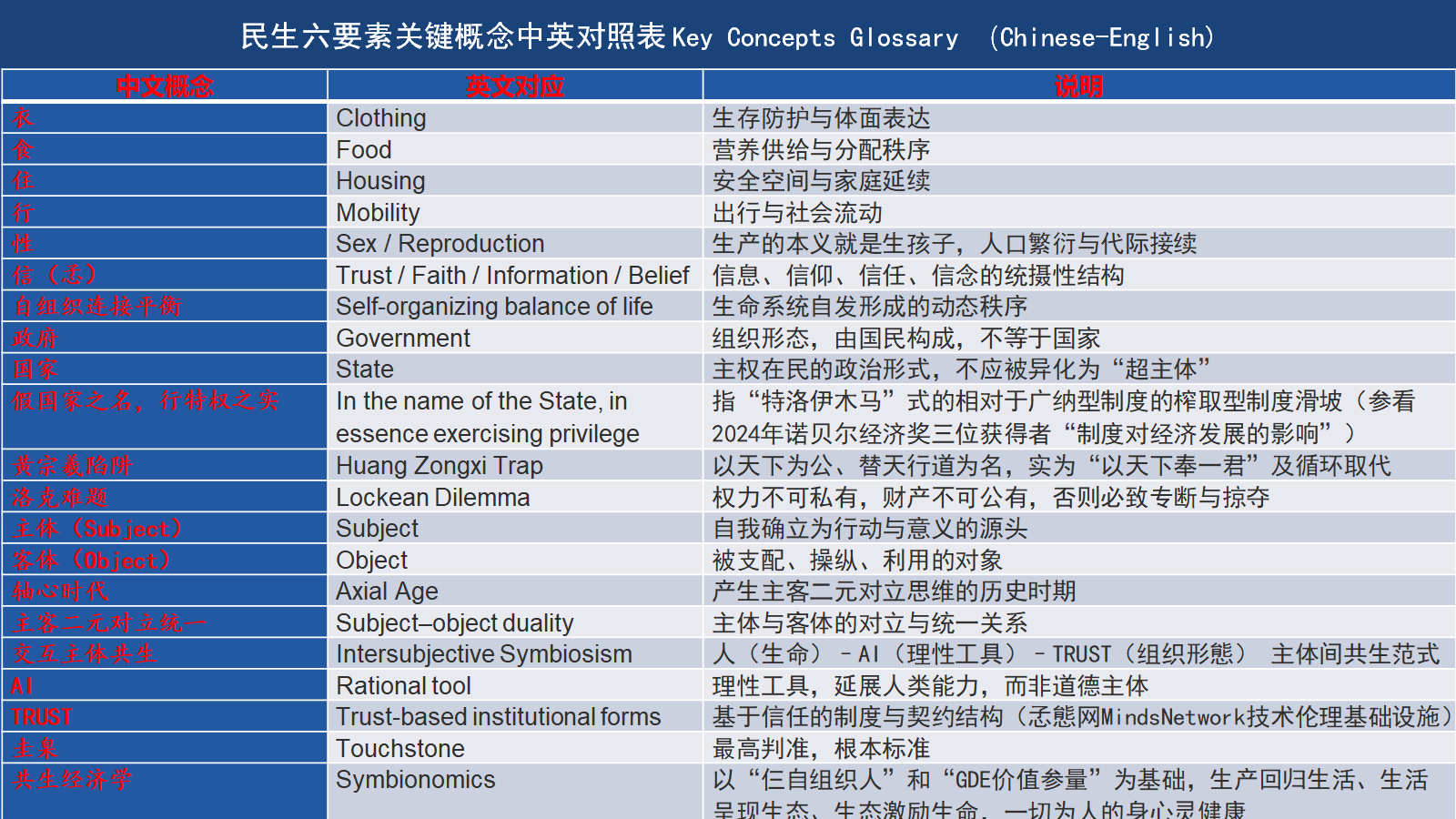
Six Essentials of Livelihood and the New Thinking of Intersubjective Symbiosism — From Zhou Youguang’s Reminder to the Modern Re-interpretation of the “Huang Zongxi Trap” and the “Lockean Dilemma” By Archer Hong Qian I had the good fortune to visit the centenarian sage Zhou Youguang twice, in 2009 and 2014. At that time he was 104 years old. He showed little concern when the re-issuance of his newly published book Morning Path to the Way was halted, but he was nonetheless fascinated by the American film Avatar. Mr. Zhou once told me personally: in the past, people described the essentials of a citizen’s life with four words—clothing, food, housing, mobility. But that is far from sufficient. Instead, it should be six words: clothing, food, housing, mobility, sex, and trust (孞). Only with these six can the material and spiritual dimensions of people’s life, production, and ecology be fully articulated. Moreover, one must view China from the world, not the world from China. The six essentials are all behaviors of self-organizing balance of life; the less government interference, the better. From this starting point, my understanding is: across society, politics, economy, and culture, government is merely an organizational form composed of people who themselves need clothing, food, housing, mobility, sex, and trust. Its role must never be exaggerated. It is not the embodiment of the State, nor is it a “super-subject” standing above citizens. Historically, whenever someone acted in the name of the State, in essence exercising privilege, a Trojan-horse style institutional slide began: Huang Zongxi Trap: the claim of “acting on behalf of Heaven” often degenerates into “all under Heaven serving the ruler.” Lockean Dilemma: power cannot be privatized, property cannot be collectivized—once either side loses balance, tyranny and plunder inevitably follow.
I. Reinterpreting the Six Essentials of Livelihood Clothing: survival protection and dignified expression. Food: nutritional supply and distributive order. Housing: secure space and familial continuity. Mobility: movement and social circulation. Sex / Reproduction: at its root, production means reproduction—concerned with population renewal and intergenerational continuity. Trust (孞): the encompassing structure of information, faith, trust, and belief; the pivot of social confidence and meaningful order.
These six essentials are not bestowed by government, but naturally generated through the self-organization of life. Government’s legitimacy can only come from respecting, safeguarding, and incentivizing such self-organization, never from replacing or dominating it. II. The Philosophical Basis of Transformation: From Axial-Age Dualism to Intersubjective Symbiosism The Republic, Utopia, All-under-Heaven as common, Acting on behalf of Heaven, Great Unity, Communal well-being—however beautifully portrayed, they share the same essence: enabling some to claim the position of Subject, while reducing others—the outsiders and “others”—to Objects to be dominated, manipulated, and exploited, leaving behind extractive spaces within institutions and culture. This mindset originates from the Axial Age paradigm of subject–object duality, which in modern times repeatedly re-emerges as various forms of “grand narratives.” Today, however, we inhabit a fundamentally different era: Human beings (Life): self-organizing subjects of the six essentials. AI (Rational tools): instrumental intelligence extending human perception and action, not a moral subject. TRUST (Trust-based institutional forms): contractual and institutional structures with trust at the core, sustaining interactive order.
Together they constitute the new paradigm of Intersubjective Symbiosism: multiple subjects interacting within layered networks, coupled through trust, contracts, information, and rules, no longer operating in the “subject–object” logic of domination. Its sole touchstone is this: Protect – Unleash – Incentivize the self-organizing balance of life. III. The Practical Direction of Symbionomics This is precisely the stance of Symbionomics: “Production returns to life, life becomes ecological, ecology incentivizes life—all for the holistic well-being of human body, mind, and spirit.” (University of Michigan, March 2015) Production returns to life: economic activity aims to fulfill clothing, food, housing, mobility, sex, and trust—not merely to perpetuate self-referential scales and indicators such as GDP. Life becomes ecological: everyday practices embed ecological constraints and feedback, forming cycles of self-repair and rebalancing (cf. GDE value parameters). Ecology incentivizes life: institutions and technologies provide positive incentives for life’s self-organization, rather than replacing it. Holistic well-being: the ultimate criterion for evaluating policies, technologies, and institutions.
IV. Modern War and Politics: The Tension between the Three Pillars and the Six Essentials As the continuation of politics, modern war is fought over the comparative strength of three pillars: Fossil energy Population resources Economic support
These inherently clash with the six essentials of livelihood. If the state apparatus, in pursuit of superiority over these three, transgresses boundaries—invading and reshaping the six essentials in the name of “security”—it regresses onto the imperial path of “in the name of the State, in essence exercising privilege,” triggering once again the Huang Zongxi Trap and the Lockean Dilemma. Conversely, if institutional and technological arrangements are made under the framework of human–AI–TRUST intersubjective symbiosism, subordinating competition over the three pillars to the self-organization of the six essentials, then an international order based on the Symbionomics paradigm—a “restructuring of globalization”—can emerge. In such a world, “any imperial political ambition to rule the globe becomes factually impossible.” War logic is compressed, and sustainable peace is made attainable. Conclusion The six essentials of livelihood establish the primacy of national production. Distinguishing government from the people’s sovereignty preserves the boundaries of power. Transcending Axial-Age dualism lays the philosophical foundation of intersubjective symbiosism. Symbionomics translates this transformation into measurable, practicable holistic well-being. On this basis, only by restraining modern warfare and constructing peace can humanity return to the proper path, with the self-organization of life as the touchstone.
孞烎 Morning of August 22, 2025 Richmond
|