越南國運處上升態勢Vietnam’s Rising National Fortune——基於亞當·斯密“繁榮三原素”與共生經濟學的結構性觀察— A Structural Observation Based on Adam Smith’s “Threefold Peace” and Symbionomics
錢 宏Archer Hong Qian
2025年11月18日–22日 ·草於 Singapore → Tràng → Hạ Long Bay → Hanoi
本文基於亞當·斯密的“三重和平”理論和共生經濟學(Symbionomics)的結構性觀察,分析越南如何憑藉“革新開放”(Đổi Mới)政策,拆除“資訊防火牆”及“體制機制藩籬”,釋放和激發國民生命活力,從而有效承接中國製造業轉移和發揮人口紅利優勢,推動國際貿易與旅遊業蓬勃發展,從而使國家命運呈現上升態勢。This article, drawing on Adam Smith’s theory of “Triple Peace” and the structural observations of Symbionomics, analyzes how Vietnam—through its Đổi Mới (Renovation and Opening-Up) policy—has dismantled “information firewalls” and institutional barriers, thereby unleashing and invigorating the life-energy of its people. This transformation has enabled Vietnam to effectively absorb the relocation of China’s manufacturing industries, capitalize on its demographic dividend, and stimulate the rapid growth of international trade and tourism, ultimately setting the nation on an upward trajectory of prosperity.
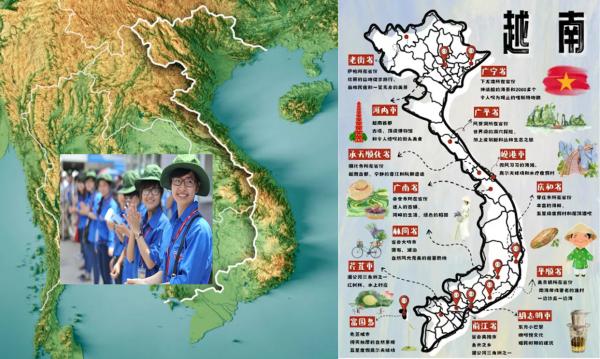
引子:一點歷史對比1945年,美、英、中、蘇四國接受日本天皇發布《大東亞戰爭終結之詔書》無條件投降後,盟軍最高統帥麥克阿瑟發布《一般命令第一號》,讓中華民國代表盟軍在台灣全境與越南北緯16度線以北地區受降。台灣由陳儀將軍於10月25日在台北公會堂向安藤利吉受降;越南北部由盧漢將軍於9月28日在河內向日軍第38軍受降。 兩地隨即走向截然不同的命運。台灣因接收後腐敗、經濟統制與文化隔閡導致治理失敗,釀成1947年“二二八事件”(順便說一句,當時毛澤東在延安發表“我們贊成台灣獨立,我們贊成台灣自己成立一個自己所要求的國家。”演說)。隨着國共內戰失利,國民政府1949年遷台,兩岸分治形成。1952年舊金山體系使日本放棄台灣主權卻未明定歸屬,留下法理爭議;但中華民國在台灣,隨着“反攻大陸”和“解放台灣”均無果後,經“蔣經國—李登輝的寧靜革命”(包括為228事件道歉),發展成亞洲重要的現代政治文明示範。 越南北部則因日本投降後的權力真空,被越盟(後發展為越南勞動黨)迅速掌控。1946年中華民國與法國簽署協定,將越北占領權交予法國,中國軍隊隨即撤離,法越談判破裂,引爆第一次印度支那戰爭,並延伸至後來的越南戰爭。1950年代,中國將北部灣夜鶯島(白龍尾島)贈予越南,成為中越關係複雜性的歷史註腳;1979年中越戰爭後,此事更被視為“覆水難收”。 幾十年後,越南和ROC台灣兩地再次重逢,卻走出了截然不同但同樣值得尊敬的兩個現代化模式。 此次到越南實地遊走,我看見了與年輕時看《琛姑娘的森林》和“自衛反擊戰”報告文學完全不同的另一個越南:經過1986年“革新開放”(Đổi Mới),休養生息近四十年的越南,已經是一個充滿社會活力、體制結構合理、安寧祥和國運上升朝氣蓬勃之地。 一、在越南,看見一個處於“國運上升期”的國家當飛機從新加坡飛往越南,掠過海岸線與島嶼時,一種強烈的地理直覺就已浮現。抵達河內、順着廣袤的海岸線一路向東,再前往下龍灣時,這種感覺愈發強烈: 越南是一條沿海而生、面海而興、隨時代開放而不斷向上生長的國家。 廣達 3000 公里 的海岸線讓越南擁抱外部世界,而非封閉自身; 下龍灣的喀斯特山海地貌如同宇宙摺疊般奇幻,海天之間呈現一種和平而安祥的呼吸; 峴港、芽莊、富國島這些城市不再只是地理名詞,而是世界遊客的朝聖地; 在古城區、酒店、餐館、海邊,你能看到膚色各異的遊客交織在一起,無論是歐美背包客、日韓家庭,還是印度遊客與東盟旅人,都自然融入越南的節奏。 這種和平安祥的自然風光,也映照着越南社會穩定、治安良好、年輕人熱情好客上。特別是越南年輕人的性格令人印象深刻: 眼神明亮 作風勤勉 對國際遊客友善 既不卑不亢,也沒有功利性 既自豪又謙遜 這種氣質,是國家上升的重要文化指標。 二、斯密的洞見:國家繁榮的三大基石早在1755年,亞當·斯密就發現國家繁榮三原素。他說: “除了和平、輕稅收,以及過得去的司法行政(peace, easy taxes, and a tolerable administration of justice)之外,把一個落後國家變成繁榮的國家,就不再需要別的什麼了。” 斯密的古典經濟學思想與當代共生經濟學(Symbionomics)思維方式,完全契合——和平是尊重生命自組織連接動態平衡的交互主體共生過程(Peace is the intersubjective symbiotic process that respects the dynamic balance of life's self-organizing connections)! 第一是和平(個體社群的和平:交換與信任); 第二是和平(社會層的和平:分工與制度秩序); 第三還是和平(國關係關係的和平:貿易和友誼)。 三重和平促成市場、競爭、自由、恊作、創新、原富、國富、共襄幸福,贖福共生。為什麼?因為三重和平,使人們可以:專注生產與交換,而不必耗費生命處理內鬥、暴政、任意征斂或司法恐懼(參看《The Embryological Principles of Symbionomics 共生經濟學的發生學原理 Revisiting Adam Smith's Vision of "Peaceconomics" and Starting Again 回到亞當斯密“和平經濟學”原點再出發》 http://symbiosism.com.cn/11085.html)。
在共生經濟學(Symbionomics)看來,斯密的“三重和平”不是靜態制度,而是: 尊重生命自組織連接動態平衡的“交互主體共生”(Intersubjective Symbiosism)過程,從而提供國家繁榮三大保障: 可預測性(peace) 激勵結構(easy taxes) 安全性(tolerable justice) 若以此為“國家健康的三大生命體徵”,越南過去 40 年的上升正是從這裡開始被看懂。 越南走向國運上升態勢,是三重和平成功在地化的結果。 三、第一重和平:個體與社群的和平——交換自由、信任生態與日常生活中的自組織越南的國運復甦,從“革新開放”(Đổi Mới)開始。
這場改革的本質不是意識形態調整,而是:
拆除“資訊防火牆”及“體制機制藩籬”,激發個體、激發市場、激發交換、激發活力,互聯網全開放。By dismantling information firewalls and institutional barriers—stimulating individuals, stimulating markets, stimulating exchange, and stimulating vitality—Vietnam embraced a fully open internet environment. 越南大量釋放了國民個體生命自組織連接生命力Vietnam has released, on a large scale, the self-organizing connective life-energy of its citizens:
路邊攤(沒有城管)與咖啡館 家庭旅館與小企業 創業者與中小企業主 農村手工業與城市服務業 這些不是國家命令出來,而是人民自己生長出來的。 和平穩定的日常生活,為自由交換提供了“真實場景”。
這裡的“第一重和平”並不是抽象,而是: 夜市中攤販對遊客毫不戒備的微笑 小店老闆主動提供公平價格 青年願意講英語、幫助指路 沒有壓抑、沒有敵意、沒有冷漠 越南的上升,從人開始,從微小的交易開始,從“彼此之間的和平感”開始。 這是越南經濟活力的細胞,是國運的最底層結構。 四、第二重和平:社會制度的和平——分工秩序、稅制可預期與“過得去的行政效率”越南的一黨政治結構具有“分工合作”特點:
越南共產黨總書記、國家主席、政府總理、國會主席——一體四柱(Tứ trụ)的分工合作制,幾乎可以說是“四權分立”。The General Secretary of the Communist Party, the State President, the Prime Minister, and the Chair of the National Assembly together form a four-dimensional division-and-coordination structure—almost a form of “four-branch separation of powers.” 與個人或集體獨裁不同,這種結構,既然擺脫了“皇帝輪流做,明天到我家”的特色“幫派政治”傳統,又帶來,Unlike personal or collective dictatorship, this arrangement breaks away from the traditional East-Asian pattern of “the emperor’s turn will eventually come to my clan”—a form of factionalized politics—and instead brings:
政策連續性 行政執行力一致 招商引資高度可預測性 斯密所謂的“輕稅與可接受的司法行政”在越南實現為: 基本清晰的稅制 有效率的產業園審批 對外資的配套一致性 司法尚不完美,但可預期、可操作 這足以使全球資本放心投資。 於是越南得以嵌入全球分工體系: 承接中國製造業外溢 發展電子、紡織、鞋業、芯片封測 建立本地供應鏈 外商直接投資(FDI)年年增長 中國沿海省份的製造業向越南轉移,越南用制度穩定性與勞動力承接力接住了歷史機遇。 制度的“可預測性”與人口的“可調度性”,構成越南結構性崛起的第二重和平。 五、第三重和平:國際關係的和平——貿易、友誼與旅遊文明的共同形成越南的外交策略,被稱為“竹外交”: 不選邊 不對抗 多元友好 貿易優先 穩定融入國際秩序 成果包括: CPTPP 成員國 RCEP 成員國 與歐盟 Free Trade Agreement 2025 年率先與美國達成亞洲雙邊貿易協議(甚至日本當時都未做到) 這讓越南形成穩定外部環境,使和平成為經濟增長的最大外部紅利。 更引人注目的是越南的國際旅遊文明: 下龍灣 海雲嶺 芽莊 峴港 富國島 河江高原(UNESCO全球地質公園) 同文岩石高原地質公園 這些自然景觀因為和平、安全、熱情好客才能吸引數百萬歐美遊客。 越南與歐美有特殊歷史淵源: 法殖民時代留下大量法國建築與文化痕跡 美越戰爭的歷史陰影,反而轉化為“美國–越南民間往來與投資熱潮” 800 萬海外越僑(主要在美國、法國、德國)構成越南全球連結的橋梁 因此越南的第三重和平不僅是政府之間的關係,更是: 人民之間的友誼 遊客之間的互動 文化之間的互通 歷史之間的互相理解 走在越南景區,你能看到不同膚色的人種和平共處,彼此微笑,說明文化心理層的和平已自然形成。 這是真正意義上的第三重和平。 六、共生經濟學視角:越南上升的“結構性共生引擎”共生經濟學認為:
國家的繁榮來自“主體—主體間的結構性互動”,而非單一政策。 越南上升來自兩個關鍵的共生引擎: 引擎一:承接中國製造業外溢——最大結構性獲益者 中美貿易摩擦 供應鏈“去風險化” 全球製造業重構 這些結構力量並非越南制定,而是越南恰好處在正確的位置:
化解全球化2.0矛盾 → 順應全球化3.0分工重組。 大量投資湧入越南,創造產業共生。 引擎二:人口紅利——越南的“生命資源” 越南一億人口,平均年齡約 32 歲。
這是中國、日本、韓國、泰國都不再擁有的“年輕國家紅利”。 年輕、勤奮、願意學習、對外開放。 人口紅利與製造業轉移形成“結構性協同作用”,構成越南未來三十年的增長資源。 七、結語:以三重和平為基礎的“共襄幸福、贖福共生”越南為何上升?
歸根結底是因為它在結構上完成了: 個體層的和平(交換與信任) 制度層的和平(分工與可預測性) 國際層的和平(貿易與友誼) 和平帶來安全,安全帶來投資,投資帶來分工,分工帶來創新,創新帶來國運的上升。 越南的故事證明: 和平不是軟弱,而是國家最硬的基礎設施。當一個國家尊重生命自組織的交互主體共生過程,它就會走向原富、國富與幸福。 越南的國運正在上升,其軌跡值得整個亞洲與世界重新理解。 Vietnam’s Rising National Fortune— A Structural Observation Based on Adam Smith’s “Threefold Peace” and SymbionomicsArcher Hong Qian
November 18–22, 2025 · Singapore → Tràng → Hạ Long Bay → Hanoi 越南國運處上升態勢——基於亞當·斯密“繁榮三原素”與共生經濟學…
Introduction: A Historical ContrastIn 1945, following Japan’s unconditional surrender and the proclamation of the Imperial Rescript on the Termination of the Greater East Asia War, General Douglas MacArthur issued General Order No. 1, assigning the Republic of China (ROC) to accept the Japanese surrender in Taiwan and in northern Vietnam above the 16th parallel.
On October 25, 1945, General Chen Yi accepted the surrender in Taipei; on September 28, General Lu Han accepted Japan’s surrender in Hanoi. From this single historical pivot, Taiwan and northern Vietnam soon diverged along dramatically different paths: Taiwan suffered governance failure under corruption, economic controls, and cultural alienation, culminating in the February 28 Incident of 1947 (notably, Mao Zedong publicly declared in Yan’an, “We support Taiwan independence; we support the Taiwanese people establishing the state they desire.”). After the Nationalist defeat in the Chinese Civil War and the government’s retreat to Taiwan in 1949, and following the San Francisco System of 1952 that left Taiwan’s legal status unresolved, Taiwan eventually underwent the “Silent Revolution” under Chiang Ching-kuo and Lee Teng-hui, becoming a leading model of modern political civilization in Asia. Northern Vietnam, by contrast, fell into a post-war power vacuum quickly filled by the Viet Minh (later the Workers’ Party of Vietnam). The ROC transferred administrative authority back to France in 1946 and withdrew. Negotiations collapsed, triggering the First Indochina War, followed by the Vietnam War. China’s transfer of Nightingale Island (Bailongwei Island) in the 1950s later became a symbol of the complexity—and irreversibility—of Sino-Vietnamese relations, especially after the 1979 border war. Decades later, Vietnam and Taiwan have each re-emerged as distinctive and respectable modernization models. Traveling through Vietnam today—from Hanoi to Tràng and across the karst seascapes of Hạ Long Bay—I found a Vietnam entirely unlike the one portrayed in the wartime literature of my youth.
Nearly forty years after the Đổi Mới reforms of 1986, Vietnam is now vibrant, socially stable, institutionally coherent, and clearly moving upward in its national trajectory.
I. Encountering a Country in Its “Rising Fortune Phase”Flying from Singapore toward Vietnam, passing over coastlines and archipelagos, one immediately senses a geographical truth: Vietnam is a nation that grows by facing the sea—formed by the coast, opened by history, and elevated by openness. This intuition only deepens upon arrival: Its 3,000-kilometer coastline naturally orients Vietnam toward the world. Hạ Long Bay’s karst formations resemble cosmic folds—quiet, harmonious, and breathtaking. Cities like Đà Nẵng, Nha Trang, and Phú Quốc are no longer remote names but global tourist destinations. In old quarters, cafés, hotels, and along beaches, tourists of every complexion mix naturally—Western backpackers, Japanese and Korean families, Indian holidaymakers, and Southeast Asian travelers. Such serene landscapes are matched by social stability, good public security, and strikingly warm hospitality—especially among Vietnam’s young people, whose characteristics are unmistakable: Bright, confident eyes Hard-working attitude Genuine friendliness toward foreigners Neither servile nor opportunistic Proud yet humble This national temperament is itself a key indicator of rising national fortune.
II. Adam Smith’s Insight: The Three Pillars of National ProsperityAs early as 1755, Adam Smith identified the three essentials of national prosperity: “Peace, easy taxes, and a tolerable administration of justice.” Why do these matter? Because they provide: Predictability (peace) Incentive structure (easy taxes) Security (tolerable justice) These allow people to focus on production and exchange rather than internal conflict, arbitrary rule, or predatory governance. Smith’s classical economics aligns perfectly with the ethics of Symbionomics: Peace is the intersubjective symbiotic process that respects the dynamic balance of life’s self-organizing connections. Thus, Smith’s “threefold peace” can be structurally understood as: Peace among individuals and communities (exchange and trust) Peace in social institutions (division of labor and administrative order) Peace among nations (trade and friendship) When these three levels of peace are realized, they generate: Markets Competition Freedom Cooperation Innovation Original wealth National prosperity Shared well-being And ultimately, what Symbionomics terms “co-flourishing and redeemed flourishing” (共襄幸福,贖福共生). Vietnam’s forty-year rise becomes intelligible precisely through this framework.
III. First Peace: Individual & Communal Peace —Freedom of Exchange, Trust Ecology, and Daily-Life Self-Organization Vietnam’s upward trajectory began with the Đổi Mới reforms of 1986.
The essence of Đổi Mới was not ideological modification but: Recognizing the individual Recognizing markets Recognizing exchange Recognizing vitality This unleashed enormous grassroots energy: Street vendors and cafés Family guesthouses and micro-enterprises Small entrepreneurs and SMEs Rural handicrafts and urban services These did not come from state orders—they grew from the people themselves. Daily peace and stability created a genuine environment for free exchange: Smiles from night-market vendors Fair pricing by small-shop owners Young people helping tourists in English No hostility, no fear, no oppression Vietnam’s rise begins from human interaction, from the micro-level peace experienced in everyday exchanges. This is the cellular foundation of Vietnam’s national vitality.
IV. Second Peace: Institutional Peace —Division of Labor, Predictable Taxation, and “Tolerable Administrative Efficiency” Vietnam’s one-party political structure operates through a four-leader division-of-function system: General Secretary State President Prime Minister National Assembly Chair This structure avoids personalist dictatorship and ensures: Policy continuity Administrative consistency Predictability for investors Smith’s “easy taxes and tolerable justice” manifest in Vietnam as: A generally clear tax regime Efficient industrial-park administration Consistent policy incentives for foreign investment Judicial processes that, while imperfect, remain predictable and workable This has made Vietnam a safe harbor for global capital. As a result, Vietnam has embedded itself in the global division of labor: Absorbing outsourced Chinese manufacturing Expanding electronics, textiles, footwear, and chip packaging Building local supply chains Attracting ever-growing FDI Institutional predictability + a young labor force = Vietnam’s second layer of structural peace.
V. Third Peace: International Peace —Trade, Friendship, and the Formation of a Tourism Civilization Vietnam’s diplomatic doctrine—“bamboo diplomacy”—is defined by: Non-alignment Non-confrontation Multi-directional friendship Trade-first pragmatism Stable integration into the international order Its achievements include: CPTPP membership RCEP membership Free Trade Agreement with the EU Becoming the first Asian country (even before Japan in 2025) to sign a reciprocal trade agreement with the United States under the Trump administration This external peace has become Vietnam’s greatest economic dividend. Equally important is Vietnam’s tourism civilization: Hạ Long Bay Hải Vân Pass Nha Trang Đà Nẵng Phú Quốc Hà Giang Plateau (UNESCO Global Geopark) Đồng Văn Karst Plateau Geopark These landscapes attract millions of Western tourists precisely because Vietnam is peaceful, safe, and hospitable. Vietnam also maintains unique historical ties with Europe and the United States: French colonial-era cultural imprints U.S.–Vietnam post-war reconciliation leading to investment flows A global Vietnamese diaspora of 8 million people, mainly in the U.S., France, and Germany Thus, Vietnam’s third peace is not merely state-to-state relations but: Peace among peoples Peace among visitors Cultural interconnectedness Historical understanding Tourist sites filled with diverse races smiling at one another show that cultural-psychological peace has already taken root. This is peace in its fullest sense.
VI. The Symbionomic Perspective:Vietnam’s Two “Structural Co-Symbiosis Engines” Symbionomics posits that national prosperity arises from structural interactions among subjects, not from isolated policies. Vietnam’s ascent is powered by two major co-symbiosis engines:
Engine 1: Absorption of Chinese Manufacturing —The Greatest Structural Beneficiary U.S.–China trade tensions Global supply-chain “de-risking” Reshoring and nearshoring pressures Rising Chinese coastal labor costs All pushed relocation toward Vietnam. Vietnam did not design these forces—but it was positioned perfectly to absorb them, turning Globalization 2.0 tensions into Globalization 3.0 opportunities. FDI inflows created an integrated industrial symbiosis.
Engine 2: Demographic Dividend —Vietnam’s “Life-Resource Advantage” With 100 million people and an average age of around 32, Vietnam possesses what China, Japan, Korea, and Thailand no longer have:
a young-nation advantage. Young, hard-working, eager to learn, and globally open. Demographic vitality + manufacturing relocation = long-term, compounding structural synergy.
VII. Conclusion:Toward “Shared Happiness and Redeemed Flourishing” Through the Threefold Peace Why is Vietnam rising? Because it has structurally realized: Peace among individuals (trust and exchange) Peace in institutions (division of labor and predictability) Peace among nations (trade and friendship) Peace brings security; security attracts investment; investment strengthens specialization; specialization generates innovation; innovation brings prosperity. Vietnam’s story demonstrates:Peace is not weakness—it is the strongest national infrastructure.
When a nation respects the intersubjective symbiotic process of life’s self-organizing connections,
it naturally moves toward original wealth, national wealth, and human flourishing. Vietnam’s national fortune is rising,
and its trajectory invites Asia—and the world—to rethink the foundations of prosperity.
|