中华文明正在融合人性化西方兽性文明 --- Mearsheimer 中国人是现实主义 在中国比在西方自在 李洪德 2014年11月5日 https://blog.creaders.net/user_blog_diary.php?did=NDUyMjU2 https://blog.wenxuecity.com/myblog/72696/202411/2427.html
中华文明起源于融合众多族裔大一统和平环境,用礼乐和儒学教人做人,律己奉公,己所不欲勿施于人,形成儒家集体主义文明,伴随集体主义价值观和追求和平基因。因此,相对长时间享受和平繁荣的生活。 西方文明起源于多如蚁窝的邦国,邦国太多无法避免血拼,用宗教洗脑民众撕裂人性和社会,互相仇杀求生,形成西方利己主义文明,伴随利己主义价值观和好战基因。因此,私欲驱使不断战争处于悲惨生活。 中国和平繁荣的生活促进人民大脑神经元的发育,具有全球最高平均智商115-118,追求和平。欧洲人平均智商96-112,杀戮和掠夺。 西方文明的根基,价值体系决定,必须支持劳工不劳而获,以保护人权,失去生存资料生产的根基。民主治理的失败,判西方文明死刑。 美国靠美元掠夺全球国家生存,波动利率就能刮走他国人积累的财富,如今,全球国家躲避美元如同躲避新冠病毒,以加速度逃离美元,美国40州的货币独立,摧毁生存根基,美国联邦将在2050年内肢解。因为,民主就是助邪恶人窃取国家机器方向盘,本性难改,小国继续自杀玩完。 2021年,桥水基金创始人兼联席董事长雷·达利奥发文Changing World Order, Where We Are and Where we're Going《改变世界秩序,我们在哪里,我们要去哪里》,基于对中国的哲学、人文、法律、道德体系的理解,揭示了中国和美国文化价值体系决定的人的品质和社会治理的差异;美国人将个人置于一切之上,而中国人视家庭和集体高于一切。中国领导人管理国家像严格的父母一样,政府是自上而下运行的(像一个家庭),为集体利益优化,而美国政府是自下而上运行的(儿戏民主),为个人利益优化。 中国和西方文明的价值观和基因不同,中国人性,西方兽性。利己主义文明不符合需要群居互助求生的人类,一切社会元素都在满足反人类的兽性私欲泛滥,具有自杀基因。本文告诉您,利己主义文明已经走到终点。中华文明正在以自己的价值观与和平基因,融合和重塑人类文明。 1973年,英国历史学家汤因比(1889-1975)与日本著名社会活动家池田大作就人类社会和当代世界对话并发表Looking forward to the 21st century - Toynbee and Daisaku Ikeda dialogue,汤因比博士指出:“Of the twenty-two civilizations that have appeared in history, nineteen of them collapsed when they reached the moral state as the United States is in now.”"历史上出现过的二十二种文明,其中十九种在达到美国现在的道德状态时就崩溃了"。
可见,早在半个世纪前,汤因比博士就认定,道德上,美国已经崩溃了。他希望重生在中国,因为,做中国人,能够做一些有价值的事情。中国人保护了一个超级文明,人类未来的希望在东方,中国将引领世界文明,和平地融合人类世界。 我反感约翰·米尔斯海默 John Mearsheimer 教授,他摇头晃脑,鼓吹谁是老大,谁是老二,中国正在取代美国统治世界,道德崩溃的美国如何才能赢,等等。 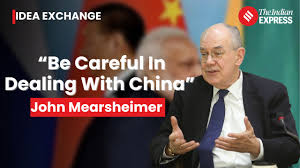 与中国打交道要小心点。 与中国打交道要小心点。 2024年4月16日,YouTube: Is India On Track To Be A Great Power? https://www.youtube.com/watch?v=GGMAjrO2PqQ&t=4s
然而,最近英国人对他采访,改变了我对他的看法。他说,只有到了中国,才感觉自己回到人的世界,中国人和我属于同一类人,有共同语言,大多数中国人是现实主义者。 2024年11月1日,英国新闻网站Unherd在youtube发布与美国国际关系学者约翰·米尔斯海默的访谈,当今世界战争、和平和政治上的问题John Mearsheimer: How the ‘realists' won。 谈到中国,米尔斯海默表示在思想层面上,自己在中国比在西方更有归属感,因为,他觉得中国人基本都是现实主义者,而西方人则强调自由和道德,认为现实主义是一种很悲观的看待世界的方式。 在这次对话,约翰·米尔斯海默说出了真理,许多中国人自己也没有意识到,中华民族是现实主义者,关注努力付出是否能改善生活。而西方人务虚不务实,关注努力付出是否能展示自己道德高尚。 正是因此,西方玩民主政治的政客,张口闭口喊叫价值和人权,浪费自己国民的活命钱,在世界各地传播已经玩完了自己国家的自由价值观。不断地挑起颜色革命,不断地发动战争,推翻他国政府。 为实现自己的祖先杜撰的虚假美好幻觉,为实现祖先好心好意给他们认的不存在的众多上帝干爹的愿望,欧美人,自古在家园互相玩命杀戮,然后玩命杀戮全球至今。因为务实,中国人长时间享受和平生活,2000多年前就开发丝绸之路,供养西方禽兽们互相玩命。 在加拿大,我的邻居白人老太太,问我信仰什么宗教?我说宗教骗人, 我不信那玩意儿,老太太竟然被惊吓,立刻后跳一步。她每周自费打的上教堂,为孝敬祖先给她认的上帝干爹,浪费不老少。 刚到加拿大时,与一位台湾来的老移民领教加拿大的风土人情。介绍了加拿大掩藏在美丽民主、价值和人权外衣下的,种种社会丑陋。有一件事儿印象深刻,他说,自己刚到加拿大时,积极参与教堂的活动,还捐款捐物。直到有一次,他亲眼目睹教堂的牧师等人,为分配捐赠物大打出手,高声叫骂嫖脏话。从此,他再也不去教堂了。
德国法学家费尔巴哈(1804—1872),以《黑格尔哲学的批判》和《基督教的本质》名声大噪。在《基督教的本质》中,用蚁狮和蜘蛛的行为比喻宗教的本质。您看那沙漠蚁狮挖的坑多么漂亮,您看那蜘蛛织的网多么美妙,它们辛苦地这样做是为什么呢?谋食。 当年欧洲传教士进入中国传教,政府并没有限制。然而,传教士玩命给同胞们洗脑,禁止同胞尊孔祭祖,同胞们急眼了,打跑了传教士,火化了教堂。传教士们也急眼了,我们认的上帝干爹,中国人不认啊。火急火燎地把消息传给欧洲的教皇,教皇也火急火燎,特批,允许中国人尊孔祭祖,只要不拒绝我们的干爹上帝就行了。 尽管如此,在世界成功的传教,在中国失败。其实,欧洲人也不信别人给自己认的干爹上帝。布鲁诺说:是地球围着太阳转,不是太阳围着地球转,寓意为,上帝这小子根本不存在。教皇急眼了,这小子是诚心败了我们的骗人买卖啊,命令人把布鲁诺点了天灯。 现在,许多中国人也被洗脑,迷信民主政治,迷信价值和人权,迷信玩惨西方的宗教,也疯狂地玩西方禽兽的鬼装鬼节,撅屁股望天有眼无珠,无视西方国家已经被民主政治和剧毒意识形态玩完了。 约翰·米尔斯海默说,I've been to China many times, I love going to China, I love the Chinese people and in fact I'm more at home intellectually in China than I am in the west, because the Chinese are basically realists, whereas in the west people are instinctively liberal and they instinctively don't like realism, because it's such a pessimistic way of thinking about the world in past years.我去过中国很多次,我喜欢去中国,我爱中国人民。事实上,从思想上讲,我在中国比在西方更自在,因为中国人基本上都是现实主义者,而西方人本能地是自由主义者,他们本能地不喜欢现实主义,因为在过去的几年里,现实主义是一种非常悲观的世界观。 When I've gone to China I've often started my Talks by saying it's good to be back among my people, I don't speak a word of Chinese and I feel like I'm a fish out of water culturally,when I'm in China. but intellectually the Chinese are my kind of people, they're realists very interested in theory, I've never gone to any country where people are more interested in international relations theory and talking about the big issues.当我去中国时,我经常以回到我的人民中间真好开始我的演讲。我一句中文也不会说,当我在中国时,我感觉自己在文化上就像一条离开水的鱼。但从思想上讲,中国人和我属于同一类人,他们是现实主义者,对理论非常感兴趣。我去过许多国家,从来没有人像中国人这样对国际关系理论和讨论大问题感兴趣。 当然,约翰·米尔斯海默说法的改变,不是因个人思想素质的提高,也不是真心尊敬中华文明,而是,眼见美国民主政治不断地赏权给智障,把美国无可救药地玩完,他本能地放弃挣扎。识时务者为俊杰用于米尔斯海默并不合适。 比较而言,哥伦比亚大学经济学教授杰弗里·萨克斯(Jeffrey Sachs)才是真正理解人类文明的人,他说新冠病毒是美国制造的,2021年5月发文批评美国在毫无证据情况下污蔑中国在新疆进行“种族灭绝”。萨克斯人性化的品格来自他的亲身经历。2001年至2018 年,他曾担任联合国秘书长特别顾问,主持千年发展目标 ,旨在到 2015年减少极端贫困、饥饿和疾病。 比较而言,John Mearsheimer 似乎一直在做书虫,在书堆里折腾,没有实践的洗礼。2024年9月8日至10日, All-In 峰会在加州洛杉矶举行,John Mearsheimer 和 Jeffrey Sachs自然是座上宾。在会上,John Mearsheimer 还是贩卖他的《大国政治的悲剧》The Tragedy of Great Power Politics,鼓吹攻势现实主义,认为世界处于列强之间的冲突中,并且永远不会结束。 John Mearsheimer 的迷信,恰恰佐证了我国政府推进一带一路的努力,能够解决人类的灾难:大国政治的悲剧。 为什么为什么约翰·米尔斯海默说自己生活在西方不自在呢?因为,在自己的国家,有人用政治迫害追杀那些胆敢说真话的人。因此,在这种被邪恶扭曲的社会,每个人都必须掩盖自己的真实灵魂,时时刻刻处于过鬼节状态,用死鬼恶魔的鬼装打扮成鬼魂幽灵。 约翰·米尔斯海默对中国文化的理解和迷恋,让我想起另外一个中国迷基辛格。2023年10月24日,美中关系全国委员会在纽约举行年度颁奖晚宴,向美国前国务卿基辛格颁奖,表彰他为中美关系发展所作的卓越贡献。 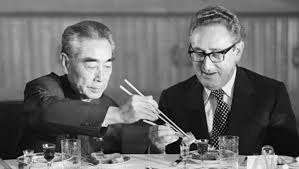 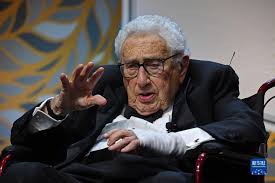 100岁的基辛格演讲,我半生时间用在中美关系上。我喜欢中国人,对中国文化印象深刻。但是职务所限,必须为美国利益著想。 华人的骄傲李光耀,以民主做幌子,用英国人折磨新加坡人的鞭刑,铁腕独裁打造花园城市新加坡。他说新加坡没有资源,每个人都必须努力工作活命。铁腕打压顽劣,决不允许破坏他艰苦建立的国家。在李光耀治下,普世价值和人权是幌子,工会玩不转。1980年,新加坡航空工会组织大罢工。已经花白头发的李光耀街头搭台,要求立刻复工,否则解散航空公司重建,几个小时后,工会组织乖乖复工。 看过报道,西方人憎恨的独裁者李光耀,到美国就住在基辛格的家里。2015年,亲自出席李光耀的葬礼,足见基辛格的理性。 想起另外一个中国迷,英国历史学家汤因比博士。 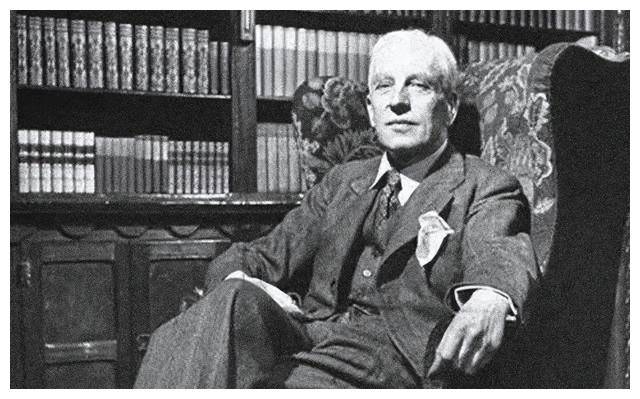
他说,如果能够重生,希望生在中国,做为中国人,能够做一些有价值的事情。他说,中国人保护了一个超级文明,人类未来的希望在东方,引领世界文明的将是中国,和平地融合人类世界。 因为,汤因比博士清醒认知,有史以来,玩民主在西方国家引发内部矛盾和分裂,制造悲剧。因为所有人都想获取政治权利,以自己的意愿来改变国家的政治格局。西方和中国学者喜闻乐道的雅典文明,实行民主制度,内部分裂毁灭了受人吹捧敬仰的古老文明。 欧洲掠夺杀戮血腥的非人基因兽性化的人,总是以非人的灵魂驱使非人的欲望争强好胜,为财富,为信仰,为争第一而进行掠夺杀戮,幼稚的争斗,像街头混混一样,有着永远长不大的幼稚天性。西方人就是以这样幼稚来看今天的中国。 西方那些所谓的历史学家,身上流淌着欧洲掠夺杀戮血腥历史的血液,从一本书学到另一本书,从一个道听途说学到另一条道听途说,没有真正学到历史的本质;然后以伟大的历史学家为荣,以欺骗为生。导致错误地看中国,不能人性理解中国是儒家文化和平国家,追求和平;唯一的战争是反侵略。 面对英国最伟大的历史学家、历史哲学家汤因比(1889-1975)的十二卷本 A Study of History (1934–1961)《历史研究(1934-1961)》的杰作,没有人敢说自己是最好的历史学家。 1973年,汤因比博士与日本著名社会活动家池田大作(1928-2023)就人类社会和当代世界进行了长达两年、共计10天、长达40小时的对话,发表Looking forward to the 21st century - Toynbee and Daisaku Ikeda dialogue,被译成多种文字出版。 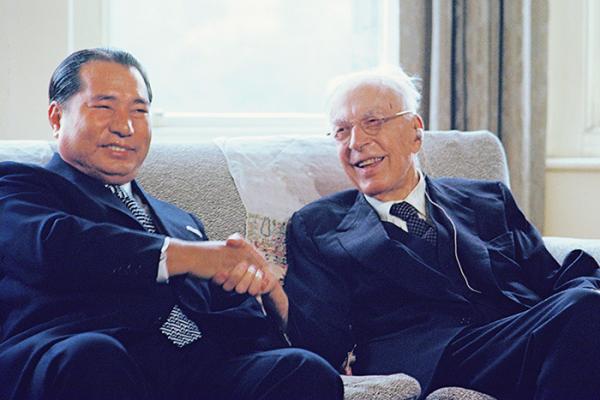
Meeting between Dr. Toynbee and Mr. Ikeda (London, May 1973) https://events.daisakuikeda.org/2021/0908-toynbee-ikeda-ar/ 以下是英国历史学家汤因比的《中华文明将统一世界—预言》的节选。 在回答“如果你重生为人,你愿意生在哪个国家,从事什么工作?”时,汤因比博士毫不犹豫地回答:“我愿意生在中国。因为我觉得中国在未来对全人类将扮演非常重要的角色。如果我生为中国人,我想我可以做一些有价值的事情。”作为中国人,“如果世界还没有融合,我会努力融合。如果世界已经融合,那么我会努力将世界从物质中心转变为精神中心。” 池田大作说,人类的和平融合与精神文化的复兴也是汤因比博士托付给他的课题,而汤因比博士为此所提出的方法就是“对话”。 对于汤因比博士“未来的可能性是中国统治世界,殖民世界”的评论,池田大作在书中,而非当面反驳,我的想法是,与其说中国是一个宣扬征服信念的国家,不如说是一个天性追求和平与安全的保守国家。其实,只要有人不先侵略中国,中国就绝不会先发制人。近代以来,鸦片战争、甲午中日战争、朝鲜战争,以及迄今为止与中国有关的战争,都可以称为自卫战争,是不得不做的正常反应。 请记住,这个对话是在1973年,那时侯的中国,还没有进行经济改革,经济形势正处于最困难时期,根本看不到任何希望。 很显然,著名历史学家汤因比博士对中国的评价,是历史地看待文明的,汤因比博士不愿谈论西方兽性文明,他说:“历史上出现过的二十二种文明,其中十九种在达到美国现在的道德状态时就崩溃了。” 作为伟大的历史学家,汤因比博士对人类文明的了解,显然比其他任何历史学家的了解都要深刻,他最了解哪种文明是真正的人性化的人类文明,不愿意在非人性的文明上浪费时间。 这里要指出的是,汤因比博士虽然理性,但摆脱不了欧洲掠夺、杀戮、血腥思想的束缚,认为中国可以统治和殖民世界,就像西方非人性人一样,这是当今西方对中国的主流看法。 如你所见,池田大作的观点是截然不同的;因为他的基因大多来自中国的儒家文化,自古,日本人亦步亦趋学中国。后来,1853年,日本被美国黑船舰队兽性化,杀戮3千多万亚洲人。
我特意搜索池田大作背景 特别优秀 池田大作 Ikeda Daisaku(1928—2023), 日本东京人,毕业于日本富士短期大学。哲学家、宗教家、作家、摄影师,并有世界桂冠诗人称号。曾任日本创价学会会长(1960─1979)。与英国历史学家汤因比博士著《展望二十一世纪》,与戈尔巴乔夫著《二十世纪的精神教训》,与金庸著《探求一个灿烂的世纪》,并与世界上众多有识之士进行对谈。池田与创价学会致力于推动文化、教育、和平,于1983年获联合国和平奖章,生平共获超过四百项荣誉称号,获中华人民共和国中日友好使者、中国人民的老朋友”等称号。 按汤因比博士预言 中国正在融合世界 汤因比博士说:“历史上出现过的二十二种文明,其中十九种在达到美国现在的道德状态时就崩溃了。”可见,早在半个世纪前的1973年,汤因比博士就说,在道德层面,美国已经崩溃了。 鲜明的对照,看看我们自己的祖国的实践,正在按半个世纪前汤因比博士的认定,作为地理和文化轴心,用中华文明融合被西方杜撰上帝干爹们洗脑,和邪恶价值观仇恨地兽性碎片化的世界。 中国正在用王沪宁提出一带一路,帮助其它国家建设基础设施,发展经济,融合世仇国家的经济和文化,促进互相理解,消除和避免冲突,发展和平共荣的世界。中国调节沙特与伊朗恢复大使级的外交关系,中东的敌对国家,出现了“大和解”的浪潮。或自己联系和解,或求助中国调节,实现了更大范围和解,追求和平。叙利亚外长访问沙特、也门冲突各方会谈、卡塔尔和巴林恢复关系,等等。重归于好的仇敌国家对账本,反思敌对事件的历史,结果,发现很多引发彼此仇恨冲突的事件,都是他人故意制造的。 美国经济战略家和作家David Goldman说,美国把全球南方人看作包袱,所以我们不把它们当回事。中国人则认真对待它们,把他们带进世界经济,帮助他们的收入从每天2美元提高到10-15美元,从遭受贫穷落魄到开始有尊严生活。对美国在世界影响力的长期最大挑战是中国将数十亿边缘化人群融入世界经济的能力。 好战基因人称之为锐实力,中国不占领土地只占领人心。
2022年10月28日,文章《外媒:民调显示发展中国家民众对华好感度上升去》说,英国剑桥大学民调,自2013年中国提出“一带一路”倡议,已经同147个国家和32个国际组织签署了200余份合作文件,用来建设能源基础设施和交通运输项目。在获得“一带一路”倡议支持的国家的民众当中,有近三分之二的人对中国持正面看法。
2023年11月3日,华尔街日报中文网发文《全球经济日益割裂,美中两大对立阵营逐渐成形》,说,贸易和投资流正围绕美国和中国这两个相互竞争的权力中心形成新格局,重大风险随之而至。去年秋中国跨越了一道重要的里程碑:其与发展中国家的贸易额自40多年前改革开放以来,首次超过与美、欧和日本的贸易额之和。在数十年间,美国等西方国家曾寻求让中国在这些最富裕国家所引领的单一全球经济中充当合作伙伴和消费者。华盛顿以投资限制和出口禁令向中国施压,中国把经济的大的组成部分从西方转向发展中世界。 我注意到,该文是译自英文,作者是华尔街日报驻新加坡记者Jason Douglas和华尔街日报驻法兰克福记者Tom Fairless。文章所说的“重大风险随之而至”,应该是中国将贸易重点从西方转向发展中世界,摆脱了西方国家制定的单一全球经济体系让中国充当他们合作伙伴和消费者企图的控制,让他们感到重大风险美梦落空。 民主治理的失败 判西方文明终结 我断言,西方的邪恶轴心美国联邦,将在2050年内肢解为众多小邪恶国,因为,民主政治的本性,就是让邪恶者当政。 看看我的2024年10月13日文章美国人自己买材料偷偷修路,被政府起诉,为什么美国基础设施破落不堪。只有中国人才能发现病根,为了吸引政府投资,故意地破坏基础设施。美国和某些欧洲人,已经把这种反社会的行为视为正常行为。为欺骗民众选票,民粹政客支持这种行为。这是民主社会的晚期癌症:视劳工不劳而获,才符合人权。反之,认真工作创造社会财富,是强迫劳动。 在美国,招工必须询问人种,必须保留岗位给那些没有人愿意雇用的人,避免被起诉种族歧视。看看航运领头羊美国领波音客机,看看智能手机鼻祖加拿大黑莓手机,看看制造业明星德国去工业化,荒谬民主政治和剧毒意识形态,彻底摧毁生存根基。 鲁莽美国政客利用一切作恶,把美圆作为武器制裁他国,导致美元成为新冠病病毒,各国恐躲避不及,加速去美元化,美国40州货币独立玩完美元。特朗普上台,狮子血盆大开口,巨齿咬向盟友,彻底铲除美国的盟友。失去跟帮的协作作恶,美国再也不能发威。 民主政治是西方文明的根基,民主治理失败,判西方文明死刑。 满足邪恶需求 民主被玩命吹捧 玩耍民主的人都没有理性思维的能力,不知如何正确地治理国家。民主之所以被吹捧,是因为玩命的人渣需要玩弄民主享受人民的供养,用人民的活命钱尽情享乐。 在2022年雅典民主论坛,欧盟委员会主席冯德莱恩说:为民主而战是每一代人的任务,我们要全力保护民主政体不受专制政体的干扰。显然,按冯德莱恩的说法,为保护民主政体不受专制政体的干扰,所有平民都必须拼尽性命杀戮。请看这个母煞虫为何这样说。 2016年5月,文章Luxury EU Junkets for MEPs Cost Taxpayer Over euro 5m a Year《欧盟议员的豪华旅游花费每年超过500万欧元》称,欧盟议员每年超过500万欧元用于事实调查,由仆人团队陪同,到世界最豪华的地方游玩。 2019年1月,文章 EU on the brink: German eurosceptics threaten 'DEXIT' unless EU parliament is ABOLISHED《欧盟濒临崩溃:德国疑欧派威胁“脱欧”,除非欧盟议会被废除》称,欧洲议会有751名议会议员、44,000名官员和11,000名员工,每年耗费超过80亿欧元;其中 4,000人的年收入超过29万欧元,超过德国首相安格拉·默克尔的工资。 2023年1月,文章The EU's "crazy salary increase" caused controversy; von der Leyen's daily salary exceeded 1,000 euros《欧盟“疯狂加薪”引发争议,冯德莱恩日薪突破1000欧元》称,欧盟民众都在与高通胀作斗争,欧盟官员却疯狂加薪,5万名欧盟员工可期待6个月内第二次加薪7%,工资加津贴,冯德莱恩的年薪达43.2万欧元,日薪超过1000欧元。这些加薪都是由欧洲的纳税人承担,在人们遭受通货膨胀困难生活的情况下,德国普通工人的工资并没有得到调整。 不仅仅是欧盟,许多民主国家的政客,都给自己高额工资,豪华社会福利和特权。在人们遭受通货膨胀困难生活的情况下,都给自己增加了工资。 看看Google搜索团队的关注:  
看看下面的视频,约翰·米尔斯海默教授想的还是老大老二,究竟谁胜谁负,没办法,祖传基因注定如此。 约翰·米尔斯海默:'现实主义者'如何获胜 John Mearsheimer: How the 'realists' won https://www.youtube.com/watch?v=oCfyATu1Pl0 UnHerd 2024年11月1日 不久前,“现实主义”的国际关系方法被认为是一个危险的想法。但随着西方对乌克兰、以色列甚至中国的干涉主义不断增加,曾经被自由学术圈驱逐的思想家突然获得了支持。约翰·米尔斯海默教授是“现实主义”方法的最早支持者之一,他与 UnHerd 的弗雷迪·塞耶斯一起谈论了战争、和平和政治。 John Mearsheimer: How the 'realists' won https://www.youtube.com/watch?v=oCfyATu1Pl0 UnHerd 2024年11月1日 UnHerd's Freddie Sayers sits down with Professor John Mearsheimer. Watch it on the UnHerd website: https://unherd.com/watch-listen/were-... Head to http://lumen.me/UNHERD for 15% off your purchase The 'realist' approach to international relations was not long ago considered a dangerous idea. But with increased Western interventionism in Ukraine, Israel and even China, thinkers that were once exiled from liberal academic circles have suddenly gained ground. Prof. John Mearsheimer, one of the earliest proponents of a 'realist' approach, joined UnHerd's Freddie Sayers for a conversation about war, peace and politics.? Introduction0:00 it forces great powers to act in ruthless ways what happened is that we 0:05 produced One failure after another today that line of argument is in complete 0:10 tatters I believe the United States and Britain are complicit in that genocide I 0:16 make people angry on both sides hello and welcome back to unheard 0:22 with me in the studio today is the world-renowned international relations professor John mimer in recent years he 0:29 has has gone from being an esteemed member of the academy to something of a renegade icon saying politically 0:37 unacceptable things about the war in Ukraine Israel potential standoffs in 0:42 China and the rest with his permission we're going to try and take advantage of his presence here in the studio to ask a 0:49 big question is realism the school of foreign policy that Professor Mir shimer 0:56 is world famous for winning the argument what does realism actually mean you hear 1:03 it bandied about quite a lot these days but what does it actually mean and how does it apply to China to the Middle 1:10 East conflicts and to Ukraine most pressingly are either of the candidates 1:16 for president realists or are they both to some degree so will we find out in 1:23 two weeks time that in some way we're all realists now so at the end of this 1:28 hour what I want is that you the audience will be able to know to what extent you yourself find yourself a 1:35 realist in your world viiew and to be able to use that term with confidence 1:42 when arguing with friends or non-friends over dinner Professor M shimer welcome 1:47 back to unheard glad to be here Freddy this episode is sponsored by Lumen Lumen is the world's first handheld metabolic 1:54 coach it's a device that measures your metabolism through your breath and on the app it lets you know if you're burning fat or carbs and gives you 2:01 tailored guidance to improve your nutrition workout sleep and even Stress Management all you have to do is breathe 2:06 into your Lumen fing in the morning and you'll know what's going on with your metabolism Lumen will tell you if you're burning mostly fat or carbs then Lumen 2:13 gives you a personalized nutrition plan for that day based on your measurements you can also breathe into it before and 2:19 after workouts and meals so you know exactly what's going on in your body in real time and Lumen will give you tips 2:24 to keep you on top of your health game it can also track your cycle as well as the onset of menopause and adjust your 2:30 recommendations to keep your metabolism healthy throughout the hormonal shifts so you can keep up your energy and 2:35 starve off Cravings so if you want to take the next step in improving your health go to lumen.me unheard to get 15% 2:42 of your Lumen that is l m en. me/ unheard for 15% off your purchase so 2:51 as I said there we're hoping for a little bit of a tutorial during this session I hope that's okay start with 2:57 the big question what is real ISM in international relations realism is a Prof. John Mearsheimer explains realism3:03 theory of international politics it's a theory about how the world works that 3:08 says that states care more than anything else about the balance of power this is 3:14 not to say they don't have other interests it's not to say that states sometimes can't behave in idealistic 3:20 ways but when push comes to shove it's the balance of power that matters the most to States and States want to make 3:27 sure that they have lots of power and that their potential adversaries have as little power as possible and the 3:34 principal reason for this is because in the International System there is no 3:41 higher authority there's no ultimate Arbiter there's no Leviathan that can 3:46 come to the rescue of States if they get into trouble if you are a state and 3:52 you're weak and a more powerful State comes after you you can't turn to a 3:57 higher authority to rescue you because there is no higher authority the system is not hierarchic it's anarchic in the 4:05 sense that it's flat and in a world like that you have to take care of yourself 4:12 it's what we call in international relations lingo it's a self-help world 4:18 and what you want to do in that self-help world is be as powerful as possible because if you're really 4:24 powerful it's highly unlikely that anyone will attack you now what this 4:29 means in terms of liberal values in terms of idealism is that there going to 4:36 be cases where an idealistic policy lines up with a 4:46 realist policy defeating Adolf Hitler in World War II makes sense from a strategic point of view from a realist 4:53 point of view there's no question about that the United States does not want Adolf Hitler and the Third Reich to 4:58 dominate Europe for good realist reasons at the same reason it makes perfect sense from a liberal point of view or 5:06 from an idealistic point of view to want to defeat Adolf Hitler for reasons I 5:11 don't have to explain to you so in that case right the two approaches go 5:17 together the question is what happens when the arrows point in different 5:23 directions and realism calls for pursuing a ruthless foreign policy and 5:29 liberalism does not which of the two approaches wins out and the answer from 5:36 a realist point of view is that realism would Dominate and the reason is because 5:41 realism is really all about survival realism is predicated on the assumption 5:47 that survival is the highest goal that a state can have and therefore if survival 5:53 is the highest goal that means realism Will trump uh idealistic logic and by 5:58 the way Freddy it will also Trump economic logic if the two are in 6:04 conflict and just to give you a good example that highlights this that really I think illustrates what realism is all 6:12 about once China becomes a great power we're talking roughly 2017 and it is seen by the United States 6:20 as a peer competitor the United States has a vested interest in making sure 6:27 that it has much more power than China has the United States wants to check the 6:33 growth of China as a great power and accelerate its own growth so that the 6:39 power gap between the two countries is as great as possible in favor of the 6:45 Americans but what this means is that the United States is going to have to pursue economic policies that are going 6:51 to hurt the United States economically a lot of people say to me John if we get tough with the Chinese as we are now 6:57 doing economically it's going to Dam Dage the United States it's going to hurt the American economy it's going to 7:03 slow down American economic growth my response to that is that's true but 7:08 that's the price you have to pay to make sure that you can contain China so you 7:14 see the economic Arrow right and the realist Arrow are pointing in opposite 7:19 directions so is it an amoral school is it that you are observing the way the 7:27 world actually works and that there is mer in being truthful and realistic in observing those Dynamics or do realists 7:36 actually think there is moral value in survival and your first duty is to your 7:43 own citizens and therefore it is kind of morally acceptable to pursue self-interest ruthlessly I would make 7:50 the argument that it is an amoral and very important to emphasize I'm not saying immoral it is an amoral Theory 7:58 and we all have uh moral compasses in our head and those moral compasses 8:04 influence how we think about the world just the way realism does and as I said when they're in Conflict the realist 8:12 Compass so to speak dominates the moral compass but realism by itself in my opinion is an amoral Theory now some 8:21 people argue that it's not and you were going down this road which is not to say you believe this but one could argue 8:27 that survival is the high goal of a state and it is a virtuous or morally 8:32 correct goal and therefore anything you do to enhance your survival is morally 8:38 correct I think if you make that argument a great power can go out and 8:44 behave in the most incredibly ruthless ways and you can defend it as morally 8:50 correct because it is facilitating that great power survival and I think if you 8:55 go down that road then it's hard to distinguish moral behavior from immoral 9:02 Behavior or ethical from unethical behavior and I think that's kind of not 9:07 the way to go so it's more a theory of the way the world actually works than any kind of Hope of the way the 9:15 world should work well it is the way the world works and uh my argument is is 9:21 reflected in my most important book where I lay out my realist Theory it's 9:27 called The Tragedy of great par politics and I think this is a tragic situation I 9:32 think the structure of the International System forces States forces great Powers 9:38 especially whether it's the United States Germany Japan China the Soviet 9:43 Union Russia it forces great powers to act in ruthless ways uh they have no 9:48 choice because in a world where there is no higher authority and another state may attack you you have a vested 9:55 interest a profound interest in making sure you're powerful and sometimes that requires doing ruthless things and I 10:03 think this is a tragic situation so if those people who started listening are 10:09 still with us and they hasn't got too theoretical for them I'm guessing a lot of people might be thinking hm I guess 10:15 maybe I'm a little bit of a realist a lot of people were very disappointed by 10:20 the Misadventures in Iraq and Afghanistan that whole sense of kind of liberal interventionism this fantasy 10:28 that we were going to impos democracy all around the world that was a sort of unrealistic worldview and doesn't feel 10:35 very popular anymore and a lot of people are also pretty skeptical about 10:40 overarching International institutions such as the UN having much 10:45 influence these days so if you're listening to this and feeling this is beginning to align with 10:52 my worldview do you think those kinds of issues are are likely to make you a 10:57 realist with a small r at least civil and realist yeah I think you're right I 11:03 mean what happened here in my opinion Freddy is that when the Cold War ended 11:09 and then when the Soviet Union collapses in December of 2001 uh we move into what is usually 11:16 called the unipolar moment and that means there's only one great power on the planet and that's the United States 11:22 of America which is incredibly powerful and in a very important way realism gets 11:28 put in the back clock it or gets put on the back burner because there's no more great power competition the United 11:34 States does not have to worry about the balance of power because it's so incredibly powerful so what the United 11:41 States does during the unipolar moment because it's a thoroughly liberal state 11:46 is it pursues a liberal foreign policy it's in the first time in its history 11:52 free to put aside realist concerns and behave in a very liberal way and of 11:58 course the British Bri which or or Britain which is another thoroughly liberal country uh becomes part of a tag 12:05 team with the United States and the British and the Americans run around the world trying to spread liberal values 12:13 sometimes at the end of a rifle barel and what happened uh is that we produced 12:20 One failure after another this turned out to be a disastrous foreign policy so 12:27 what happens in 20 2017 with the coming of multipolarity 12:33 remember in about 2017 you move from a unipolar world to a realist world what roughly happens in 2017 is that realism 12:41 is back for the United States because we're now in a multipolar world there 12:46 are great powers out there China and Russia to be specific that's number one 12:53 but number two what happens is that people understand that a liberal foreign policy what I like to call liberal 13:00 hegemony our policy from roughly 2001 to 2017 has been I think is fair to say a 13:08 colossal failure so people are much more sympathetic to realism starting in 13:15 roughly 2017 moving forward than they were during the unipolar moment and of course 13:22 most people and this includes people like you grew up came of age in the unipolar moment so realism was something 13:29 something that was easy to be critical of to dismiss during the unipolar moment 13:34 and most people in the liberal West were feeling really good about what liberalism could do it was the Frank 13:40 fukiyama view of the world what Frank said when the Cold War ended is that the future is liberalism we liberals have 13:49 the wind at our back and what's going to happen is the world is going to become increasing the liberal by 2017 that line 13:56 of argument was not looking good and to that line of argument uh is in complete 14:02 tatters and when liberalism fails like that and when you have two other great 14:09 powers in the system China and Russia realism is going to make a comeback and 14:14 that's what we see happening here so people are more sympathetic to realism 14:19 for sure than they were in let's say 2000 or 2010 let's try and get specific Should America be hawkish towards China?14:26 with some of this because so far it might seem quite an uncontroversial set 14:31 of statements that you've made I think most people would sign up to the failures of that kind of liberal way of 14:38 thinking during those years but in recent concrete examples what you've been saying has been very controversial 14:44 a lot of people have been upset by it they think it's um inappropriate so there is still a lot of energy in the 14:51 idealistic or non-realistic worldview let's do a bit of a Whistle Stop tour and people can feel if they 14:58 agree with you when it when we get specific starting if we could with China 15:04 because I know you have most recently been there you you just came back from a trip earlier this month is that right I 15:10 did yes so I'm I'm guessing your your head is full of thoughts about China on this example you take a different view 15:17 to other people who you've maybe agreed with on other areas such as Ukraine and 15:23 Israel and you think it would be in America's interest to have really quite 15:29 an aggressive vantage point or aggressive posture towards China to prevent its increase in power to prevent 15:36 it becoming the Hedon talk us through that what what would that actually look like well let me just start by saying 15:43 that in the early 2000s uh in 2001 in particular when I 15:48 published The Tragedy of great power politics and China was not a great power it was a good 15 plus years away from 15:55 that I made the argument that China could not rise peacefully and the United 16:00 States of course was pursuing a policy of Engagement toward China which was designed to help China grow economically 16:07 and my argument at the time was that if China grew economically it would translate that economic might into 16:13 military might and it would try to dominate Asia East Asia the way the United States dominates the Western 16:19 Hemisphere and the United States of course would go to Great Lan to try to contain China hardly anyone agreed with 16:28 me uh in the west and when I went to China there were a few people who 16:34 thought there was a real danger that that would happen but most people in China thought that it could rise 16:39 peacefully so I was a real outlier I think what's happened since then proves that I was basically right that you were 16:46 going to get an intense security competition once China began to grow economically and again it gets back to 16:52 the basic logic that I laid out to you at the start of the show which is to say that the best way to survive Fortune 16:58 China in the International System is to be especially powerful and if you're 17:03 weak uh you suffer what the Chinese suffered between the late 1840s and late 17:09 1940s they call it the century of national humiliation you never want to be weak in international politics 17:15 because the other great powers in the system will take advantage of you so what we see happening today in East Asia 17:24 is that number one China is growing more and more powerful 17:29 it's Translating that economic might into military might and it's beginning to talk about dominating Asia right and 17:37 not only dominating Asia they're building a bluew Navy to project power all over the world they are in a very 17:44 important way following in the footsteps of the United States now what is the United States and most of China's 17:51 neighbors doing they're very scared they do not want China to dominate Asia the 17:57 United States does not want to PE Regional hedgemon so what we're doing to 18:02 get to the heart and soul of your question is we're pursuing a containment strategy against China right we're 18:09 trying to contain China's growth to make sure it doesn't dominate Asia and that 18:15 containment strategy has two strands to it right one is a military Strand and 18:21 the other is an economic strand the military strand is a lot like what happened in the Cold War the United 18:27 States is Crea an alliance structure in East Asia that is designed to work with 18:33 countries like Japan the Philippines and so forth and so on to contain Chinese 18:39 military power to make sure China doesn't militarily dominate the region 18:44 much the way we worked to prevent the Soviet Union from dominating Eurasia uh 18:49 in the Cold War that's strand number one the other strand is an economic Strand and it has to do with Cutting Edge 18:57 Technologies the United States lives in Mortal fear that China because it has 19:02 all of this terribly impressive human capital is going to be able to dominate 19:09 the United States when it comes to developing Cutting Edge Technologies and 19:14 that matters greatly for producing wealth number one and number two it 19:19 matters greatly for the military weaponry that you develop so what we're 19:25 trying to do is make sure that we win the race to develop sophisticated 19:34 new technologies over time so you see this military competition which is all 19:39 about containment and you see this economic competition that is all about Cutting Edge Technologies that's all 19:46 designed to to contain China and allow the United States to remain the only 19:53 Regional hedgemon on the planet but is that a good strategy because that you're rough describing what the United States 20:00 government is currently trying to do are you saying that that's the right approach because there will be people 20:07 watching who think this is more getting towards warmongering this 20:12 is all being driven by people who want big defense contracts and military 20:18 spending and so on and might be very worried about that and feel like we should be stepping back from competing 20:24 in Asia and it's not even anywhere near us and we should leave it alone but are you saying that's wrong and that the US 20:31 should be pursuing this quite aggressive containment strategy I am saying it's 20:36 wrong uh that I think if China dominated Asia and had a blue water Navy that had 20:42 significant power projection capability all around the world that would not be good for the United States and I think 20:48 we have a deep-seated interest in containing China I think this is a tragic situation I'm not enthusiastic 20:55 about it all I've been to China many times I love going to China I love the 21:00 Chinese people and in fact I'm more at home intellectually in China than I am 21:06 in the west because the Chinese are basically realists uh whereas in the west uh uh people are instinctively 21:14 liberal and uh they instinctively don't like realism because it's such a pessimistic way of thinking about the 21:22 world so you know so did you say all this in China in recent weeks oh sure 21:29 you felt comfortable doing that not I I didn't I didn't say it this time but in 21:35 in past years when I've gone to China I've often started my Talks by saying 21:40 it's good to be back among my people I don't speak a word of Chinese and I feel like I'm a fish out of water culturally 21:48 culturally when I'm in China uh but intellectually the Chinese are my kind 21:54 of people they're realists very interested in theory uh I've never gone to any country where people are more 22:01 interested in in international relations Theory and talking about the big issues but did you say to them that you think 22:08 it's right that the US is containing them oh yes and they feel how do they 22:13 respond to that well let me let me make it clear I also say to the Chinese I think they should try to dominate Asia I 22:21 I say if I was the National Security advisor in Beijing I would want to dominate Asia one of my principal goals 22:27 would be to push the American out beyond the first island chain push the Americans out beyond the second island 22:32 chain and get the Americans out of East Asia and then i' do everything I can to maximize the power gap between China and 22:39 Japan China and India and so forth and so on this is going to make some people a bit uncomfortable if they are now not 22:47 exactly an enemy but a non-friendly power at this point to have an esteemed 22:52 American Professor going and giving them tips on how better to expel the Americans from their spirit of influence 23:00 a lot of Americans might be a bit uncomfortable hearing that they may but uh I've been saying this for a long time 23:07 and uh I don't think to be honest the Chinese need me uh to tell them that this is what they should do any more 23:14 than the Americans needed me after 1783 to tell them what to do my argument is 23:20 the structure tells States basically what to do and the Chinese long ago figured out that you want to be the most 23:27 powerful state uh in Asia but at the same time I believe the United States should go to 23:33 Great Lengths to check China now the Chinese actually I believe like me very 23:41 much in good part because I tell them that the United States is a ruthless great power and I do believe the United 23:47 States is a ruthless great power I do believe the United States is deeply committed to checking their rise and the 23:54 Chinese will say that most Americans who come through say the United States is a benign great power that the United 24:01 States and China can get along but you John come in and tell the truth you 24:07 admit that the United States your country is a ruthless great power to which my response is that's correct 24:13 because great powers are ruthless by definition and the fact that great powers are ruthless is why you have to 24:18 go to Such Great Lengths to make sure your great power the state that you live in is very powerful because if you live 24:26 in a great power that's weak other power will prey on you so if you're observing Will China or America win the coming great power conflict over Taiwan?24:32 this potential future Clash where it is in China's interests to dominate East 24:38 Asia and it is in America's interest to prevent that happening who do you expect 24:44 to win that Clash I believe that the United States will succeed in preventing 24:50 China from dominating East Asia and becoming a peer Regional hedgemon so I 24:56 think that's true how will achiev that the United States is remarkably powerful it has lots of 25:03 nuclear weapons and it has a good number of allies in East Asia uh who will help the United States 25:11 in that endeavor up to un including 25:16 War for example Taiwan is the most talked about flasho do you think it will come to 25:24 actual conflict and you think the US will prevail in that conflict well I think this is the key issue Freddy 25:30 that's what concerns me it's not so much who wins in the end because I think that's far off and I'll be long gone 25:38 from the planet by the time that one is decided in all likelihood I think the 25:43 much more interesting question is the one you raise which is How likely it is that we'll have a war uh and you want to 25:50 remember when you talk about a war between the United States and China you're talking about a war between two nuclear armed great powers and the 25:57 potential for escalation is always there and we could you know end up incinerating each other so this is 26:05 really serious business uh and I think the key question moving forward is Will 26:10 is whether this will evolve the way the Cold War evolved during the Cold War we had a number of major crises various 26:17 crises over Berlin and most importantly the Cuban Missile Crisis but thankfully in all those crises in the Cold War 26:24 cooler heads prevailed and we did not have a shooting war and I just hope uh 26:30 that moving forward that is the case with regard to the United States and China but my point is that this security 26:38 competition is already present and it's in the South China scene not so much over Taiwan these days where you can see 26:45 the two sides maneuvering with each other and where there's real potential for conflict I think and uh I just hope 26:52 that if we have a major crisis somewhere down the road that cooler heads will 26:57 prevail on both sides so if a Chinese Senior military person was sitting in one of 27:04 your lectures in China in recent weeks and felt inspired that yes John mimer is 27:09 right we need to push ahead with making sure that we get Regional domination 27:15 we're going to take a risk we're going to have an actual standoff with the US in the South China Sea or in Taiwan 27:22 would you support the US fighting back with weapons with guns with bombs to 27:31 push that back and allow a real conflict to take place yeah I I would support it 27:36 I mean the key issue here is Taiwan and the question is will the United States fight and die to defend Taiwan if the 27:43 Chinese were to invade Taiwan and I think the answer is yes I think that we 27:48 would fight and die to defend Taiwan I think the Japanese would be with us as well I hope it doesn't come to that for 27:54 sure but I think it is important for the United States to make sure that China does not acquire Taiwan and do you think 28:03 Young Americans will enlist to go all the way to Taiwan in such a scenario to 28:10 fight and die to protect it or do you feel like among the civilian population 28:17 there is no longer appetite to take part in those kind of far away far on adventures well I think that uh should a 28:25 War break out should let's say China tries to invade Taiwan the United States 28:31 will use its existing military forces to enter the fight right so we will be in 28:38 the fight and I think the question that you're asking is whether or not we'll have to quit the fight because the 28:45 American public will say we're not going to fight this War I think that is and 28:51 I'm choosing my words carefully here extremely unlikely to happen because the government the US government will go to 28:57 Gra lengths to manipulate the discourse on what is going on in ways that present 29:04 China as a mortal threat and therefore give the American public powerful incentives to support the war to include 29:12 uh you know participating in the fighting final question on China before we move on on our little uh Global tour 29:20 of great threats do you think there's a meaningful difference between a president Harris and a president Trump 29:28 as regards China and how the US would respond to that kind of aggression what 29:33 do you think the differences are exaggerated and it might be much the same I think there's not much difference 29:41 uh I think where there is real differences on Ukraine but I I think with regard to China you want to 29:47 remember the president who abandoned engagement with China and moved 29:54 explicitly to a containment strategy was Donald Trump remember my argument was 29:59 that it was roughly around 2017 when China became a great power and Russia was resurrected from the dead and 30:07 it too became a great power Trump was the one who abandoned explicitly 30:12 abandoned engagement which was designed to help China grow economically and to get along with China and he pursued a 30:20 containment strategy and then when Joe Biden became president he followed in 30:26 Trump's footsteps so I think Trump will continue to pursue containment I think 30:33 the only meaningful difference between Trump and Harris or Trump and Biden is 30:38 how Trump deals with allies compared to how Biden has dealt with allies and how 30:45 Harris is likely to deal with allies I think Trump tends to be much too rough 30:51 with uh allies he tends to want to slap them around whereas I think both Biden 30:58 and Harris are much more interested in working with them allies in a 31:04 Cooperative way but in terms of basic policy towards China I just don't see any difference between Harris and Trump Prof. John Mearsheimer on Israel, Gaza and Iran31:12 let's move closer to where we are now and talk a little bit about the Middle East because that is 31:19 obviously one of the other main areas of concern there's war currently and 31:26 there's a big danger that that it might escalate in different directions what is the of 31:33 realist approach to the conflict that Israel is currently engaged in I 31:39 remember we had conversation about this before where I was perhaps naively 31:45 arguing that what Israel is doing I.E actually taking aggressive steps into 31:53 neighboring countries to defend its security as it perceives 31:58 neighboring countries or territories in in the case of Gaza that seemed kind of 32:04 realistic and I remember you said saying that was to misunderstand realism so 32:10 explain to our viewers and listeners what is the realist take on 32:17 the Israel conflict well the sort of two ways we can cut into this issue one is 32:25 to talk about what is a realist American foreign policy and then Focus instead on 32:33 Israel and say is Israel's Behavior realist in nature let's start with that 32:39 second question do you think Israel is behaving like a real realist would 32:46 advise them to do I'm not sure how to answer that the 32:51 the problem as I believe I said to you before is that the tap rot of the conflict here is between the 32:58 Palestinians and Israel right and if you look at Israel and what's happening with 33:05 regard to Hezbollah in Lebanon that's all an outgrowth of what's happening in 33:11 Gaza with regard to Israel and Hamas the only reason that Hezbollah is firing 33:19 rockets and missiles into Israel is to support Hamas and Gaza Iran is a 33:25 different matter realism does not have much to say about Israel's conflict with 33:31 the Palestinians realism as I understand it because it doesn't deal with Interstate relations it's a domestic 33:39 problem there is this entity called greater Israel greater Israel includes 33:45 Israel uh the Israel that was created in 1948 and existed until 33:51 1967 plus the two territories Gaza and the West Bank that it acquired in the 33:58 1967 war so when you talk about Israel today you're talking about greater Israel Israel basically owns Gaza and it 34:06 owns the West Bank you know we refer to them as the occupied territories but as 34:11 far as the Israelis are concerned they're part of a greater Israel and what's taking place inside Gaza today 34:18 and taking place on the West Bank is basically a civil war between Israeli Jews and 34:24 Palestinians and I don't think realist theory is I understand it has much to say about it if you want to talk about 34:31 what's realistic with a little r I think the Israelis have been remarkably 34:36 foolish over time not to create a Palestinian state that it was in 34:42 Israel's interest to give the Palestinians some form of sovereignty some sense of a viable state so that the 34:50 two peoples could live side by side I think creating a greater Israel which is effectively a an apartheid state where 34:58 the Palestinians are subjugated dominated by the Israelis is not in Israel's interest because you're going 35:04 to get what happened on October 7th just as you had a first inata and a second inata before that so from a realist 35:12 point of view with a little r I think that what the Israelis are doing is not smart and I think it is going to do 35:20 enormous damage to the country over time Iran though is a different issue Israel 35:27 and Iran are independent countries in the region and the Israelis have a deep-seated interest in number one 35:33 making sure Iran does not acquire nuclear weapons and number two making 35:38 sure Iran does not become a regional hedgemon if you look at the latent power 35:44 that Iran has latent power meaning population size and wealth Iran has the 35:50 potential to dominate the region uh and the Israelis don't want that and of course they don't want them to have 35:56 nuclear weapons so that's a case where realism kicks in I would argue that 36:02 policies that the Israelis have pursued Visa the Iranians is not smart from a 36:08 realist with a capital R point of view I think for example pulling out of the 36:13 jcpa uh the nuclear agreement that the great powers and uh the European States 36:20 had fashioned with Iran was foolish I think the Israelis made a major mistake 36:26 there my is that some people listening will be a bit surprised because from how 36:32 you described realism at the start which was a sort of cleare eyed vision of 36:38 States acting in their own interests that's just the way the world is let's not pretend otherwise sometimes they 36:43 need to take hostile action in order to defend themselves and protect themselves 36:48 it feels like Israel is the kind of perfect example of that and you could 36:54 say being pretty effective at it and the desire that many people have predicted 36:59 for Israel oh this was going to lead to an incursion from Hezbollah in the north 37:05 this was all part of a uh sort of four-dimensional Chess plan that was going to um conclude with a real crisis 37:14 for Israel hasn't happened Israel currently seems like it is a effective 37:21 military player what would you say to people who said that I think it's just dead wrong and I think it reflects the 37:27 fact that the Western media's coverage of Israel is so out of touch with reality that people like you can make 37:33 those kinds of arguments uh let's talk about the three conflicts the one in Gaza the conflict with Hezbollah and the 37:42 conflict against Iran Israel has three goals in Gaza one was to decisively 37:48 defeat Hamas two is to get the hostages back and three which is unstated was to ethnically cleanse Gaza the Israelis are 37:55 bent on cleansing Gaza and the West Bank they have not decisively defeated Hamas 38:00 they're not going to decisively defeat Hamas they've not gotten the hostages back and they have not ethnically 38:06 cleansed Gaza and furthermore they're stuck in Gaza you remember they got out of Gaza I think it was in 2005 or 2006 38:14 they left Gaza because it was a hornet's nest well they're back in there and they've not defeated Hamas uh with 38:20 regard to healah uh they uh first tried to decapitate as 38:27 BL they were successful but they've been decapitating leaders in the Middle East 38:33 for uh years now it doesn't produce Victory then when decapitation failed 38:40 they went and started killing huge numbers of civilians in southern Beirut 38:46 uh and in southern Lebanon that didn't work and then they invaded on the ground on roughly October 1st they went in uh 38:55 and that hasn't worked they're getting clobbered in southern Lebanon for anybody who you know follows the 39:01 internet uh reports on this carefully they're getting clobbered and remember the reason that they tried decapitation 39:07 then they tried to kill large numbers of Lebanese and here we talking mainly 39:13 about um Hezbollah and the reason they invaded was to stop the rocket fire into 39:19 Northern Israel they've not sto the rocket fire they've not succeeded against Hezbollah and they're not going 39:25 to succeed against Hezbollah I mean at some point some negotiated settlement may be worked out who knows but the idea 39:32 that their military strategy has worked it hasn't worked against Hezbollah and it hasn't worked against Hamas and 39:39 against Iran the Iranians are still capable of 39:45 retaliating against Israel sending large numbers of ballistic missiles into isra 39:51 were the strikes on Iran not quite successful in that Iran seems to have retreated from further the Hostile 39:58 rhetoric since then it seems to have contained their aggression somewhat 40:05 at least in the short term no no I mean first of all the 40:12 evidence is now coming out that the attacks were not successful uh there were supposed to be three waves of 40:19 attacks uh the first wave did the corridor cutting the first wave involved 40:24 aircraft carrying missiles that were designed to destroy The Radars and uh 40:30 the missiles uh that the Iranians had on the ground and then the second wave in 40:35 the third raid would follow behind go into Iran and attack the targets uh and 40:43 uh the first wave of Israeli attacks against the air defense Radars and the 40:50 air defense missiles was aborted it didn't work and the second wave and the 40:55 third wave as best we can tell uh never entered Iranian airspace remarkably 41:01 little damage was done to Iran but the question I guess it's hard to know 41:06 exactly it's hard to know exactly but this is what the evidence that's now coming out says but the point is Freddy 41:13 even if they had gone in and done massive damage to Iran what do you think 41:18 the Iranians would have done they would have retaliated against Israel they have the missiles to do it why have they not 41:25 done that because the Israelis number one didn't do massive damage on 41:31 this most recent attack last Friday furthermore who's to say that the Iranians won't retaliate but the 41:38 Israelis do not have escalation dominance over Iran just very important to understand this in the old days the 41:45 Israelis had escalation dominance over almost all their adversaries if you listen to the story that I was telling 41:51 you about Hezbollah the Israelis don't have escalation dominance over Hezbollah 41:58 Hezbollah is still firing rockets and missiles into Israel and by the and by 42:05 the way now the houthis are also firing missiles into Israel what is so 42:10 interesting is that your critique in this discussion of Israel is not a moral 42:17 one because we're discussing the realist framework which as you say is a aoral way of looking at the world it's 42:24 the it's ineffective you're basically as correct me if I'm wrong but you're basically saying Israel 42:30 would be entitled in realist Theory to take these kinds of aggressive actions 42:37 in order to defend its existence to protect its sphere of influence but the way they've been doing 42:45 them have been ineffective is that is that a fair summary well look you raised 42:51 the issue of the effectiveness of military strategies that the is Ries are 42:58 pursuing Visa their various adversaries and that's what I addressed we we're not talking about the moral implications of 43:05 what Israel is doing in Gaza I think what the Israelis are doing in Gaza is a 43:12 genocide they are executing a genocide I want to be very clear on that and I think that is morally reprehensible and 43:19 it is a stain on Israel's reputation that will not go away for decades if not 43:26 Cent CES and I want to be very clear I believe the United States and Britain are complicit in that genocide but we 43:34 were not talking about the genocide we were talking about the effectiveness of what Israel is doing and what I'm 43:41 telling you is the conventional wisdom in the west that Israel is on a roll that Israel is in the driver seat is 43:48 simply wrong and if you look at what's happening in Gaza you look at what's happening with regard to Hezbollah and 43:55 Iran right Israel was in trouble and I want to point out here that the key variable here is the coming of 44:01 sophisticated missiles and Rockets when I was very young and used to study the 44:06 Israeli Arab conflicts right what we focused on in those days were Army to 44:13 Army and air-to-air engagements and the Israelis invariably defeated the 44:19 Israelis invariably defeated the Arab armies whether you're talking about 48 56 67 73 those big Wars and it looked 44:30 you know up until October 7th like the Israelis were really in the driver's seat that they faced no serious threat 44:37 then October 7th happened and what became manifestly apparent to all sorts of people including me was that there 44:44 was this really wicked rocket and missile threat against Israel that 44:50 Israel had no way of dealing with that's what I was saying to you before when I 44:55 talked about the effectiveness of of Israel's strategies Visa various adversary the Iron Dome is the most 45:03 effective counter rocket defense shield in the world this is a myth that the 45:08 Iron Dome was penetrated in previous uh uh attacks the first attack uh by the 45:16 Iranians was on April 14th and the second attack by the Iranians was on 45:21 October 1st and in both cases they penetrated the Iron Dome and by the way very small proportion no no I don't 45:28 think it was a very small proportion I think it was close to 50% got through if not more and every time they come 45:36 after Iron Dome it's weaker because Iron Dome expands missiles but the other 45:42 point I would make to which is a very important point is the Israelis can't use Iron Dome alone to defend themselves 45:48 against the Iranians the Americans are deeply involved we just put at least one Thad missile battery in Israel we have 45:56 all sorts naval ships that are in the Eastern Med off the Red Sea we have 46:02 tactical aircraft we meaning the Americans in the region that are helping the Israelis fend off these Iranian 46:08 attacks whether it's on April 14th or on October 1st or when another one comes 46:14 Iron Dome itself doesn't work so what do you think given everything you've said 46:21 from your Vantage Point what do you think an effective realist strategy y by 46:27 Israel would be setting aside any moral concerns if you were advising them much 46:32 as you were advising the Chinese a few weeks ago what would you advise them to do to maximize their strength and 46:39 security well I think uh with regard to the problem with Hamas and the problem 46:46 more generally with the Palestinians and with regard to the problem with Hezbollah I have a realist strategy not 46:52 with a capital R but with a little r that has to deal with half how uh Israel 46:58 treats the Palestinians and there I would Advocate a two-state solution but 47:04 there's no two-state solution in sight it's an impossible outcome at this point 47:11 in time and therefore I think Israel is doomed to endless conflict with the 47:17 Palestinians in its midst and by the way this is why the Israelis principal goal 47:22 in Gaza is ethnic cleansing they don't say it loudly and clearly there's plenty of evidence that that's what they're 47:27 doing but they want to cleanse Gaza and they want to cleanse the West Bank and they want to do that 47:34 because they understand full well as long as they have huge numbers of Palestinians in their midst they're 47:40 going to have a first inata second inata and another October 7th and they don't want that and we could get into a whole Why John Mearsheimer annoys both sides of the political spectrum47:48 series of arguments here around the nature of the Palestinian population in Israel and how different efforts they've 47:55 had to secure or different kinds of peaceful outcome let's avoid that cuz that could take the rest of our time out 48:02 a lot of people might have listened to the first section of this conversation about China and let's say they were on 48:08 the political right let's say they were Republican minded perhaps fans of 48:13 Elbridge Colby and the like circle of Donald Trump they would have pretty much been nodding their heads when listening 48:20 to you on China listening to you on Israel they would have been throwing up their hands in horror and saying no no 48:27 this guy is some kind of far-left uh you know activist this is the opposite of 48:32 what we want tell me about that interesting 48:37 tension how your views in on China seem to roughly align with the political right whilst your views on Israel seem 48:45 to align with the political very much left well 48:50 again I think what you say is true for sure I'm not disputing that but when you 48:56 talk about the Israeli Palestinian conflict and the conflict with Hezbollah this is not in the realm of realism 49:04 realism doesn't explain everything that happens in the world this is basically a Civil War uh and what really matters 49:12 here are ideologies like nationalism and this is Palestinian nationalism up 49:18 against Zionism and Zionism is basically Jewish nationalism and I have all sorts of views on these subjects I guess I'm 49:24 more asking about what your experience is living in the US in this very heated 49:31 political climate where some of your views publicly and cogently expressed 49:37 strongly Accord with the political right and others absolutely with the left of the democratic party what's that like 49:43 for you well what it means is that uh I make 49:50 uh people angry on both sides there's just no question about that at this 49:55 point in time most of the discuss in the United States is about Ukraine and about 50:01 Palestine or Israel Palestine and there I have a whole set of individuals or 50:07 people who I agree with a and we're sort of a group that is articulating a 50:14 particular explanation for what's going on in those two conflicts so you have no political home and well when those 50:21 people hear me talk about China they find My Views to be uh wrong-headed and 50:28 they get angry at me there's no question about that I always tell people exactly 50:33 what I think I don't pull my punches and again this is not to say I'm right and 50:38 others are wrong but when I talk you know you're getting uh you know a 50:45 straight analysis of the situation whether we're talking about Israel Palestine Ukraine or China and the 50:53 really interesting question Freddy is how often am I right and how often am I aoll well that brings me nicely to the Is the realist view of the Ukraine War becoming mainstream?51:00 third area that we want to talk about we haven't got too much time so we'll and we've spoken about it before so we'll be 51:06 a little bit briefer here but that is Ukraine and on this area on this Central 51:12 topic so important to us here in Europe I would say that the things you were saying that were considered very very 51:18 controversial to or two and a half years ago are now said by all sorts of people 51:26 in the mainstream every day the re quote unquote realist view of the Ukraine 51:33 conflict that you have been one of the most famous proponents of critical of the actions of the West um feeling like 51:42 missteps were made all along the way and that uh some kind of accommodation was going to need to be made with Russia if 51:49 you said that two years ago you would have been branded a Putin apologist uh it would have been considered outrageous 51:56 in fact it happened to me I said something a milder version of that on a BBC television program and suddenly I 52:02 was uh you know in the pay of Vladimir Putin whilst now I hear people all across the political Spectrum including 52:09 on both sides of the aisle in the US saying things like negotiation is going 52:16 to be necessary peace will only come through diplomacy Ukraine is never going to 52:23 reconquer Crimea all sorts of things that were considered taboo two years ago Do You 52:28 observe that do you feel like the world has caught up with you on Ukraine somewhat when we talk about the world I 52:36 like to distinguish between the west and yes the rest uh when the Western world 52:41 let's say the yeah the Western world has somewhat caught up uh I think the key issue uh that has been on the front 52:49 burner for a long time is who's principally responsible for causing the war and there my argument that it was uh 52:57 NATO expansion uh bringing Ukraine into NATO is accepted by more people in the 53:03 west than was the case let's say two years ago but still is not widely 53:08 accepted in the west it's widely accepted outside the West right uh and 53:14 uh but in the west I think most people still think that Putin is the bad guy 53:19 and even though a negotiated settlement some form of diplomatic solution is 53:25 necessary now we have to keep in mind that he is a bad guy and that uh his uh invasion of 53:33 Ukraine cannot be cannot be justified or explained in any uh reasonable way so I 53:39 don't feel like everybody completely agrees with me but the fact of some kind 53:46 of negotiation being likely perhaps necessary now seems like a mainstream 53:51 view well two years ago that was not yeah there's there's no question about that and I I just think more and more 53:57 people also understand that NATO expansion was the tap rot of the problem I mean yed stoltenberg when he was the 54:04 head of NATO said exactly that two times I mean I actually privileged those two 54:11 uh quotes from him where he says basically what I've been saying for a long time uh that NATO expansion uh is 54:20 the tap rot of the problem and by the way Freddy this is a realist argument right my argument against NATO expansion 54:27 was that the Russians would view it as an existential threat and it would lead them to uh pursue a policy that involved 54:35 destroying Ukraine to prevent it from becoming part of Ukraine that was very much a realist argument but people in 54:41 the west rejected that realist argument and they were making more liberal arguments about why NATO 54:50 expansion uh was justified the argument that Ukraine has a right to join NATO 54:55 this is very much a liberal argument and the argument that people like Mike McFall made that NATO expansion was not 55:02 about containing Russia it was all about spreading uh the liberal order from Western Europe to Eastern Europe those 55:09 kinds of arguments were not realist arguments and they were the competitors to my argument so do you feel like if Are Donald Trump and Kamala Harris both realists?55:16 we're looking ahead to the presidential election in less than two weeks time do 55:23 you think that in to some degree both candidates are now realist on 55:30 Ukraine how would you characterize the difference or similarity facing the US on that topic 55:37 well I would you say at a very general level I think that Ukraine is the one foreign policy issue where uh Harris and 55:45 Trump are furthest apart I I think with regard to East Asia the China threat uh 55:50 with regard to the Middle East Israel Palestine there's not a lot of daylight between the two of them but I think on 55:56 Ukraine there is uh I think that Trump has long wanted to number one have good 56:04 relations with Russia and Putin in particular number two shut down the Ukraine war and number three reduce 56:12 America's commitment to Europe if not and NATO I think these are instinctively 56:18 uh the things that Trump wants to do whether he can do them is another matter I think Harris on the other hand uh will 56:25 continue if she's elected the Biden policy of doing everything possible to 56:31 continue to support Ukraine uh to remain deeply antagonistic toward uh both Putin 56:38 and Russia and to certainly continue the alliance so I think there's a fundamental difference in terms of what 56:45 their intentions are so you don't see movement there because I would say even on the Democratic side there's been a 56:51 change in rhetoric uh there have been more words of caution about escalatory 56:57 threats some kind of restraint on the use of some of the longer range missiles and and so on and a general shift in the 57:06 discourse with allowing a greater possibility of negotiation that seems to 57:12 have happened even on the Democratic side well allowing for negotiations there's no question it's because the 57:18 Russians are winning on the battlefield we're being forced to accept the fact 57:25 that some sort of deal may have to be cut to put an end to this uh but in 57:31 terms of but that will probably happen whether it's president Harris or president Trump I I think that's correct 57:36 yeah yeah so in that sense the difference is maybe more one of intention than one of outcome because we 57:43 may end up with some kind of deal within the next couple of years whoever wins 57:48 yeah I would just say I don't think you're going to get a meaningful peace agreement between Russia on one side and 57:54 Ukraine and the West on the other side no matter who is uh president it's it's 58:00 not going to happen relations are so thoroughly poisoned between both sides now that I think the best we could hope 58:07 for is a frozen conflict which will be very dangerous but I don't see a negotiated settlement uh the problem is 58:15 that Putin will drive a very hard bargain he will really want a lot and it 58:22 would be almost impossible for the West whether Trump is in power or Harris is in power uh to make all the concessions 58:29 that uh that he wants this is why I think that this crisis between Russia on 58:37 one side and Ukraine and the West on the other will continue for the foreseeable future and it will create a poisonous 58:43 strategic environment in Europe I think the decision that was made in April 2008 58:50 to bring Ukraine uh into NATO which precipitated this crisis in this war was 58:57 one of the most catastrophic decisions made uh in modern history by a great 59:03 power and I blame the United States mainly here because you want to remember the Germans and the French were both 59:10 adamantly opposed to Bringing Ukraine into NATO Angela Merkel who opposed it 59:16 at that famous April 2008 NATO Summit said that she understood that uh that 59:24 Putin would interpret this as a aration of War she understood but nevertheless she went along with the Bush 59:30 Administration and we are where we are but the consequences of this are just 59:35 disastrous so you don't believe that if Donald Trump wins he will be able to make a deal 59:43 because that's what he's been telling his supporters and you know that's what he 59:49 supposedly likes to do the art of the deal could he go to Vladimir Putin and 59:55 say here's your choice I'm going to massively ramp up support for Ukraine and I'm going to take this make this my 1:00:02 number one priority or we can do a deal and then go to zalinsky and say I'm either going to withdraw all funding or 1:00:08 you're going to come to a deal with Putin could he do that in the first weeks no no no no first of all we can't 1:00:16 do much more to help Ukraine we don't have the Weaponry uh I I mean a lot of 1:00:22 people argue now that we're not supporting Ukraine to the hilt we're not 1:00:28 giving them Weaponry that we have on the shelf that we could easily give to them 1:00:34 this is not true at all the European in inventories weapons inventories are Barren because so much Weaponry has been 1:00:41 given to the ukrainians and we don't have the industrial base in the United States or the industrial base in Europe 1:00:48 to produce you know the artillery tubes the artillery shells and the tanks that the ukrainians need but furthermore this 1:00:55 is I think the more important Point Putin doesn't trust the West at all he doesn't care whether Donald Trump is 1:01:01 president or kamla Harris is president he's not going to trust them you want to remember that Trump came into office in 1:01:07 January 2017 uh saying that he was going to improve relations with Putin and with 1:01:14 Russia more generally that never happened and when he left office relations were terrible he's the one who 1:01:20 decided that the United States will arm the ukrainians you want to understand that it was Donald Trump who decided 1:01:27 that the United States this was in December 2017 that we'd arm the ukrainians Putin is not going to trust 1:01:33 Trump and furthermore even if he did trust Trump he understands full well Trump is history in four years we're 1:01:39 assuming of course that he gets reelected or elected Putin is going to drive a hard bargain he's going to take 1:01:44 a lot of Ukrainian territory and he's going to go to Great Lengths to make sure that Ukraine is not in NATO that is 1:01:51 a genuinely neutral State uh and the the West doesn't cooperate he'll make sure 1:01:58 that it's a dysfunctional rump state so uh so there is no strategy for the West 1:02:06 at this point that can have a happy outcome no from the way you see it no no I think we're we're we're basically 1:02:12 doomed here I think this is the tragedy of as you call it the tragedy of great 1:02:18 power politics no this is not the tragedy of great power politics this is the tragedy that's created by uh 1:02:26 remarkably foolish policymaking by the West in 2008 and for moving forward uh 1:02:33 and the United States is principally responsible the decision to expand NATO into Ukraine was a colossal error and it 1:02:41 should have been clear to us after 2008 certainly by 2014 when the crisis broke 1:02:46 out remember we make the decision to bring Ukraine into nato in April 2008 1:02:53 the crisis doesn't break out until 20 2014 and of course the war breaks out 1:02:59 eight years later in 2022 okay but after 2008 at every point 1:03:05 along the road we meaning the West doubles down and it's mainly because of the Americans and we're now at a point 1:03:12 where it's almost impossible in my mind I hope I'm wrong here to see how we can 1:03:18 come up with some sort of negotiated settlement that creates a peaceful outcome for Ukraine for Russ Russia and 1:03:26 for the west and we can go back to having good relations or quasi good 1:03:31 relations with uh or between Russia uh and the West I I think those days are 1:03:37 long gone in less than two weeks time we will be waking up to unless the result is Would Trump or Harris be better for global security?1:03:44 very delayed and unclear at that point most likely there will be a result uh on 1:03:51 the 6th of November you've said that you are politically homeless or don't feel 1:03:56 at home with either party especially thinking purely in your 1:04:02 scholarly realist way which of those two options do you feel would be more likely 1:04:10 to maximize the security and strength of the United States internationally I I 1:04:17 don't think it matters I think that uh the United States uh will pretty much behave the 1:04:24 same way in terms of foreign policy whether you have Harris or Trump I mean I I think that uh the structure of the 1:04:32 system just doesn't leave us much choice and 1:04:37 the power of the deep state in the United States will make it virtually impossible for Trump to pursue a bold 1:04:44 foreign policy over Ukraine uh so I I just don't think it matters very much at all it's a bleak 1:04:51 note to end on Professor mimer but I always notice when we have these conversations how you remain such a a 1:04:58 sunshiny and optimistic person despite having this really quite Bleak world viiew how do you manage that well I 1:05:05 think in terms of interpersonal relations I have a very bright view of the world I thoroughly enjoy being here 1:05:11 talking to you but there's no question as you point out that the substance of our discussion is Thoroughly depressing 1:05:18 it really is depressing to think where we are today you if you go back to when the Cold War ended and what the world 1:05:24 looked like in 19 1990 and certainly in 1992 the year after the Soviet Union 1:05:30 collapsed it really looked like we were in the catbird seat and it was just sunshine and Roses moving forward and if 1:05:37 you compare that world with the world that we're in today it's thoroughly depressing I mean we haven't even talked 1:05:43 about domestic politics inside the United States and domestic politics here 1:05:49 in Europe uh you know and uh that'll have to be for a follow-up episode after the election John I've come to Chicago 1:05:55 and will thrash out the domestic scene yes I can guarantee you it will be a gloomy conversation although I will 1:06:03 again enjoy talking to you as will I Professor mimer thank you for coming to unheard my pleasure Freddy that was 01:07:12 - Concluding thoughts1:06:10 professor John mimer of the University of Chicago an internationally renowned 1:06:15 scholar from the realist School of international relations we darted all 1:06:21 the way around the world there in that discussion but I hope there was a bit of a CO hearing thread which is to try to 1:06:28 understand realism this way of thinking which has made Professor Mir Shima so 1:06:34 famous and to try to apply it in those different scenarios and I think what is 1:06:39 so interesting and no doubt maddening to many people who follow M shima's 1:06:44 thinking is that you can strongly agree with him about one of these theaters of conflict and equally passionately 1:06:51 disagree with him about another at the end of all that whether you think of yourself as a realist is for you to work 1:06:58 out but I really enjoyed exploring it and as always with John mimer a stimulating and interesting conversation 1:07:05 thanks to him and thanks to you for tuning in this was unheard 美国学者米尔斯海默:我在中国比在西方更自在,因为中国人基本上都是现实主义者 普通路人Y 12小时前 英国新闻网站Unherd在当地时间11月1日的时候,在其youtube的官方频道上,发布了一个与美国国际关系著名学者约翰·米尔斯海默的访谈视频。从视频的标题以及简介来看,该访谈主要讨论了一下在“现实主义”者的眼中,当今世界上的战争、和平和政治上的一些问题。 在谈到中国时,米尔斯海默表示在思想层面上,自己在中国比在西方更有归属感,因为他觉得中国人基本都是现实主义者,而西方人则本能地秉持自由主义,认为现实主义是一种很悲观的看待世界的方式。 他还表示,自己虽然在文化层面上无法和中国人产生共鸣,但是在思想层面上,他和中国人是一类人,大家都是现实主义者。 他说在自己去过的国家里,没有哪个国家的人会比中国人对国际关系理论以及探讨重大问题更感兴趣的了。 主持人还问到,你是否有跟中国人提到过你认为美国遏制中国发展是正确的?米尔斯海默称自己确实这么提过,但他还表示自己也认为中国应该努力主宰东亚,他表示如果自己是中国的国家安全顾问,那他的主要工作就是将美国人赶出东亚,并尽可能的拉大中国和日本、印度等国之间的实力差距。 米尔斯海默进一步解释称,自己的观点是国际格局基本上会告诉各个国家该做什么,所以他认为中国应该主宰东亚,而美国应该尽全力去制衡中国发展。 米尔斯海默还提到,他承认美国是个冷酷无情的大国,因为从定义上来说,大国就应该是冷酷无情的,因为它必须要竭尽全力来保证自己足够强大。如果做不到,那就会被其他更强大的大国欺压。 |