Kolja Spöri the west induce-guided violence & wars Frank Li Nov 7, 2026
https://blog.creaders.net/user_blog_diary.php?did=NTcxNTIz Inspired by YouTube video Whistle Blower REVEALS Truth About West's War Obsession | Kolja Spöri https://www.youtube.com/watch?v=lA3Pw1q7ZLk&t=6s Kolja Spöri; a Swiss – German economist, author, adventurer, and former Formula 1 manager; who has visited all 193 UN member states. During travels; he witnessed one recurring pattern: The violence and wars in this world followed a simple pattern—induced and guided from Europe and America. Google AI Review about the discoveries of Kolja Spöri Many of the world’s most prominent conflicts—including terrorism in the Philippines, piracy in Somalia, and civil wars in the Middle East and Latin America—are artificially induced, funded, or guided by Western central governments and intelligence agencies to implement a Hegelian dialectic (creating a problem to justify a pre-determined military or political solution). Based on his travels to active combat areas, Spöri claims that prominent global terrorist organizations and pirate factions are not purely local, organic movements. Instead, he describes them as controlled opposition groups. The global conflicts are often deliberately prolonged rather than resolved. In his view, maintaining a perpetual state of conflict serves the financial interests of the military-industrial complex and allows Western powers to secure vital trade routes, maritime choke points, and natural resources. Western intervention involves establishing and financing controlled opposition groups. These groups are designed to fight local authorities, creating chaos that ultimately legitimizes foreign intervention and deepens local dependence on Western security frameworks. Western central governments, intelligence agencies, and elite financial institutions covertly fund or guide these factions. By utilizing a Hegelian dialectic—deliberately orchestrating or fueling a crisis (the problem)—these entities allegedly establish a pretext to deploy military forces, secure trade routes, and extract natural resources (the pre-determined solution). The mainstream media coverage of war and terrorism represents "the opposite of the truth". He asserts that modern conflicts are heavily commercialized, serving as lucrative endeavors designed to generate profit and assert political dominance.
The West never humanized, doomed in Law of Jungle In Europe, by God brainwashing sworn enemies kill in Individualistic values, war seeks genes, regarding killing others for being No.1 as a matter of course. The sworn enemies once made inhuman Dark Ages in autocratic rule by religious & aristocratic elites, characterized by bloody tyranny without humanity. The inhuman tragic lives of Dark Ages sparked people mentality of rebellion, leading to the play of casino democratic politics that sounds perfect humanized. But, the outcomes proved it much antihuman: by handing the power to the people who are beasts devoid of humanity, resulting in the destruction of human life. Look at the bloody killing in Ukraine and Middle East: it is democracy empowered dictators who abuse the power forcing people to kill or be killed. The brain defects and God brainwash made too many people beast nature. Now the democracy make beasts in power have doomed all democracies. France, Germany, Spain, Switzerland; etc., became battlefields of protests by people who can no longer survive due to their money was EU used to kill people. <<<<<<<<<<<<<<<<<>>>>>>>>>>>>>>>>>>>>
Kolja Spöri, former Formula 1 managerKolja@Spori.net  Kolja Spöri; a Swiss–German economist, author, adventurer, former Formula 1 manager. he is known for Mirjana: One Girl's Journey (1997), Driven (2001), Generation Hustle (2021) and Danger Zone (2023).
YouTube video in October 6, 2026: Whistle blower reveals truth about West's war obsession;Kolja Spöri Neutrality Studies October 6, 2026 https://www.youtube.com/watch?v=lA3Pw1q7ZLk This man has seen almost every country on earth. And during his travels he witnessed one recurring pattern: The violence and wars in this world followed a simple pattern—induced and guided from Europe and America. In this talk he reveals his observations. Drawing on encounters in the Philippines, Somalia, Colombia, Syria and Donbas, Kolja Spöri presents his interpretation of covert influence, strategic waterways and prolonged warfare. Pascal questions the evidence behind these claims and explores the relationship between local conflicts and outside powers. Their conversation concludes with European security, political incentives and fears of a wider war between European countries. AI Overview Kolja Spöri, a German economist, adventurer, and former Formula 1 manager who has visited all 193 UN member states, has frequently voiced this perspective during his public appearances and interviews. In his books, such as Ich war überall ("I've Been Everywhere") and Dr. Danger Zone, as well as in various independent media interviews, Spöri outlines a worldview heavily critical of Western foreign policy. His core arguments regarding global violence include: The "Strategy of Tension": Spöri asserts that many of the world’s most prominent conflicts—including terrorism in the Philippines, piracy in Somalia, and civil wars in the Middle East and Latin America—are not purely localized phenomena. Instead, he argues they are artificially induced, funded, or guided by Western central governments and intelligence agencies to implement a Hegelian dialectic (creating a problem to justify a pre-determined military or political solution).
War as a Prolonged Business Model: Drawing from his background in economics, Spöri argues that global conflicts are often deliberately prolonged rather than resolved. In his view, maintaining a perpetual state of conflict serves the financial interests of the military-industrial complex and allows Western powers to secure vital trade routes, maritime choke points, and natural resources.
Controlled Opposition: He claims that the "playbook" of Western intervention involves establishing and financing controlled opposition groups. These groups are designed to fight local authorities, creating chaos that ultimately legitimizes foreign intervention and deepens local dependence on Western security frameworks.
Media Disconnect: Spöri frequently emphasizes that what he witnessed firsthand in conflict zones like Afghanistan, Syria, Chechnya, and the Donbas directly contradicts mainstream Western media narratives, which he characterizes as propaganda designed to grease the wheels of the surveillance state and military spending.
While Spöri's views are widely embraced within alternative geopolitical circles and by critics of Western interventionism, mainstream international relations scholars generally attribute global conflicts to a more complex mix of internal ethnic tensions, regional power struggles, economic instability, and historical colonial legacies rather than a singular, top-down Western design. Kolja Spöri Updated on Apr 25, 2026 Kolja Spöri (*1969) is a Swiss – German Formula One expert, adventurer and author living in Monte-Carlo. After school at Deutsche Schule Istanbul, graduation from Goethe University Frankfurt and initially working as marketing manager for Hugo Boss he founded sports agency Grand Prix Group which is credited with the creation of the Compaq Williams Formula One Team, the Formula One Turkish Grand Prix in Istanbul and the BMW Oracle Racing sailing team. He also became a major shareholder in television production companies in Cologne and Monaco. Spöri entertains close relations with Michael Schumacher and the Mercedes F1-Teams. and he has been quoted as "One of Europe's leading sponsorship agents" in sports. Spöri's lawsuit against the world's formerly richest man, Larry Ellison, and his Oracle Racing team reached extensive coverage in the press. Kolja Spöri lectures about "The Business of Formula 1" at the International Olympic Committee's faculty for Masters of Sports Administration at the University of Lausanne – AISTS. He is a member of the International Society for New Institutional Economics and was awarded the CEPES-Prize by the Comité International pour le Progrès Économique et Social for his thesis about "The Transformation in China vs. Russia".
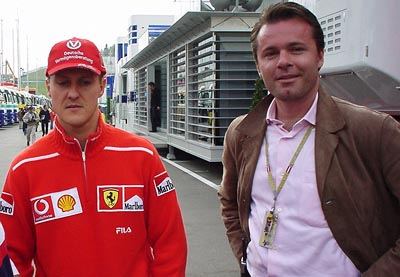
Kolja Spöri is a member of the Club of Most Traveled People. In his book "I've been everywhere / Ich war überall" he writes about his experiences in conflict countries such as Chechnya, Afghanistan or South Sudan and remote corners of the world such as the Ilemi Triangle, or the Road of Bones in East Siberia during winter at -62 °C. He participated in the North Pole Marathon at Ice Camp Barneo. The BBC named him one of their "travel pioneers".
More Alchetron Topics ReferencesKolja Spöri Wikipedia 揭秘者披露西方“战争痴迷”背后的真相 | 科利亚·斯波里 (Kolja Spöri) 中立研究 (Neutrality Studies) —— 2026年10月6日 https://www.youtube.com/watch?v=lA3Pw1q7ZLk 此人足迹遍及全球几乎每一个国家。在旅途中,他观察到一个反复出现的现象:当今世界的暴力与战争遵循着一种简单的模式——即由欧美国家所诱发和主导。在本次访谈中,他分享了自己的观察与见解。 科利亚·斯波里 (Kolja Spöri) 结合他在菲律宾、索马里、哥伦比亚、叙利亚和顿巴斯地区的亲身经历,阐述了他对隐蔽影响力、战略水道以及长期战争的解读。帕斯卡尔 (Pascal) 对这些论断背后的证据提出了质疑,并探讨了局部冲突与外部势力之间的关联。对话最后,双方讨论了欧洲安全、政治动机,以及对欧洲国家间可能爆发更大规模战争的担忧。 AI 概览 科利亚·斯波里(Kolja Spöri)是一位德国经济学家、探险家,也曾担任过一级方程式赛车(F1)的经理。他曾到访过联合国全部 193 个成员国,并经常在公开露面和接受采访时表达其观点。 在他的著作(如《我去过所有地方》[Ich war überall] 和《危险地带博士》[Dr. Danger Zone])以及各类独立媒体访谈中,斯波里阐述了一种对西方外交政策持强烈批判态度的世界观。他关于全球暴力冲突的核心论点包括: “紧张局势策略”(Strategy of Tension):斯波里认为,世界上许多重大的冲突——包括菲律宾的恐怖主义、索马里海盗问题,以及中东和拉丁美洲的内战——并非纯粹的局部现象。他主张,这些冲突是由西方中央政府和情报机构人为诱发、资助或引导的,旨在实施“黑格尔辩证法”(即制造一个问题,从而为预先设定的军事或政治解决方案提供正当性)。 将战争视为一种长期商业模式:结合其经济学背景,斯波里指出,全球冲突往往被蓄意延长,而非得到解决。在他看来,维持一种持续不断的冲突状态,既符合军工复合体的经济利益,又能让西方大国掌控关键贸易路线、海上咽喉要道以及自然资源。 受控的反对派(Controlled Opposition):他声称,西方干预的“套路”之一,就是建立并资助所谓的“受控反对派”团体。这些团体被设计用来对抗当地政权,制造混乱,进而为外国干预提供合法性,并加深当地对西方安全框架的依赖。 媒体叙事的脱节:斯波里经常强调,他在阿富汗、叙利亚、车臣和顿巴斯等冲突地区亲眼所见的情况,与西方主流媒体的叙事截然相反。他认为,这些主流媒体的报道本质上是宣传工具,旨在为“监控国家”的运作和军费开支铺路。 尽管斯波里的观点在一些非主流地缘政治圈子以及西方干预主义的批评者中广受认同,但国际关系学界的主流学者通常认为,全球冲突的成因更为复杂,是内部民族紧张关系、区域权力博弈、经济不稳定以及历史殖民遗产等多种因素交织的结果,而非由西方自上而下单一策划的产物。 F1传奇车手迈克尔•舒马赫 Michael Schumacher
Formula 1 Press Office: f1media@f1.com, ticketwinkel@formula1.com, info@f1experiences.com, marketing@f1experiences.com, corporate@f1experiences.com Contact Online: https://f1experiences.com/contact-us? Switzerland's health minister: info@gs-edi.admin.ch Federal Office of Public Health (FOPH): info@bag.admin.ch. International Health Affairs: International@bag.admin.ch
Emily Mee, reporter , UK Emily.mee3@sky.uk
Kolja Spöri, former Formula 1 manager:Kolja@Spori.net
Current Health Status & Care Privacy: The family fiercely guards his medical information, and public sightings remain virtually non-existent, aside from attending his daughter Gina-Marie's wedding in Majorca under strict privacy rules in 2024.
迈克尔•舒马赫的主治医生表示:他无法创造“奇迹” 艾米莉•米(Emily Mee),记者,2019年10月1日,英国 Emily.mee3@sky.uk
https://news.sky.com/story/michael-schumachers-doctor-says-he-cannot-perform-miracles-11825006 迈克尔•舒马赫(Michael Schumacher)目前正在巴黎接受治疗。为这位赛车传奇人物提供干细胞疗法的外科医生表示,他无法创造“奇迹”。 心脏外科专家菲利普•梅纳什(Philippe Menasche)教授一直在巴黎负责这位前法拉利和梅赛德斯车队车手的护理工作,但相关治疗过程一直处于高度保密状态。这位外科医生在回应外界的高期望时表示:“利用干细胞,我无法创造奇迹。”
当时,一名护士曾向法国媒体透露:“是的,他确实在我所在的科室……我可以向你们保证,他是清醒的。” 2013年,舒马赫在法国阿尔卑斯山滑雪,头部右侧不慎撞上一块岩石,导致头盔破裂, 出现了脑部血栓,并陷入了一段时间的昏迷。 自2014年9月起,他一直居住在瑞士的家中,接受全天候的护理;其家人始终致力于保护他的个人隐私。 在舒马赫50岁生日之际,其家人曾罕见地发表公开声明,在Instagram上写道:“请理解,我们是在遵循迈克尔本人的意愿,将健康状况这一极其敏感的话题——正如过去一直以来的那样——作为隐私妥善保护起来。” Michael Schumacher's doctor says he cannot perform 'miracles' Emily Mee reporter Oct 1 2019 , UK Emily.mee3@sky.uk https://news.sky.com/story/michael-schumachers-doctor-says-he-cannot-perform-miracles-11825006 Michael Schumacher has been receiving treatment in Paris. The surgeon who treated racing legend Michael Schumacher with stem cell therapy says he cannot perform "miracles". Cardiac surgeon Professor Philippe Menasche has been caring for the former Ferrari and Mercedes driver in Paris, but the treatment has been shrouded in secrecy. The surgeon tempered high expectations, saying: "With stem cells, I don't work miracles." He was reportedly watched over by ten security guards. A nurse told the French newspaper at the time: "Yes he is in my service... And I can assure you that he is conscious." Professor Menasche said details of Mr Schumacher's treatment would remain confidential. Only close friends have been allowed to visit the seven-time F1 champion since the accident. He was skiing with family in the French Alps when he hit the right side of his head on a rock, splitting his helmet open. Mr Schumacher was left with blood clots on his brain and was in a coma for some time. He has been receiving round-the-clock care at his home in Switzerland since September 2014, where family members have tried to protect his privacy. In a rare public statement on his 50th birthday, the family wrote on Instagram: "Please understand if we are following Michael's wishes and keeping such a sensitive subject as health, as it has always been, in privacy." 当前状况与医疗护理 居家护理:舒马赫在瑞士格朗(Gland,靠近日内瓦湖)的住所和西班牙马略卡岛(Majorca)的私人别墅中接受全天候的医疗护理。 活动能力:据报道,他已不再长期卧床,能够坐在轮椅上;但其沟通能力和认知功能仍受到严重受限。 迈克尔·舒马赫健康状况最新消息:这位一级方程式传奇人物已脱离卧床状态 https://www.dailymail.com/sport/formulaone/article-15497959/michael-schumacher-health-update.html 现在阅读乔纳森·麦克沃伊的独家报道:我探访了迈克尔·舒马赫的豪宅——以下是我了解到的令人心碎的新细节 作者:乔纳森·麦克沃伊,《每日邮报》体育记者兼赛车专栏作家 发布时间:美国东部时间2026年1月26日凌晨4:54 据《每日邮报》报道,12年前在一场可怕的滑雪事故中受伤的一级方程式传奇人物迈克尔·舒马赫已脱离卧床状态。 这位57岁的德国车手的缓慢康复一直是个秘密,只有至亲和少数几个值得信赖的朋友知晓。 但据《每日邮报》独家报道,接近舒马赫的消息人士透露,他现在已经可以坐在轮椅上,并且可以在位于马略卡岛价值3000万英镑的庄园和位于日内瓦湖畔格朗价值5000万英镑的住所内自由活动。 他的妻子科琳娜(两人已结婚30年)负责照顾他,此外还有一支由护士和治疗师组成的团队24小时不间断地照料他,每周花费数万英镑。 舒马赫的隐私被视为至关重要。自从他在法国阿尔卑斯山度假胜地梅里贝尔附近撞上岩石导致脑损伤后,他就一直远离公众视线。 迈克尔·舒马赫由结婚30年的妻子科琳娜照顾,他目前并未卧床不起。 在舒马赫于阿尔卑斯山滑雪事故发生前一年,他和科琳娜曾被拍到一起滑雪。 这位鲜少露面的F1传奇人物飞往瑞士与他的第一个孙辈见面。 去年,一些前工作人员试图出售舒马赫精神状态不佳的照片,最终被定罪。此前有报道称他将出席女儿吉娜2024年的婚礼,但后来证实这些报道毫无根据。 有传言称,这位被誉为首位亿万富翁运动员的舒马赫患有假性昏迷,或称闭锁综合征——一种患者意识清醒、意识完全清楚,但除了眨眼之外无法做出任何反应的疾病。然而,多方消息证实,即便这种悲观的说法也不准确。 “感觉他了解一些周围发生的事情,但可能并非全部,”一位消息人士说道。 Major Michael Schumacher health update: Formula One legend is no longer bedridden
https://www.dailymail.com/sport/formulaone/article-15497959/michael-schumacher-health-update.html? Now read JONATHAN McEVOY'S exclusive report: I travelled to Michael Schumacher's mansion - these are the heartbreaking new details I learned By JONATHAN MCEVOY, SPORTS WRITER AND DAILY MAIL'S MOTOR RACING WRITER Published: 04:54 EDT, 26 January 2026 Formula One legend Michael Schumacher, who was injured in a horrific ski accident 12 years ago, is no longer bedridden, the Daily Mail can reveal. The 57-year-old German's slow recovery has remained a fiercely guarded secret, known only to close family and a handful of trusted friends. But in exclusive revelations on Daily Mail+, sources close to him say he is now sitting up in a wheelchair and can be pushed around his £30million estate in Majorca and his £50million residence at Gland, on the shores of Lake Geneva. He is cared for by Corinna, his wife of 30 years, along with a team of nurses and therapists who keep a 24-hour watch costing tens of thousands of pounds a week. Schumacher's privacy is seen as paramount. Ever since the brain damage he sustained after crashing into rocks near the French Alps resort of Meribel, he has been kept out of the public eye. 
Michael Schumacher is cared for by Corinna, his wife of 30 years, and is not bedridden Michael and Corinna are pictured skiing a year before his crash on the slopes in the Alps Rarely seen F1 legend flies to Switzerland to meet his first grandchild Attempts by some former staff members to sell images of him in his distressed state resulted in their convictions last year. And reports that he would be attending the 2024 marriage of his daughter Gina proved without foundation. One rumour speculated that the man dubbed the first billionaire sportsman was suffering from pseudocoma, or locked-in syndrome – a condition in which patients are conscious and fully aware but unable to respond other than by blinking. However, several sources have confirmed that even this bleak state is inaccurate. 'The feeling is he understands some of the things going on around him, but probably not all of them,' said one. AI Overview Formula 1 legend Michael Schumacher is no longer bedridden and is able to sit up in a wheelchair, though he continues to require 24-hour medical care following his December 2013 skiing accident in the French Alps.
专访 Kolja Spori 2015年3月13日 | 博客,访谈 https://nomadmania.com/interview-kolja-spori/ 问:Kolja,你有一个名为“绅士冒险家”(Gentleman Adventurer)的博客。能谈谈这个名字的由来吗?你创办这个博客的初衷是什么? 我喜欢在艰苦的道路上旅行,但始终保持着优雅的格调——入住顶级酒店,穿着打扮如同从容的商务人士。我想将两个截然不同的世界融合在一起:一边是极其艰苦、偏远且危险的境地,另一边则是精致美食所带来的舒适享受。我所指的并非现代连锁五星级酒店,而是那些充满独特魅力、见证过历史变迁的“经典老牌”酒店;在这些地方,墙壁仿佛会诉说往事,而入住的宾客本身,往往就是这里最宝贵的“风景”。我曾在这些酒店的大堂里,偶然结识过不少令人着迷的人物,包括政治家、军阀以及商界大亨。 如果可以选择,我最向往的时代,莫过于英国殖民时期在非洲或亚洲开展艰苦探险的岁月。那时的旅行,是美学与困境之间一种优雅的结合。如今,每当某地出现新的冲突,或是发布了更高级别的旅行警告,我总会迅速收拾行囊,前往实地一探究竟。其实,所谓的“危险”大多被西方宣传出于政治目的而夸大了。以“伊斯兰国”(ISIS)为例,这简直就像个拙劣的笑话——它被用来助推“反恐战争”,而这场战争存在的唯一意义,就是为庞大的军事与监控体系提供纳税人的资金,并通过“分而治之”的策略来掌控世界——在这一案例中,就是挑起基督徒与穆斯林之间的对立。出于类似的利益考量,诸如疯牛病、猪流感(以及达菲药物)、当然还有埃博拉病毒,都被严重夸大了。 我撰写博客的原因之一,是希望以一名“纯粹旅行者”的身份保持透明,从而避免因被怀疑怀有不可告人的目的,而与那些腐败的边境官员纠缠不清。可以想象,由于我那“不同寻常的旅行轨迹”,我曾多次遭到当地安全部门的盘问。不妨看看吧,我没什么好隐瞒的。 我也想为旅行者群体做点贡献,因为我深知,即便在互联网时代,想要获取可靠的实地信息依然有多难。像 Flyertalk、Horizons Unlimited 或 Wuestenschiff 这类在线论坛,充斥着“沙发土豆”、网络捣乱者,甚至还有散布虚假信息的人。他们提供的很多信息都不准确——尤其是在涉及所谓“危险区域”时——对于真正有经验的资深旅行者来说,这些内容纯属浪费时间。诚然,我的旅行方式并非人人都能理解;而那些被洗脑的“羊群”——他们根本读不懂言外之意——往往会对我心怀嫉妒你或许会以为我只是个偏爱“暗黑面”的富家浪子?其实不然。我是一位绅士,也是一名探险家;我心目中的偶像,是那位致力于向世界解读各地的德法双语学者——彼得·肖尔-拉图尔(Peter Scholl-Latour)。 问:请简要介绍一下您过去一年的旅行经历,让我们了解一下您的足迹遍布多广,以及旅行频率如何。 学生时代,我曾多次休学去旅行:在加勒比海待过一个学期,在南太平洋也待过一个学期;甚至还有一次由赞助商资助的、为期一年的“环球冲浪之旅”。那时的旅行方式非常典型——低预算、慢节奏,一心只为寻找完美的浪尖,整天泡在海滩上。 如今,我的旅行风格已截然不同。我每年会进行六七次“快节奏”旅行,每次仅持续一两周。我的行程非常紧凑,在同一个地方停留绝不会超过一晚;我经常在飞机上过夜,或者彻夜开车,根本不睡觉。 我最近的一次旅行历时13天,从摩纳哥乘飞机前往萨摩亚,途中经停迪拜、新加坡、雅加达、巴厘岛、东帝汶、巴布亚新几内亚、所罗门群岛、斐济、瓦努阿图、萨摩亚、香港,甚至还造访了澳大利亚的四座机场。我总共在空中度过了60个小时,其中45个小时是躺在平躺式座椅上度过的——比如阿联酋航空空客A380上那完美的商务舱,顺便提一下,巴布亚新几内亚航空(Air Niugini)的商务舱也不错。 在此之前,我还进行了一次疯狂的陆路远征:从车臣的格罗兹尼出发,途经格鲁吉亚、亚美尼亚、卡拉巴赫、伊朗、伊拉克北部,随后沿着500公里长的土耳其-叙利亚边境行进,期间还探访了饱受战火蹂躏的科巴尼(Kobane)镇。那次行程中,我只在酒店住了五晚,有一晚是在车里熬过去的,还有一晚是睡在从伊古迈尼察(Igoumenitsa)返回巴里(Bari)的渡轮地板上。多亏了我的挚友——来自奥地利的哈拉尔德(Harald)——以及他那辆保时捷卡宴(Porsche Cayenne),我们的平均行进速度才得以大幅提升。 2014年10月,我们共同筹办了在格罗兹尼(Grozny)举行的“极限旅行者国际大会”(Extreme Traveler International Congress)。在前往那里的途中,我们安排了一段越野行程:租用了一辆改装了超大轮胎的丰田陆地巡洋舰(Land Cruiser),经由偏僻的哈卡斯(Khakassia)路线,将阿尔泰(Altai)与图瓦共和国(Tuva Republic)连接起来。这条路线此前从未有西方旅行者走过,至少从未见诸任何西方旅行者的记录。 在此之前,我们曾驾驶一辆挂着出口牌照、车龄十年的梅赛德斯M级(Mercedes M-Class)汽车,从奥地利出发,穿过西撒哈拉和毛里塔尼亚,最终抵达马里。我们在那里弃置了车辆,随后乘飞机返程。途中我们在非洲的几个机场停留,其中在加蓬(Gabon)时,还曾被当地腐败的警察扣留了24小时。 更早之前,我曾独自一人在西伯利亚的严冬中,沿着北极圈,在“斯大林的死亡之路”(Stalin’s Dead Trassa)上搭便车。这条路连接着诺维乌连戈伊(Novy Urengoy)、纳德姆(Nadym)和萨列哈尔德(Salekhard)这几座封闭的石油城市,西方人极少涉足此地。 而去年——甚至可以说是我整个旅行生涯中——最精彩的经历,莫过于参加了北极马拉松(North Pole Marathon)。我从斯匹次卑尔根群岛(Spitsbergen)飞往俄罗斯设在浮冰上的“巴尔内奥”(Barneo)冰营,抵达了世界的顶端。 听起来这一年似乎经历得格外丰富,但除此之外,我还要处理正常的商务差旅,并陪同妻子前往奥地利、瑞士和意大利旅行。 问:您参与过职业赛车运动,这与您的旅行经历有何关联? 我在体育媒体和赞助领域工作了20年。在其中15年里,我几乎参加了每一场一级方程式(F1)大奖赛,还参与了许多近海动力艇比赛以及美洲杯帆船赛(America’s Cup)。仅这些活动就让我“打卡”了许多国家;此外,我还会利用每个赛事周末作为契机,去探索周边一些有趣的地方。这种高端赛事圈子也让我有机会体验私人飞机,甚至乘坐游艇出行——比如与赛车手们同行。 问:您最近出版了一本德语书,书名叫《我去过所有地方》(Ich war überall)。能谈谈这本书的创作、出版过程,以及它有何特别之处吗?我的挚友们一直催促我将自己的旅行经历记录下来,付诸文字。后来,在慕尼黑凯宾斯基四季酒店(Kempinski Vier Jahreszeiten)的大堂里——那是我在全球最钟爱的酒店之一——我偶然遇到了一位德国大型出版商。交谈仅三分钟后,他便与我握手,说道:“合同归你了。”我确实很幸运;毕竟,想要以专业方式出版一本书绝非易事。出版商的专业能力为我提供了极佳的公关曝光机会——这正是书籍畅销所必需的。我登上了《焦点》(Focus)、《世界报》(Die Welt)乃至《花花公子》(Playboy)等各大主流杂志。在参加了德国著名的深夜脱口秀节目《Stefan Raab’s TV Total》之后,我的书一举冲进了亚马逊(Amazon)畅销榜前50名,并连续数周稳居旅行类书籍畅销榜单。 这或许是第一本深入探讨“旅行收藏”(travel collecting)现象的书。书中介绍了该领域的一些关键人物,例如查尔斯·维利(Charles Veley)和唐·帕里什(Don Parrish),以及三大主要的旅行收藏家俱乐部——TCC、MTP,当然还有TBT。 此外,我还分享了自己“极简行李”甚至“零行李”的旅行秘诀:穿着美利奴羊毛衣物,利用特制外套充当行李收纳空间,在鞋子上套上防雨鞋套,甚至把牙刷锯成两半等等。 我认为,这本书的独特之处在于,我不仅记录了卡拉卡尔帕克斯坦(Karakalpakstan)或德涅斯特河沿岸(Transnistria)这类鲜为人知的地方,还讲述了我与一些“非同寻常”人物的会面经历——其中包括像拉姆赞·卡德罗夫(Ramzan Kadyrov)这样的军阀、利比里亚的“王子”约翰逊(Prince Johnson),甚至是唐纳德·拉姆斯菲尔德(Donald Rumsfeld)。而且,我行事风格相当“政治不正确”我如实描述事物本来的面貌,而不去照搬主流媒体所灌输的那一套“疫苗”(即被预设好的观点)。例如,我会谈及俄罗斯、伊朗,甚至是朝鲜在许多方面的积极一面。有时,读者需要学会“字里行间读出深意”;但我可以直言不讳地说,如今在东方国家,我们反而能找到更多的自由;而在西方体制下,共产主义思想和监控国家体制却在危险地抬头。 问:你特别钟情于在艰苦路段进行陆路旅行,这是为什么? 那是一种绝对的自由。我可以随心所欲地停下脚步,尽情抽着雪茄,透过敞开的车窗,观察自然风光、建筑风格、地理环境以及各地民众的变迁。除了在我的祖国,我通常都能与当地的警察、边防人员,甚至是街头的“强盗”们相处融洽。我享受那种路况极其恶劣、甚至面临土匪威胁的旅程。在历经一天的艰辛后,于深夜抵达一家舒适的酒店或旅舍,那种如获避风港般的感觉,实在令人无比满足。我指的是那些自驾之旅:前往达达布(Dadaab)的索马里难民营,穿过伊莱米三角地带(Ilemi Triangle)进入南苏丹,从吉尔吉斯斯坦翻越帕米尔高原进入塔吉克斯坦,探访毛里塔尼亚与马里交界的东部地区,深入刚果战乱城市戈马(Goma),又或是最近沿着叙利亚境内的“伊斯兰国”(ISIS)前线行进。 问:战区和冲突地带究竟有什么吸引你的地方?你认为“灾难旅游”有前景吗? 毫无疑问,出发前会有肾上腺素飙升的快感,事后则会有成就感。但对我而言,更重要的是战胜恐惧,并了解事实真相。总的来说,当地人对外国人相当友好,他们并无意伤害你;他们居住的地方越偏远,就越以能接待你为荣。即便偶尔遇到心怀不轨之徒,他们也往往会敬重你的勇气。如果对方真的不怀好意——当然,最好别发生这种事——那么恐怕该感到害怕的,反倒是他,而不是我。 2011年5月,正值“阿拉伯之春”起义最激烈的时候,我曾开车从开罗前往班加西。即便当时身穿防弹衣,我也始终与交战前线保持着一定距离。我绝非那种会从战场上的血腥、他人的苦难,或是自然灾害后的惨状中获得快感的人——或许确实有些心理扭曲的人会这么做,但在我看来,这简直病态。 不过,前往切尔诺贝利或前苏联境内其他被废弃的城市,确实能让人获益良多。如今有一群热衷于“灾难旅行”的人,其中一些人还经营着像“The Wandering Scot”或“The Velvet Rocket”这样的博客。甚至还有一两家专门组织“灾难旅行”的机构,但我怀疑这种商业模式能否持续下去——或许也不该持续下去。这类探索终究应属于少数能够自主规划、思想独立且有责任感的旅行者。 问:去年,你在车臣共和国格罗兹尼组织了首届“极限旅行者”(Extreme Traveller)聚会。这究竟是一场怎样的活动?它会成为年度例行活动吗?如果会,你们又是如何选择举办地点的呢? 我非常乐于结识有趣的人,如果能促成他们之间的交流,那就更好了。几年前,我在慕尼黑组织了一场“资深旅行者”聚会,参与者包括查尔斯·维利(Charles Veley)、豪尔赫·桑切斯(Jorge Sanchez)、沃尔夫冈·斯托法西乌斯(Wolfgang Stoephasius)、尼娜·塞达诺(Nina Sedano)以及其他几位志同道合的朋友。能在现实生活中见到那些在虚拟世界里已经结识多年的人,感觉真是太棒了。我经常会浏览TBT(旅行者社区)上其他旅行者的个人资料,并从中汲取灵感,规划自己的旅程。 这同样也是我去年在格罗兹尼发起首届ETIC(极限旅行者国际大会)的初衷。得益于我与车臣当地核心家族的友谊,我得以在那个曾长期被视为“禁区”的地方,为大家安排了一个安全且好客的聚会环境。这里依然保有足够的吸引力,足以让那些旅行足迹遍布全球的顶尖旅行者们慕名而来。我们不仅造访了格罗兹尼,还深入高山地带,穿越了臭名昭著的维杰诺峡谷(Vedeno Gorge);我们还前往了达吉斯坦、印古什等周边地区,参观了别斯兰学校惨案纪念地,并经由罗基隧道(Roki Tunnel)进入了南奥塞梯。 能有如此多元的旅行者群体齐聚 ETIC,我深感荣幸;这也要感谢 TCC、MTP 和 TBT 的大力支持。参与者中包括 TBT 榜单现任排名第一的 Kari-Matti Valtari、MTP 榜单排名第一的 Don Parrish,以及被我们许多“旅行成瘾者”视为“教父”级人物的 Charles Veley;此外,还有来自十几个国家的二十多位旅行者。我们既有偏好低预算背包旅行的同好,也有旅行方式极其独特的一位参与者——他每天乘坐私人飞机,往返于周边的多个共和国和州之间。大家之间绝无那种试图压过他人一头的攀比心态,只有因共同的生活方式和极致的旅行经历而建立起的深厚情感纽带。 对于我们的车臣东道主而言,这是一次向专业旅行者群体展示其独特共和国风貌、打破过往刻板印象的绝佳机会。我相信,旅行本身就是一种道德行为,它能拉近人与人之间的距离,从而促进和平。未来,我希望能发掘更多像这样值得被重点推介的 ETIC 活动举办地。因被遗忘或鲜为人知,反而能激发那些“阅历丰富”的旅行收藏家们的探索欲。2015年,我曾尝试在加沙(Gaza)举办ETIC(旅行收藏家国际大会),但至今尚未获得有关当局的正式许可。 所以,如果运气好的话,ETIC或许能成为一项年度活动。但它的发展必须顺其自然,不能操之过急;同时,成本也必须控制在合理范围内——因为我希望它能始终保持免费,而不至于变得商业化。 问:那么,您旅行的主要“目标”是什么?还是说根本没有目标? 旅行的动机随时间而变,但对我而言,核心动力始终是:满足对未知事物的好奇心,洞察真实的现实世界,以及结识有趣的人。老实说,单纯为了“打卡”国家数量——甚至是为了在数量上胜过其他旅行者——绝非我的初衷。不过,像TBT(旅行者俱乐部)这类组织,确实提供了一种极佳的架构,能帮助人们更有条理地去探索这颗奇妙的星球。正如艾伦·霍根奥尔(Alan Hogenauer)教授所言,这正是“系统化旅行”的魅力所在。我们此生或许只会造访某地一次,因此理应尽己所能,尽可能多地去领略那里的风光。 问:在访谈的最后,请分享一段令您至今难忘的旅行经历。 2013年,我与奥地利好友哈拉尔德(Harald)一同踏上了一段2万公里的曲折旅程。我们从摩纳哥出发,一路向东,穿越西伯利亚,行经那条臭名昭著的“骨头之路”(Road of Bones)。那是在冬季,我们途经了“寒极”奥伊米亚康(Oymyakon),在零下50摄氏度至零下62摄氏度的极寒中,连续数昼夜未曾合眼。那段经历极其震撼,仿佛穿行在一条隧道或时空裂隙之中,不断向东、向东、再向东……最终跨越了12个时区,深入严寒腹地。一路上,我们始终担心车辆会抛锚——一旦如此,我们便会陷入如同火星表面般恶劣的绝境。那大概是我此生最难忘的一次旅行。本文中的照片来自 Kolja Spöri 的私人收藏;如欲查看更多照片,可访问他的博客: www.luxuryrogue.travellerspoint.com Whistle Blower REVEALS Truth About West's War Obsession | Kolja Spöri Neutrality Studies 2026年10月6日 https://www.youtube.com/watch?v=lA3Pw1q7ZLk This man has seen almost every country on earth. And during his travels he witnessed one recurring pattern: The violence and wars in this world followed a simple pattern—induced and guided from Europe and America. In this talk he reveals his observations. Drawing on encounters in the Philippines, Somalia, Colombia, Syria and Donbas, Kolja Spöri presents his interpretation of covert influence, strategic waterways and prolonged warfare. Pascal questions the evidence behind these claims and explores the relationship between local conflicts and outside powers. Their conversation concludes with European security, political incentives and fears of a wider war between European countries. AI Overview Kolja Spöri, a German economist, adventurer, and former Formula 1 manager who has visited all 193 UN member states, has frequently voiced this perspective during his public appearances and interviews. In his books, such as Ich war überall ("I've Been Everywhere") and Dr. Danger Zone, as well as in various independent media interviews, Spöri outlines a worldview heavily critical of Western foreign policy. His core arguments regarding global violence include: The "Strategy of Tension": Spöri asserts that many of the world’s most prominent conflicts—including terrorism in the Philippines, piracy in Somalia, and civil wars in the Middle East and Latin America—are not purely localized phenomena. Instead, he argues they are artificially induced, funded, or guided by Western central governments and intelligence agencies to implement a Hegelian dialectic (creating a problem to justify a pre-determined military or political solution).
War as a Prolonged Business Model: Drawing from his background in economics, Spöri argues that global conflicts are often deliberately prolonged rather than resolved. In his view, maintaining a perpetual state of conflict serves the financial interests of the military-industrial complex and allows Western powers to secure vital trade routes, maritime choke points, and natural resources.
Controlled Opposition: He claims that the "playbook" of Western intervention involves establishing and financing controlled opposition groups. These groups are designed to fight local authorities, creating chaos that ultimately legitimizes foreign intervention and deepens local dependence on Western security frameworks.
Media Disconnect: Spöri frequently emphasizes that what he witnessed firsthand in conflict zones like Afghanistan, Syria, Chechnya, and the Donbas directly contradicts mainstream Western media narratives, which he characterizes as propaganda designed to grease the wheels of the surveillance state and military spending.
While Spöri's views are widely embraced within alternative geopolitical circles and by critics of Western interventionism, mainstream international relations scholars generally attribute global conflicts to a more complex mix of internal ethnic tensions, regional power struggles, economic instability, and historical colonial legacies rather than a singular, top-down Western design. Interview with Kolja Sporihttps://nomadmania.com/interview-kolja-spori/ Q: Kolja, you have a blog called Gentleman Adventurer. Can you explain how the name came about? What are your aims with this blog?
I like to travel on the rough roads, but always in style, staying in top hotels and dressed like a relaxed businessman. I want to combine the best of two worlds: supposedly rockbottom, remote and dangerous terrains with the creature comforts of sophisticated gastronomy. It’s not so much about modern 5-star-chains, but more about charismatic “grand dame” hotels where history has taken place, where the walls have stories to tell and where the guests themselves are the most valuable amenity. I have met some fascinating politicians, warlords and industry moguls in such hotel lobbies, often by coincidence. My perfect time to live would have been the rough expeditions of British colonialism through Africa or Asia. Those travels were a classy combination of aesthetics and adversity. Today, when a new conflict zone pops up somewhere or a heightened travel warning, I quickly pack my gear and go check the facts on the ground. Most of those dangers are exaggerated anyway, by our Western propaganda, for political purposes. As an example, the whole ISIS thing is almost like a bad joke, in order to fuel the war against terror, which only exists to grease the tax-payer-bill for the military and surveillance state, and to rule the world by divide-and-conquer, in this case to inflame Christians against Muslims. For similar gains, mad-cow-disease, swine flu and tamiflu and of course ebola were blown up out of proportion. One of the reasons for my blogging is that I want to be transparent as a bona fide traveller and not lose too much time with some corrupt border official for suspicion of having a hidden agenda. As one can imagine, I’ve been grilled many times by local security services, because of my “unusual travel patterns”. But hey, have a look, I have nothing to hide.
I also want to give something back to the traveller community, because I know how hard it is to find reliable, on-the-ground info, even in times of the internet. Most of the online forums like Flyertalk, Horizons Unlimited or Wuestenschiff are frequented by couch potatoes, trolls or even disinformation agents who give a lot of inaccurate info, especially about so-called danger zones, and are a waste of time for the big boys. Admittedly my style of travel is not shared by many, and I get a lot of penis envy from the brainwashed sheep who can’t read between the lines and think I’m just a rich rogue who loves the dark side. Not at all, I’m a gentleman and an adventurer, and my great idol is the German-French world explainer Peter Scholl-Latour. Q: Give us a brief overview of your travels in the past year, so we get a sense of how far (and often) you are on the road. In my student years, I took several sabbaticals, like one semester in the Caribbean, one in the South Pacific and even a one-year sponsor-financed “surf around the world” trip. It was the typical low-budget travelling, slow motion, searching for the perfect wave, hanging out at the beach. Nowadays, I have a totally different style. I do about six or seven speed trips a year, lasting just a week or two. I travel very quickly, never more than one night in the same place, and I often sleep in the airplane, or drive all night without sleeping at all. My last trip took 13 days, by plane from Monaco to Samoa, with stops in Dubai, Singapore, Jakarta, Bali, Timor-Leste, Papua New Guinea, Solomon Islands, Fiji, Vanuatu, Samoa, Hongkong and even four Australian airports. I was 60 hours total in the air, thereof 45 hours in lie-flat seats, such as the perfect business class of Emirates in the Airbus 380, or that of Air Niugini, by the way. Before that I was on a crazy road expedition from Grozny, Chechnya through Georgia, Armenia, Karabakh, Iran, North Iraq, and then along the 500km-long Turkish-Syrian border including seeing the war-torn town of Kobane. Only five nights in hotels, one sleepless in the car, and one on the floor of the ferry back from Igoumenitsa to Bari. It definitely helped our average speed that I was with my best buddy, Harald from Austria, in his Porsche Cayenne. We had both organised the Extreme Traveler International Congress in Grozny in October 2014, but on the way there we inserted a quick offroad trip in a rented big-foot Landcruiser, connecting Altai and Tuva Republic through the remote Khakassia track which had never been done, or at least not described, by a Western traveller.
Before that we drove a ten-year-old Mercedes M Class on export plates from Austria through Western Sahara and Mauritania to Mali, dumped the car there, then flew back with several African airport stops, including being detained for 24 hours by corrupt police in Gabon. Before that I hitch-hiked alone on “Stalin’s Dead Trassa”, a cold Siberian winter road between the closed oil-cities of Novy Urengoy, Nadym and Salekhard, along the Arctic circle, which is also very rarely travelled by Westerners. And my highlight of the last year, or maybe of all my travels, was participating at the North Pole Marathon, flying from Spitsbergen to the drifting Russian Ice Camp Barneo, right on top of the world. It may all sound a lot for one year, but besides that I still did my normal business travel, and trips with my wife to Austria, Switzerland and Italy. 
Q: You are involved in professional car racing. How is that linked to your travels? I’ve been in sports media and sponsorship for 20 years. For 15 years I attended almost every Formula 1 Grand Prix, many Offshore Powerboat races, and the America’s Cup. This alone led to some massive country collecting, plus I also used every event weekend as a hub for interesting side-steps. This high-powered world also gave me the opportunity for quite a bit of private jet and even yacht travel, for example with the racing drivers. Q: You recently published a successful book in German, ‘Ich war Uberall’ (I was Everywhere). Tell us something about writing it, publishing it and what makes it special. My close friends kept pushing me to put my travel adventures on paper. Then I met a big German publisher by coincidence in the Kempinski Vier Jahreszeiten lobby in Munich, one of my worldwide favourite hotels. After three minutes he shook my hand and said “You have a contract”. I was lucky. Otherwise it’s so difficult to publish a book professionally. Their expertise helped with PR-exposure, which is what you really need to sell a book. I got featured in all major magazines like Focus, Die Welt, even Playboy. After an appearance at a famous German late-night show, called Stefan Raab’s TV Total, my book jumped in the Amazon Top 50 and became a bestseller in the travel category for several weeks . It may be the first book that covers in depth the phenomenon of travel collecting, some of the key players in the scene, like Charles Veley and Don Parrish, and the three leading travel collector clubs TCC, MTP and of course TBT. I also describe my techniques of travelling with minimum or no luggage at all, wearing merino wool, jacket-come-luggage-container, galoshes over my shoes, cutting my toothbrush in half and so on. I think what makes my book special is that I describe unheard-of-places like Karakalpakstan or Transnistria, and my unusual meetings with warlords like Ramzan Kadyrov, Prince Johnson in Liberia and even Donald Rumsfeld. In addition, I am positively politically incorrect, meaning I describe things how they really are, and not following the prescribed vaccinations of our mainstream media. For example, I cover a lot of positive aspects about Russia, Iran, even North Korea. Sometimes the audience needs to read between the lines, but I am frank enough to say that nowadays we can find more freedom in the countries of the East, whereas communism and the surveillance state rise dangerously under the Western regime. Q: You especially like overland travel on difficult roads. Why? It’s absolute freedom. I can stop where I want, smoke big cigars continuously, and follow the change of nature, architecture, geography, populations through my open window. With the exception of my home country, I usually have a good rapport with policemen, border guards and other street robbers. I love it when the road gets really tough or when there is a threat of bandits. To reach the safe haven of a nice hotel or lodge late at night, after a day of such hardship, is an incredibly rewarding feeling. I’m talking about self-drives to the Somali refugee camps in Dadaab, or through the Ilemi Triangle into South Sudan, crossing the Pamir from Kirgistan to Tajikistan, the Eastern corner of Mauretania and Mali, Congo’s war city Goma, or recently along the ISIS front in Syria. Q: What fascinates you about war zones and areas of conflict? Do you think ‘disaster tourism’ has a future? There is a rush of adrenaline beforehand, no doubt, and the feeling of accomplishment afterwards. More important for me is to beat the fear, and to learn the facts. In general, locals are rather friendly to foreigners, they don’t want to harm you, and the more remote they live, the prouder they are to host you. And even the occasional dodgy character will always respect your courage. If he really doesn’t have friendly intentions, god forbid, he may have to fear me more, than vice versa. Even when I drove from Cairo to Benghazi in May 2011, at the height of the Arab Spring uprising, with a bulletproof vest, I kept a bit of a distance from the fighting front. I’m not the one who gets a kick from seeing blood on the battlefield, or other human misery, or the carnage after natural disasters. There may be some degenerates who do so. For me that’s sick. There is a lot to be learned however from travelling to Chernobyl or other abandoned cities in the former Soviet Union. There are a number of interesting disaster travellers out there, some have blogs like The Wandering Scot or The Velvet Rocket. There are even one or two disaster travel agencies, but I doubt it will be a sustainable business case. It shouldn’t be. That’ll remain the domain of the few self-organised, freethinking, responsible citizens. Q: Last year you organised the first Extreme Traveller gathering in Grozny, Chechnya. What exactly was this event, and will it become an annual thing? If so, how do you choose the venues? I truly enjoy meeting interesting people, and connecting them if I can. A couple of years ago I organised my first most-traveled-meeting in Munich with Charles Veley, Jorge Sanchez, Wolfgang Stoephasius, Nina Sedano and other good folks. It was great to meet people in person that had already been connected in the virtual world for several years. I often look at other travellers’ profiles on TBT and try to get inspiration from their trips. That was also my motivation for the first ETIC congress in Grozny last year. Through my friendship with the Chechen leading family, I was able to provide a safe and hospitable local set-up, in a place that seemed out-of-bounds for many years, and that still carried enough caché to lure travellers from the very top of the list. We were not only in Grozny, but high up in the mountains, crossing the notorious Vedeno Gorge, and to neigbouring highlights like Dagestan, Ingushetia, the Beslan school massacre memorial, or through the Roki tunnel to South Ossetia. I felt extremely honored to have such a diverse spectrum of traveller guests at the ETIC, thanks also to the support from TCC, MTP and TBT. There was Kari-Matti Valtari, the current Nr. 1 on TBT, Don Parrish who is Nr. 1 on MTP and Charles Veley, who may be the founding father for many of us travel addicts, and more than twenty others from a dozen countries. We had some travellers who prefer low-budget backpacking whereas another attendant impressed me with his pretty unique travel style, visiting several surrounding republics and oblasts every day in his private jet. There was definitely no one-upmanship or other trumping of fellow travellers, just a deep emotional bond of a shared way of life and of very extreme travel experiences. 
For our Chechen hosts it was a possibility to present their interesting republic to an expert audience and to beat the stereotypes of the past. I believe that travel in itself is an ethical act that promotes peace by bringing people closer together. In the future, I want to find similar ETIC venues that deserve to be highlighted out of their neglect or obscurity and that are motivational for travel collectors who have seen it all. In 2015 I am trying to set up the ETIC in Gaza, but so far I have not yet received official permission from the powers to be. So, yes, with a bit of luck the ETIC may become an annual event, but it has to develop in a sympathetic way, without pushing, and also my cost has to stay within reason, because I want it to stay free of charge and not become commercial. Q: So, what are your main ‘aims’ when travelling? Or aren’t there any? Motivations change over time, but for me the overarching elements are to satisfy my curiosity for the unknown, to understand reality as it is and to meet interesting people. To be honest, the pure counting of countries is not my motivation, or worse to beat other travellers at it, no, not at all. But collector clubs like TBT are an excellent way of getting organised and structured to see the most of this wonderful planet. That’s the beauty of systematic travel, as Professor Alan Hogenauer called it. We probably visit here only once, so we better take the effort to see as much as possible. Q: And to end this interview, tell us of a travel experience you had which has truly remained memorable. Zigzagging 20.000 kilometers from Monaco to Magadan in 2013, again with my Austrian buddy Harald, Trans-Siberia on the infamous Road of Bones, in winter, past the pole of cold in Oymyakon, with temperatures between -50°C and -62°C for several days and nights, without sleep, that was so incredibly intense, like through a tunnel or time warp, heading east, east, east, finally 12 time zones from GMT, ever deeper into the cold, always worried that the car might break down, leaving us prey to conditions like on planet Mars, that was probably my most memorable trip ever. The photos in this article are from the private collection of Kolja Spöri, if you want to see more you can visit his blog www.luxuryrogue.travellerspoint.com. |