Globalization 2.0's Hidden Truth: Mutual Harm, Deep Imbalances, and the American Backlash 全球化2.0的真相:從鄧小平的“跟美國富裕論”,到川普的“美國吃大虧論” ——以共生經濟學重釋特利芬難題與羅德里克悖論 Reinterpreting the Triffin Dilemma and Rodrik Trilemma through Symbionomics
錢宏(Archer Hong Qian) 二戰結束,全球進入了長達八十年的“全球化2.0”階段。其間的經濟格局與權力邏輯,若用兩句通俗話語概括,可謂: 一句是鄧小平1979年提出的“跟美國富裕論”; 一句是川普2016年指出的“美國吃大虧損論”或“占美國便宜論”。

但過去四十多年的世界貿易實況顯示,“跟美國富裕論”與“美國吃大虧論”,存在很大現實衝突,全球化2.0,給世界注入經濟動能的同時,還客觀存在一種“互害機制”,必須加以糾偏(參見:Archer Hong Qian《告別自由貿易烏托邦,交互參與全球化3.0》,http://symbiosism.com.cn/9907.html)。 一、鄧小平的“富裕論”:中國式崛起的現實支撐 鄧小平所倡“跟美國走、搞開放就會富起來”,在中國40餘年發展歷程中被驗證得毋庸置疑。從貧窮落後到經濟總量逐步超越英、法、德、日,成為世界第二大經濟體,中國的確是“跟美國富裕論”的最大受益者。 二、川普的“吃虧論”:全球化2.0的結構性反彈 相較之下,川普提出的“美國吃虧了”雖也屬事實,卻在國際和國內引發巨大爭議,甚至招來“刻舟求劍”式的主流經濟學家和普世價值論者的一片叫罵(可謂“集體淪陷”)。 儘管如此,作為美國民選總統,商人+軍人(上尉軍校生)+政壇新手的川普,必須直面這一結構性困境,並給出切實解方。 川普的答案是:撇開“政治正確”與僵化的主流經濟學理論,而是從“對等關稅”(Reciprocal Tariffs)着手,以對外促談判、對內減稅賦能,重構美國生產關係,激發人民的生命自組織連接力。 三、“占美國便宜”的三類國家:川普區分對待,有理有據 具體而言,那些“占了美國便宜”的國家並非一概而論,從其自身社會階層受惠情況和結構功能看,而可細分為三類: 1、結構性失衡型
這些國家經濟上富裕了,但財富主要集中在權貴階層,普通民眾獲益有限,健康和消費能力未見同步提升。
中國大陸是典型案例。學者秦暉早已指出,與日、韓、台、新等“外向型經濟”國家不同,中國並未形成普遍富裕社會。川普政府稱之為“結構性失衡”,貿易戰正是為了推動中國向“消費驅動、普遍富裕”的健康結構轉型。 2、福利主義負擔型
富裕之後實行高稅收、高福利政策,以此維繫內部社會平衡,但對外經濟行為卻依賴美國開放市場。
加拿大、德國、法國、澳大利亞、英國等美國傳統盟友即屬此列。川普不僅主張對等關稅,還要求它們增強國防自主,特別在“俄烏戰爭”背景下。 3、普遍富裕型
富裕後未陷入“權貴專享”或“高福利陷阱”,形成全民受益型的市場經濟結構。
如台灣、日本、韓國、新加坡及波蘭、波羅的海三國,在政治清廉、市場活力、社會均富等方面表現突出。

因此,無論是4月2日“解放日”公布的萬國關稅,還是川普7月7日至12日對各國陸續發出關稅函,顯示出“因國施策、區別對待”的戰略邏輯,絲毫不亂,足見其政策設計背後的章法與理性。 四、根源問題:特利芬難題與羅德里克悖論 要真正理解全球化2.0“美國吃虧”現象的結構根源,必須從兩個經典悖論入手: 特利芬難題(Triffin Dilemma):
美國作為世界貨幣發行國,為滿足全球美元流通的需要,必須長期保持貿易赤字。2024年,美國貿易赤字達1.2萬億美元;與此同時,金融業平均年薪超15萬美元,而製造業工人僅約5萬美元,收入差距加劇,基尼係數達0.48,社會撕裂嚴重。 羅德里克悖論(Rodrik Trilemma):
一個國家的“民主人權”、“國家主權”與“自由貿易/超級全球化”三者,不可能同時成立。必須放棄其一,否則就會出現制度虛假或功能受損的後果。
中國正是典型例證:其低成本+補貼+洗產地的出口策略,在非自由貿易體制下攫取紅利,推動GDP增長,卻以犧牲勞工權益與貿易對象利益為代價。 歐洲則因堅持自由貿易與歐盟統一市場,被迫放棄部分國家主權,英國最終選擇脫歐以捍衛主權。 五、破解之道:川普與米萊的結構性突破 面對這兩大困局,川普與米萊的政策思路堪稱結構性突破: 兩位領導人雖處不同國情,卻都直面“全球化2.0互害機制”的結構病根,追求主權回歸、經濟重建、自由與責任的再平衡。 特別是川普的關稅策略,適度讓渡或打破“超級自由貿易”的幻想,換取國家主權與民權的重建。這是對“自由貿易烏托邦”的現實性糾偏,也是邁向“全球化3.0”的必要前提。 六、共生經濟學(Symbionomics):走出悖論的思想之路 共生經濟學指出,破解“特利芬難題”與“羅德里克悖論”的關鍵,不在關稅本身,而在於經濟學思維方式的根本轉變——主流經濟學與奧地利學派,皆須反思其經濟增長假設前提,是否健康?
白宮貿易與製造業高級顧問彼得·納瓦羅(Peter Navarro)就一語中的地指出: 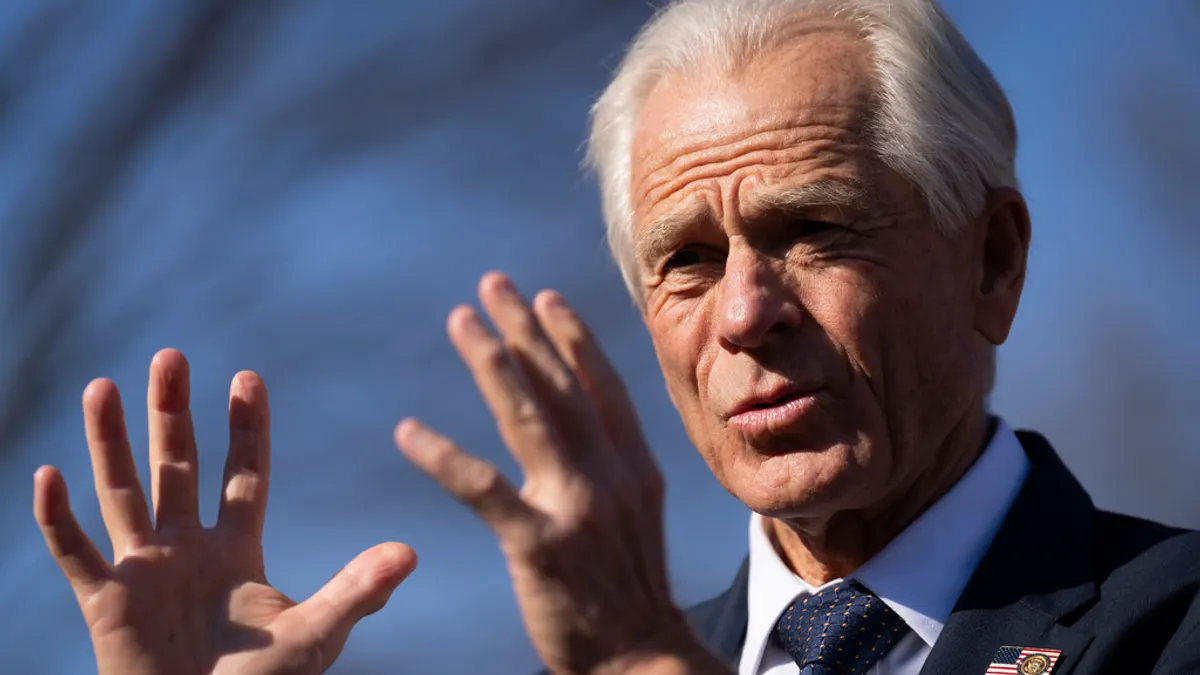
經典貿易條件下
商品價格 = 成本 + 利潤 三元悖論條件下
商品價格 = 成本 + 利潤 + 作弊紅利 所謂“作弊紅利”,包括政府補貼、匯率操縱、知識產權盜竊、血汗工廠等,在自由貿易外衣下掠奪型獲利。即使以單純經濟“增長黃金率”(菲爾普斯)創造GDP來衡量,似乎也沒有什麼問題。但是,以經濟“健康黃金率”(錢宏)觀之,顯然存在諸般“結構性失衡”問題,並產生“外溢效應”,這就是“美國吃虧論”的根源。 川普實施的“高關稅”本質上是“對等減半”並杜絕“洗產地”等規範貿易策略,其真正打擊的是“作弊紅利”而非成本本身——增加的關稅收入可抵消成本上升,部分產業回流,可提高就業增強產品出口,達成貿易平衡。正如納瓦羅所言,某國占美國便宜越多,越有能力“消化”這些關稅,從而反向為美國財政與人民造福。 已經達成的《美英貿易恊議》和《美越貿易恊議》就是這一思維的產物,而且具有示範效應。隨着《大美麗法案》(減稅與開支法案)的正式實施,不僅能化解“跟美國富裕論”與“美國吃虧論”的衝突,而且大概迎來美國及世界經濟的大繁榮。 順便說一句,以共生經濟學(Symbionomics)觀之,白宮顧問彼得·納瓦羅並不是“冷戰思維”下的什麼鷹派/鴿派人物,而是全球化2.0條件下“商品價格 = 成本 + 利潤 + 作弊紅利”律的發現者,似應獲得諾貝爾經濟學獎! 七、邁向全球化3.0:解構互害機制,重建共生秩序 川普的對等關稅(Reciprocal Tariffs),短期內提升財政收入,但其長期戰略意義在於: 正如共生經濟學的“經濟健康黃金律”所昭示,真正可持續的經濟,不是以無限增長為目標,而是以人的身心靈健康為尺度,以生產回歸生活、生活呈現生態、生態激勵生命為路徑,實現全球經濟與政治的再平衡。 2025年7月13日於Vancouver
Globalization 2.0's Hidden Truth: Mutual Harm, Deep Imbalances, and the American Backlash Reinterpreting the Triffin Dilemma and Rodrik Trilemma through Symbionomics By Archer Hong Qian After World War II, the world entered an eighty-year phase of “Globalization 2.0.”
The economic patterns and power logic during this period can be summed up in two plainspoken statements: However, over the past four decades of global trade, there has been a significant contradiction between these two assertions. While Globalization 2.0 did inject economic momentum into the world, it also objectively created a mutual harm mechanism, which must now be corrected.
(See: Archer Hong Qian, Farewell to the Free Trade Utopia: Toward Participatory Globalization 3.0, http://symbiosism.com.cn/9907.html)
I. Deng Xiaoping’s “Getting Rich” Theory: The Chinese Path to ProsperityDeng Xiaoping’s notion that “by following the United States and opening up, we will become rich” has been undeniably validated throughout China's development over the past 40 years. From poverty and backwardness to becoming the world’s second-largest economy—surpassing the U.K., France, Germany, and Japan—China has clearly been the greatest beneficiary of this theory.
II. Trump’s “Being Taken Advantage Of” Theory: A Structural Rebound of Globalization 2.0By contrast, Trump’s assertion that “America is being taken advantage of” is also factual, yet it sparked widespread controversy both at home and abroad. It drew fierce criticism from mainstream economists and universalist ideologues—an almost collective backlash akin to “carving a mark on a moving boat.” Nonetheless, as a democratically elected president of the United States—businessman, military officer (West Point cadet captain), and political outsider—Trump had to confront this structural dilemma and offer a practical solution. His answer was: to break away from “political correctness” and rigid mainstream economic theories, and instead begin with “Reciprocal Tariffs”—to promote foreign negotiations externally, reduce taxes internally, restructure America’s production relations, and activate the people’s self-organizing connectivity.
III. Three Types of Countries “Taking Advantage of the U.S.”: Trump’s Case-by-Case StrategySpecifically, the countries that have “taken advantage of the United States” are not all the same and can be divided into three types: Structural Imbalance Type
These countries have grown economically wealthy, but the wealth has mainly flowed to elites, while ordinary citizens have gained little. Health and consumption capacity have not improved in tandem.
Mainland China is a typical example. Scholar Qin Hui pointed out that unlike other export-oriented economies like Japan, South Korea, Taiwan, and Singapore, China has not achieved broad-based prosperity. The Trump administration labeled this as “structural imbalance,” and the trade war aimed to shift China toward a healthier structure driven by domestic consumption and widespread affluence. Welfare Burden Type
These countries have implemented high-tax, high-welfare policies to maintain internal social stability but rely on the U.S. for open markets and security protection.
Examples include traditional American allies such as Canada, Germany, France, Australia, and the United Kingdom. Trump not only advocated for reciprocal tariffs but also demanded that these nations enhance their national defense capabilities, especially in the context of the Russia–Ukraine war. Broad-Based Prosperity Type
These countries have become wealthy without falling into the traps of elite capture or excessive welfare, forming market economies that benefit all citizens.
Examples include Taiwan, Japan, South Korea, Singapore, Poland, and the Baltic States.
From July 7 to 12, Trump issued a series of tariff letters to different countries, demonstrating a strategic logic of “country-specific measures and differentiated treatment.” Far from being chaotic, this approach reflects a well-structured policy design.
IV. The Root Problems: The Triffin Dilemma and Rodrik TrilemmaTo truly understand the structural roots of the “America is suffering” phenomenon in Globalization 2.0, we must start with two classic dilemmas: Triffin Dilemma
As the issuer of the world’s reserve currency, the U.S. must run long-term trade deficits to meet global demand for dollars.
In 2024, the U.S. trade deficit reached $1.2 trillion. At the same time, the average annual salary in the financial sector exceeded $150,000, while manufacturing workers earned only about $50,000. Income inequality worsened, with a Gini coefficient of 0.48, signaling serious social fragmentation. Rodrik Trilemma
A country cannot simultaneously achieve democracy and human rights, national sovereignty, and free trade/hyper-globalization. One of the three must be abandoned, or else one becomes false or dysfunctional.
China is a classic case: its export strategy of low costs, subsidies, and origin-washing seizes non-free trade gains, boosts GDP, but sacrifices labor rights and harms its trade partners.
Europe, in its insistence on free trade and EU market integration, has had to relinquish part of its national sovereignty. The U.K. ultimately chose Brexit to reclaim its autonomy.
V. The Way Out: Trump and Milei’s Structural BreakthroughFaced with these two dilemmas, the policy trajectories of Trump and Argentina’s President Milei represent structural breakthroughs: President Trump advocates for improving government efficiency, implementing reciprocal tariffs to drive trade negotiations, and reducing internal tax burdens to energize citizens, restore manufacturing, and restructure income distribution. President Milei of Argentina takes “anti-privilege” and “monetary liberalization and diversification” as his tools, actively breaking the domestic monopoly of bureaucracy and dependency on sovereign currency, to restore the self-organizing vitality of markets.
Though in different national contexts, both leaders directly confront the structural root of the mutual harm mechanism of Globalization 2.0. Their vision: restoring sovereignty, rebuilding the economy, and rebalancing freedom and responsibility. Trump’s tariff strategy, in particular, intentionally surrenders or dismantles the illusion of hyper-globalization, in exchange for rebuilding national sovereignty and civil rights. It is a reality-based correction of the “free trade utopia,” and a necessary prerequisite for entering Globalization 3.0.
VI. Symbionomics: A Philosophical Path Beyond the DilemmasSymbionomics asserts that the key to solving the Triffin Dilemma and the Rodrik Trilemma lies not in tariffs themselves, but in a fundamental transformation of economic thinking. Both mainstream and Austrian economics must reexamine the foundational assumption of economic growth: is it truly healthy? White House Senior Advisor on Trade and Manufacturing, Peter Navarro, incisively pointed out: Under classical trade conditions:
Product Price = Cost + Profit Under the conditions of the Trilemma:
Product Price = Cost + Profit + Cheating Bonus
The so-called “cheating bonus” includes government subsidies, currency manipulation, intellectual property theft, and sweatshop labor. These are forms of predatory gain disguised under the cloak of free trade. Even when assessed by the traditional economic “Golden Rule of Growth” (Phelps) in terms of GDP creation, there may appear to be no issue.
However, viewed through the “Golden Rule of Economic Health” (Archer Hong Qian), numerous structural imbalances become evident, generating significant negative externalities—this is the real root of Trump’s “America is being taken advantage of” argument. Trump’s so-called “high tariffs” are essentially “reciprocal halving” combined with enforcement measures against practices like origin-washing. What they truly target is not cost, but the cheating bonus. The increased tariff revenue offsets rising costs; partial reshoring of industries raises employment, strengthens exports, and helps restore trade balance. As Navarro noted, the more a country takes advantage of the U.S., the more capable it is of “digesting” these tariffs—thereby reversing the harm and benefiting American fiscal revenue and the welfare of its people. The U.S.–U.K. Trade Agreement and U.S.–Vietnam Trade Agreement are direct products of this line of thinking, and they carry demonstrative significance. With the formal implementation of the One Big Beautiful Bill (Tax Cut and Spending Act), the long-standing contradiction between “getting rich by following America” and “America suffers losses” can finally be reconciled—ushering in a period of robust economic prosperity for both the United States and the world. Incidentally, from the perspective of Symbionomics, Peter Navarro is neither a “hawk” nor a “dove” in the Cold War ideological sense. Rather, he is the discoverer of the law that under Globalization 2.0, Product Price = Cost + Profit + Cheating Bonus,
—an insight that arguably merits the Nobel Prize in Economics.
VII. Toward Globalization 3.0: Dismantling the Harm, Rebuilding Symbiotic OrderTrump’s Reciprocal Tariffs, though yielding short-term fiscal gains, carry long-term strategic significance: They push global trade back toward fairness and reciprocity; They dismantle the triangular trap of “powerful predation – structural imbalance – moral hypocrisy” under Globalization 2.0; They guide all economies toward Globalization 3.0—based on intersubjective symbiosis and the balanced, self-organizing connectivity of life.
As the Golden Rule of Economic Health in Symbionomics suggests, a truly sustainable economy does not pursue infinite growth, but rather measures prosperity by the ongoing well-being of the body, mind, and spirit. The rebalancing of global political and economic systems begins with this structural correction.
Vancouver, July 13, 2025
|