“拥美回亚”:从日本新维新看21世纪东亚文明再定位
"Embracing America, Returning to Asia": Repositioning East Asian Civilization in the 21st Century from Japan's New Restoration
钱宏(Archer Hong Qian) 2025年10月22日 · 新加坡 一、闻日本新政有感 今晨,日本政坛风云再起:维新会与自民党携手,高市早苗荣登首相宝座。此非寻常权力更替,乃日本文明进程的崭新拐点。 我十余年前曾论,日本近现当代史可概括为“三段论”:
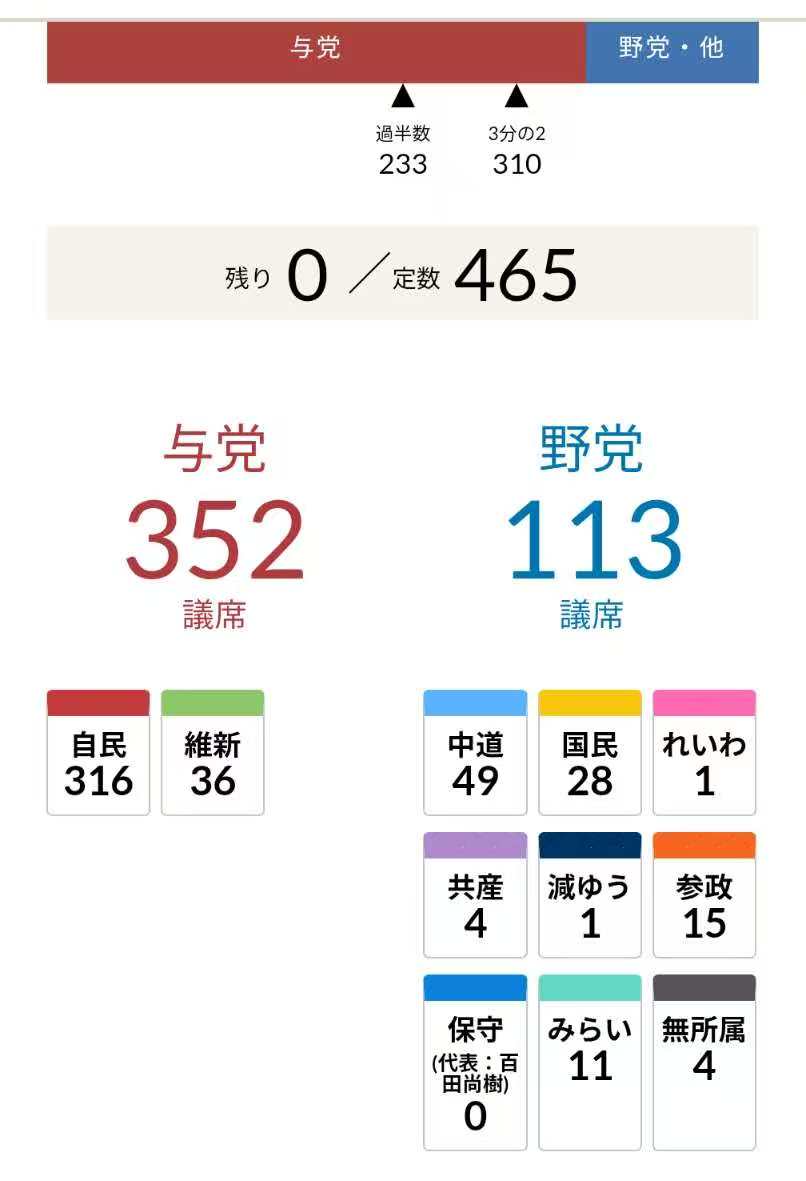
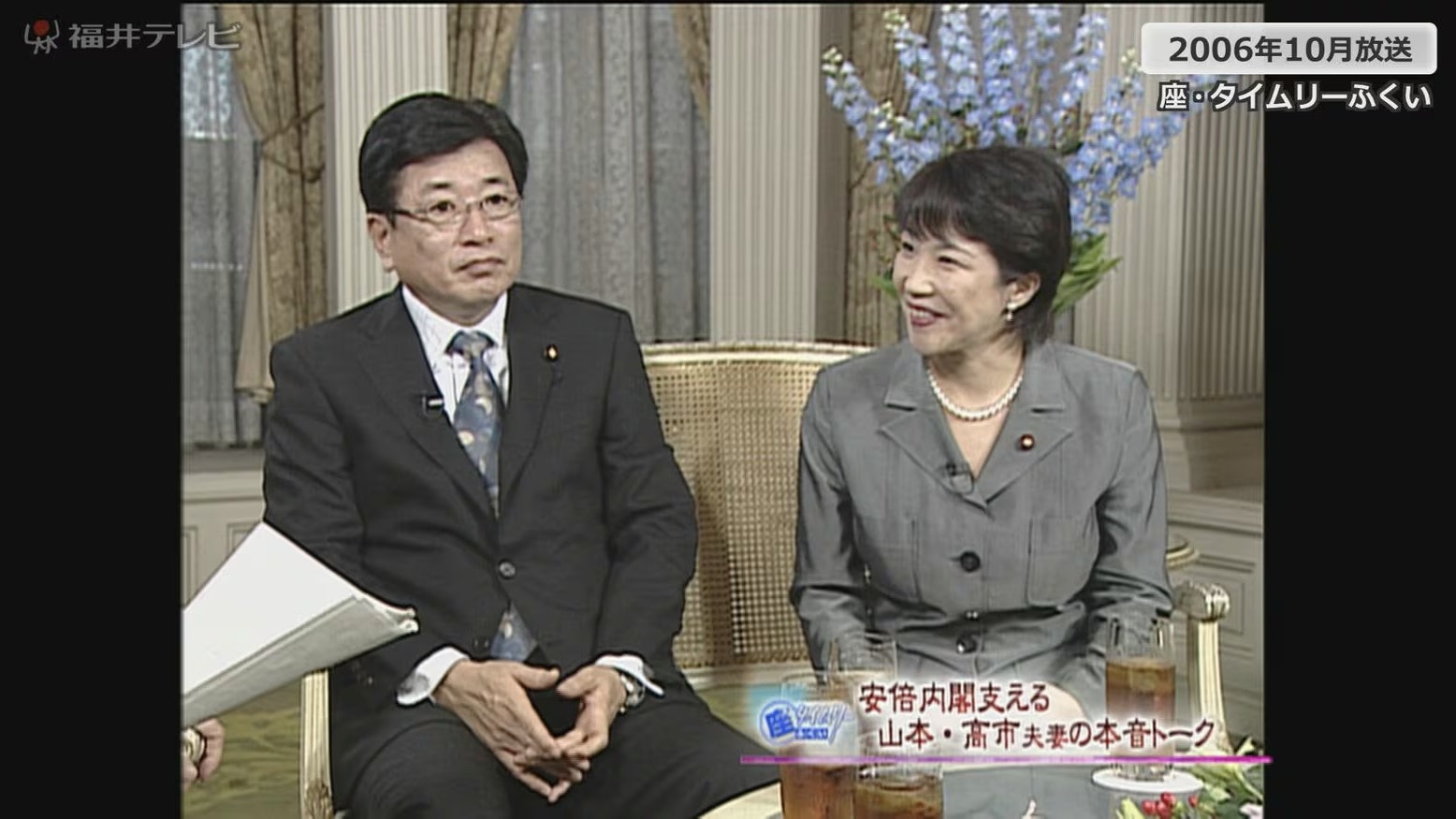
19世纪,脱亚入欧,主体Subject意识觉醒; 20世纪,脱欧入美,甘愿客体Object被改造; 21世纪,拥美回亚,交互主体共生Intersubjective Symbiosism智慧。 如今,这判断在历史的自组织中渐次成形,宛若长河激荡,波澜初显。 高市早苗的上台,不止是政治人物的更替,更是一场文明自觉的象征。她的“新维新”,承接日本在政治上“自我重启”的生命活力,在AI时代、能源重构与区域安全变局中,展现“拥美回亚”的战略转向——在政治、科技、经济安全上维系美日同盟之“拥”,同时在文化与文明坐标上,回归亚洲自立的主体性之“回”。 此非妥协,乃适应全球化重组——基于生命自组织连接动态平衡的交互主体共生(Intersubjective Symbiosism)的文明自救。 然,历史之弦常在紧绷处断裂。 十五年前的“错位”,以钓鱼岛风波为标志,骤然改写东亚整合的轨迹,至今令人扼腕。 其教训深刻,非为重演,乃为警醒:极端民族主义如何劫持理性,阻断共生之路。今日高市之“新维新”,或为修复此断裂的契机,引领东亚在全球化重组中找寻共生之道。
二、十五年前的错位:极端民族主义的劫难 十五年前,乃至四十年前3000日本青年应胡耀邦之邀访华,我曾以为日本进入21世纪后,“脱美回亚”乃水到渠成。彼时,民主党异军突起,打破自民党一党独大,鸠山由纪夫、野田佳彦等人提出恢复亚洲邻邦互信,欲构建以东亚为主体的和平与共生秩序。“一衣带水的亚细亚共同体”理念,在中国知识界也激起涟漪,东亚似将迎来“亚洲世纪”的曙光。 2008年,我以“凤凰新传媒首席评论员”身份,于凤凰网发表“亚洲联盟”设想,希冀以此为东亚共生之蓝图。构想分两步: 第一步,构建东盟十国+PRC大陆、日本、ROC台湾、韩国、朝鲜、蒙古、澳大利亚、新西兰的经贸科技自由区,由PRC大陆主动提议,“亚盟”总部设于台中市。此举寓意深远:台中作为台湾中枢,象征“中道”融合,催促PRC大陆的“人民主权”、ROC台湾的“国际空间”、日本的“政治自立地位”三大问题得到解决,同时推动朝韩(已同为联合国成员)及陆台(台湾已事实承认大陆,仅差大陆承认台湾),签订“互不侵犯的军事协定”,以奠定区域和平基础。 第二步,邀请南亚、中亚、西亚各国加入,扩展为泛亚共生体。此构想非意识形态划界,乃以文明整合为导向,旨在以交互主体共生化解地缘对峙。 然而,历史陡然拐变。 2010年前后,香港保钓船事件如谜一般发生,迅速被央视主持人及其邀请的“名嘴”们,把全国舆论导向又谜一般聚焦演化为“全民反日”的极端民族主义浪潮。我亲眼见证:从电视到微博,从街头横幅到校园标语(“钓鱼岛是中国的,xxx是人民的”)和话术,反日、仇日且盛气凌人,成为政治正确的唯一话语,理性在激情中退场。 记得当时,日本石原慎太郎批评政府在尖阁岛(钓鱼岛)不作为,以自己“筹款购岛”作为挑衅,野田政府为息事宁人与石原会谈,由日本政府出资购买法律上属于私人的“尖阁岛”(钓鱼岛),并马上作为。这本是为事件降温,希望回到1978年《中日和平友好条约》签订前后的关系氛围——邓小平曾提出将钓鱼岛主权“搁置争议”,留给后代去解决,日方虽然从未同意,但邓小平的这一策略,也为“优先处理两国关系中的其他问题”留有余地。面对维新会石原、桥下彻等“加强有效控制能力”宣传,野田表示“在维护国家利益的同时不能丧失大局观,必须冷静处理”。 但是,央视名嘴们继续拱火,立马对野田为事件熄火之举,不加思索地说成是“购岛闹剧”,迅速点燃反日怒火(对日货打砸抢与后续铺天盖地的抗日神剧)。 于是,俗话说“一只巴掌拍不响”,两边极端民族主义形成罕见“共振”,互为镜像,彼此成就。结果,硬生生地把野田轰下台,民主党瓦解,日本被迫重归“亲美”轨道,亚洲错失自我整合的契机,“亚洲联盟”之愿景更是付之阙如。此“错位”之遭罪,令人痛心疾首。极端民族主义如脱缰野马,将温和理性挤出历史舞台,中日间的科技合作与区域自立构想化为泡影。让大陆当政者在对日政策上,至今十分被动,可谓无所适从! 非为重演此悲剧,乃为警醒:今日东亚若欲迈向共生,须以史为鉴,克制极端情绪,重塑互信根基。 三、从“脱美回亚”到“拥美回亚” 历史不重演,却常押韵。十五年后,日本重返十字路口。高市早苗被迫放弃自民党与公明党长达26年的合作,不得不与维新会联合成为日本第一位妇首相。在我看来,这不只是“右翼政治”的胜利,而是日本在被长期压抑的“自主意识”重新觉醒,是一种深层系统自我修复的表现。 “维新”二字,蕴含“自我重启”之意:明治之“脱亚入欧”求存于西方,战后之“脱欧入美”顺应冷战,都不是简单的外向依附,而是一种以文明存续为目的的策略转型。今之“拥美回亚”则是全球化重组下的文明策略。 所谓“拥美回亚”,是指在政治、科技、安全、制度层面继续维持与美国的合作,同时在文化文明坐标上重新确立“亚洲自我”的主体性,方能适应AI时代与地缘变局,重建新的平衡,超越依附,追求自立,此双维路径与“全球化重组”的交互主体共生(Intersubjective Symbiosism)趋势相呼应。 四、共生文明的可能 以“共生经济学”(Symbionomics)观之,日本“新维新”非孤例,乃全球系统从零和博弈向交互主体共生转型的缩影。 全球化重组的今日,欧盟、联合国、非盟等架构并非绝对必要,然区域协作的内核——互为主体、再次伟大-健康的共生——如同MAGA-MAHA之道,仍是东亚的必由之路。 全球化再组织: 从意识形态对抗转向文明恊作,从零和博弈走向交互主体共生。 东亚若要真正迎来稳定与创造性的秩序,前提不是反美,也不是一味的“民族复兴论”,而是文明之间互信与共生机制的再构建。日本的“拥美回亚”,或许正是这场“共生文明重组”的先声。 我常想,如果十五年前那场突发的“保钓风波”没有被极端舆情所劫持,中日之间或许早已形成一种基于科技合作与区域自立的共生体。 历史错了一步,便需用更长的周期来修复。 而高市早苗的上台,也许正是那场错位后的再平衡。十五年前的“亚洲联盟”构想,虽因极端民族主义受挫,然其精神内核——以文明整合化解地缘对峙——仍具启发性。东亚若要迎来稳定与创造性秩序,须超越极端民族主义与“民族复兴论”,构建基于互信的共生机制。 日本的“拥美回亚”,或为此重组的先声:以美日同盟为稳定锚,以亚洲主体性为文化内核,促成AI、能源、安全领域的区域协作。 若十五年前保钓风波未被极端民族主义劫持,中日或已形成共生机制。今日高市上台,或为修复此“错位”的契机。 五、女性政治与文明的第三次转向 高市早苗的当选,标志日本首次迎来女性首相,此非性别政治的简单突破,乃“母性逻辑”浮现的文明象征。 我曾论,文明至系统性再平衡阶段,必从竞争性“阳刚”转向整合性“阴性”,以达“阴阳交互,刚柔相济”。 日本自明治军工阳刚至昭和技术理性,皆以“男性制度化权力”为主导。今入AI–AM(人艺智能—愛之智慧孞態网,Amorsophia MindsNetwork)交汇期,政治对话从“统治”转向“关照”,从“控制”转向“共存”而共生。 高市之冷静理性与柔性坚持,恰为“阴阳调和期”的外化。她的上台,映照日本集体潜意识的变迁:从“战后依附”到“国格自立”,从“男性国家理性”到“包容共情的整体理性”。 此转向,与“拥美回亚”相辅相成:地缘关系的重组与文明性别结构的转型,共同构筑东亚共生秩序的基石。 六、实践路径:通往东亚共生之路 基于“共生经济学”,为使东亚共生机制落地,我们提出三策,从智库、文化、制度入手,渐进构建交互主体共生的秩序,以免重蹈十五年前极端民族主义之覆辙。 其一,东亚智库网络。 设立“东亚共生研究院”,分院于北京、東京、首尔,汇聚中日韩及东南亚学者、政策专家、企业家,聚焦AI、能源、气候议题。 每季发布报告,剖析区域协作如何超越极端民族主义,如制定东亚AI伦理标准,防范技术霸权。资金多元,区块链确保透明。 此网络为“理性缓冲带”,防范类似保钓风波的舆论失控,借鉴高市“新维新”的自主意识,推动区域对话。 其二,青年交流。 承接四十年前日本青年访华之启发,举办“东亚青年峰会”,融入AI黑客马拉松等科技元素,中日韩青年协作解决海洋污染、能源短缺等难题。峰会规模扩至万人,线上元宇宙模拟共生场景。教育上,互派交换生研习区域历史,融入“共生经济学”课程,培养“交互主体”意识。 若十五年前有此机制,极端民族主义或不致失控。 其三,区域共生机制。 从专题联盟起步,如“东亚科技共生体”,共享AI与量子通信专利,成员平等决策; “东亚绿色能源联盟”,整合中日韩技术,建区域能源网,减少外部依赖。 互信构建需“全球共生论坛(GSF)”,展开直面当代问题的文明对话,邀企业、宗教、文化、政治领袖探讨“母性逻辑”。 日本可倡议中日韩首脑圆桌,聚焦非传统安全。 长远,制定“东亚共生宪章”,以法治保障协作。 三策相辅,旨在从智力、文化、制度重塑东亚秩序。实施之钥,在于文明觉醒:非反美,亦非盲从,乃在全球化重组中寻自立之道。 七、尾声 历史之弦,总在人类意识最紧绷之处奏响。 从脱亚入欧到拥美回亚,日本走了一个文明全周期。十五年前的“错位”,以极端民族主义的劫难告诫后人。 这既是宿命,也是选择。诸君若有意,可共议中日新篇,或AI时代共生细则。 真正的“回亚”,不是地缘政治的回归,而是文明心态的觉醒—— 在交互主体共生的秩序中重新找到“自立”之道。
"Embracing America, Returning to Asia": Repositioning East Asian Civilization in the 21st Century from Japan's New Restoration *Qian Hong (Archer Hong Qian)* *October 22, 2025 · Singapore* --- **I. Reflections on Japan's New Political Landscape** This morning, a seismic shift rocked Japanese politics: the Ishin Party allied with the LDP, propelling Sanae Takaichi to the premiership. This is no ordinary power transition—it marks a pivotal turning point in Japan's civilizational trajectory. Over a decade ago, I proposed a structural "three-stage thesis" for Japan's modern and contemporary history:
19th century: Leaving Asia for Europe—Subject consciousness awakens; 20th century: Leaving Europe for America—willingly becoming Object to be reshaped; 21st century: Embracing America, Returning to Asia—Intersubjective Symbiosism wisdom.
Today, this judgment is gradually taking shape within history's self-organizing dynamics, like waves surging in a mighty river. Takaichi's ascension is more than a mere change of political figures; it symbolizes a civilizational awakening. Her "New Restoration" inherits Japan's vital impulse for political "self-rebooting." Amid the AI era, energy restructuring, and regional security transformations, it manifests the strategic pivot of "embracing America, returning to Asia"—sustaining the U.S.-Japan alliance in politics, technology, and economic security ("embrace"), while reclaiming Asia's autonomous subjectivity in cultural and civilizational coordinates ("return"). This is no compromise, but civilizational self-rescue adapted to globalization's reorganization—intersubjective symbiosis (Intersubjective Symbiosism) based on life's self-organizing connective dynamic equilibrium. Yet history's strings often snap at their tightest tension. Fifteen years ago, the "misstep"—marked by the Diaoyu/Senkaku Islands crisis—abruptly rewrote East Asia's integration trajectory, a regret that lingers. Its lesson is profound: not to relive, but to warn—how extreme nationalism hijacks reason and blocks symbiotic paths. Takaichi's "New Restoration" today may be the opportunity to mend this fracture, guiding East Asia toward symbiosis amid globalization's reorganization. --- **II. The Misstep of Fifteen Years Ago: The Catastrophe of Extreme Nationalism** Fifteen years ago—or even forty, when 3,000 Japanese youths visited China at Hu Yaobang's invitation—I believed Japan's entry into the 21st century would naturally lead to "leaving America, returning to Asia." Then, the Democratic Party of Japan rose dramatically, breaking the LDP's monopoly. Leaders like Yukio Hatoyama and Yoshihiko Noda sought to restore trust among Asian neighbors, aiming to build a "peaceful, symbiotic order centered on East Asia." The "one-cloth-one-belt Asian Community" concept rippled through China's intellectual circles, heralding East Asia's "Asian Century." In 2008, as "Phoenix New Media Chief Commentator," I published my "Asian Alliance" vision on Phoenix Net, hoping to blueprint East Asian symbiosis. The plan unfolded in two phases: **Phase One:** Establish a trade-tech free zone comprising ASEAN's 10 nations + PRC mainland, Japan, ROC Taiwan, South Korea, North Korea, Mongolia, Australia, and New Zealand, with the PRC mainland proactively proposing the "Asian Alliance" headquarters in Taichung City. This held profound symbolism: Taichung as Taiwan's central hub symbolized "middle path" fusion, catalyzing solutions to three critical issues—PRC mainland's "popular sovereignty," ROC Taiwan's "international space," and Japan's "political autonomy"—while advancing mutual recognition between North/South Korea (both UN members) and mainland/Taiwan (Taiwan already de facto recognizes the mainland, pending mainland recognition of Taiwan), culminating in a "non-aggression military pact" to lay regional peace foundations. **Phase Two:** Invite South Asia, Central Asia, and West Asia to join, expanding into a pan-Asian symbiotic entity. This vision transcended ideological boundaries, guided by civilizational integration to resolve geopolitical confrontations through intersubjective symbiosis. Yet history took a sharp, abrupt turn. Around 2010, the Hong Kong fishing boat Diaoyu incident erupted mysteriously, swiftly channeled by CCTV hosts and their invited "pundits" into a national obsession, morphing into an "anti-Japan" extreme nationalist frenzy. I witnessed it firsthand: from TV screens to Weibo, street banners to campus slogans ("Diaoyu Islands are China's, xxx belongs to the people") and rhetoric—anti-Japanese, Japan-hating arrogance became the sole politically correct discourse, with reason retreating amid fervor. I recall: Shintaro Ishihara criticized the government for inaction on the Senkaku Islands (Diaoyu), provocatively threatening to "crowdfund their purchase." To de-escalate, Noda's government met Ishihara and bought the legally private Senkakus with public funds, nationalizing them immediately. This aimed to cool tensions, returning to the post-1978 Japan-China Peace and Friendship Treaty atmosphere—Deng Xiaoping had proposed "shelving the Diaoyu sovereignty dispute for future generations," which Japan never accepted but allowed prioritizing other bilateral issues. Facing Ishin Party figures like Ishihara and Toru Hashimoto's "strengthen effective control" campaign, Noda stated: "While safeguarding national interests, we must not lose the big picture and handle it calmly." But CCTV pundits fanned the flames, instantly branding Noda's de-escalation as a "purchase farce," igniting anti-Japanese rage (smashing Japanese goods, followed by endless anti-Japanese TV dramas). As the saying goes, "it takes two hands to clap"—extreme nationalism on both sides created a rare "resonance," mirroring and amplifying each other. The result: Noda was ousted, the DPJ collapsed, Japan reverted to its "pro-U.S." track, Asia missed self-integration, and the "Asian Alliance" vision vanished. This "misstep" was a tormenting ordeal. Extreme nationalism, like a wild stallion, sidelined moderate reason, vaporizing Sino-Japanese tech cooperation and regional autonomy visions. It left mainland policymakers utterly passive on Japan policy to this day—truly at a loss! Not to relive this tragedy, but to warn: For East Asia to advance symbiosis today, we must learn from history, restrain extreme emotions, and rebuild mutual trust. --- **III. From "Leaving America, Returning to Asia" to "Embracing America, Returning to Asia"** History doesn't repeat but rhymes. Fifteen years later, Japan stands at another crossroads. Sanae Takaichi, forced to abandon the LDP-Komeito coalition of 26 years, allied with Ishin to become Japan's first female prime minister. In my view, this is no mere "right-wing" victory, but Japan's long-suppressed "autonomous consciousness" reawakening—a profound systemic self-repair. "Ishin" (Restoration) embodies "self-rebooting": Meiji's "leaving Asia for Europe" sought Western survival; postwar "leaving Europe for America" fit the Cold War. Neither was simple outward dependence, but strategic shifts for civilizational continuity. Today's "embracing America, returning to Asia" is globalization reorganized's civilizational strategy. "Embracing America, returning to Asia" means sustaining U.S. cooperation in politics, technology, security, and institutions, while reasserting "Asian self" subjectivity in cultural-civilizational coordinates. This adapts to the AI era and geopolitical shifts, rebuilding balance beyond dependence toward autonomy. This dual-track path resonates with globalization's reorganized intersubjective symbiosis (Intersubjective Symbiosism). --- **IV. The Possibility of Symbiotic Civilization** From the lens of "symbionomics" (Symbionomics), Japan's "New Restoration" is no isolated case, but a microcosm of global systems shifting from zero-sum games to intersubjective symbiosis. In today's globalization reorganization, EU, UN, AU structures aren't absolutely essential, yet regional collaboration's core—mutual subjectivity, renewed greatness-healthy symbiosis—like the MAGA-MAHA path, remains East Asia's imperative. **Globalization Reorganization:** From ideological confrontation to civilizational collaboration, from zero-sum to intersubjective symbiosis. For East Asia to achieve true stable, creative order, the premise isn't anti-Americanism or blind "national rejuvenation," but rebuilding trust-based symbiotic mechanisms among civilizations. Japan's "embracing America, returning to Asia" may herald this "symbiotic civilization reorganization." I often reflect: Had the sudden 2010 "Diaoyu incident" not been hijacked by extreme public opinion, China-Japan might have formed a tech-cooperation, regionally autonomous symbiotic entity. One historical misstep requires a longer cycle to repair. Takaichi's rise may be the rebalance after that misstep. The 2008 "Asian Alliance" vision, thwarted by extreme nationalism, retains inspirational essence—civilizational integration resolving geopolitics. East Asia needs to transcend extreme nationalism and "national rejuvenation" to build trust-based symbiosis. Japan's "embracing America, returning to Asia" could pioneer this: anchoring stability via U.S.-Japan alliance, nurturing culture via Asian subjectivity, fostering AI, energy, security collaboration. Had the Diaoyu frenzy not been hijacked, symbiosis might exist; Takaichi today offers repair opportunity. --- **V. Female Politics and Civilization's Third Turning** Takaichi's election marks Japan's first female prime minister—not mere gender politics, but the emergence of "maternal logic" as civilizational symbol. I've argued: At systemic rebalance, civilizations shift from competitive "yang" to integrative "yin," achieving "yin-yang interplay, steel-soft harmony." Japan's path—from Meiji militaristic yang to Showa technical rationality—was "male institutionalized power." Now entering AI-AM (Artistic Intelligence—Amorsophia MindsNet) convergence, political discourse shifts from "domination" to "care," "control" to symbiotic "coexistence." Takaichi's cool rationality and supple resolve embody the "yin-yang harmonization phase." Her rise mirrors Japan's collective subconscious evolution: from "postwar dependence" to "national dignity," "male state rationality" to "empathic-responsible holistic rationality." This turning complements "embracing America, returning to Asia": geopolitical reorganization and civilizational gender transformation jointly build East Asian symbiotic order foundations. --- **VI. Practical Paths: Toward East Asian Symbiosis** Based on "symbionomics," to actualize East Asian symbiotic mechanisms, we propose three strategies—think tanks, culture, institutions—to progressively build intersubjective symbiotic order, avoiding fifteen-year-old extreme nationalism pitfalls. **1. East Asian Think Tank Network.** Establish "East Asian Symbiosis Institute" with branches in Beijing, Tokyo, Seoul, convening China-Japan-Korea and Southeast Asian scholars, policymakers, entrepreneurs, focusing AI, energy, climate. Quarterly reports dissect transcending extreme nationalism via regional collaboration, e.g., East Asian AI ethics standards against tech hegemony. Diverse funding, blockchain transparency. This network as "rational buffer," prevents Diaoyu-like opinion spirals, leverages Takaichi's "New Restoration" autonomy, drives regional dialogue. **2. Youth Exchange.** Building on forty-year-old Japanese youth China visit, host "East Asian Youth Summit" with AI hackathons; China-Japan-Korea youth collaborate on ocean pollution, energy shortages. Scale to 10,000, metaverse-simulated symbiosis. Education: mutual student exchanges study regional history, embed "symbionomics" curricula, cultivate intersubjective consciousness. Had this existed fifteen years ago, extreme nationalism might not have spiraled. **3. Regional Symbiotic Mechanisms.** Start with thematic alliances: "East Asian Tech Symbiosis" sharing AI/quantum patents, equal decision-making; "East Asian Green Energy Alliance" integrating China-Japan-Korea tech for regional grid, reducing external dependence. Trust-building via "Global Symbiosis Forum (GSF)" for candid civilizational dialogue on contemporary issues, inviting business, religious, cultural, political leaders to explore "maternal logic." Japan proposes China-Japan-Korea summit on non-traditional security. Long-term: "East Asian Symbiosis Charter" for rule-of-law collaboration. These three interlock, reshaping East Asian order via intellect, culture, institutions. Key to implementation: civilizational awakening—not anti-U.S., not blind following, but seeking autonomy in globalization reorganization. --- **VII. Coda** History's strings resonate where human consciousness strains tightest. From leaving Asia for Europe to embracing America, returning to Asia, Japan completes a civilizational cycle. Fifteen years ago's "misstep" warns via extreme nationalism's catastrophe. This is both destiny and choice. If inclined, let us discuss China-Japan renewal or AI-era symbiosis details. True "returning to Asia" isn't geopolitical regression, but civilizational mindset awakening— Rediscovering "autonomy" in intersubjective symbiotic order.
|