中国企业家精神缺失之文化阈值
The Cultural Threshold Behind the Deficiency of Chinese Entrepreneurship——以愛之智慧超越“他者”的缺席与中国特色殖官主义 — Transcending the Absence of “The Other” and Chinese-Style Bureaucratic Reproductive Structure through Amorsophia (Wisdom of Love) 钱 宏(Archer Hong Qian) 2026年3月16日于温哥华
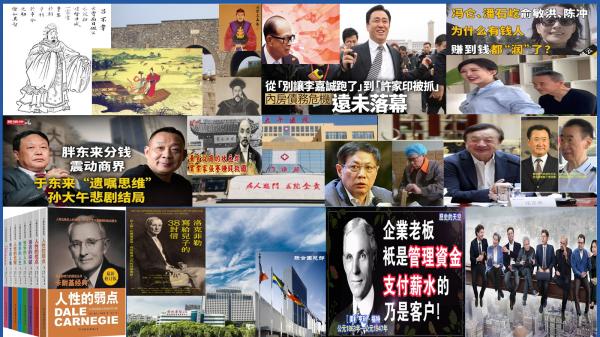
引言:从一件“小事”看到结构 前不久,胖东来创始人于东来宣布,准备把公司累积的近40亿元财富逐步分给店长、管理层和普通员工,自己则慢慢退出经营。消息一出,舆论沸腾。有人赞叹这是“中国版卡耐基”,也有人冷嘲热讽,说这无异于“杜十娘怒沉百宝箱”,完全是驴头不对马嘴。 我倒觉得,这件事最值得深思的,不是于东来的选择本身,而是它背后那道隐形的界限:为什么在中国做慈善、做公益、甚至把财富回馈给员工,都会引发如此大的争议?十几年前,我在人民大会堂参加中国扶贫基金会的一次活动。会后,一位负责人私下对我说了一句让我至今难忘的话: “在中国,慈善太难做,更不要说做公益了。” 我问为什么。他叹了口气,回答得很直白: “慈善的对象是‘他者(The Other)’,我为什么要给别人?自己人都顾不过来。” 这句话,像一把钥匙,打开了我对整个结构的思考。它揭示的不是某个人的道德问题,而是一个深层的文化与制度结构问题:“他者(The Other)”在中国社会伦理与资源分配体系中,长期处于缺席状态。 从那一刻起,我开始追问:为什么中国企业家精神始终难以完成从“财富创造者”到“文明建构者”的跃迁?答案不在个人品格,而在文化属性阈值(Cultural Attribute Threshold)与制度机制的双重锁定。 一、文化属性阈值:企业家精神缺失的“他者伦理” 所谓文化属性阈值(Cultural Attribute Threshold),并非简单的高低之分,而是信任、责任与资源能否跨越“熟人—关系—权力”网络的边界。 在中国,低文化属性阈值(Cultural Attribute Threshold)结构下,信任是封闭的,责任是内卷的,资源是依附权力的。企业家被牢牢锁定在“自己人循环”里。这直接导致: 慈善需要额外理由; 公益难以制度化; 财富难以转化为公共文明。 儒家经典的“五伦(Five Relationships)”构建了一套高度稳定的社会秩序,但同时也形成了一个封闭的关系世界。社会伦理只存在于熟人网络之内,“自己人”之外的“他者(The Other)”被自然排除。 于是,中国历史上很难出现像安德鲁·卡耐基那样,把巨额财富视为“死而拥之是一种罪过”的企业家,也难以出现像约翰·D·洛克菲勒那样,大规模构建公共制度基础设施的资本家。财富创造者最终往往停留在“生存者”或“守成者”的位置,无法成为文明主体的建构者。 缺乏的,正是我称为Amorsophia(愛之智慧 / Wisdom of Love)的那种底层文明精神。它不是某种文明的组成部分,而是一种更深层的思维方式、价值取向和理解世界与他者关系的基本视角。它决定一个社会如何看待财富的意义、权力的边界、知识的责任,以及人与他者(The Other)之间的伦理建构。 当Amorsophia(愛之智慧 / Wisdom of Love)成为文化底色时,企业家精神才可能从单纯的财富创造,成长为公共文明的建设者。 二、殖官主义:企业家精神的结构性挤压 如果说文化属性阈值(Cultural Attribute Threshold)是内因,那么殖官主义(Chinese Reproductive Officialdom / Bureaucratic Supremacism)就是真正的外部生态与结构性挤压机制。 在这种结构中: 权力决定资源配置 关系决定安全边界 不确定性成为常态 于是企业家自始至终处于一种特殊状态:“半主体”地位。既是“自己人”(被需要时可以调用),又随时可能成为“不是自己人”的另类、“他者(The Other)”(被风险化、被剥离)。 这带来三个直接后果: 产权不稳定 → 长期主义缺失。企业家不敢做十年、二十年的长远布局,只能追求短期套利与快速变现。 身份不确定 → 公共精神收缩。既然随时可能被结构定义为“外人”,自然不愿把财富转化为公共文明资产。 安全焦虑 → 资本行为防御化。大量精力用于关系维护、权力依附和风险对冲,而不是创新与社会价值创造。 我们看到两种典型路径: 胖东来:内部共享(防御性共生)——把财富留在“自己人”圈层,实现局部稳定,却无法外溢成公共文明。 潘石屹:资本外移(生态逃逸)——把资产转移到更安全的外部环境,完成个人退出,却同样放弃了对本土文明结构的建设。 二者本质相同:都是对不确定生态的被动适应,而非对文明结构的主动突破。 三、巫术思维与三十六计:文化属性阈值的运行机制 当信任被锁定在“自己人网络”之内时,一个社会并不会陷入混乱,反而会发展出一套高度有效的替代性认知机制——巫术思维(Magical Thinking)。 这里的“巫术(Magical Thinking)”,不是愚昧,而是一种结构性适应: 当规则不稳定 → 用关系确保确定性; 当信任不可扩展 → 用经验替代制度; 当未来不可预期 → 用“算计”制造安全感。 于是,“神机妙算”“看人下菜碟”“留一手”“走一步看三步”成为主流认知方式。这套思维可以解决生存问题,却无法生成文明结构。 如果说巫术思维(Magical Thinking)是“操作系统”,那么“三十六计”就是它的“应用层”。其核心不是计谋本身,而是“一整套为了赢可以不择手段的策略伦理”。结果优先于过程,成功优先于正当,短期优先于长期。 在这一逻辑下,企业家必须不断证明“自己能赢”,否则就会被结构淘汰。 四、三形态耦合:为什么生命形态会陷入“忙、盲、茫” 在权、钱、性的持续牵引与殖官主义(Chinese Reproductive Officialdom)的结构性挤压下,生命形态(LIFE)、智能形态(AI)、组织形态(TRUST)三者发生深度耦合,并逐步锁定成一个自我强化的闭环。 生命形态(LIFE)之所以必然陷入“忙、盲、茫”,根本原因就在于:企业家为了在权力与资源网络中生存,必须把全部生命能量投入到“追逐权、钱、性”这一结构性任务中,而无法留出空间去思考、感受和追问生命的真正方向。 具体表现为: 忙(Busy):为了维持权—钱结构,企业家不得不持续高强度运转,几乎没有停下来的可能。休息意味着资源流失,停滞意味着被结构淘汰,生命被彻底工具化,成为维持权钱循环的“永动机”。忙,就是心死了。 盲(Blind):目标不再由自我生成,而是由结构决定。企业家看似在做选择,实则只能沿着“权钱性”这条结构给定的路径前行,看不到更宽广的可能世界,也无法真正为社会创造长期价值。盲,就是眼瞎了。 茫(Lost):当资源积累到一定规模后,企业家突然发现自己无法回答一个最根本的问题:“我为什么要继续?”财富已经足够,权力也已稳固,但生命的意义却越来越空洞,陷入一种深刻的茫然与无力感。茫,就是没了方向感。 这种“忙、盲、茫”不是个人性格缺陷,而是生命形态(LIFE)被权、钱、性三重结构性力量持续消耗后的必然结果。它让企业家从一个有血有肉的生命主体,退化成结构链条上的一个功能性节点。 智能形态(AI)随之滑向“巫术理性(Magical Rationality)”——算计优先、关系优先、经验优先,看似聪明,实则无法突破。组织形态(TRUST)则固化为“五伦(Five Relationships)金字塔”的现代化变形:上层权力控制,中层关系分配,底层执行依附。 这三形态的耦合,直接导致企业家从价值创造者退化为结构适应者,甚至风险规避者与资源守成者。 五、“他者缺席”:企业家精神无法完成跃迁的根因 中国社会缺乏“他者伦理(The Other Ethics)”,本质上是伦理结构的不完整性。 传统“五伦(Five Relationships)”体系(君臣、父子、夫妇、兄弟、朋友)本质是一个熟人社会的稳定结构。它缺失三大关键维度: 第六伦:他者(The Other) —— 社会公众 → 公共精神缺失 第七伦:它者(Nature / The It) —— 自然万物 → 生态可持续意识薄弱 第八伦:祂者(Transcendence / The Divine) —— 超越价值 → 终极责任缺席 于是出现一个关键断裂:财富无法自然转化为文明资本。企业家可以赚钱,却难以走向: 公共制度建设 社会基础设施投资 长周期文明责任 这正是为什么中国很难产生卡耐基式、洛克菲勒式的企业家传统。财富创造者始终停留在“生存者”或“守成者”的位置,无法完成向“文明建构者”的跃迁。 六、中国企业家:不同路径的“同一终点” 吕不韦进入权力却终究被权力反噬;沈万三财富极致却被回收;胡雪岩官商共生却随权崩塌;王石探索制度却受限;任正非构建高复杂组织却在边界内运行;孙大午触及公共却被结构回收;胖东来实现内部共生却无法外溢;李嘉诚高度理性却有限跨越…… 这些路径看似不同,终点却高度一致:无法稳定进入“他者(The Other)结构”。企业家始终被置于“他者(The Other)”位置——成功可利用,风险可剥离。 七、西方企业家:三形态(LIFE-AI-TRUST)的另一种展开 相比之下,西方企业家并非更“高尚”,而是运行在不同结构中。其三形态(LIFE-AI-TRUST)展开为: 生命形态(LIFE):不被权力结构持续锁定; 智能形态(AI):规则理性 + 科学理性; 组织形态(TRUST):制度化信任 + 公共责任。 于是出现卡耐基转向教育、洛克菲勒转向医疗、盖茨转向全球健康、马斯克转向人类未来。关键不在个人,而在“他者(The Other)”被制度性纳入结构。 人物 | 生命形态 | 智能形态 | 组织形态 | 结局 | 吕不韦 | 权力驱动 | 巫术操控 | 权力嵌入 | 被清除 | 沈万三 | 财富积累 | 单维认知 | 无组织跃迁 | 被回收 | 胡雪岩 | 权钱结合 | 权谋逻辑 | 官商依附 | 崩塌 | 王石 | 自我克制 | 规则导向 | 制度尝试 | 接近阈值 | 任正非 | 集体奋斗 | 复杂系统 | 组织进化 | 边界运行 | 孙大午 | 公共意识 | 价值导向 | 社区尝试 | 触边受限 | 胖东来 | 内部善意 | 经验优化 | 内部共生 | 局部改善 | 卡耐基 | 公共责任 | 长期理性 | 社会投入 | 文明跃迁 | 洛克菲勒 | 制度构建 | 系统思维 | 公共基础设施 | 文明建构 | 盖茨 | 全球责任 | 科学理性 | 全球网络 | 文明扩展 | 马斯克 | 人类未来 | 不确定性认知 | 平台生态 | 文明突破 |
八、从GDE看企业与企业家的效能塌缩 传统经济学用GDP衡量“做了多少事”。共生经济学提出的GDE(Gross Development Effectiveness),则关注“这些事情是否值得发生”。 GDE = Σ(GDPᵢ × ηᵢ),其中η为综合效能系数(η = Civilizational Effectiveness Coefficient),反映资源效率、社会福祉与生态可持续性。 进一步可得文明含金量指标:R = GDE / GDP。 当R < 1时,说明存在大量无效甚至负效能增长。在“他者(The Other)缺席 + 殖官主义(Chinese Reproductive Officialdom) + 巫术思维(Magical Thinking)”结构下,η系统性下降,最终导致文明效能塌缩。 企业层面:大量资源用于关系维护而非价值创造,投资决策受安全逻辑驱动,创新被不确定性抑制。 企业家层面:从价值创造者退化为结构适应者。 九、结论:以愛之智慧(Amorsophia)实现共生跃迁 最终必须面对一个根本事实:中国若要文明跃迁,必须三重突破—— 文化属性阈值(Cultural Attribute Threshold)突破:自己人 → 他者(The Other); 结构重构:殖官主义(Chinese Reproductive Officialdom) → 共生秩序; 哲学重写:巫术思维(Magical Thinking) → Amorsophia(愛之智慧 / Wisdom of Love)。 只有当他者(The Other)被承认、信任可扩展、责任可外溢时,企业家才可能成为文明主体的建构者。 没有“他者(The Other)”,就没有真正的企业家精神; 没有文化属性阈值(Cultural Attribute Threshold)的跨越,就没有现代文明。 总结表 维度 | 中国结构 | 西方结构 | 信任 | 熟人封闭 | 可扩展 | 责任 | 内部内卷 | 他者(The Other)外溢 | 资源 | 权力导向 | 制度导向 | 企业家 | 生存者/守成者 | 建构者 | 文明形态 | 封闭循环 | 共生跃迁 |
终极命题:没有“他者(The Other)”,就没有企业家精神;没有文化属性阈值(Cultural Attribute Threshold)的跨越,就没有现代文明。
The Cultural Threshold Behind the Deficiency of Chinese Entrepreneurship— Transcending the Absence of “The Other” and Chinese-Style Bureaucratic Reproductive Structure through Amorsophia (Wisdom of Love)Archer Hong Qian
Vancouver, March 16, 2026
Introduction: Seeing the Structure Through a “Small Event”Recently, the founder of Pangdonglai, Yu Donglai, announced his plan to gradually distribute nearly RMB 4 billion of accumulated corporate wealth to store managers, executives, and employees, while stepping away from active management. The news triggered intense public debate. Some praised him as a “Chinese Carnegie,” while others mocked the act as irrational. Yet the real question is not whether his choice is right or wrong, but: Why does wealth redistribution, charity, or even employee sharing provoke such strong reactions in China?
More than a decade ago, I attended an event organized by the China Foundation for Poverty Alleviation at the Great Hall of the People. After the formal ceremony, a senior organizer told me something I have never forgotten: “Charity is extremely difficult in China—public welfare is even harder.”
When I asked why, his answer was blunt: “Charity is for ‘others.’ Why should I give my resources to others when I can’t even take care of my own people?”
This statement reveals not a moral flaw, but a structural condition: “The Other” has long been absent from China’s ethical and resource allocation system.
I. Cultural Threshold: The Invisible CeilingThe Cultural Attribute Threshold does not refer to education or cultural level, but to whether: trust, responsibility, and resources can extend beyond the network of kinship, relationships, and power.
In a low-threshold structure: Entrepreneurs are therefore confined within: “insider circulation.”
II. Bureaucratic Reproductive Structure: Systemic CompressionIf cultural threshold defines the boundary, the bureaucratic reproductive system defines the pressure. Its logic: Social problems → Administrative problems Administrative problems → Institutional expansion Institutions → Position reproduction
Thus, entrepreneurs exist as: “semi-subjects” — usable but never fully recognized.
III. The Absence of “The Other”: The Root CauseWhen cultural threshold and bureaucratic reproduction combine: “The Other” is structurally excluded.
Consequences:
IV. Magical Thinking: The Operating MechanismIn such a structure, society develops an adaptive cognition: Magical Thinking
This is not irrationality, but a survival logic: When rules are unstable → rely on relationships When trust is limited → rely on experience When future is uncertain → calculate outcomes
V. The Thirty-Six Stratagems: Strategy over CivilizationMagical thinking manifests operationally as: win-oriented strategic ethics
Where: Results override processes Success overrides legitimacy Short-term overrides long-term
VI. The Coupling of Three Forms: LIFE–AI–TRUSTUnder the structural pull of power, capital, and desire, three forms become locked: 1. LIFE → Busy, Blind, Lost2. AI → Magical Rationality3. TRUST → Hierarchical Five-Relationship Pyramid
VII. Chinese Entrepreneurs: Different Paths, Same BoundaryFrom Lü Buwei to modern entrepreneurs: power embedding wealth accumulation institutional attempts internal sharing limited transcendence
All share one outcome: failure to enter the structure of “The Other.”
VIII. Western Entrepreneurs: Structural Inclusion of “The Other”Western entrepreneurs operate within a different structure: Carnegie → education Rockefeller → healthcare systems Gates → global public health Musk → future civilization
Key difference: “The Other” is structurally included.
Figure | LIFE (Life Form) | AI (Cognitive Form) | TRUST (Organizational Form) | Outcome | Lü Buwei | Power-driven | Strategic manipulation (Magical Thinking) | Embedded in power structure | Eliminated | Shen Wansan | Wealth accumulation | Single-dimensional cognition | No structural transformation | Reabsorbed | Hu Xueyan | Power–capital fusion | Political-strategic logic | Dependent on official power | Collapse | Wang Shi | Self-restraint | Rule-based rationality | Institutional experimentation | Approaching threshold | Ren Zhengfei | Collective discipline | Complex systems thinking | Organizational evolution | Boundary operation | Sun Dawu | Public-oriented awareness | Value-driven thinking | Community-based structure | Structurally constrained | Pangdonglai (Yu Donglai) | Internal benevolence | Experience-based optimization | Internal symbiosis | Local improvement | Li Ka-shing | Risk-controlled pragmatism | Calculative rationality | Hybrid corporate-family model | Partial transcendence | Andrew Carnegie | Public responsibility | Long-term rationality | Social investment system | Civilizational leap | John D. Rockefeller | Institutional construction | Systemic thinking | Public infrastructure building | Civilizational formation | Bill Gates | Global responsibility | Scientific rationality | Global network governance | Civilizational expansion | Elon Musk | Future-oriented mission | Uncertainty-embracing cognition | Platform ecosystem | Civilizational breakthrough |
IX. GDE Framework: Civilizational Effectiveness CollapseTraditional economics measures output via GDP. Symbionomics introduces: GDE (Gross Development Effectiveness)
Formula: GDE = Σ (GDPᵢ × ηᵢ)
Where: η = Civilizational Effectiveness Coefficient
And: R = GDE / GDP
When: Then: η declines → R declines → civilizational effectiveness collapses
X. Conclusion: From Cultural Threshold to Symbiotic TransitionThe fundamental truth is: Entrepreneurs themselves are structurally positioned as “The Other.”
Thus: success → utilized risk → discarded
Resulting in: a cycle of “wealth creators” becoming “structurally dispossessed.”
Dimension | Chinese Structure | Western Structure | Trust | Closed within kinship/relations | Scalable and institutionalized | Responsibility | Internalized (insiders only) | Extensible to “The Other” | Resource Allocation | Power-oriented | Institution-oriented | Entrepreneurial Role | Survivor / Defender | Builder / Civilizational actor | Civilizational Pattern | Closed-loop reproduction | Symbiotic expansion |
The Required Three BreakthroughsCultural Threshold
→ from insiders to “The Other” Structural Ecology
→ from bureaucratic reproduction to symbiotic order Philosophical Foundation
→ from magical thinking to Amorsophia (Wisdom of Love)
Final PropositionWithout “The Other,” there is no entrepreneurship.
Without transcending the cultural threshold, there is no modern civilization.
|