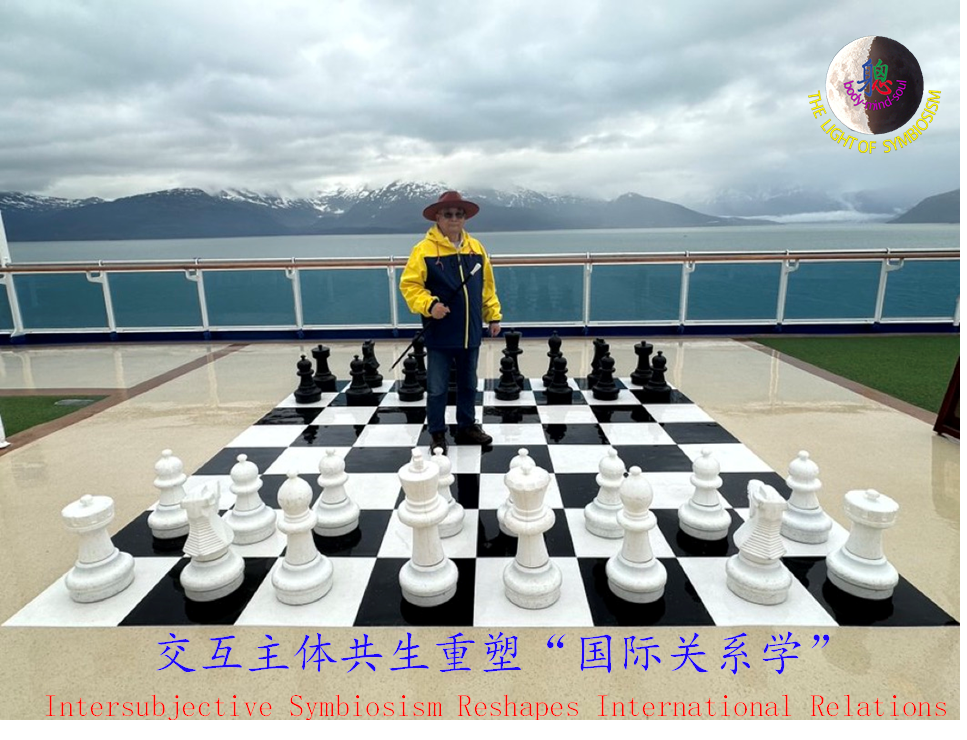
请君别再用Thucydides's Trap误导自己
Please Stop Misleading Yourself with the “Thucydides’s Trap”
钱宏(Archer Hong Qian)
今天,中国人民的心声依然是成为一个正常国家的公民! 没有什么修昔底德陷阱,也不需要什么朝贡体系的复兴!更别奢谈什么大国崛起! 陷阱、复兴、崛起,都要沉重的代价、成本和牺牲,请问最终埋单的是谁? 只能是中国人民的生活幸福和生命尊严!
Even today, the heartfelt aspiration of the Chinese people remains simple: to become citizens of a normal country. There is no “Thucydides’s Trap,” nor any need for the revival of a tributary system—still less the grand illusion of “great-power rise.” Traps, revivals, and rises all demand immense costs, sacrifices, and burdens. But who ultimately pays the price? In the end, it is always the Chinese people—their quality of life, their happiness, and the dignity of their lives.
内容摘要本文认为,中美关系并非传统意义上的“崛起大国挑战守成霸权”,因此不能简单套用“修昔底德陷阱(Thucydides’s Trap)”理论。当前冲突更深层的根源,在于两种不同制度结构、文明逻辑与组织方式之间的张力。 文章指出,中国在全球化2.0时期的高速增长,很大程度上建立于权力—资本耦合、产业链外包与制度不对等基础之上,GDP扩张并不等于结构健康或真正的民族复兴。与此同时,美国当前的战略调整,以及“MAGA”运动的兴起,也并非单纯出于对“中国崛起”的恐惧,而更像是美国对全球化2.0互害机制的一种内部纠偏(Correction)。 文章进一步提出,中国历史长期反复出现的,并不是“修昔底德陷阱”,而是“彼可取而代之”的循环逻辑,即“取代”长期压倒“纠偏”,导致“殖官主义(CRO)”结构不断自我复制。相比之下,美国立国的独特性,在于其宪政结构较成功地避免了“少数人专政”与“多数人暴政”两种极端,并保留了制度“可纠错性(self-correctability)”。 因此,未来世界真正的分野,并不在于“谁取代谁”,而在于一个文明是否仍然保有持续纠偏、持续更新与持续共生的能力。在全球化3.0重组过程中,各国真正面对的问题,不是如何避免“修昔底德陷阱”,而是能否完成自身结构正常化,最终决定自己是“入局”还是“出局”。 Executive SummaryThis article argues that current U.S.–China relations cannot be adequately explained through the framework of the “Thucydides’s Trap,” because the conflict is not simply a classic case of a rising power challenging an established hegemon. Rather, it reflects a deeper tension between fundamentally different institutional structures, civilizational logics, and political organizations. The article contends that China’s rapid growth during Globalization 2.0 was built largely upon state–capital coordination, industrial outsourcing, and structural asymmetries within the global system. As a result, GDP expansion does not necessarily represent structural health or genuine national rejuvenation. Meanwhile, America’s current strategic adjustment—and the rise of the MAGA movement—are interpreted less as fear of China’s rise than as an internal correction responding to the mutually destructive dynamics of Globalization 2.0. The article further argues that China’s recurring historical pattern is not fundamentally “Thucydidean,” but cyclical: replacement repeatedly overwhelms institutional correction, enabling the continual reproduction of what the author calls “Chinese Reproductive Officialdom” (CRO). By contrast, the distinctive achievement of the American Founders was the creation of a constitutional structure that avoided both elite authoritarianism and majoritarian absolutism while preserving institutional self-correctability. The article concludes that the defining issue of the coming era is not “which power replaces another,” but whether a civilization retains the capacity for continual correction, renewal, and symbiotic adaptation. In the restructuring process of Globalization 3.0, the real question facing nations is whether they can achieve structural normalization—ultimately determining whether they remain “inside the game” or fall “outside the game.”
这些年,每当中美关系紧张,总会有人一本正经地搬出一个词:“修昔底德陷阱(Thucydides’s Trap)”。仿佛今天世界发生的一切,不过是古希腊雅典与斯巴达故事的又一次重演。 这个概念,是美国学者Graham Allison于2012年正式提出的。大意是:一个“崛起大国”挑战“守成大国”,双方因战略猜忌与安全焦虑,最终大概率走向冲突甚至战争。 这些年,它几乎成了许多人解释中美关系的“万能钥匙”。 第一次听到这个概念时,我并没有太在意。因为过去500年间,所谓“大国崛起挑战霸权”的故事,的确反复出现过。无论是西班牙、荷兰、英国、德国,还是后来的苏联,都有某种类似的影子。 真正让我越来越觉得不对劲的,不是这个概念本身,而是它被越来越机械、越来越不加分辨地套用于今天的中美关系。 因为只要稍微冷静一点,人们就会发现:今天所谓“中美关系”,根本不是雅典与斯巴达,也不是一战前的英德关系。甚至,它连“两个正常民族国家之间的竞争”都不完全是。 问题首先在于:东大并不是现代意义上的“崛起大国”。 它更像一个带有深厚朝贡体系惯性的“党国型家国”;而美国也不是传统意义上的“守成霸权”,它更接近一种依靠持续制度创新、科技创新、地方自治与社会生命自组织能力维持活力的“常态创新大国”。 所以,今天东美之间当然存在冲突,甚至可能存在危险的战略摩擦,但这并不是传统意义上的“大国争霸”。 更准确地说,它是:一种“党国结构”与“大国结构”之间的深层张力。 而这一点,恰恰是 Allison 的 Thucydides’s Trap 最容易误导人的地方。因为它默认了一个前提:中国(网络语境中常被戏称为“东大”)已经完成了现代民族国家意义上的“崛起”。 但问题是,GDP增长,并不等于结构健康。 2001年加入WTO之后,东大以前所未有的速度进入全球市场。沿海城市灯火通明,高铁纵横,房地产腾飞,表面GDP迅速跃升世界第二。 那几年,不只是华尔街,整个西方世界都沉浸在一种巨大幻觉中:只要财富增长,中国终究会像日韩台一样,逐渐走向开放社会。 许多美国精英真诚地相信:只要产业链外包、资本流动、市场扩张持续下去,一个更自由、更开放、更融入世界秩序的中国终将出现。 于是,“经济全球化2.0”被推向高潮。 华尔街资本大举进入中国;中国权力结构则利用规则不对等,迅速完成财富、产业链与资源积累。 双方一拍即合,又彼此提防。结果是,美国中产产业空心化;中国普通民众则长期承受高压内卷。 今天回头看,人们会发现:所谓“中国崛起”,很大程度上,其实是一种“结构性失衡”条件下形成的增长幻象。 因为一个真正实现“民族复兴”的国家,不可能长期同时存在:“6亿人月收入不足1000元(占总人口约42.85%)、9亿人不足2000元(人口占比约68.85%)、11亿人不足3000元(人口占比约 84%)”的现实(详情见附录)。 
所以,今天的问题,并不是什么“新兴大国挑战霸权”。 而是:一个长期依赖外向型经济、权力资本勾兑与结构性失衡维持增长的体系,在全球化2.0进入尽头之后,开始遭遇整个世界秩序的重新校准。 而美国的问题,也根本不是“害怕中国崛起”。 相反,过去二十多年,美国真正经历的,更像是一场全球化路径的战略误判。 美国并不是突然“恐惧中国”,而是越来越意识到:全球化2.0,并没有像很多人想象的那样,把世界带向共同繁荣。 它反而在某种程度上,形成了一种:华尔街资本与东大权力相互借力、又彼此防范的互害结构(参看《当心,华尔街资本又在蠢蠢欲动!》,万维读者网 https://blog.creaders.net/user_blog_diary.php?did=NTUwNDI2;共生网 http://symbiosism.com.cn/12141.html)。 资本跨境套利;产业链极端外包;地方债、房地产与出口依赖不断累积;美国制造业空心化;中国社会高压内卷化。 最终,双方都开始出现越来越严重的安全焦虑与结构失衡。 所以,今天美国的战略调整,更像是一种纠偏(Correction),而不是传统霸权对新兴国家的“嫉妒”。 “MAGA”及“MAHA”运动的兴起,本质上也是全球化2.0互害机制开始反噬美国社会之后,一种内部纠错冲动。 因此,今天世界真正的问题,并不是如何避免“修昔底德陷阱”。 真正的问题是:一个国家,究竟有没有能力完成自身结构性纠偏? 其实,中国历史真正反复出现的,从来不是“修昔底德陷阱”,而是另一种更深层的循环:“彼可取而代之”的循环。 从青年项羽那句“大丈夫当如此”,到历代“成王败寇”,两千多年里,“取代”始终比“纠偏”更容易。 于是,朝代不断更替,但结构却不断重复。 从“君天下”(秦王嬴政为始作俑者),到“党天下”(始作俑者是蒋中正),真正难以改变的,并不是掌权者名字,而是“殖官主义”(Chinese Reproductive Officialdom,CRO)不断自我复制的结构。 这也是为什么,中国两千多年历史,往往呈现为: 一次次“推倒重来”,却很少真正完成结构正常化。 所谓“兴百姓苦,亡百姓苦”,并不只是文学感叹,而是结构现实。 有意思的是,1957年,前南斯拉夫副总统Milovan Djilas出版The New Class时,其实已经把问题讲得很清楚: 许多以“人民革命”名义建立的新政权,最后并没有消灭特权,而是形成了新的特权阶层。 他们控制组织、资源、解释权与任命体系,并通过制度不断自我复制。 于是: “多数人的革命”,最终又回到了“少数人的垄断”。
而美国立国真正伟大的地方,恰恰在于:它第一次比较成功地避免了这两种极端。 美国国父们设计出的,不是柏拉图式“少数人专政”,也不是卢梭式“多数人暴政”,而是一种通过联邦制、地方自治、三权分立、司法独立与财产权保护,持续进行权责校准的现代宪政结构。 美国当然有问题,而且问题很多。但它最大的优势,并不只是美元、航母或科技。 而是: 它至今仍然保留着一种“可纠错性”(self-correctability)。 哪怕这种纠错过程常常混乱、撕裂、低效,甚至令人愤怒,但它仍然存在。 而许多“革命型政体”的根本问题,则恰恰在于:一旦完成权力集中,便越来越难和平纠错。 因此,今天真正的问题,并不是:“如何避免修昔底德陷阱?” 而是: 在全球化3.0开始重组的过程中,一个国家究竟能否完成自身结构性正常化(normalization)? 是继续沉迷于“大国崛起”的历史幻觉,还是开始真正建立一种能够长期自我纠错、自我更新、自我平衡的文明结构? 是继续固守“取代逻辑”,还是学会“共生逻辑”? 因为未来真正决定“入局”还是“出局”的,早已不只是GDP、军舰与工业产能,而是它是否仍然保有持续纠偏、持续生成与持续共生的能力(参看《再论川普的阻击型门罗主义——入局 or 出局,一念之差!》共生网 http://symbiosism.com.cn/11772.html) 2026年5月14日于温哥华 附图: 通过北师大课题组及中金公司、浙大共享与发展研究院等权威机构报告的深度复盘,中国14亿人口的真实收入分布和生存画像如下: 收入阶层标准 | 累积人口规模 | 占总人口比例 | 核心人群画像与生存现状 | 月收入不足 1000 元(精准为1090元以下) | 约 6 亿人 | 42.85% | 底层生存线:包含546万零收入者、2.2亿月入500元以下者。绝大多数(超75%)为传统农村留守老人、中西部偏远农民、以及一人打工要供养全家数口人的低技能底层务农家庭。 | 月收入不足 2000 元 | 约 9.64 亿人 | 68.85% | 低收入基本盘:增加了约3.64亿月入1000-2000元的人群。这是中国社会最庞大的中坚底层。他们多是三四线城市及县城的基层打工者、普通工厂一线工人、小商贩,极易受到家庭生病、失业等风险冲击。 | 月收入不足 3000 元 | 约 11.7 亿人 | 约 84% | 温饱与县域中游:月入2000-3000元之间约有2亿人。在广大的中西部县城,超市收银、小区保安或普通的县城私营企业员工,人均到手通常就在这个区间。这类家庭能维持日常生活,但买房、跨省旅游或高额教育投入依然极其吃力。 | 月收入不足 5000 元 | 约 13.28 亿人 | 94.8% | 中等收入门槛:全国仅有约5%的人口(约7000多万人)月人均可支配收入能超过5000元。换句话说,如果你的家庭人均月可支配收入达到5000元以上,你已经在统计学上击败了全国接近95%的人。 |
Please Stop Misleading Yourself with the “Thucydides’s Trap”Archer Hong Qian Over the past several years, whenever U.S.–China relations become tense, people inevitably invoke one term with solemn certainty: “Thucydides’s Trap.” As if everything unfolding in today’s world were merely a replay of the ancient Greek conflict between Athens and Sparta. The concept was formally introduced in 2012 by American scholar Graham Allison. In essence, it argues that when a “rising power” challenges an “established power,” strategic suspicion and security anxiety make conflict—and even war—highly probable. Over time, it has become something of a “master key” for explaining U.S.–China relations. When I first encountered the term, I did not think much of it. After all, throughout the past five centuries, stories of “rising powers challenging hegemonic powers” have indeed appeared repeatedly—from Spain and the Netherlands to Britain, Germany, and later the Soviet Union. What increasingly struck me as problematic was not the concept itself, but the increasingly mechanical and indiscriminate way it has been applied to today’s U.S.–China relationship. Because anyone willing to calm down and think carefully will eventually realize: What we call “U.S.–China relations” today is neither Athens versus Sparta nor pre–World War I Britain versus Germany. Indeed, it is not even entirely a competition between two “normal modern nation-states.” The first problem lies here: China is not, in the modern sense, a conventional “rising great power.” Rather, it more closely resembles a “party-state civilization” deeply shaped by the historical inertia of the tributary system. Meanwhile, the United States is not merely a traditional “status quo hegemon.” It functions more like a “permanently innovative civilization-state,” sustained through continual institutional innovation, technological innovation, local self-government, and society’s capacity for self-organization. Yes, there are certainly tensions between China and the United States today, and even dangerous strategic frictions. But this is not a traditional struggle for imperial dominance. More precisely, it is a profound structural tension between a “party-state structure” and a “great-power constitutional structure.” And this is precisely where Allison’s “Thucydides’s Trap” becomes most misleading. Because it quietly assumes a premise: That China has already completed its rise in the sense of a modern nation-state. But GDP growth is not the same thing as structural health. After joining the WTO in 2001, China entered the global market at unprecedented speed. Coastal cities lit up with prosperity. High-speed railways spread across the country. Real estate boomed. On the surface, GDP rapidly rose to become the world’s second largest. During those years, not only Wall Street, but much of the Western world fell into a massive illusion: As wealth increased, China would eventually evolve—like Japan, South Korea, and Taiwan—into a more open society. Many American elites sincerely believed that if industrial outsourcing, capital flows, and market expansion continued long enough, a freer, more open, and more globally integrated China would naturally emerge. Thus, “Globalization 2.0” reached its peak. Wall Street capital flooded into China, while China’s power structure exploited asymmetrical rules to accumulate wealth, industrial capacity, and strategic resources at extraordinary speed. The two sides cooperated closely while simultaneously distrusting one another. The result was that America’s industrial middle class was hollowed out, while ordinary Chinese citizens endured relentless internal pressure and hyper-competition. Looking back today, one increasingly realizes that the so-called “rise of China” was, to a significant extent, a growth illusion produced under conditions of severe structural imbalance. Because a country that has truly achieved “national rejuvenation” cannot simultaneously sustain the reality that: hundreds of millions of people remain trapped at extremely low income levels and fragile living conditions. Therefore, the issue today is not some simplistic story of “a rising power challenging a hegemon.” Rather, it is this: A system that long relied upon export dependency, power-capital collusion, and structural imbalance to sustain growth is now encountering a comprehensive recalibration of the global order as Globalization 2.0 reaches its limits. Nor is America’s problem fundamentally about “fearing China’s rise.” On the contrary, what the United States has really experienced over the past two decades is something closer to a strategic misjudgment regarding globalization itself. America did not suddenly become “afraid of China.” Rather, it gradually realized that Globalization 2.0 did not lead the world toward shared prosperity as many had imagined. Instead, it generated a mutually destructive structure in which Wall Street capital and China’s power system simultaneously leveraged and constrained one another. Cross-border capital arbitrage expanded. Industrial chains became dangerously over-outsourced. Debt dependence, real estate bubbles, and export reliance accumulated. America experienced industrial hollowing-out, while Chinese society became increasingly trapped in high-pressure internal exhaustion. Eventually, both sides developed growing security anxieties and structural distortions. This is why America’s strategic adjustment today resembles a process of correction far more than traditional hegemonic “jealousy” toward an emerging rival. The rise of the MAGA and MAHA movements is, in essence, a domestic correction impulse emerging as the mutually destructive mechanisms of Globalization 2.0 begin to rebound against American society itself. Thus, the real issue facing the world today is not how to “avoid the Thucydides’s Trap.” The real question is whether a civilization possesses the capacity for structural self-correction. In truth, the recurring pattern throughout Chinese history has never primarily been a “Thucydidean Trap.” It has been something much deeper: the perpetual cycle of “replacement.” From the young Xiang Yu’s famous declaration—“He can be replaced”—to centuries of dynastic rise and fall, replacement has always been easier than correction. Dynasties changed, but the structure persisted. From “the emperor’s realm” to “the Party’s realm,” what repeatedly reproduces itself is not merely political leadership, but the deeper structure of what I call “Chinese Reproductive Officialdom” (CRO). This is why Chinese history over the past two thousand years so often appears as a cycle of repeated collapse and reconstruction, yet rarely achieves genuine structural normalization. The old saying, “The people suffer when the empire rises; the people suffer when the empire falls,” is not merely literary lamentation. It is structural reality. Interestingly, when former Yugoslav Vice President Milovan Djilas published The New Class in 1957, he had already explained the issue with remarkable clarity. Many regimes established in the name of “people’s revolution” did not eliminate privilege at all. Instead, they created a new privileged class. This new class controlled organizations, resources, interpretation, and appointment systems—and continuously reproduced itself through institutional mechanisms. Thus: “the revolution of the majority” ultimately returned to “the monopoly of the minority.” And this is precisely where the true greatness of America’s founding becomes historically significant. The American Founders were perhaps the first to relatively successfully avoid both extremes. What they designed was neither Plato’s rule by enlightened elites nor Rousseau’s tyranny of the majority. Instead, through federalism, local self-government, separation of powers, judicial independence, and protection of property rights, they created a modern constitutional structure capable of continual calibration between power and responsibility. America certainly has problems—many problems. But its greatest advantage is not merely the dollar, aircraft carriers, or technological superiority. Its greatest advantage is that it still retains a degree of self-correctability. Even when that correction process appears chaotic, polarized, inefficient, or infuriating, it still exists. The fundamental problem of many revolutionary regimes, by contrast, is that once power becomes concentrated, peaceful correction becomes increasingly difficult. Therefore, the real issue today is not: “How do we avoid the Thucydides’s Trap?” Rather, it is this: As Globalization 3.0 begins to reorganize the world order, can a civilization complete its own structural normalization? Will it remain trapped in the historical illusion of “great-power rise”? Or will it begin constructing a civilization capable of long-term self-correction, self-renewal, and structural balance? Will it continue clinging to the logic of replacement? Or will it learn the logic of symbiosis? Because what ultimately determines whether a civilization remains “inside the game” or is pushed “outside the game” is no longer merely GDP, military power, or industrial capacity. It is whether that civilization still retains the capacity for continual correction, continual regeneration, and continual symbiosis. Vancouver
May 14, 2026
|