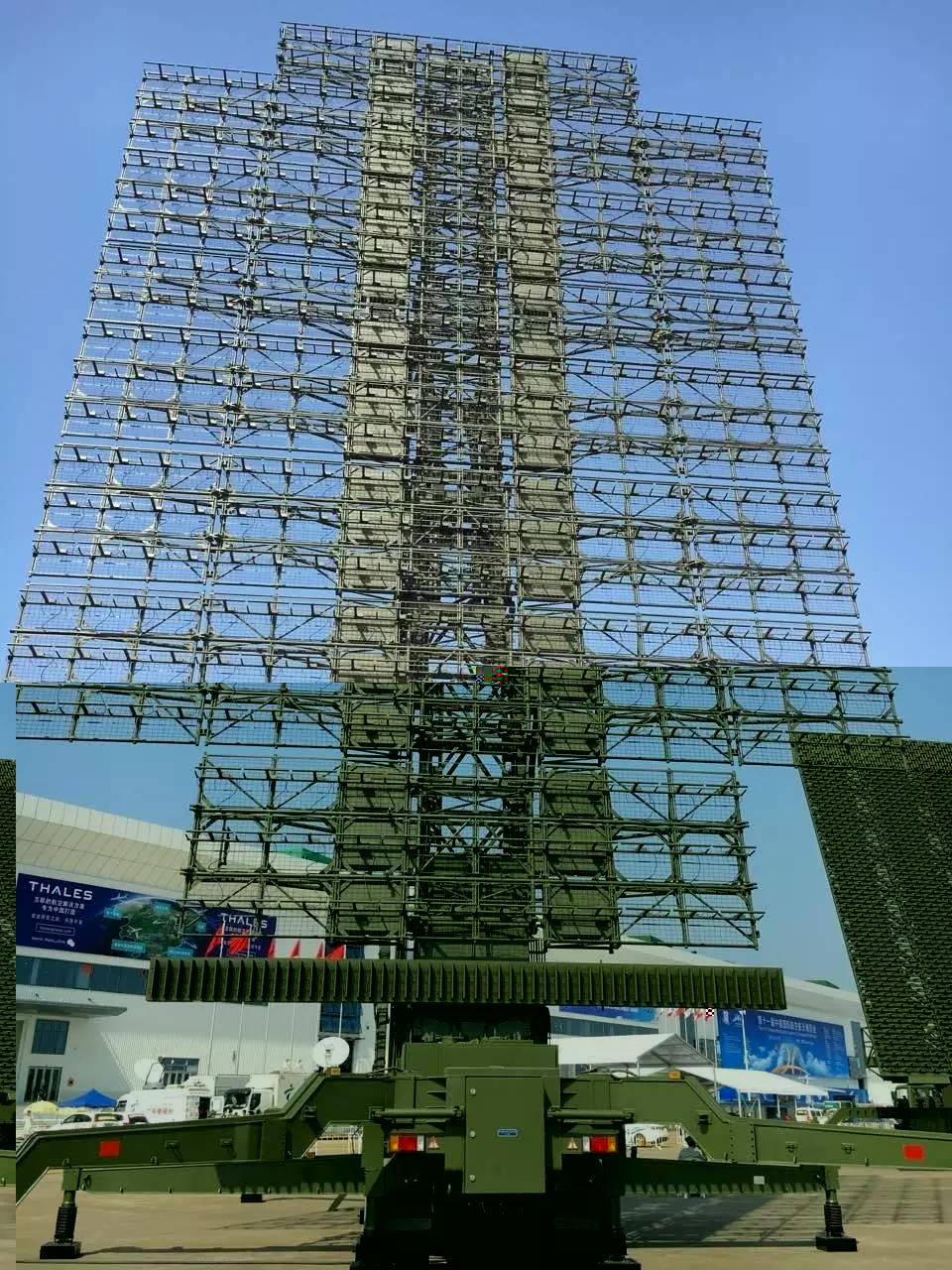
分析:为什么中国的反隐身雷达在 1 月 3 日哑火了? 解滨 面对美国隐身战机的越来越严峻的威胁,中国近年来研发了好几款反隐身雷达。 这其中最优秀的是JY-27A, 那是一款三坐标、米波(VHF)反隐身雷达。它利用较长的波长来探测隐身飞机,是一套用于远程监视和抗干扰的早期预警系统。 其核心优势包括: • 米波技术: 工作在甚高频(VHF)波段(约 240-390 MHz),能够利用谐振效应探测隐身目标。 • 三坐标监视: 提供目标的三维信息(距离、方位、高度)。 • 反隐身能力: 旨在反制低可探测性(隐身)飞机。 • 远程探测: 对典型隐身目标的探测距离可超过 217 英里。 基于上述的优越性,中国的盟友们对这一款雷达趋之若鹜,加上中国官员们的超级带货能力,于是委内瑞拉迫不及待地购买了若干套JY-27A, 两年前就已经部署完毕。 然而,在 2026 年 1 月 3 日美军对委内瑞拉发起的“绝对决心行动”(Operation Absolute Resolve)中,JY-27A 不仅未能提供预警,也未能引导俄罗斯 S-300 地对空导弹击落美军战机。一些中国军迷们将失败归咎于委内瑞拉军方人员的操作不当;另一些人则认为失败源于俄罗斯导弹系统与中国雷达的不兼容,并建议使用中国国产导弹系统效果会更好。为了找出失败的真实原因,我们首先来看看米波反隐身雷达本身的一些根本性的短板: • 空间分辨率低: 与短波雷达相比,米波雷达较长的波长意味着其提供的细节较少,且难以分辨距离较近的多个目标(如小型飞机或船只)。 • 测高不准确: 传统米波雷达在精确测量高度方面表现不佳,而这对于空中交通管制和防空至关重要。中国解决这个问题了吗?极大概率没有。 • 天线尺寸巨大: 为了获得合理的波束宽度,米波系统需要巨大的天线,导致其体积臃肿且机动性差。这使得雷达本身成为了一个容易被攻击的目标。 • 杂波与干扰: 虽然在恶劣天气下的表现优于高频雷达,但它仍易受大气杂波的影响,并可能拾取无用信号。不过,在“绝对决心行动”期间天气良好,所以这并非问题所在。 • 精度较低: 总体而言,与用于通用监视的微波雷达相比,其探测精度较低,目标定义也不够精确。 那么,中国工程师在设计 JY-27 时是如何克服上述缺点的呢?根据他们的公开信息,他们对此只字未提。好吧,也许他们是不想让美国窃取该技术。在搜索了相关研究论文或专利后,我发现了一些(如 CN101975945A 和 CN291930073A)。这是他们的核心机密,不向公众透露太多是可以理解的。 接下来,让我们看看战场实测。中国向国际买家出售 JY-27A,核心问题在于战场测试结果。中国拥有自己的隐身战斗机,毫无疑问,他们曾在自家飞机上测试过 JY-27A。那么针对美国的隐身战机呢?中国声称委内瑞拉使用 JY-27A 曾多次发现美军 F-35。我不怀疑这一点。但是,具体的距离和高度是多少?精度如何?还有许多未解之谜,尤其是精度问题。 现在,我来总结一下国产 JY-27A 在“绝对决心行动”中失败的真实原因: 1. 作为一款米波反隐身雷达,JY-27A 并未克服该类雷达的根本短板。因此,这是一项不成熟的技术。也许他们以后会开发出解决方案,但在现阶段,该系统无法应用于实战。 2. 委内瑞拉政府盲目相信了中国的推销说辞,在没有对其所有功能和局限性进行仔细评估和验证的情况下就购买了该系统。中国的盟友们应该吸取这一沉痛教训。 3. 该系统并不具备中国所声称的真实抗干扰方案。是的,在前几个月,他们愚蠢地开启 JY-27A 瞄准 F-35,但就在那一刻,美方情报机构收集了该雷达的频率和其他数据,随后在不让中国知晓的情况下开发了有效的干扰方案。这就是为什么美军在“绝对决心行动”开始后几分钟内就使其瘫痪的原因。 4. 幸运的是,美军在行动开始时就使JY-27A哑火了。即便该方案不成功,美军也可以发动导弹攻击将其摧毁——JY-27 体积巨大(米波雷达都有巨大的躯体),寻找其位置并不难。该系统是为反隐身设计的,而非反导。 5. 委内瑞拉的雷达操作员可能确实如中国军迷们所指责的那样技术不精,俄罗斯导弹系统也可能确实与中国雷达系统不兼容,但失败的主要原因在于系统本身的能力不足。 简而言之,JY-27A雷达的失败是由于固有的设计缺陷、过度依赖未经证实的技术以及美国采取的有效反制措施等多方面因素造成的。 结语: 中国的 JY-27A反隐身雷达不仅仅是在 1 月 3 日失灵了,实际上它从未真正发挥过作用。 那不过是拼多多货单上一个稍微贵重一点的货物而已。实际上,如果中国官员不吃那么多的回扣,其国际售价完全可以再降低40%。 不过通过1月3日这一次实战测试,估计即使降价95%,也很难找到买家了。 注: 该文翻译自作者的英文原文, 原文链接在此: https://x.com/bxieus/status/2009321539829702793?s=20 以下是英文原文
Why Didn’t China’s JY-27A Work on January 3?
Chinese JY-27A radar is a 3D meter-band VHF anti-stealth radar, utilizing longer wavelengths to detect stealth aircraft, it’s a early warning system for long-range surveillance and jamming resistance. Key advantages include: Meter-Wave Technology: Operates in the Very High Frequency (VHF) band (around 240-390 MHz), allowing it to detect stealth aircraft by leveraging resonance effects. 3D Surveillance: Provides three-dimensional target information (range, azimuth, elevation). Anti-Stealth Capabilities: designed to counter low-observable (stealth) aircraft. Long Range: Capable of detecting stealth targets at over 217 miles for typical stealth aircraft.
However, during the 1/3/2026 U.S. Operation Absolute Resolve, JY-27A not only failed to provide early warning, but also failed to direct the Russian S-300 ground-to-air missile to shoot down U.S. aircrafts. Some of the Chinese military enthusiasts blame Venezuelan military personnel for failure in operating the system, some attribute the failure to the incompatibility of the Russian missile system and Chinese radar, and suggest that a Chinese missile system works better. To find out the actual cause of the failure, first let’s look at some of the the fundamental disadvantages of the meter-band anti-stealth radar itself: Low Spatial Resolution: The longer wavelengths of meter-band radar mean it provides less detail and can't easily separate closely spaced targets (like small aircraft or ships) compared to shorter-wavelength radars. Inaccurate Height Finding: Traditional meter-wave radar struggles with precise altitude measurement, which is crucial for air traffic control. Did China solve this problem? Most likely not. Large Antenna Size: To achieve reasonable beamwidth, meter-band systems require large antennas, making them bulky and less agile. This makes the radar itself an easy target. Clutter & Interference: While better in heavy weather than higher frequencies, it's still susceptible to atmospheric clutter and can pick up unwanted signals. However, during Operation Absolute Resolve, the weather was good. So this wasn’t the problem. Lower Accuracy: Generally offers lower detection accuracy and less precise target definition than microwave radars for general surveillance.
So how did Chinese engineers overcome the above disadvantages when they designed the JY-27? Based on their public information, they didn’t mention a word about it. OK, they don’t want USA to steal it. After searching for relevant research papers or patents, I found a few, such as CN101975945A and CN291930073A. This is their top secret, they won’t give too much to the public, understood. Then let’s take a look at the battlefield tests. China sells JY-27A to international buyers. The fundamental question is the battlefield test results. China has its own stealth fighters, there is no doubt that they tested JY-27A on their own fighters. What about American stealth fighters? China claims that during several occasions JY-27A located in Venezuela spotted U.S. F-35. I don’t doubt it. However, from exactly how far and what’s the altitude? How accurate? There are many unanswered questions, especially the accuracy. Now let me summarize the real cause of the failure of Chinese-made JY-27A during the Operation Absolute Resolve: As a meter-band anti-stealth radar, JY-27A has NOT overcome the fundamental disadvantages of that type of radar. Therefore it is an immature technology. Maybe later they will develop solutions, but at this point the system can’t be used in real war. The Venezuelan government blindly believed China’s sales pitch, bought their system, without careful evaluation and validation of all its features and limitations. China’s friends should take such a painful lesson. The system has no real anti-jamming solution as China claimed. Yes, in earlier months they foolishly turned on JY-27A aiming at F-35, but at that moment the U.S. intelligence collected the radar’s frequency and other data, then developed an effective jamming solution without letting China know. That’s why the U.S. military disabled it within minutes after the Operation Absolute Resolve started. Luckily the U.S. forces disabled JY-27A when the operation started. Even if it’s unsuccessful, the U.S. can launch a missile attack to knock it out — JY-27 is very large in size and it is not very hard to find its location. The system is designed for anti-stealth but not for anti-missile. The Venezuelan radar operators may be as unskilled as Chinese military enthusiasts blamed, and the Russian missile system may just be incompatible with the Chinese radar system, but the failure is primarily due to the incapability of the system itself.
Final words: China’s JY-27A didn’t work not only on January 3, it NEVER really worked. It’s just another Temu merchandise with high prices.
|