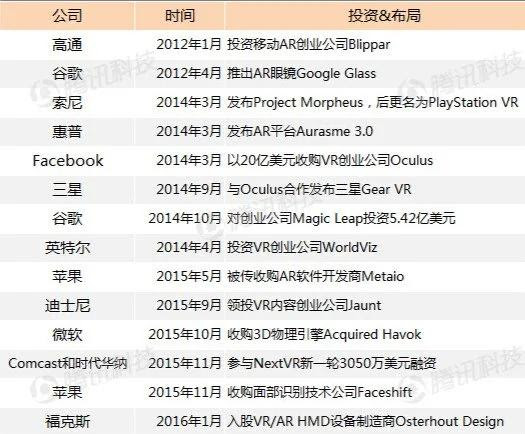
The cover story is supposed to herald a watershed moment for virtual reality, as companies like Facebook (which owns Oculus), HTC, Google, and Sony try to transform the technology from a geeky pastime for gamers into a mainstream phenomenon.
But, hoo boy, just look at this cover:
Time Magazine
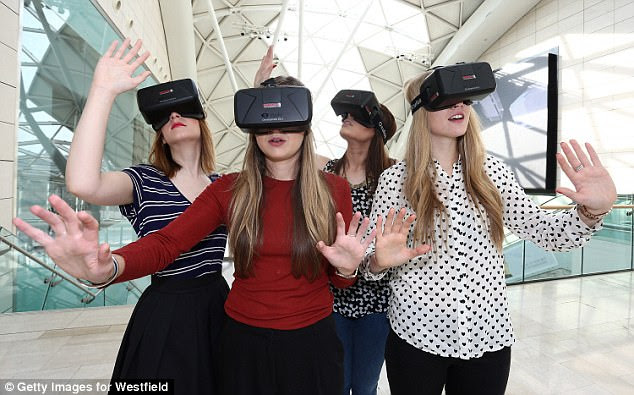
If this is supposed to make virtual reality look cool, it's failed miserably. It's true that virtual reality is primarily going to be a hobby for hardcore PC enthusiasts at first, but this cover makes it look like the least fun, least cool thing anybody in their right mind would possibly do — not the wave of the future.
Virtual reality is just around the corner
Virtual Reality has been getting slow but steady traction over the years. When Oculus Rift first introduced a new dimension of media, some enthusiasts were entertained. However, it still seemed far away.
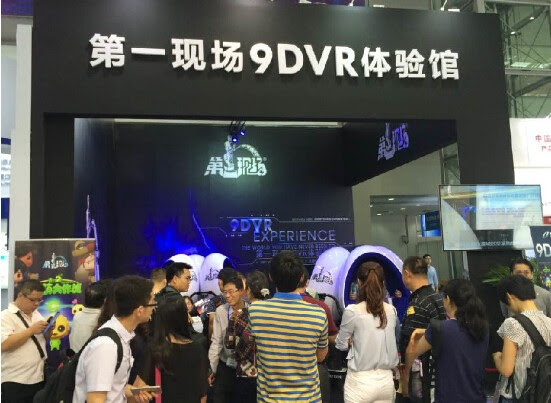
Virtual Reality Experience
In 2013, you could buy yourself Oculus developer kit. John Carmack, co-creator of Doom, joined the Oculus VR project. Things started to look more interesting. Especially when Facebook bought Oculus for about
The price of entry was still steep. Even after the introduction of Samsung VR Gear, you had shell out around $150. For someone who is just being curious about VR, that’s way too much.
Google added a new dimension to virtual reality
Luckily Google stepped in. Google Cardboard came into market in 2014, offering masses an easy entry into the world of Virtual Reality. It was a simple idea. You already carry the most expensive part of the device with you at all time ˉ your smartphone. Google just provided you with cheap vehicle for you to combine it into a VR kit. All of a sudden, everyone could experience VR under $20. And a lot of people did.
In the last few months, you can notice VR is getting more popular. In November 2015, New York Times gave their subscribers around 1.2 million free Google Cardboards. They were launching new app NYT VR. In December Verizon also launched a campaign and offered free Star Wars-themed Cardboard through Google Store and Verizon as a part of promotional tie-in for the Star Wars: The Force Awakens movie.
Why 2016 will be virtual reality’s breakthrough year
With virtual reality set to become a $1bn industry in 2016 marketers are switching on to the technology as the next big content marketing medium.
无论是男性还是女性都会对彼此的身体感兴趣,然後通过肉眼的观看,永远感受不到那份迫切地真实感。不过最近科技实验室BeAnotherLab 就打开了这个神秘的窗户,让彼此可以真实感受对方的身体,以达到“The Machine To Be Another” 性别互换的效果。 BeAnotherLab 通过一个虚拟的耳机戴到参与者的头上,随後通过影像互换功能,使眼睛看到的是对方的身体。这个时候可以通过抚摸自己的身体来达到性别转换地奇妙乐趣。这样的新科技估计很多人迫不及待的想要尝试一下了,哈哈。
It will be a more extreme version of the way the internet affected our lives. We will have even more information and enterntainment beneath our fingers.
The internet changed a lot about our world. Companies can hire people on other continents to finish work while the original group sleeps. People spend more a lot of their time watching about other people's lives on the internet. More information is freely available to anyone who requires it You can meet people from all around the world and share parts of your life with them It's a way to advertise a product you'd never get sold if you had to gro via a company. Likeminded people can group up on fora, they can meet people who share their ideas and viewpoints. But they would never have known without the internet. While a lot of information on the internet is false, it does help to break down lies, propaganda and censure.
And while not everybody might like it, Internet is here to stay. Our society has to (and has, for a large part) adapt to this new feature of life. Like all things, the internet comes with its own slew of problems. People addicted to facebook, to porn, to online gambling etc. But in the end that's the fault of people, not of the internet.
Virtual reality will be more extreme than that. It will greatly improve things, and a lot of people will abuse it. But once it's here, the only real thing you can do is adapt.