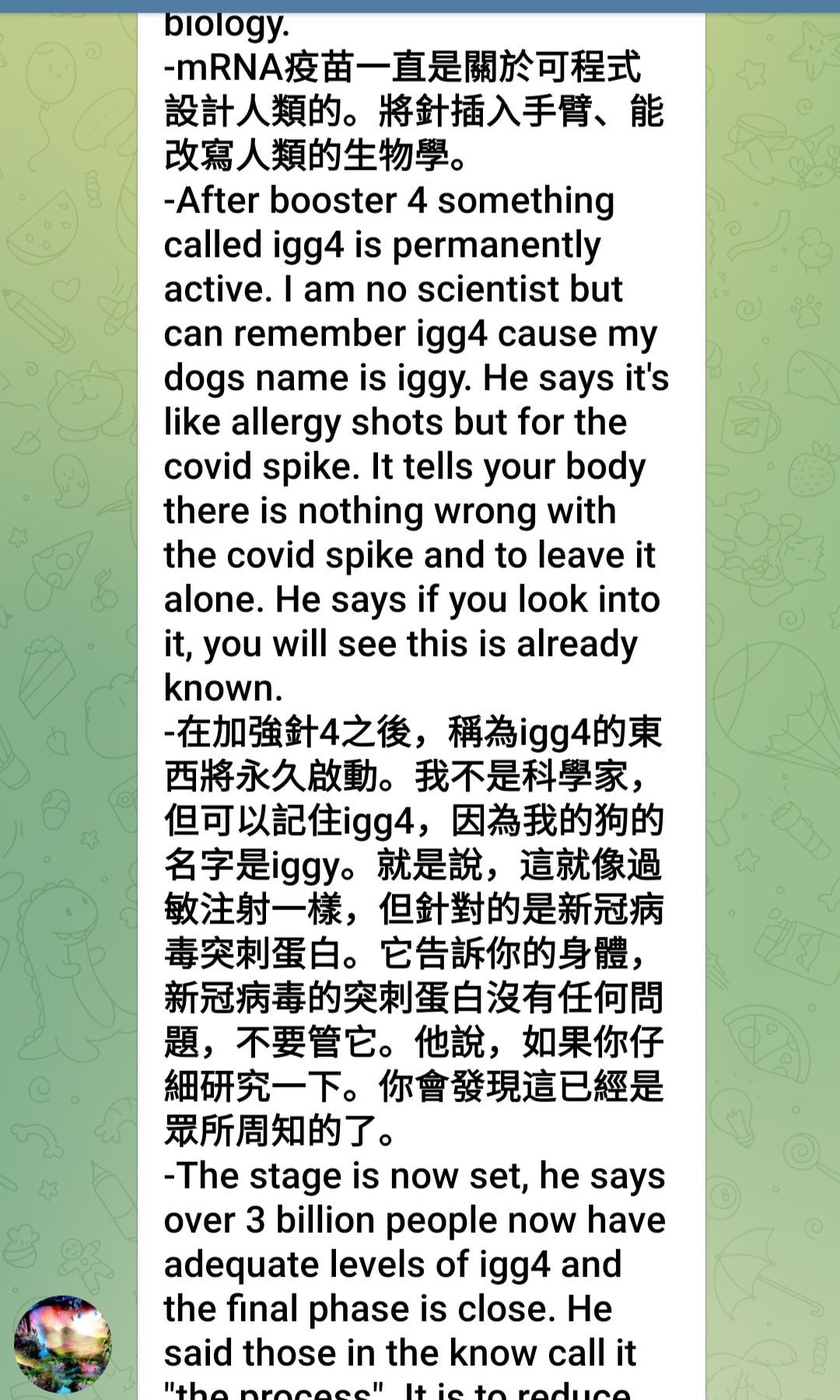
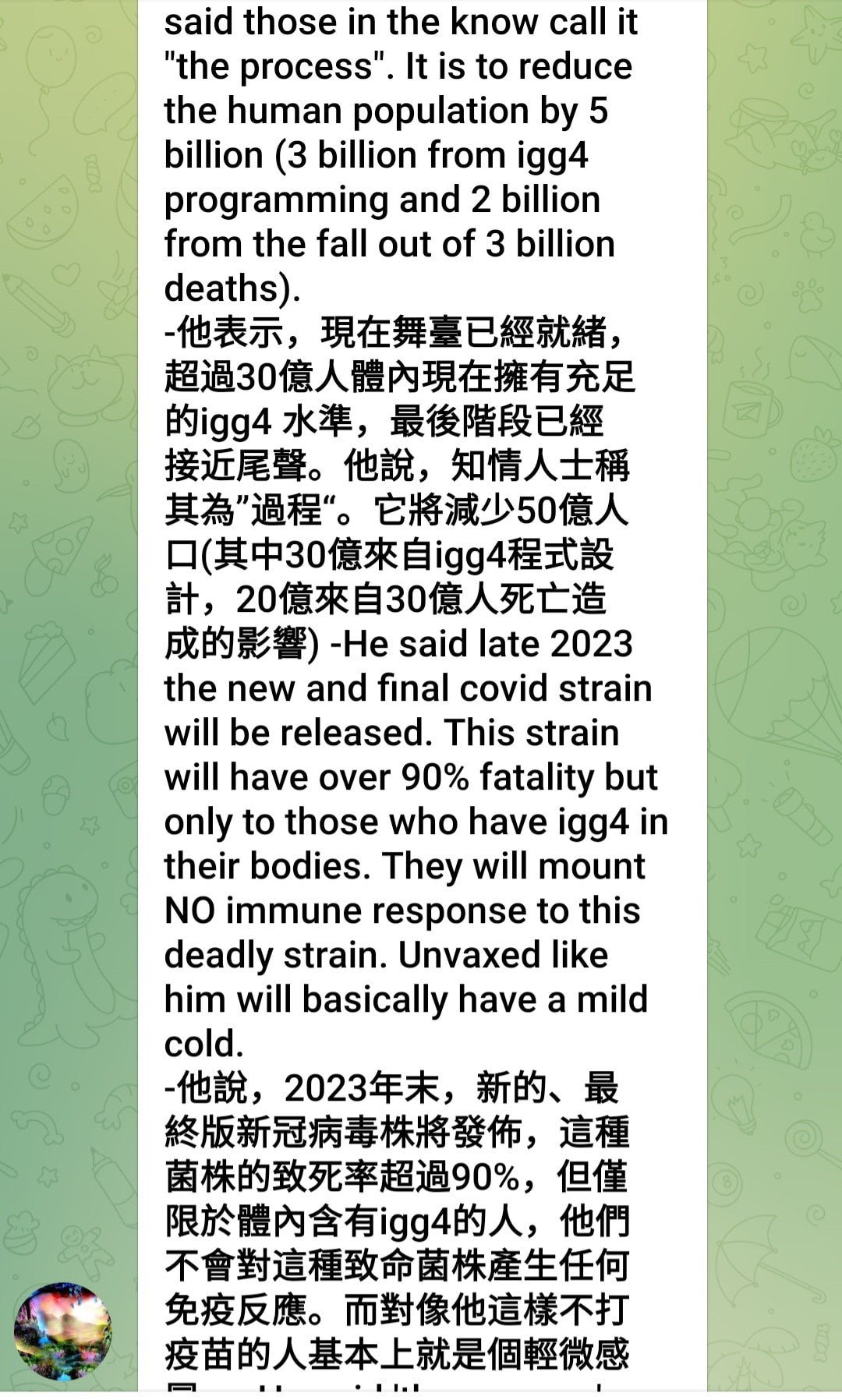
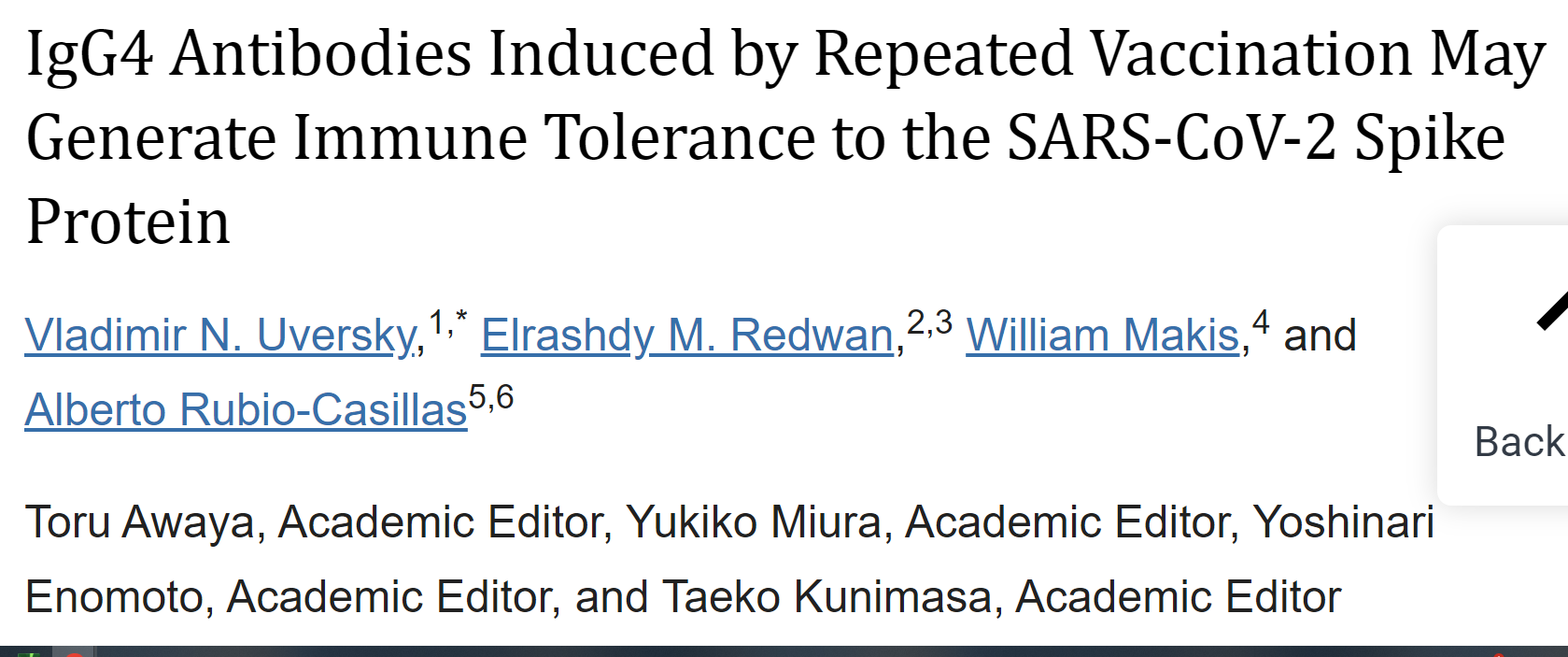
However, emerging evidence suggests that the reported increase in IgG4 levels detected after repeated vaccination with the mRNA vaccines may not be a protective mechanism; rather, it constitutes an immune tolerance mechanism to the spike protein that could promote unopposed SARS-CoV2 infection and replication by suppressing natural antiviral responses. Increased IgG4 synthesis due to repeated mRNA vaccination with high antigen concentrations may also cause autoimmune diseases, and promote cancer growth and autoimmune myocarditis in susceptible individuals.
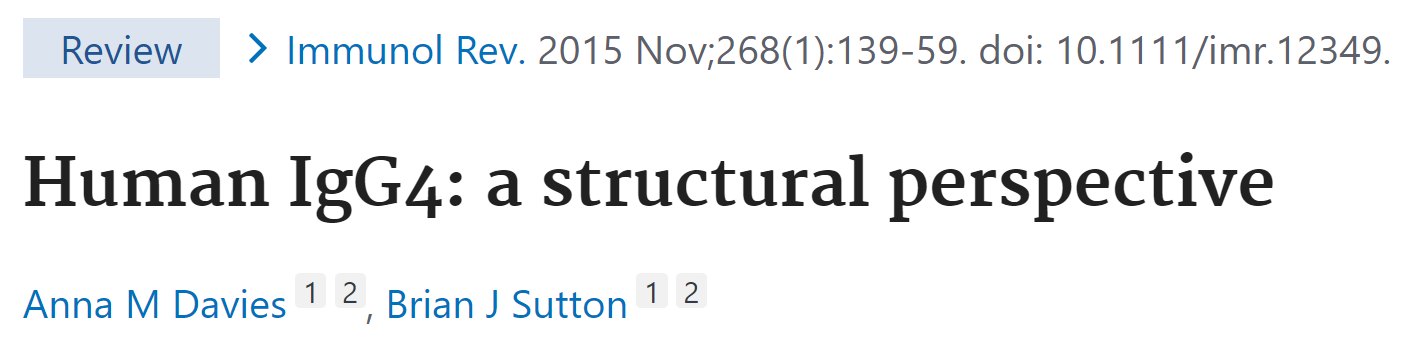
IgG4, the least represented human IgG subclass in serum, is an intriguing antibody with unique biological properties, such as the ability to undergo Fab-arm exchange and limit immune complex formation. The lack of effector functions, such as antibody-dependent cell-mediated cytotoxicity and complement-dependent cytotoxicity, is desirable for therapeutic purposes. IgG4 plays a protective role in allergy by acting as a blocking antibody, and inhibiting mast cell degranulation, but a deleterious role in malignant melanoma, by impeding IgG1-mediated anti-tumor immunity. These findings highlight the importance of understanding the interaction between IgG4 and Fcγ receptors.
Immunoglobulin G4-related disease (IgG4-RD) is a chronic immune-mediated fibroinflammatory disorder that often manifests with tumor-like masses and/or painless enlargement of multiple organs. Serum IgG4 level is often but not always elevated. Symptoms depend on which organs are affected. Diagnosis generally requires biopsy. Treatment is with corticosteroids and sometimes rituximab.