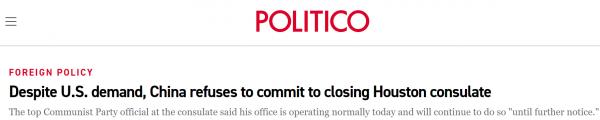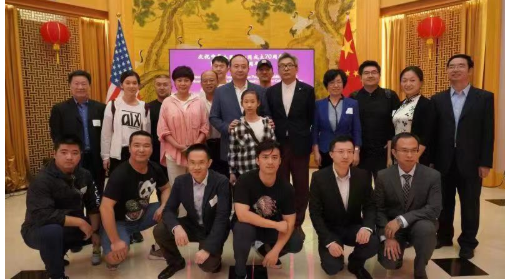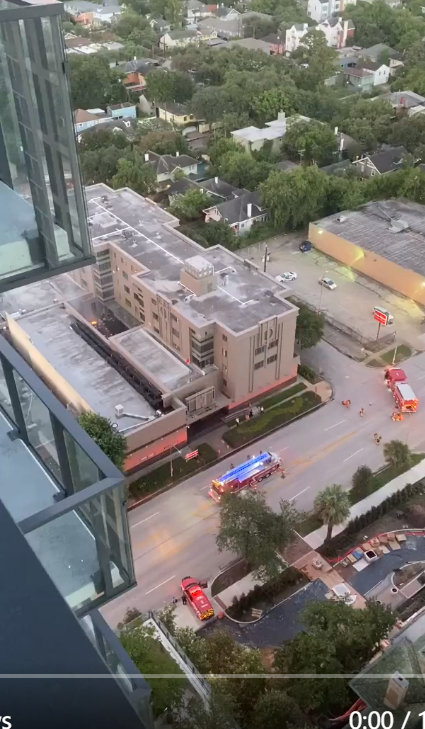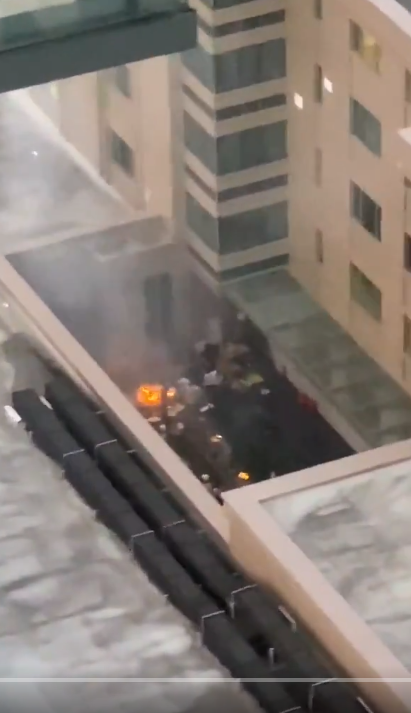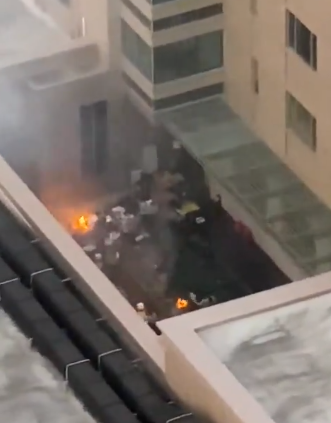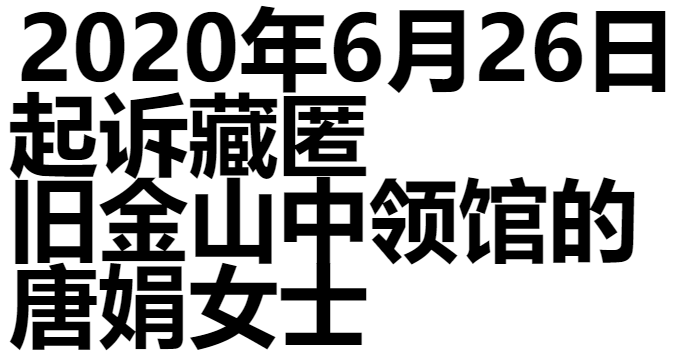

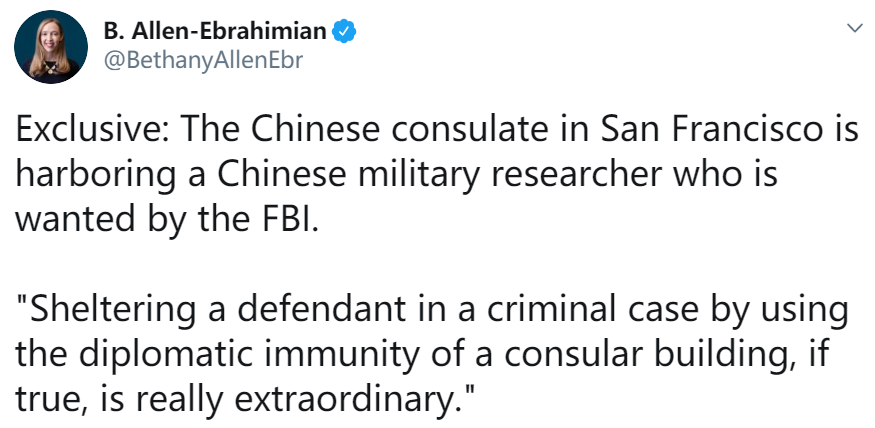
A researcher who lied about her affiliation with a Chinese military university entered the Chinese consulate in San Francisco after being interviewed by the FBI on June 20 about alleged visa fraud and has remained there, according to an FBI assessment in court filings dated July 20. Why it matters: Using a diplomatic facility to shelter someone charged with a federal crime could cause serious tension between the U.S. and China, especially as the U.S. is seeking to crack down on Chinese espionage and research theft. "It is highly unusual for a Chinese diplomatic post to associate so closely with a suspect in an intellectual property theft-related case," said Minyao Wang, a New York-based lawyer who has worked on IP theft cases related to China. "Sheltering a defendant in a criminal case by using the diplomatic immunity of a consular building, if true, is really extraordinary." Context: On July 21, the U.S. told China that it must close its Houston consulate within 72 hours. State Department spokesperson Morgan Ortagus said the move was intended to "protect American intellectual property and American’s private information." Details: According to documents filed on July 20 in the San Francisco division of the U.S. district court for the Northern District of California, Tang Juan came to the U.S. on a J-1 visa and was a researcher at the University of California, Davis. On her visa application, Tang stated that she did not have any affiliation with the People's Liberation Army (PLA), the Chinese military.But an investigation revealed that she worked at the Air Force Military Medical University (FMMU), a PLA-affiliated university in China, and she is considered to be active military personnel.After obtaining a warrant, the FBI searched her home and found evidence of her affiliation with the PLA.On June 26, Tang was charged with visa fraud. Tang appears to have taken refuge inside the San Francisco consulate. Federal prosecutors wrote that "at some point following the search and interview of Tang on June 20, 2020, Tang went to the Chinese Consulate in San Francisco, where the FBI assesses she has remained," according to court filings."As the Tang case demonstrates, the Chinese consulate in San Francisco provides a potential safe harbor for a PLA official intent on avoiding prosecution in the United States," prosecutors stated. What they're saying: "We made the Chinese government aware that she is a charged individual, so it unquestionable that they know the defendant is a fugitive from Justice," a Department of Justice official told Axios. The Chinese embassy in Washington, DC and the Chinese consulate in San Francisco did not respond to a request for comment.The State Department declined to comment. The big picture: Federal prosecutors believe this isn't an isolated case. Tang's case is listed among several similar recent ones that appear "to be part of a program conducted by the PLA — and specifically, FMMU or associated institutions—to send military scientists to the United States on false pretenses with false covers or false statements about their true employment," the court filing states.At least one among this group of cases involved a military scientist who had allegedly been directed by military superiors to steal information from a U.S. institution.In other cases, the Chinese government directed military scientists to destroy evidence, and had helped them leave the U.S, according to court filings. Related: The White House issued an executive order on May 29 barring entry to certain Chinese students and researchers from PLA-linked universities, stating that they are at "high risk of being exploited or co-opted by the PRC authorities" to serve as "non-traditional collectors of intellectual property." The bottom line: If the FBI's assessment is correct, the San Francisco consulate's decision to shelter a fugitive affiliated with the Chinese military is highly provocative behavior that goes against basic diplomatic conventions. 根据FBI在7月20日提交给法院的文件中的一项评估,6月20日接受FBI采访的一名涉嫌与中国军校有隶属关系的研究人员进入旧金山中国领事馆,该签证涉及涉嫌签证欺诈。 为何重要:使用外交手段庇护被指控犯有联邦罪行的人,可能会引起中美之间的严重紧张关系,尤其是在美国寻求打击中国间谍活动和研究失窃的情况下。 从事与中国有关的知识产权盗窃案件的纽约律师王敏瑶说:“在中国的外交职位上,与涉嫌与知识产权盗窃有关的案件的嫌疑人如此紧密地联系是非常不寻常的。” “利用领事馆的外交豁免权在刑事案件中庇护被告人,如果的确如此,那真是非同寻常。” 背景: 7月21日,美国告诉中国,它必须在72小时内关闭休斯敦领事馆。 国务院发言人摩根·奥尔塔格斯(Morgan Ortagus)表示,此举旨在“保护美国知识产权和美国私人信息”。 详细信息:根据7月20日在美国加利福尼亚北区地方法院旧金山分庭提交的文件,唐娟(Tang Juan)以J-1签证来到美国,并且是加利福尼亚大学戴维斯分校的研究员。 唐女士在签证申请中表示,她与中国军队人民解放军没有任何隶属关系。但是一项调查显示,她曾在中国人民解放军所属的空军军事医科大学(FMMU)工作,被认为是现役军人。在获得逮捕令后,联邦调查局搜查了她的住所,并发现了她与解放军有联系的证据。6月26日,唐被指控签证欺诈。 唐似乎在旧金山领事馆内避难。 联邦检察官写道:“在2020年6月20日对唐进行搜寻和采访之后的某个时刻,唐去了中国驻旧金山的领事馆,联邦调查局(FBI)评估了她的身份,” 法院文件显示。检察官说:“正如唐案所表明的那样,中国驻旧金山领事馆为解放军官员有意避免在美国提起公诉提供了潜在的安全港。” 他们在说什么: “我们使中国政府意识到她是被指控的个人,因此毫无疑问,他们知道被告是司法人员的逃犯,”司法部官员告诉Axios。 中国驻华盛顿特区大使馆和中国驻旧金山领事馆均未回应置评请求。国务院拒绝置评。 大局:联邦检察官认为这不是一个孤立的案件。 Tang的案子被列在最近的几起类似案子中,这些案子“似乎是解放军(特别是FMMU或相关机构)实施的一项计划的一部分,目的是以虚假借口将军事科学家送到美国,并附上虚假掩盖或虚假陈述。真正的就业机会。”在这组案件中,至少有一个涉及军事科学家,据称该军事科学家是由军事上级指示从美国机构窃取信息的。根据法院文件,在其他情况下,中国政府指示军事科学家销毁证据,并帮助他们离开了美国。 相关:白宫于5月29日发布了行政命令,禁止某些与中国人民解放军有联系的大学的中国学生和研究人员入境,称他们“极有可能被中国当局利用或选择”作为“非传统的知识产权收藏家。” 最重要的是:如果联邦调查局的评估是正确的,旧金山领事馆决定收容与中国军方有关联的逃犯是极具挑衅性的行为,有悖于基本外交惯例。 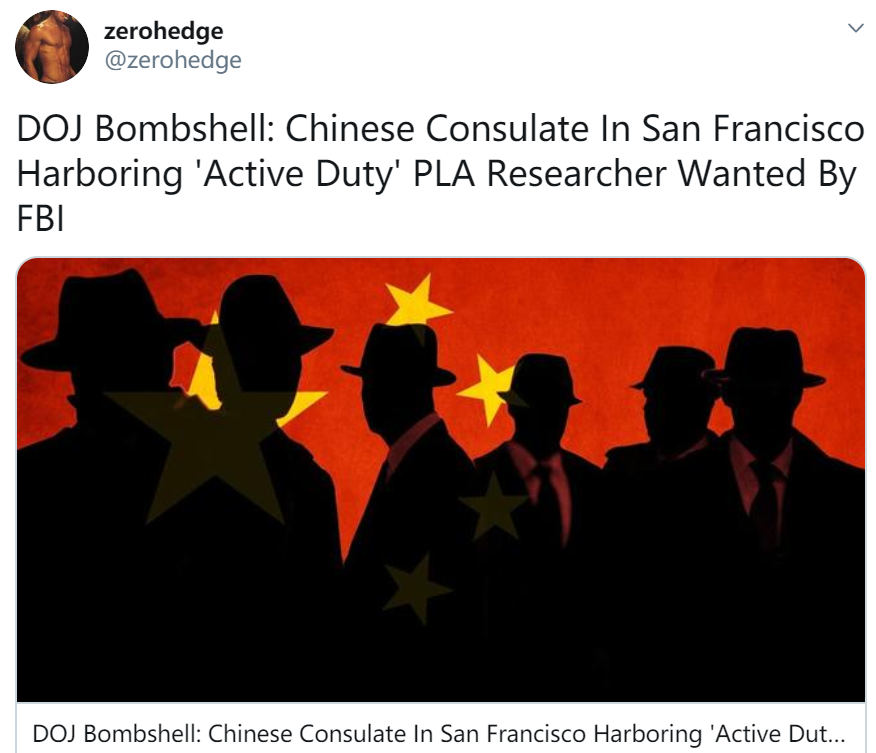


|