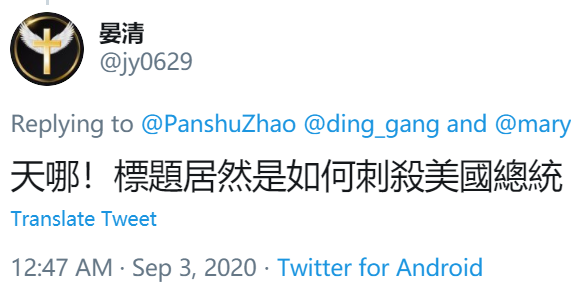
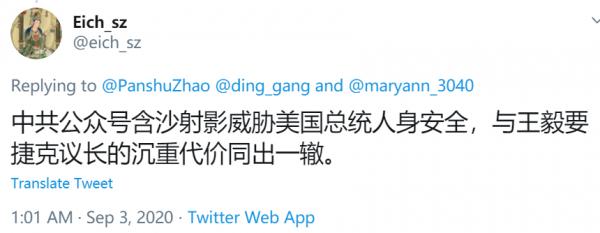
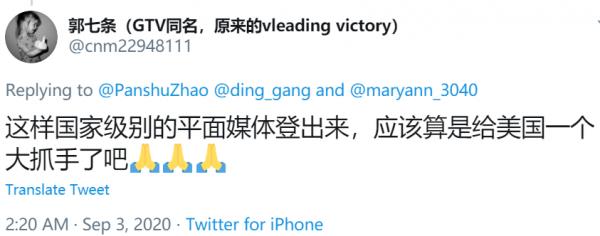
Over the summer, as both the Trump and Biden campaigns ramped up efforts to win the most controversial presidential election in decades, Laura Daniels, Jessi Young and Erin Brown also got busy, posting critical comments about American politics and society on Twitter and other social media platforms. They tweeted about mishandling of the COVID-19 pandemic. They posted about racial injustice. And they shared their views (not good) of the personal and political scandals dogging President Donald Trump.
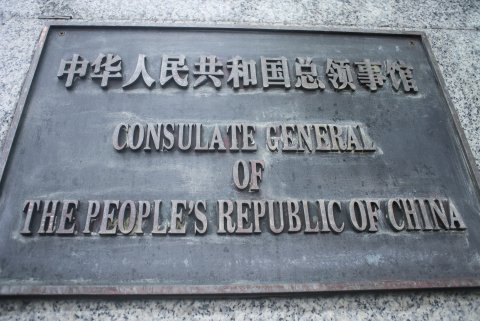
司法部助理总检察长约翰·C·戴默斯(John C. Demers)在8月与战略与国际研究中心进行的在线活动中说:“休斯顿并不是从领事馆中随机抽出的。” 几位接受此事采访的人士说,领事馆长期以来一直是全国活动的中心,向中国施加政治压力并提取技术。作为活动规模的标志,联邦调查局特工还在美国各地进行了“在30个不同城市进行的50次采访”,怀疑中国研究人员正在努力提取技术,“这只是正在进行的事情和我们正在尝试的事情的一小部分”破坏。”
开始挖掘,与联合阵线有联系的美国团体的数量似乎层出不穷。根据中文媒体和联合阵线组织的多篇报道,总部位于纽约的美国华裔美国人宣传组织100委员会(C100)成立于30年前,在亨利·基辛格(Henry Kissinger)的帮助下,是另一个委员会。 。联合阵线工作部在中国南京市的网站上确定美国商人和C100主席H. Roger Wang为南京海外联谊会的名誉主席,南京海外联谊会是联合阵线全球中国海外联谊会的市级分支机构。协会。
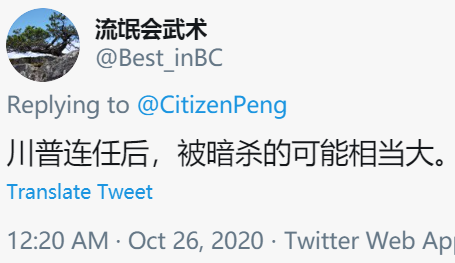
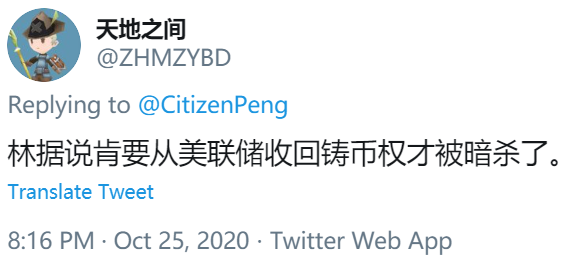
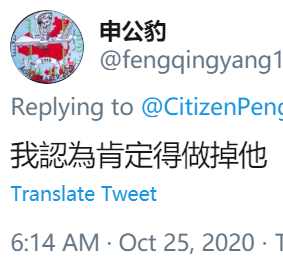
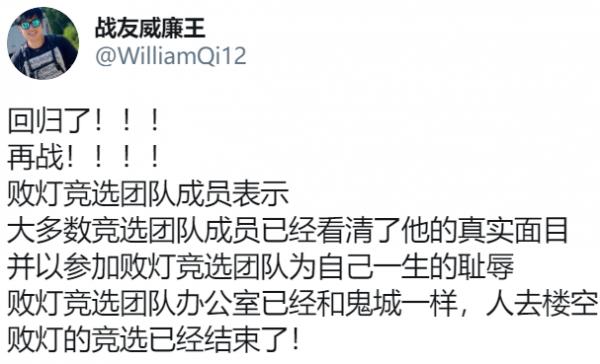
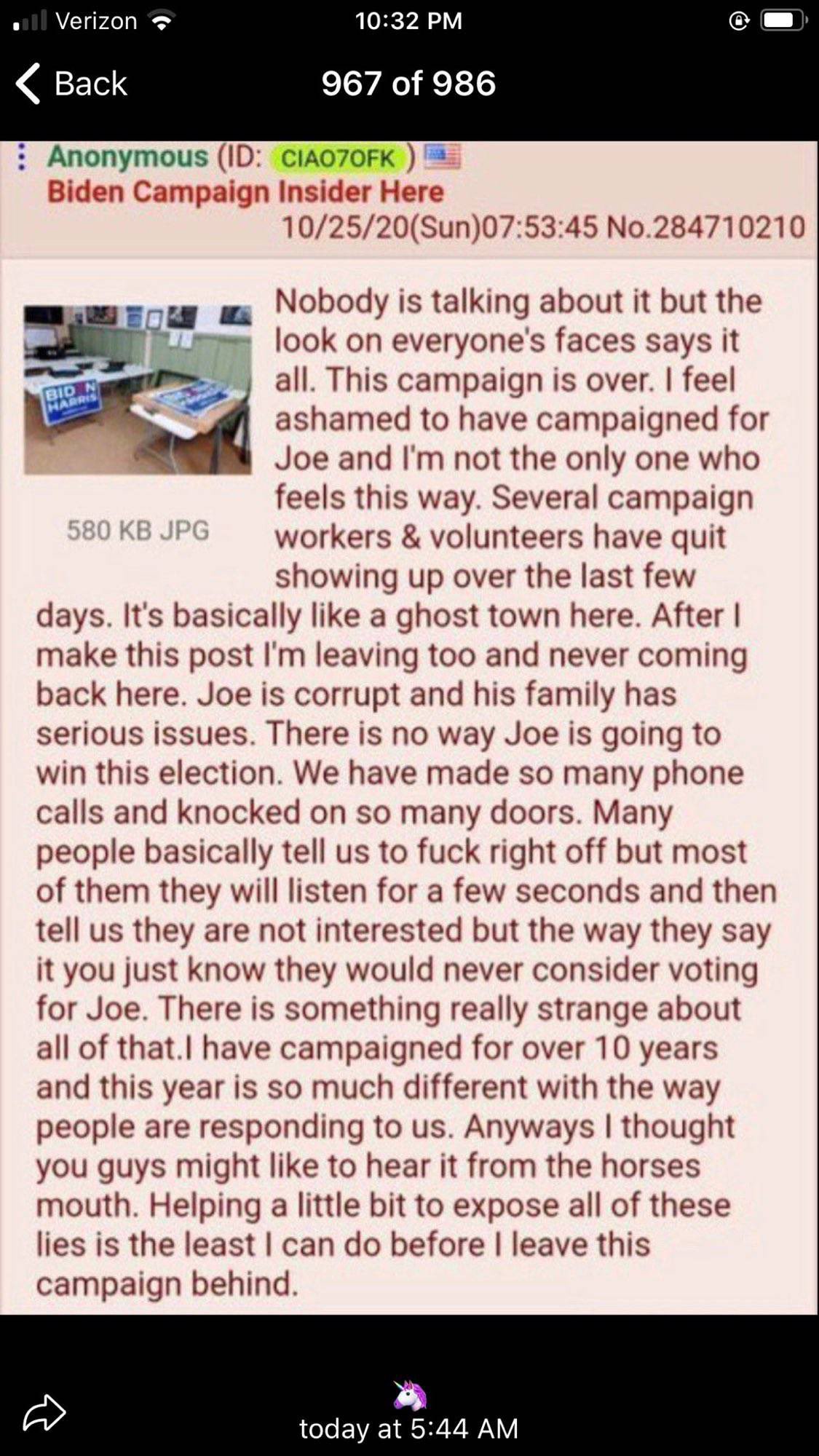
The three women appeared to be just like millions of other Americans who take to social media every day to express their displeasure at the state of the U.S. Yet there were anomalies. The women's messages were sometimes identical to others on Twitter and Facebook. Their handles were similar and they tended to make sweeping statements putting down America and its democratic system, rather than referencing specific events. Their use of language was off too, stilted or mixing up familiar expressions—"Black people are never slaves! Stand up your high head!" read one of Jessi's more garbled tweets. And one more thing: Occasionally, a stray Chinese-language character would slip into one of their posts or hundreds of others just like them.
That last part was especially odd—until you consider that the women weren't actually women at all but rather bots and trolls used in a systematic campaign by groups affiliated with China to sow division and unrest in the U.S. ahead of the 2020 election. An analysis this summer of thousands of such Twitter and Facebook posts by the International Cyber Policy Center of the Australian Strategic Policy Institute described them as part of a program of "cross-platform inauthentic activity, conducted by Chinese-speaking actors and broadly in alignment with the political goal of the People's Republic of China to denigrate the standing of the U.S."
The fake accounts are just one example of what appears to be stepped-up activity by groups associated with China as Election Day gets closer. Over the past six weeks, for example, both Google and Microsoft have reported attempted cyber attacks linked to Beijing that targeted individuals who worked with the Biden and Trump campaigns. However, unlike Russian interference in 2016, which worked to bolster Trump's chances of election, most of the activity stemming from China does not clearly favor one candidate over the other. Instead, it seems designed, as William Evanina, director of the National Counterintelligence and Security Center, puts it, "to shape the policy environment in the United States, pressure political figures it views as opposed to China's interest, and deflect and counter criticism."
Experts say the election-related activity is just a small part of a much larger and deeper campaign of influence and interference by China that's been taking place over many years—and is a far more worrisome threat long-term. Interviews with some two dozen analysts, government officials and other U.S.-China specialists, as part of a four-month investigation by Newsweek, suggest there are myriad other ways in which the Communist Party of China (CPC) and other government-linked entities have been working, through multiple channels in the U.S. at the federal, state and local level, to foster conditions and connections that will further Beijing's political and economic interests and ambitions.
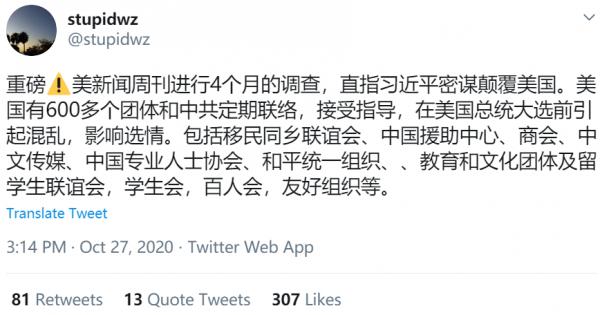
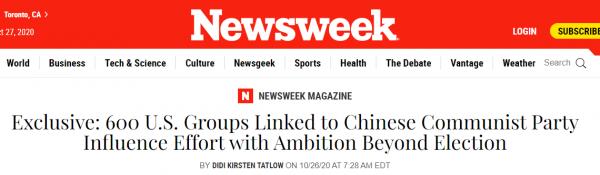
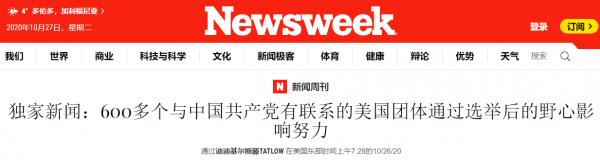
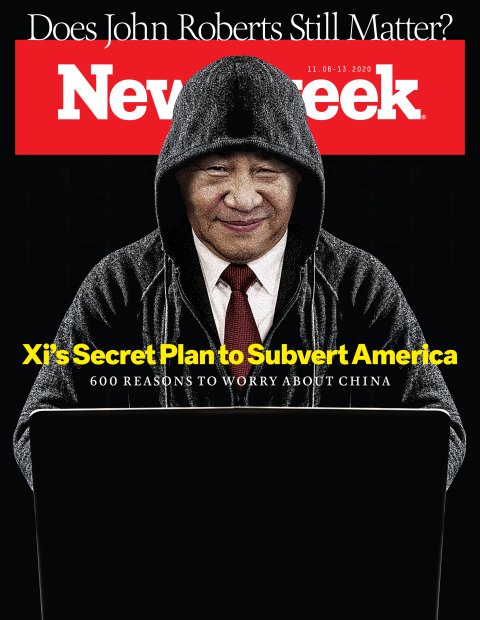
Those channels include businesses, universities and think tanks, social and cultural groups, Chinese diaspora organizations, Chinese-language media and WeChat, the Chinese social media and messaging app, says John Garnaut, an Australian political analyst and expert on global CPC interference. Separately, Newsweek has identified about 600 such groups in the U.S., all in regular touch with and guided by China's Communist Party—a larger-scale version of a pattern found in other countries around the world.
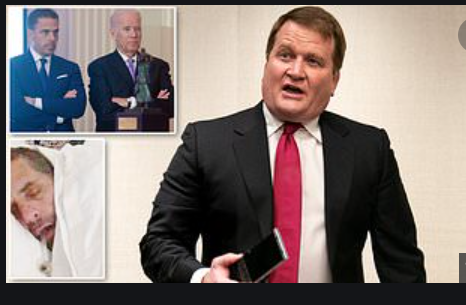
The scope of alleged activities is enormous, involving social and business gatherings, extensive information campaigns and building political and economic ties that can be leveraged to Beijing's gain—recent reports of Hunter Biden's business dealings with a Chinese energy company eager to connect with his father and President Trump's secret Chinese bank account are just the latest high-profile examples that some China watchers find worrisome. There are also accusations of large-scale economic espionage. In a speech this summer at the Hudson Institute, F.B.I. director Christopher Wray said the agency opens a China-connected investigation every 10 hours and that, of nearly 5,000 active counterintelligence cases in the U.S., almost half are related to China.
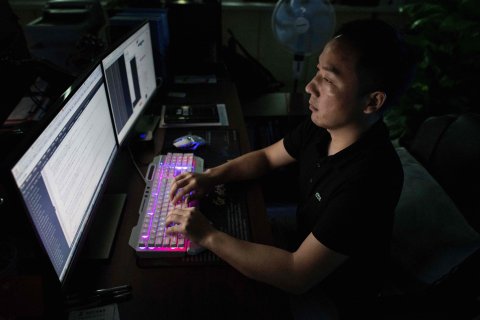
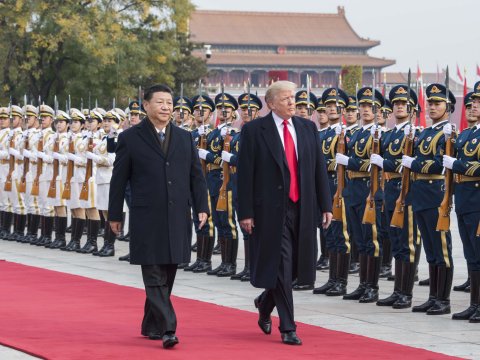
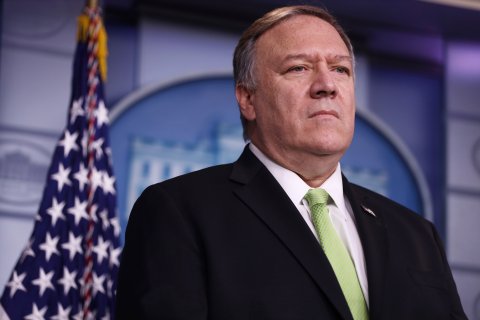
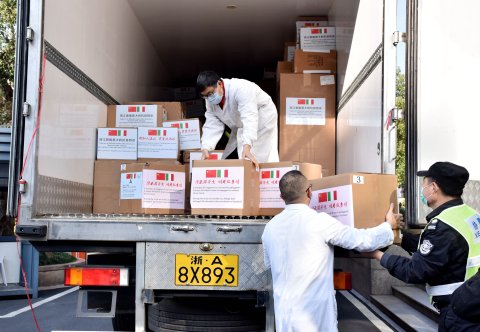
PHOTO ILLUSTRATION BY NEWSWEEK; SOURCE IMAGES GETTY
Update, 10/27, 6:45 a.m. ET: This story has been updated to include a response from the China General Chamber of Commerce–USA.