Years ago, anthropologist Margaret Mead was asked by a
student what she considered to be the first sign of
civilization in a culture. The student expected Mead to talk
about fishhooks or clay pots or grinding stones.
But no. Mead said that the first sign of civilization in an
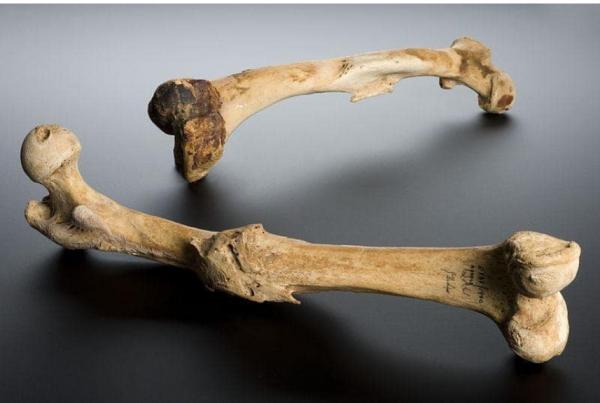
ancient culture was a femur (thighbone) that had been
broken and then healed. Mead explained that in the animal
kingdom, if you break your leg, you die. You cannot run from
danger, get to the river for a drink or hunt for food. You are
meat for prowling beasts. No animal survives a broken leg
long enough for the bone to heal.
A broken femur that has healed is evidence that someone
has taken time to stay with the one who fell, has bound up
the wound, has carried the person to safety and has tended
the person through recovery. Helping someone else
through difficulty is where civilization starts, Mead said.”
We are at our best when we serve others. Be civilized.
—— Ira Byock
I recently read about a student once asking anthropologist Margaret Mead, “What is the earliest sign of civilization?”
Mead replied, “A healed femur,” which was about 15,000 years old.
Turns out that the femur is the longest bone in the body and, if broken, takes about six weeks to heal. In Paleolithic times, a person who broke a femur couldn’t run to escape predators or hunt. Death ultimately follows, and the good possibility of being eaten!
A 15,000-year-old healed femur was evidence that someone had taken the time to care for a wounded hunter. One of our ancestors had to do the care-taking (as well as, now, the hunting) and nurse this person back to health. That healed femur was the first sign of a compassionate response of one human being toward another (and a link between healing of one’s relative or community member and survival.)
The COVID-19 pandemic has unmasked (no pun intended) some increasingly desperate, and disparate, needs in our society. Society is suddenly faced with caring for the homeless, the poor, the disenfranchised, the multitudes who are suffering and in need. Like our ancestors 15,000 years ago, the question begs to be asked: Will those of us who are capable help to provide care for those who are wounded and go without?