2026-5-20
在乾隆时代出口到欧洲的外销瓷上面的花卉图案中,有一幅是被称为印度玫瑰的(Indian Rose)。
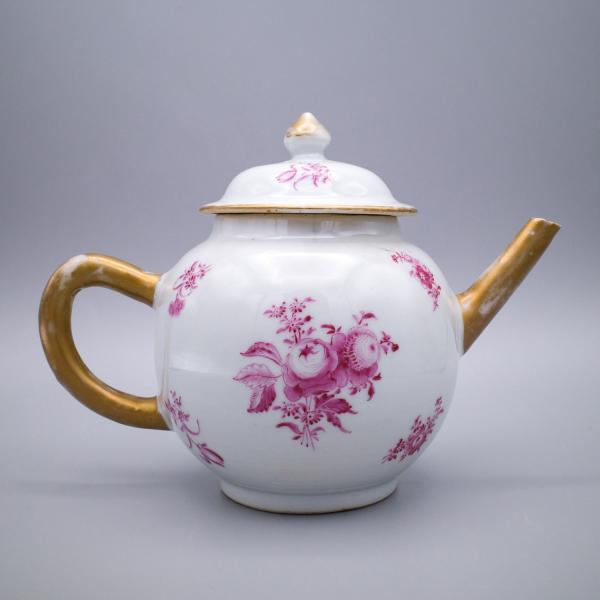
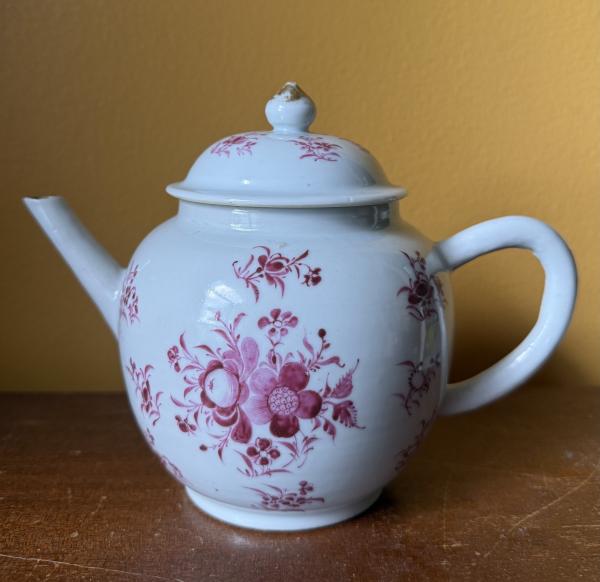
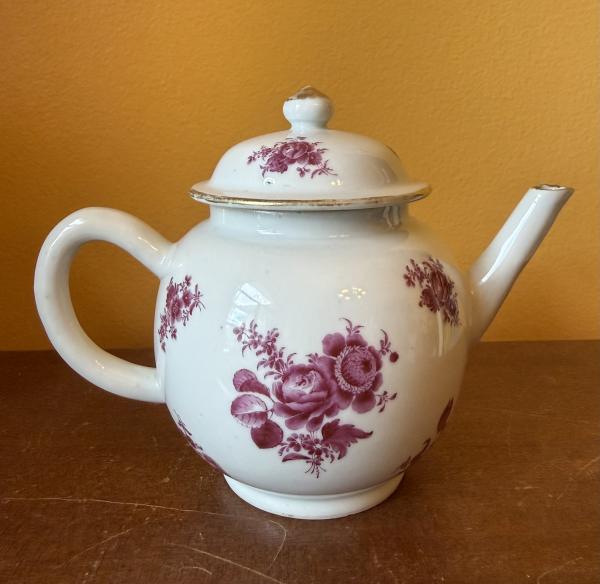
实际上,这些瓷器纹样与印度没有一毛钱的关系,也并非对真实玫瑰花卉的简单描摹。许多被后人视作西洋风格的花卉装饰,更多是欧洲陶瓷艺术再创造的产物。1720年,德国梅森瓷厂的宫廷画师约翰·格里戈里乌斯·贺罗德(Johann Gregorius Horoldt,1696-1775)在吸收中国和日本伊万里瓷器装饰元素的基础上,又融入蔷薇、菊花等欧洲植物纹样与巴洛克装饰趣味,经过重新组合与艺术加工,形成了一套兼具东方想象与欧洲审美特色的装饰语言。
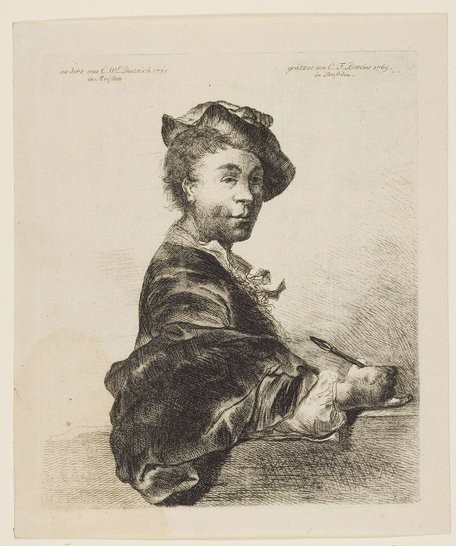
贺罗德是梅森瓷器(Meissen)历史上最伟大的瓷器画家和色彩配方化学家。首先,是他发明了颜色。在1720年之前,欧洲瓷器只有青花。是他研发出了红、绿、黄、紫等全套能在高温下烧制的不褪色的珐琅彩颜料。
Johann Gregorius Horoldt (1696-1775) was a painter at the royal court in charge of painting at the Meissen factory. Horoldt’s painting during his early phase were heavily influenced by East Asian modes and motifs. He is famed for his fantasy world chinoiseries influenced by Chinese and Japanese artefacts. Alongside these, under his direction, were created decorations of fleurs des Indes – flowers of the Far East usually ‘enlivened’ by the presence of brightly coloured birds and insects or animals. Through experimentation he developed techniques to make the porcelain whiter so as to better display the range of enamel colours he introduced, greens, yellows, purples and browns.
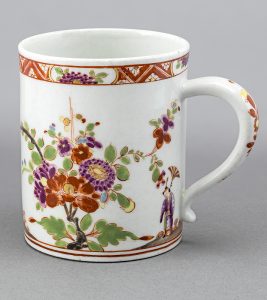
Meissen, (1725-1735) Hans C. Syz Collection, National Museum of American History
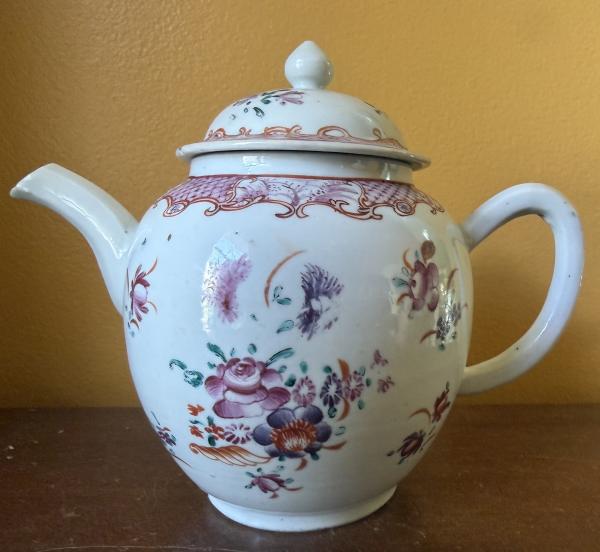
乾隆外销瓷的粉彩颜色釉
其次,也是贺罗德定义了风格:上面提到的印度花卉(Indianische Blumen)以及著名的中国风情画(Chinoiserie),正是由他在1720年代亲手设计并推向巅峰的,可以说是他赋予了梅森瓷器长达三百年的色彩灵魂。
上面这一段,换成了人话就是说:
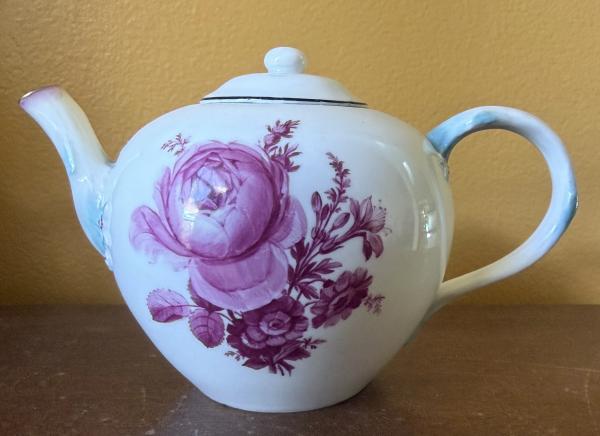
当时中国景德镇的工匠为了迎合欧洲消费者的审美,又把这种在欧洲流行的、融合了巴洛克和东方风情的花卉图案画在瓷器上,出口卖回欧洲。因此,它成为了18世纪中西方文化与商贸交流的经典见证。这和美洲印第安人的名字是误打误撞一样,当时的欧洲人深受马可波罗游记的影响,购买亚洲的好东西茶叶瓷器丝绸之类。通过荷兰的东印度公司转运,当时的欧洲人对东方地理不太了解,误以为这些好东西都产自印度,于是统统贴上了印度的标签。
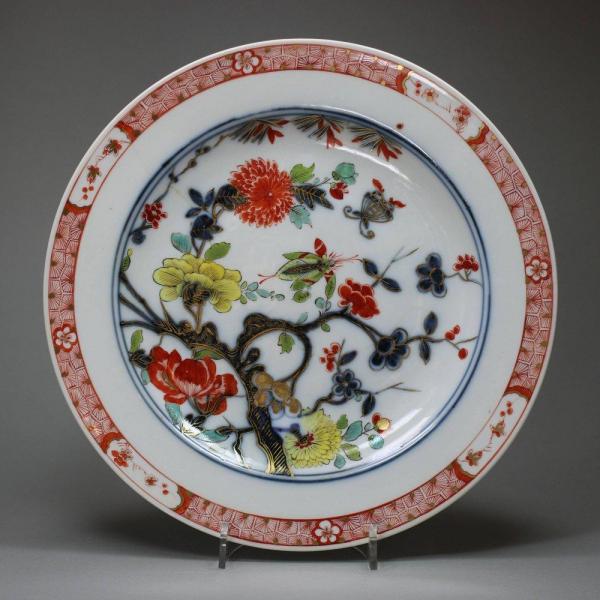
Meissen Indianische Blumen plate, circa 1730
不过这么说也不完全正确,画鬼容易画人难。贺罗德的印度花卉图案设计不具一格,兼收并蓄,形式多样。上面这个梅森瓷器印度花卉图案的灵感,就是来源于日本陶瓷设计以及印度的纺织品,而这些商品在十七、十八世纪全球贸易体系中占据重要地位。花卉图案是统治印度次大陆的莫卧儿帝国皇帝们特别偏爱的装饰主题。最初,莫卧儿宫廷绘画中的花卉纹样较偏向自然写实风格;但到了沙贾汗(Shah Jahan,1628—1658年在位)时期,更加程式化、风格化的花卉表现形式逐渐受到推崇,并进一步主导了莫卧儿棉纺织品的装饰风格,也因此间接影响了欧洲的陶瓷设计。
Indianisch blumen bear no strong resemblance to any known species of flower. The motif was instead developed at Meissen during the period in which Johann Gregorius Höroldt (1696-1775) was a key figure at the manufactory. He was inspired by Japanese ceramic design and Indian textiles, which played an important role in global trade of the seventeenth and eighteenth centuries. Floral designs were a favourite theme of the Mughal emperors who ruled the Indian subcontinent at the time. At first, Mughal court painting depicted floral motifs naturalistically, but under the rule of Shah Jahan (1628-1658), more stylised depictions were favoured and came to dominate Mughal cottons and, consequently, European ceramic design. Designs incorporating merchant trading scenes were also popular at Meissen, and attest to the continued cultural and economic role played by the trade of luxury items, including the Asian porcelain wares which Meissen had initially been set up to imitate.
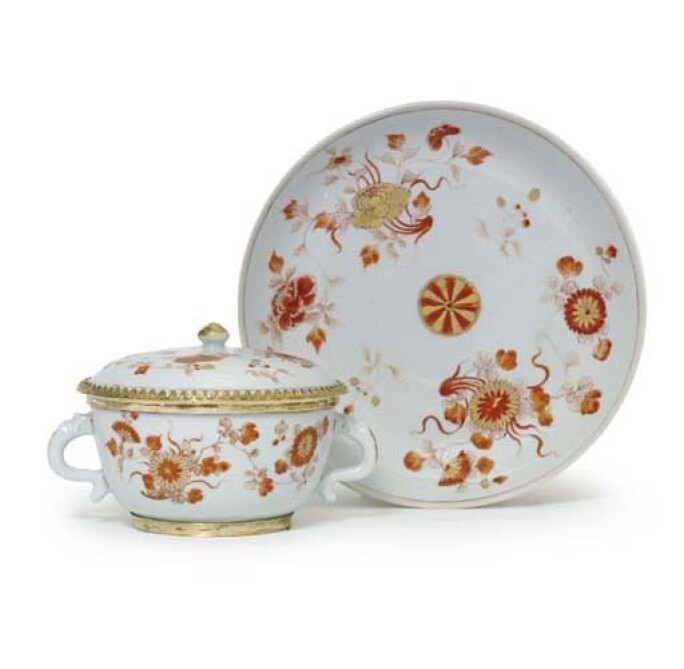
康熙朝的伊万里瓷器(1717)
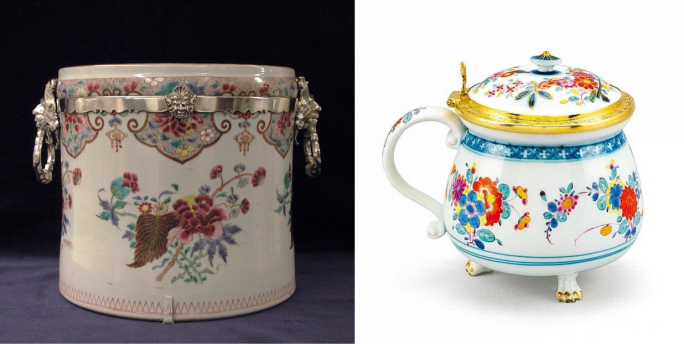
| 雍正外销瓷1730-1735 | 梅森设计1735-1736 |
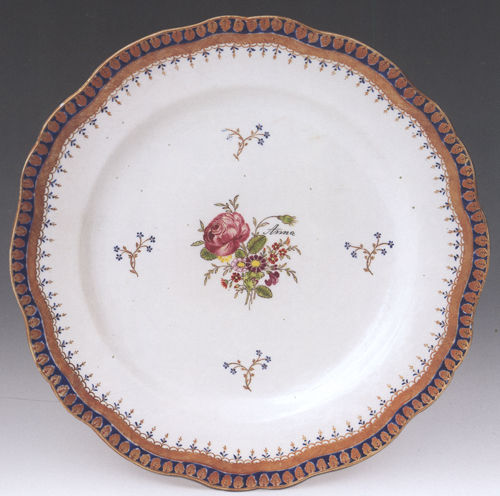
乾隆外销瓷上的印度玫瑰
这么多年来,三哥们也心安理得默默享用,不承认不反对不考据也不做辩白,任凭欧洲人胡说八道,名字就这么阴差阳错,给误传了下来。
|