2022-8-13
一口氣讀完李查德-崔卡斯基在1961年寫的小說,《到上海的最後一架飛機》(Last Plane to Shanghai),是幾年前村子裡社區大學的圖書館下架處理舊書中的一本。描寫的是1948年美國新聞記者從上海深入內地採訪國共內戰期間發生的故事,傳統的愛情噼腿情節,寫得引人入勝,欲罷不能。
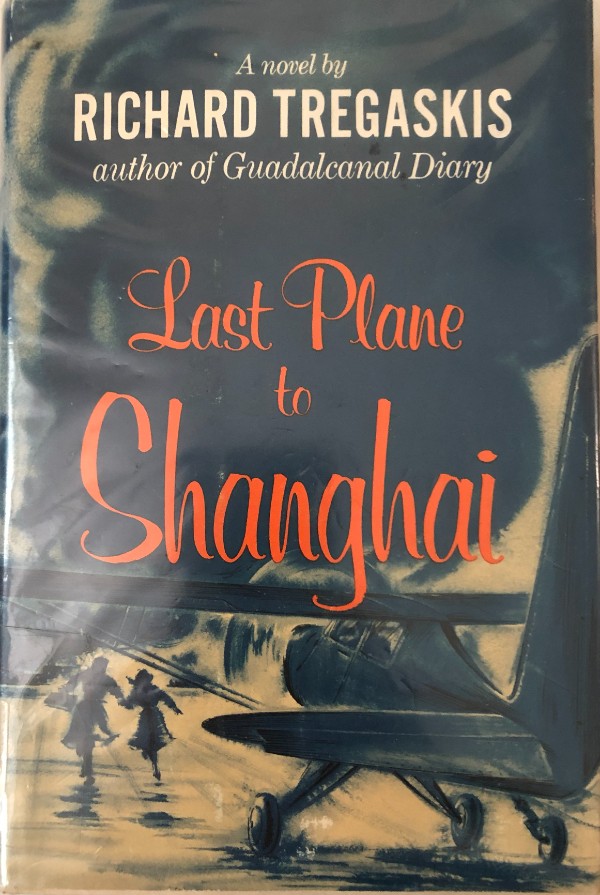
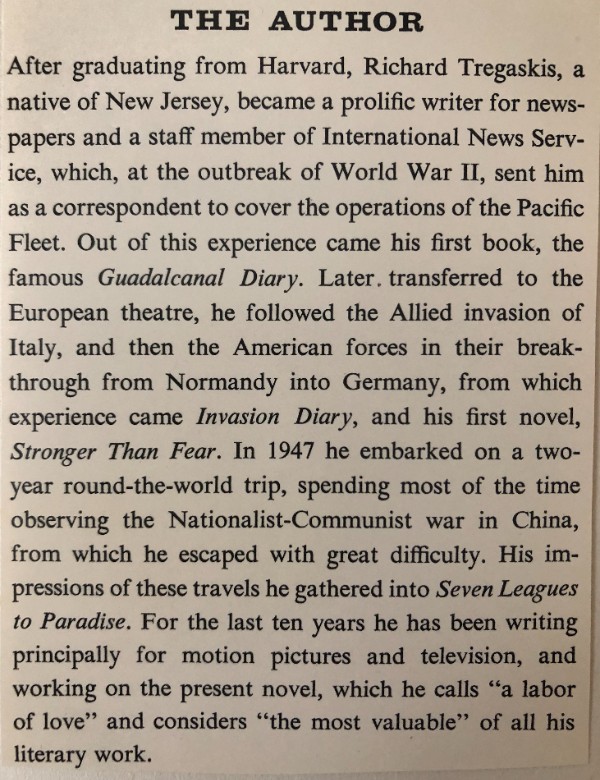
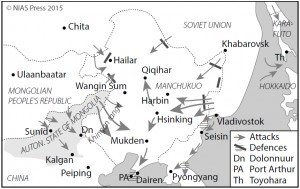
書中提到了兩個地名,一個是穆克丹(Mukden),是大家都知道的,滿語盛京的意思,就是歷史上的遼寧奉天和現在的瀋陽,和甲午戰爭時期地圖上的亞瑟港(Port Arthur)是旅順口的稱呼是一樣的,一個是喀兒干(Kalgan),又叫卡拉根,是大家都未必知道的,蒙古語關口、關卡和聚會之門的意思,就是現在的河北省張家口市。
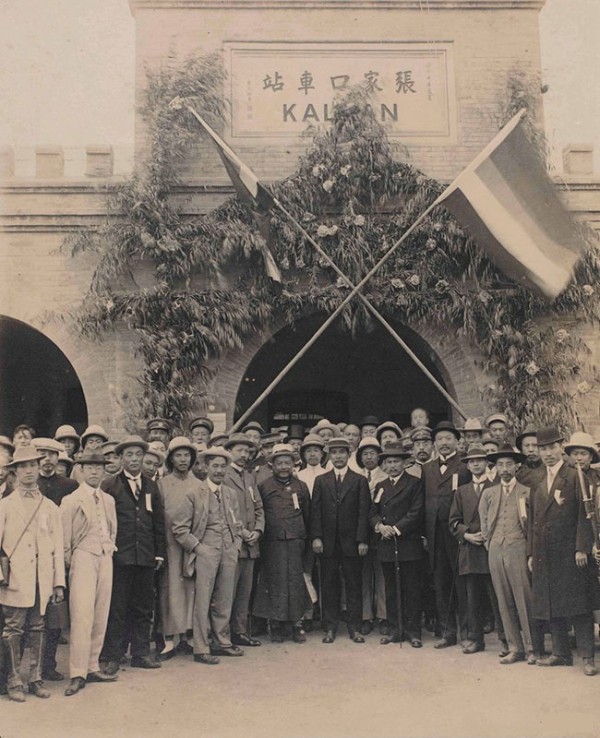
書中還有一段文字,在第147頁,描寫作者所觀察到的海內外所謂勤勞勇敢默默無聞任勞任怨的國人,遠在文革之前,就喜歡在公共場所大聲喧譁和不講文明,可謂是一針見血,入木叄分,不留情面,以子之矛攻子之盾,讓人汗顏:
"See how quiet they are in their hardship," he said with enthusiasm. "Manhood at its best is quiet - if I may quote from Master Kung." Master Kung would be Confucius, the name Kung Fu-tzu rendered into English. I nodded politely, thinking how very few Chinese in my experience were manhood at its best, by the standard of quietness. In Hong Kong, Indonesia, Singapore, every place I had seen them they were the noisiest, most ebullient people I knew, even in abject poverty and near starvation.
|