2024-06-14 National Cucumber Day
【I Am A Shepherd (Sou um guardador de rebanhos)】 Fernando Pessoa (1888-1935) I am a shepherd. The sheep are my thoughts And all my thoughts and sensations. I think with my eyes and ears, My feet and hands My nose and mouth.
To think of a flower is to see it and smell it, And to eat a fruit is to know its meaning.
And so, on a very hot day, Sad at enjoying it so much, I lie flat in the grass, I close my hot eyelids, I feel my body, lying down in reality, I recognize the truth, and I'm happy. —— • —— • —— • —— • —— • —— • —— • —— 【《我是牧羊人》】 (葡萄牙)费尔南多·佩索阿“旅行者·角色” (1888生—1935卒) 【红霞译】 我是牧羊人。 羊群是我的思想 而我的思想发自感官认知。 我用眼睛耳朵思考 还有手脚 鼻子嘴巴。
思考花就得闻看, 吃水果则要品味。
因此酷日的天气, 我喜极而泣。 躺在草地上, 闭上热昏的双眼, 感觉置身现实, 认识真理让我快活不已。
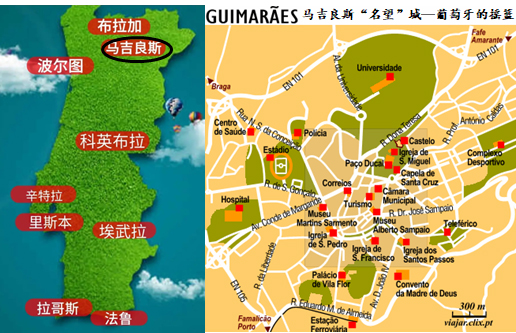
【注】吉马良斯“名望”被称为葡萄牙的摇篮——1128年,阿方索·恩里克斯“尊贵·领主”(Afonso Henriques)在此击败其母的军队,奠定了国家独立的基石;这位葡萄牙第一任国王据说便出生于此,古城不仅是国家的摇篮,更是国王的故乡。城堡始建于10世纪,后经多次扩建,花岗岩城墙依然守卫着千年的秘密;南部的修道院建筑群,回廊幽深,教堂肃穆,曾是修士祈祷与抄经之地。城堡与修道院,一武一文,一攻一守,共同构成吉马良斯的历史核心——从防御工事到宗教建筑,从贵族宅邸到平民住宅,每一块石头都在诉说时间的流逝。 漫步在老街上,最引人注目的是底层花岗岩、上层半木结构的独特建筑——花岗岩抵御潮湿虫蛀,木结构自由开窗挑出,增加居住空间。这种风格基于15至19世纪的传统工艺,随着葡萄牙的航海扩张,被带到巴西萨尔瓦多、安哥拉罗安达——葡萄牙的建筑语言随帝国传遍世界。街道上那些历经风雨的木质构件,正以一种沉默的方式,为现代人提供一份关于“殖民与传播”的实物注脚。它们不评判帝国曾经的轮廓,只是以自己承重的方式,将过去的振动转化为现在可被阅读的语法,让时间的深度从视觉的碎片中,被重新感知为一种可触摸的连续性。 我站在城堡的高处,俯瞰整座古城——红色屋顶、白色墙壁、花岗岩街道在阳光下闪闪发光。那句谚语“在吉马良斯出生,在葡萄牙长大”忽然变得具体可感:这座小城不仅是国家的摇篮,更是葡萄牙灵魂的原型——它以一种不加修饰的方式,将“起源”这一抽象概念,转化为一种可被定位、可被回访的坐标。而那些在巴西萨尔瓦多“救世主”、在安哥拉罗安达“浅滩之地”被复制的花岗岩与木结构,不过是这条根系在世界其他土壤中延伸出的分支,始终指向同一个原点。风从大西洋方向吹来,穿过城堡的垛口,在我面前打开一条回望的路径——让我即使多年后再一次站在某个陌生的港口,也能凭借这一次在高处确认的坐标,辨认出自己与那个起点之间,是否仍隔着一段尚未被踏足的距离。而当我转身离开时,那些花岗岩与木头将继续以它们的方式,在我的体内维持一座不需要被建造、却永远不会倒塌的城堡,让我在抵达任何一座被葡萄牙建筑语言标记过的城市时,都能在那道由传统工艺编织而成的秩序中,辨认出一种超越地图的归属感,并让每一次回望,都能重新校准自己与起点之间的距离。 2001年,吉马良斯被联合国教科文组织列为《世界遗产名录》。 Today in History(历史上的今天):
2024: Braga, the Religious Ctr of Portugal(葡萄牙布拉加·全国宗教中心) 2024: Sé de Braga, Portugal(葡萄牙布拉加·最古老的马裤城大教堂) 2024: Bom Jesus do Monte in Braga, Portugal(葡萄牙布拉加·山上好耶稣) 2015: Archaeological Site of Pompeii, Italy(意大利庞贝古城) 2015: Lemons in Capri, Italy(意大利卡普里·山羊岛的柠檬) 2012: Descriptive─Fables(想象文─童话故事) 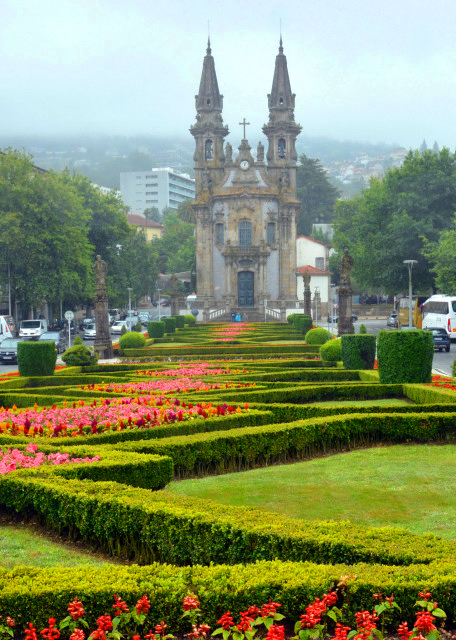
Gardens & Fountain in Front of Santos Passos Holy Steps Church @ Fair Field (美丽旷野·圣帕索斯“阶梯”教堂前花园与喷泉) 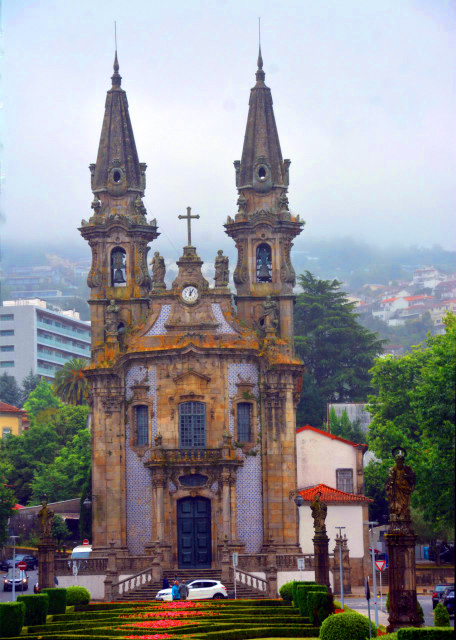
Santos Passos Church Portuguese Baroque w/ Rococo Influences in 1767-1785 (圣帕索斯教堂·葡萄牙巴洛克“不规则形状”风格,深受1767-1785年洛可可“花哨”风格影响) 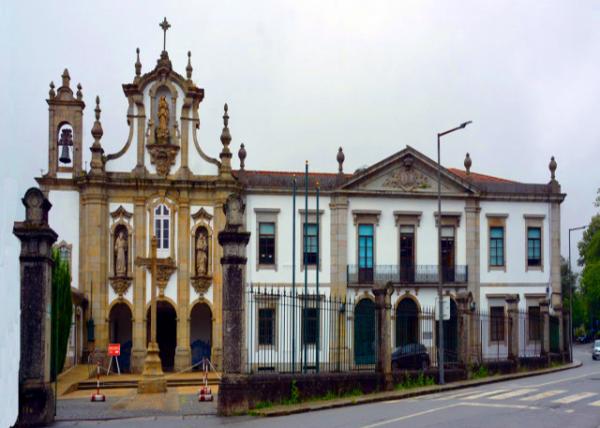 Convento de Santo António dos Capuchos w/ the Cloisters & the High Choir Convento de Santo António dos Capuchos w/ the Cloisters & the High Choir
(圣安东尼·卡普齐纳修“无价·修士”修道院、回廊及后殿) 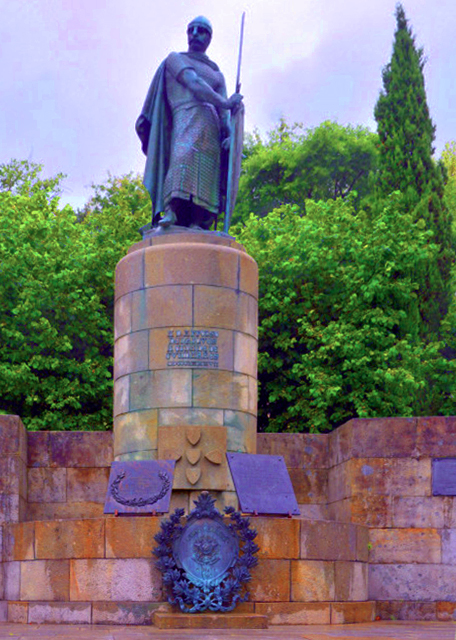
Statue of Afonso Henriques the 1st King of Portugal in the Old City Center (老城中心葡萄牙第一任国王的雕像《阿方索·恩里克斯》) 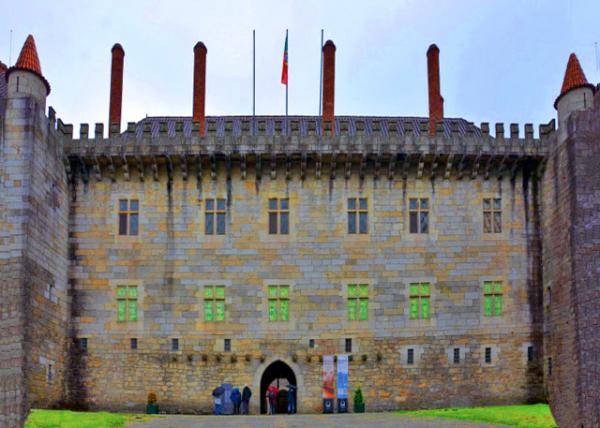 Palace of the Dukes of Braganza w/ the Main Entrance & Ramp Showing the 2 Floors & Entrance Palace of the Dukes of Braganza w/ the Main Entrance & Ramp Showing the 2 Floors & Entrance
(布拉干萨“马裤”公爵宫·两层楼的主入口和坡道) 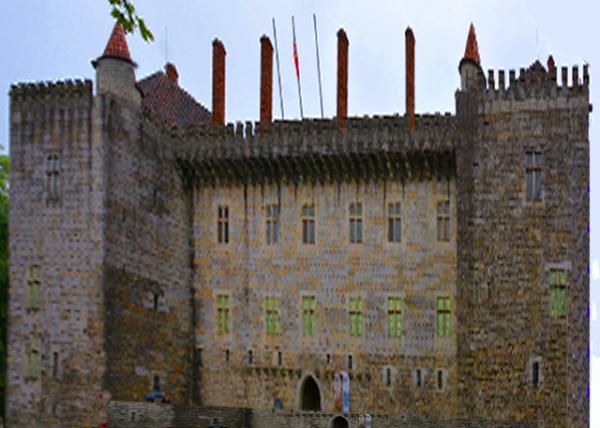 Front Façade of the Palace w/ Its Main Gate of Palace of the Dukes of Braganza Front Façade of the Palace w/ Its Main Gate of Palace of the Dukes of Braganza
(布拉干萨公爵宫·宫殿正门) 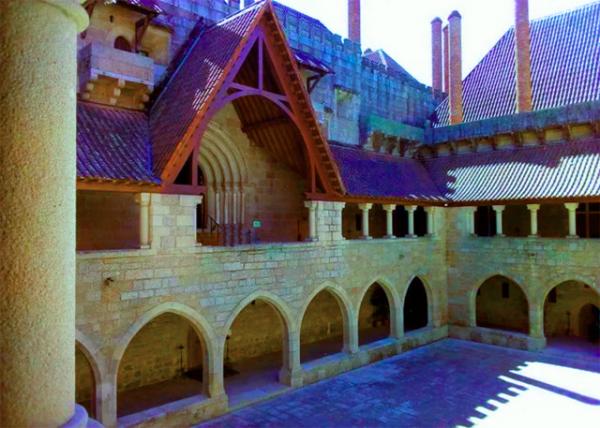 Courtyard @ Palace of the Dukes of Braganza Courtyard @ Palace of the Dukes of Braganza
(布拉干萨公爵宫·庭院) 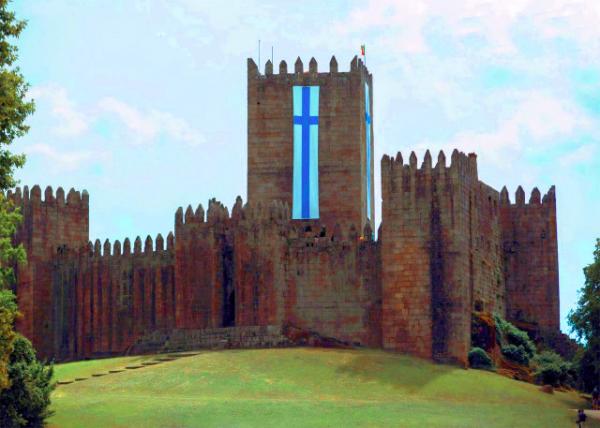 Guimarães Castle Built in the 10th Century to Defend the Monastery from Attacks by Moors & Norsemen Guimarães Castle Built in the 10th Century to Defend the Monastery from Attacks by Moors & Norsemen
(吉马良斯城堡·建于10世纪,用于保护修道院免受摩尔“阿拉伯”人和北欧人的攻击) 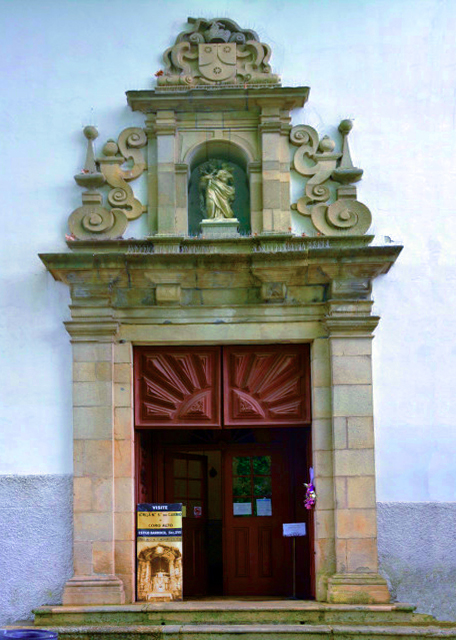
Entrance to Our Lady of Mount Carmel Church Renowned for Its Distinctive Baroque Style w/ Rococo Influences Evident in Certain Elements Built in 1704 (卡梅尔“神园”山圣母教堂大门·建于1704年,以其独特的巴洛克风格而闻名,某些建筑元素明显受到洛可可风格的影响) 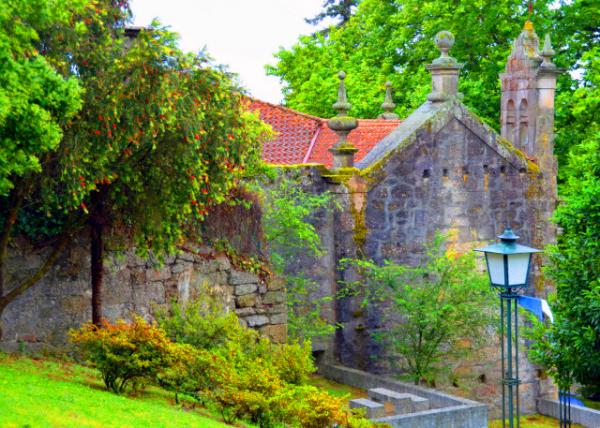 Our Lady of Mount Carmel Church w/ a Stone Arch Enriched by 2 Side Altars Our Lady of Mount Carmel Church w/ a Stone Arch Enriched by 2 Side Altars
(卡梅尔山圣母教堂·设有石拱门,两侧有祭坛) 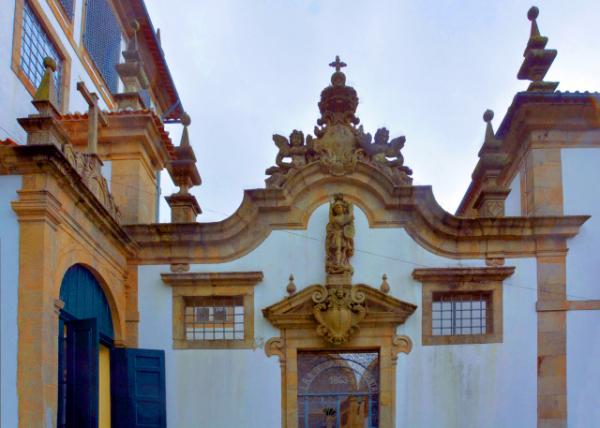 Our Lady of Mt. Carmel then & Santa Estefania Home now Our Lady of Mt. Carmel then & Santa Estefania Home now
(卡梅尔山圣母教堂·现为王冠圣人之家) 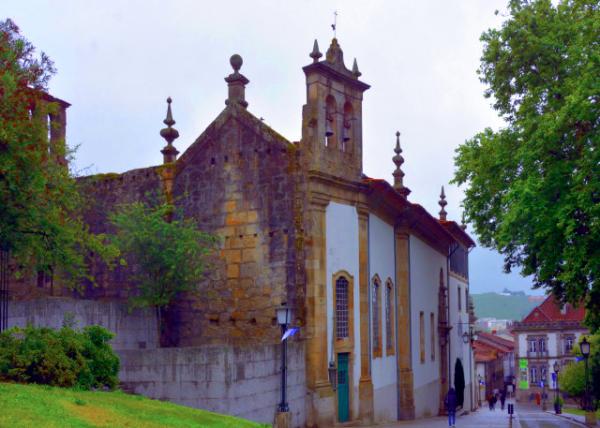 Santa Estefania Home, a Religious Institution as a Children's Home Santa Estefania Home, a Religious Institution as a Children's Home
(圣埃斯特法尼亚“王冠”之家·实为宗教机构兼儿童之家) 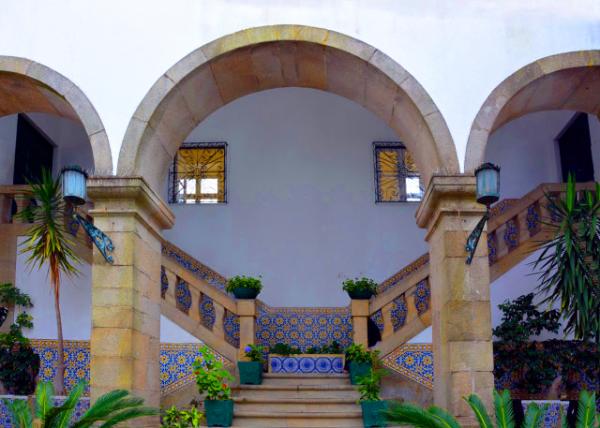 Entrance to the Lar de Santa Estefania, Former Convento do Carmo Entrance to the Lar de Santa Estefania, Former Convento do Carmo
(圣埃斯特法尼亚之家入口·前卡莫“神园”女修道院) 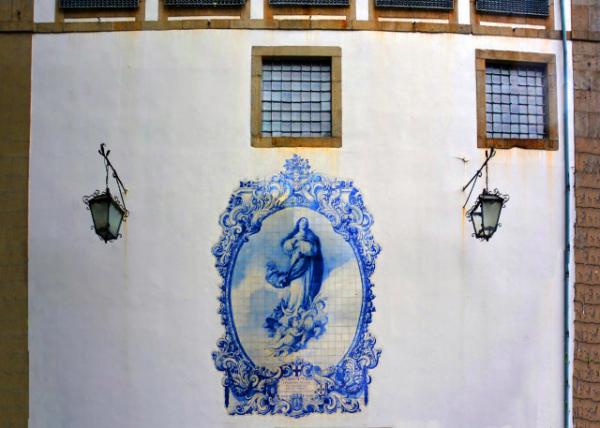 Our Lady Azulejos Tile Panel @ Chapel of the Virgin Mary Our Lady Azulejos Tile Panel @ Chapel of the Virgin Mary
(圣母礼拜堂·葡式瓷砖面饰) 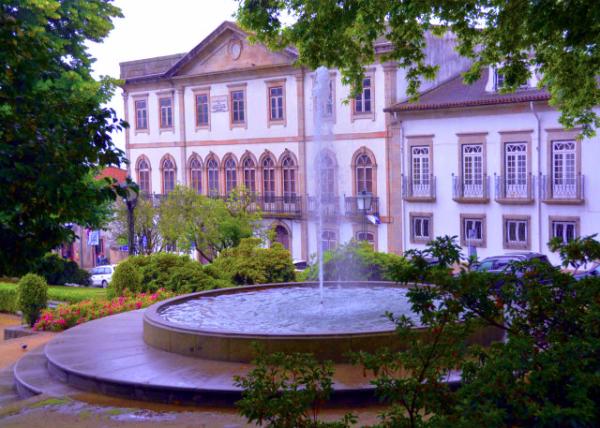 Jardim do Carmo (卡莫庭院) Jardim do Carmo (卡莫庭院)
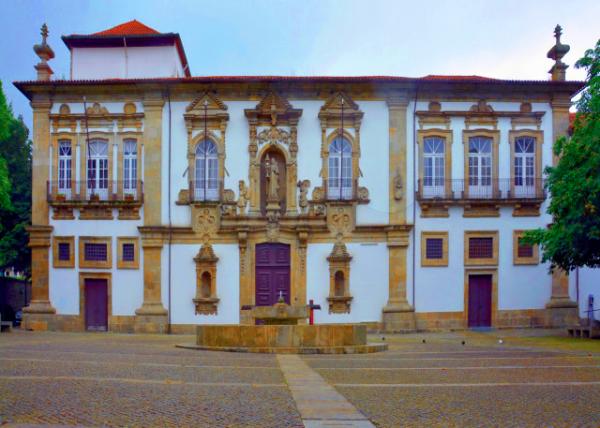
City Council, Former Antigo Convento de Santa Clara Monastery Blending Between Manueline and Renaissance Styles Found in 1560 (市议会·建于1560年,原为光明圣徒修道院古时女修道院,融合曼努埃尔“葡萄牙后期哥特式”风格和文艺复兴风格) 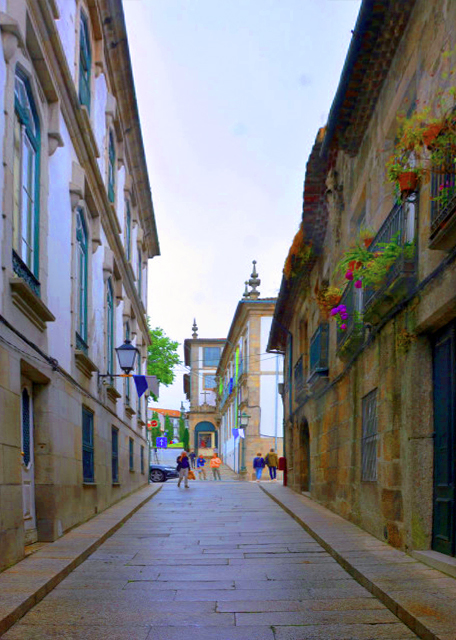
Rua de Santa Maria (圣母街) 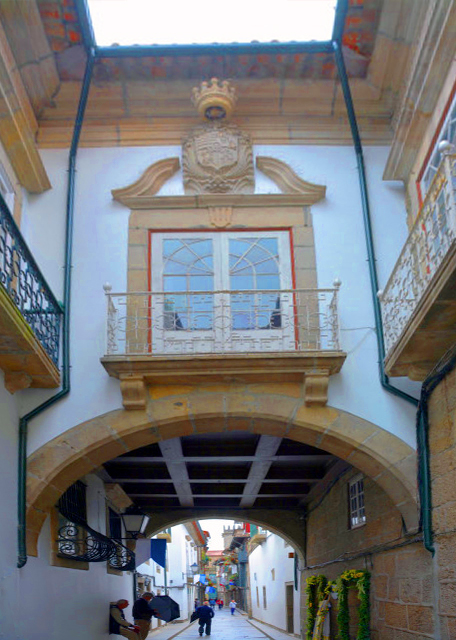
Arch over Calle Santa María (圣母街拱门) 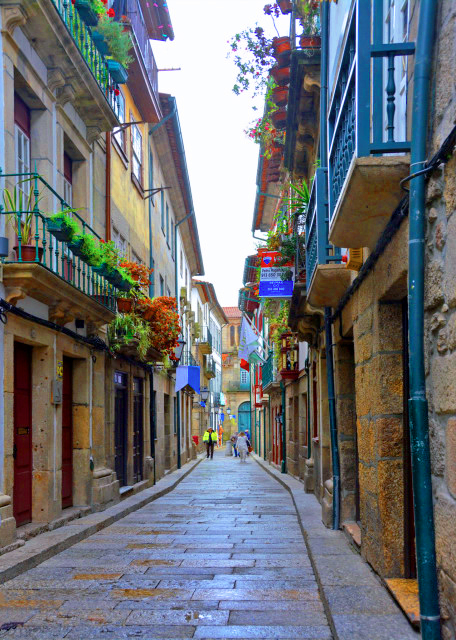
Medieval Bldgs on the Baroque Street toward Santiago Square (通往后继圣徒广场巴洛克式街道的中世纪建筑) 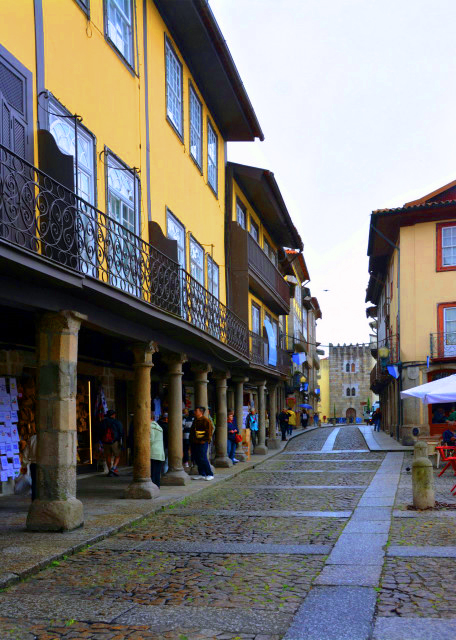
Aparthotel Largo da Oliveira w/ a Ground Floor Granite & a Half-Timbered Structure (橄榄树广场公寓酒店·底层为花岗岩、上层为半木结构) 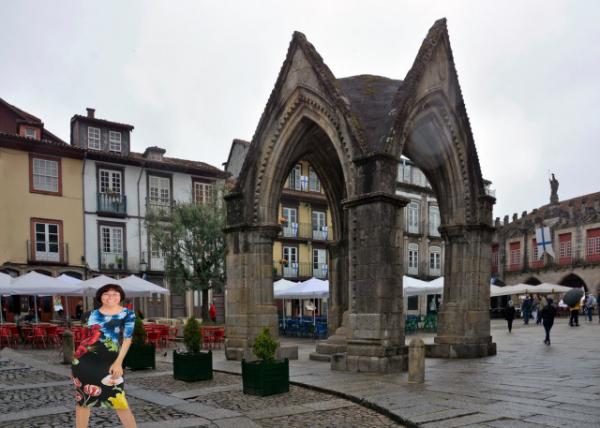 Oliveira Square, Victory of Portugal Symbolized for the Battle of Río Salado Oliveira Square, Victory of Portugal Symbolized for the Battle of Río Salado
(橄榄树广场·标志葡萄牙胜利的纪念碑《盐河战役》06-14-2024)
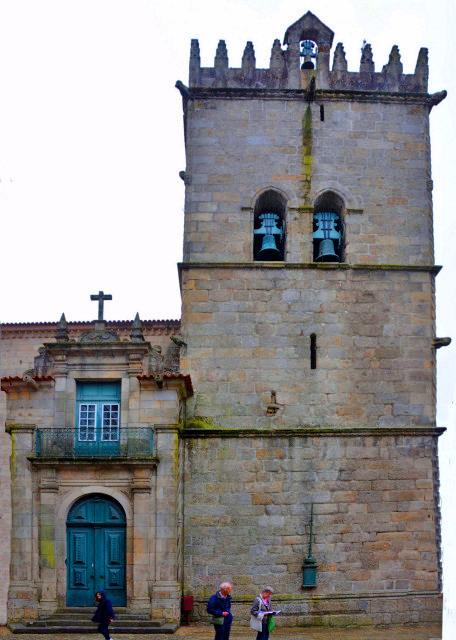
Cathedral of Our Lady Oliveira,a Collegiate Church (橄榄树圣母大教堂·置有牧师会的教堂) 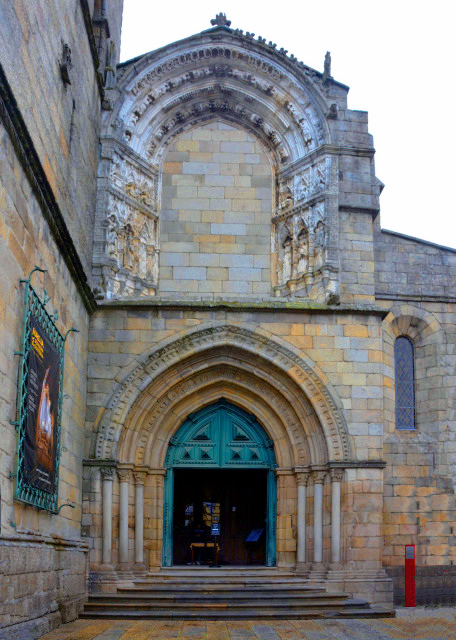
Cathedral of Our Lady Oliveira Found in the 14th Century (橄榄树圣母大教堂·建于14世纪) 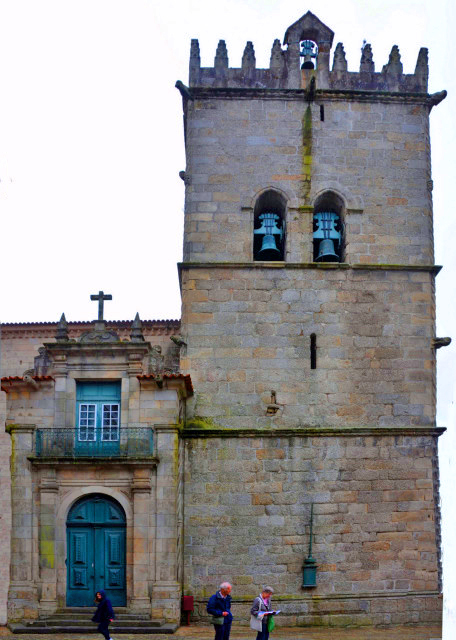
Bell Tower w/ Manueline Features @ Cathedral of Our Lady Oliveira (橄榄树圣母大教堂·带有葡萄牙后期哥特式钟楼) 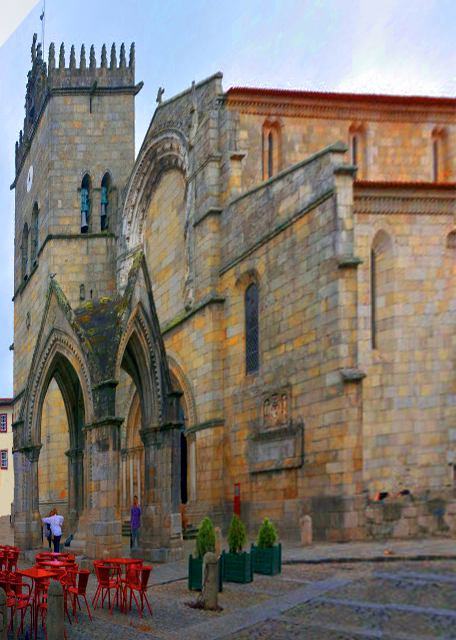
Cathedral of Our Lady Oliveira in an Austere & Purely Gothic Style (朴素、纯哥特式风格的橄榄树圣母大教堂) 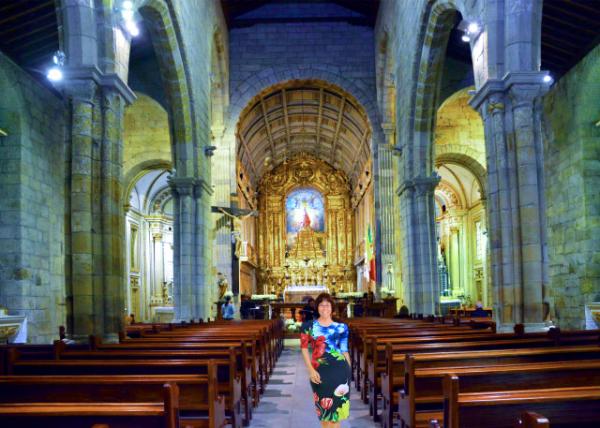 Cathedral of Our Lady Oliveira w/ the Cloister & the Portal the Chapter Hall, a Work of Excellent Constructive Technique Cathedral of Our Lady Oliveira w/ the Cloister & the Portal the Chapter Hall, a Work of Excellent Constructive Technique
(橄榄树圣母大教堂·回廊及进入主教座堂全体教士厅的大门,建筑工艺精湛 06-14-2024) 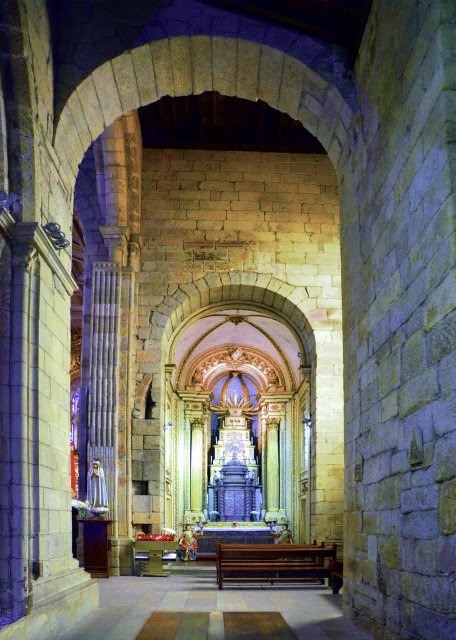
Testimony to Portugal's Finest Romanesque-Mudéjar Ensemble @ Cathedral of Our Lady Oliveira (橄榄树圣母大教堂·葡萄牙最好的罗马式穆德哈尔“屈服”的建筑见证) 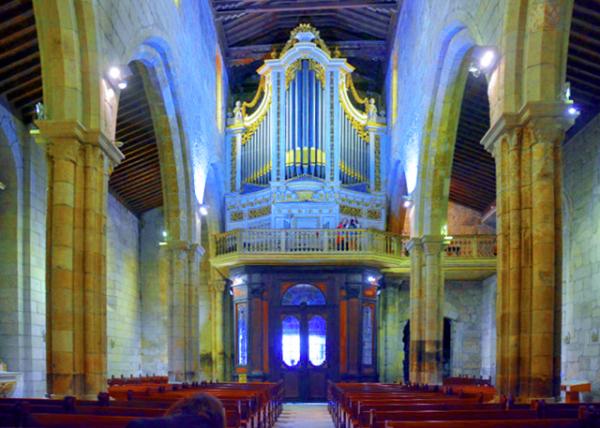 Pipe Organ @ Cathedral of Our Lady Oliveira Pipe Organ @ Cathedral of Our Lady Oliveira
(橄榄树圣母大教堂·管风琴) 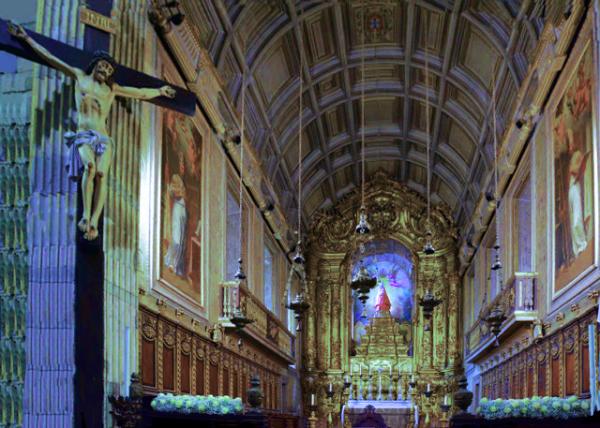 Romanesque Chancel w/ Side Chapels Adorned in Colorful Motifs @ Cathedral of Our Lady Oliveira Romanesque Chancel w/ Side Chapels Adorned in Colorful Motifs @ Cathedral of Our Lady Oliveira
(橄榄树圣母大教堂·罗马式圣坛,配以多彩图案装饰的小礼拜堂) 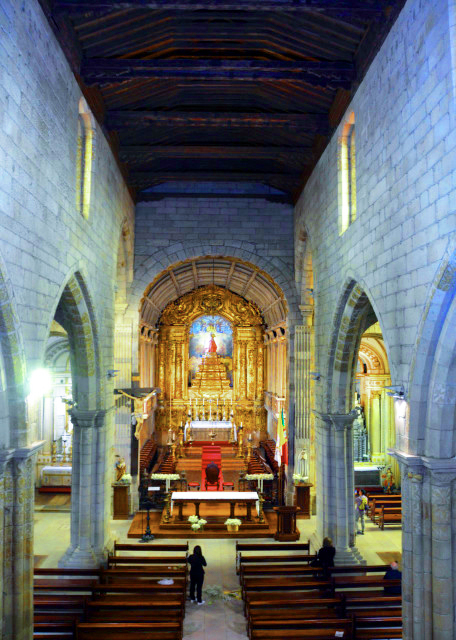
Cathedral of Our Lady Oliveira w/ Altarpiece of the High Altar Dating from the 2nd Half of the 18th Century (橄榄树圣母大教堂·主祭坛画可追溯至18世纪下半叶) 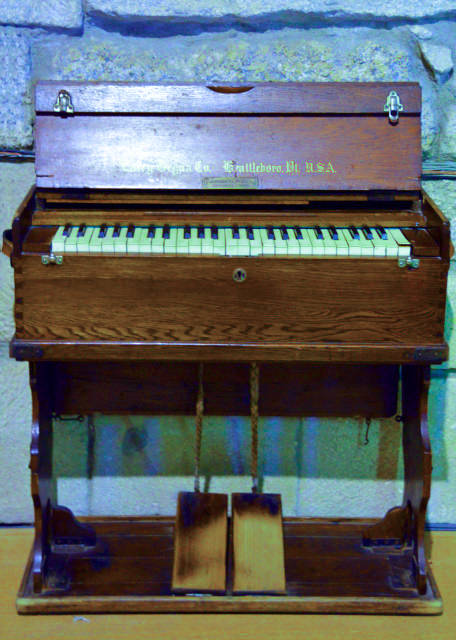
Portable Pedal Organ by Estey Organ Co @ Cathedral of Our Lady Oliveira (橄榄树圣母大教堂·东居留地风琴公司生产的便携式踏板风琴) 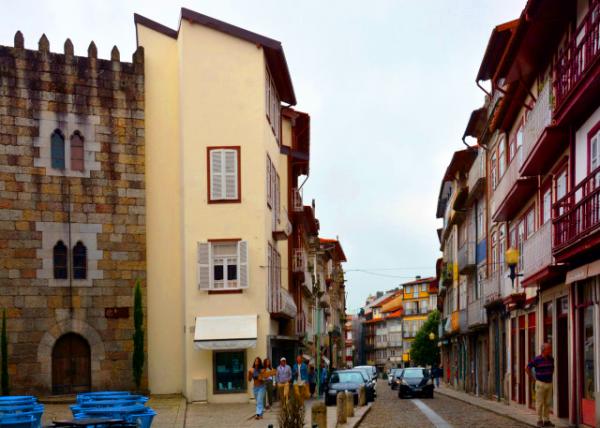 Torre dos Almadas, the Surviving Section of a Very Large House Built Most Probably in the 16th Century on the Left Torre dos Almadas, the Surviving Section of a Very Large House Built Most Probably in the 16th Century on the Left
(阿尔马达“矿井”塔·最左边一栋很可能建于16世纪的大房子幸存部分) 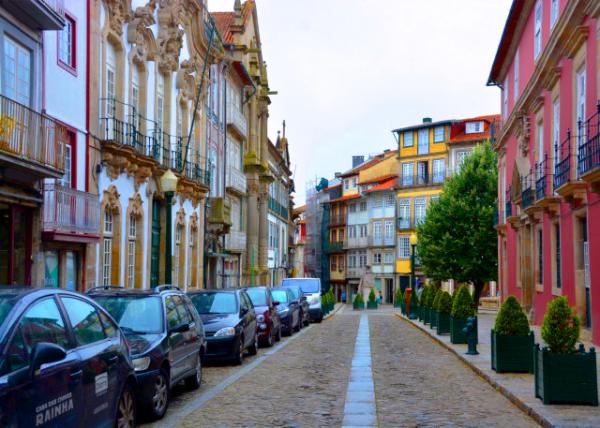 Rua Rainha Dona Maria II Rua Rainha Dona Maria II
(赖尼亚·多纳·玛丽亚“女王·贵妇·挚爱”二世大街) 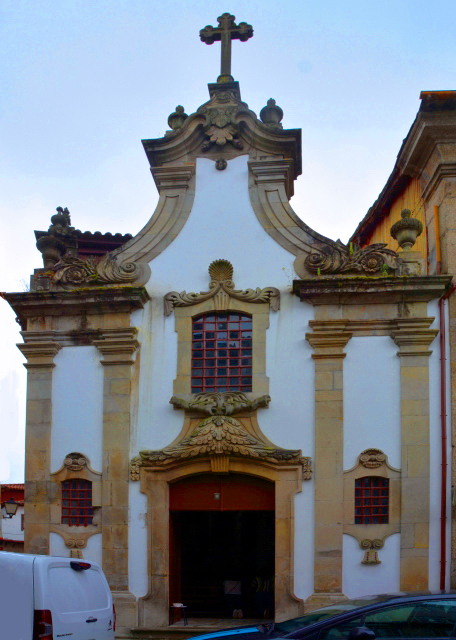
Chapel of St Michael the Angel & St Crispim w/ the Current Facade Dating from 1852 Containing Archaic Features, Still of Rococo (神似天使长教堂和卷毛圣徒教堂·目前的正面可追溯至1852年,包含古老的特征,仍为洛可可风格) 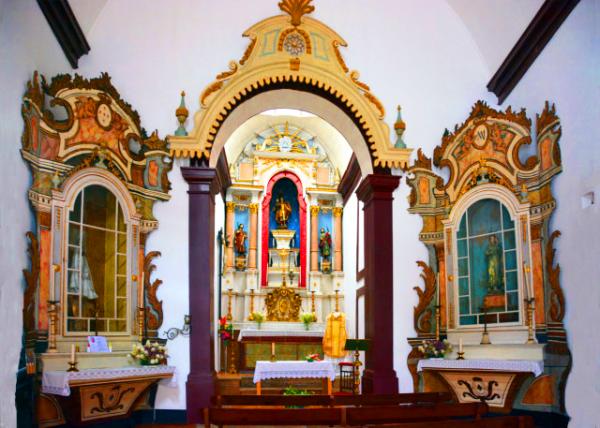 Chapel of St Michael the Angel & St Crispim w/ Two 19th-Century Angle Altarpieces & the Chancel w/ Wooden Roof in an Open Skylight Chapel of St Michael the Angel & St Crispim w/ Two 19th-Century Angle Altarpieces & the Chancel w/ Wooden Roof in an Open Skylight
(神似天使长教堂和卷毛圣徒教堂·配有两件19世纪天使祭坛画,以及带有开放式天窗的木制屋顶圣坛) 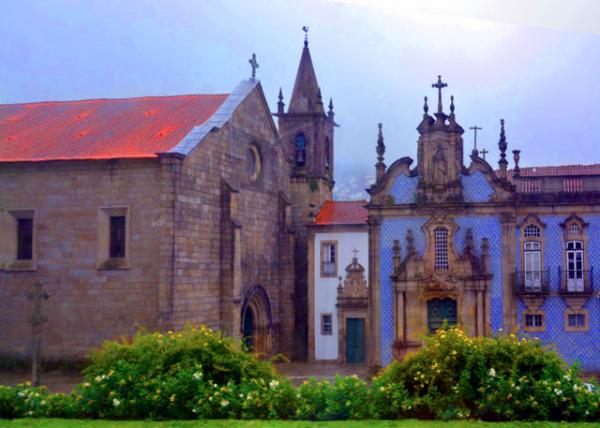 Misericórdia Church w/ Plain Walls Embellished by Gilded Carde Features around Religious Icons Misericórdia Church w/ Plain Walls Embellished by Gilded Carde Features around Religious Icons
(慈悲教堂·墙壁朴素,装饰有镀金卡片,周围环绕着宗教圣像) 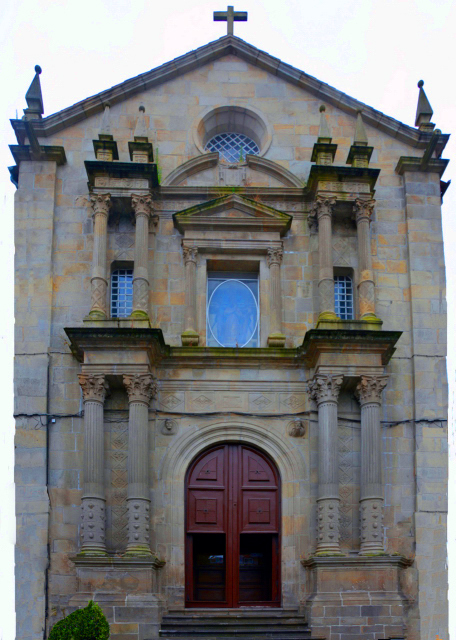
Façade of Misericórdia Church (慈悲教堂·正面观) 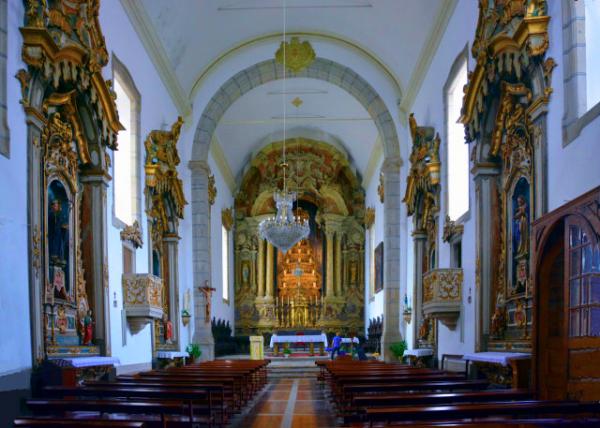 Misericórdia Church, Main Altarpiece & the 18th Century Pulpits w/ a Single, a Barrel-Vaulted Nave, & Rectangular Chancel Misericórdia Church, Main Altarpiece & the 18th Century Pulpits w/ a Single, a Barrel-Vaulted Nave, & Rectangular Chancel
(慈悲教堂·主祭坛和18世纪的讲坛配有单层、桶形拱顶中殿和矩形圣坛)
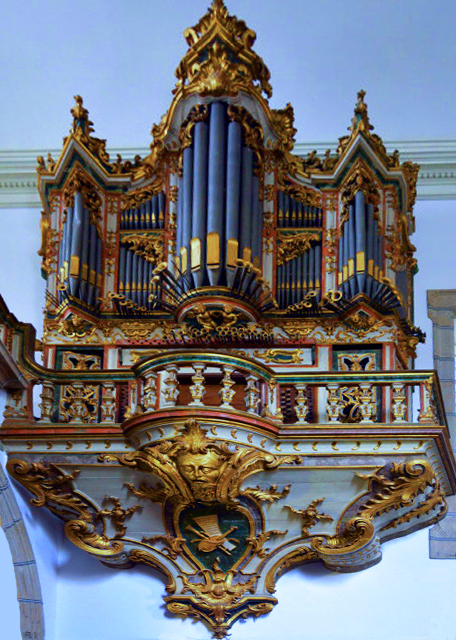
Iberian Organ @ Misericórdia Church (慈悲教堂·伊比利亚“西班牙/葡萄牙半岛”风琴) 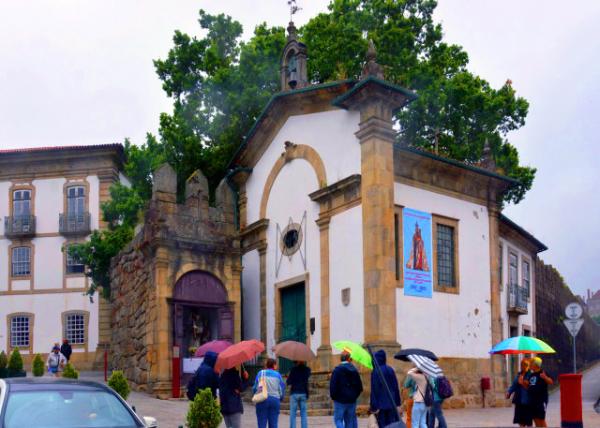 Chapel of the Steps of the Passion of Christ @ Misericórdia Square Chapel of the Steps of the Passion of Christ @ Misericórdia Square
(慈悲广场·基督受难圣步礼拜堂) 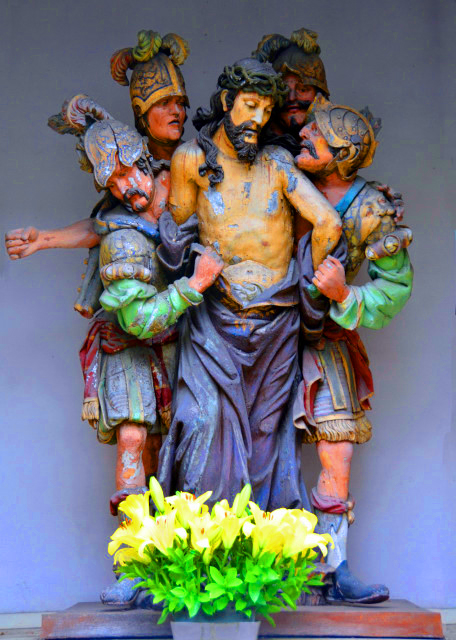
Chapel of the Steps of the Passion of Christ w/ Jesus Stripped of His Clothes (基督受难圣步礼拜堂·耶稣被脱去衣服) 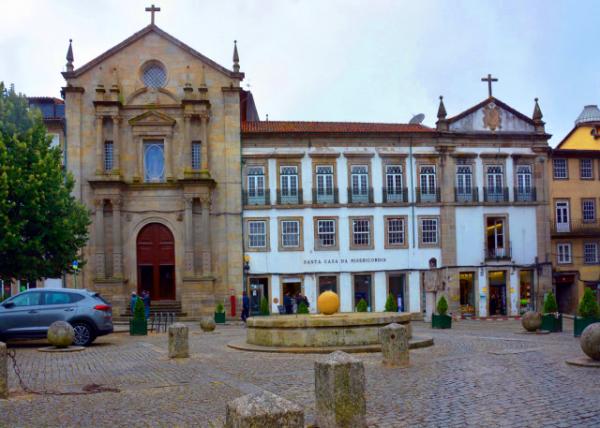 Misericórdia Church w/ Plain Walls Embellished in Gilded Carde Features around Religious Icons Misericórdia Church w/ Plain Walls Embellished in Gilded Carde Features around Religious Icons
(慈悲教堂·墙壁朴素,装饰有镀金卡片,周围环绕着宗教圣像) 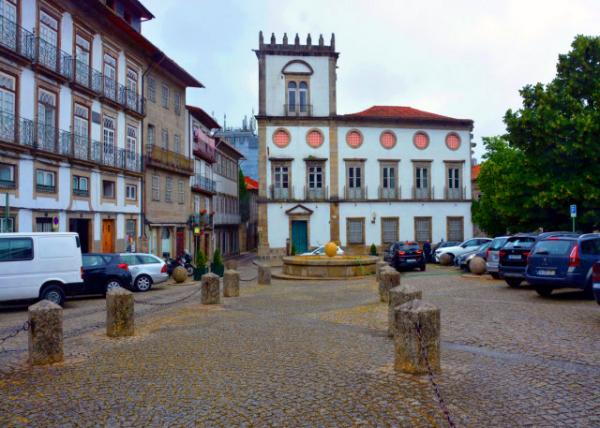 Casa Mota-Prego Built in 1500s Casa Mota-Prego Built in 1500s
(建于16世纪的莫塔—普雷戈“土堆·钉子”之家) 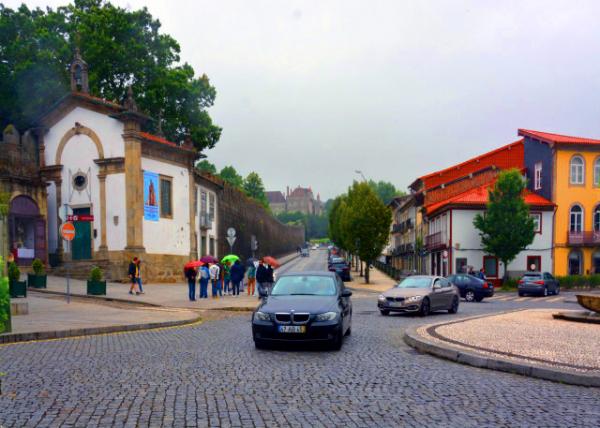 Misericórdia Square Starting a Maze of Alleys Leading to Picturesque Squares Surrounded by Bldgs of the 14th Century Misericórdia Square Starting a Maze of Alleys Leading to Picturesque Squares Surrounded by Bldgs of the 14th Century
(慈悲广场·迷宫般的小巷通向风景如画的广场,周围环绕着14世纪的建筑)
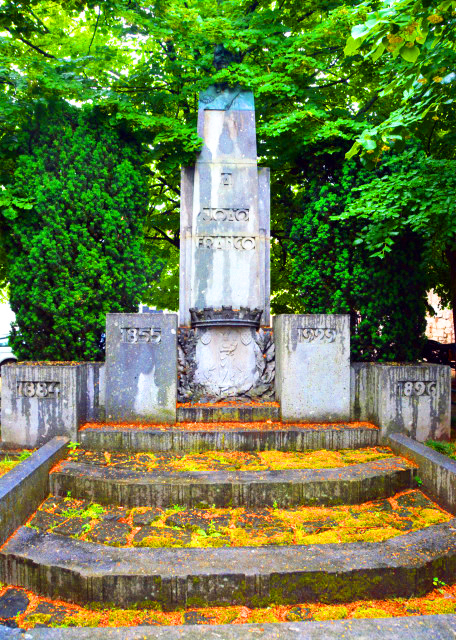
Monument to Joao Franco, Politician $ Prime Minister of Portugal in 1906 (《若昂·弗朗哥“神慈·自由人”》纪念碑——1906年任葡萄牙总理的政治家) 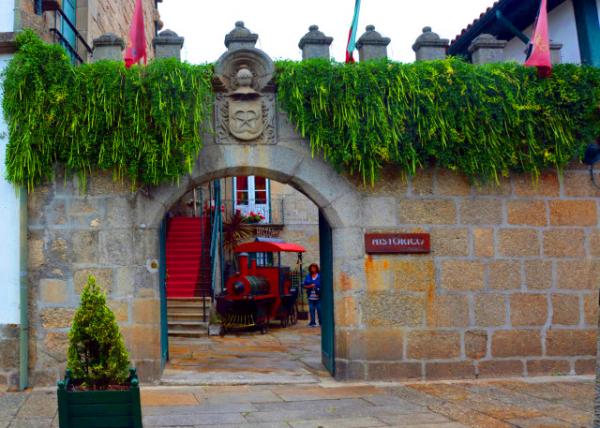 Entrance to Palace Santiago or Museum Alberto Sampaio Entrance to Palace Santiago or Museum Alberto Sampaio
(旧时圣地亚哥“后继者”皇宫·现为阿尔贝托·桑帕约“光明·双圣”博物馆) 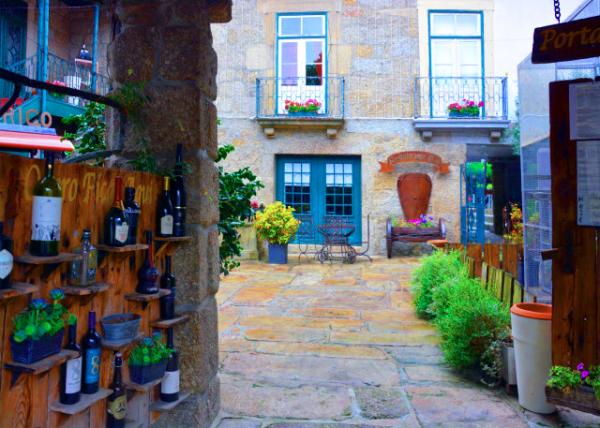 Ristorante nella Media (普通餐厅) Ristorante nella Media (普通餐厅)
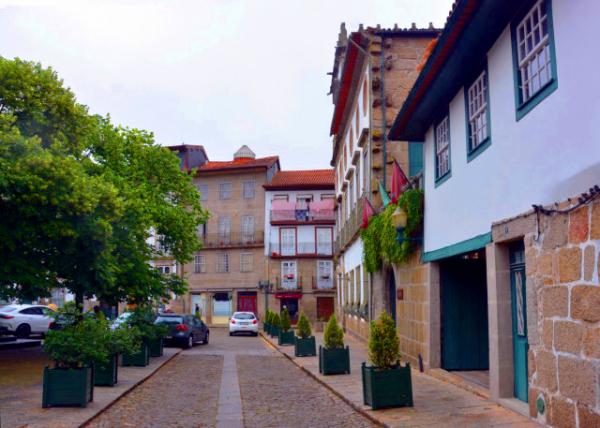 Medieval Palace @ Rua Dr. António Mota Prego Medieval Palace @ Rua Dr. António Mota Prego
(以著名政治家和律师安东尼·莫塔·普雷戈命名的街道·中世纪宫殿) 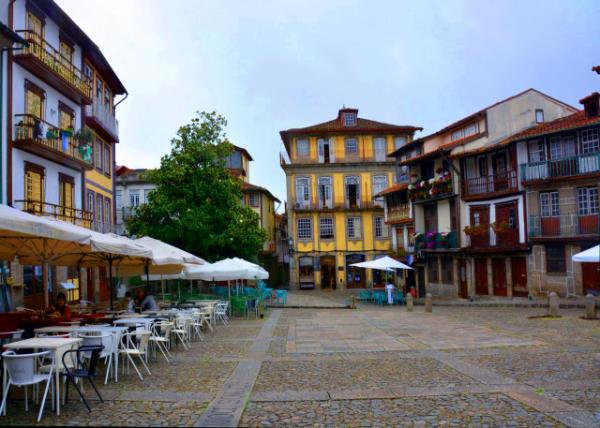 Praça De São Tiago or Saint James Square Praça De São Tiago or Saint James Square
(圣詹姆斯“后继者”广场) 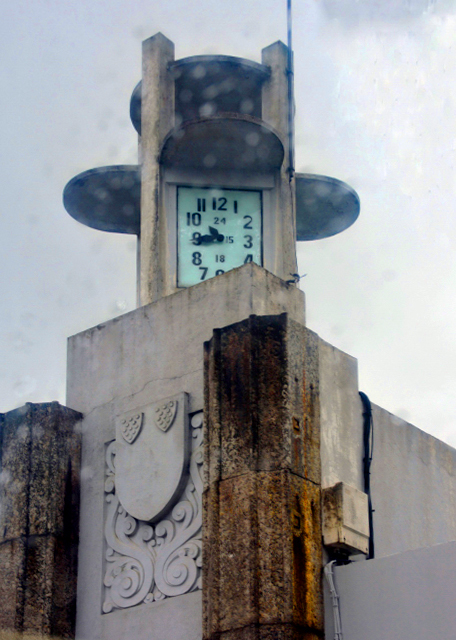
Museu Arqueológico Martins Sarmento (战神·射击考古博物馆) 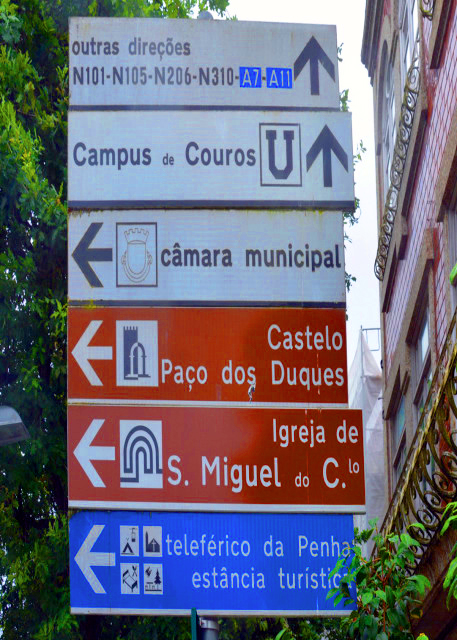
Postsigns (路标) 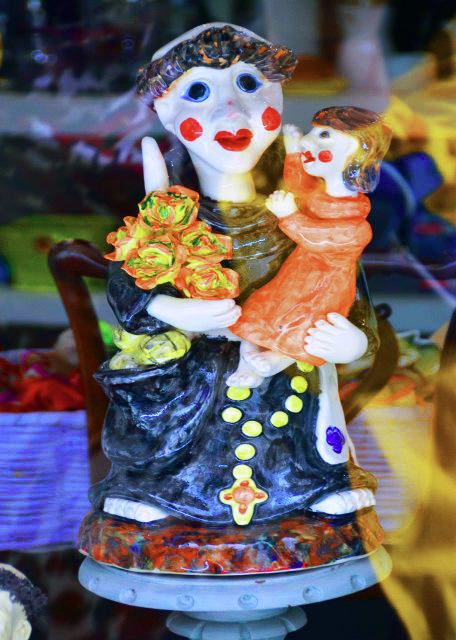
Ceramic Woman and a Girl Meticulously Molded from Premium Clay & Crafted Using Traditional Glazing Methods (陶彩《母女》·采用优质粘土精心模制而成) 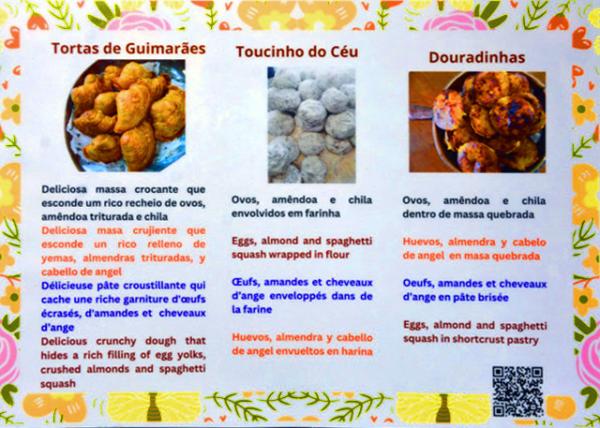 Traditional Bakery (传统糕点) Traditional Bakery (传统糕点)
Crosslinks(相关博文):
Portugal(出游葡萄牙)
Europe(欧洲掠影) |