2013-04-05 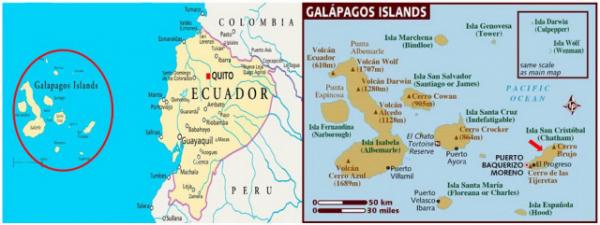
【Aiden in English】
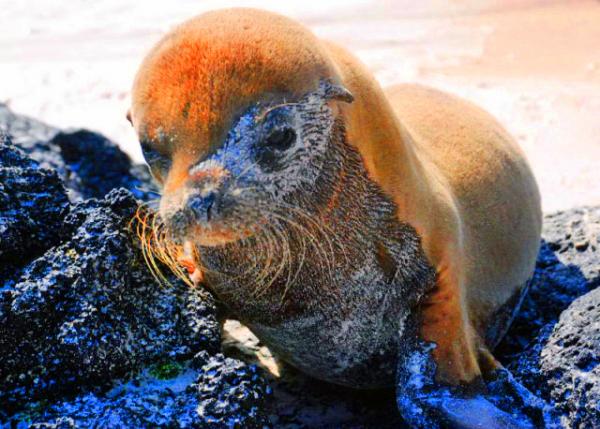
In the northeast of San Cristobal Island, we lined up on the deck for a chance to see Kicker Rock in an odd form. It was a remnant of a vertical tuff formation, abruptly rising almost 500 ft/152 meters from the Pacific Ocean. Kicker Rock looked sharp and massive, and nearly bare rock pieces protruded from the ocean. Only the birds seemed to be able to scale the sides. Even though there was little chance, from slim to none, erosion had split the rock, presenting it in an emblematic shape, like a shoe, its original name being Kicker Rock, or a sleeping sea lion. The rock was divided into two parts, forming a channel beyond my imagination. Our cruise from one side of this tuff cone provided us with a close-up view of seabirds along the cliffs. Late in the afternoon, I decided to swim on the Coast of San Cristóbal Island. Before I could jump into the water, Mom commanded, well, told me, but it sounded like a command to explore a long and wide, white coral-sand beach at Witch Hill, one of the first sites visited by Charles Darwin in 1835. Due to the hot weather, we didn't see much fauna except for a sea lion, a brown pelican, ghost crabs, and a marine iguana or Imp of Darkness sunbathing on the rocks. After being bitten painfully by the horseflies, I finally splashed among the people of our cruise ship in the warm water. After a delightful swim, I heard a little whimpering. I turned around and saw a baby sealion barking in the cove. The pups sounded hungry. Their mother probably went foraging. At that moment, the pup started to look for three other females for milk on the sandy shore. Unfortunately, the pup didn't get anything but a lot of yells. The sea lion mother seemed only to nurture her offspring by instinct in the Galapagos. The pup was wandering around the beach and anxiously awaiting its mother's return. We gazed upon the natural beauty of Witch Hill beach, where animal life was vivid, and Kicker Rock was situated in the backdrop. 【红霞译】
“水是眼波横,山是眉峰聚”。在途经圣克里斯托瓦尔“基督承载者”岛西北时,我们直接从甲板上观赏造型别致的睡狮岩,睡狮岩实际上是一个从太平洋海底直上直下凸出水面的凝灰石,海拔约500英尺/152米。
睡狮岩又尖又大,光秃秃地伫立汪洋大海之中,恐怕只有飞禽动物才可以“爬”上岩顶,尽管概率极小,睡狮岩最终还是被风化成两半,形如一只鞋,或像一只睡狮,其本名“鞋石”和别名“睡狮岩”集中反映了这些特征。两部分岩石中间形成水道,实在超出我的想象。游轮沿凝灰岩锥一侧航行,双岸青山从眼前相对而出,让我们有机会与飞檐走壁的海鸟近距离接触。 傍晚前,我决定去圣克里斯托瓦尔岛海滨游泳,未等下水妈妈便要求我先去女巫岭又长又宽的白珊瑚沙滩感受一下“烟波不动影沉沉,碧色全无翠色深”的自然风光,1835年查尔斯·达尔文“自由人·亲爱的朋友”成为最早涉足此地的先驱者之一。因为高温天气,我们并没有看到很多动物,唯有海狮、棕鹈鹕、鬼蟹、海鬣蜥(黑暗恶魔)躺在礁石上晒着太阳,尽情享受“澄泓湛凝绿,物影巧相况”之美景,痛苦地经历了马蝇血咬之后,我终于可以跟同船来的伙伴们一起泡在暖和和的海边共度快乐时光。 好好洗过海澡后,我听到轻轻的呜咽声,循声望去只见一只海狮幼子正在水湾吠叫,它好像饿了,小家伙的妈妈可能出海觅食,撇下它嗷嗷待哺。正在此时,小家伙开始从身边寻找乳妈义工,试过三只母海狮,都被毫不留情地骂了回来,看来巨龟群岛母海狮本能上仅养育自己亲生子女,没辙儿小家伙只好浪迹天涯,焦急地等待妈妈早点归来。 与睡狮岩遥遥相对,“上下天光,一碧万顷”的女巫岭海滩因为生机盎然而彰显自然之美。 Today in History(历史上的今天): 2013: Frigatebird Hill, Ecuador(厄瓜多尔军舰鸟山)
2012: 三年级春假(Third-Grade Spring Break) 2011: 埃及纸莎草纸画(Papyrus Painting, Egypt) 2011: 埃及孟斐斯和萨卡拉(Memphis & Saqqara, Egypt) 2011: 埃及吉萨金字塔(Giza Necropolis, Egypt)  San Cristóbal Island, the Oldest Permanent Settlement in the Galápagos San Cristóbal Island, the Oldest Permanent Settlement in the Galápagos
(圣克里斯托瓦尔岛·加拉帕戈斯群岛最古老的永久定居点 04-05-2013) 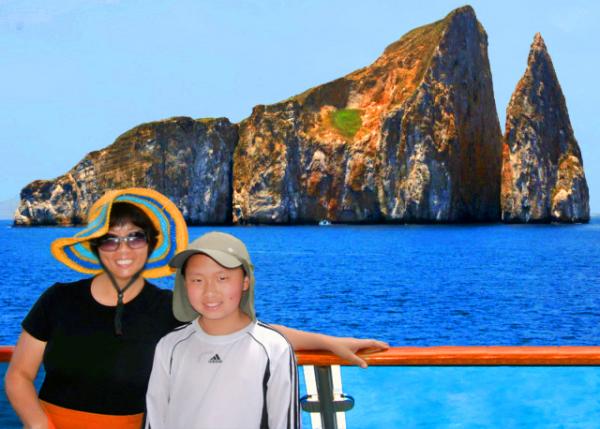 Kicker Rock, the Vertical Cliffs about 500 Feet/152 Meters Kicker Rock, the Vertical Cliffs about 500 Feet/152 Meters
(睡狮岩·海拔约500英尺/152米 04-05-2013) 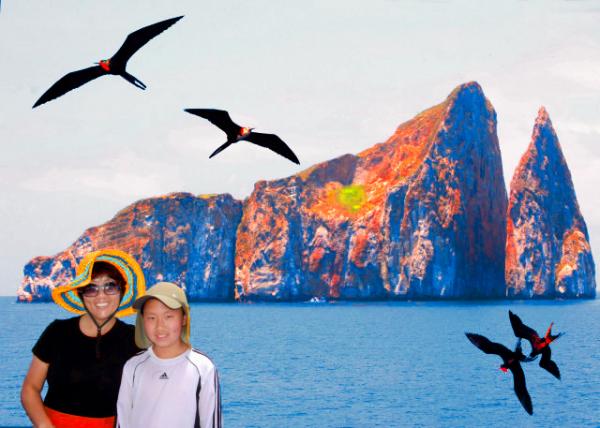 Kicker Rock, Featuring a Dramatic Split Vertical Volcanic Tuff Cone Kicker Rock, Featuring a Dramatic Split Vertical Volcanic Tuff Cone
(睡狮岩·锥体呈裂状的壮观垂直火山凝灰岩锥 04-05-2013) 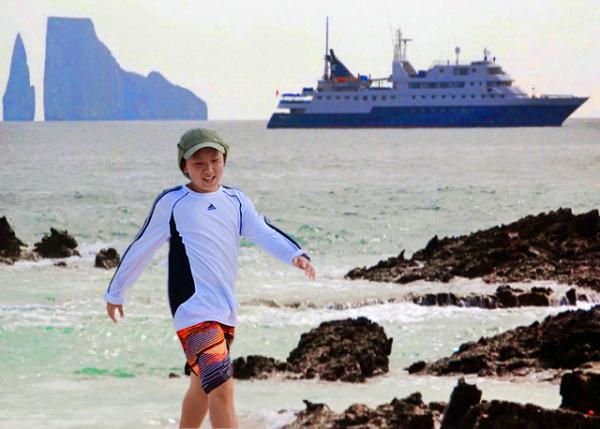 Kicker Rock Silhouette (睡狮岩剪影 04-05-2013) Kicker Rock Silhouette (睡狮岩剪影 04-05-2013)
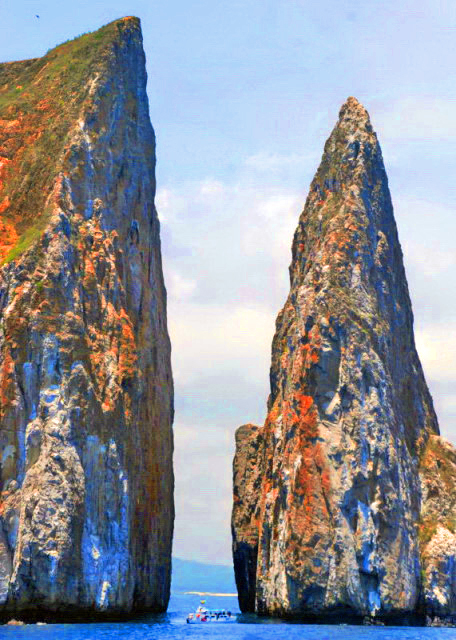
Water Channel through the Tuff Cone of Kicker Rock (睡狮岩·灰岩锥间水道) 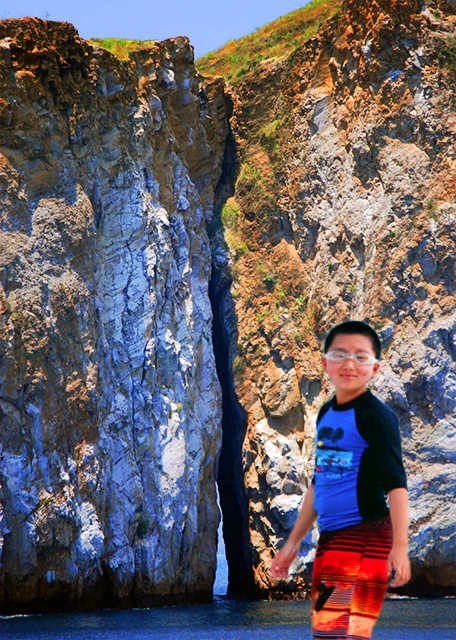
Another Side of Kicker Rock, Remains of a Volcanic Tuff Cone, Split into 2 Towering Rock Formations (睡狮岩另一面·火山凝灰岩锥的遗迹,分裂成两个高耸的岩层 04-05-2013) 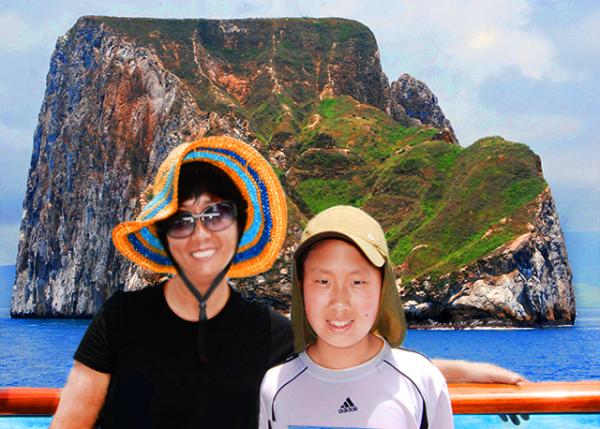 Erosive Kicker Rock (风化的睡狮岩 04-05-2013) Erosive Kicker Rock (风化的睡狮岩 04-05-2013)
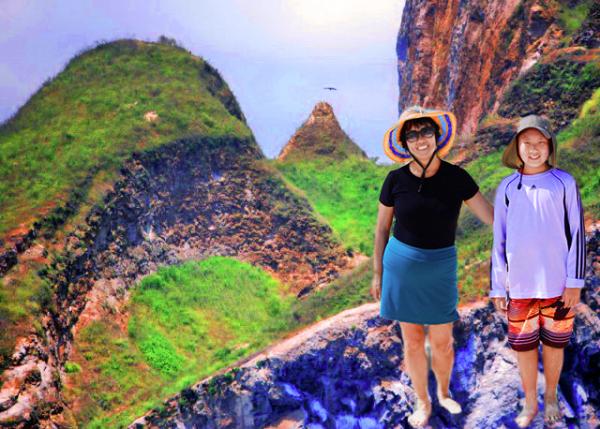 Sea Birds along the Cliffs (海鸟飞檐走壁 04-05-2013) Sea Birds along the Cliffs (海鸟飞檐走壁 04-05-2013)
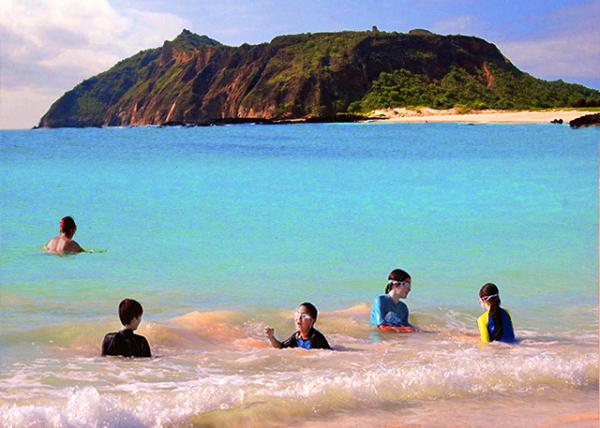 Kids from Chicago and CA Kids from Chicago and CA
(来自芝加哥和加州的同龄人 04-05-2013) 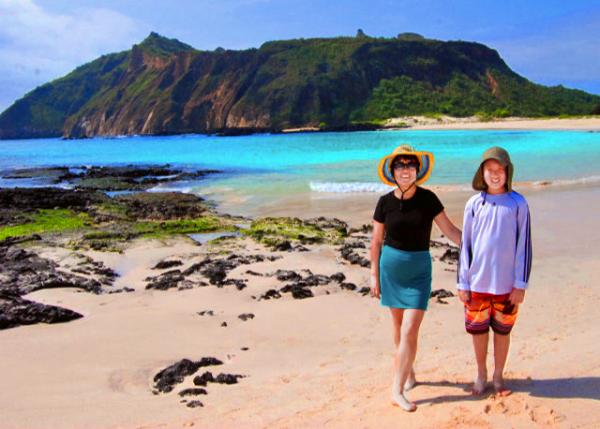 Witch Hill, One of the Visited Sites by Charles Darwin Witch Hill, One of the Visited Sites by Charles Darwin
(女巫岭·达尔文成为最早涉足此地的先驱者之一 04-05-2013)
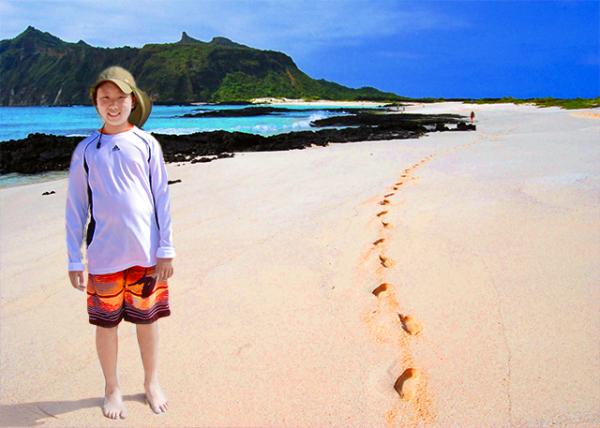 Witch Hill, an Eroded Volcanic Tuff Cone & an Iconic Feature of Galápagos Geology Witch Hill, an Eroded Volcanic Tuff Cone & an Iconic Feature of Galápagos Geology
(女巫岭·加拉帕戈斯群岛地质的标志性特征:被侵蚀的火山凝灰岩锥 04-05-2013) 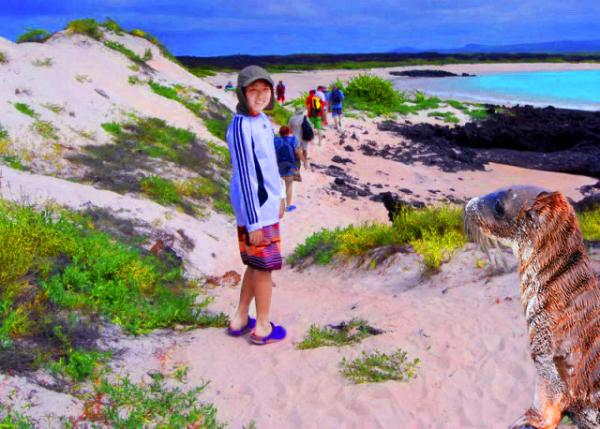 Sea Lion w/ Its Preference for Rocky, Sheltered Coastline @ Natural Trail of Witch Hill Sea Lion w/ Its Preference for Rocky, Sheltered Coastline @ Natural Trail of Witch Hill
(女巫岭自然步道·对岩石密布、避风海岸线情有独钟的海狮 04-05-2013) 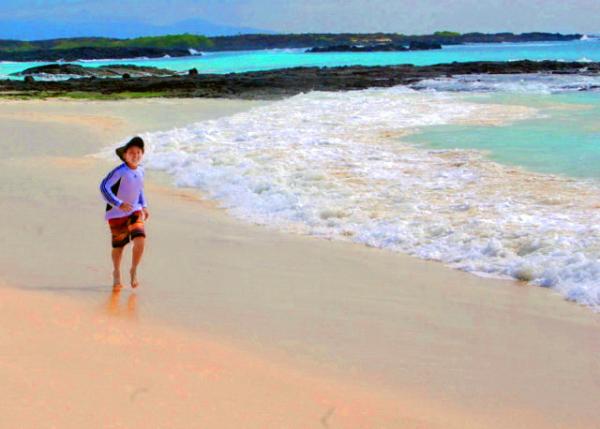 White Coral Sand Beach Praised for Natural Beauty @ Witch Hill White Coral Sand Beach Praised for Natural Beauty @ Witch Hill
(女巫岭白珊瑚沙滩·上下天光一碧万顷 04-05-2013) 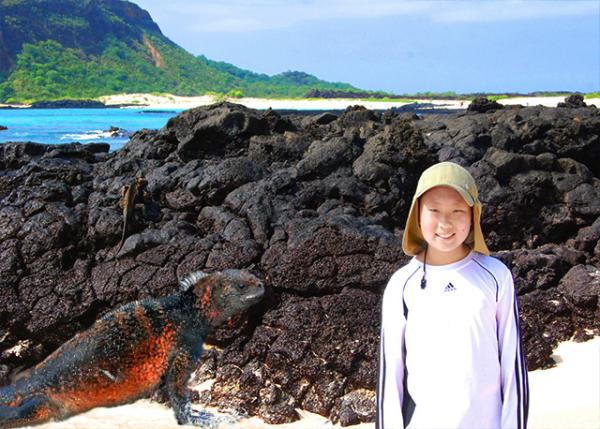 Marine Iguana, the Imp of Darkness Marine Iguana, the Imp of Darkness
(海鬣蜥·黑暗顽童 04-05-2013) 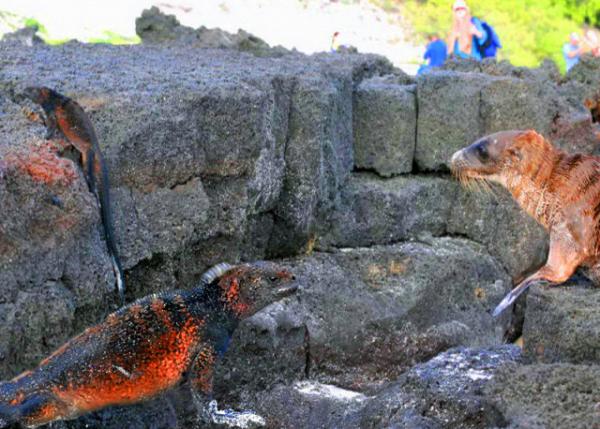 Marine Iguana & Fur Seal Encounters (海鬣蜥与海狗奇遇) Marine Iguana & Fur Seal Encounters (海鬣蜥与海狗奇遇)
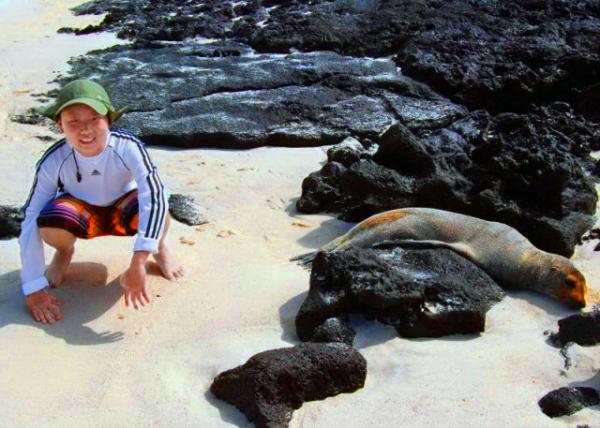 Sunbathing Galápagos Seal, the Smallest of the Eared Seals in Eared Seals Sunbathing Galápagos Seal, the Smallest of the Eared Seals in Eared Seals
(晒太阳的加拉帕戈斯海狗·耳海豹科中体型最小的物种 04-05-2013)
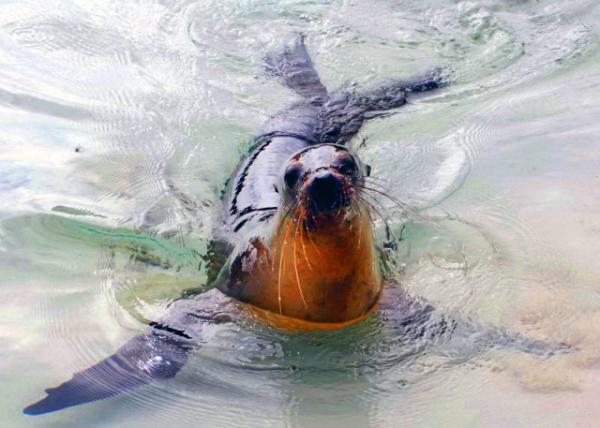 Fur Seal, the Only Non-Migratory Species in Otariidae Fur Seal, the Only Non-Migratory Species in Otariidae
(加拉帕戈斯海狗·耳海豹科中唯一的非迁徙物种) 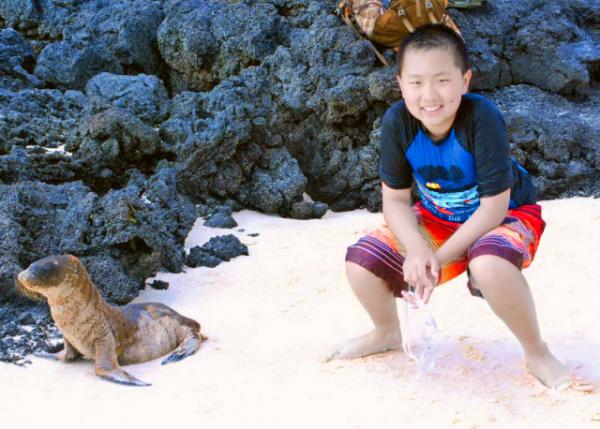 Lost Fur Seal Pup (落单的加拉帕戈斯小海狗 04-05-2013) Lost Fur Seal Pup (落单的加拉帕戈斯小海狗 04-05-2013)
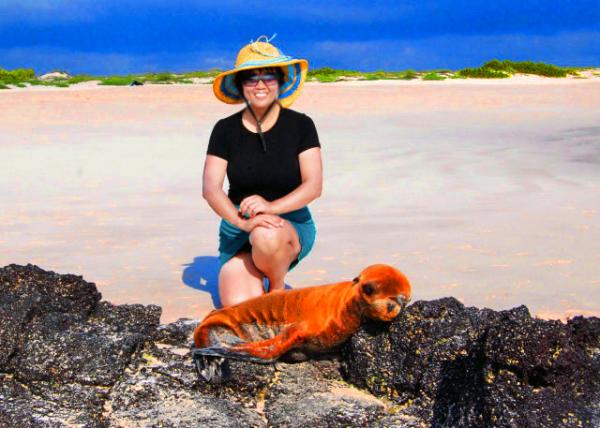
 Home Alone (独自在家) Home Alone (独自在家)
 Fur Seal, the Lowest Reproductive Rate among All Seal Species Fur Seal, the Lowest Reproductive Rate among All Seal Species
(加拉帕戈斯海狗·包括海狮和海狗在内的所有海豹物种中繁殖率最低 04-05-2013) 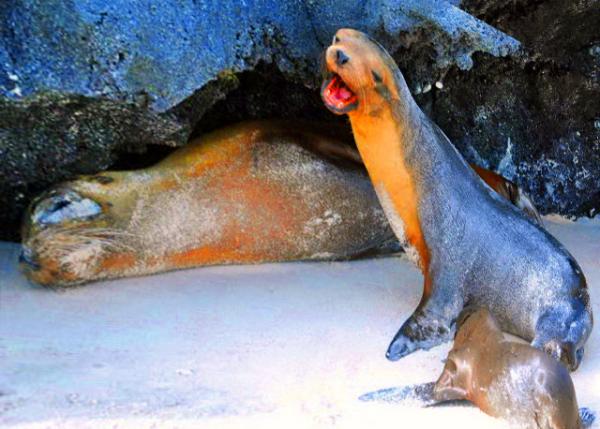 "Are You My Mom?" Female Galápagos Sea Lions Exclusively Nurse Their Own Pups "Are You My Mom?" Female Galápagos Sea Lions Exclusively Nurse Their Own Pups
(加拉帕戈斯海狮·母海狗只喂养亲生孩子) 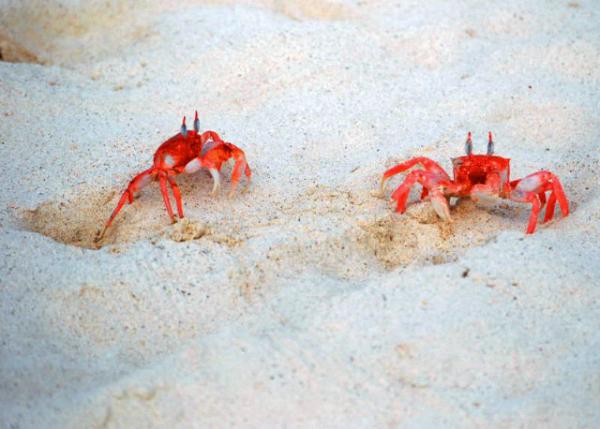 Ghost Crab, the Painted Ghost Crab, or Cart Driver Crab Ghost Crab, the Painted Ghost Crab, or Cart Driver Crab
(鬼蟹·彩绘幽灵蟹或车夫蟹) 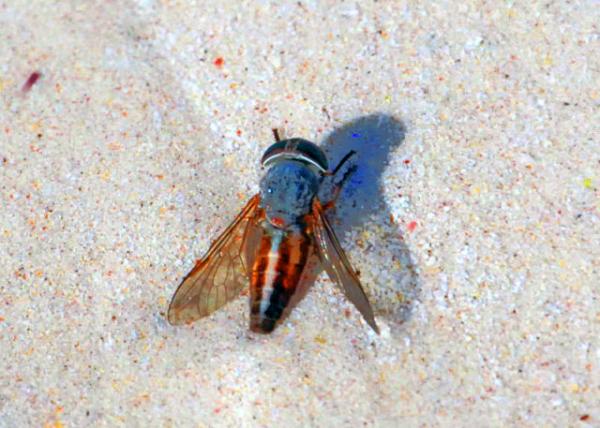 Horse Fly, Only Female Bites Land Vertebrates, Including Humans, to Obtain Blood Horse Fly, Only Female Bites Land Vertebrates, Including Humans, to Obtain Blood
(马蝇·唯有雌性叮咬包括人类在内的陆生脊椎动物以获取血液) 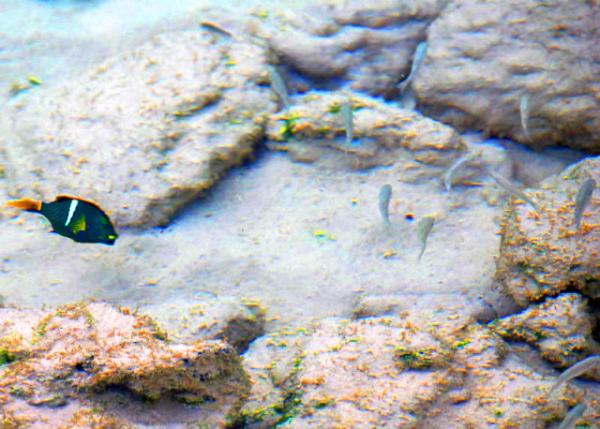 Galápagos King Angelfish w/ Monogamous Pairs Galápagos King Angelfish w/ Monogamous Pairs
(加拉帕戈斯帝王神仙鱼·一夫一妻制) 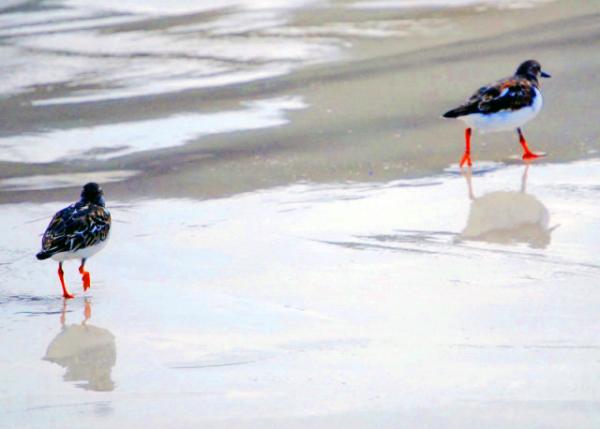 American Avocet, Sharing Their Habitats w/ a Variety of Other Unique Species, Including Marine Iguanas, Flightless Cormorants, Blue-Footed Boobies, & Giant Tortoises American Avocet, Sharing Their Habitats w/ a Variety of Other Unique Species, Including Marine Iguanas, Flightless Cormorants, Blue-Footed Boobies, & Giant Tortoises
(美洲反嘴鹬·与包括海鬣蜥、弱翅鸬鹚、蓝脚鲣鸟和巨龟等其它各种特有物种共享栖息地) 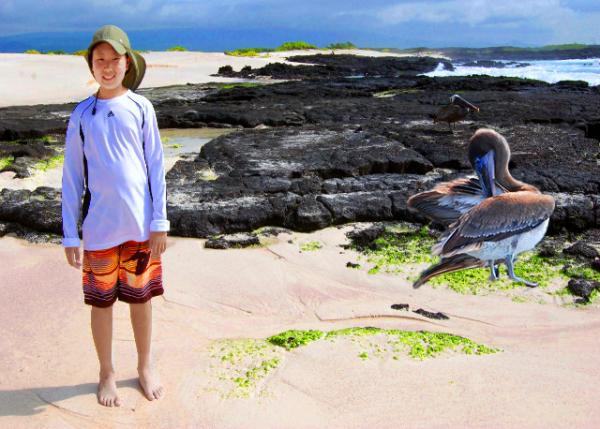 Galápagos Brown Pelicans, a Living Symbol of How Successful Wildlife Conservation Can Be Galápagos Brown Pelicans, a Living Symbol of How Successful Wildlife Conservation Can Be
(加拉帕戈斯褐鹈鹕·野生动物保护成功的鲜活象征 04-05-2013) 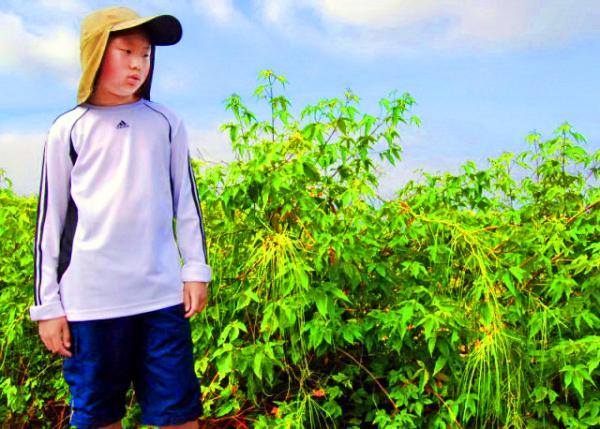 Cacaotillo Shrub (城堡野牡丹 04-05-2013) Cacaotillo Shrub (城堡野牡丹 04-05-2013)
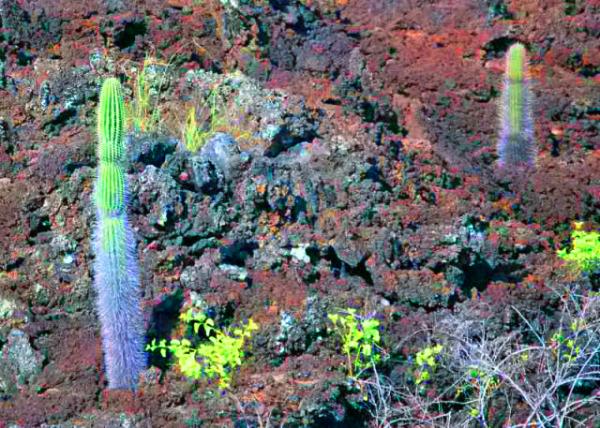 Galápagos Opuntia, an Example of Adaptive Radiation Galápagos Opuntia, an Example of Adaptive Radiation
(加拉帕戈斯仙人掌·适应性辐射的典范) 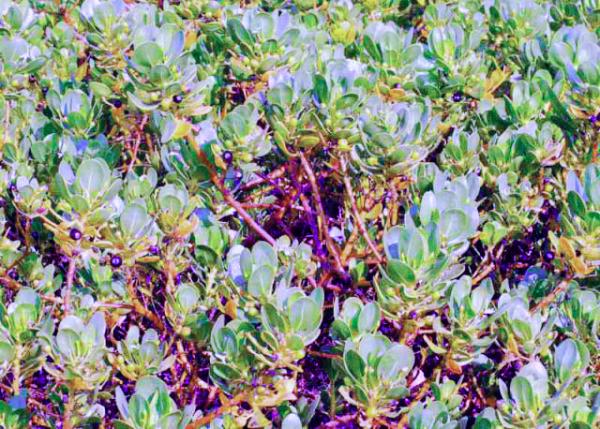 Galápagos Purslane, a Symbol of Resilience, Adaptability, & Enduring Life Force Galápagos Purslane, a Symbol of Resilience, Adaptability, & Enduring Life Force
(加拉帕戈斯马齿苋·象征韧性、适应性和持久的生命力)
Crosslinks(相关博文):
2013: San Cristobal's Frigatebird Hill(巨龟群岛克里斯托瓦尔岛·军舰鸟山) 2013: N.Seymour Is, Birdwatch in Galapagos(巨龟群岛北西摩岛·观鸟) 2013: St Cruz's Bachas Beach, Galapagos(巨龟群岛圣克鲁斯岛·巴查斯海滩) 2013: Bartolome Is Pinnacled in Galapagos(巨龟群岛巴托洛梅岛·尖峰岩) 2013: Santiego's Sullivan Bay, Galapagos(巨龟群岛圣地亚哥岛·苏利文湾) 2013: Isabella Is, the Largest & Wildest(伊莎贝拉岛·巨龟群岛最大最野) 2013: Rabida Is w/ Red Beaches, Galapagos(巨龟群岛拉比达岛·红沙滩) 2013: Santiego's James Bay, Galapagos(巨龟群岛圣地亚哥岛·詹姆斯湾) 2013: Baltra & Daphine Is, Galapagos(巨龟群岛巴尔特拉岛和达芙妮岛) Ecuador(出游厄瓜多尔)
South America(漂流南美洲) 小学四年级(4th Grade) |