2013-12-15
【Aiden in English】
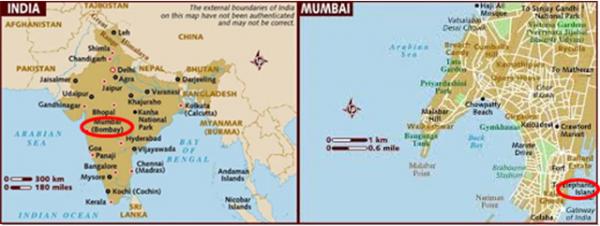
I was so excited for today! We finally did a tour that involved some exercises, such as climbing 120 stone steps along the slope. The shore excursion started with an hour-long boat ride from Mumbai harbor to the Elephanta Caves off the western coast of the Arabian Sea. Its name is derived from a vast elephant statue. When the Portuguese arrived and first discovered it in 1534, they saw the elephant statue at the entrance and gave it its name afterward. The Elephanta Caves are now designated as a UNESCO World Heritage Site. We paid our visit and tried to beat the crowd as soon as it opened. At the top, the caves loomed over us and looked like a giant gaping mouth, ready to swallow us whole. But inside, we found carvings of gods, goddesses, and celestial beings. The caves were primarily dedicated to Lord Shiva, the god of destruction and evil in the Hindu religion. In these caves, Lord Shiva was considered the most powerful god. Instead of being the destroyer, the caves showed Shiva as the Creator and the Preserver. Lord Shiva had many carvings, and each one depicted a different aspect of him. The one that I took the most interest in was the carving where Lord Shiva opened his third eye. The Hindus believed that the third eye was where all the power and knowledge one had mastered was stored. When Lord Shiva was angry, he would open his third eye, releasing all his power. That's why Hindu men and women cover their third eye with a bindi. So it wouldn't be vulnerable when the Hindu people encountered any difficulties. One of the carvings also demonstrated Lord Shiva catching the blood of a demon he had just killed. Unfortunately, it was difficult to determine because the Portuguese damaged it when they occupied the caves as a military base and used the carvings as targets for shooting practice during the 16th century. By now, it was difficult to discern what the images looked like in some of the carvings. Accidentally, one Shiva statue carved with three heads was kept intact. Because the Portuguese were Christians, they mistook this three-headed Shiva as Jesus in his three forms. It's a miracle that the Elephanta Caves survived over the centuries, especially after the Portuguese almost destroyed everything here. Perhaps Lord Shiva is watching over the caves, just as Jesus watches over a church. In 1987, the Elephanta Caves were inscribed as a UNESCO World Heritage Site. 【红霞译】
今天我开心得要命!我们终于攀登了120级台阶,能够借助外出观光顺便锻炼一下身体,实在难能可贵。
从位于阿拉伯海西岸的孟买“母亲”码头乘船前往象岛石窟需要一个钟头,之所以称为“象”岛石窟,是因为石窟前有一巨型大象雕塑,葡萄牙人于1534年登陆该岛时首先发现了它,如今象岛石窟早已被联合国科教文组织纳入《世界遗产名录》,我们一大早刻意赶过来参观,无非就想避开蜂拥而至的人潮。
在象岛至高点,石窟像张大嘴巴想要吃掉我们的巨人迎面扑来,洞内梵天、菩萨以及神仙遥相呼应。象岛石窟主要用来颂扬湿婆“吉祥”神——印度教中主司摧毁邪恶的破坏之神,因此湿婆当属整个石窟中最有权威的一位,除此之外还有展现湿婆身兼创造之神和保护之神的雕刻。 象岛石窟有大量表现湿婆各种风姿的浮雕壁画,最触目惊心的是湿婆脑门正中睁开的第三只眼睛,印度教徒坚信第三只眼睛是人类储存所有力量与智慧的地方,一旦湿婆动怒,他将睁开第三只眼睛全力以赴,这就是为什么印度教徒额前都饰有一个人工痣的原因,它被用来寓意第三只眼睛,只有这样,印度教徒在困难面前才会勇敢无畏。
还有一尊表现湿婆英勇擒敌身上沾满恶魔血迹的石像,遗憾的是雕塑已难辨认,其原因在于,16世纪葡萄牙人占领象岛时曾以石窟为军事基地,士兵们不分青红皂白,直接把雕塑当成靶子练习射击,结果破坏了几乎所有的憾世珍品,但唯有一尊《湿婆三面像》的巨作却完好无损,据说当时葡萄牙人笃信基督教,他们误以为这个三头湿婆是上帝耶稣的三种表现形式,想不到《湿婆三面像》意外地保留了下来。 几百年来,象岛石窟差一点惨遭葡萄牙人灭顶之灾,不能不说是个奇迹,也许多亏了湿婆的看护,正如耶稣保佑基督神明一样。
1987年,象岛石窟被联合国教科文组织纳入《世界遗产名录》。 Today in History(历史上的今天): 2012: 南美洲逍遥游(Frolics in South America) 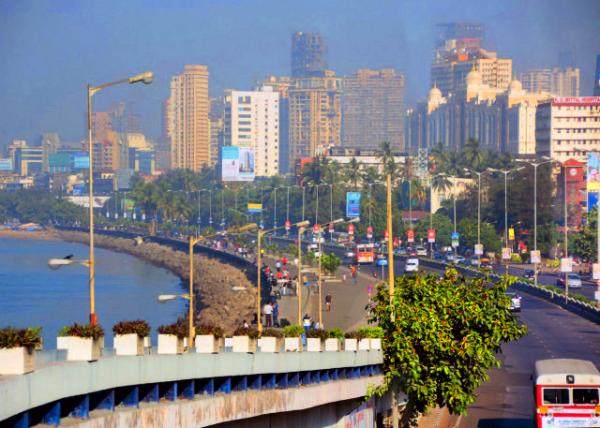 Marine Drive, Queen's Necklace along the Arabian Sea Marine Drive, Queen's Necklace along the Arabian Sea
(海滨大道·阿拉伯海的“女王项链”) 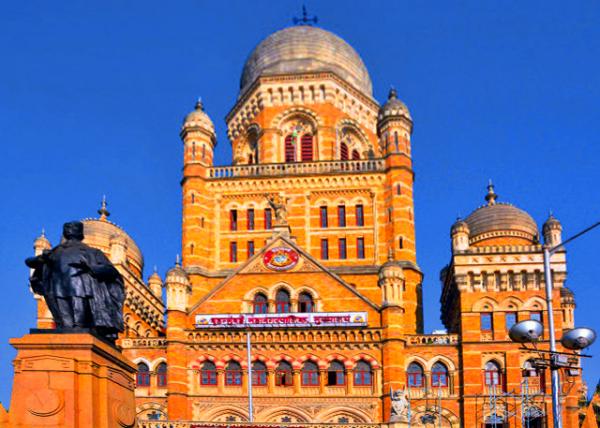 Victoria Train Station in the Late 19th-Century Indo-Saracenic & Victorian Gothic Revival Victoria Train Station in the Late 19th-Century Indo-Saracenic & Victorian Gothic Revival
(维多利亚火车站·19世纪晚期印度-撒拉逊与维多利亚哥特复兴式) 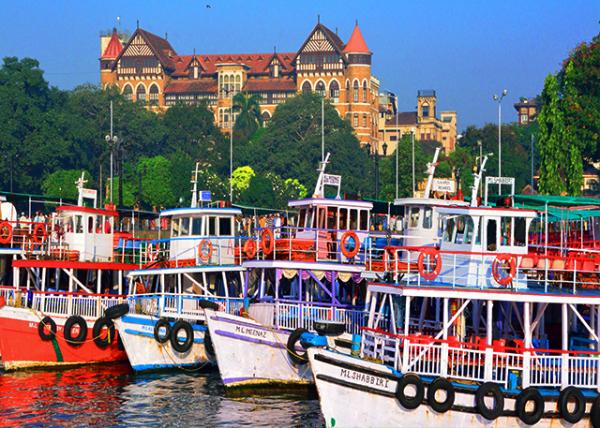 Ferry Boats Docked @ Bombay Harbour in the Front Bay against Bombay Yacht Club Ferry Boats Docked @ Bombay Harbour in the Front Bay against Bombay Yacht Club
(渡轮停靠在孟买港前湾与背后的孟买游艇俱乐部) 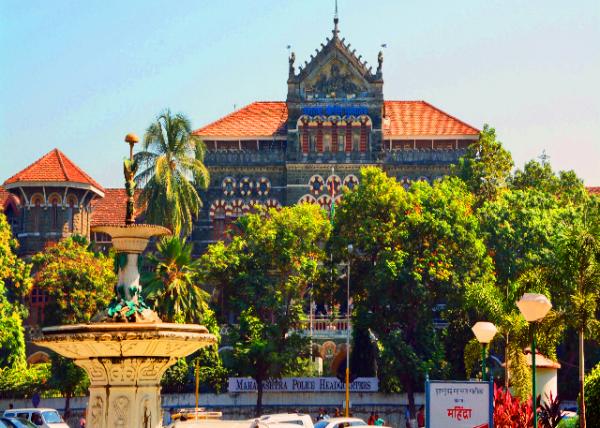 Maharashtra Police Headquarters Maharashtra Police Headquarters
(马哈拉施特拉“孟买”警察总部) 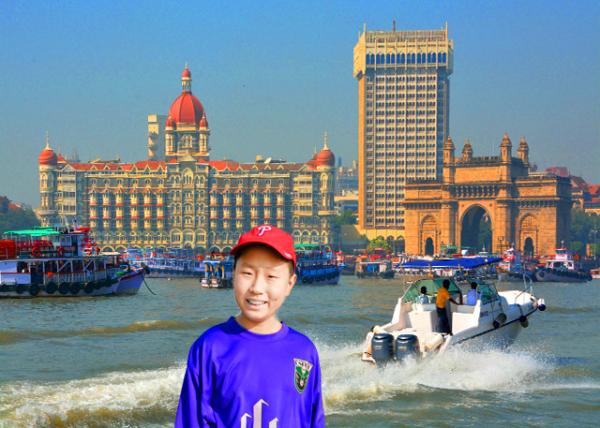 Gateway of India, Taj Mahal Hotel, & Mumbai Skyline from Elephanta Island Ferry Gateway of India, Taj Mahal Hotel, & Mumbai Skyline from Elephanta Island Ferry
(从象岛渡轮上欣赏印度门、泰姬陵酒店和孟买天际线 12-15-2013)
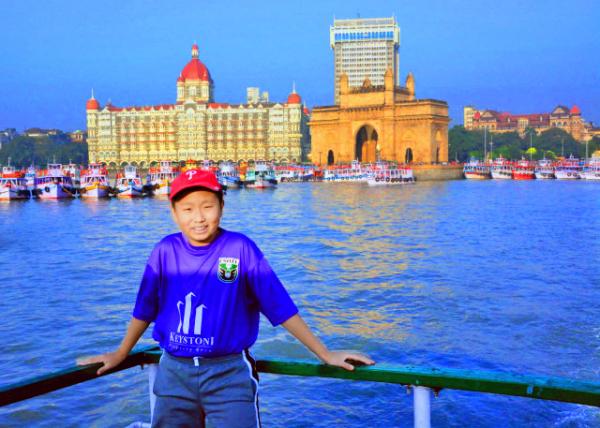 Mumbai Harbour, the Gateway to India Mumbai Harbour, the Gateway to India
(孟买港·印度的门户 12-15-2013) 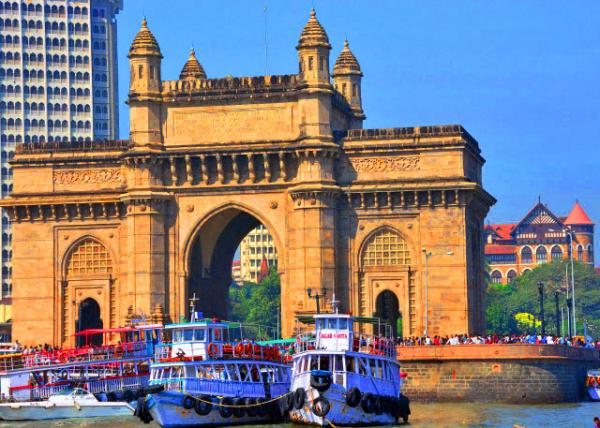 Gateway of India, a Symbol of Conquest & Colonisation in the Architecture of Marathas w/ a Blend of Hindu Traditions, Regional Craftsmanship, & Functional Designs, Completed in 1924 Gateway of India, a Symbol of Conquest & Colonisation in the Architecture of Marathas w/ a Blend of Hindu Traditions, Regional Craftsmanship, & Functional Designs, Completed in 1924
(印度门·征服与殖民化的象征,建于1924年、融合了印度教传统、区域工艺和实用设计的马拉地风格 12-15-2013) 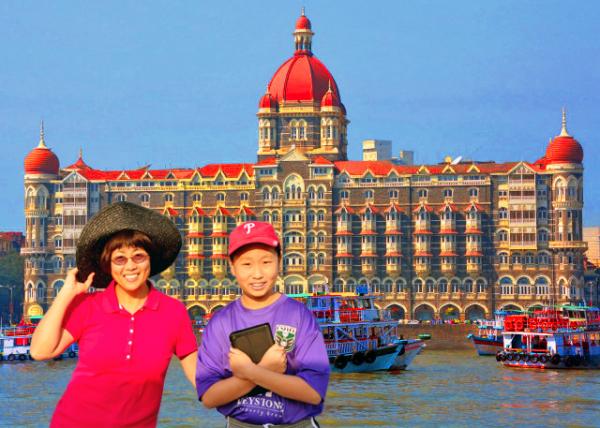 Taj Mahal Palace, a Prime Example of Indo-Saracenic Architecture, Opened in 1903 Taj Mahal Palace, a Prime Example of Indo-Saracenic Architecture, Opened in 1903
(泰姬陵“王冠”酒店·印度—撒拉逊“穆斯林”式建筑的典范,于1903年开业 12-15-2013) 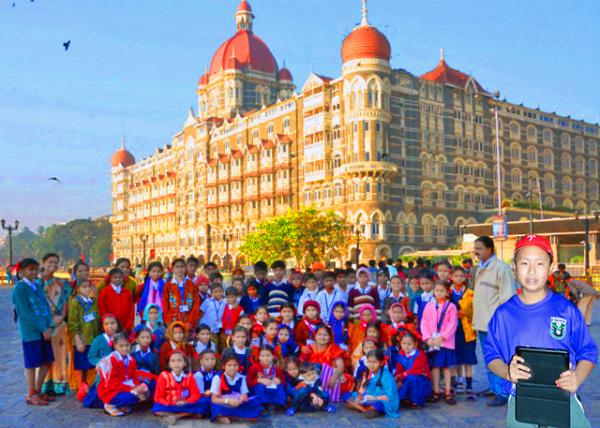 Elementary Kids @ Taj Mahal Palace Elementary Kids @ Taj Mahal Palace
(泰姬陵宫殿酒店·小学生 12-15-2013) 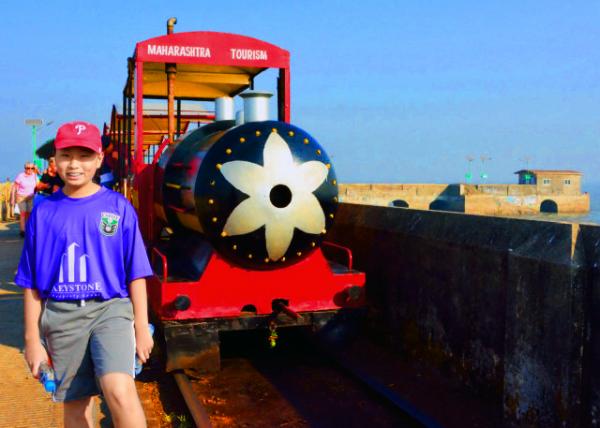 Tourist Toy Train from the Dock to the Elephanta Caves Tourist Toy Train from the Dock to the Elephanta Caves
(从码头到象岛石窟的观光玩具火车 12-15-2013) 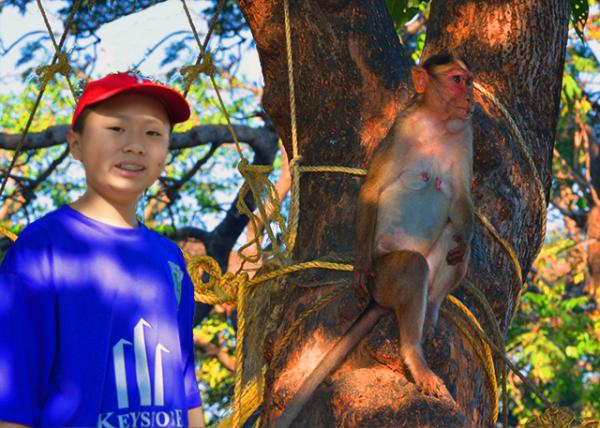 Meet Macaca mulatta @ Elephanta Island Meet Macaca mulatta @ Elephanta Island
(象岛·遇见猕猴 12-15-2013) 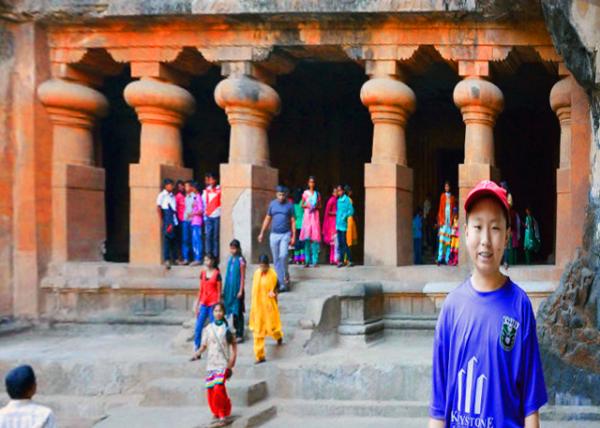 Main Entrance of Cave 1 (一号洞主入口 12-15-2013) Main Entrance of Cave 1 (一号洞主入口 12-15-2013)
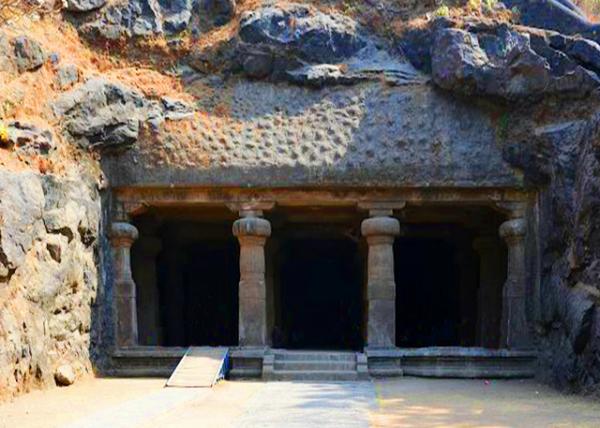 Entrance of Cave 2 (二号洞入口) Entrance of Cave 2 (二号洞入口)
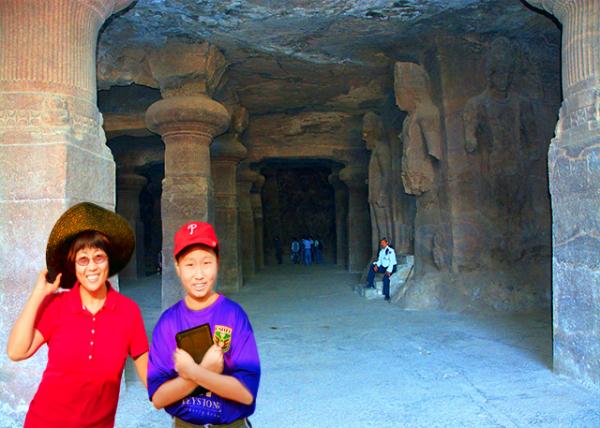 Elephanta Cave Complex (象岛石窟大厅 12-15-2013) Elephanta Cave Complex (象岛石窟大厅 12-15-2013)
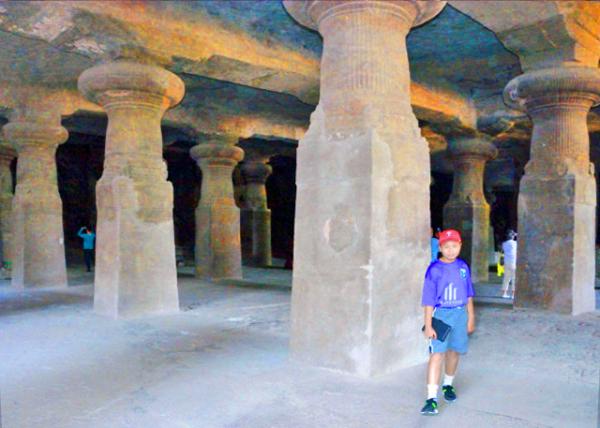 Main Mandapa & Pillars @ Elephanta Caves Main Mandapa & Pillars @ Elephanta Caves
(象岛石窟·主要柱厅和柱子 12-15-2013)
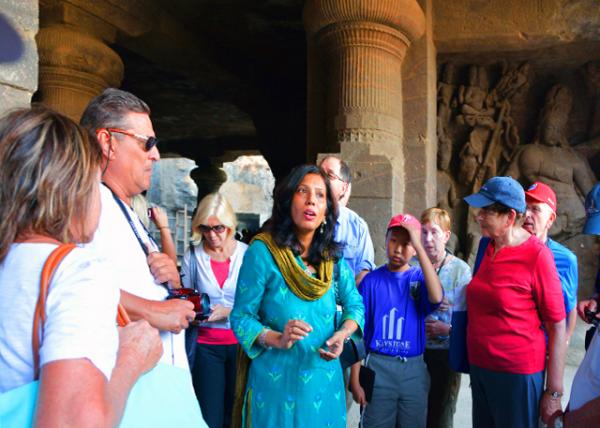 Tour Guide @ Elephanta Caves Tour Guide @ Elephanta Caves
(象岛石窟·导游 12-15-2013) 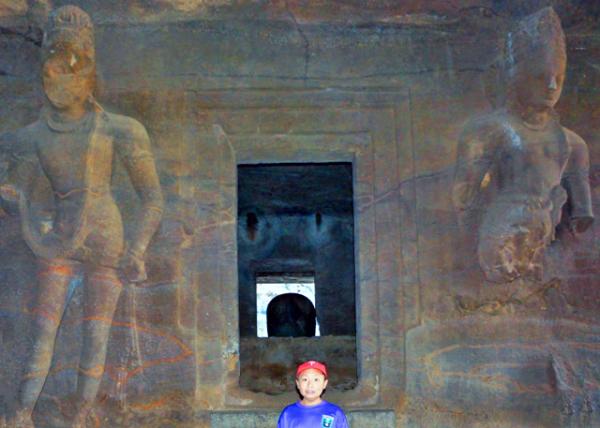 Shiva Linga Shrine inside the Cave Complex Shiva Linga Shrine inside the Cave Complex
(厅内存放湿婆神龛 12-15-2013) 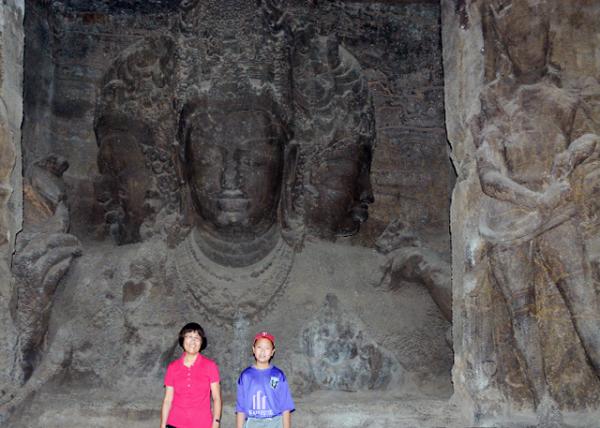 Trimurti-Sadashiva or Panchamukha Shiva Trimurti-Sadashiva or Panchamukha Shiva
(萨达希瓦·三相神与五面湿婆 12-15-2013) 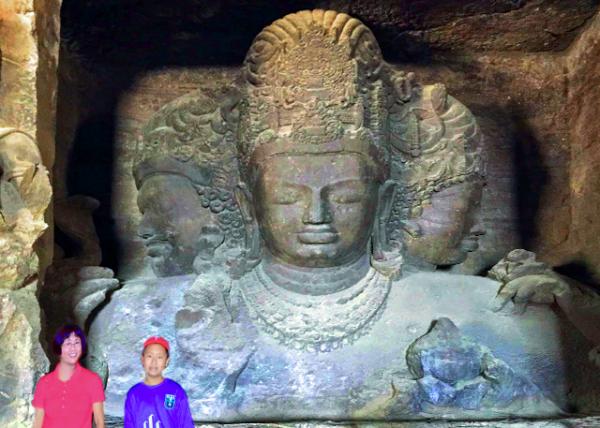 Trimurti Shiva, 3 Heads Representing 3 Essential Aspects of Shiva in Creation, Protection, & Destruction Trimurti Shiva, 3 Heads Representing 3 Essential Aspects of Shiva in Creation, Protection, & Destruction
(三头湿婆·三个头代表着湿婆的三个基本属性:创造、守护和毁灭 12-15-2013)
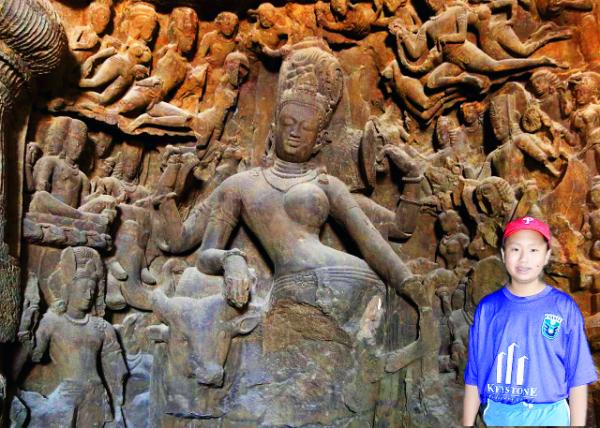 Ardhanarishvara, Half Female (Parvati) & Half Male (Shiva) Ardhanarishvara, Half Female (Parvati) & Half Male (Shiva)
(半月神像 12-15-2013)
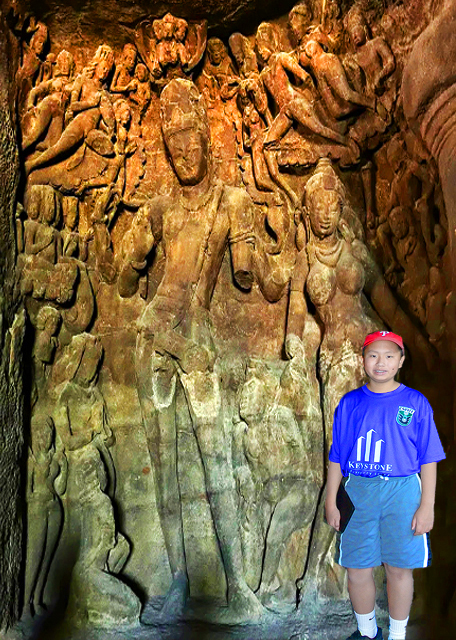
Shiva Bringing the Ganges River to Earth (湿婆将恒河带到人间 12-15-2013) 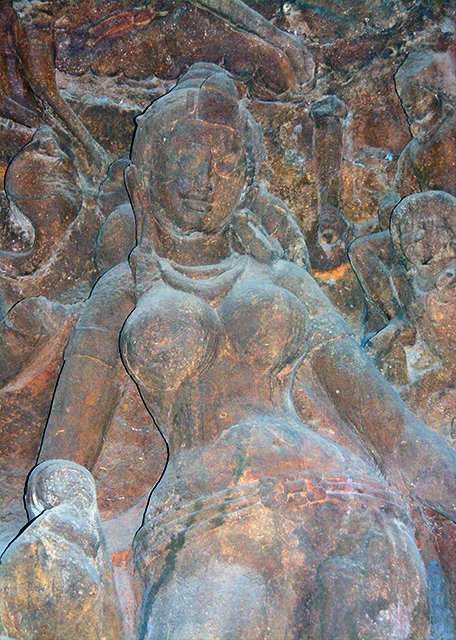
Shiva in Details (湿婆·近景) 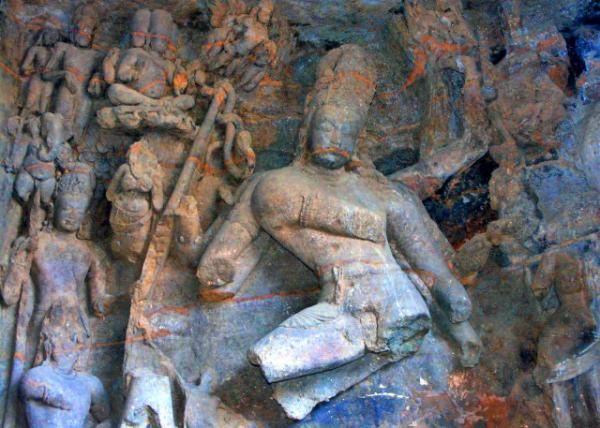 Shiva as Nataraja, God of Dance (湿婆·舞蹈之神) Shiva as Nataraja, God of Dance (湿婆·舞蹈之神)
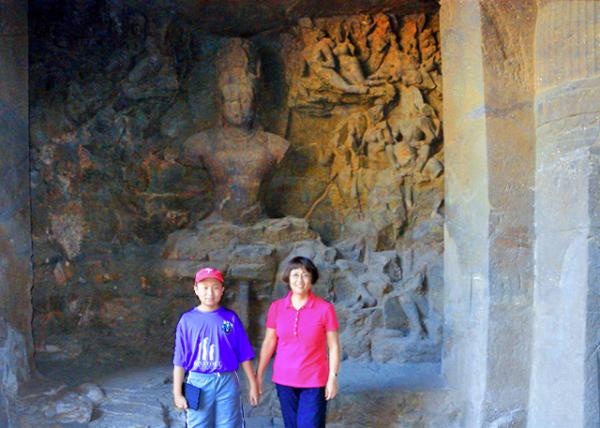 Shiva as Yogishvara, God of Yogas Shiva as Yogishvara, God of Yogas
(湿婆·瑜伽之神 12-15-2013)
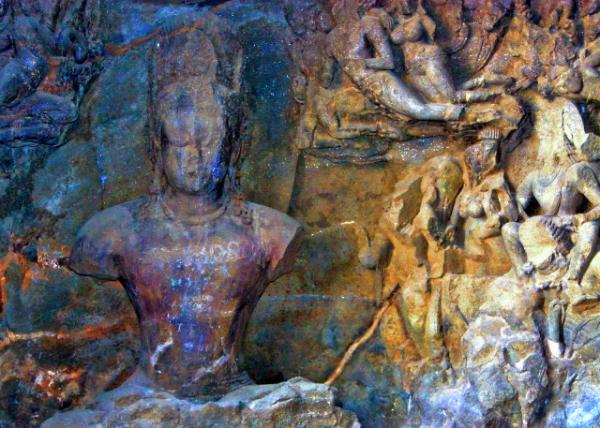 Shiva as Yogishvara, God of Yogas (湿婆·瑜伽之神) Shiva as Yogishvara, God of Yogas (湿婆·瑜伽之神)
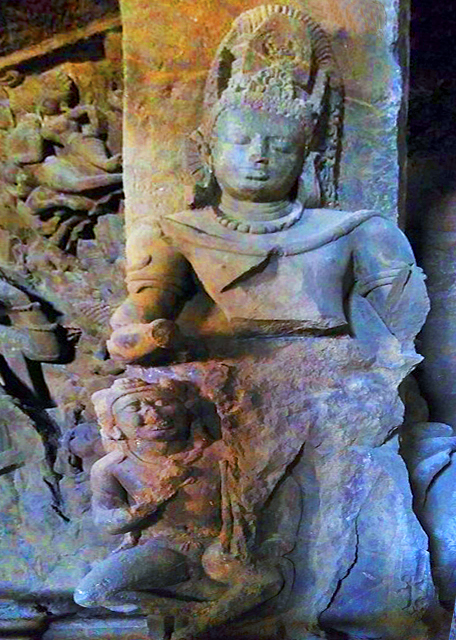
Lord Shiva w/ Bhakt (湿婆与巴克 "“宗教信"”) 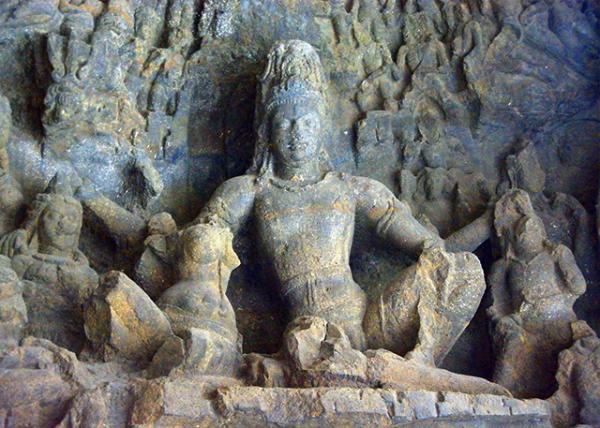 Ravana Shaking Mount Kailash Ravana Shaking Mount Kailash
(拉瓦那“兰卡之王”·恐怖狂啸震动冈仁波齐峰“珍贵的雪山”) 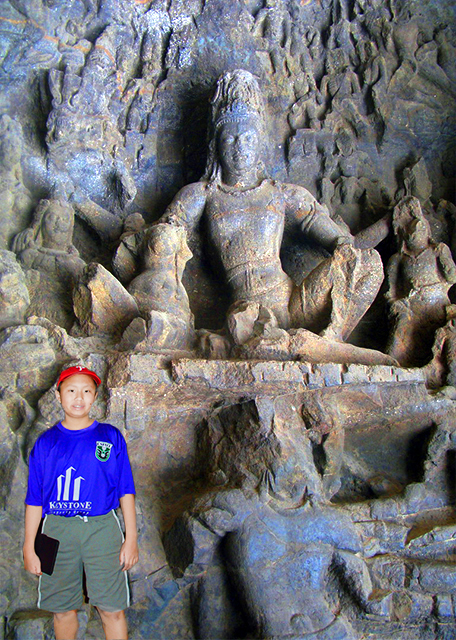
Ravana Shaking Mount Kailash (恐怖狂啸震动吉罗娑山 12-15-2013)
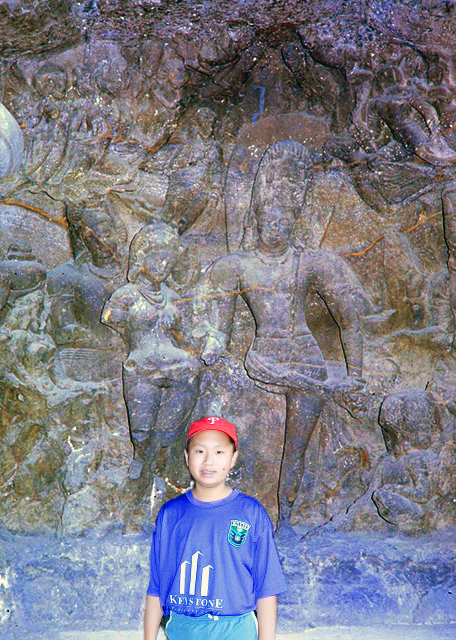
Kalyanasundara, the Wedding of Shiva & Parvati, Represented Shiva Embodying the True Spirit of Blessedness (帕尔瓦蒂“山之女”结婚的帕尔瓦蒂“美满婚姻”·体现了真正的幸福精神 12-15-2013) 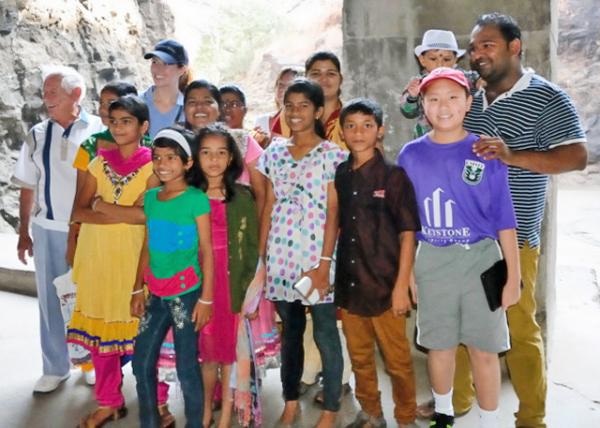 Meet Indian Visitors (偶遇印度参观者 12-15-2013) Meet Indian Visitors (偶遇印度参观者 12-15-2013)
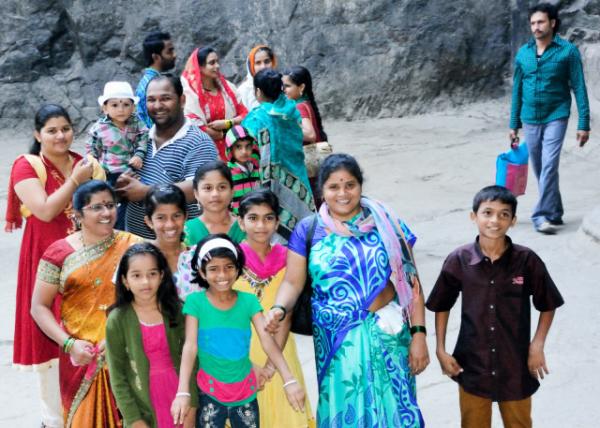 Local Visitors (当地游人) Local Visitors (当地游人)
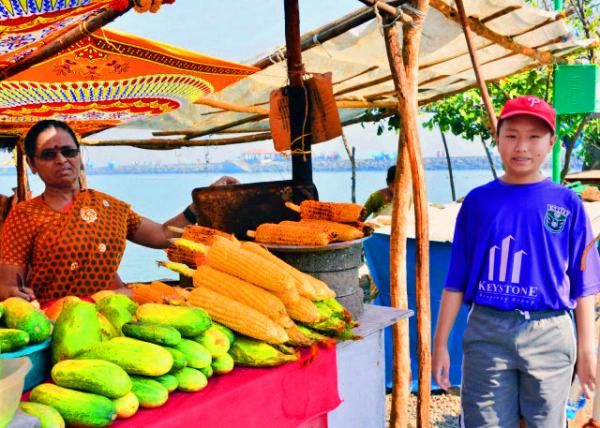 Grilled Corns @ Elephanta Island Grilled Corns @ Elephanta Island
(象岛·烤玉米 12-15-2013) 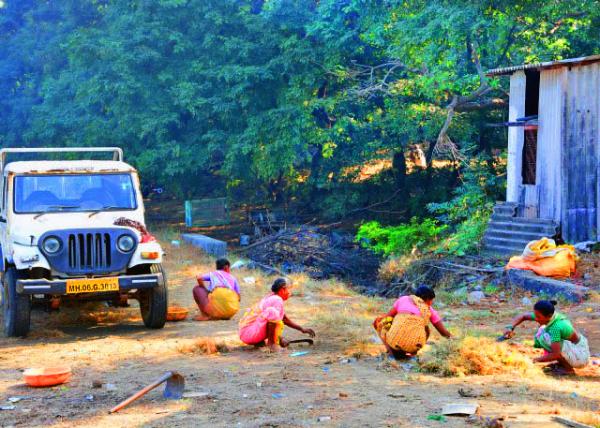 Women @ Field, Elephanta Island Women @ Field, Elephanta Island
(象岛·妇女在田间劳作) 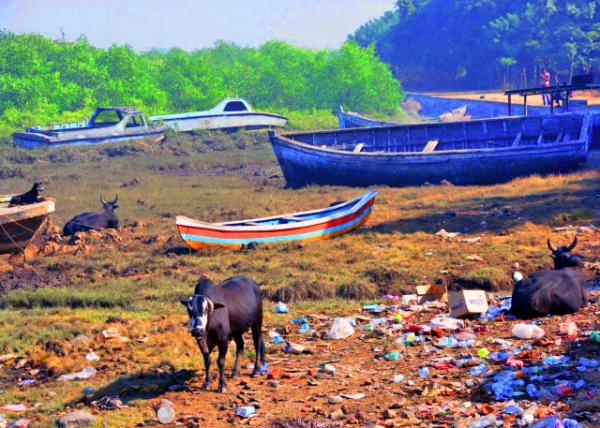 Dumpster @ Elephanta Island (象岛·垃圾场) Dumpster @ Elephanta Island (象岛·垃圾场)
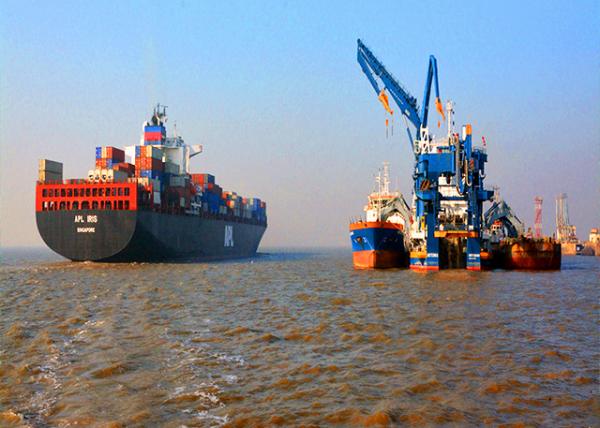 Container vs Dredger (集装箱货轮与挖泥船) Container vs Dredger (集装箱货轮与挖泥船)
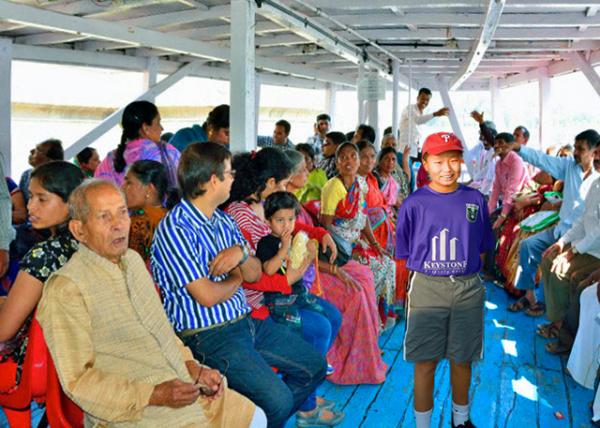 Ferry Riders Between Mumbai & Elephanta Ferry Riders Between Mumbai & Elephanta
(穿梭于孟买与象岛间的渡轮乘客 12-15-2013)
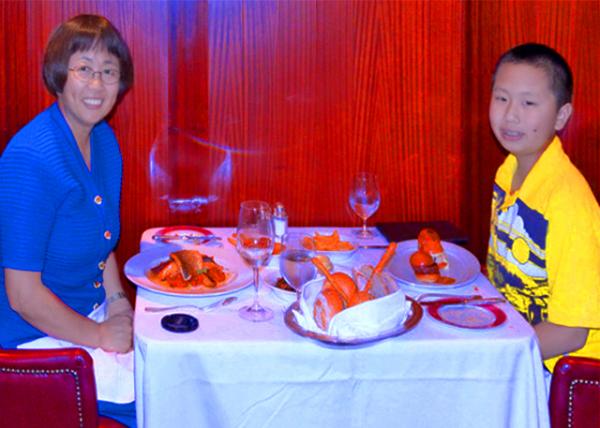 Polo Grill @ Nautica Oceania Polo Grill @ Nautica Oceania
(“大洋·航海”号游轮——马球烧烤餐厅 12-15-2013) 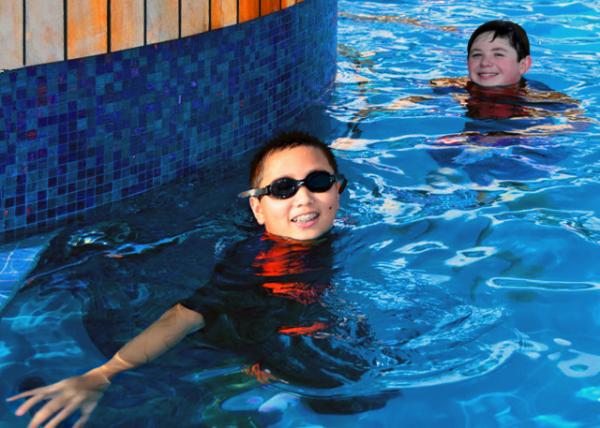 Pool @ Nautica Oceania Pool @ Nautica Oceania
(“大洋·航海”号游轮——泳池 12-15-2013) Crosslinks(相关博文):
India(出游印度)
Across the Indian Ocean(穿越印度洋) |