2013-12-28
【Aiden in English】
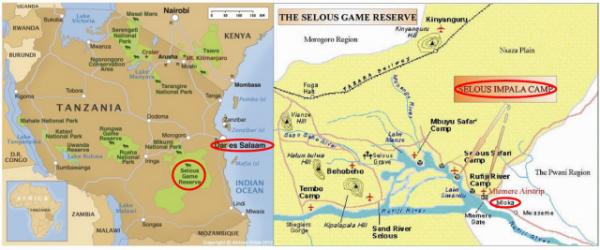
Mom and I were woken by the morning call to start the day. It was 6:30 a.m., and we had a tour at 7:45 a.m., so we had to hurry to catch it. The upcoming tour was a safari, and it began with a short flight on a propeller-driven private plane from the capital city, Dar es Salaam, also known as the "Abode of Peace," to the Selous Game Reserve, the first and oldest national park in Tanzania and a UNESCO World Heritage Site. When I arrived at the park, nearly at noon, I felt as if an egg could fry itself at such a temperature. In the meantime, the flies were searching for food, and we considered them a part of our diet. The little pests came at me by the hundreds; even bug spray didn't help much! We boarded our Land Rover and took off quickly to avoid the flies. That was a mistake because the trail had bumps all over. It went up and down like a roller coaster. And when I saw the first animal, the SUV skidded for another few feet. The animal was an impala, just like the ones at Tsavo National Park in Kenya. As we continued, we reviewed many of the same animals, such as gazelles, hartebeest, elephants, giraffes, and zebras. After we toured the pristine forest for a while, we discovered a lake that lay like a little piece of heaven deep in the wilderness. Inside, there were crocodiles and hippos. They swam next to the shore. I was shocked that the crocodiles didn't make the hippos the midday snacks. At first, both crocodiles and hippos lay in the water like logs. But we didn't realize they weren't dead trunks until suddenly, the crocodiles jerked their tails, and the hippos came up for air. The crocodiles were big and had dark green scales. The long tail elegantly swayed with the current. Conversely, the hippos bobbed their heads up and down as they relaxed in the water. The wildebeests roamed the land. They looked like African buffalo, except a buffalo's horns went down while a wildebeest's went up. As the SUV moved on, I saw something lying under a bush. It had bilargears and resembled a lion. When we drove closer, the animal ran away. Or should I say animals? They were sounder than warthogs. The way they were lined up made it the shape of a lion. The warthogs were the size of a cat and had tiny tusks protruding from either side of their nostrils. There were 6 in total, and they disappeared into the bushes in a split second. On our way to lunch, we ran into a group of Waterbucks. What appeared to be interesting was the white circle around its butt. It looked like a deer. However, the white circle made all the difference and sent a message: "Hit Me!" Unlike Tsavo National Park, the lion, eland, bush duikers, and baboons didn't come out during a hot summer day, and we missed them. We wish we had known the animals' routines before the safari. In 1982, Selous Game Reserve was inscribed as a UNESCO World Heritage Site. 【红霞译】
清晨六点半我和妈妈就被预先设置好的电话铃声吵醒,再有45分钟我们便要动身出游新景点,因此现在必须抓紧时间。
我们下一个行程将猎游坦桑尼亚野生动物世界,不过这回最先得从首都达累斯萨拉姆“安居处”乘坐小型螺旋桨专机,直接飞往最早确认的国家公园并荣膺联合国科教文组织《世界遗产名录》的塞卢斯“沼泽”禁猎区。
临近中午我们才抵达塞卢斯禁猎区,觉得自己好像鸡蛋被高温煎炸了一番而正中苍蝇下怀,即刻引发数以百计的乌合之众大举围剿,恨不能将来者一扫而光,我们手无寸铁,随身携带的杀虫喷雾剂无济于事,对它们完全没有任何功效﹗
三十六计走为上计,我们见势不对箭步如飞躲进越野车内,哪曾想到这么做并非妙计,路面高低起伏,颠簸摇动令我们苦不堪言;车子爬上爬下,如同过山车不住地忽悠翻腾;当偶遇第一只动物时,我们居然来不及刹住闸门,越野车惯性般朝前滑行了好长一段距离。
迎面而来一只黑斑羚,与我们在肯尼亚察沃“屠宰场”国家公园看到的一模一样;再往前行,瞪羚、 狷羚、大象、长颈鹿,斑马等老相识粉墨登场,我们在原始森林里转来转去,眼前突然出现一池湖水,犹如天上仙境喜降荒郊野外,距离岸边不远,鳄鱼和河马各居一方,和平共处。我纳闷为何张牙舞爪的鳄鱼没有蚕食彪汉魁梧的河马?乍看上去两类动物都像木棍似的呆在那里一动不动,如果不是鳄鱼猛然甩动尾巴、河马伸出脑袋呼吸新鲜空气,我们还不知道它们的存在。鳄鱼体大,且身上带有暗绿色鳞片,长长的尾巴随同水波流动的节奏优雅和谐地摇来摆去;河马时而沉湎于水下世界,时而露出水面笑傲江湖;角马同样喜欢出没此地,它们看起来更像非洲水牛,只是水牛的牛角朝下弯,而角马的羚角往上翘。
越野车不停地往前开进,正在此刻我发现灌木丛下有什么东西趴在那里,耳朵很大,体态有点像狮子,等车子靠近时便仓惶逃窜,原来一群疣猪列队排成狮子形状,疣猪的大小跟猫差不多,小獠牙外突鼻孔两侧。这群疣猪总共六只,眨眼功夫便消失在灌木丛里。
赶去吃午饭途中我们与水羚撞了满怀,其臀部白毛围成的圆圈格外招人眼目,水羚跟鹿长得比较像,然而这个极富特征的白圈足以叫它与众不同。 与察沃国家公园不同,塞卢斯禁猎区的狮子、伊兰羚羊、灰小羚羊和狒狒等动物怕热,忌讳晌午时分出来走动,因此我们失去彼此见面的机会,但愿今后在筹划猎游时,我们最好遵循野生动物生活规律而非凭借个人主观意愿。 1982年,塞卢斯禁猎区被联合国教科文组织纳入《世界遗产名录》。
Today in History(历史上的今天):
2012: Glacier Alley & Ushuaia(智利冰川通道和阿根廷深湾城) 2010: 节日串连(Holiday Connection)
2009: 骑在羊背上的国家(Riding on Sheep's Back) 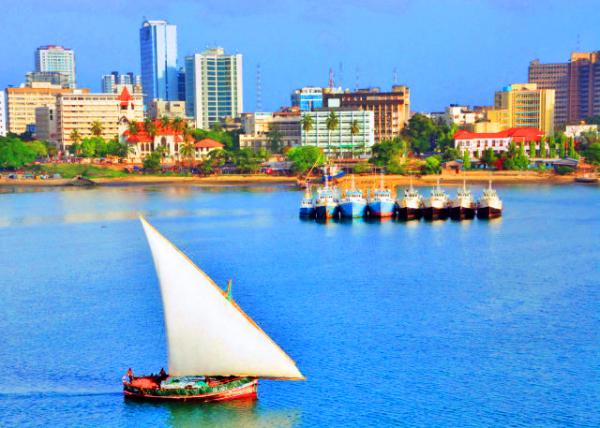 Port of Dar es Salaam, Tanzania's Busiest Port & a Major Gateway for Trade in East & Central Africa Port of Dar es Salaam, Tanzania's Busiest Port & a Major Gateway for Trade in East & Central Africa
(达累斯萨拉姆港·坦桑尼亚最繁忙的港口 | 东非和中非贸易的主要门户) 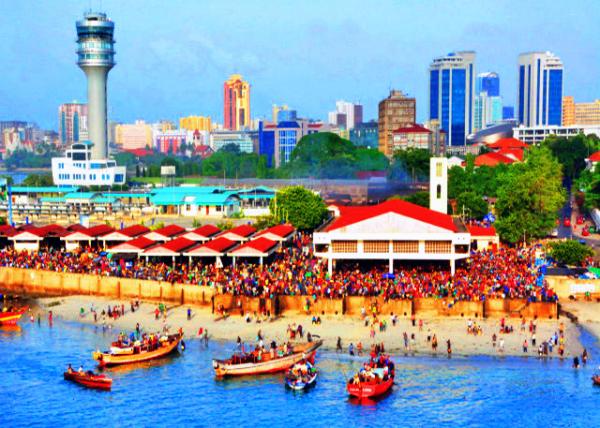 Harbor Control Tower (海港控制塔) Harbor Control Tower (海港控制塔)
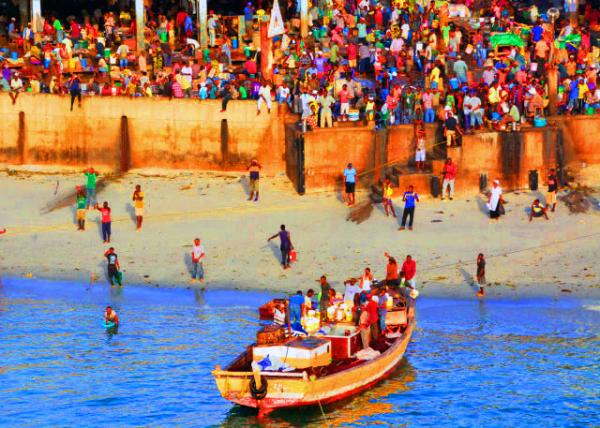 Kivukoni Fish Market Jetty, Tanzania's Largest & Most Significant Fish Market Kivukoni Fish Market Jetty, Tanzania's Largest & Most Significant Fish Market
(基武科尼“渡口”鱼市码头·坦桑尼亚最大、最重要的鱼市) 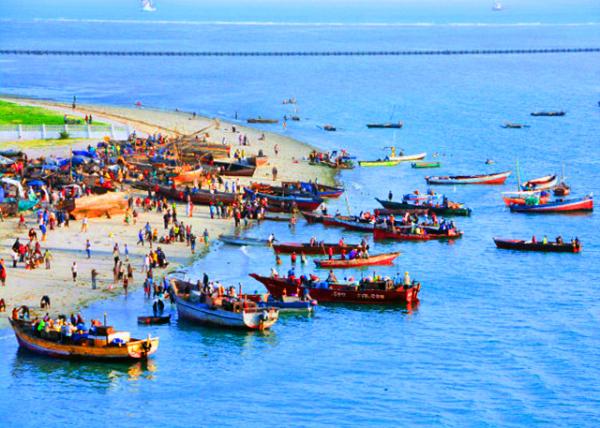 Mzizima Fish Market along a Coastal Fishing Village on the Periphery of Indian Ocean Trade Routes Mzizima Fish Market along a Coastal Fishing Village on the Periphery of Indian Ocean Trade Routes
(印度洋贸易路线边缘的一个沿海渔村姆齐齐马“生命之城”的鱼市) 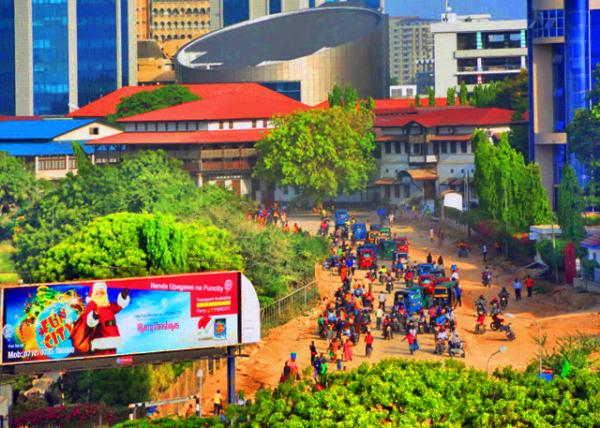 Government Area (政府机关区域) Government Area (政府机关区域)
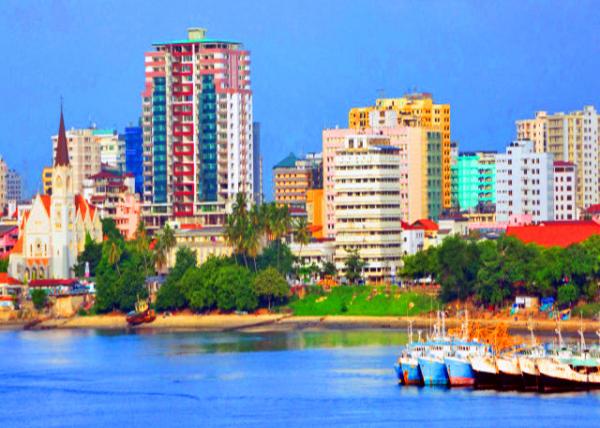 St. Joseph Cathedral in Gothic Style, Completed in 1902 St. Joseph Cathedral in Gothic Style, Completed in 1902
(圣约瑟夫“神赐”大教堂·哥特式,1902年建成) 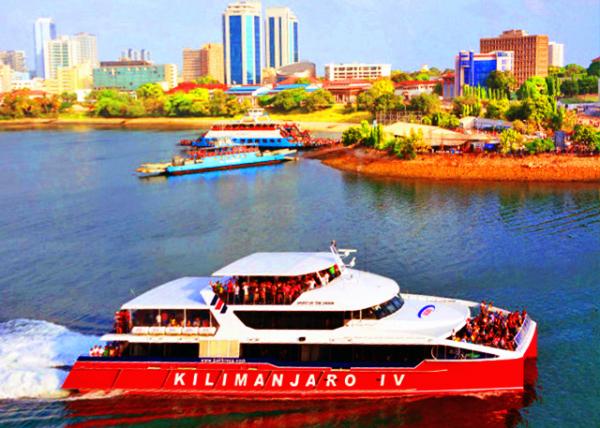 Kilimanjaro IV (乞力马扎罗“洁白的山峰”四号渡轮) Kilimanjaro IV (乞力马扎罗“洁白的山峰”四号渡轮)
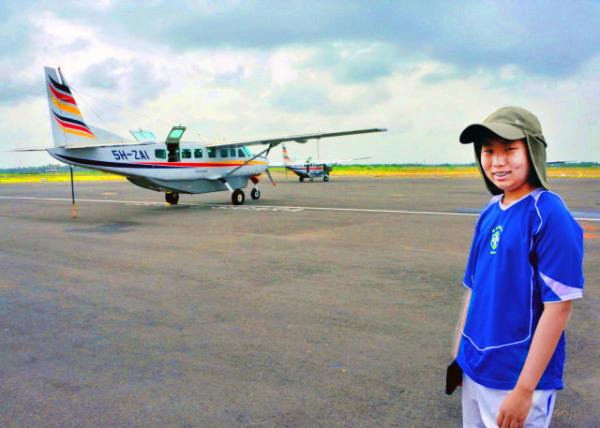 Charter Flight @ DAR Intl Airport Charter Flight @ DAR Intl Airport
(达累斯萨拉姆国际机场·小型包机 12-29-2013) 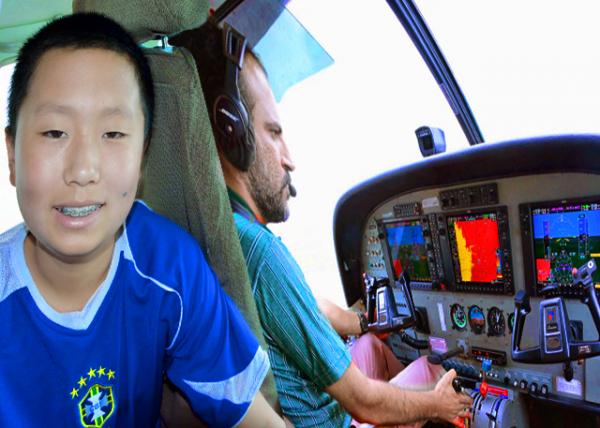 Charter Flight (包机 12-28-2013) Charter Flight (包机 12-28-2013)
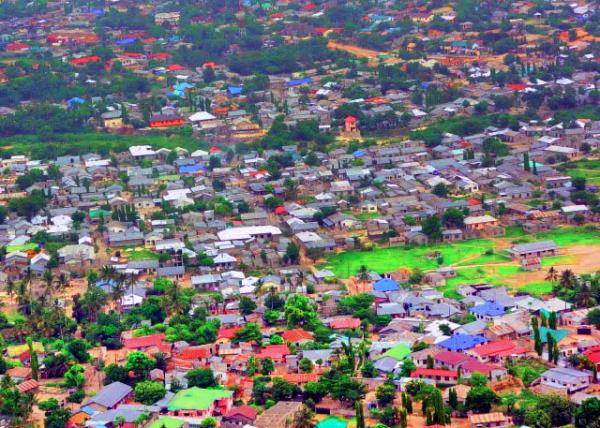 Aerial View of Dar Es Salaam (鸟瞰达累斯萨拉姆) Aerial View of Dar Es Salaam (鸟瞰达累斯萨拉姆)
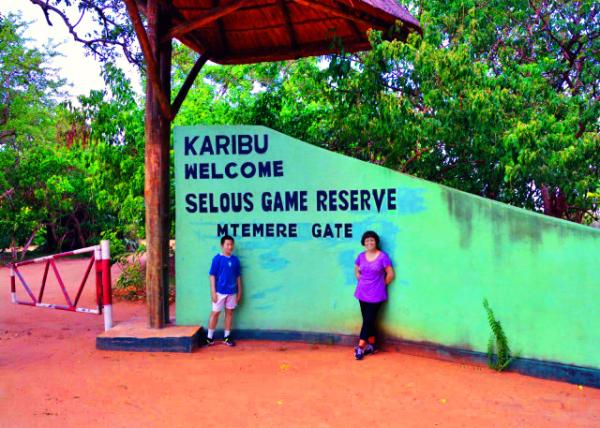 Selous Game Reserve, Africa's Largest Protected Wildlife Area Selous Game Reserve, Africa's Largest Protected Wildlife Area
(塞卢斯禁猎区·非洲最大的野生动物保护区 12-29-2013) 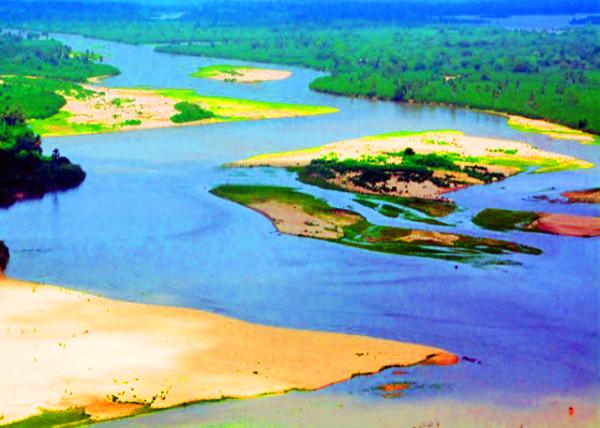 River Rufiji, the Largest in Tanzania River Rufiji, the Largest in Tanzania
(鲁菲吉河·坦桑尼亚最大河流)
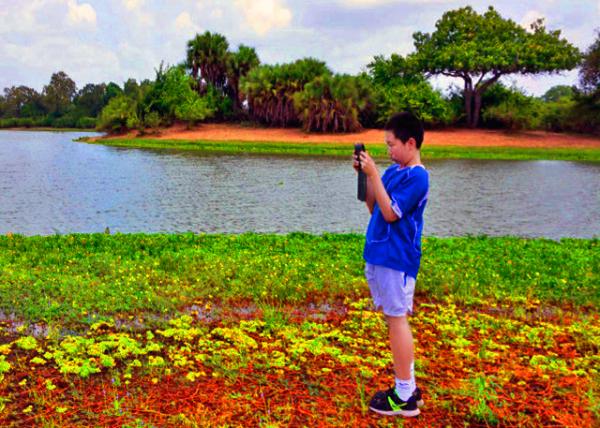 The Rufiji, the Largest Mangrove Forest in Eastern Africa The Rufiji, the Largest Mangrove Forest in Eastern Africa
(鲁菲吉河·东非最大的红树林 12-29-2013)
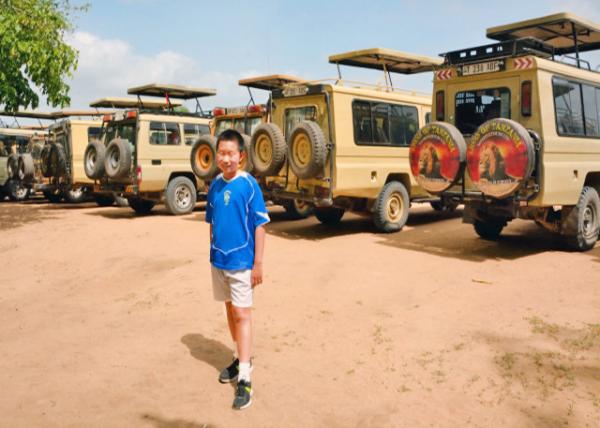 Tanzania Safari (坦桑尼亚游猎 12-29-2013) Tanzania Safari (坦桑尼亚游猎 12-29-2013)
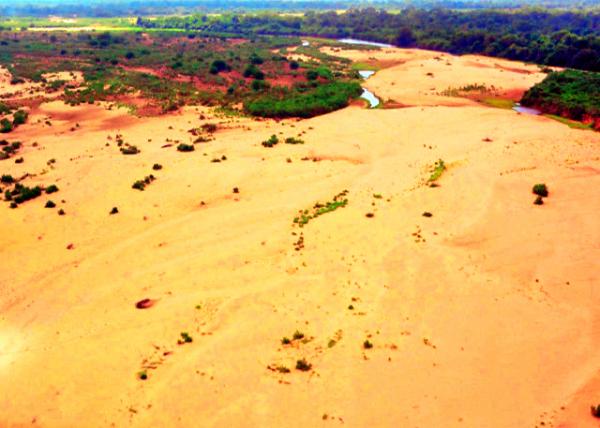 Sand River, a Frozen Water to Flow across the Desert Sand River, a Frozen Water to Flow across the Desert
(沙河·冰水穿越沙漠) 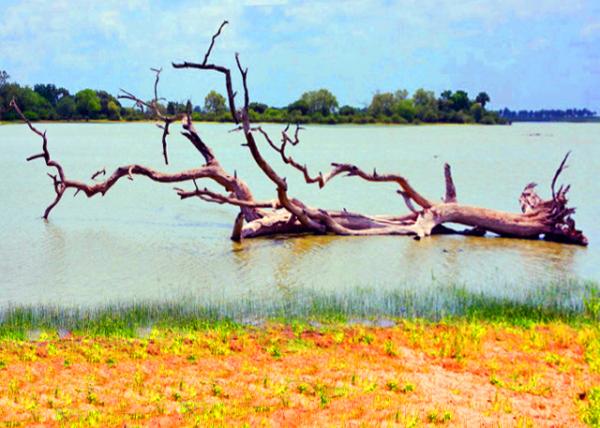 Miombo Woodlands & Savannas (米翁博“旱生疏林”和稀树草原) Miombo Woodlands & Savannas (米翁博“旱生疏林”和稀树草原)
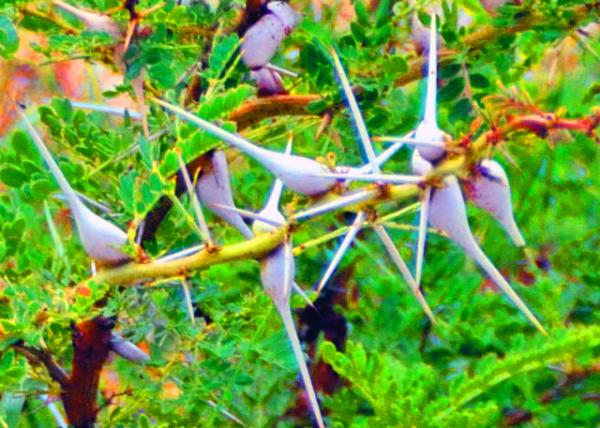 Whistling Thorns (肿刺合欢) Whistling Thorns (肿刺合欢)
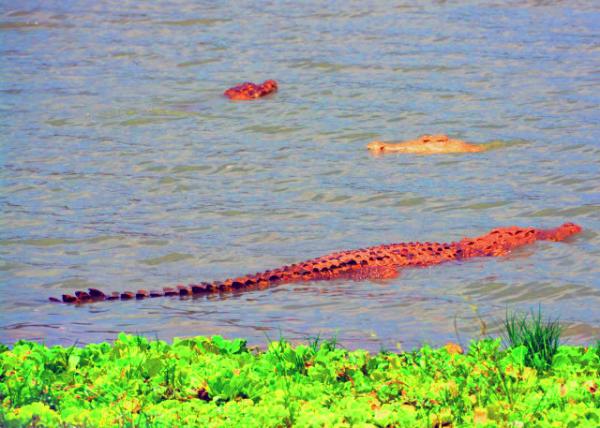 Nile Crocodiles (尼罗鳄) Nile Crocodiles (尼罗鳄)
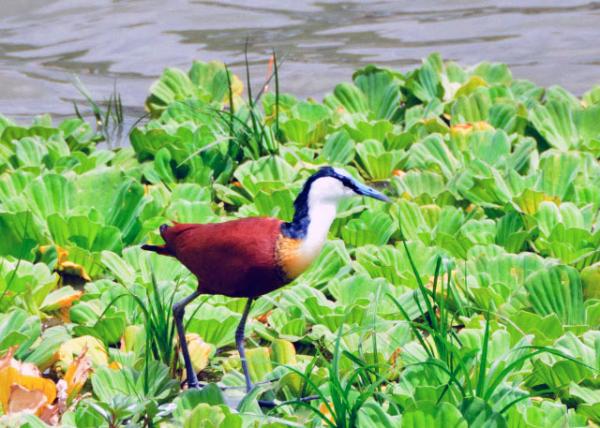 African Jacana (非洲水雉) African Jacana (非洲水雉)
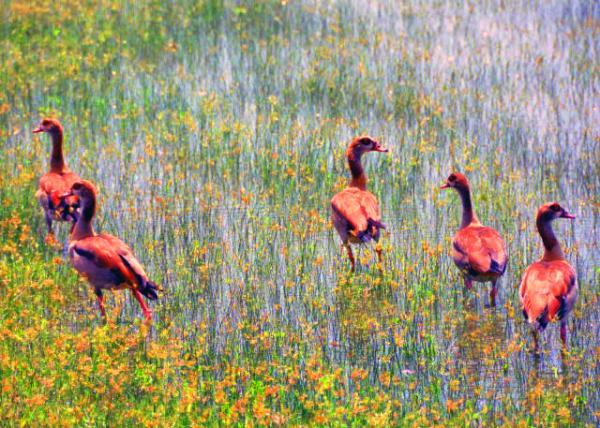 Egyptian Geese (埃及鹅) Egyptian Geese (埃及鹅)
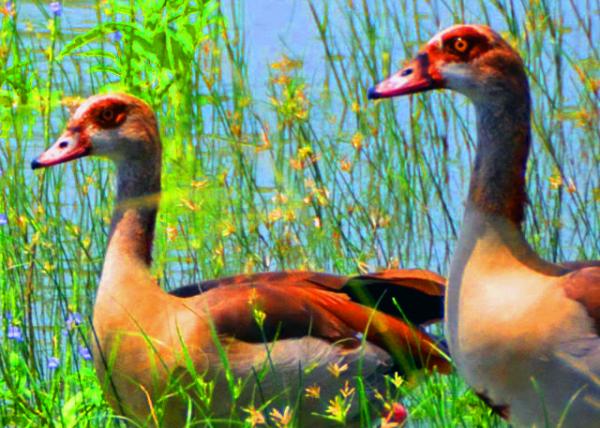 Male Herding One of His Females Male Herding One of His Females
(公埃及鹅牧放其后宫宠妃) 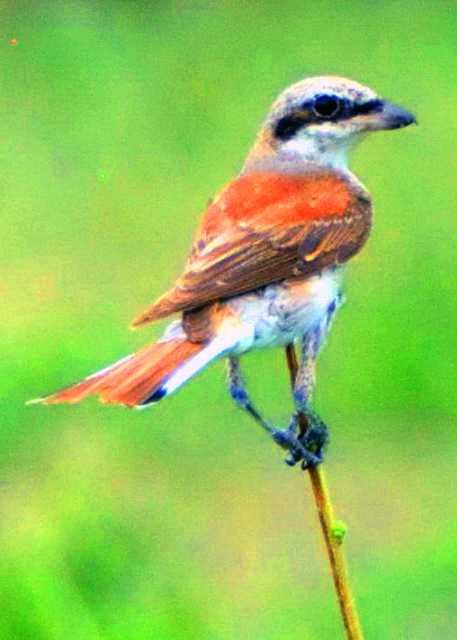
Finch (燕雀) 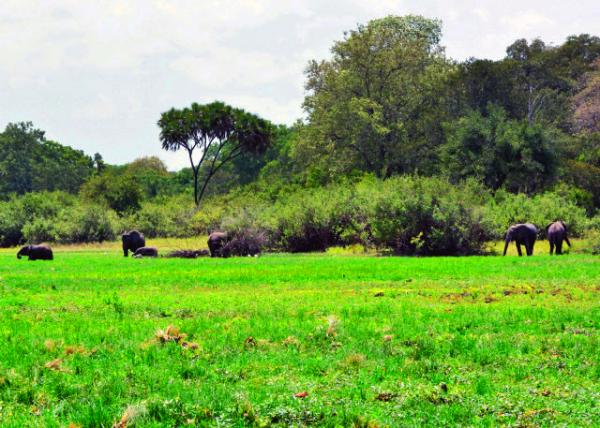 African Bush Elephants in Deciduous Woodlands African Bush Elephants in Deciduous Woodlands
(落叶林地·非洲平原象) 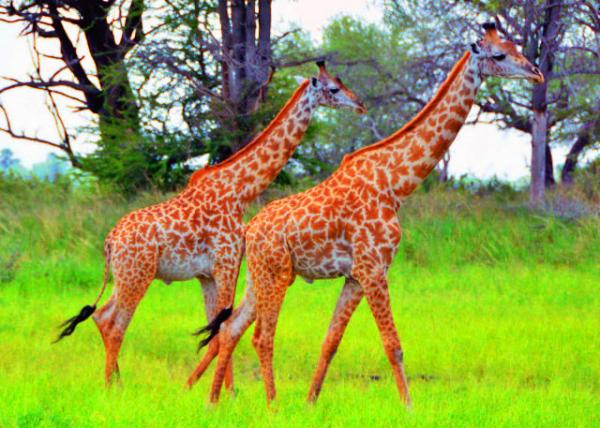 Masai Giraffe (马赛“拯救者”长颈鹿) Masai Giraffe (马赛“拯救者”长颈鹿)
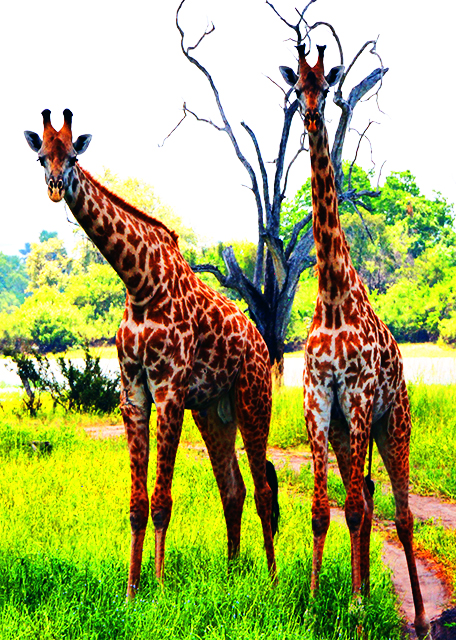
Masai Mara across the Vast Grassy Plains (马赛马拉“斑点之地”·横跨广阔的草原) 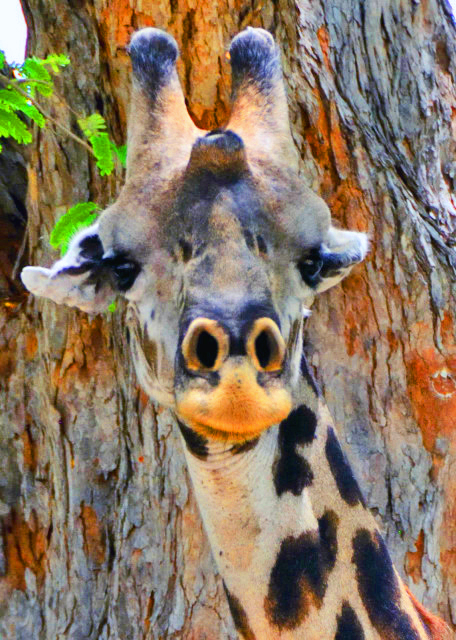
Bull w/ a Median Forehead Lump (公马赛长颈鹿·额中位肿块) 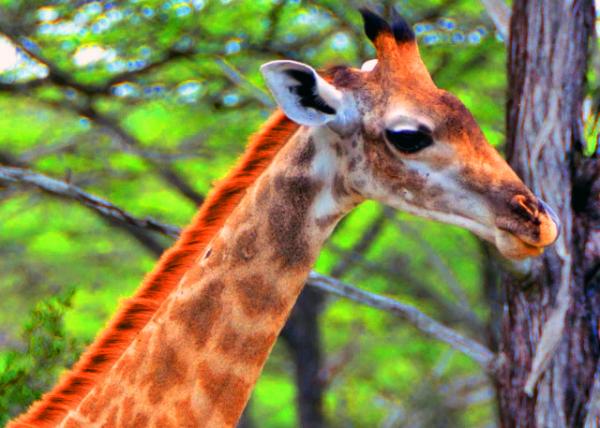 Masai Giraffe (马赛长颈鹿) Masai Giraffe (马赛长颈鹿)
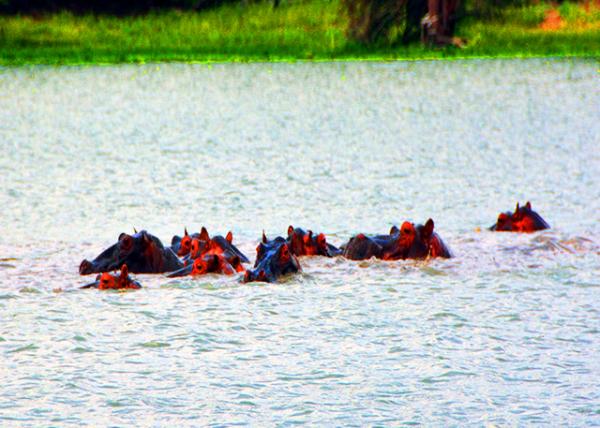 Mostly Submerged Hippos w/ Exposed Eyes, Ears, & Nostrils Mostly Submerged Hippos w/ Exposed Eyes, Ears, & Nostrils
(河马身体大部分没入水中,但眼睛、耳朵和鼻孔暴露在外) 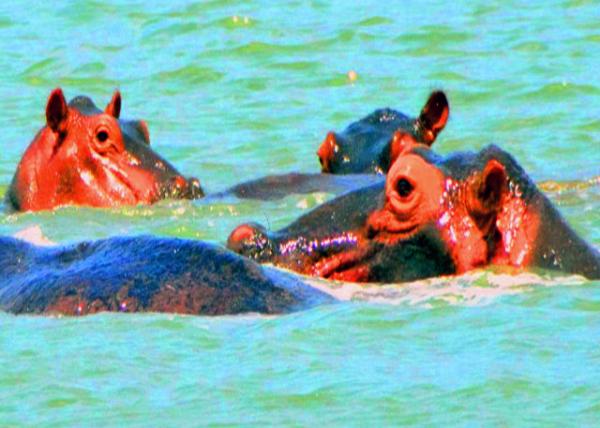 Hippopotamus Pod (河马群) Hippopotamus Pod (河马群)
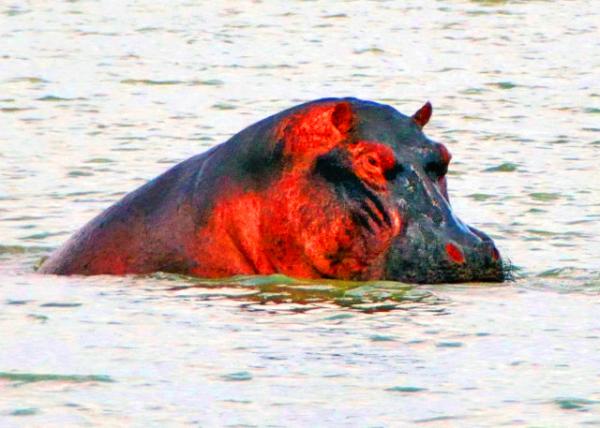 A Gazing Hippopotamus (守望者) A Gazing Hippopotamus (守望者)
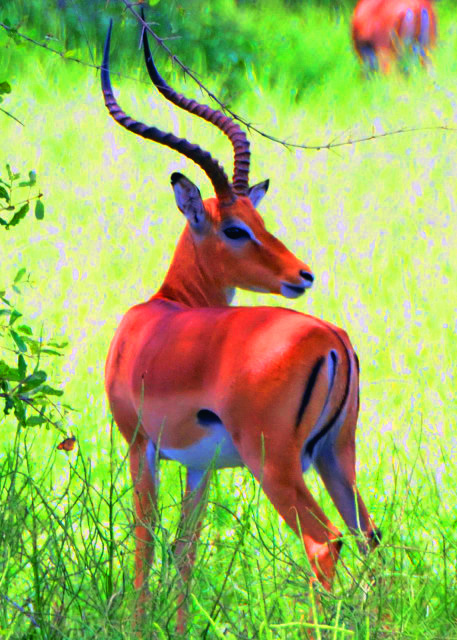
Horn Impala (雄高角羚) 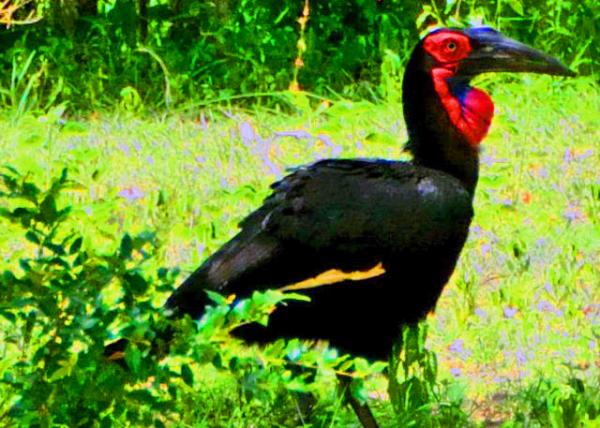 Southern Ground Hornbill (红脸地犀) Southern Ground Hornbill (红脸地犀)
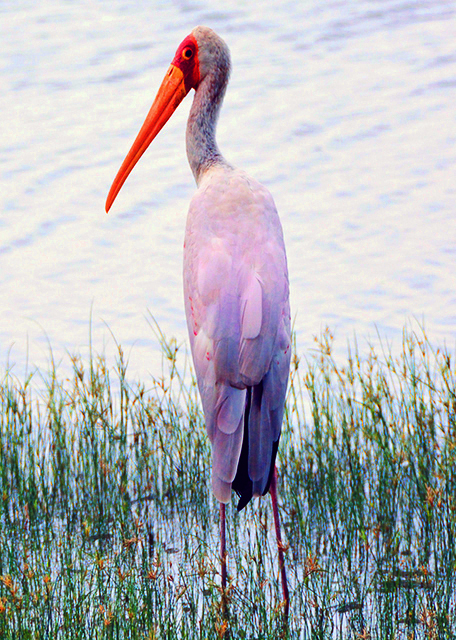
Yellow-billed Stork (黄嘴鹮鹳) 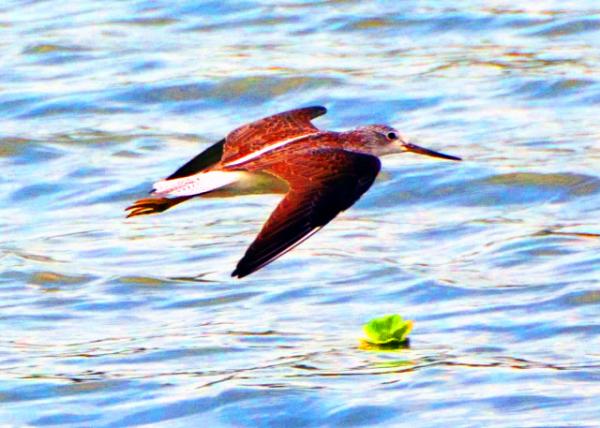 Stilt Sandpiper in Flight (飞翔的高跷滨鹬) Stilt Sandpiper in Flight (飞翔的高跷滨鹬)
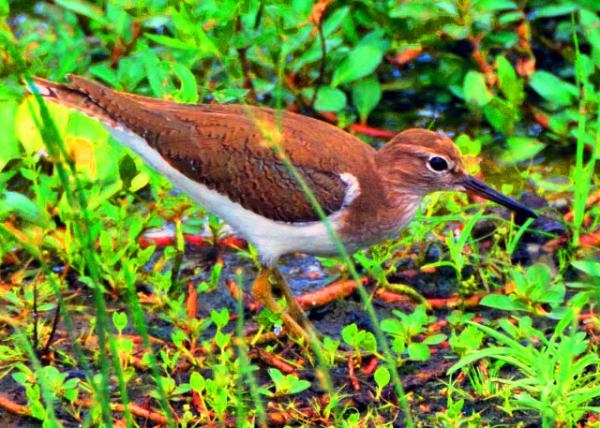 Stilt Sandpiper (高跷滨鹬) Stilt Sandpiper (高跷滨鹬)
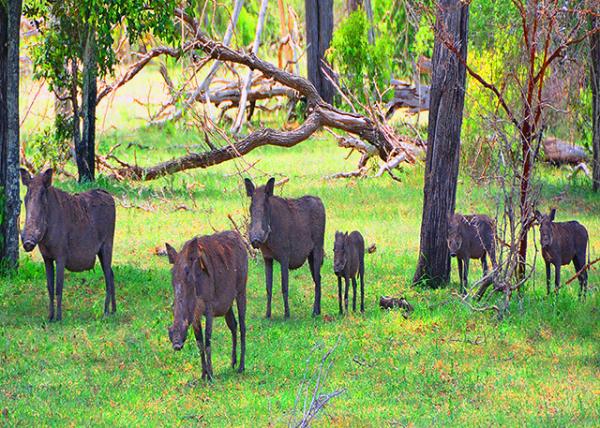 Warthogs (疣猪) Warthogs (疣猪)
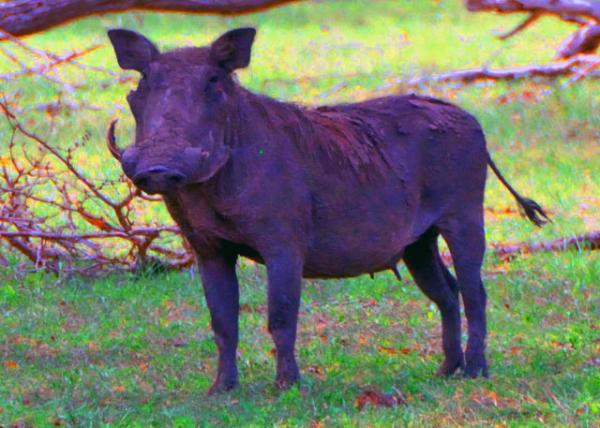 Female Warthogs (母疣猪) Female Warthogs (母疣猪)
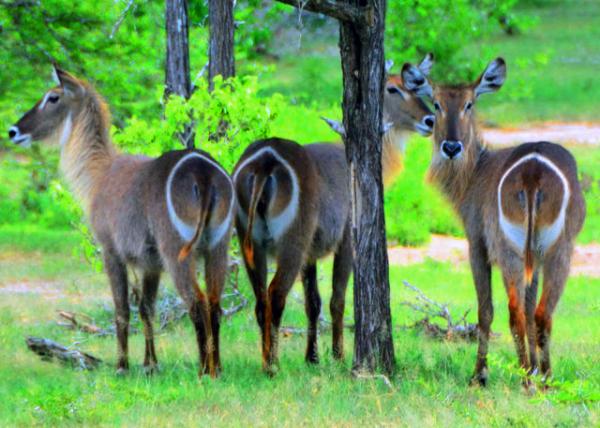 Waterbucks (非洲大羚羊) Waterbucks (非洲大羚羊)
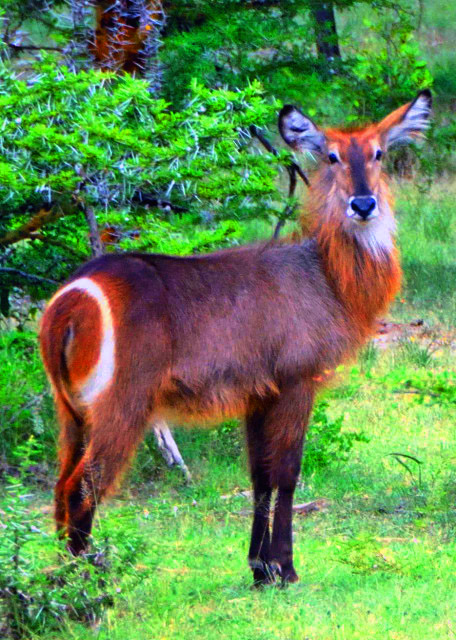
Female Waterbuck (雌性水羚) 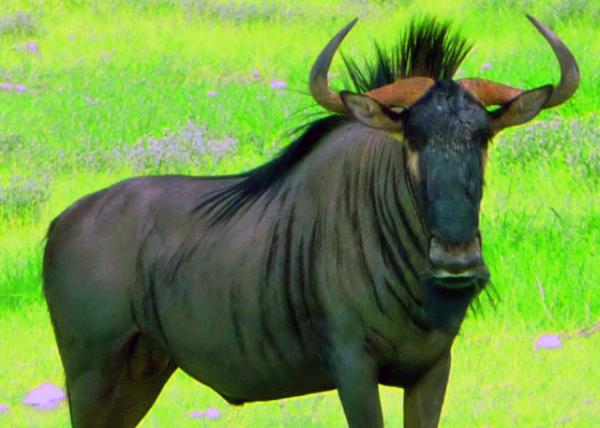 Wildebeest (角马) Wildebeest (角马)
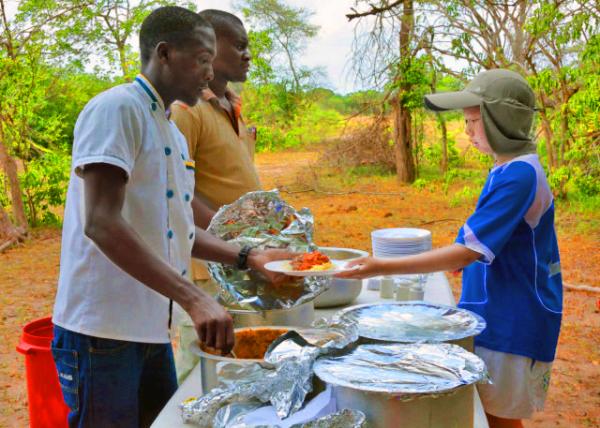 Pasta Picnic (意大利面野餐 12-29-2013) Pasta Picnic (意大利面野餐 12-29-2013)
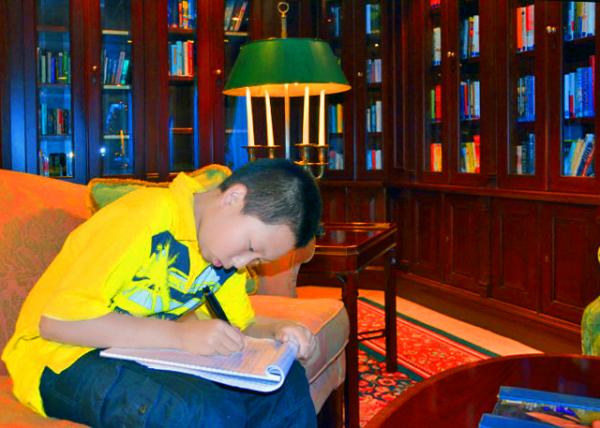 Journal Writing (写日志 12-29-2013) Journal Writing (写日志 12-29-2013)
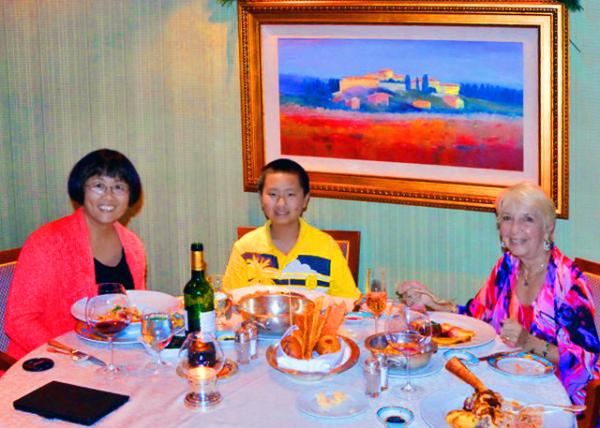 Dinner @ Toscana of Nautica Oceania Dinner @ Toscana of Nautica Oceania
(“大洋·航海”号游轮托斯卡纳餐厅·晚餐 12-28-2013) 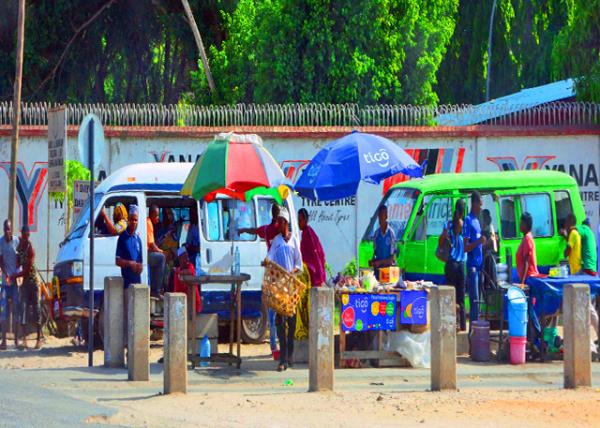 Flea Market (自由市场) Flea Market (自由市场)
Crosslinks(相关博文): Tanzania(出游坦桑尼亚)
Across the Indian Ocean(穿越印度洋) Africa (漫游非洲) 5th Grade(小学五年级) |