2014-11-03
【Aiden in English】
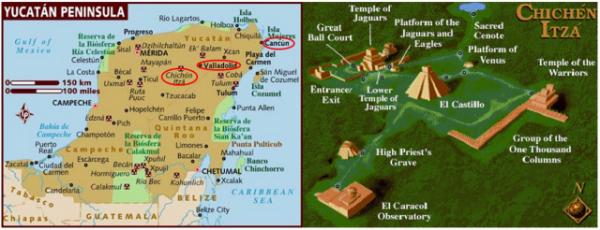
The only thing worse than a long, tedious, dreadful plane ride is a long, boring, hideous bus ride. Mom and I took one to the Yucatan Peninsula in Mexico. The Yucatan Peninsula is in Central America, where the Caribbean Sea and the Gulf of Mexico meet. It is one flat plate. I could stare in one direction and see endless bushes and jungles for miles. The highest point in the Yucatan Peninsula is probably the ramp onto the highway. So, Mom and I watched the vegetation and land roll by on a coach bus for three hours straight. It wasn't perfect for 3 hours straight. I was far too busy playing Pokémon even to study the landscape. Whatever we were going to do, it'd better be worthwhile. Mom seemed excited, which was always a bad sign regarding our tours. That meant the tour would always be educational, tiring, and memorable. Additionally, Mom's way of remembering is quite different from the way we typically recall good memories. In other words, she'll take pictures every moment, which ruined the otherwise perfect tour. Today's educational trip took Mom and me to Chichen Itza, located on the edge of the Yucatan Peninsula, one of the New Seven Wonders and a UNESCO World Heritage site. These Mayan ruins were taken apart by the Spanish conquerors and used to build houses. However, the ruins have now been restored, thanks to advances in technology and the efforts of archaeologists. The Mayan culture seemed complex, especially given the scarcity of scripts and literacy. Unlike ancient Chinese, we learned about the Mayans' history primarily from interpretations and speculations. However, civilization had much more advanced science 1,400 years ago. The geometry, astronomy, solar calendar, sound, and cosmovision are reflected in the Kukulkan Pyramid, the Great Ball Court, the Temple of the Jaguars, the Temple of the Warriors, the Thousand Columns Market, the Venus Platform, and the Observatory. Interestingly, the Mayans believed in many dimensions, and their "heavens" had 13 dimensions. To enter it, they needed to reach something called an eagle. Then, if fate was with you, you may become a Feathered Serpent, the highest level of all kinds. The Mayans' religion was closely tied to science, particularly in the field of astronomy. On spring and fall equinoxes, the sun perfectly shines on the Kukulkan Pyramid for 20 minutes at sunset and sundown. During this brief period, the sunlight casts shadows on the northwest corner of the pyramid, forming seven triangles of light. These triangles consist of the serpent, 98 feet (30 meters) from Heaven down to Earth, as the sun moves, bringing goodness to the Mayans. Not only did the Mayans have knowledge of astronomy, but they also understood the mechanics of sound. How did I know that? The tour guide showed us a fantastic wonder. By clapping his hands in front of the Kukulkan Pyramid three times, the sound echoed off the pyramid, making a high-pitched noise of ku-kul-kan. I had never heard of this, and it was so cool. As much as the Yucatan Peninsula is flat, there are many sinkholes or cenotes due to the collapse of limestone bedrock. One cenote created a gigantic well full of freshwater, approximately 150 feet (46 meters) deep, in Ik Kil. Fish were darting up and down inside. As soon as the tour took Mom and me there, I was anxious to take a dip. The only thing I didn't expect was going down 93 steps into a circular area like a pool with people swimming. I thought the cenote was like a pool on the surface, not underground. Nevertheless, the sight looked spectacular. The pool was a natural well of fresh water, and just as awesome as the pool was the diving platform. There were three platforms in total, and each was of a different height. Knowing me, you all figured out what I was going to do. I rushed to the top platform, feeling brave and courageous. Suddenly, when I reached the platform, the platform looked a lot higher than I thought. My courageous act evaporated as I took a step forward. Doubts jammed my brain. Finally, I set my thoughts aside and took a heap of faith. The water flew at me faster than my mind could register, then kapow! I hit the water hard, but the memory was over momentarily. Sometimes, you have to leap of faith, just like I did. The Yucatan Peninsula has so much to explore. I am sure that we'll come back soon. In 1988, Pre-Hispanic City of Chichen-Itza was inscribed as a UNESCO World Heritage Site. 【红霞译】
乘坐飞机冗长乏味令人心烦,但世上还有比这更糟糕的,那就是我和妈妈从墨西哥坎昆“蛇窝”前往尤卡坦“富饶之地”半岛的大巴旅行,尤卡坦半岛位于中美洲加勒比“勇者”海与墨西哥“月球的肚脐”湾交汇处,地势相对平坦。放眼远眺,无边无际的灌木丛林绵亘数百里,高速公路转弯处几近原始荒原的制高点,莽莽林海萋萋野草,前后足足陪伴了我们长达三个钟头之久,甚至有点逼人抓狂,一路上我专心致志地玩《神奇宝贝》,根本没有功夫留意身外景致,在这种情况下,手头最好要有点事做,否则会白白浪费宝贵时光。 妈妈看上去情绪高昂,对我来说这可不是什么好兆头,尤其在旅途上更是如此。言外之意,本次旅游将跟往常没什么两样,仍然重在教育,教育性旅游虽记忆深刻,但奔波起来实在辛苦;美中不足的还有,妈妈始终保持其独特方式,绝不轻易放弃任何拍照机会,这样会直接影响到我游玩的心境。 今天的教育之旅将带我们去奇琴伊察“水魔法师井口”,它与埃及的金字塔、中国的长城、约旦的佩特拉“岩石”古城、巴西的基督救世主雕像、秘鲁的马丘比丘“古老的山峰”、意大利的古罗马竞技场、印度的泰姬陵“宫殿的皇冠”齐名,统称世界新七大奇迹,被联合国教科文组织列为《世界遗产名录》。西班牙殖民时期,当地玛雅“幻觉”遗址惨遭破坏,被拆毁修筑其它房屋,感谢现代科技和考古学家的不懈努力,目前废墟已恢复原状。 玛雅文化错综复杂,文字记录极其有限,有别于中国古代遗产,我们对玛雅的了解大多依赖于各种猜测与推断。尽管如此,早在1400年前,奇琴伊察井口玛雅人通过建筑羽蛇神金字塔、大球场、美洲虎庙、斗士庙、千柱市场、金星平台及天文台,就已经在几何、天文、日历、声音以及宇宙观方面充分表现出与众不同的聪明才智,有趣的是玛雅人笃信空间维度,认为天堂由“13”维组成,如若人命升天,必须先变成所谓的雄鹰,然后再视运气而定,运气好的可以荣升至最高级别的羽蛇。 玛雅人的宗教意识渗透着天文学思想,每年夏至和冬至昼夜均等的两天日落时,夕阳斜射筑羽蛇神金字塔,前后持续20分钟,在如此短暂的光照时间里,建筑物西北角反射出7个三角形,这些三角形上下联成一串形成羽蛇状投影长达98英尺/30米,随着太阳的运行,投影由上而下移动,预示着羽蛇神下凡世间,为玛雅人带来福祉。 玛雅人不仅具有渊博的天文知识,而且掌握声学原理,我怎么知道的呢?导游向我们揭示其奥秘:他站在羽蛇神金字塔前,双手有节奏地连击三下,掌声回荡在金字塔四周,发出库—库尔—坎“羽蛇神”清脆回音,我从未听说过这种奇迹,真够玄乎。 如前所述,尽管尤卡坦半岛地势平坦,但由石灰石构成的地质容易崩陷,因此随处形成很多深坑,当地人惯称“天坑”,伊克基尔“风地”天坑就是这样一个超级天井,地下河床的泉水流经天坑久积成池,深达150英尺/46米,五彩鱼儿游乐欢畅,当与妈妈随大队人马抵达目的地时,我恨不能一头扎入水中。通往伊克基尔天坑的石路由93级石阶组成,我原以为其圆形水池突出地面,那曾想到竟然深藏地下,自身地貌与周围景致可谓浑然天成蔚为壮观。伊克基尔天坑池源属于自然泉水,作为休闲场所非常适于游泳和跳水,其内部因高度而异共设有三个跳台,了解我的人都知道下面将要发生的事情。我急匆匆朝跳台最高处走去,一副毫无畏惧的样子,可就在踏上跳台之际内心突然发虚,方才意识到自己从未攀过这么高的跳台;离跳台越来越近,我的勇气逐渐丧失殆尽,脑袋开始发懵。这时我努力镇定情绪,重新鼓足信心,看准水流走向顺势而下,扑通!我猛然重力击水入池,顷刻间脑袋出现一片空白,记不清眼前闪现的场景,看来有时干事容不得犹豫,就应该像我刚才那样当机立断,有一股天不怕地不怕的大无畏气概。 尤卡坦半岛还有很多地方值得探索,相信不久的将来,我们会再度踏上这片当年玛雅土著人疑惑西班牙征服者的土地。 1988年,前西班牙殖民城奇琴伊察被联合国教科文组织纳入《世界遗产名录》。 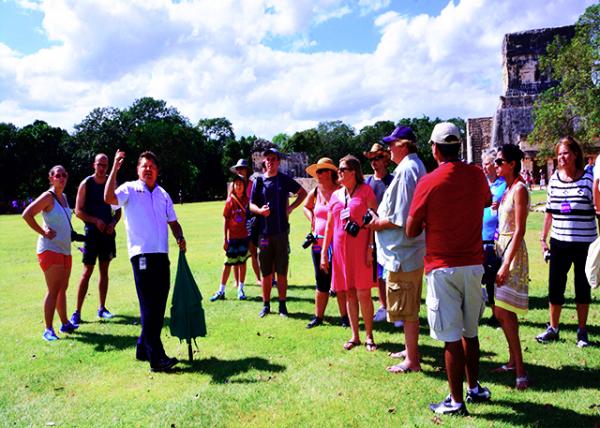 Great Plaza, a Major Focal Point between AD 900 and 1200 Great Plaza, a Major Focal Point between AD 900 and 1200
(大广场·主要集中在公元900—1200年间 11-03-2014)
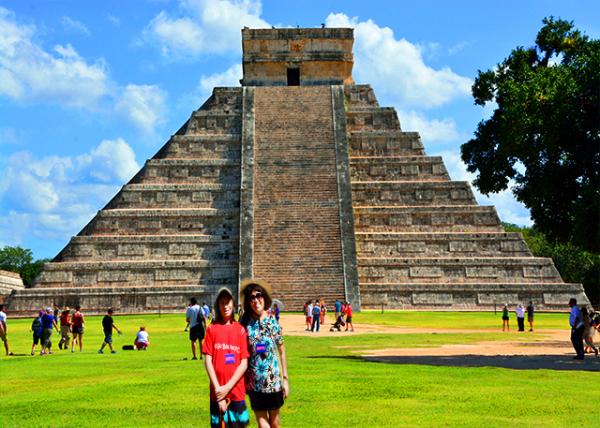 Temple of Kukulcán or El Castillo, a Mayan Step-Pyramid in an Astronomical Alignments, Particularly w/ Light & Shadow during the Equinoxes, Creating the Illusion of a Serpent Slithering down the Stairs, a Reference to the Feathered Serpent Deity Kukulcán Temple of Kukulcán or El Castillo, a Mayan Step-Pyramid in an Astronomical Alignments, Particularly w/ Light & Shadow during the Equinoxes, Creating the Illusion of a Serpent Slithering down the Stairs, a Reference to the Feathered Serpent Deity Kukulcán
(库库尔坎神庙即城堡神庙·玛雅阶梯金字塔,在天文排列中,尤其时处春分和秋分期间光影交织,营造出一条蛇从阶梯上滑下的幻象,以表对羽蛇神库库尔坎的致敬 11-03-2014)
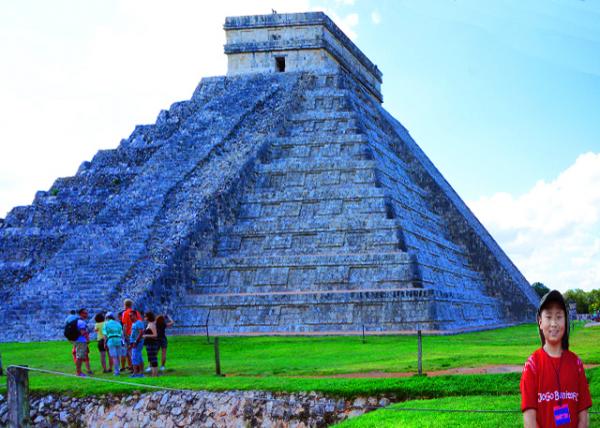 Temple of Kukulcán, the Descent of the Serpent Effect during the Spring Equinox Temple of Kukulcán, the Descent of the Serpent Effect during the Spring Equinox
(库库尔坎神庙·春分落日之际蛇舞动效应 11-03-2014) 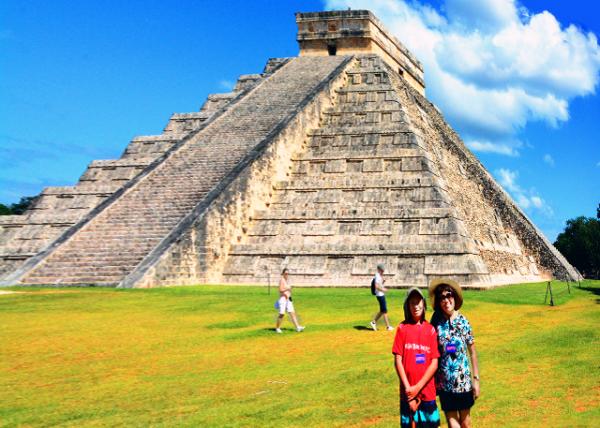 Kukulkan Pyramid in Its Sophisticated Design, Reflecting the Maya Calendar, w/ Each Side of 91 Steps, Totaling 365 w/ the Top Platform Kukulkan Pyramid in Its Sophisticated Design, Reflecting the Maya Calendar, w/ Each Side of 91 Steps, Totaling 365 w/ the Top Platform
(库库尔坎神庙·精巧的设计反映出玛雅历法:每侧有91级台阶,加上顶部平台共计365级 11-03-2014) 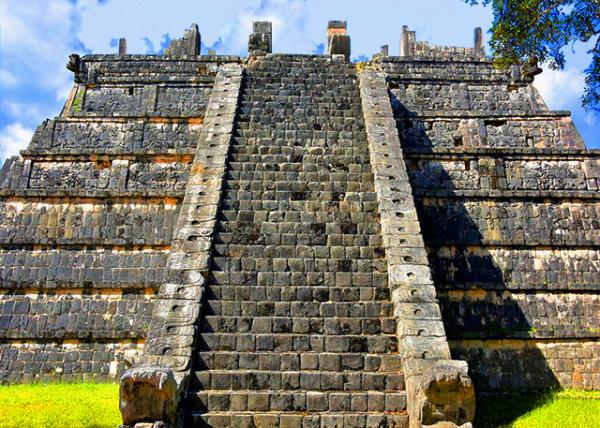 Osario Pyramid or Ossuary w/ 9 Stepped Blocks & 2 Snake Columns @ Its Entrance Osario Pyramid or Ossuary w/ 9 Stepped Blocks & 2 Snake Columns @ Its Entrance
(奥萨里奥“猎狼人”金字塔即藏骨堂·入口处有9层楼梯区块和2个蛇形柱) 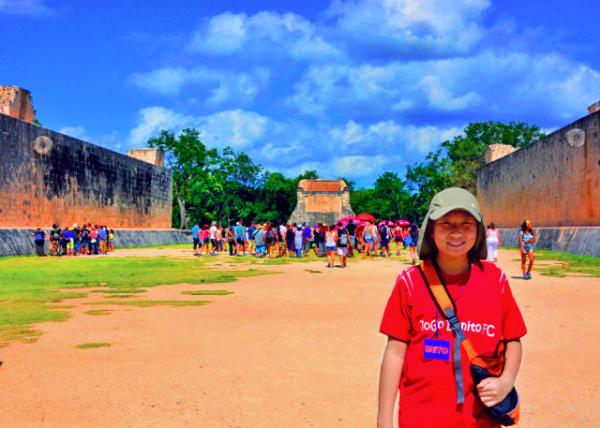 Great Ballcourt, the Largest Ball Court in Ancient Mesoamerica Great Ballcourt, the Largest Ball Court in Ancient Mesoamerica
(大球场·古代中美洲最大的球场 11-03-2014) 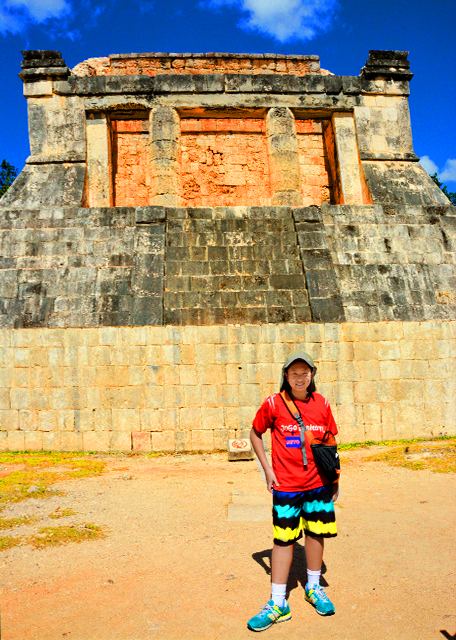
Castle of Great Ballcourt, a Style of Maya-Yucateco Architecture, Blending Mayan & Central Mexican (Toltec) Elements (大球场城堡·展示玛雅—尤卡坦建筑风格,融合玛雅和墨西哥中部托尔特克“芦苇人”元素)
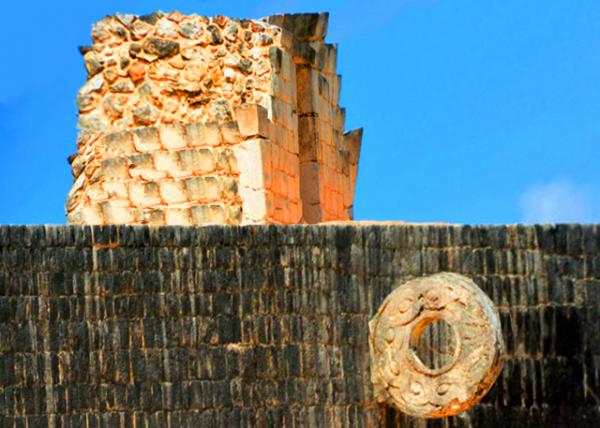 Stone Ring Embedded in the Great Ball Court Stone Ring Embedded in the Great Ball Court
(镶嵌在大球场中的石环) 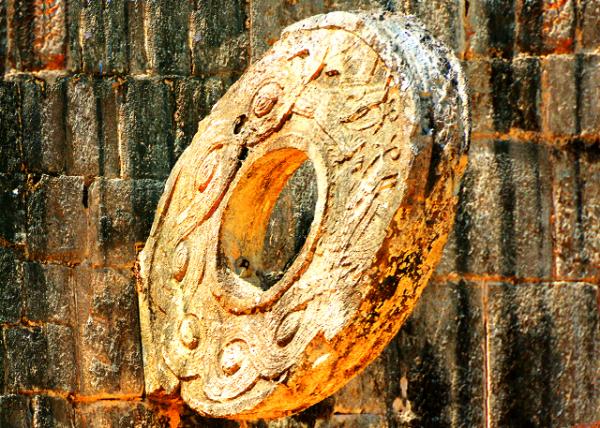 Stone Ring Located 9-Meter/30-Ft above the Floor of the Great Ballcourt Stone Ring Located 9-Meter/30-Ft above the Floor of the Great Ballcourt
(石环·位于大球场地上9米/30英尺处) 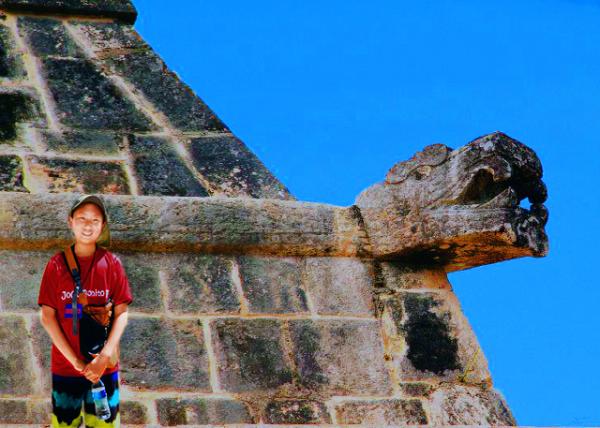 Great Hall w/ an Ancient Stone Carving of a Serpent Great Hall w/ an Ancient Stone Carving of a Serpent
(大厅·刻有古代蛇石雕 11-03-2014)
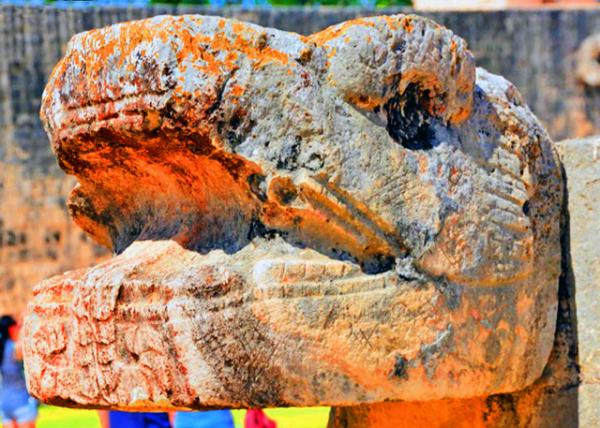 Ornately Decorated w/ Feathered Serpent Motifs, Symbols of the Mayan God Kukulkan Ornately Decorated w/ Feathered Serpent Motifs, Symbols of the Mayan God Kukulkan
(华丽且象征玛雅神库库尔坎的羽蛇图案) 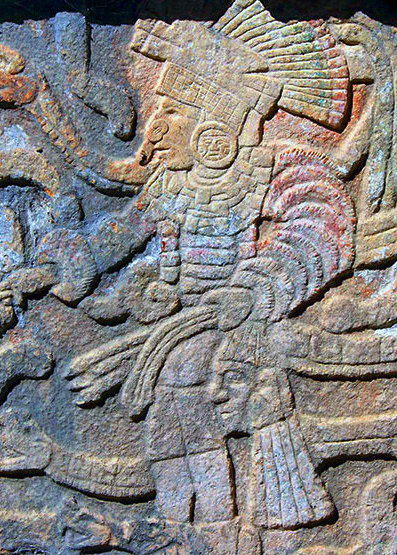
Bas-Relief Carving of an American Indian Chieftain @ Great Ballcourt (大球场·有关美洲印第安酋长的浅浮雕)
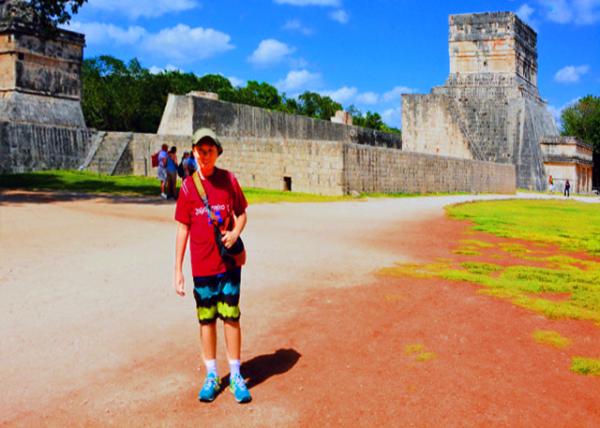 Temples of Jaguar & Castle of the Great Ballcourt Temples of Jaguar & Castle of the Great Ballcourt
(美洲豹神庙与大球场城堡 11-03-2014) 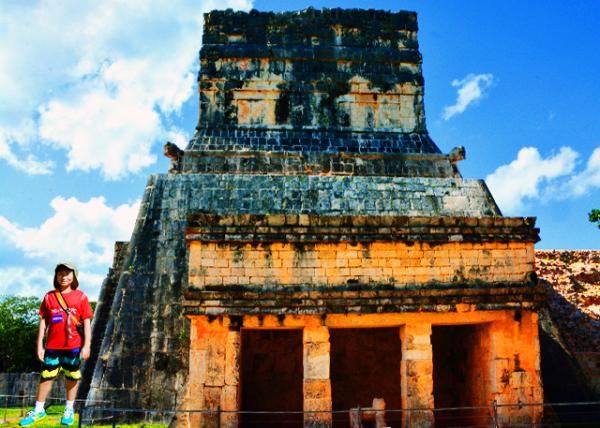 Façade @ Temples of Jaguar, a Central Ceremonial Area of the City Façade @ Temples of Jaguar, a Central Ceremonial Area of the City
(美洲豹神庙正立面·该市的中心礼仪区 11-03-2014) 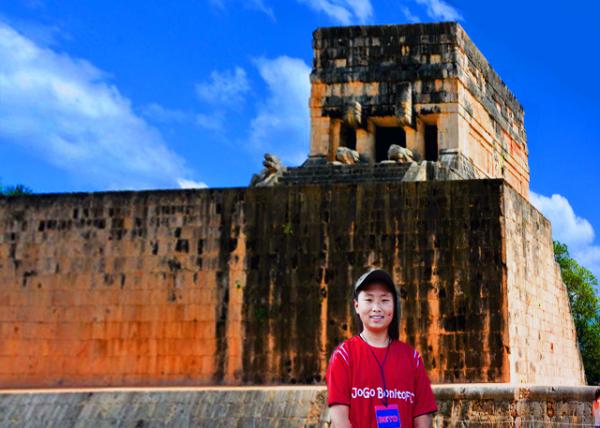 Temples of Jaguar, Guarded by 2 Large Columns Carved in the Feathered Serpent Motif Temples of Jaguar, Guarded by 2 Large Columns Carved in the Feathered Serpent Motif
(美洲豹神庙背面·由两根雕刻有羽蛇图案的大型柱子守护 11-03-2014) 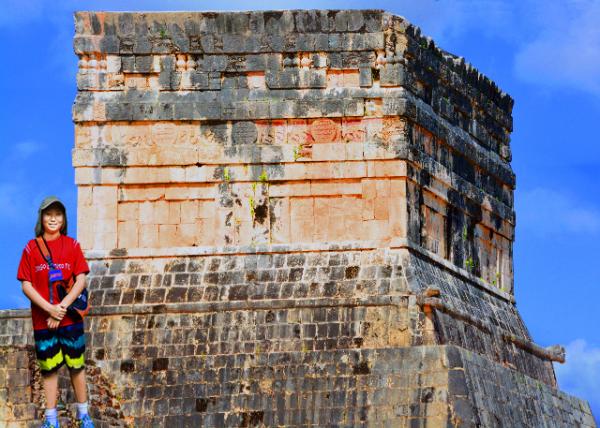 Upper Temple of the Jaguar, Containing 2 Columns Carved w/ Feathered Serpents Upper Temple of the Jaguar, Containing 2 Columns Carved w/ Feathered Serpents
(美洲豹上神庙·含有两根雕饰羽蛇的柱子 11-03-2014)
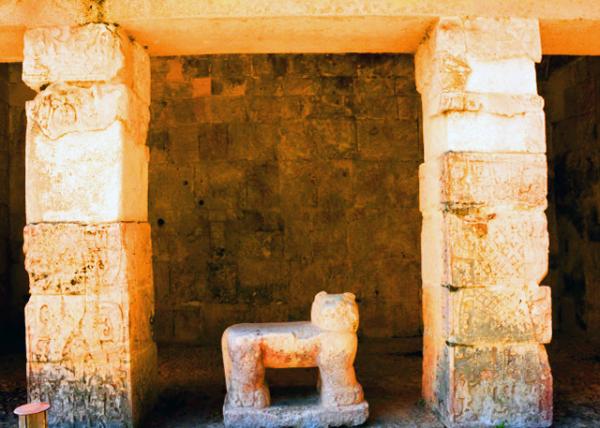 Lower Temple of the Jaguar, Featuring a Jaguar Throne & Heavily Decorated Columns & Walls Lower Temple of the Jaguar, Featuring a Jaguar Throne & Heavily Decorated Columns & Walls
(美洲豹下神庙·以美洲豹王座及装饰华丽的柱子和墙壁为特色)
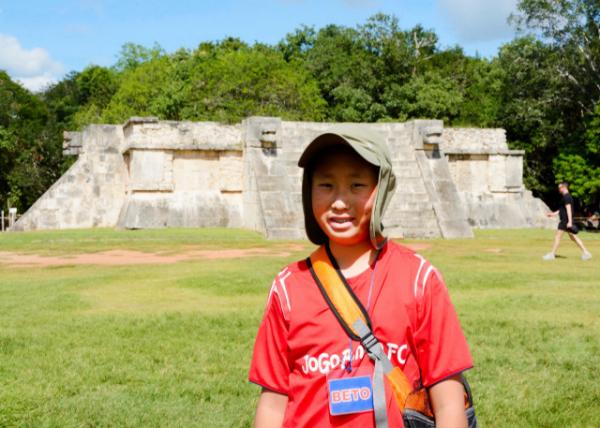 Platform of the Eagles & the Jaguars Platform of the Eagles & the Jaguars
(老鹰和美洲豹平台 11-03-2014) 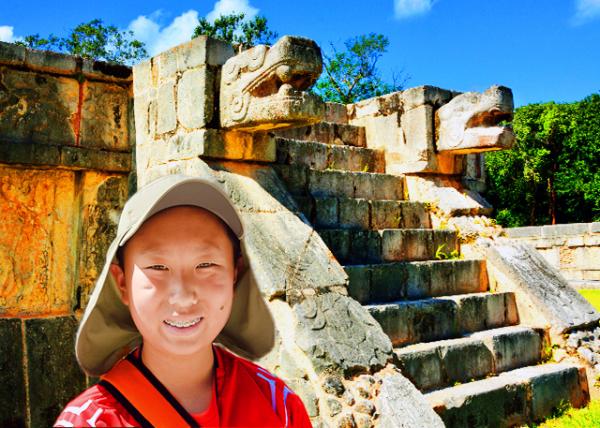 Platform of the Eagles & the Jaguars, Built between 900 & 1200 A.D. during the Early Postclassic Period Platform of the Eagles & the Jaguars, Built between 900 & 1200 A.D. during the Early Postclassic Period
(老鹰和美洲豹平台·建于公元900—1200年间,即后古典时期的早期 11-03-2014) 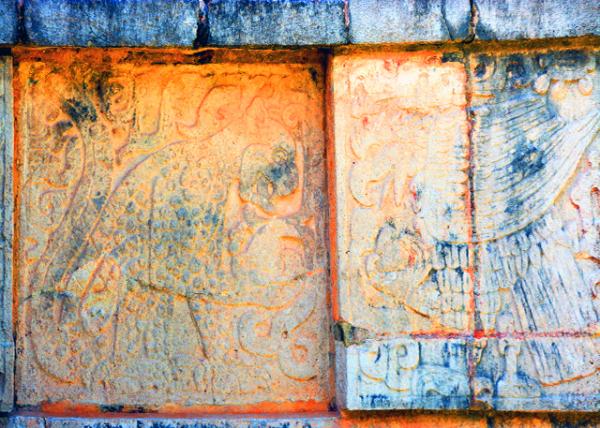 Mayan Murals @ Platform of the Jaguars & Eagles, Depicting Jaguars & Eagles Grasping Human Hearts Mayan Murals @ Platform of the Jaguars & Eagles, Depicting Jaguars & Eagles Grasping Human Hearts
(美洲虎与雄鹰平台玛雅壁画·描绘美洲虎与雄鹰蚕食人类心脏)
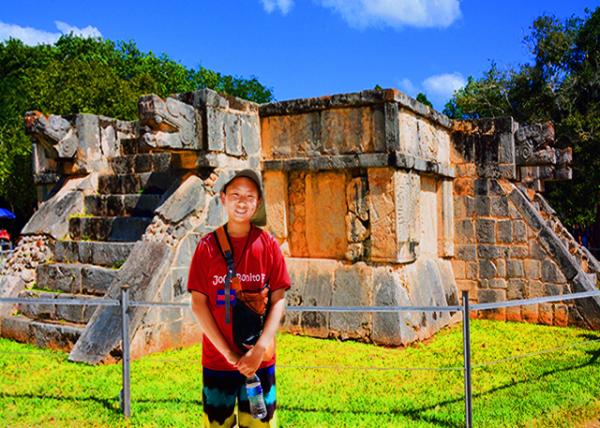 Platform of Venus w/ Its Huge, Ornate & Superbly Preserved Plumed Serpent Heads Platform of Venus w/ Its Huge, Ornate & Superbly Preserved Plumed Serpent Heads
(金星平台·巨大、华丽且保存完好的羽蛇神头 11-03-2014) 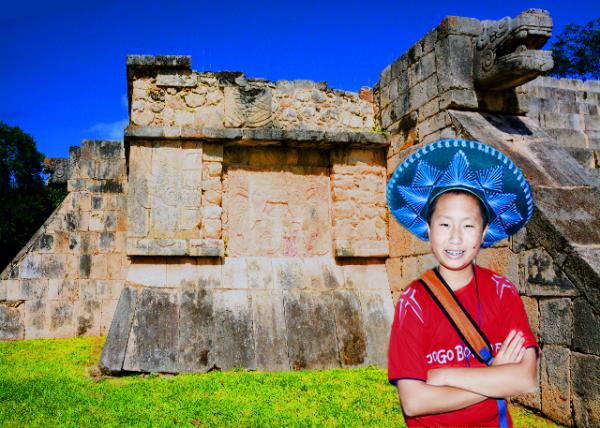 Platform of Venus, Used for Tracking the Movements of Venus, Crucial for the Maya Calendar, Agriculture, & Important Rituals Platform of Venus, Used for Tracking the Movements of Venus, Crucial for the Maya Calendar, Agriculture, & Important Rituals
(金星平台·用于追踪对玛雅历法、农业和重要仪式至关重要的金星运动 11-03-2014) 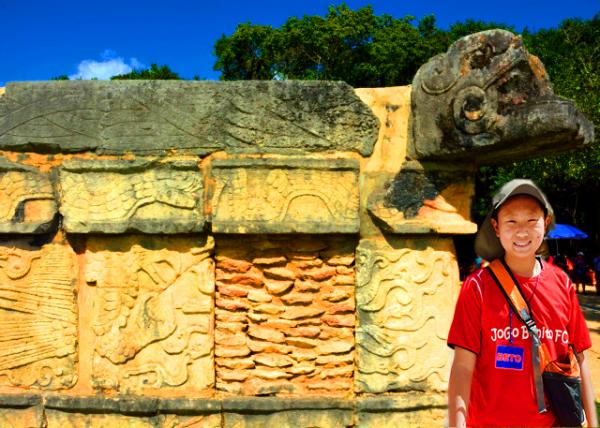 Stone Skull Platform (Tzompantli) w/ the Head of Kukulkan (Feathered Serpent), the Maya Snake Deity Stone Skull Platform (Tzompantli) w/ the Head of Kukulkan (Feathered Serpent), the Maya Snake Deity
(石颅平台·玛雅羽蛇神库库尔坎 11-03-2014) 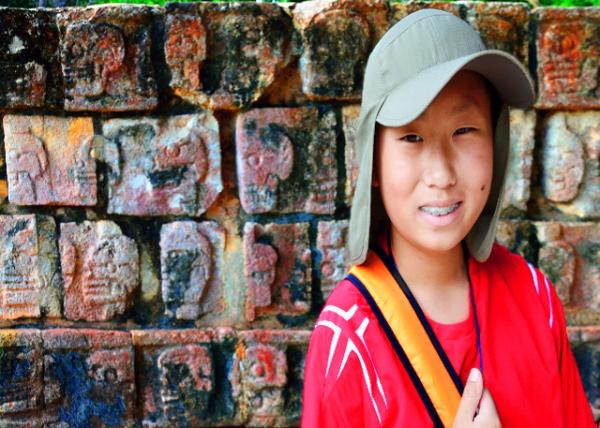 Bas-Relief of Human Skulls, Memorialized Sacrificial Victims & Displayed the Heads of Defeated Enemies @ Stone Skull Platform Bas-Relief of Human Skulls, Memorialized Sacrificial Victims & Displayed the Heads of Defeated Enemies @ Stone Skull Platform
(石颅平台·祭祀的牺牲者,并展示战败敌人的头颅 11-03-2014) 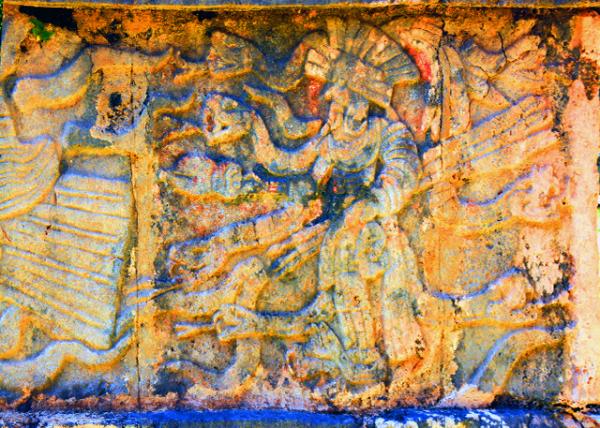 Bas-Relief of an American Indian Chieftain, Pre-Columbian Maya Civilization @ Stone Skull Platform Bas-Relief of an American Indian Chieftain, Pre-Columbian Maya Civilization @ Stone Skull Platform
(石颅平台·美洲印第安酋长浅浮雕,有关前哥伦布“鸽子”时期玛雅文明) 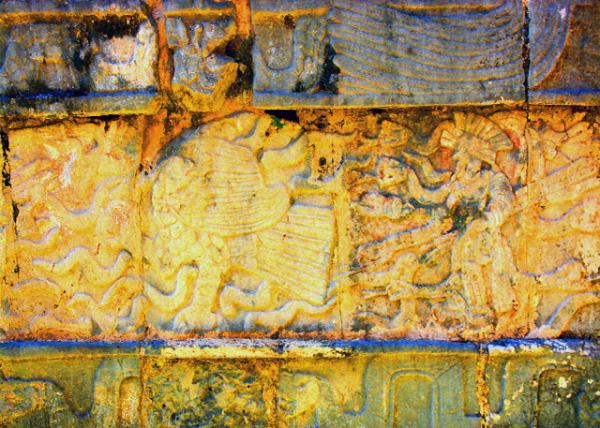 Mayan Murals @ Stone Skull Platform Mayan Murals @ Stone Skull Platform
(石颅平台·玛雅人壁画) 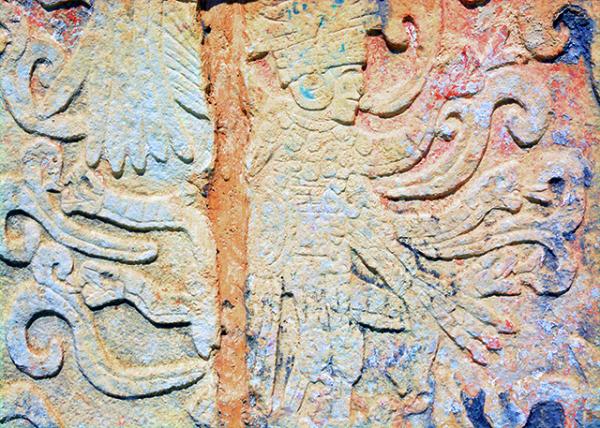 "Mayan Warrior" Carved @ Stone Skull Platform "Mayan Warrior" Carved @ Stone Skull Platform
(石颅平台·石雕《玛雅战士》) 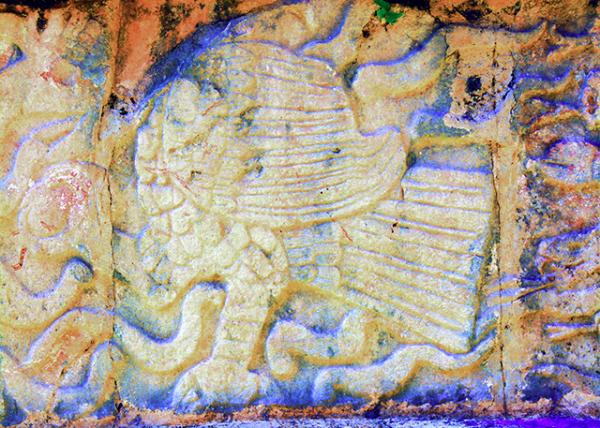 Sculpture of Serpent Carved @ Stone Skull Platform Sculpture of Serpent Carved @ Stone Skull Platform
(石颅平台·雕刻《蛇》) 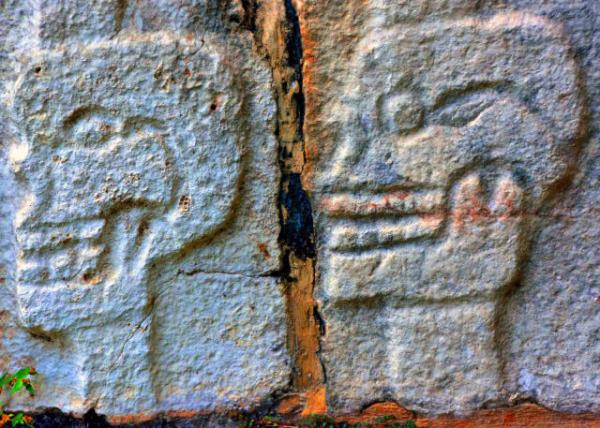 Bas-Relief Carving w/ Human Skulls @ Stone Skull Platform Bas-Relief Carving w/ Human Skulls @ Stone Skull Platform
(石颅平台·带有人类头骨的浅浮雕)
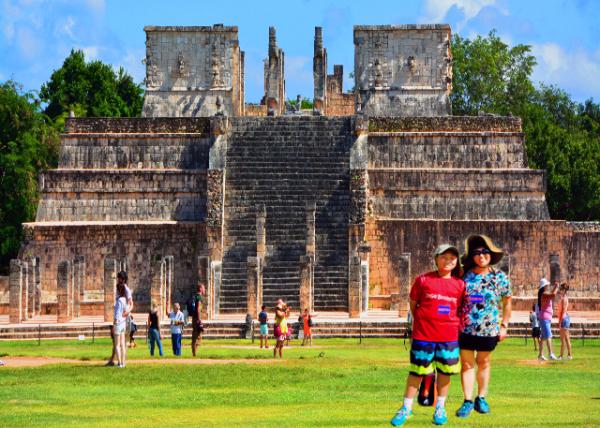 Temple of the Warriors Complex w/ a Large Stepped Pyramid Temple of the Warriors Complex w/ a Large Stepped Pyramid
(武士神庙建筑群·由大型阶梯式金字塔组成 11-03-2014)
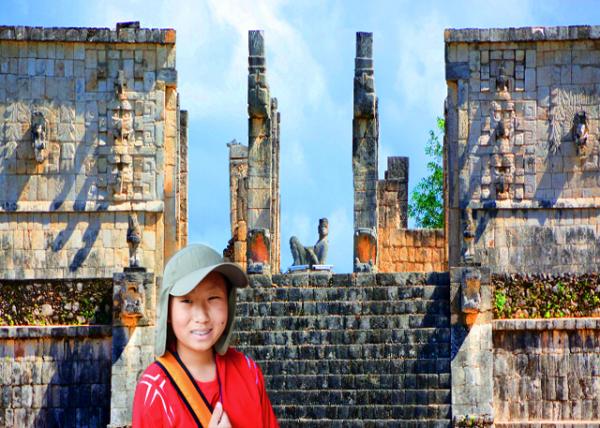 Temple of the Warriors, a Large Stepped Pyramid Fronted & Flanked by Rows of Carved Columns Depicting Warriors Temple of the Warriors, a Large Stepped Pyramid Fronted & Flanked by Rows of Carved Columns Depicting Warriors
(武士神庙·大型阶梯式金字塔正面和侧面带有武士雕刻柱) 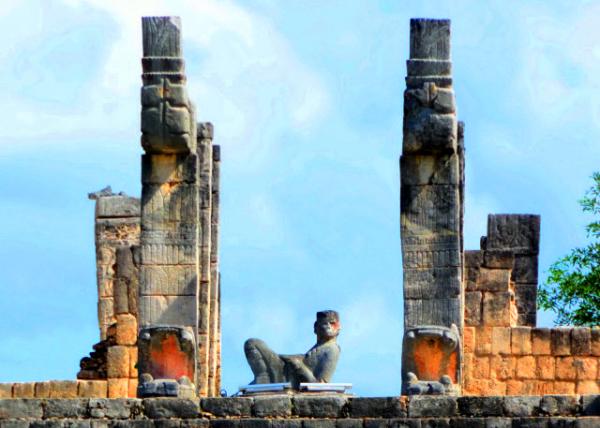 Statue of Chacmool @ Tempe of the Warriors Statue of Chacmool @ Tempe of the Warriors
(武士神庙·雕塑《查克穆尔“红色或巨大的美洲豹爪子”》) 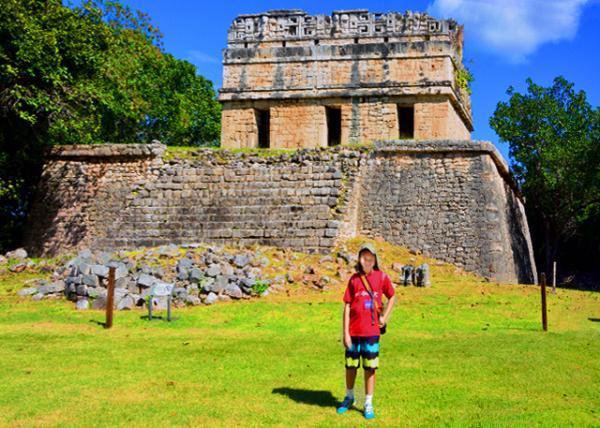 Casa Colorada or Chichanchob w/ Its Detailed, Ancient Hieroglyphics in Recording the History of Chichen Itza's Rulers Casa Colorada or Chichanchob w/ Its Detailed, Ancient Hieroglyphics in Recording the History of Chichen Itza's Rulers
(红房子·详细的古代象形文字记录了奇琴伊察统治者的历史 11-03-2014) 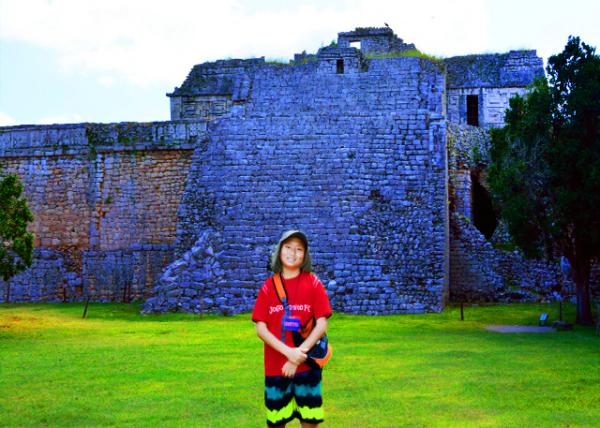 Nunnery, Showcased the Distinct Puuc Architectural Style & Characterized by Intricate Geometric Patterns & Decorative Elements Found on Its Façade Nunnery, Showcased the Distinct Puuc Architectural Style & Characterized by Intricate Geometric Patterns & Decorative Elements Found on Its Façade
(修女院·展示独特的普克“丘陵”玛雅建筑风格,外观上有复杂的几何图案和装饰元素 11-03-2014) 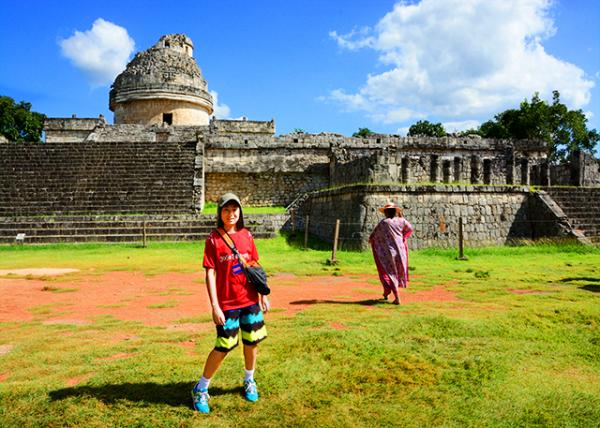 El Caracol or the Observatory, Used to Track the Movements of Venus & Other Celestial Bodies El Caracol or the Observatory, Used to Track the Movements of Venus & Other Celestial Bodies
(卡拉科尔“蜗牛”天文台·用于追踪金星和其它天体运动的古老玛雅天文台 11-03-2014)
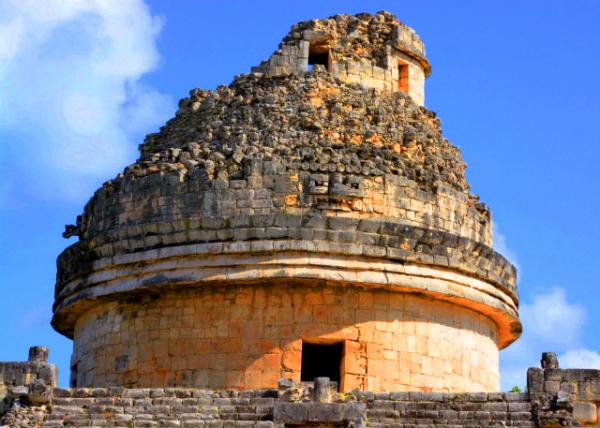 Doors & Windows Aligned to Astronomical Events @ El Caracol Doors & Windows Aligned to Astronomical Events @ El Caracol
(天文台·门窗与天文连线对齐)
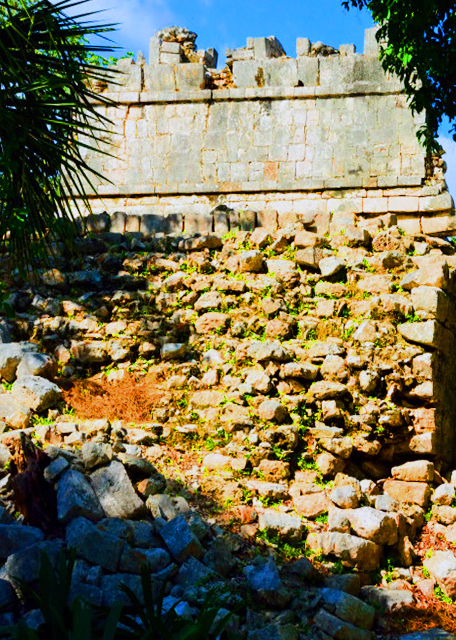
House of Deer or Casa del Venado, Dated from the Terminal Classic Period, Probably a Religious or Civic Function 鹿屋 (鹿屋·建于古典时代晚期,可能涉及宗教或公民职责)
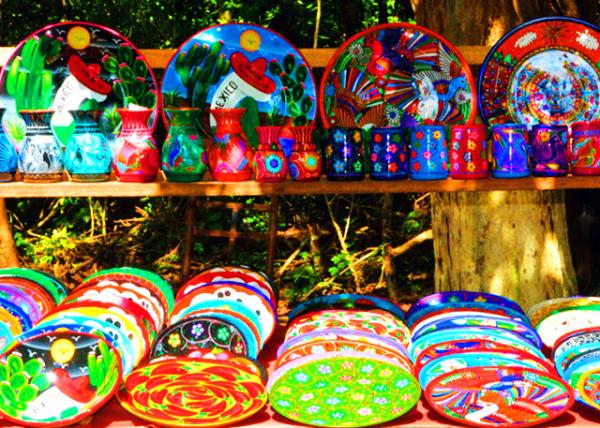 Traditional Mexican Ceramic Souvenirs Traditional Mexican Ceramic Souvenirs
(传统的墨西哥陶瓷纪念品) 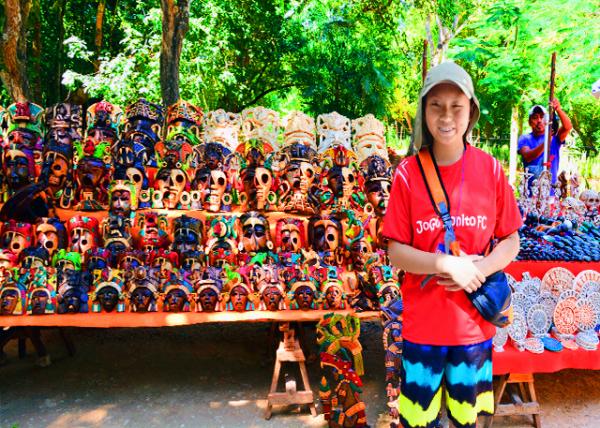 Souvenir Masks Handmade from Wood Souvenir Masks Handmade from Wood
(手工制作的木制面具纪念品 11-03-2014) 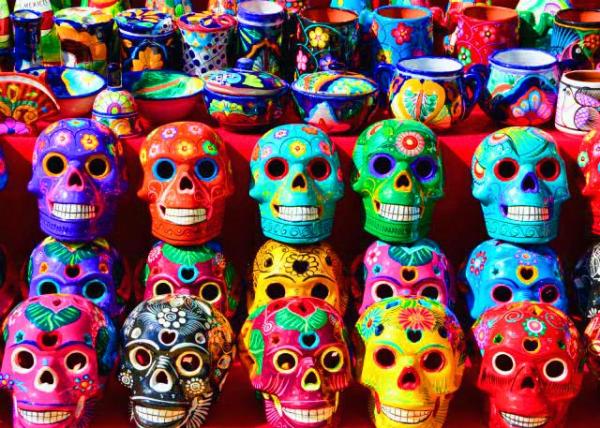 Calaveras, Traditional Mexican Decorative Skulls Used to Celebrate the Day of the Dead Calaveras, Traditional Mexican Decorative Skulls Used to Celebrate the Day of the Dead
(卡拉维拉斯“骷髅”·墨西哥传统的装饰性骷髅头,用于庆祝亡灵节) 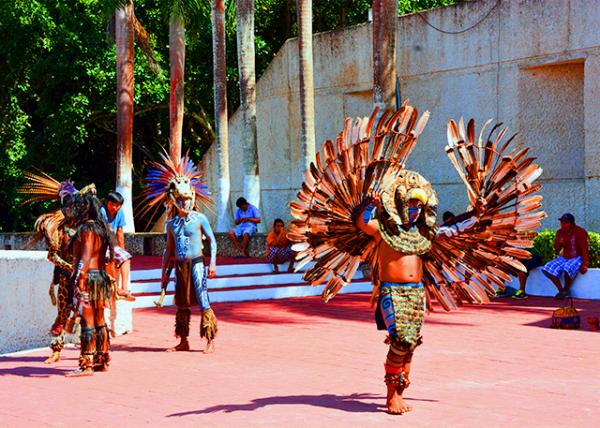 Mayan Dance Ritual in Traditional Mayan Eagle Costumes Mayan Dance Ritual in Traditional Mayan Eagle Costumes
(玛雅舞蹈仪式·表演者身着传统玛雅鹰服)
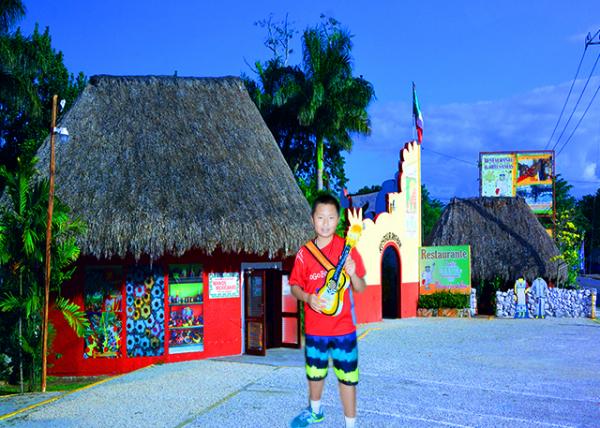 Traditional Thatched-roof Architecture (传统茅草屋 11-03-2014) Traditional Thatched-roof Architecture (传统茅草屋 11-03-2014)
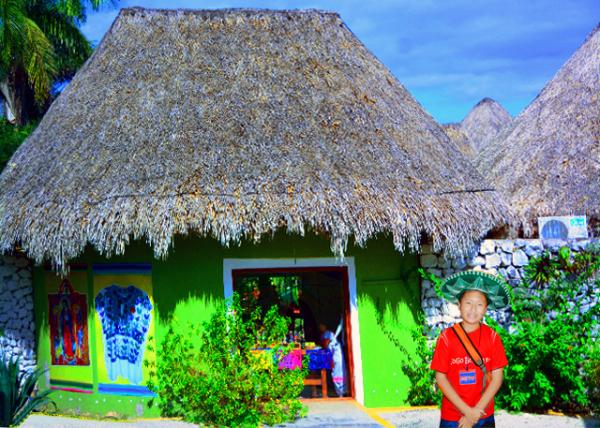 Mexican Buffet Restaurant (墨西哥自助餐饭店 11-03-2014) Mexican Buffet Restaurant (墨西哥自助餐饭店 11-03-2014)
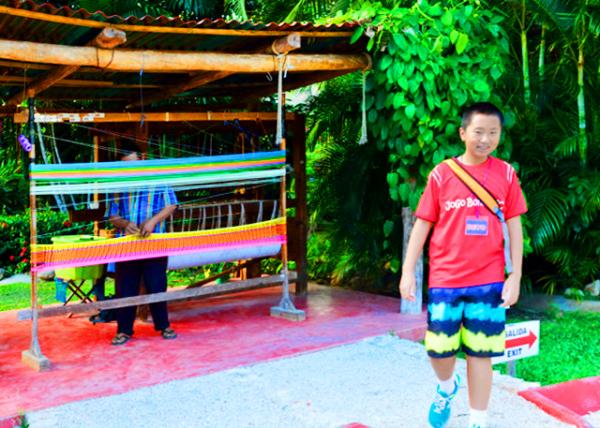 Mexican Weaving (墨西哥编织 11-03-2014) Mexican Weaving (墨西哥编织 11-03-2014)
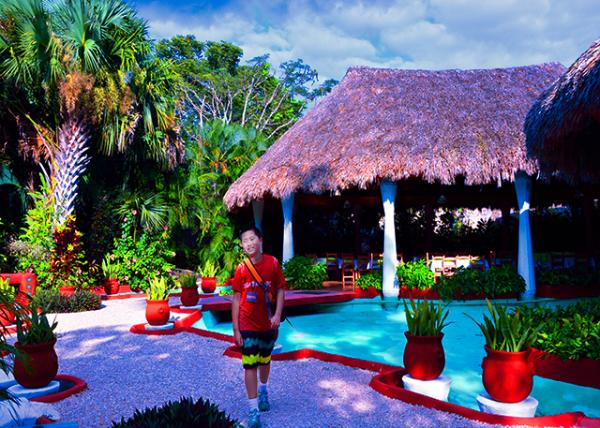 Traditional Mexican Courtyard (传统墨西哥庭院 11-03-2014) Traditional Mexican Courtyard (传统墨西哥庭院 11-03-2014)
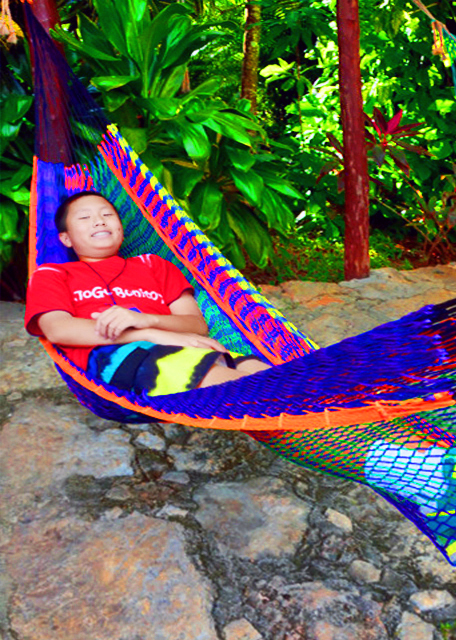
Mexican Jungle Hammock (墨西哥丛林吊床11-03-2014) 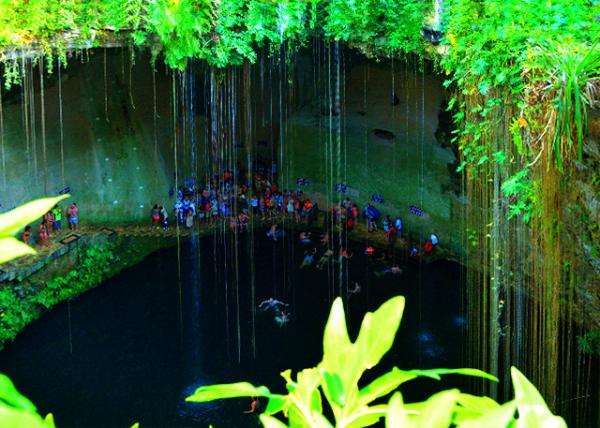 Ik Kil Cenote, the Site as a Location for Human Sacrifice to Their Rain God, Chaac Ik Kil Cenote, the Site as a Location for Human Sacrifice to Their Rain God, Chaac
(伊克基尔天坑·玛雅人曾在此地举行活人祭祀查克“雨神”的仪式) 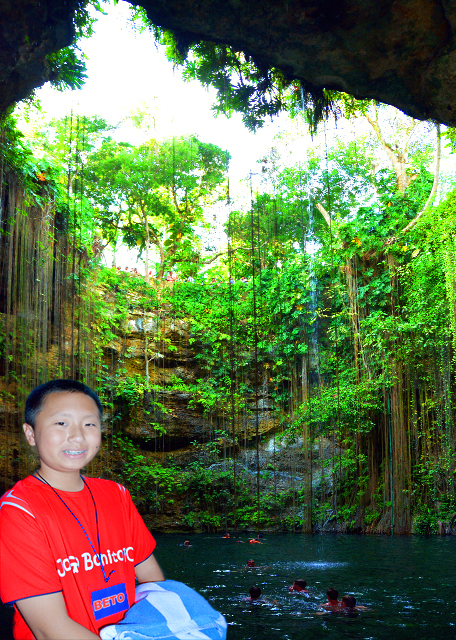
Ik Kil Cenote, Characterized by Lush Green Vines (伊克基尔天坑·拥有葱郁的藤蔓 11-03-2014) 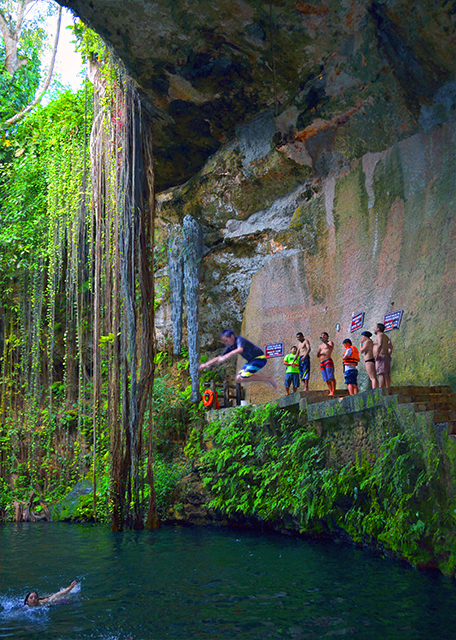
Ik Kil Cenote, Jumped down about 26 Meters/85 Ft below Ground Level (伊克基尔天坑·水位低于地面26米85英尺 11-03-2014) 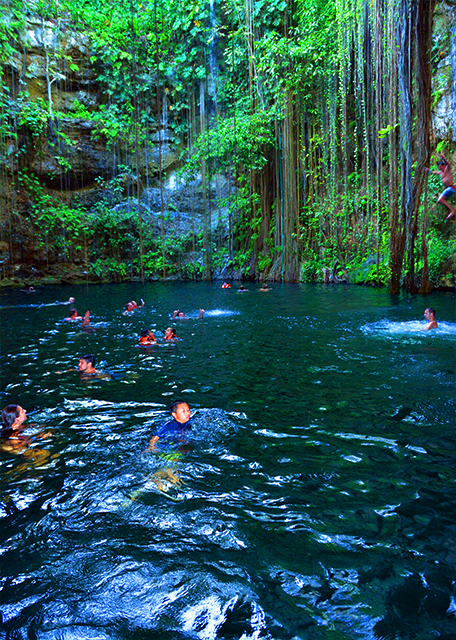
Ik Kil Cenote, Offering Deep Blue Water for Swimming along a Large, Open-Air Sinkhole w/ Steep Walls Covered in Greenery (伊克基尔天坑·巨大的露天落水洞,其陡峭的墙壁上覆盖着绿色植物,深蓝色海水可供游泳 11-03-2014) 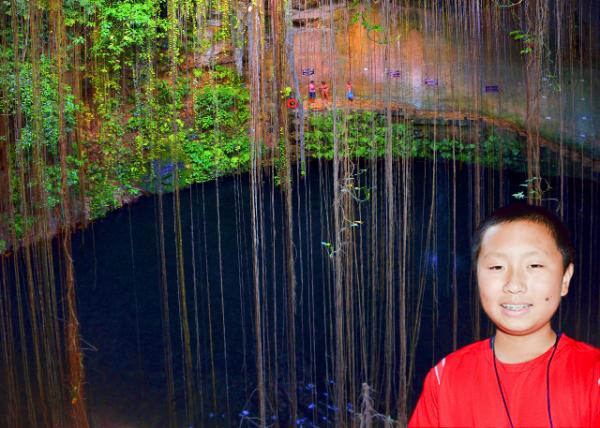 Ik Kil Cenote, Mayan Sacred Place w/ Platforms for Cliff Jumping Ik Kil Cenote, Mayan Sacred Place w/ Platforms for Cliff Jumping
(伊克基尔天坑·玛雅人圣地可供悬崖跳水 11-03-2014) 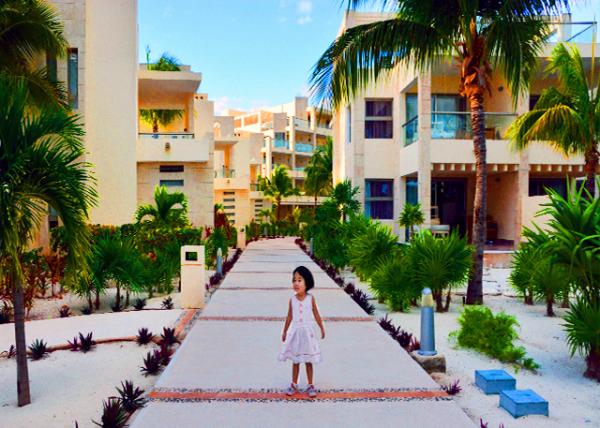 Beloved Playa Mujeres, All Inclusive Hotel Beloved Playa Mujeres, All Inclusive Hotel
(女人钟爱的海滩度假村·全包酒店 11-03-2014) 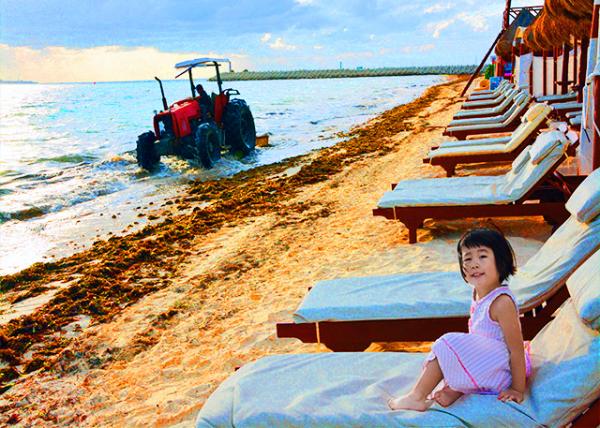 Beloved Playa Mujeres, Mesmerizing Views of the Ocean to Its Secluded Sands Beloved Playa Mujeres, Mesmerizing Views of the Ocean to Its Secluded Sands
(女人钟爱的海滩度假村·迷人的海景和僻静的沙滩 11-03-2014)  Tropical Beach Hut @ the Beloved Playa Mujeres Tropical Beach Hut @ the Beloved Playa Mujeres
(女人钟爱的海滩度假村·热带海滩草棚 11-03-2014)
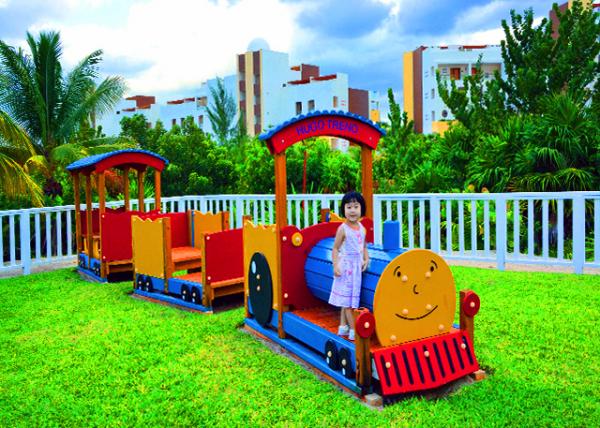 Hugo Treno or Intelligent Train Adapted for the TV Show Thomas & Friends @ Beloved Playa Mujeres Hugo Treno or Intelligent Train Adapted for the TV Show Thomas & Friends @ Beloved Playa Mujeres
(女人钟爱的海滩度假村·改编成电视剧《托马斯“双”和朋友》的智能火车 11-03-2014)
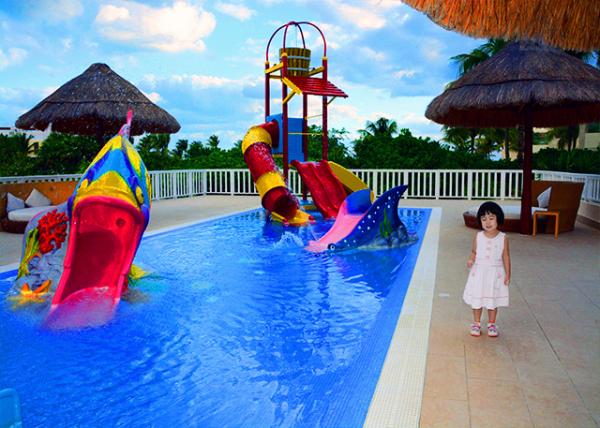 Waterslides @ Beloved Playa Mujeres Waterslides @ Beloved Playa Mujeres
(女人钟爱的海滩度假村·水上滑梯 11-03-2014) 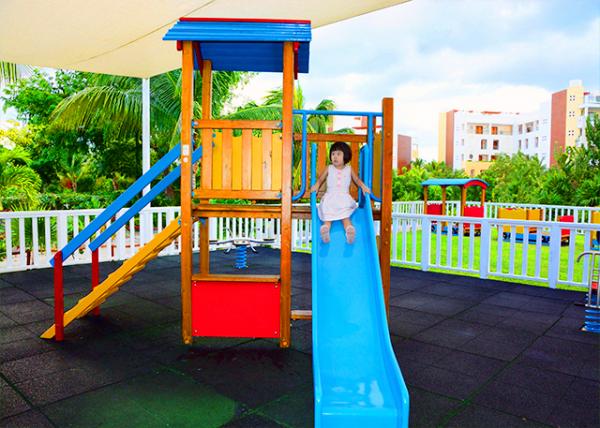 Playground @ Beloved Playa Mujeres Playground @ Beloved Playa Mujeres
(女人钟爱的海滩度假村·操场 11-03-2014) 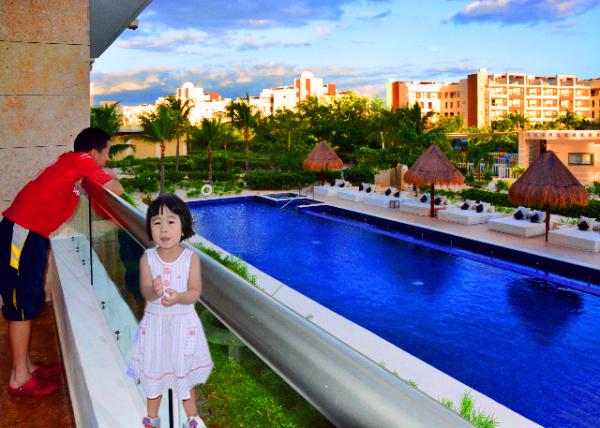 Pool @ Beloved Playa Mujeres Pool @ Beloved Playa Mujeres
(女人钟爱的海滩度假村·游泳池 11-03-2014) 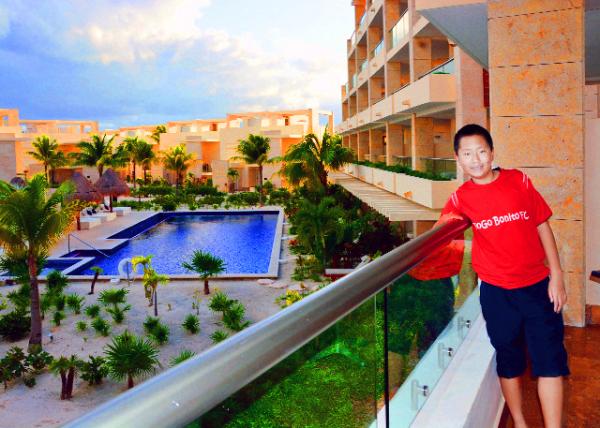 Beloved Playa Mujeres Overlooked from the Balcony Beloved Playa Mujeres Overlooked from the Balcony
(从阳台俯瞰女人钟爱的海滩度假村 11-03-2014) 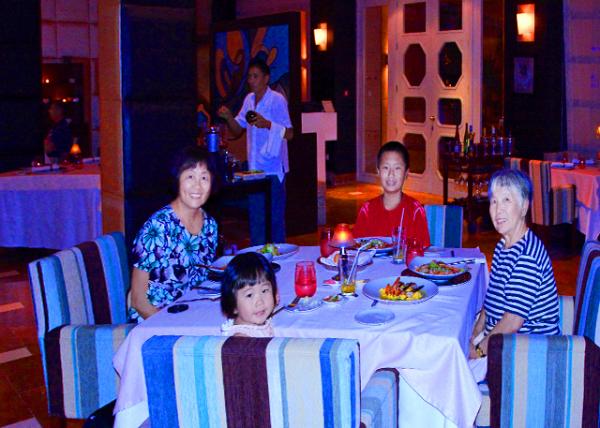 Lupita Mexican Restaurant @ the Beloved Playa Mujeres Lupita Mexican Restaurant @ the Beloved Playa Mujeres
(女人钟爱的海滩度假村·卢皮塔“小狼”墨西哥餐厅 11-03-2014) 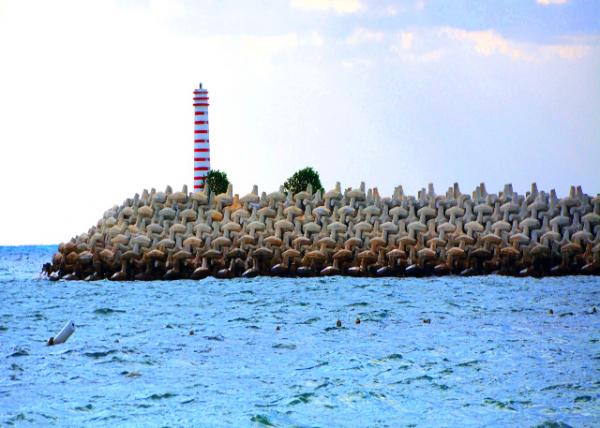 Lighthouse @ Playa Mujeres (女人海滩灯塔) Lighthouse @ Playa Mujeres (女人海滩灯塔)
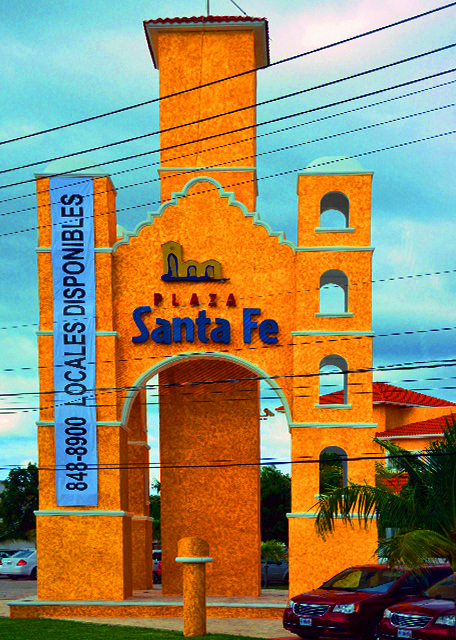
Plaza Santa Fe in Cancun (坎昆圣达菲“神圣信仰”广场) 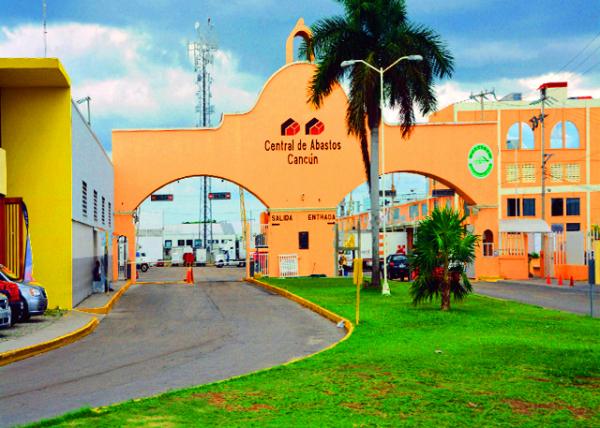 Central de Abastos in Cancun Central de Abastos in Cancun
(坎昆阿巴斯托中心“批发市场”) 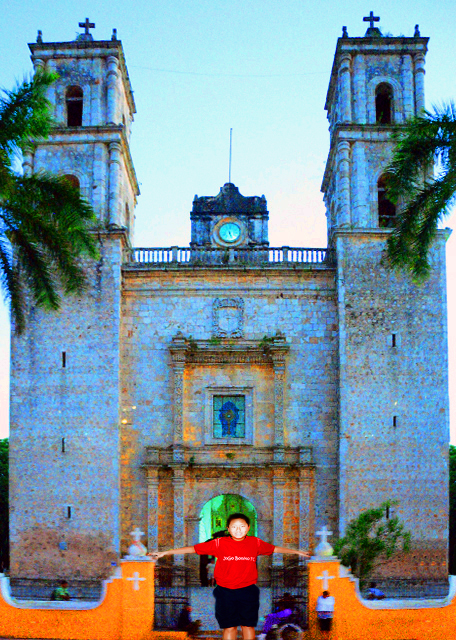
Iglesia de San Gervasio in Valladolid (巴利亚多利德“水谷”城·圣赫瓦修斯“长矛猎人”教堂 11-03-2014) 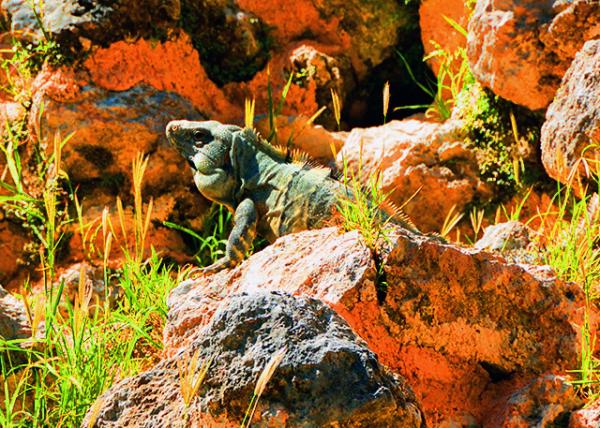 Iguana (鬣蜥) Iguana (鬣蜥)
Crosslinks(相关博文):
Mexico(出游墨西哥) 航游加勒比海(Caribbean) 6th Grade(初中一年级) |