2018-07-15
【Ode on a Grecian Urn】 〖UK〗John Keats (1795—1821) Thou still unravish'd bride of quietness, Thou foster-child of Silence and slow Time, Sylvan historian, who canst thus express A flowery tale more sweetly than our rhyme: What leaf-fring'd legend haunts about thy shape Of deities or mortals, or of both, In Tempe or the dales of Arcady? What men or gods are these? What maidens loth? What mad pursuit? What struggle to escape? What pipes and timbrels? What wild ecstasy? Heard melodies are sweet, but those unheard Are sweeter; therefore, ye soft pipes, play on; Not to the sensual ear, but, more endear'd, Pipe to the spirit ditties of no tone: Fair youth, beneath the trees, thou canst not leave Thy song, nor ever can those trees be bare; Bold lover, never, never canst thou kiss, Though winning near the goal—yet, do not grieve; She cannot fade, though thou hast not thy bliss, For ever wilt thou love, and she be fair!
Ah, happy, happy boughs! that cannot shed Your leaves, nor ever bid the Spring adieu; And, happy melodist, unwearied, For ever piping songs for ever new; More happy love! more happy, happy love! For ever warm and still to be enjoy'd, For ever panting, and for ever young; All breathing human passion far above, That leaves a heart high-sorrowful and cloy'd, A burning forehead, and a parching tongue. Who are these coming to the sacrifice? To what green altar, O mysterious priest, Lead’st thou that heifer lowing at the skies, And all her silken flanks with garlands drest? What little town by river or sea shore, Or mountain-built with peaceful citadel, Is emptied of this folk, this pious morn? And, little town, thy streets for evermore Will silent be; and not a soul to tell Why thou art desolate, can e’er return.
O Attic shape! Fair attitude! with breed Of marble men and maidens overwrought, With forest branches and the trodden weed; Thou, silent form, dost tease us out of thought As doth eternity: Cold pastoral! When old age shall this generation waste, Thou shalt remain, in midst of other woe Than ours, a friend to man, to whom thou say’st, “Beauty is truth, truth beauty”—that is all Ye know on earth, and all ye need to know. —— • —— • —— • —— • —— • —— • —— • ——
【《希腊古瓮颂》】 (英国)约翰·济慈“神慈·棚屋工”(1795生—1821卒) 你——“平静” 的保持着童贞的新娘, “沉默”和漫长的 “时间”领养的少女, 山林的历史家, 你如此美妙地叙讲 如花的故事, 胜过我们的诗句: 绿叶镶边的传说在你的身上缠, 讲的可是神, 或人, 或神人在一道, 活跃在滕坡, 或者阿卡狄谷地? 什么人, 什么神? 什么样姑娘不情愿? 怎样疯狂的追求? 竭力的脱逃? 什么笛, 铃鼓? 怎样忘情的狂喜?
听见的乐曲是悦耳, 听不见的旋律 更甜美; 风笛呵, 你该继续吹奏; 不是对耳朵, 而是对心灵奏出 无声的乐曲,送上更多的温柔: 树下的美少年,你永远不停止歌唱, 那些树木也永远不可能凋枯; 大胆的情郎,你永远得不到一吻, 虽然接近了目标——你可别悲伤, 她永远不衰老,尽管你摘不到幸福, 你永远在爱着,她永远美丽动人!
啊,幸运的树枝!你永远不掉下 你的绿叶,永不向春光告别; 幸福的乐手,你永远不知道疲乏, 永远奏出永远新鲜的音乐; 幸福的爱情!更加幸福的爱情! 永远热烈,永远等待着享受, 永远喘息着,永远是青春年少, 这一切情态,都这样超凡入圣, 永远不会让心灵餍足,发愁, 不会让额头发烧,舌蔽唇焦。
这些前来祭祀的都是什么人? 神秘的祭司,你的牛向上天哀唤, 让花环挂满在她那光柔的腰身, 你要牵她去哪一座青葱的祭坛? 这是哪一座小城,河边的,海边的, 还是靠山的,筑一座护卫的城砦—— 居尼们倾城而出,赶清早去敬神? 小城呵, 你的大街小巷将永远地 寂静无声, 没有一个灵魂会回来 说明你何以从此变成了荒城。
啊, 雅典的形状! 美的仪态! 身上雕满大理石少女和男人, 树林伸枝柯, 脚下倒伏着草莱: 你呵, 缄口的形体! 你冷嘲如 “永恒” 教我们超脱思虑。 冷色的牧歌! 等老年摧毁了我们这一代, 那时, 你将仍然是人类的朋友, 并且会见到另一些哀愁, 你会这样说: “美即是真, 真即是美”——这就是 我们在地上所知道、 该知道的一切。
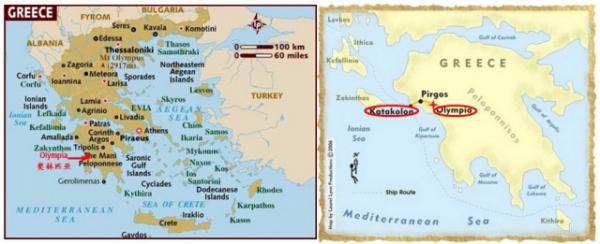
【注】摩西“拉出”站在尼波“先知”山(Mt. Nebo)上,眺望着远方的迦南“紫色之地”(Canaan),那是上帝向他的子民许诺的土地——一片流着奶与蜜的地方。他在旷野里漂泊了40年,经历了饥渴、战斗、背叛与救赎,终于来到了应许之地的门槛。上帝让他看见了那片土地的全貌,从基列“岩石地带”到但“审判”,拿弗他利“我的奋斗”到以法莲“富有成果”,从犹大“赞美”到西海,还有棕树城耶利哥“月亮城”的谷地,那是他梦想了一生的归宿。可上帝说,你看见了,却不能过去。摩西就死在尼波山上,没有踏上那片他魂牵梦萦的土地,但他的梦想从此种进了犹太民族的骨血里,成了一种象征——应许之地,不一定是你最终抵达的地方,而是你愿意为之付出一生的那个方向。 3,000年后,在伯罗奔尼撒“深色”半岛西部的奥林匹亚“众神圣所”,另一种应许之地亮起了光。那是古希腊人献给宙斯“天神”的圣地,公元前776年,第一届古代奥运会在这里举行,以后每四年一次,运动员从希腊各地赶来,在神坛前竞技,用汗水向诸神致敬。优胜者得到的不只是橄榄枝花冠,还有无上的荣耀——他们的名字被诗人传唱,雕像立在神殿旁,家乡为他们建起凯旋门。对于怀揣梦想的运动员来说,奥林匹亚就是他们的迦南。他们付出青春,忍受艰苦,承受失败,只为站在这片神圣的土地上,与世上的强者一较高下。他们梦想流淌在那里的汗水,混着橄榄油的香气,在烈日下闪闪发光;梦想胜利的甜蜜,站在领奖台上听国歌响起,热泪盈眶。 2004年,奥运会回到了它的发源地。当火炬在奥林匹亚的赫拉“守护女神”神庙前点燃,全世界的目光汇聚过来时,我触景生情,摩西的梦想与运动员的梦想,隔着3,000年,在那一瞬间撞在了一起。一个流着奶与蜜,一个淌着汗与荣耀;一个没能踏上那片土地,一个仍在奋力奔跑。可骨子里的东西是一样的——对梦想的执着,对承诺的坚守,对彼岸的渴望。尼波山上的摩西,奥林匹亚的运动员,还有我们这些普通人——都在各自的旷野中跋涉,朝着心中那片流着奶与蜜、淌着汗与光的地方,一步一步前行。那片土地未必能抵达,但它始终在那里;只要还在,脚下的路就值得走下去。 1989年,奥林匹亚考古遗址被联合国教科文组织纳入《世界遗产名录》。 Today in History(历史上的今天):
2018: Katakolon,Traditional Dishes GRC(希腊卡特克隆“来吧”港·传统菜肴) 2018: Olympia, Home of the Gods in Greece(希腊奥林匹亚·众神之家)
2017: Haarlem, the Flower City in Netherlands(荷兰哈勒姆·花城礼赞) 2017: Haarlem, the Master of Darkness NLD(荷兰哈勒姆·黑色圣地) 2014: 2014 First Fall Soccer Practice(2014年首次秋季足球训练) 2012: 烟囱雨燕驻我家(Chimney Swift) 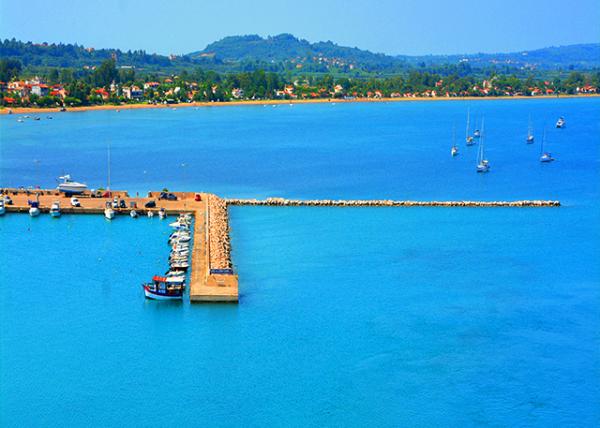 Katakolon Port by Saint Andrew Bay Katakolon Port by Saint Andrew Bay
(圣安德鲁“勇敢”湾·卡塔科隆“山羊”港) 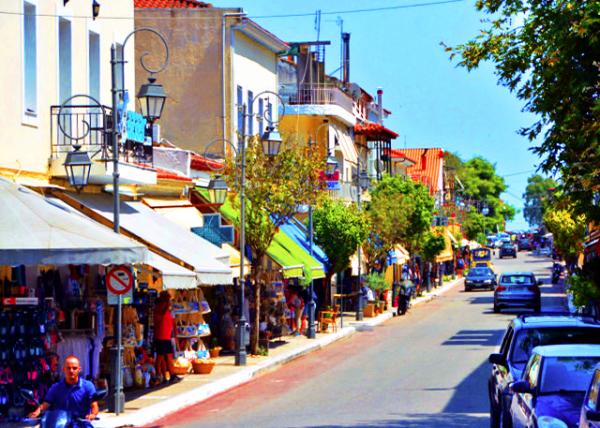 Downtown of Katakolon (卡塔科隆·城中心) Downtown of Katakolon (卡塔科隆·城中心)
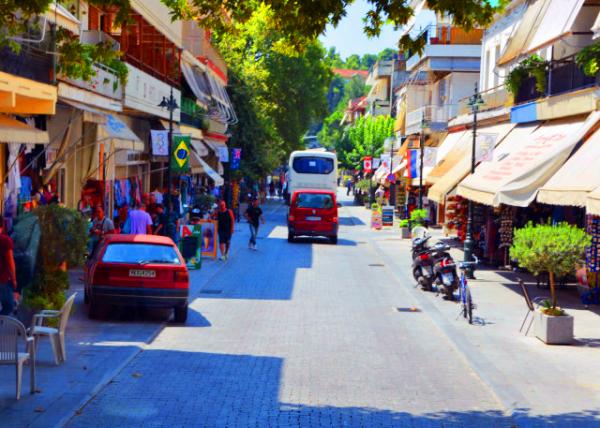 Olympia CBD (奥林匹亚商业中心) Olympia CBD (奥林匹亚商业中心)
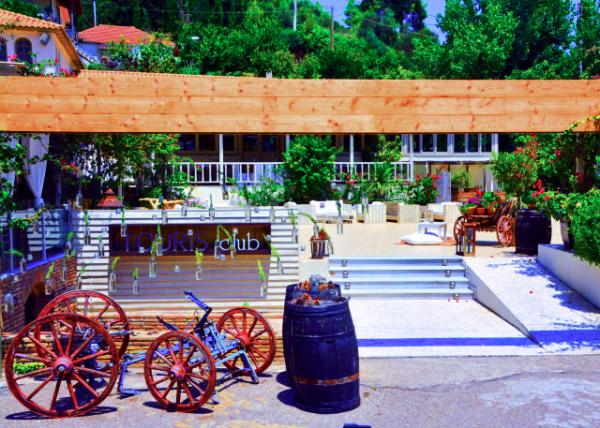 Touris Club, Olympia (奥林匹亚·旅游俱乐部) Touris Club, Olympia (奥林匹亚·旅游俱乐部)
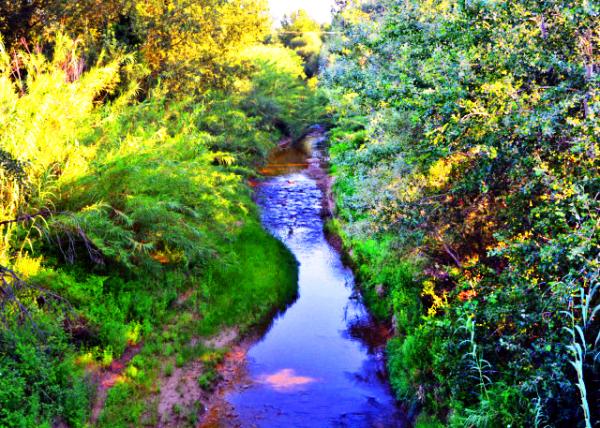 Kladeos River, River God in Greek Mythology Kladeos River, River God in Greek Mythology
(科拉狄奥“河神”河) 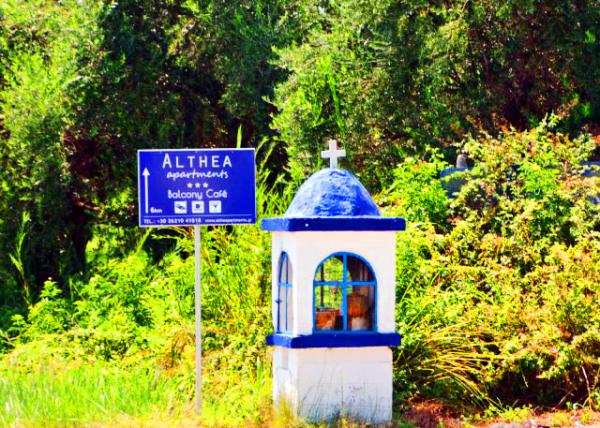 Roadside Altar (路边祭坛) Roadside Altar (路边祭坛)
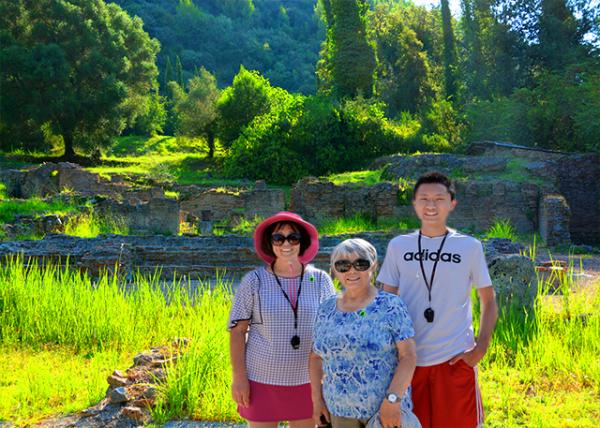 Kronion Thermae (科尼安“宙斯”温泉 07-15-2018) Kronion Thermae (科尼安“宙斯”温泉 07-15-2018)
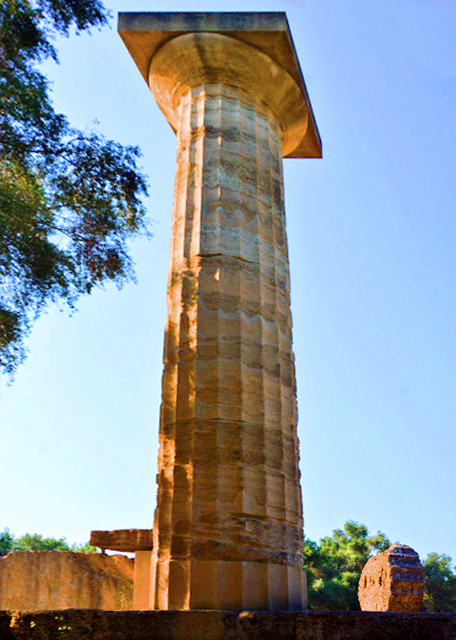
Doric Column, Strength and Masculinity (多立克柱·力量与阳刚之气) 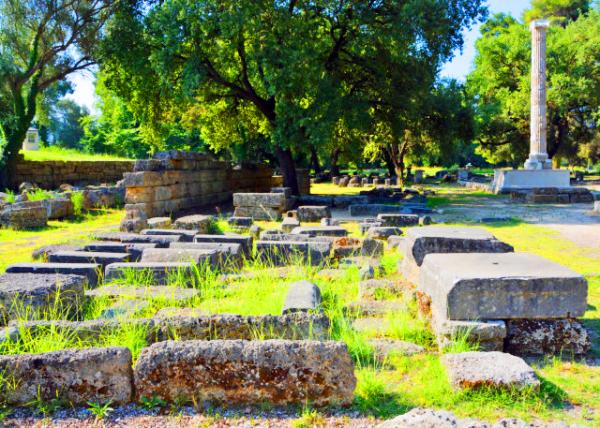 Building of Ptolemy II & Arsinoe II Building of Ptolemy II & Arsinoe II
(托勒密“好战”二世和阿尔西诺“崇高心智”二世建筑) 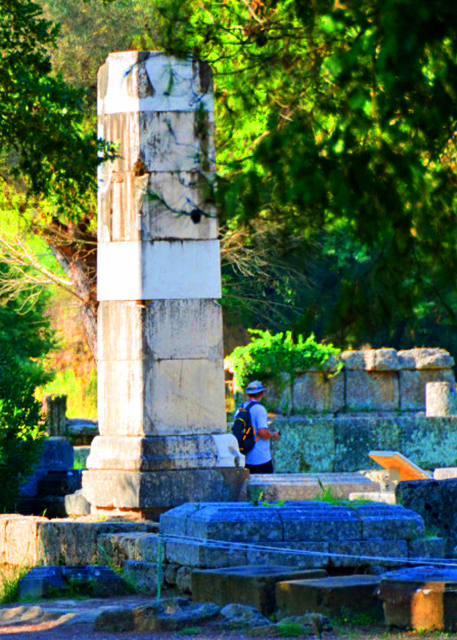
Base of Nike of Paeonios (帕奥尼奥斯“治愈者”的耐克“胜利女神”雕像基座) 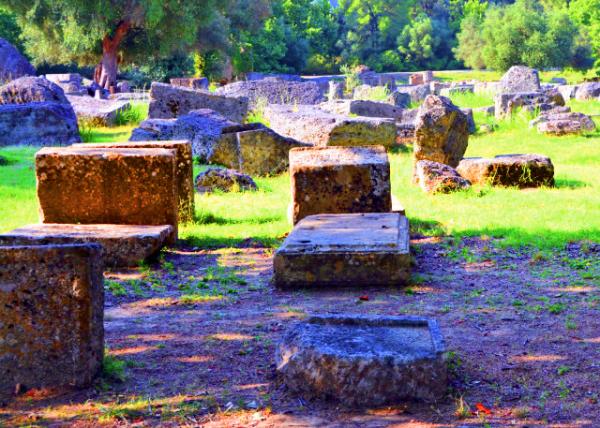 Echo Stoa (回声柱廊) Echo Stoa (回声柱廊)
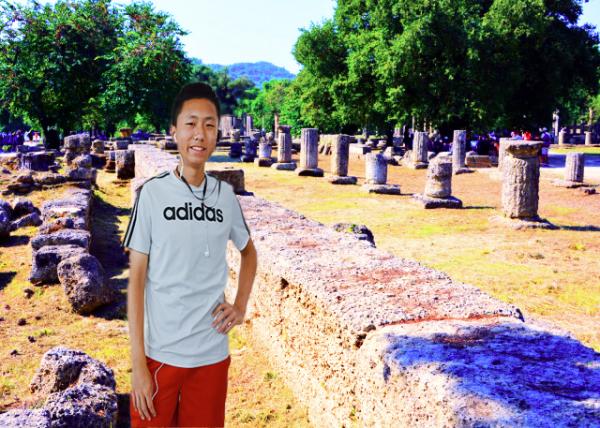 Gymnasion (体育馆 07-15-2018) Gymnasion (体育馆 07-15-2018)
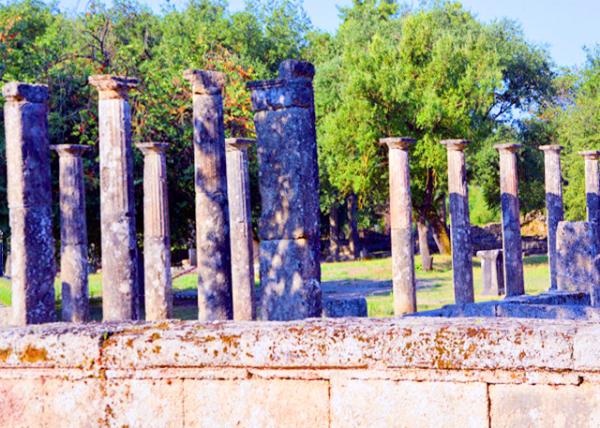 Palaestra Monument in the 3rd Century Palaestra Monument in the 3rd Century
(公元3世纪的摔跤场纪念碑) 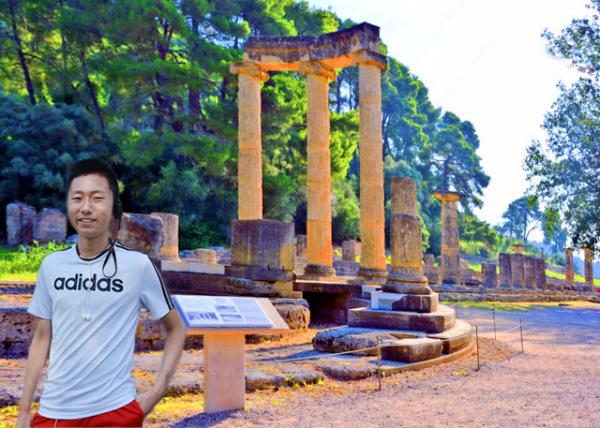 Philippeion, the Only Structure Inside the Altis Dedicated to a Human Philippeion, the Only Structure Inside the Altis Dedicated to a Human
(腓力“爱马仕”神庙·唯一献给人类的神庙 07-15-2018) 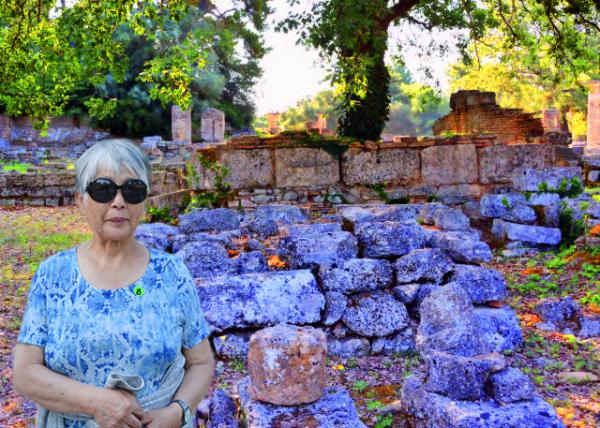 Prytaneion, the Administrative Center of the Sanctuary's Political Life & of the Olympic Games Prytaneion, the Administrative Center of the Sanctuary's Political Life & of the Olympic Games
(普里坦尼翁“执政厅”·政治生活和奥运会的行政中心 07-15-2018) 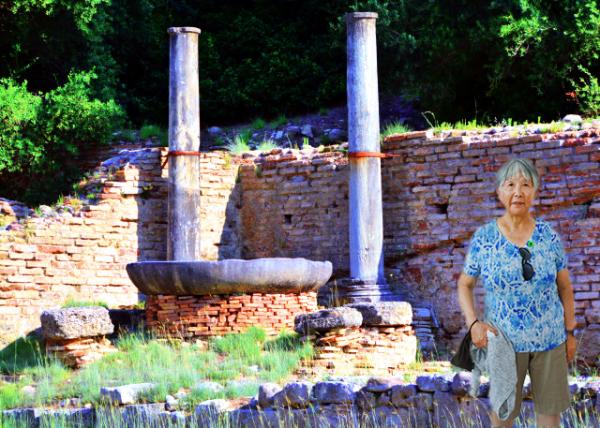 Hera's Altar (赫拉祭坛 07-15-2018) Hera's Altar (赫拉祭坛 07-15-2018)
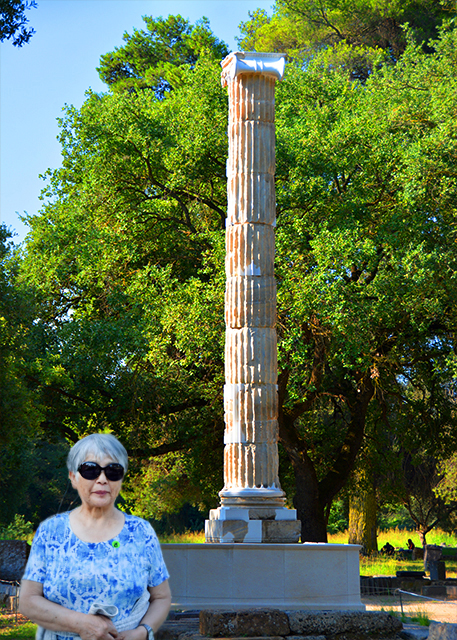
Ptolemaic Votive Monument (托勒密奉献纪念碑 07-15-2018) 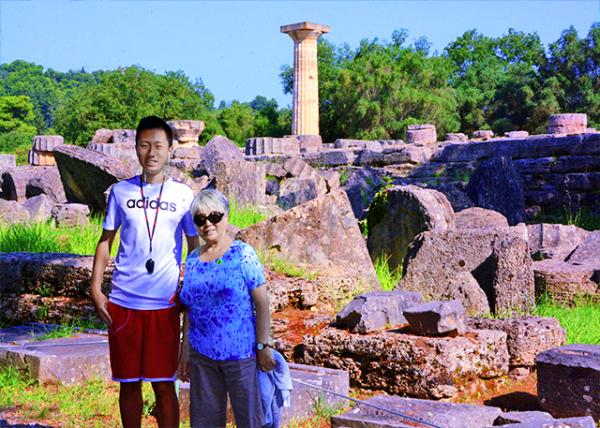 Temple of Zeus (宙斯“众神之王”神庙 07-15-2018) Temple of Zeus (宙斯“众神之王”神庙 07-15-2018)
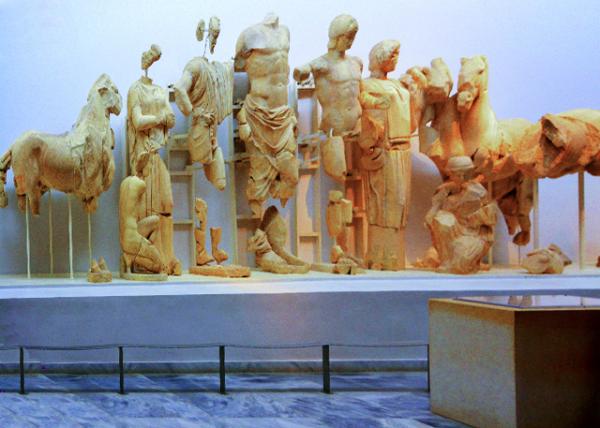 East Pediment of the Temple of Zeus (宙斯神庙·东山墙饰) East Pediment of the Temple of Zeus (宙斯神庙·东山墙饰)
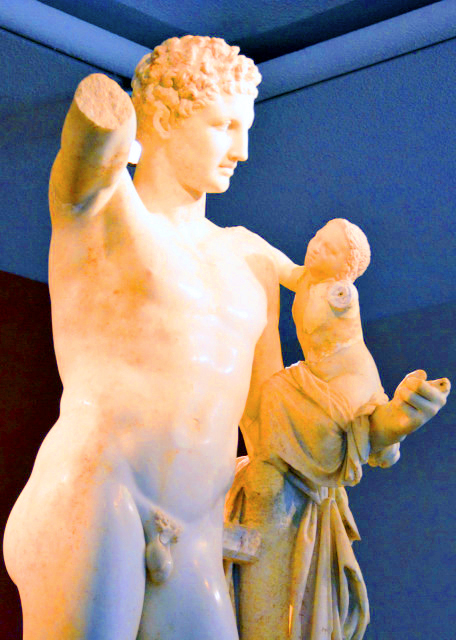
Hermes & the Infant Dionysos (赫尔墨斯“众神使者”与婴儿狄俄尼索斯“酒神”) 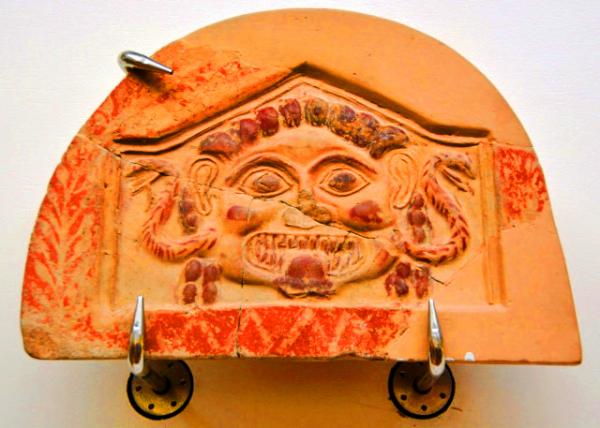 Medusa, the Gorgoneion Medusa, the Gorgoneion
(蛇发女妖美杜莎“守护”·戈尔贡“辟邪物”图饰“女魔垂饰”) 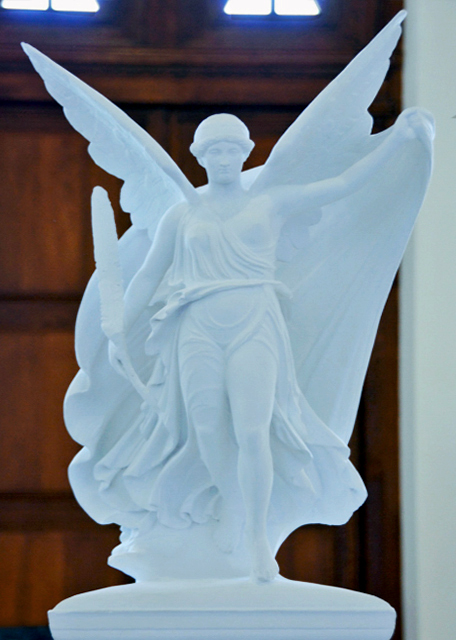
Nemea and the Nemean Games (尼米亚“放牧”与林区竞技会) 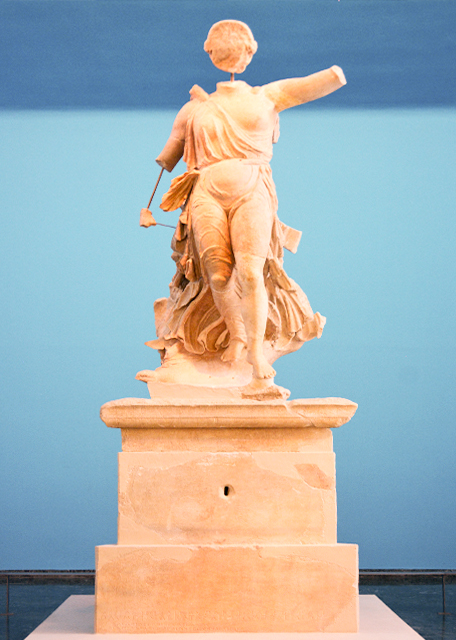
Nike of Paeonius (帕奥尼奥斯雕塑的《胜利女神》) 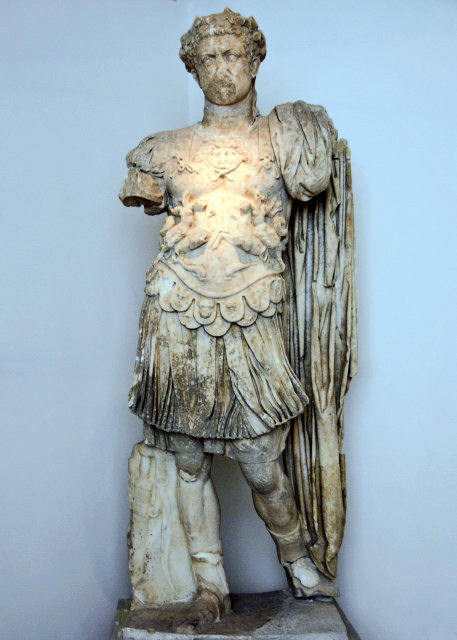
Emperor Titus (提图斯“巨人神祗”皇帝) 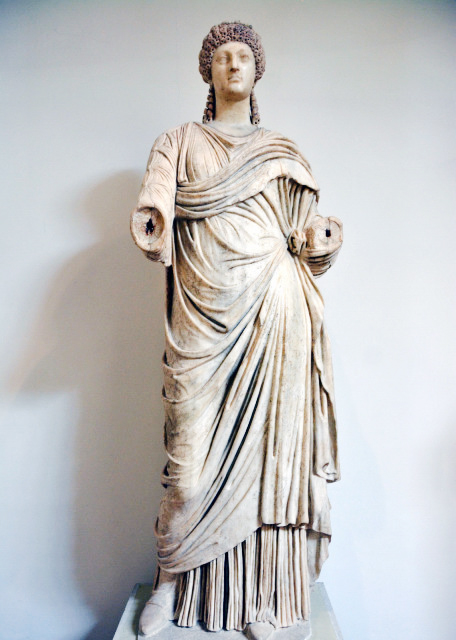
Poppaea Sabina, the 2nd Wife of Emperor Nero (波珮娅·萨宾娜“人民的救世主”皇后——罗马皇帝尼禄“强壮”第二任妻子) 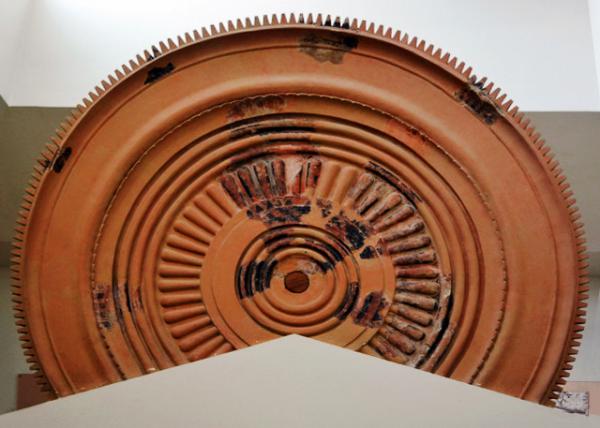 Terracotta Discoid Acroterion from Heraion Terracotta Discoid Acroterion from Heraion
(赫拉神庙·赤陶盘状山墙顶饰)
Crosslinks(相关博文):
Greece(出游希腊)
Europe(欧洲掠影) 9th Grade(高中一年级) |