2013-12-18 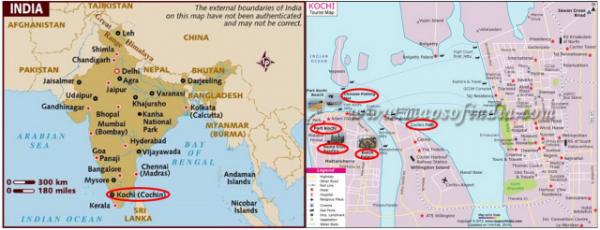
【Aiden in English】
The stench of fish was disgusting! The fishing area we entered was the main port for fishing in Cochin (Kochi), popularly known as the "Queen of the Arabian Sea" in India. From here, our cruise ship, Nautica Oceania, could be seen very clearly from the backwaters of Vembanad, the longest lake in India. The water was severely polluted with trash and encroachments. Birds plucked candy wrappers and Gatorade bottles from the lake and returned the junk to their nests. The fishing port consisted of more than three large Chinese-style "shore-operated lift nets" for catching fish. They looked like substantial battering rams with a giant net at the end where the log would have been, making a perfect place to hold significant weight. These Chinese fishing nets were unique in the way they caught fish. When the tide came in, the fish swam closer to the shore. When the tide went out, the fish swam out. If a net blocked the fish from returning to the sea, the tide would pull them into the net, and the fish would be trapped inside. A lot of the time, there weren't any fish. But it happened, and it's a jackpot. Since the net was so helpful, the lake was emptied of its fish. There were only 3 or 4 mackerels on the net, and the next try wasn't much better. To make pulling out the nets easier, fishermen had giant stones at the end of the ropes. So, the net would become easier to pull out when the tide went away. It was a neat trick, and I saw it with my eyes. Each fishing net also had a depth limit. As the tide changed every time, new installations needed to be made. In addition, the fishermen had to pull out the net occasionally, or else the seagulls would take all the fish from the fishermen. No matter how good something is, there will always be a limit. 【红霞译】
南部海滨城市科钦“小泻湖”盛享“阿拉伯海皇后”之美誉,著名的钓鱼码头却腥臭味四溢,实在难闻!从眼前万姆伯纳德“最长河”回水地带放眼望去,我们乘坐的“大洋·航海”号游轮清晰可见。
万姆伯纳德湖污染严重,垃圾海草泛滥成灾,海鸟从水中叼起糖纸、佳得乐饮料瓶,满载乐色食品扫兴而归。
钓鱼码头至少有三个中式“岸上操作升降网”,它们像重型打夯棒槌,尾端挂上超大的鱼网,这些中式鱼网特别适于当地钓鱼:涨潮时,鱼群游向海岸;退潮时,鱼群回到海里。当然,如果鱼网暗中挡住鱼群退路,海潮实际上让鱼群身陷囹圄,死无葬身之地。 因为鱼网捕捞过于奏效,时间一久生态平衡倍受影响,湖中鱼类被赶尽杀绝,所以每次下网,要么什么也没有,要么只有三、四条个头不大的小鲭鱼,大部分时间几乎无鱼可捕;一旦瞎猫碰上死耗子,算你交上八辈子好运。为方便牵拉鱼杆,渔民们将大石头拴在绳索的一头,这样当退潮时,鱼网很容易从水中拉出,我亲眼目睹这么简捷的操作过程。还有一点,投网入水的深度相当关键,因此只要潮汐改变,渔民们都要调整鱼网装置,并且每隔一段时间,他们必须查收一次鱼网,否则空中盘旋的水鸟将把所有战利品毫不客气地化为己有;这么看来,世间事物都是相互制约的。
Today in History(历史上的今天): 2012: Easter Island—Moai Statues, Chile(智利复活节岛—摩艾石像) 2010: 节日热情(Holiday Enthusiasm) 2009: 新西兰奥克兰异乡重逢(Reunion in Auckland, NZ) 2009: 新西兰奥克兰(Auckland, New Zealand) 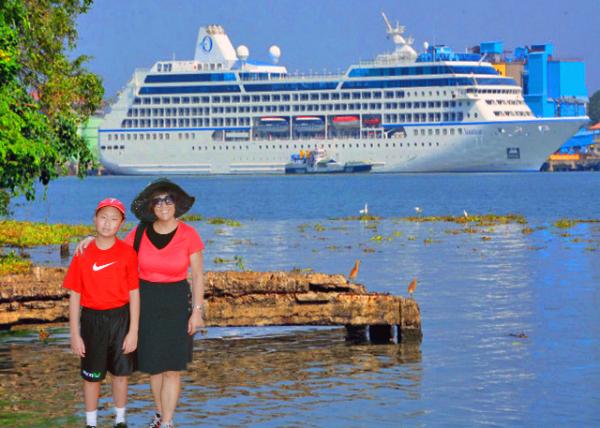 Nautica Oceania Berthed @ Kochi Port Nautica Oceania Berthed @ Kochi Port
(停泊在科钦港的“大洋·航海”号游轮 06-18-2013) 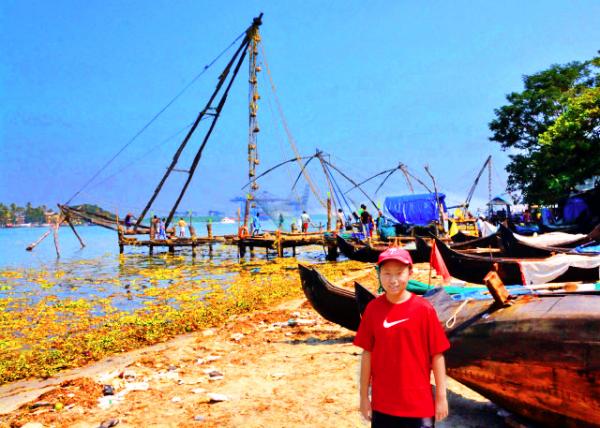 Vembanad, the Longest Lake in India Vembanad, the Longest Lake in India
(万姆伯纳德·印度最长的湖 12-18-2013) 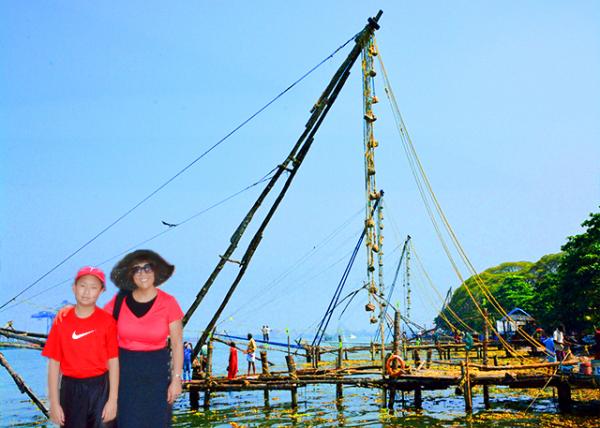 Chinese Fishing Nets (中国古式渔网 12-18-2013) Chinese Fishing Nets (中国古式渔网 12-18-2013)
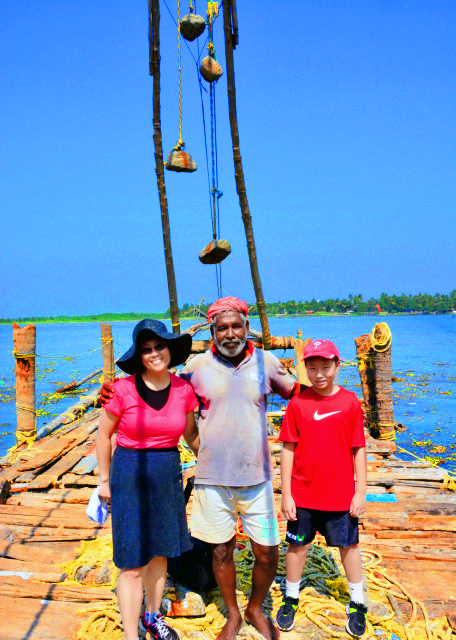
Local Fisherman (当地渔民 12-18-2013) 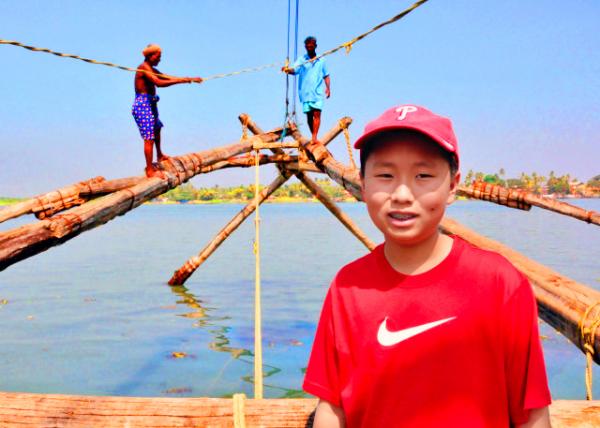 Shore Operated Lift Nets (固定升降网 12-18-2013) Shore Operated Lift Nets (固定升降网 12-18-2013)
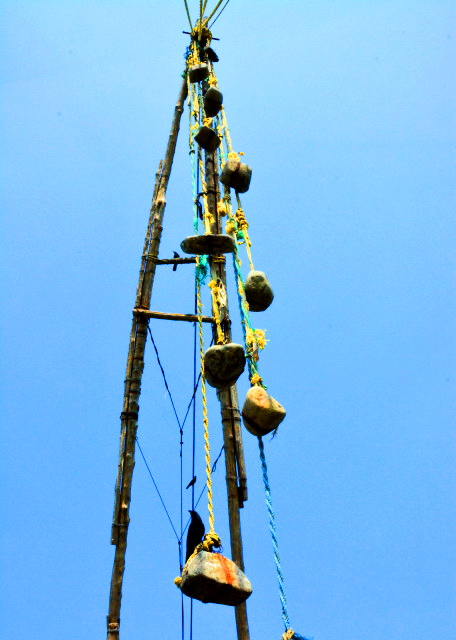
Large Stones Suspended from Ropes as Counterweights (大石头挂在绳索上作为配重) 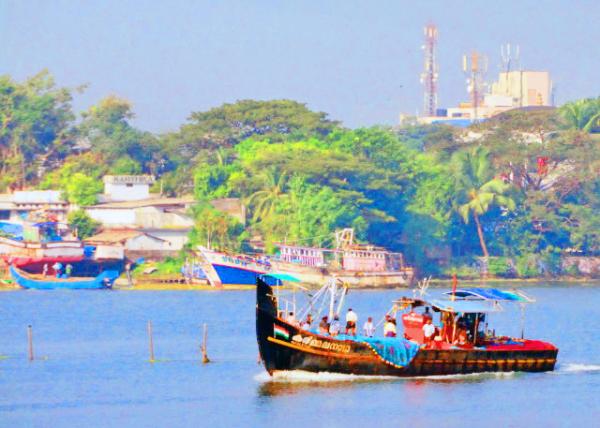 Fishing Boat (渔船) Fishing Boat (渔船)
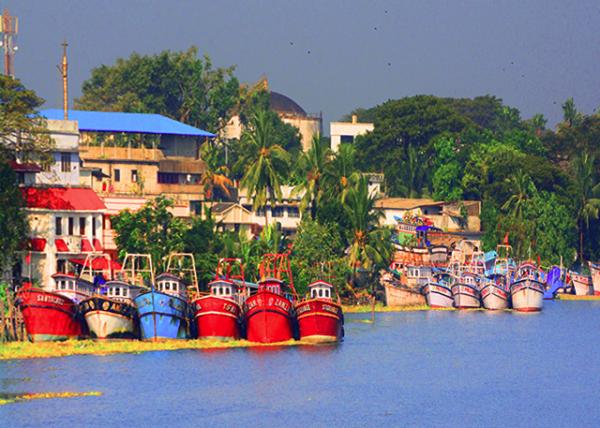 Vibrant Waterfront, Featuring a Fleet of Colorful, Traditional Fishing Boats Moored along the Banks of Willingdon Island & the Fort Kochi Area Vibrant Waterfront, Featuring a Fleet of Colorful, Traditional Fishing Boats Moored along the Banks of Willingdon Island & the Fort Kochi Area
(充满活力的海滨风光·色彩斑斓的传统渔船停泊在威灵顿“柳树山”岛和科钦堡附近的岸边) 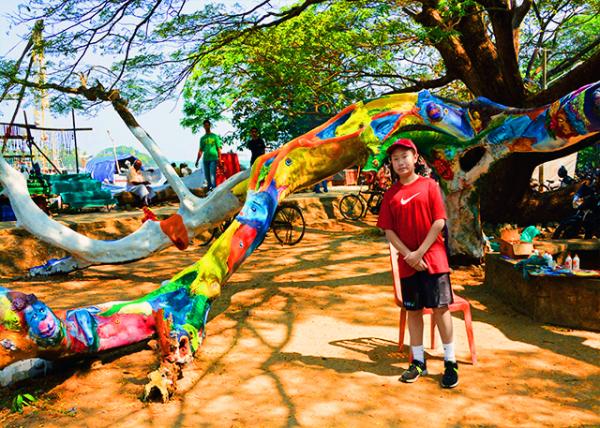 Kamala Kadavu Fish Stalls Kamala Kadavu Fish Stalls
(卡玛拉·卡达武“荷花轮渡”鱼市 12-18-2013) 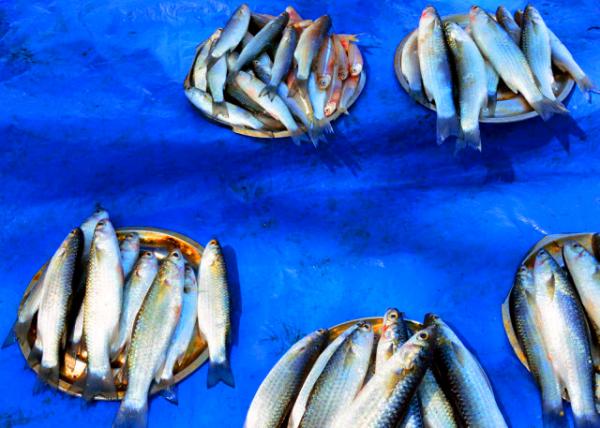 Mackerel's Stall (鲭鱼摊) Mackerel's Stall (鲭鱼摊)
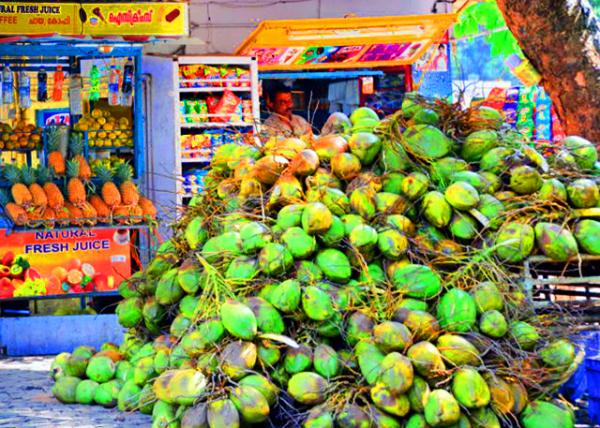 Coconuts on Sale (倾销椰子) Coconuts on Sale (倾销椰子)
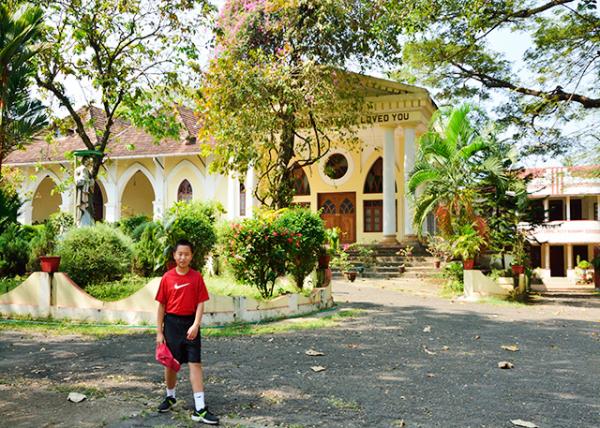 Indo-Portuguese Museum (印葡博物馆 12-18-2013) Indo-Portuguese Museum (印葡博物馆 12-18-2013)
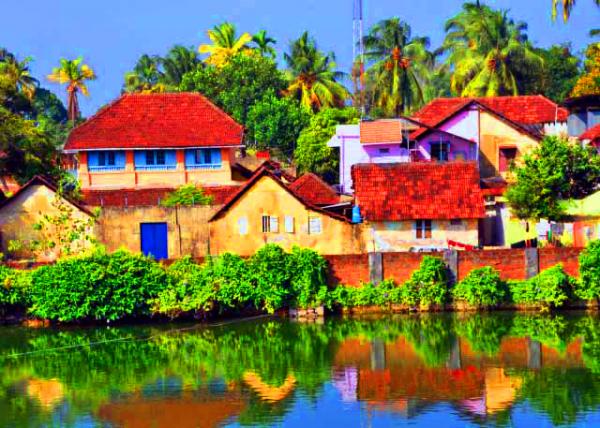 Dutch Bungalows (荷兰平房) Dutch Bungalows (荷兰平房)
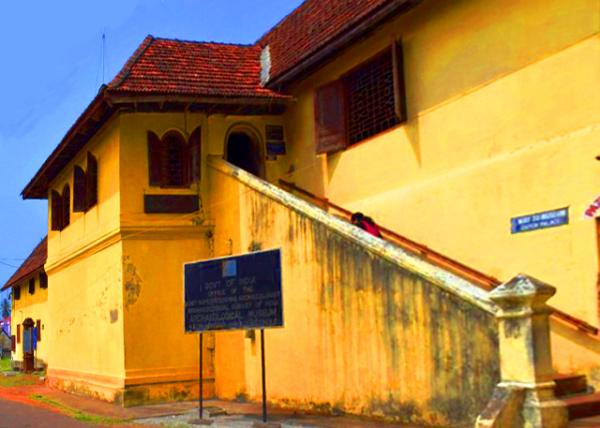 Mattancherry Palace, Built by the Portuguese in the 16th-Centurythe Kerala-style Architecture Mattancherry Palace, Built by the Portuguese in the 16th-Centurythe Kerala-style Architecture
(马坦切里“礼物之地”即荷兰宫·16世纪由葡萄牙人建造的喀拉拉“椰子之乡”邦建筑风格)
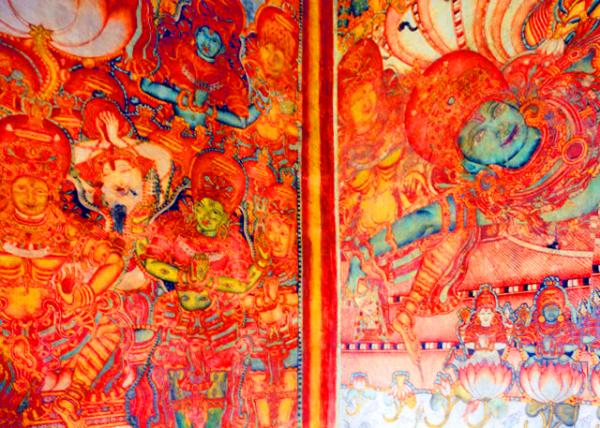 Royal Murals, Featuring the Vibrant Collection of 16th-century Murals Covering the Walls of the Royal Bedchamber @ Mattancherry Palace Royal Murals, Featuring the Vibrant Collection of 16th-century Murals Covering the Walls of the Royal Bedchamber @ Mattancherry Palace
(荷兰宫壁画·呈现装饰着皇家寝宫墙壁、色彩绚丽的16世纪壁画系列) 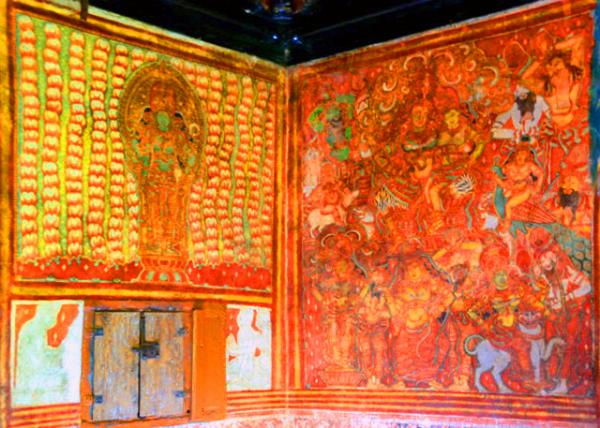 Kerala Mural Paintings w/ Divine Hues & Palettes @ Mattancherry Palace Kerala Mural Paintings w/ Divine Hues & Palettes @ Mattancherry Palace
(荷兰宫喀拉拉邦传统壁画·神圣色调与其主色调) 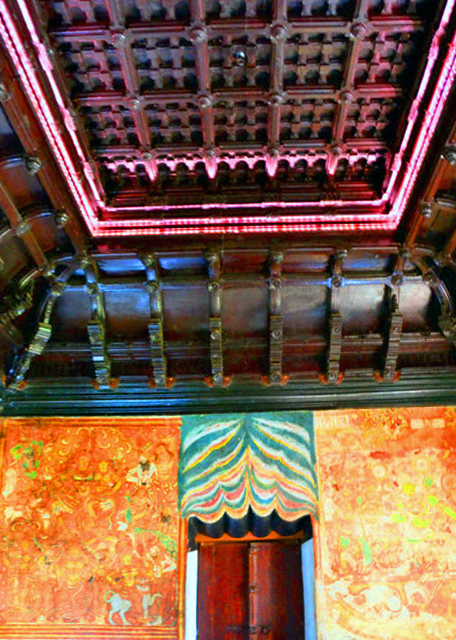
Ornate Wooden Ceiling @ Mattancherry Palace (荷兰宫·华丽木制天花板) 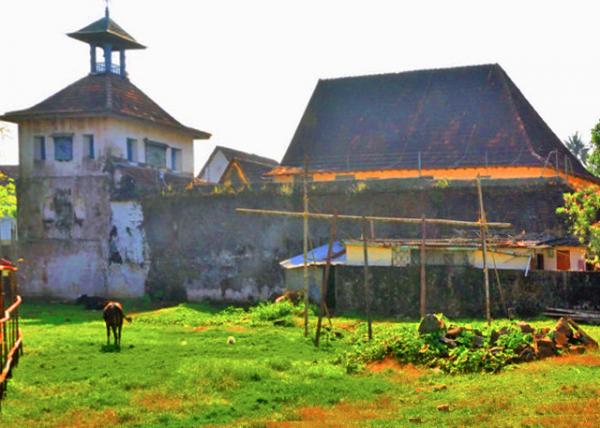 Paradesi Synagogue Built in 1568, the Oldest in the Commonwealth Paradesi Synagogue Built in 1568, the Oldest in the Commonwealth
(建于1568年的帕拉德西“外来者”犹太教堂·英联邦最老的犹太教堂) 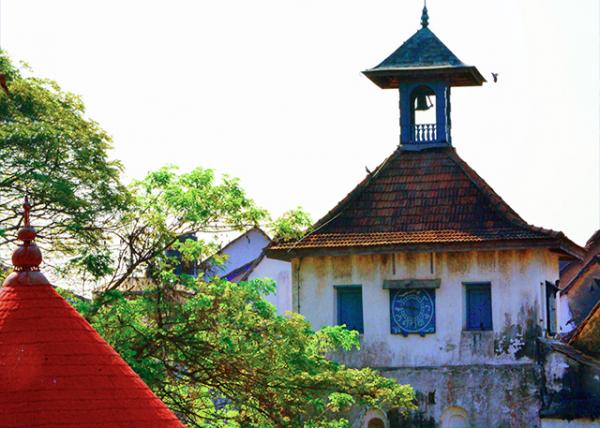 Clock Tower of Paradesi Synagogue Clock Tower of Paradesi Synagogue
(帕拉德西犹太教堂·钟楼)
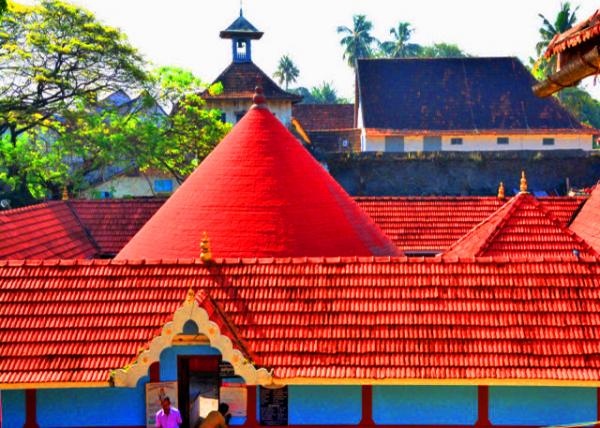 Paradesi Synagogue Shared a Wall w/ the Pazhayannur Bhagavathy Temple, Representing a Unique Intersection of Jewish & Hindu Heritage Paradesi Synagogue Shared a Wall w/ the Pazhayannur Bhagavathy Temple, Representing a Unique Intersection of Jewish & Hindu Heritage
(帕拉德西犹太教堂与帕扎亚努尔·巴嘎瓦蒂“古老村庄·圣母”神庙共用一面墙·代表了犹太教和印度教遗产的独特交汇) 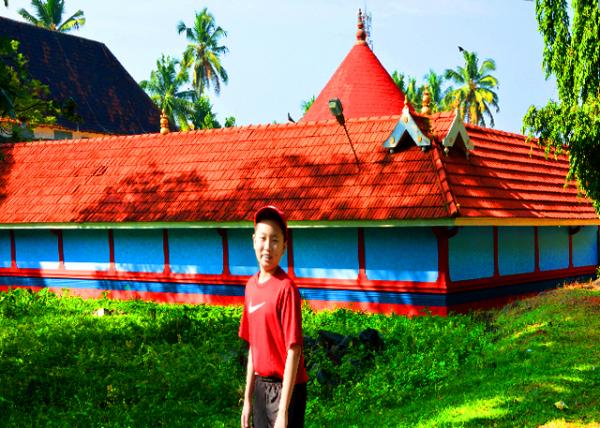 Pazhayannur Bhagavathy Temple, Designed in the Traditional Kerala Nalukettu Style Pazhayannur Bhagavathy Temple, Designed in the Traditional Kerala Nalukettu Style
(帕扎亚努尔巴格瓦蒂神庙·采用传统的喀拉拉邦纳鲁克图“四个街区“风格设计 12-18-2013) 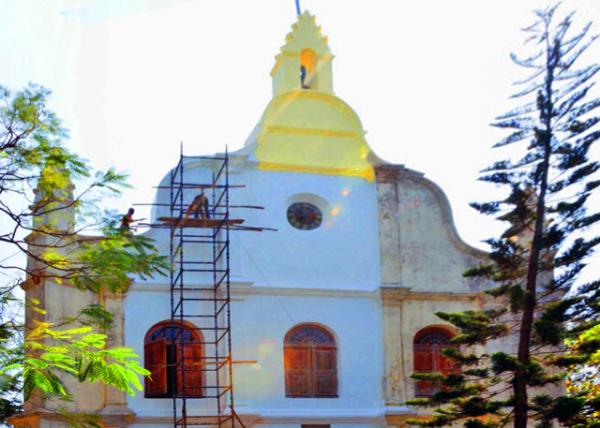 St. Francis Church Built in 1503, Standing as a Tangible Reminder of the European Colonial Ambitions in India St. Francis Church Built in 1503, Standing as a Tangible Reminder of the European Colonial Ambitions in India
(圣方济各“自由人”教堂·1503年建造,欧洲在印度殖民野心的切实见证)
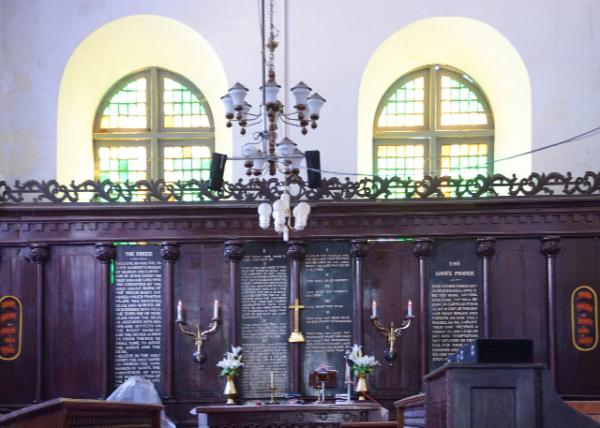 Interior of St. Francis Church, Features Simple Architectural Details Typical of the Early 16th-Century Era Interior of St. Francis Church, Features Simple Architectural Details Typical of the Early 16th-Century Era
(圣方济各教堂内景·具有16世纪初期典型的简洁建筑细节) 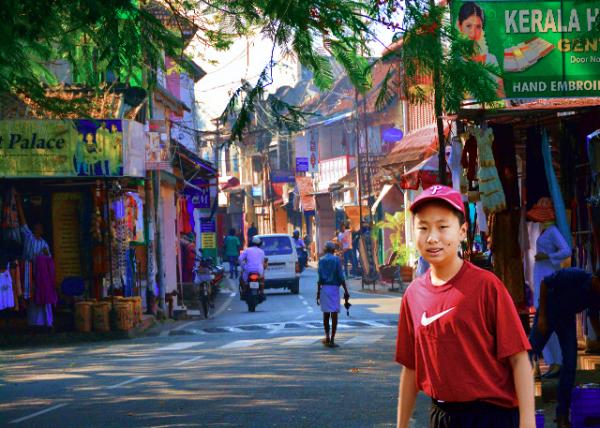 Bazaar Rd, Showcasing Diverse Influences from Greek, Roman, Arab, & Chinese Traders Bazaar Rd, Showcasing Diverse Influences from Greek, Roman, Arab, & Chinese Traders
(集市路·展现了希腊、罗马、阿拉伯和中国商人的多元影响 12-18-2013) 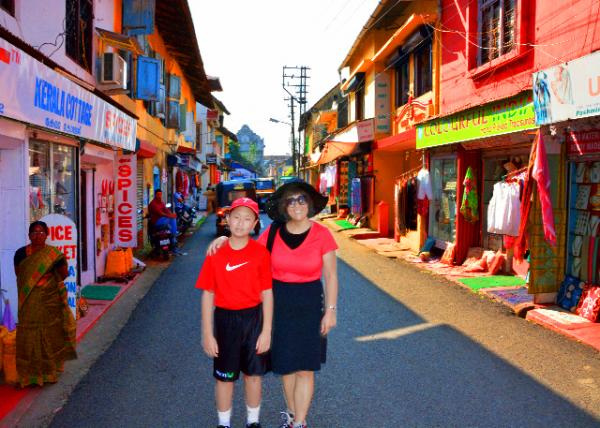 Spice Market in Jew Town (犹太城的香料市场 12-18-2013) Spice Market in Jew Town (犹太城的香料市场 12-18-2013)
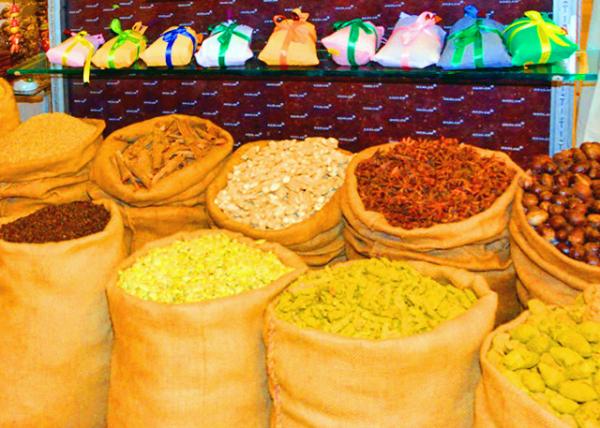 A Variety of Exotic Spices Sold in Bulk A Variety of Exotic Spices Sold in Bulk
(散装出售各种奇异香料) 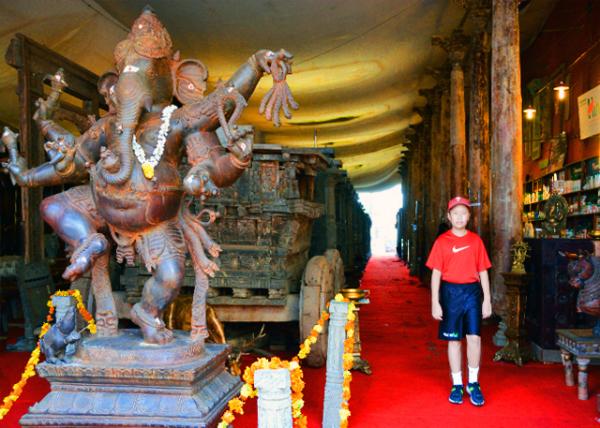 Panchdhatu Ganesh Idol, Chola Bronze Sculptures Panchdhatu Ganesh Idol, Chola Bronze Sculptures
(五种金属象头神雕像 12-18-2013)
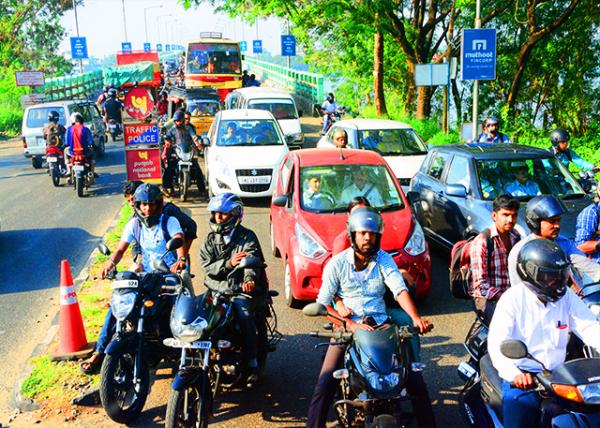 Morning Rush Hours (早高峰) Morning Rush Hours (早高峰)
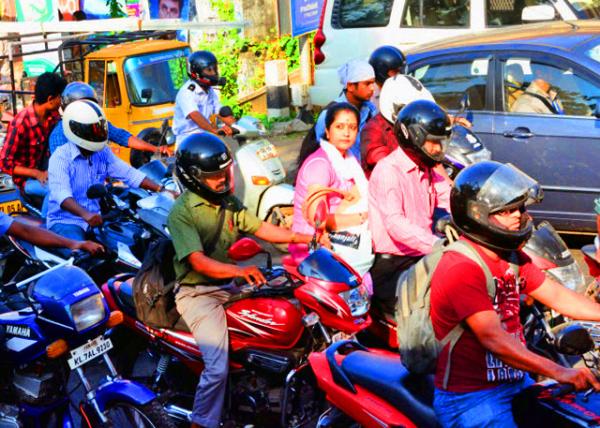 Bustling Traffic (繁忙交通) Bustling Traffic (繁忙交通)
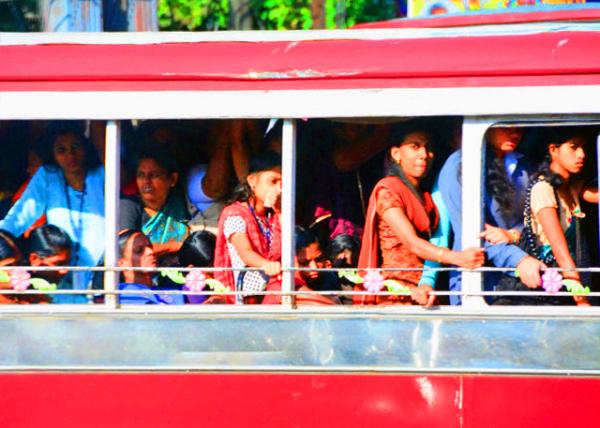 Packed Bus (拥挤的公交车) Packed Bus (拥挤的公交车)
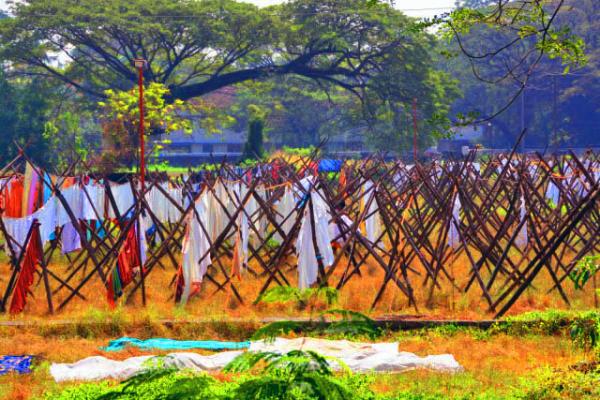 Outdoor Laundromat (户外晾衣服) Outdoor Laundromat (户外晾衣服)
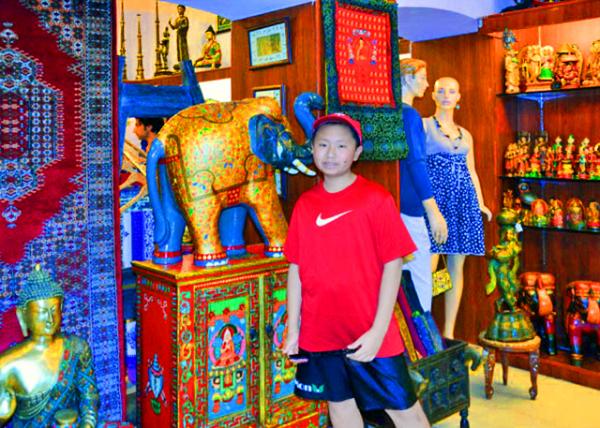 Craft Shop (手工艺品店 12-18-2013) Craft Shop (手工艺品店 12-18-2013)
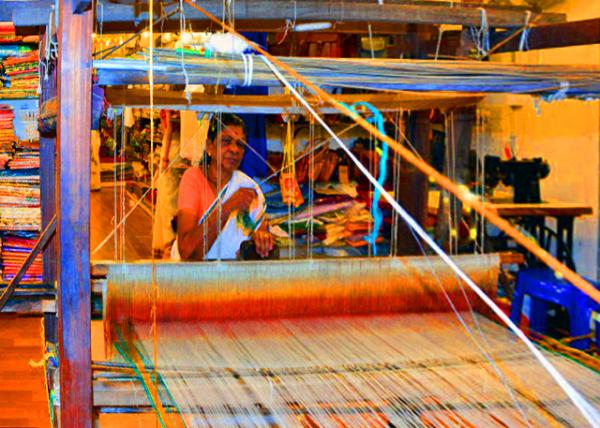 Indian Weaving (印度编织) Indian Weaving (印度编织)
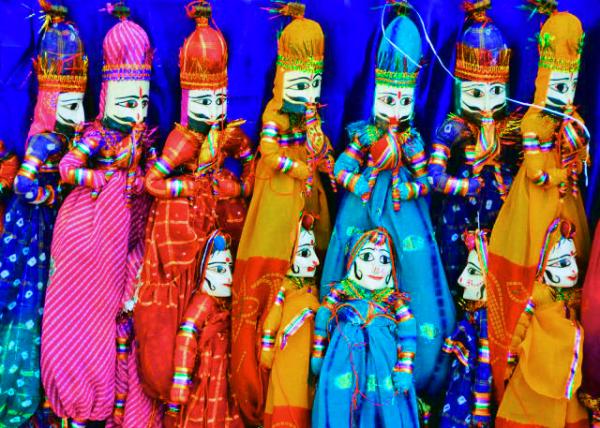 Antique Stand w/ Traditional Rajasthani Kathputli Antique Stand w/ Traditional Rajasthani Kathputli
(古董摊——传统拉贾斯坦邦·卡特普特利“国王之地木偶”) 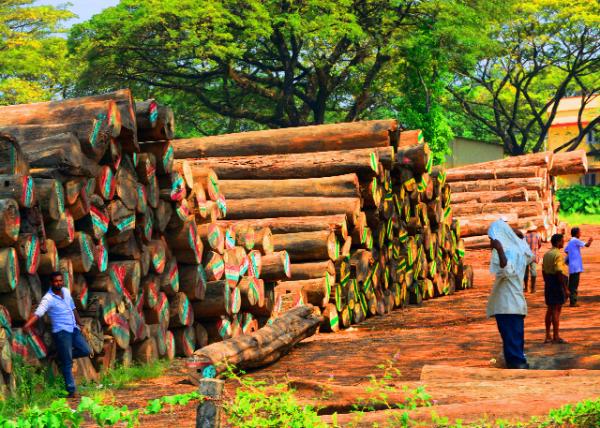 Sandalwood Lumber Industry (檀香木工业) Sandalwood Lumber Industry (檀香木工业)
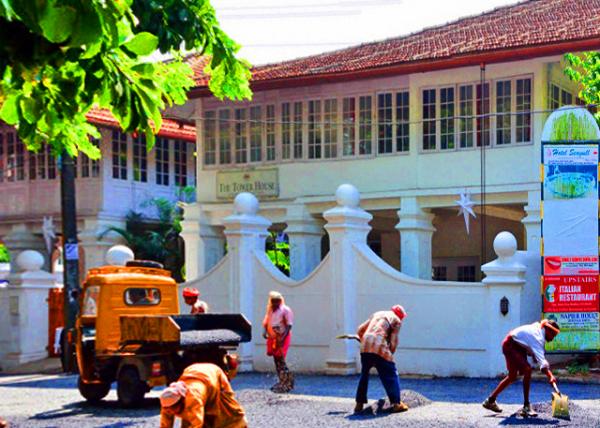 Tower Rd Paved by Hands (手工铺沥青) Tower Rd Paved by Hands (手工铺沥青)
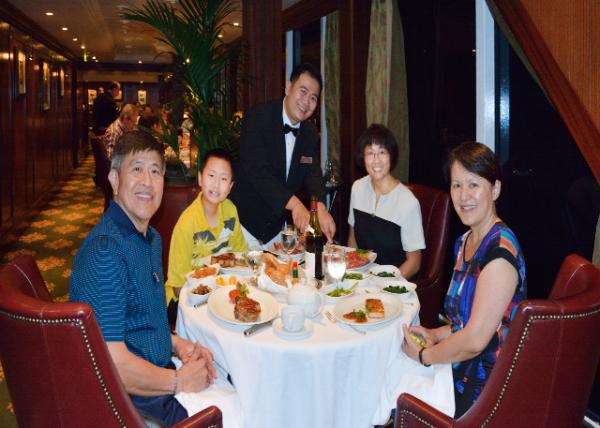 Toscana Dining @ Nautica Oceania Toscana Dining @ Nautica Oceania
(“大洋·航海”号游轮——托斯卡纳“土著人之地”餐厅 12-18-2013) 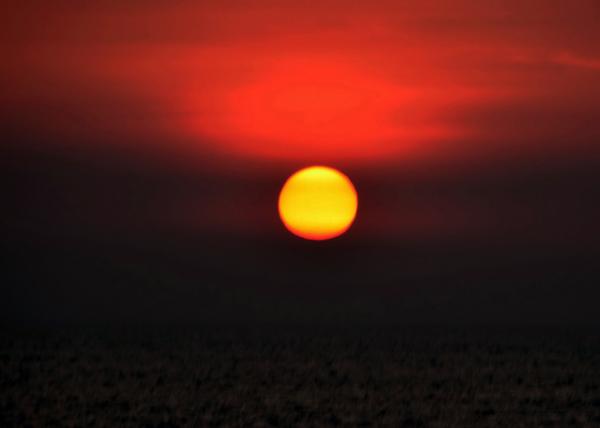 Cochin Sunset (科钦日落) Cochin Sunset (科钦日落)
Crosslinks(相关博文): India(出游印度)
Across the Indian Ocean(穿越印度洋) |