2014-11-04
【Aiden in English】
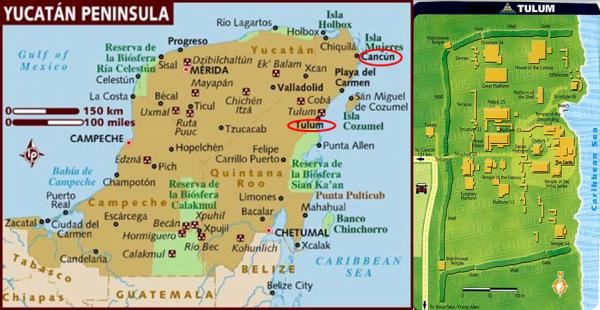
To understand a culture, you must understand people's way of life. How do people survive from day to day? That is undoubtedly the question for the residents who used to live in Tulum. Why? Because the nearest freshwater is 5 miles/8 km away. Geographically, Tulum is sandwiched between a swamp and the Caribbean Sea. Both have water, but it isn't drinkable. To find clean and fresh water, one must travel 5 miles on foot through the swampland. The limestone underground has purified the rivers that flow through it. If that wasn't hard enough, the houses were made of stones and trees. The problem is that Tulum is flat and lacks sufficient natural resources to support large-scale city development. Like many other Mayan towns and villages, this might explain why Tulum was abandoned. The walls are the only unique feature of Tulum compared to the other Mayan ruins. Tulum wasn't as big as the cities. It was a trading post because of its location next to the beach. There was a coral cliff farther out into the Caribbean Sea. It naturally shielded them from the pounding waves and became an ideal place for canoes. The town also had walls surrounding it, which was true to its name. Tulum means "surrounded by walls" in Spanish. The walls were protected from invaders with small doors that forced people to enter in a single file. It was the perfect defense. Wherever I go, I find the ocean is a magnet. It sucks every person in the area toward it. Today was no different. People flocked to the beach, forgetting everything they learned during the tour. But not me, I remembered it and also had fun. However, I didn't prepare to go swimming in the Caribbean Sea. So, Mom and I came to the beach just for pictures. The scenery looked stunning. The sand appeared as white as paper and glittered like diamonds. The blue ocean had a faint tinge of green, which increased its amazingness. I wondered whether this would be like heaven. If so, I wouldn't be shocked. Mom dragged me around, taking pictures from crazy angles, obviously trying to capture every moment with her trusty, yet slightly annoying, camera. But I think the best way to remember this scene isn't with the camera but in my head for the rest of my years. 【红霞译】
若想了解一种文化,你不能不过问衣食住行,平民百姓靠什么过活度日?对居住在图卢姆“黎明城”的玛雅“幻觉”人来说,这个问题为什么至关重要呢?因为离他们最近的食用水源远在5英里/8公里开外,从地理上来看,图卢姆介于沼泽地和加勒比“勇者”海之间,本身并不缺水,但两地的水都无法饮用;为找到清洁的泉水,人们一定得步行5英里穿过沼泽,那里由石灰石构成的地下岩层能将河水过滤干净。如果说这种困难算不了什么的话,那么石料匮乏木材短缺,连蜗居都成问题才叫人大伤脑筋,关键在于图卢姆地势平坦,没有充足的自然资源用来修建社区,这就是为什么图卢姆像其它玛雅城镇一样摆脱不了衰败的命运,最终被彻底遗弃。 与其它玛雅遗址相比,这里唯一不同的或者说独特的地方非围墙莫属,图卢姆尚无都市规模,因为靠近海滨,所以充其量只能算作贸易场所。珊瑚礁石峭壁陡直伸入加勒比海,有效地屏障惊涛骇浪,非常适于独木舟水上交通,小镇如同围城,其名字源于西班牙语“禁城围墙”,城门很小,每次只能进出一人,藉之来防御外来者入侵,真正起到保护自我的作用,因此值得称道。 无论我身在何方宝地,总感觉大海极富魅力,人人心向往之,今天同样也不例外,游客们蜂拥海滩,很快将刚刚听到的游览介绍置之脑后;然而我却兼收并蓄,既牢记方才学到的有关古城风土旧貌的背景知识,同时还捕捉到当地各种美轮美奂,不过事先我并未打算下海游泳,这样可以陪同妈妈一起漫步沙滩,趁机拍些照片回去留作纪念。图卢姆景色秀美天成,海滩洁白如纸,沙砾晶莹透亮,洋面湛蓝并泛出青翠的妩媚,叫人陶醉得难以自拔,不知图卢姆是否可以称作人间天堂,倘若如此,我绝对毫无异议,难怪妈妈拽着我变换各种角度,扫射般把我定格在世外桃源之中,但对我而言,刻骨铭心的记忆不是瞬间捕捉的景色,而是启迪人生的思想。 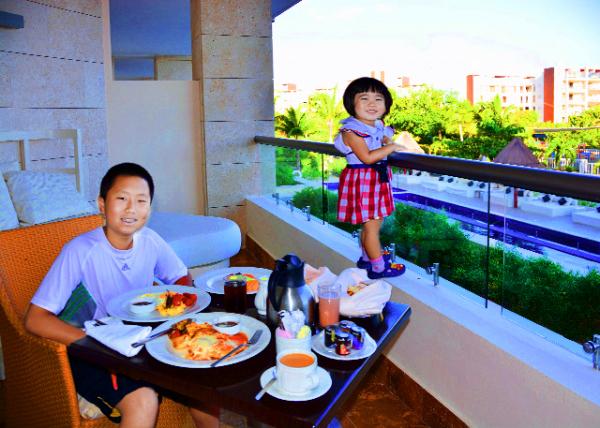 Breakfast Room Srv @ Beloved Playa Mujeres Breakfast Room Srv @ Beloved Playa Mujeres
(女人钟爱的海滩度假村·早餐客房服务 11-04-2014) 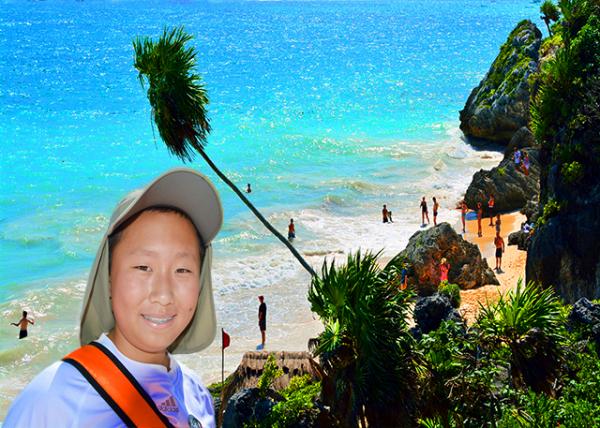 Tulum w/ Soft, White-Sand Beaches against Clear Turquoise Waters Tulum w/ Soft, White-Sand Beaches against Clear Turquoise Waters
(图卢姆·柔软的白色沙滩与清澈碧绿的海水相映成趣 11-04-2014) 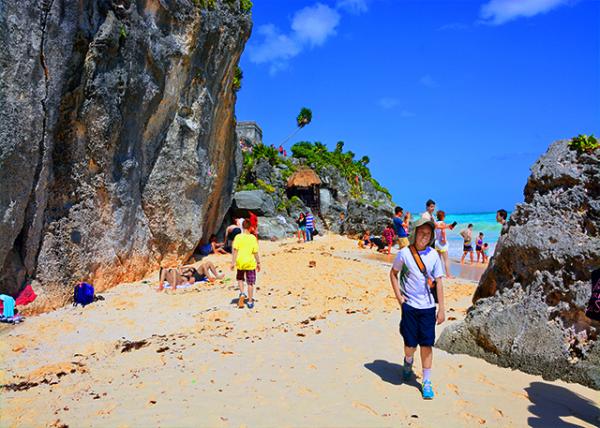 Playita Tortuga Beaten down by Endless Sunrays Playita Tortuga Beaten down by Endless Sunrays
(无尽阳光照射下的海龟沙滩 11-04-2014)
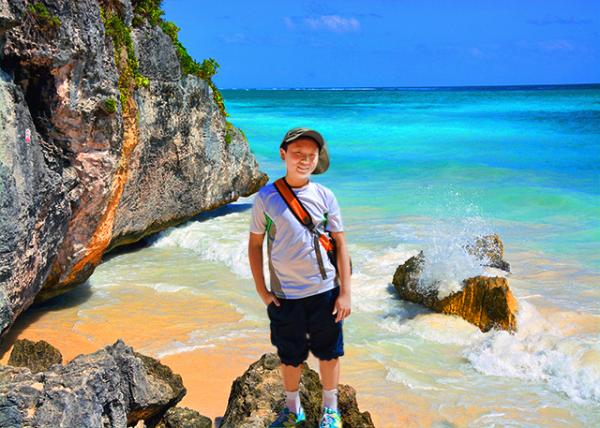 Playa Tortugas, a Radiant Strip of Ivory Sands Caressed by the Turquoise Waters Playa Tortugas, a Radiant Strip of Ivory Sands Caressed by the Turquoise Waters
(海龟沙滩·被碧绿海水轻抚的晶莹般象牙色沙滩 11-04-2014) 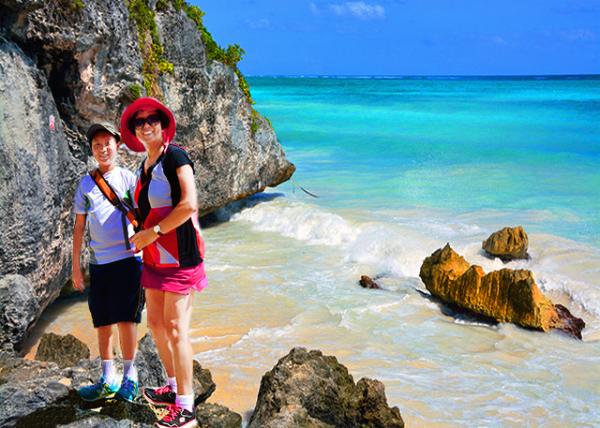 Playita Tortuga w/ Sea Foam Playita Tortuga w/ Sea Foam
(海龟沙滩·海面泛起的泡沫 11-04-2014) 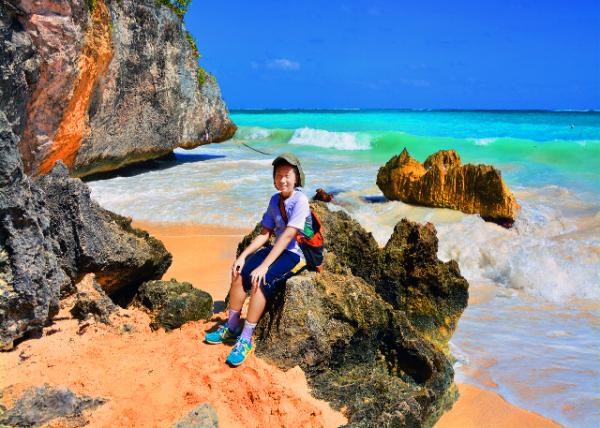 Playita Tortuga, a Hidden Paradise Playita Tortuga, a Hidden Paradise
(海龟沙滩·隐秘的天堂 11-04-2014)
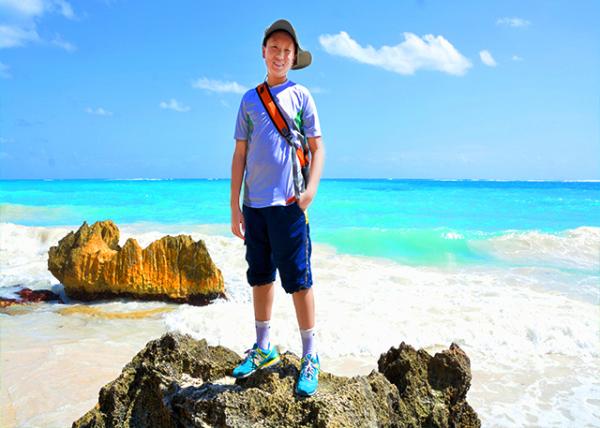 Playita Tortuga, Facing the Caribbean Sea in Crisp Autumn Day Playita Tortuga, Facing the Caribbean Sea in Crisp Autumn Day
(海龟沙滩·面朝加勒比海,秋高气爽 11-04-2014)
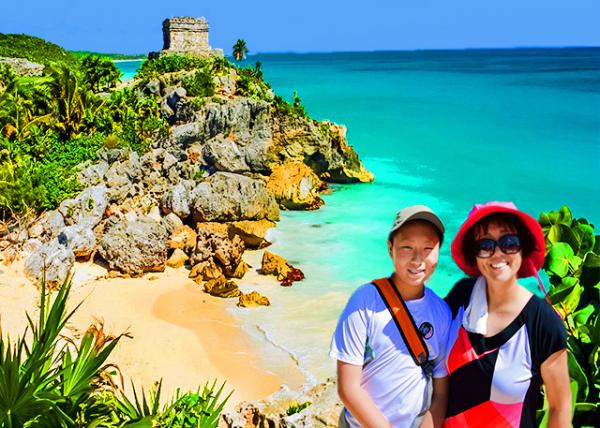 Cliffside El Castillo & Temple of the God of Wind Cliffside El Castillo & Temple of the God of Wind
(悬崖城堡与风神庙 11-04-2014) 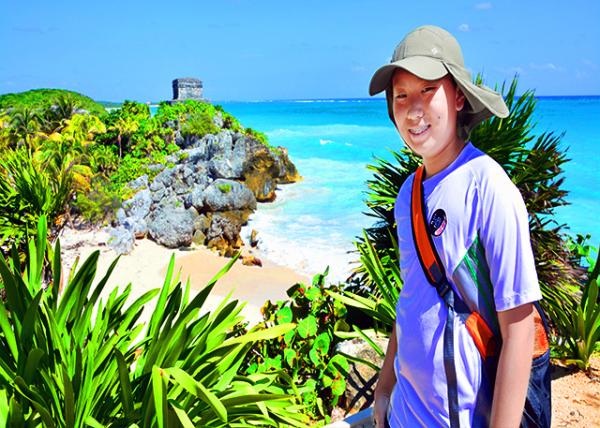 Cliffside El Castillo & Temple of the God of Wind Guarding Tulum's Sea Entrance Bay Cliffside El Castillo & Temple of the God of Wind Guarding Tulum's Sea Entrance Bay
(图卢姆海上入口海湾·悬崖城堡与风神庙守卫 11-04-2014) 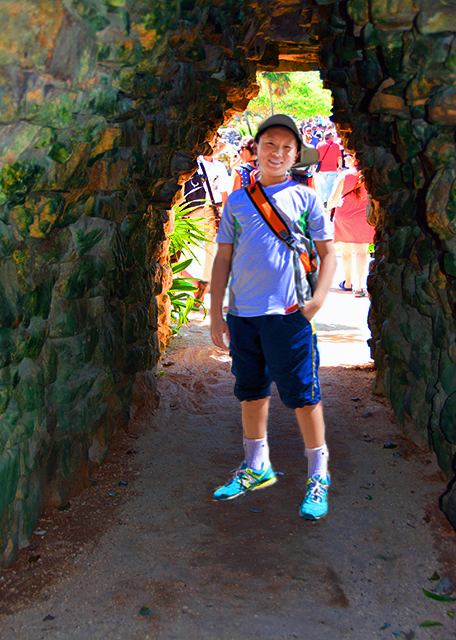
One-Man-Wide Doorway (一人宽的入口 11-04-2014) 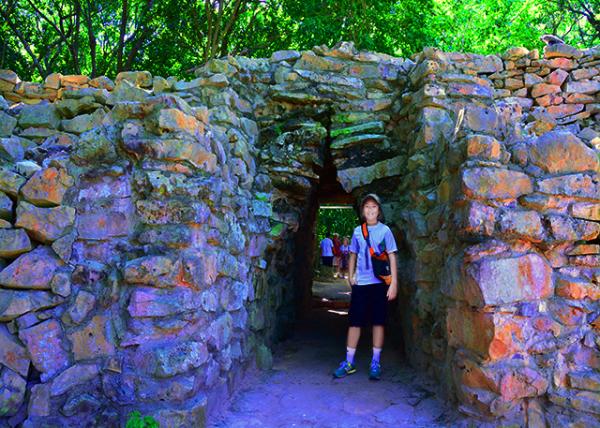 One-Man-Wide Doorway (一人宽的入口 11-04-2014) One-Man-Wide Doorway (一人宽的入口 11-04-2014)
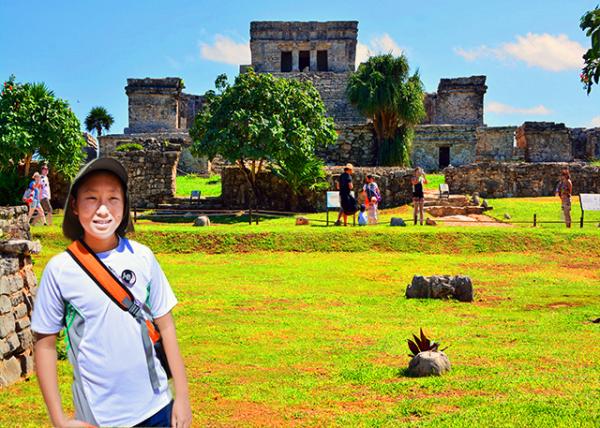 Pyramid El Castillo, a Coastal Maya Watchtower & Ceremonial Center Pyramid El Castillo, a Coastal Maya Watchtower & Ceremonial Center
(金字塔城堡·沿海玛雅瞭望塔和礼仪中心 11-04-2014) 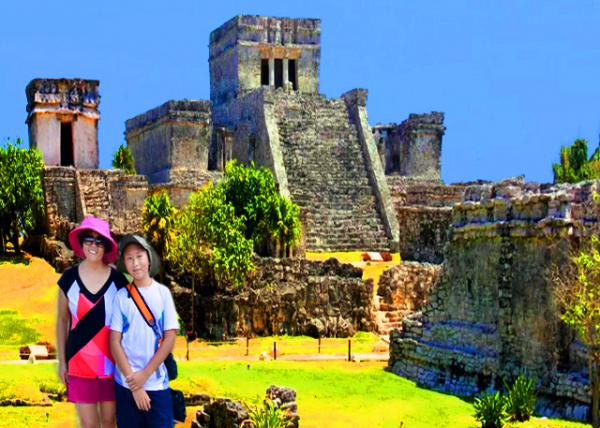 Pyramid El Castillo & Temple of the Descending God Pyramid El Castillo & Temple of the Descending God
(金字塔城堡与降神庙 11-04-2014) 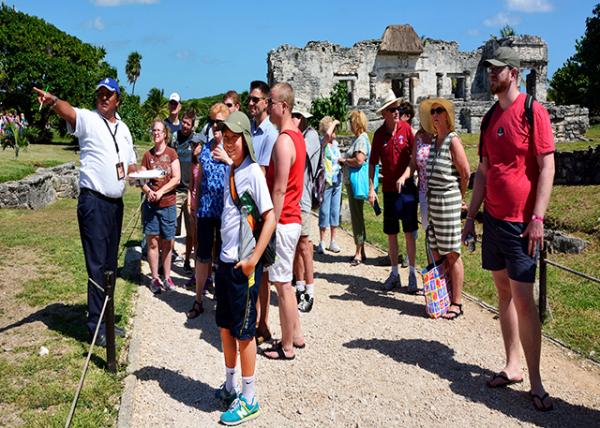 One of the Last Cities Built & Inhabited by the Maya between the 13th & 15th Centuries One of the Last Cities Built & Inhabited by the Maya between the 13th & 15th Centuries
(13—15世纪玛雅人建造并居住的最后一批城市之一 11-04-2014)
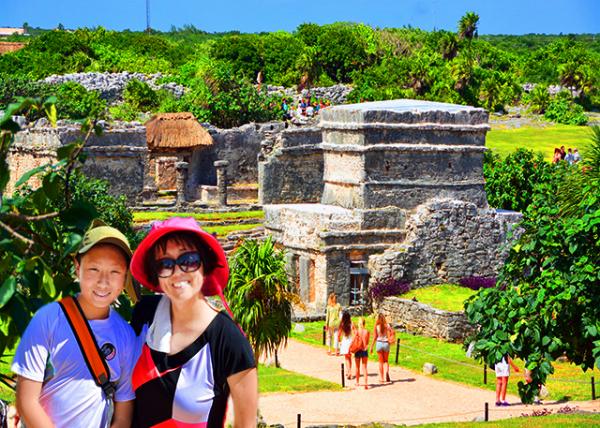 Mayan Port City Ruins (玛雅港城废墟 11-04-2014) Mayan Port City Ruins (玛雅港城废墟 11-04-2014)
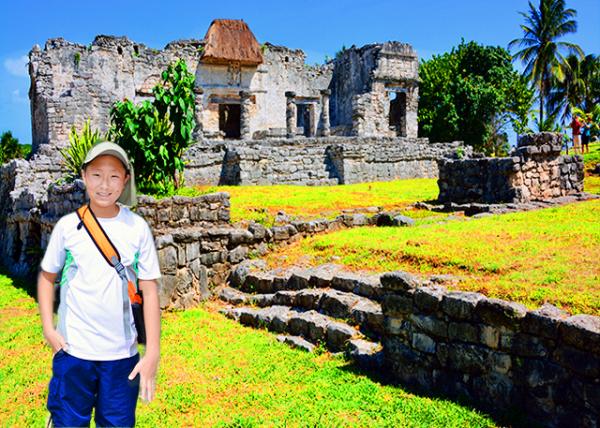 Grand Palace or House of Columns, Served as the Residential Quarters for Tulum's Royal Court Grand Palace or House of Columns, Served as the Residential Quarters for Tulum's Royal Court
(大皇宫即柱房·图卢姆皇家宫廷的居住区 11-04-2014) 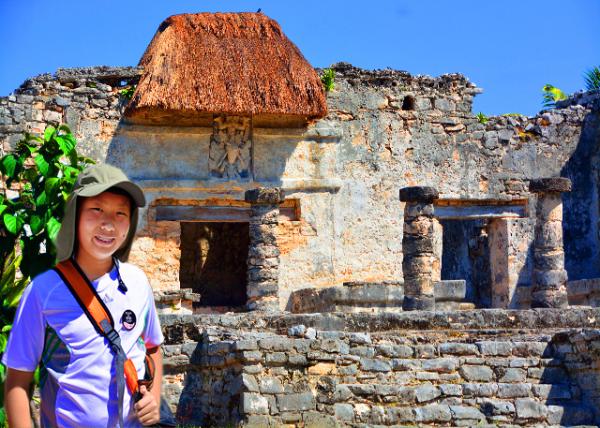 House of the Halach Uinic, the Ruler's Residence House of the Halach Uinic, the Ruler's Residence
(哈拉赫·尤尼尼克“真正的男人”之家——君主故居 11-04-2014)
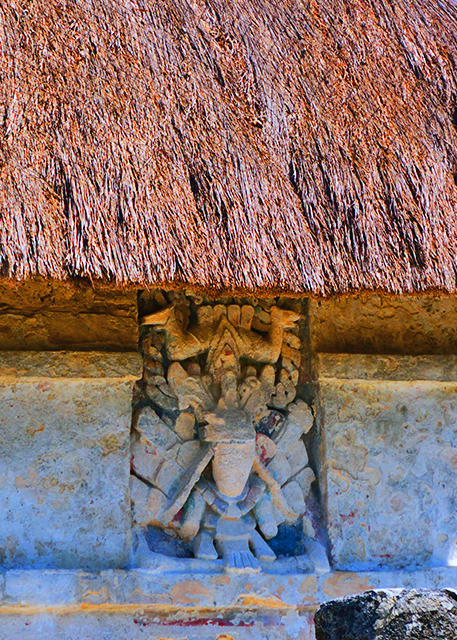
Lintel @ House of the Halach Uinic (哈拉赫·尤尼尼克之家——门楣)
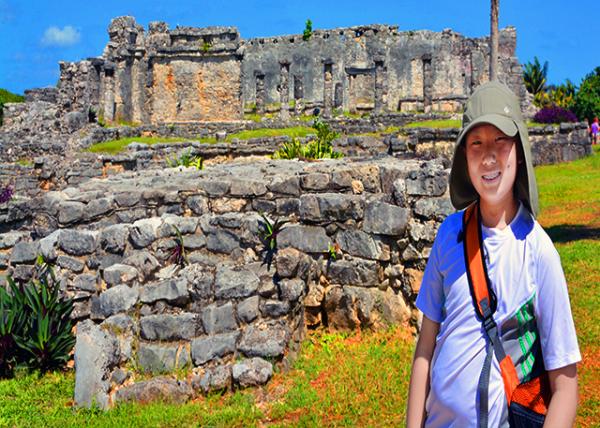 Back of the Great Palace w/ a Religious Sanctuary Used for Sacred Ceremonies & Rituals Back of the Great Palace w/ a Religious Sanctuary Used for Sacred Ceremonies & Rituals
(大皇宫背面·用于举行神圣仪式和典礼的宗教圣地 11-04-2014) 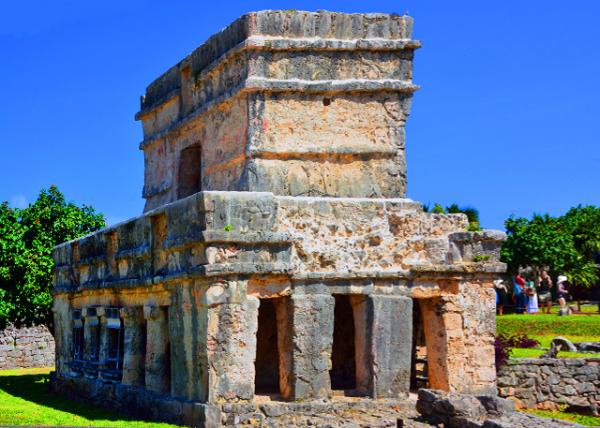 Temple of Frescoes w/ Well-Preserved Murals Depicting Mayan Deities, Rituals, & Scenes of Nature Temple of Frescoes w/ Well-Preserved Murals Depicting Mayan Deities, Rituals, & Scenes of Nature
(壁画庙·保存完好的壁画描绘了玛雅神灵、仪式和自然场景)
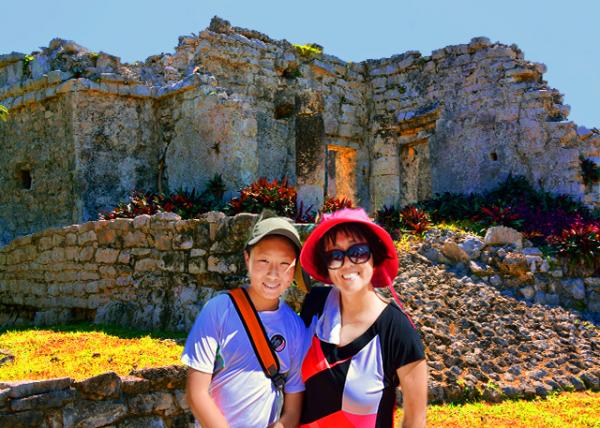 House of Chultun, a Bottle-Shaped, Underground Storage Chamber House of Chultun, a Bottle-Shaped, Underground Storage Chamber
(楚尔顿“湿岩石”之家·瓶状地下储水室 11-04-2014) 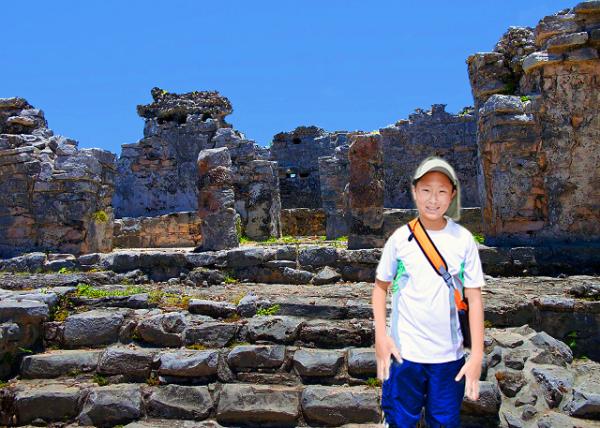 House of the Cenote, a Place for Religious Ceremonies & Offerings to the Gods House of the Cenote, a Place for Religious Ceremonies & Offerings to the Gods
(天坑屋·举行宗教仪式和祭祀神灵的地方 11-04-2014) 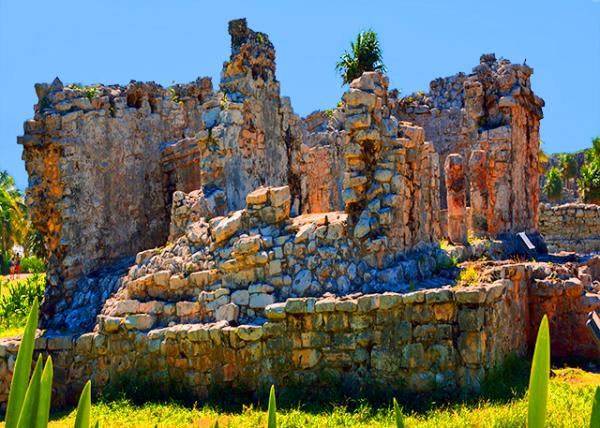 Casa del Noreste or House of the Northeast, Likely a Residence of Noble Men or Priests within the Archeological Zone of the Late 13th Century Casa del Noreste or House of the Northeast, Likely a Residence of Noble Men or Priests within the Archeological Zone of the Late 13th Century
(东北之家·可能是13世纪晚期考古区内贵族或牧师的住所)
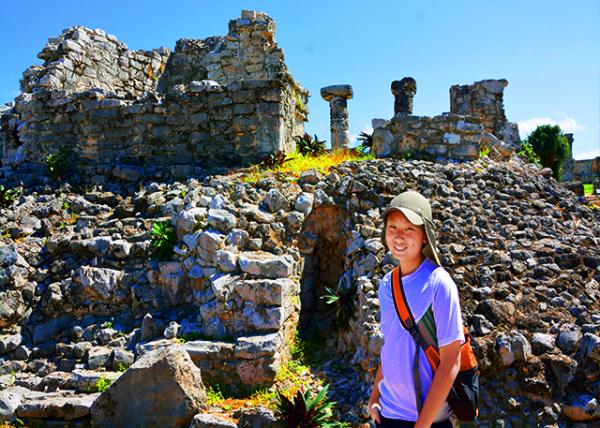 Ruins w/ a Field of Gently Rolling Hills w Black & Grey Stone Outcroppings Ruins w/ a Field of Gently Rolling Hills w Black & Grey Stone Outcroppings
(废墟·缓缓起伏的丘陵和黑灰色裸露岩层 11-04-2014) 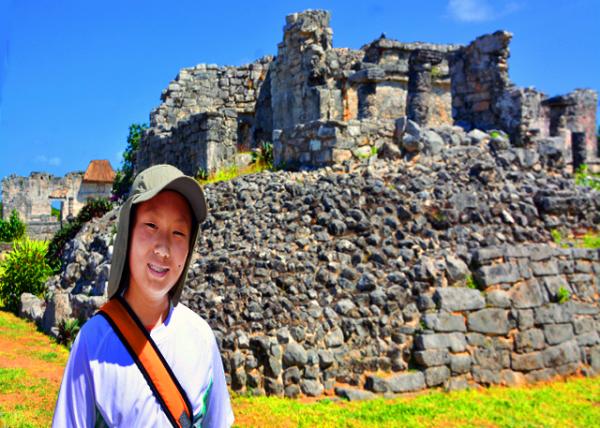 Once Bldgs, Dotting the Sun-baked Landscape Once Bldgs, Dotting the Sun-baked Landscape
(曾经的建筑·点缀在阳光普照的景致中 11-04-2014) 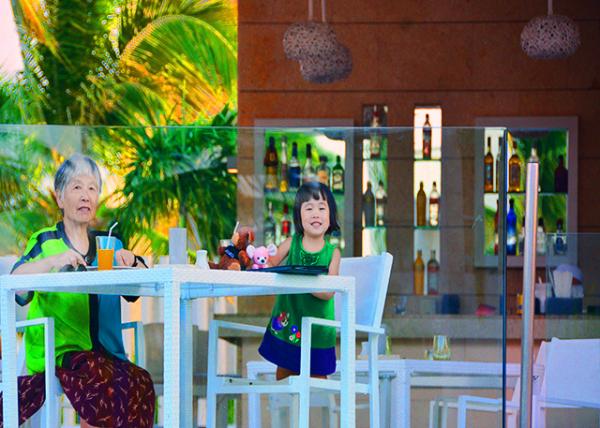 Isla Grill Restaurant @ the Beloved Playa Mujeres Isla Grill Restaurant @ the Beloved Playa Mujeres
(女人海滩心爱度假村·烧烤岛餐厅 11-04-2014) 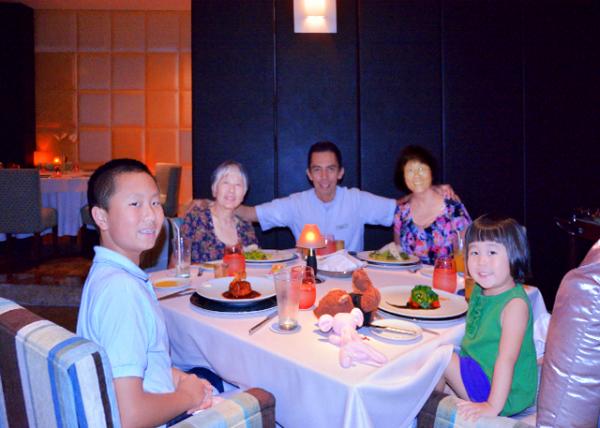 Lupita Mexican Restaurant @ Beloved Playa Mujeres Lupita Mexican Restaurant @ Beloved Playa Mujeres
(女人海滩心爱度假村·卢皮塔“小狼”墨西哥餐厅 11-04-2014) 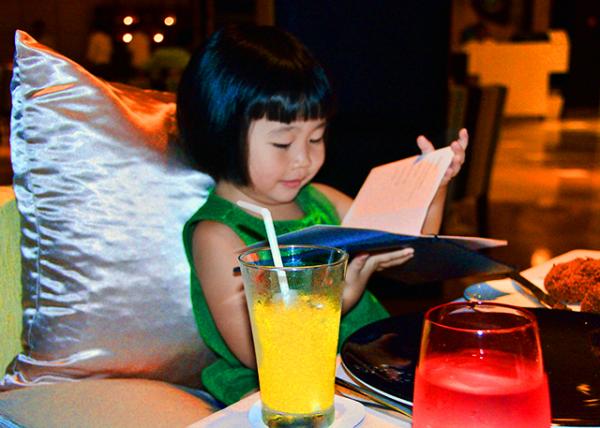 Menu Study @ Beloved Playa Mujeres Menu Study @ Beloved Playa Mujeres
(女人海滩心爱度假村·研究菜谱 11-04-2014)
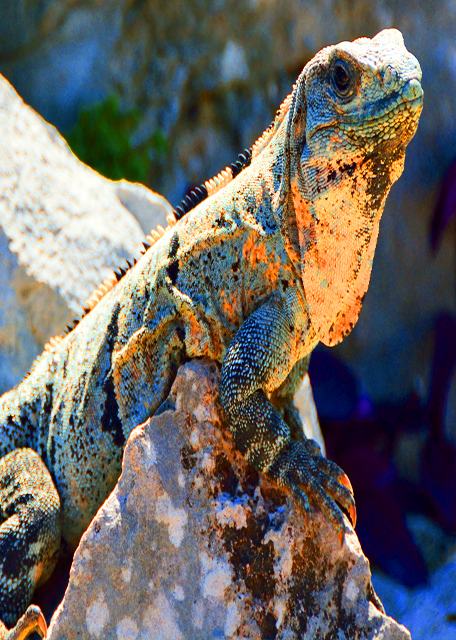
Iguana, the Camouflage Master (鬣蜥·伪装大师) 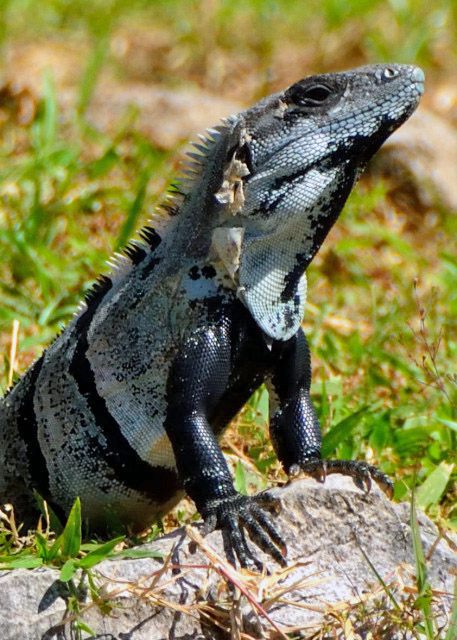
Iguana, an Iconic Wildlife (鬣蜥·标志性野生动物) 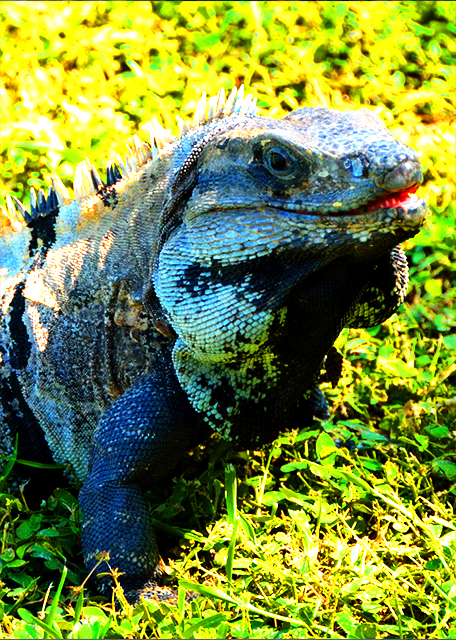
Baywatcher @ Basking & Observation (海湾守望者·晒太阳和观察) 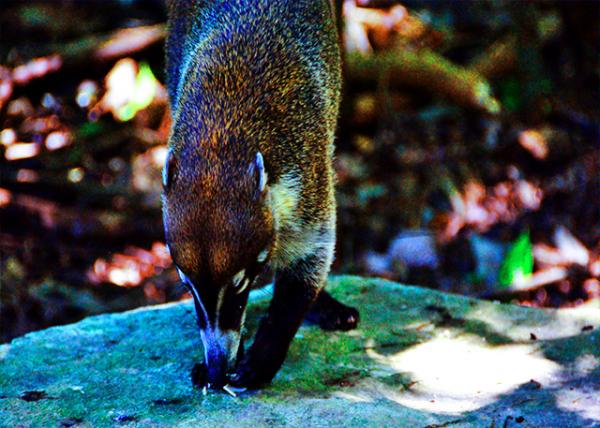 White-Nosed Coati (白鼻浣熊) White-Nosed Coati (白鼻浣熊)
Crosslinks(相关博文):
Mexico(出游墨西哥) 航游加勒比海(Caribbean) 6th Grade(初中一年级) |