2014-01-09 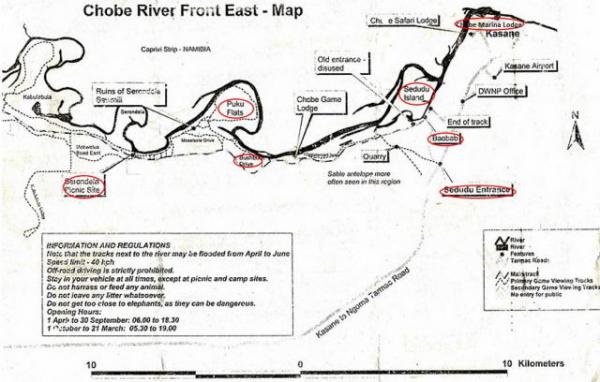
【Aiden in English】
I always loved animals. At the zoo, I would spend hours looking at the large animals. But when I meant love, I didn't mean waking up at the crack of dawn love. Even so, that's exactly what we did. It started with a short ride on the highway to Chobe National Park, the first park established in Botswana. It was covered with dry savannah, floodplains, and teak woodlands, which became ideal habitats for various animals. I embarked on another morning game drive to the park at 5 am. It seemed an ideal and crucial time to view wildlife, as the weather was cooler, and the animals were more active. While there was no telling what we would observe, the reserve was home to a diverse array of animals, including the largest concentration of elephants on the African continent. Chobe was also home to two antelopes not encountered anywhere else in Botswana, the puku and the Chobe bushbuck. The first animal, a giraffe, came into sight. It had black spots and was pale in color. That meant it was a young offspring. Next, our safari vehicle stopped to see a parade of elephants with calves. Everyone was so excited because yesterday, only the elephant's tracks and dung could be seen when we came to search for them during the morning game drive in the same place. The people were so hyper that one gentleman dropped his camera's battery. That's when the vast beast noticed us. He began walking towards us and came so close that we could smell his breath. If someone needed a mint, it was him. We continued, and something strange hit us. There was little impala today. Yesterday, you couldn't turn the corner without stopping for the impalas. However, from then on, it was highly silent. The question was solved when we drove by the Chobe River. The lush green bank was covered with a herd of impalas. Hundreds, even thousands, were gathered along with a grazing congress of baboons. The baboons advanced in their sensitive hearing and incredible agility, which helped the impalas avoid vicious predators. I am pondering how Chobe National Park has such lavish vegetation to nurture abundant animals surviving in brutally hot Africa. Is Nature a mystery for life? The world may never know. 【红霞译】
我一直喜爱动物,每次参观动物园一呆就是大半天;不过我再喜爱动物,也不至于发展到如痴如狂的程度,天未亮就得爬起来,没错儿,这正是今天我所做的头等大事。我们乘车沿高速公路兜了一小圈,即刻来到博茨瓦纳乔贝“巨兽”国家公园,这是该国第一家野生动物禁猎区,包括大片热带草甸、冲积平原以及柚木林地,不愧为野生动物栖息的天堂。
这是我连续第二次淩晨五点钟驾车猎游乔贝国家公园,因为温度适宜,野生动物喜欢清早出来活动,因此要想观摩它们日常生活,早上是最理解、也是最关键的时刻。尽管事先我们无从知道究竟能看到哪些动物,但乔贝国家公园包罗万象,不仅含有非洲大陆上密度最集中的大象群,同时还有仅在乔贝国家公园才能见到的两种羚羊﹕瓦氏赤羚和乔贝薮羚,博茨瓦纳其它地方一概没有。
首先我们看到了长颈鹿,其身上有黑斑,但非常浅,说明它很年轻。接下来一群大象拖家带口浩浩荡荡地朝我们走来,大家喜出望外。昨日我们曾经过此地,可除了发现大象脚印和到处散落的粪便之外,并未看到它们的身影,所以当与大象全家老少不期而遇时,车上一位正在给相机换电池的老先生顿时激动不已,不小心失手扔下电池,正想弯腰去捡,不料惹急了站在身边的小象家长,它一个箭步冲了上来,紧贴车前虎目圆睁,我甚至可以闻到它呼吸的气味,如果有谁需要薄荷爽口,这位彪形大汉应该成为首选。
告别大象老少之後,我们驱车继续前行,一路开一路看,奇怪的是原本随处可见的黑斑羚不见了,它们到底跑到哪里去了呢?等我们来到乔贝河岸放眼望去,发现成百上千苹黑斑羚正集结在草甸平原上,身边大群狒狒义务替它们站岗放哨,起到暗中保护作用。狒狒听觉敏锐动作灵活,容易发现天敌伺机来犯,无形之中成为黑斑羚最好的帮手,因此有黑斑羚出没的地方,一般少不了狒狒相伴左右。 我百思不得其解,非洲到处焦阳似火,为何仍有像乔贝国家公园这样的绿洲可以滋养生命,并使动物群体繁衍壮大经久不息,难道不正说明大自然奇异神秘吗?世人也许永远找不出答案。 Today in History(历史上的今天): 2014: Chobe NP, Botswana(博茨瓦纳乔贝国家公园) 2013: Capital Brasilia, Brazil(巴西首都巴西利亚) 2011: 情感投资(Emotional Investment) 2010: 澳洲艾尔斯巨石(Ayers Rock, Australia) 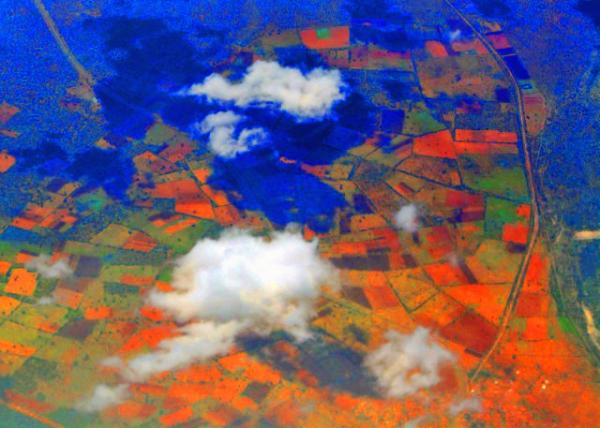 Aerial View of the Conjunction of Zimbabwe, Botswana, & Zambia Aerial View of the Conjunction of Zimbabwe, Botswana, & Zambia
(鸟瞰津巴布韦、博茨瓦纳和赞比亚交界处)
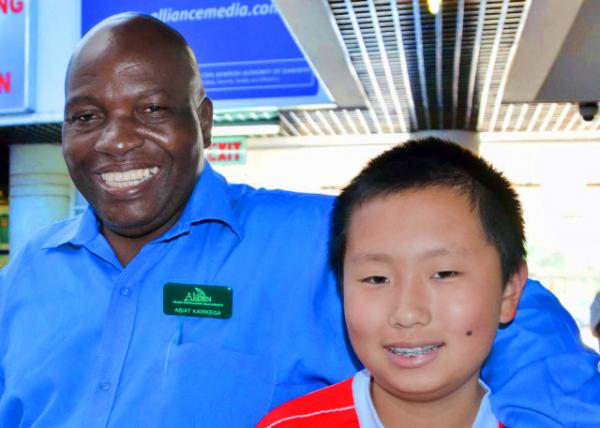 Zimbabwean Tour Guide (津巴布韦导游 01-09-2014) Zimbabwean Tour Guide (津巴布韦导游 01-09-2014)
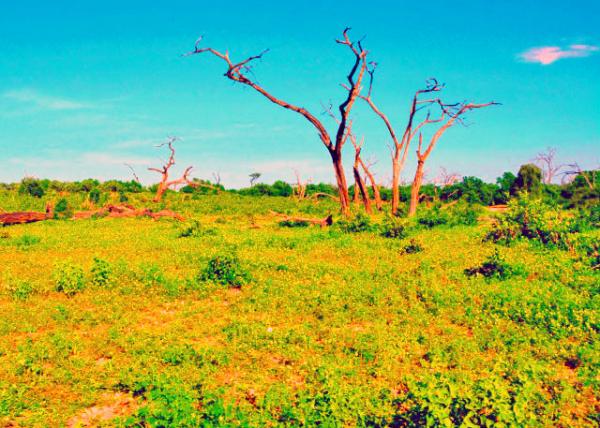 Savannah w/ Its Large Elephant Population & Abundant Wildlife Viewing Opportunities, particularly along the Chobe Riverfront Savannah w/ Its Large Elephant Population & Abundant Wildlife Viewing Opportunities, particularly along the Chobe Riverfront
(稀树草原·大象数量众多,足以近距离观赏乔贝河沿岸的野生动物) 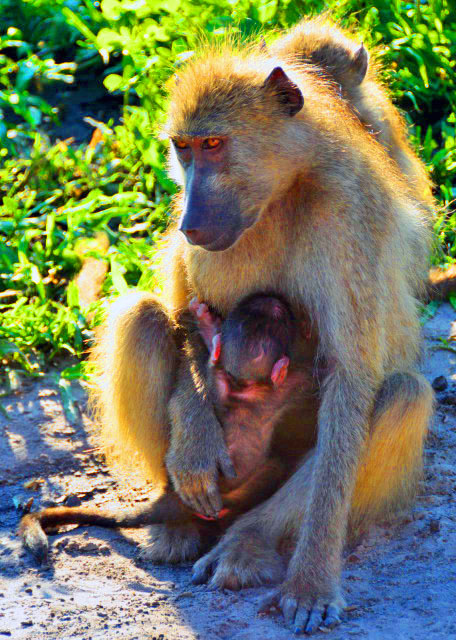
Baboon w/ Babies in Front & Back (背着并抱着崽儿的狒狒“狗头”妈) 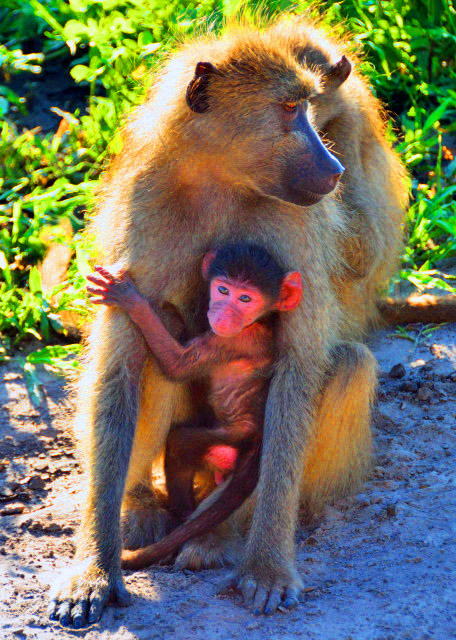
Cape Baboons, the Largest Members of the Monkey Family (非洲狒狒“狗头”·猴科中体型最大的成员) 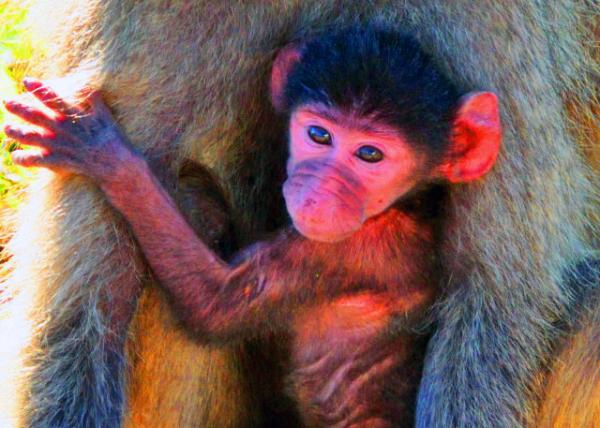 Baby Baboon, Clinging Tightly to the Underside of Its Mother's Belly Baby Baboon, Clinging Tightly to the Underside of Its Mother's Belly
(狒崽·紧抓母亲的腹部下方) 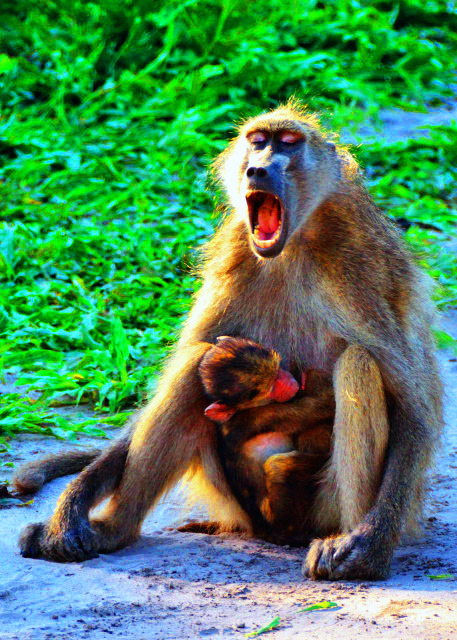
Yawning Mother Baboon (打哈欠的狒妈)
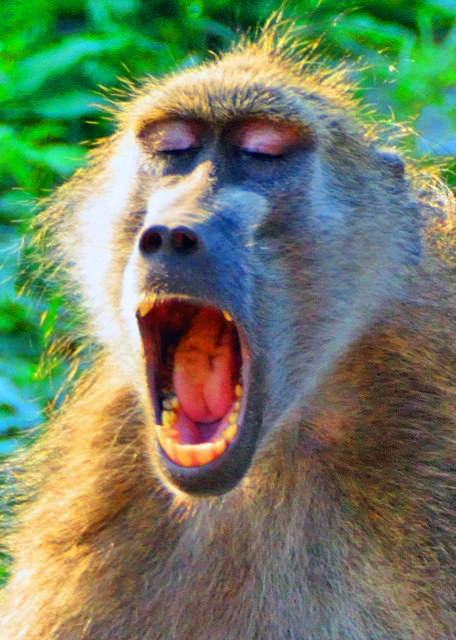
Sharp Canine Teeth (尖犬齿) 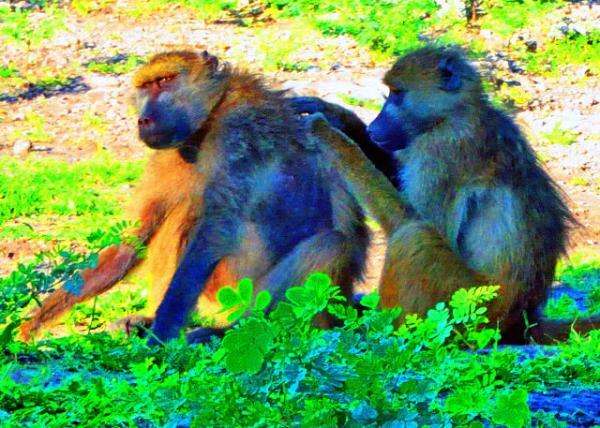 Baboon Grooming Partnership (狒狒梳理互助关系) Baboon Grooming Partnership (狒狒梳理互助关系)
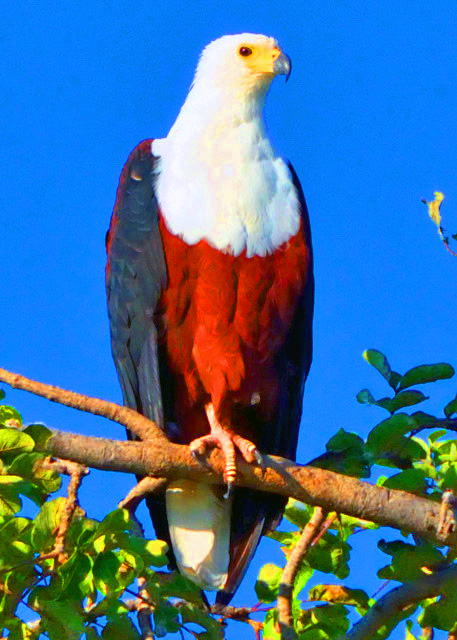
Fish Eagle, Good for Kleptoparasitism (非洲鱼雕·盗窃寄生主义) 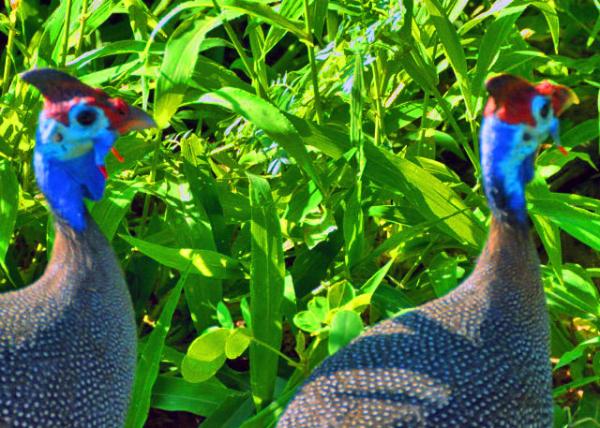 Helmeted Guineafowl, Featuring a Featherless Blue Head, Red Wattles, & a Bony Casque Helmeted Guineafowl, Featuring a Featherless Blue Head, Red Wattles, & a Bony Casque
(珠鸡·无毛的蓝色头部、红色的肉垂和骨质的盔突) 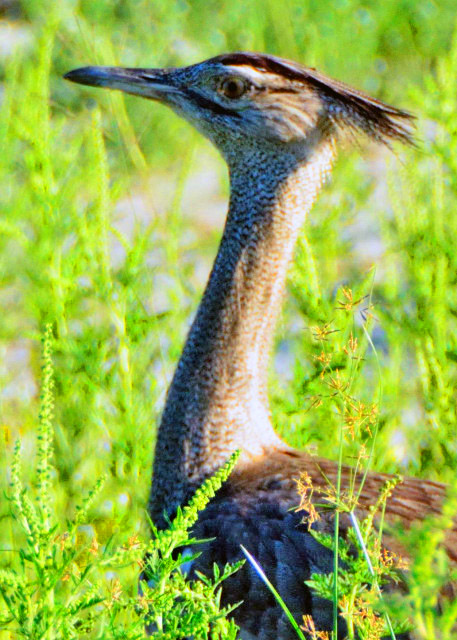
Kori Bustard, the Largest Flying Bird Native to Africa (科里“羔羊”灰颈鹭鸨·非洲最大的飞行鸟类) 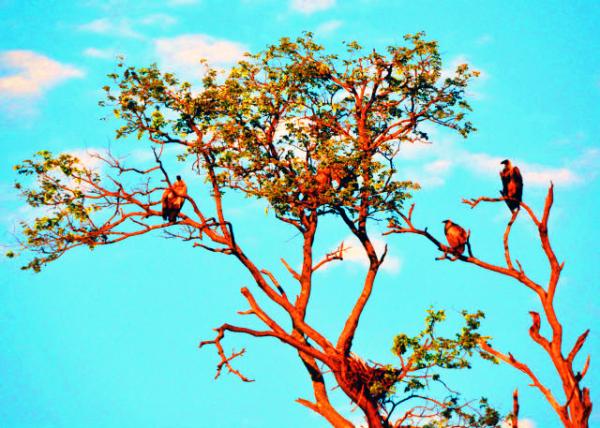 White-backed Vultures, Perched on a Dead Camel Thorn Tree in Chobe Natl Park White-backed Vultures, Perched on a Dead Camel Thorn Tree in Chobe Natl Park
(白背兀鹫·栖息在博茨瓦纳乔贝国家公园骆驼刺枯树上) 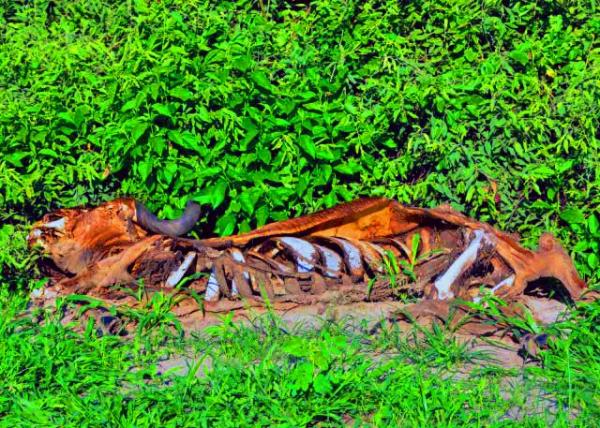 Cape Buffalo Carcass (水牛尸体) Cape Buffalo Carcass (水牛尸体)
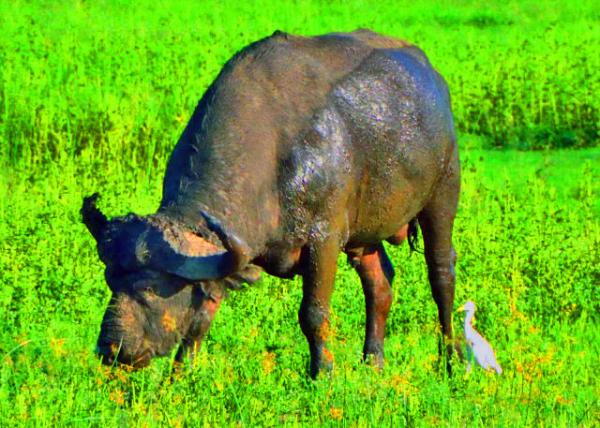 Cape Buffalo & Cattle Egret (非洲水牛与牛背鹭) Cape Buffalo & Cattle Egret (非洲水牛与牛背鹭)
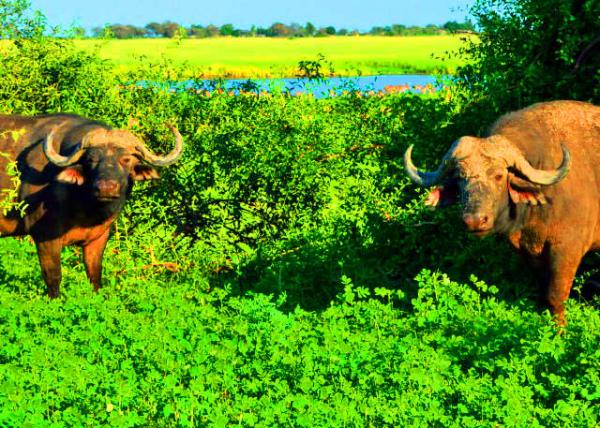 Cape Buffaloes w/ Massive Horns & the "Boss" Cape Buffaloes w/ Massive Horns & the "Boss"
(非洲水牛·拥有巨大的角和“头冠”) 
Cape Buffaloes, the "Widowmakers" (非洲水牛·“寡妇制造者”) 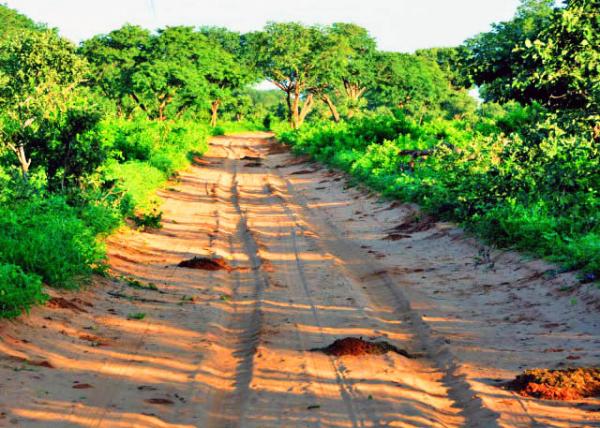 Elephant Poops, Made for Black Ivory Coffee Elephant Poops, Made for Black Ivory Coffee
(大象粪便·用于生产黑象牙咖啡) 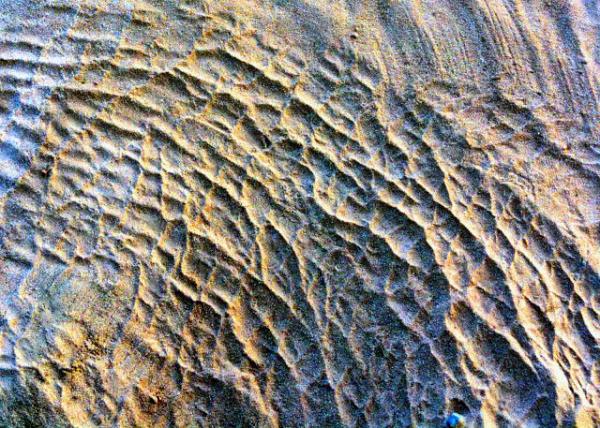 Elephant Skin Print on Sand (大象沙印) Elephant Skin Print on Sand (大象沙印)
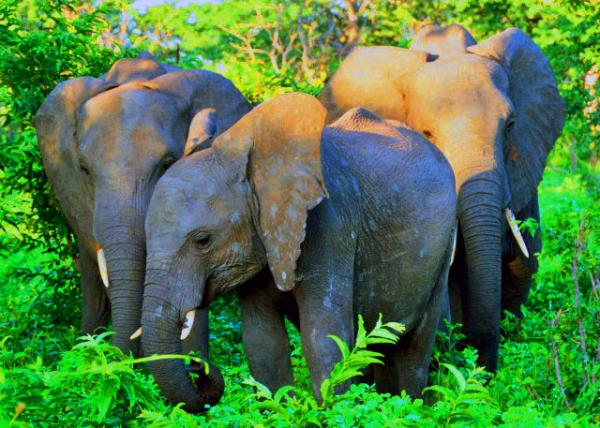 African Bush Elephants, the World's Largest Living Land Mammals African Bush Elephants, the World's Largest Living Land Mammals
(非洲草原象·世上最大的现存陆生哺乳动物) 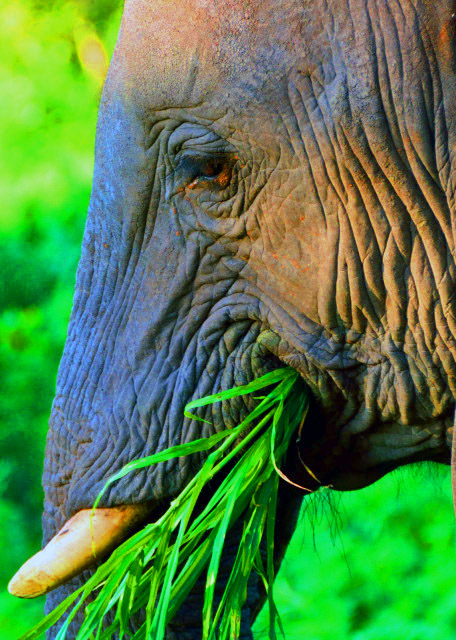
Short Tactile Hair Growing on the Trunk (象鼻上长有触觉短毛) 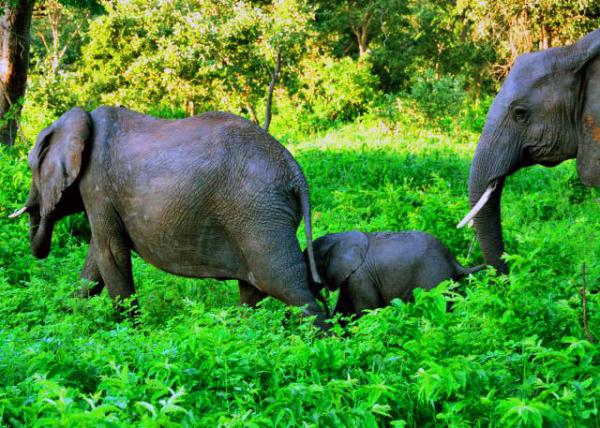 African Bush Elephant w/ Calf (非洲草原象全家老少) African Bush Elephant w/ Calf (非洲草原象全家老少)
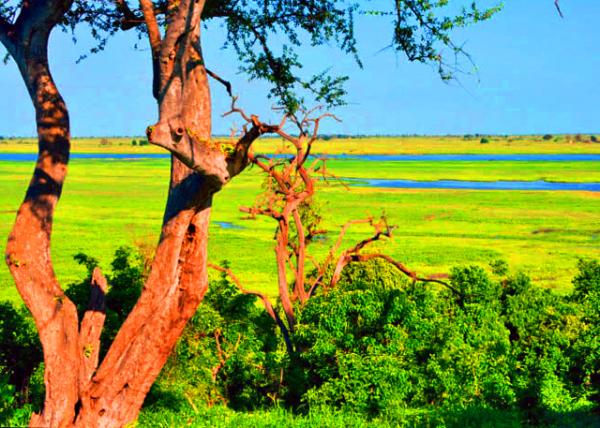 Chobe River, Hosting the Highest Concentration of African Bush Elephants on the Continent Chobe River, Hosting the Highest Concentration of African Bush Elephants on the Continent
(乔贝河·非洲象的密度在非洲大陆最高) 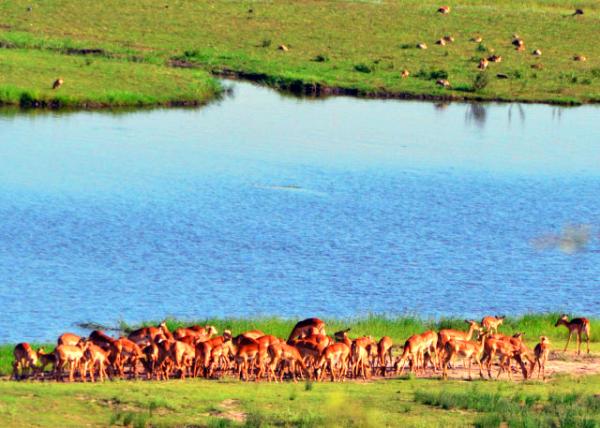 Impalas,Famous for Pronking, Safety in Numbers, Social Structure, & McDonald's of the Bush Impalas,Famous for Pronking, Safety in Numbers, Social Structure, & McDonald's of the Bush
(高角羚·以跳跃、人多力量大、社会结构和“丛林麦当劳”著称) 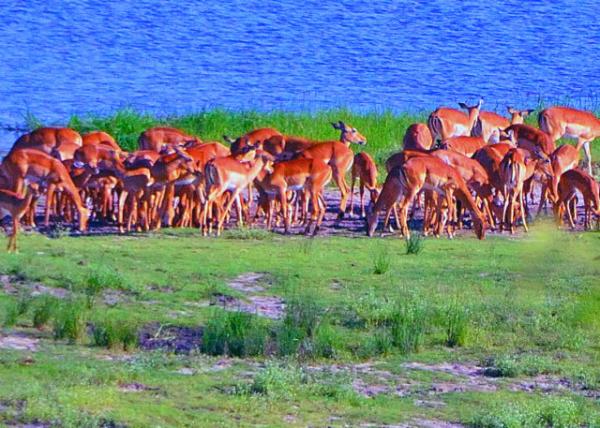 Female Impala w/ Delayed Gestation for the 1st Rains to Ensure Abundant Food Female Impala w/ Delayed Gestation for the 1st Rains to Ensure Abundant Food
(雌性高角羚·妊娠期延迟以确保幼崽在第一场雨到来时获得充足的食物) 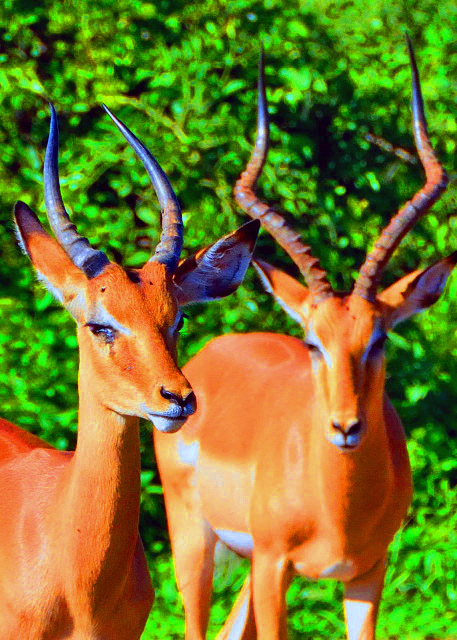
Male Impala w/ Large, Striking, Lyre-Shaped Horn (雄高角羚·硕大、醒目、琴形的角) 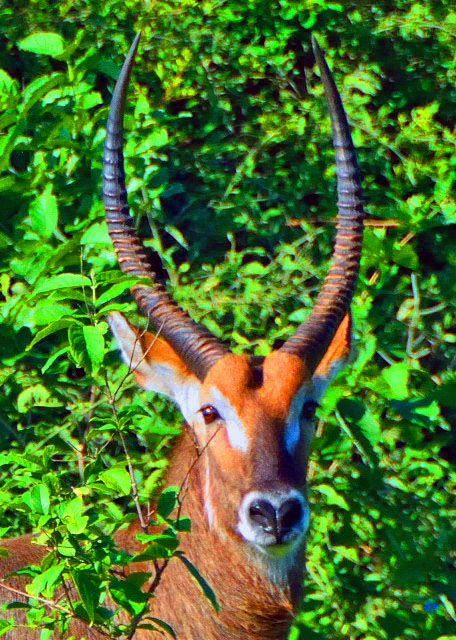
Male Waterbuck w/ Magnificent, Spiraled, & Ringed Horns up to 1 Meter/40 Inches in Length (雄大羚羊·壮观的螺旋状环纹角,长度可达1米/40英寸) 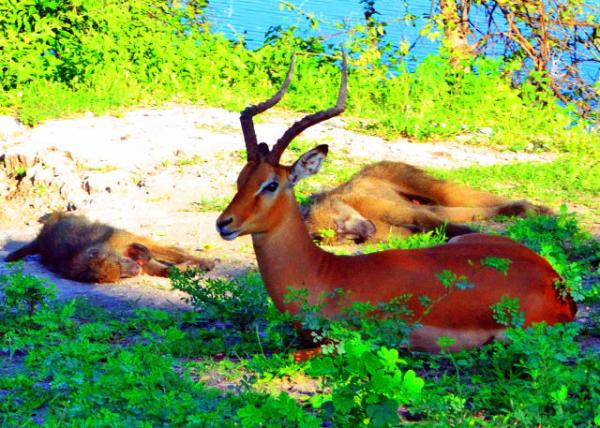 Impala & Baboon (高角羚与狒狒) Impala & Baboon (高角羚与狒狒)
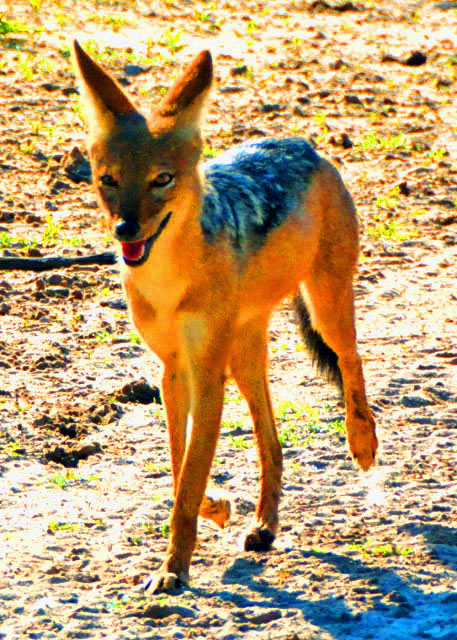
Black-backed Jackal, a Monogamous Animal (黑背胡狼·一夫一妻制动物) 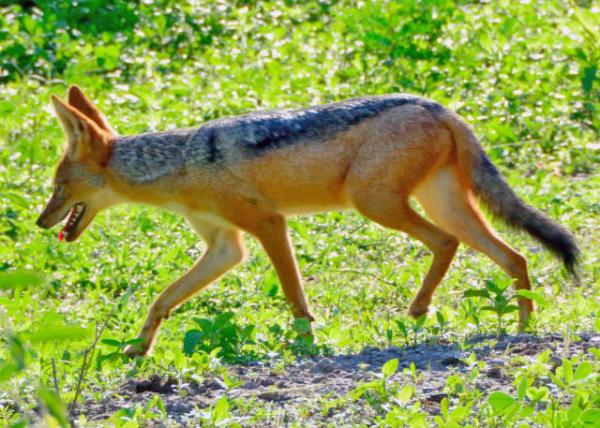
Black-backed Jackal, Not a Fussy Eater (黑背胡狼·从不挑食) 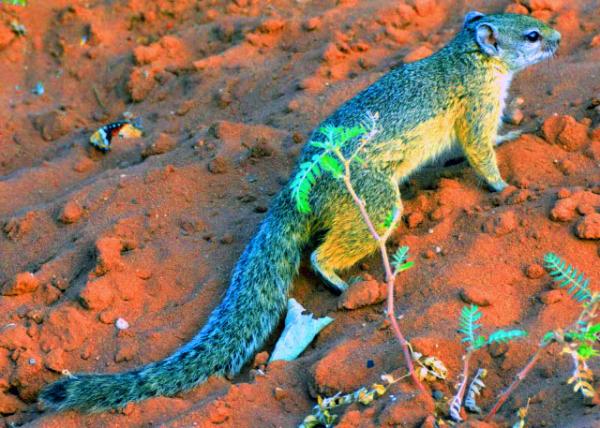 Unstriped Ground Squirrel (无条纹地松鼠) Unstriped Ground Squirrel (无条纹地松鼠)
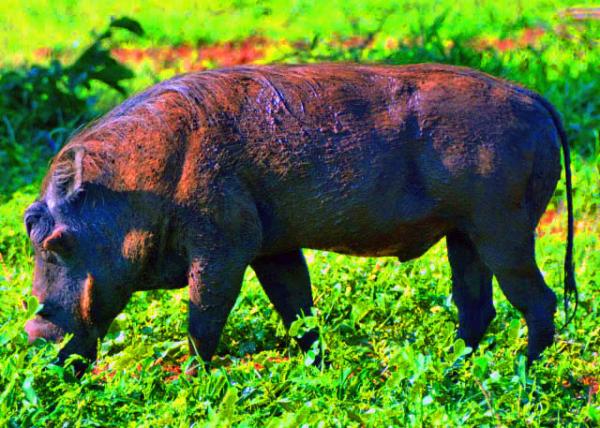 Warthog w/ Warty Protrusions Composed of Bone & Cartilage Warthog w/ Warty Protrusions Composed of Bone & Cartilage
(疣猪·长有由骨骼和软骨构成的疣状突起) 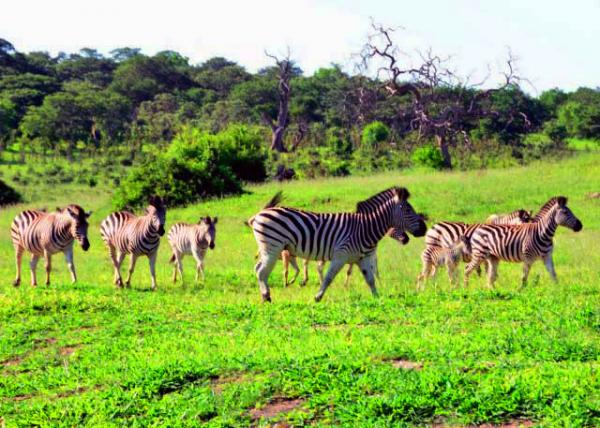 Plains Zebras, the Most Common & Geographically Widespread Species of Zebra in Black-and-White Striping Plains Zebras, the Most Common & Geographically Widespread Species of Zebra in Black-and-White Striping
(平原斑马·黑白条纹,最常见、分布最广的斑马物种) 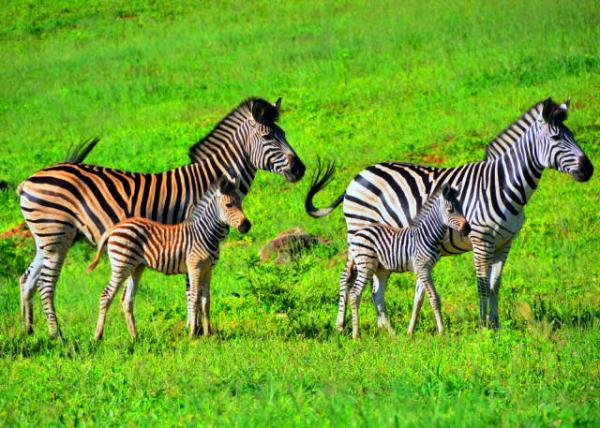 Mothers & Foals (斑马宝妈与马驹) Mothers & Foals (斑马宝妈与马驹)
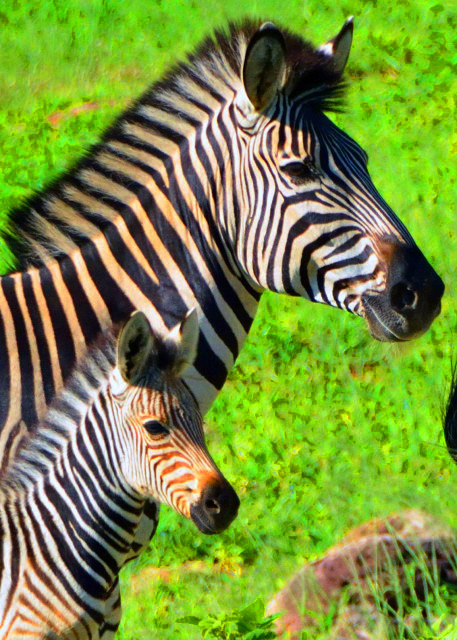
Mane Zebra Stripes, a Form of Protection from Biting Flies (鬃毛斑马斑纹·防止蝇咬) 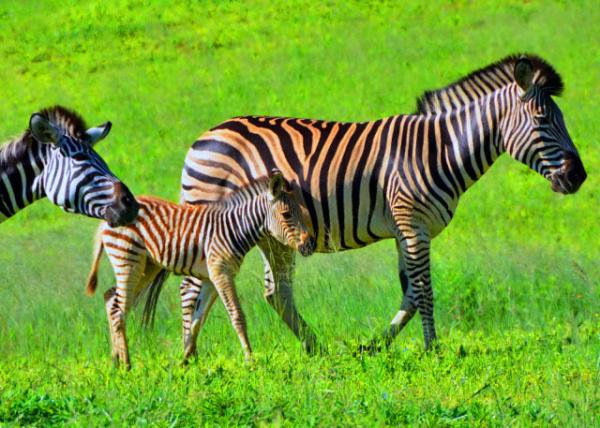 Zebra Harem within a Herd (群内斑马后宫) Zebra Harem within a Herd (群内斑马后宫)
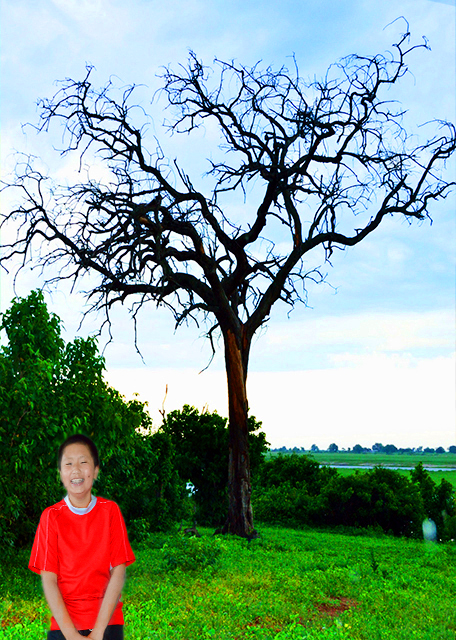
Camel Thorn Tree, a Symbol of Endurance & Survival (骆驼刺树·韧性和生存的象征 01-09-2014) Crosslinks(相关博文):: Botswana(出游博茨瓦纳)
Across the Indian Ocean(穿越印度洋) Africa (漫游非洲) 5th Grade(小学五年级)
|