2013-12-27

【Aiden in English】
The narrow, winding, and serene alleys made it a mysterious place. The bare stone walls, iron-bar windows, and pointed wooden doors created a gloomy atmosphere. But as I entered the more extensive road, the place burst into excited activity. I felt as though I was transported back to the "Arabian Nights" in ancient times (1706-1721). This is Stone Town, Zanzibar, in Tanzania, a Swahili coastal trading center in East Africa that has been influenced by African, Arabian, Indian, and European cultures for over a millennium, and a UNESCO World Heritage Site. To navigate Stone Town, you must get a map or someone who has lived here for at least half a year. The streets turned every few meters, and every street looked identical. As we approached the emporium, shop after shop lined up, and their doors were next to each other. Every gate is stylized with its unique tradition from India, the Arab world, or Africa. More and more medieval history tends to get our attention. I noticed that even if you had a map, it wouldn't work either. There were so many attractions that lured you toward it. Even so, the tour guide didn't hesitate to take turns. When we arrived at the center of Stone Town, I was intrigued by the routines and liveliness. Dirt bikes raced through the cramped, cobble-paved pathway, seeming extremely brave as they barely fit the maze-like streets. In addition, Zanzibar was filled with a flood of people rushing in all directions during the holiday season at the end of the year. The drivers had to be more careful than ever. The residents walked around with baskets on their heads while the tourists browsed through bazaars, looking for gifts to buy. I don't like shopping, but this place still looked attractive even though I wasn't a shopper. The locals were selling everything from antiques to sugarcane juice. The sugarcane juice fascinated me the most. The sugarcane was fed into a machine with two rolling pins, and the juice was pressed out of the plant. Summer looked gorgeous, and a clear cloud could be seen in the ocean-blue sky. The only thing that bothered us was the humidity. We got blasted at the hottest time of the year. Without humility, it would have been friendly and calm throughout the dry season in December. This place was very mysterious and gloomy. However, if you take the time to look, you may discover the excitement and adventure of Stone Town, Zanzibar, Tanzania. In 2000, Stone Town, Zanzibar, was inscribed as a UNESCO World Heritage Site. 【紅霞譯】
狹窄、蜿蜒、幽靜的小巷神秘莫測﹔深暗石牆、鐵條窗戶還有帶刺木門陰森可布,令人禁不住想起古時流傳的《一千零一夜》神話世界,這就是上千年來久已融合非洲、阿拉伯、印度和歐洲文化的東非斯瓦西里“海岸”貿易重鎮、聯合國科教文組織《世界遺產名錄》非物質文化——坦桑尼亞桑給巴爾“黑海岸”石頭城。
欲想瀏覽桑給巴爾,你離不開地圖指南;或者有人至少住過一年半載並熟知當地經緯縱橫,可以與你同游共覽。古城街道彎彎繞繞,所有馬路好像一個模樣。商業區中心,店面挨着店面,門對門臉貼臉,雕梁畫柱不是吸取印度、阿拉伯精美富貴的浮華風格,就是改良非洲本地渾厚滯重的祖傳工藝。總而言之,中世紀文化遺蹟遍地可尋,令我們大為傾倒。縱使地圖在握,你猶如身陷“天方夜譚”而無瑕顧及東南西北,只有導遊才是指路明燈。
桑給巴爾逗留之際,當地人的日常生活引起我極大的興趣。摩托車肆意穿行鵝卵石狹窄過道,司機簡直膽大包天,馬路寬度只有摩托車大小,而且九曲十八彎,再加上聖誕—新年過節期間,路人川流不息,駕車行駛應該比其它任何時候都要謹慎才對。
桑給巴爾人頭頂貨籃串街走巷,遊客們逐門挨戶逛商店買禮物。就個人而言,我不愛逛街,但是,即使本尊不是一位購物狂,桑給巴爾仍然極具魅力,從古董到甘蔗汁,五花八門。軋甘蔗汁非常有趣,只要把甘蔗放入機器內,兩排齒輪不停地滾動,果汁就被擠壓出來。
桑給巴爾夏天優美,潔白的雲朵掛在湛藍的天空上。如果說有什麼不適的話,那便是濕氣。如果氣候不潮,儘管旱季十二月底幾乎是一年當中最熱的時候,溫度仍然相當愜意。 沒錯兒,桑給巴爾神秘莫測,桑給巴爾陰森可怖,但只要你肯花些時間走走看看,坦桑尼亞的桑給巴爾絕對叫你興奮不已,驚喜萬狀。 2000年,桑給巴爾石頭城被聯合國教科文組織納入《世界遺產名錄》。
Today in History(歷史上的今天):
2012: Antarctic Dream(南極夢)
2009: 新西蘭峽灣國家公園(Fiordland NP, NZ)  Zanzibar, the Stone Town, Homogenized Disparate Elements of the Cultures of Africa, the Arab Region, India, & Europe over More Than a Millennium
(桑給巴爾石頭城·將非洲、阿拉伯地區、印度和歐洲等地的多元文化元素融合在一起已長達一千多年 12-27-2013)
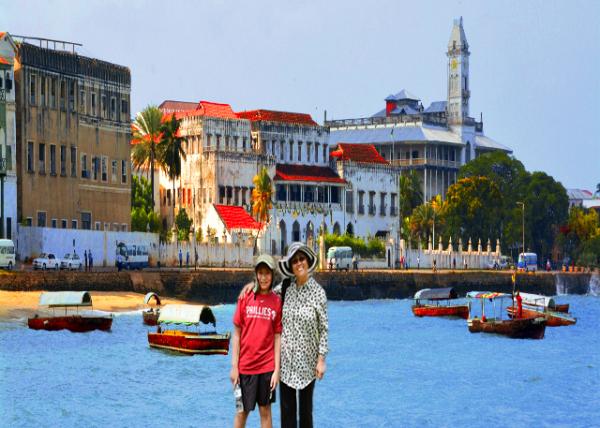 Beit el-Sahel the People's Palace & Beit El Ajaib the Palace of Wonders, Formerly the Reception Palace of the Sultans & Today a People's Palace
(貝特·薩赫勒“人民宮”與貝特·阿賈伊布“奇蹟宮”·蘇丹“國王”接待宮 12-27-2013) 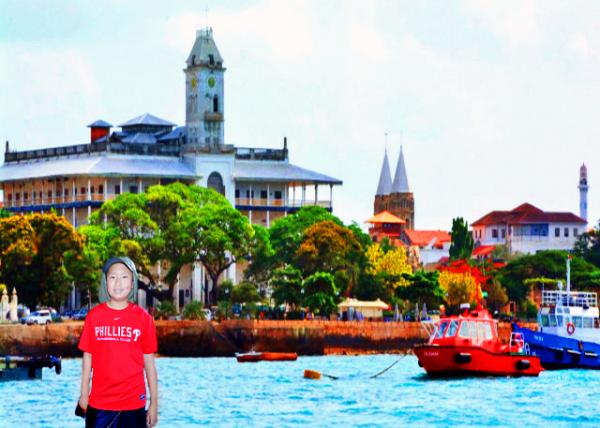 Sultan's Palace, the Zanzibari Royal Family Then & History Museum Now
(蘇丹皇宮·舊時桑給巴爾王室、如今歷史博物館 12-27-2013) 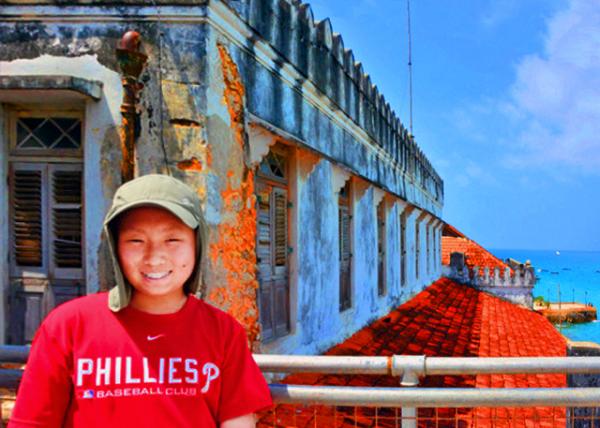 Balcony @ Sultan's Palace (蘇丹皇宮·陽台 12-27-2013)
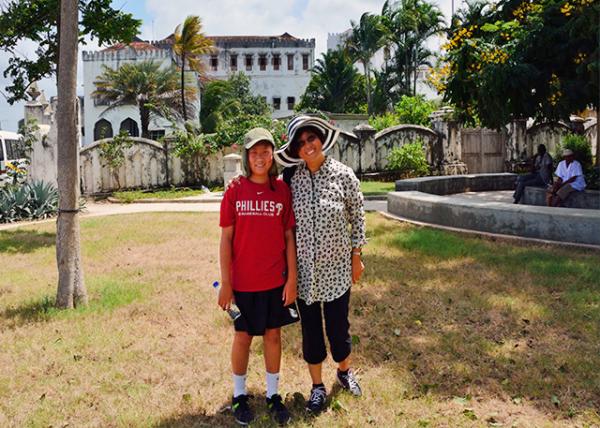 Beit el-Sahel, Home Sultans' Families in the 1880s
(貝特·薩赫勒“海岸之家”·19世紀80年代蘇丹家族所在地) 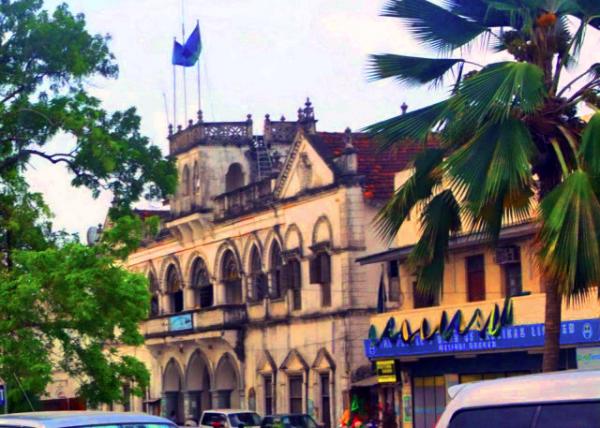 Beit el-Sahel, the Zanzibari Royal Family & History Museum
(蘇丹皇宮·桑給巴爾王室和歷史博物館) 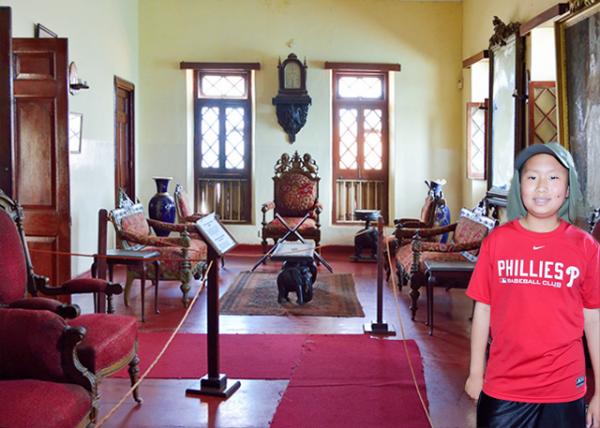 Palace Museum, the Historic, Opulent 19th-century Residence of the Zanzibari Sultans
(宮殿博物館·桑給巴爾蘇丹王朝19世紀歷史悠久、富麗堂皇的住所 12-27-2013) 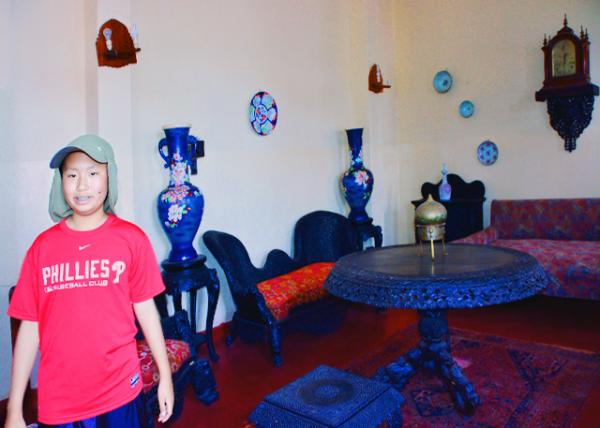 Living Rm of Sultan's Palace
(蘇丹皇宮·客廳 12-27-2013) 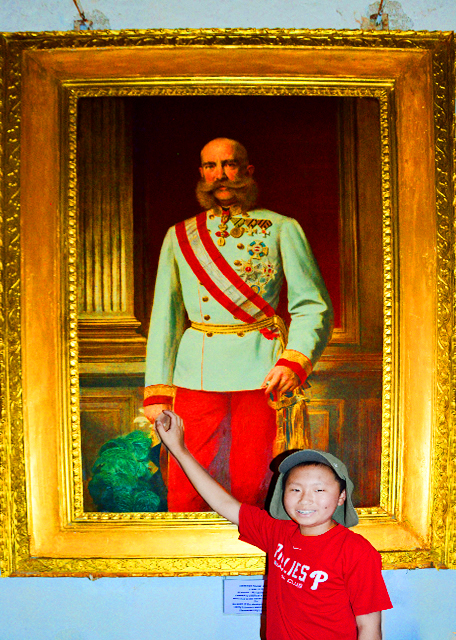
Seat of Zanzibar Sultans (蘇丹皇宮·塑像 12-27-2013) 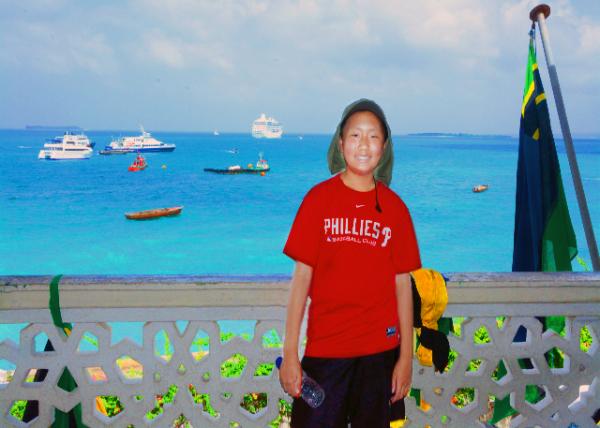 Zanzibar Channel Viewed from Sultan's Palace
(從蘇丹皇宮近觀桑給巴爾海峽 12-27-2013) 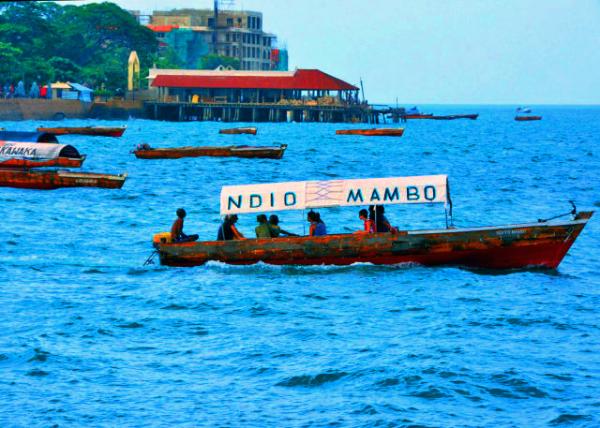 Mtepes of the Swahili Coast
(斯瓦西里海岸姆特佩“傳統”船) 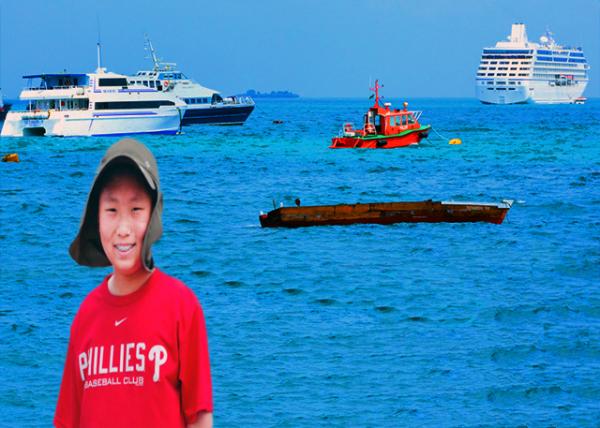 Zanzibar Channel, Separating the Island of Zanzibar from Mainland Tanzania
(桑給巴爾海峽·將桑給巴爾島與坦桑尼亞大陸分隔開來 12-27-2013) 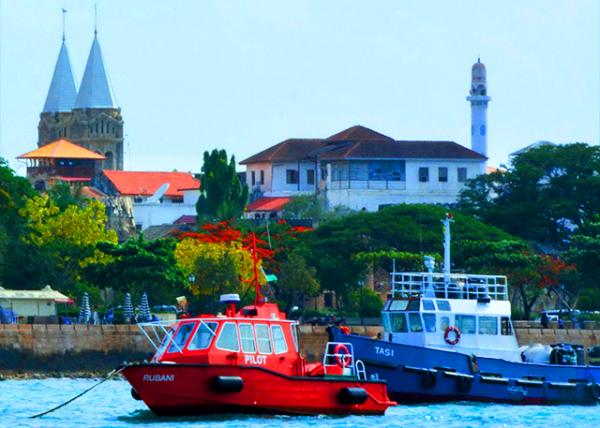 Bell Towers of St. Joseph's Roman Catholic Cathedral & Minaret of Jitah-Li-La Mosque
(聖約瑟夫“神賜”羅馬天主教堂鐘樓 | 吉塔利拉“神聖勝利”清真寺宣禮塔) 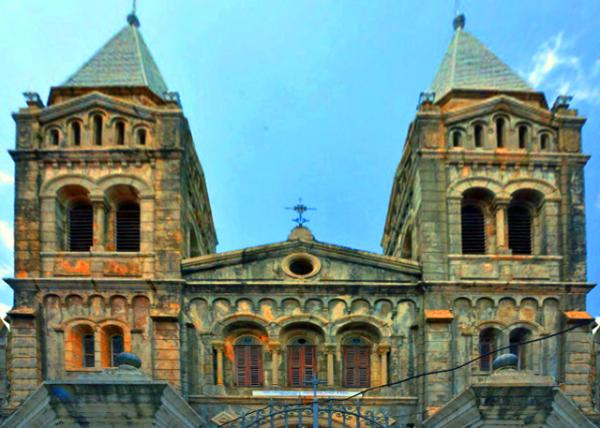 St. Joseph's Roman Catholic Cathedral | Influenced by the Marseille Cathedral in France | Built Between 1893 & 1898
(聖約瑟夫羅馬天主教堂·受法國馬賽大教堂影響,建於1893—1898年間) 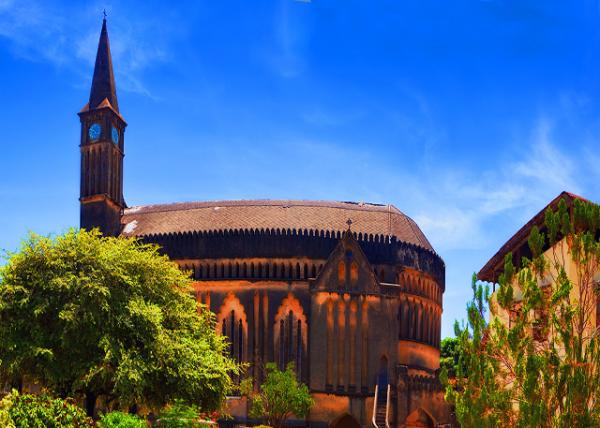 Christ Church Anglican Cathedral Built Using Coral Stone in 1879, Mixing Perpendicular Gothic & Islamic Details
(基督聖公會大教堂·用珊瑚石建於1879年,融合了垂直哥特式和伊斯蘭風格) 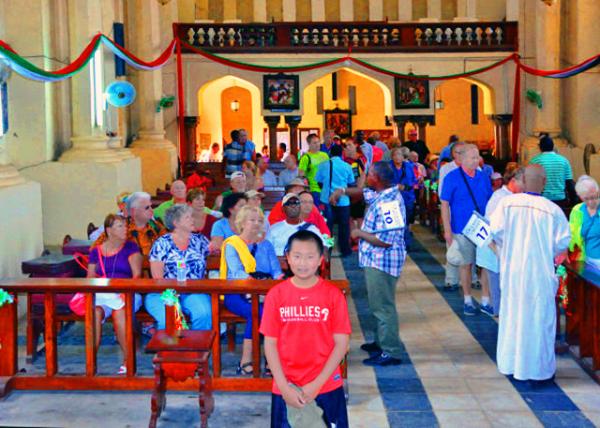 Nave @ Christ Church Anglican Cathedral
(基督聖公會大教堂·主殿 12-27-2013) 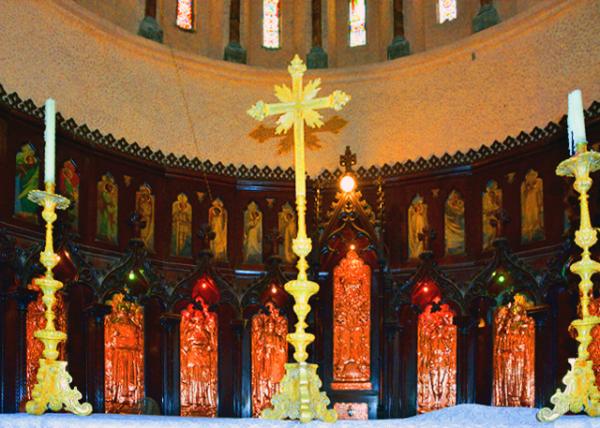 Altar of Christ Church Anglican Cathedral
(基督聖公會大教堂·祭壇) 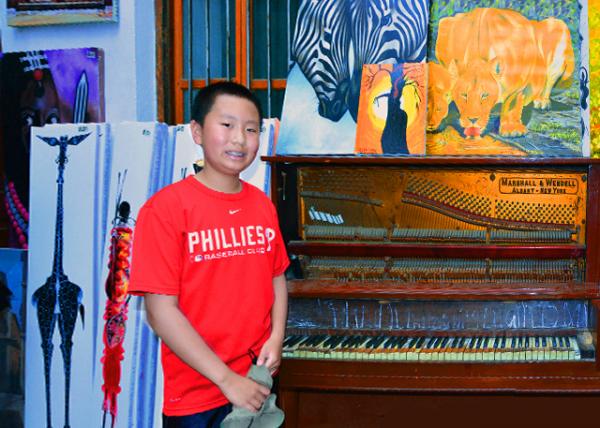 Organ of Christ Church Anglican Cathedral
(基督聖公會大教堂·風琴 12-27-2013)
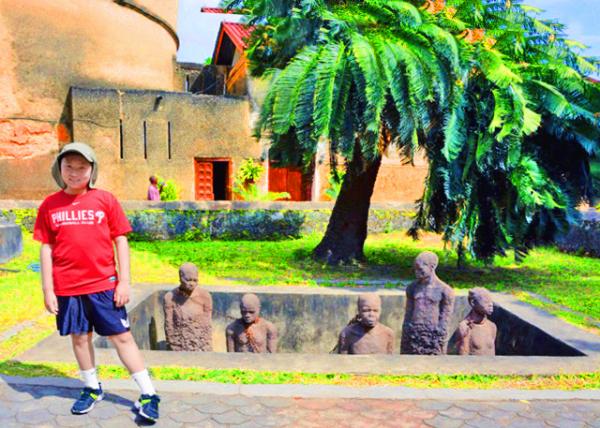 Monument to the Slaves, the Last Permanent Slave Market in East Africa @Christ Church Anglican Cathedral
(基督教堂奴隸紀念地·東非最後一個永久性奴隸市場 12-27-2013) 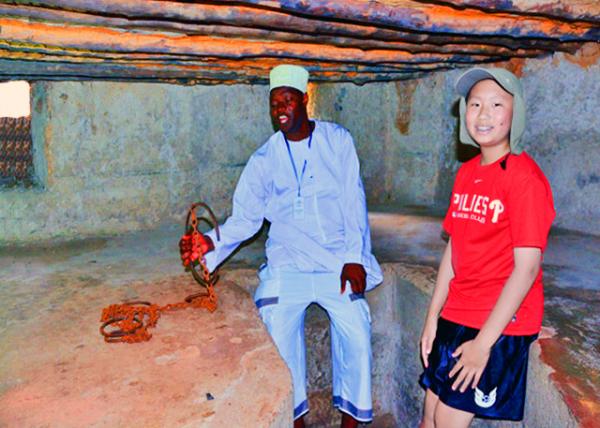 Slave Prison @ Christ Church Anglican Cathedral
(基督聖公會大教堂·奴隸監獄 12-27-2013) 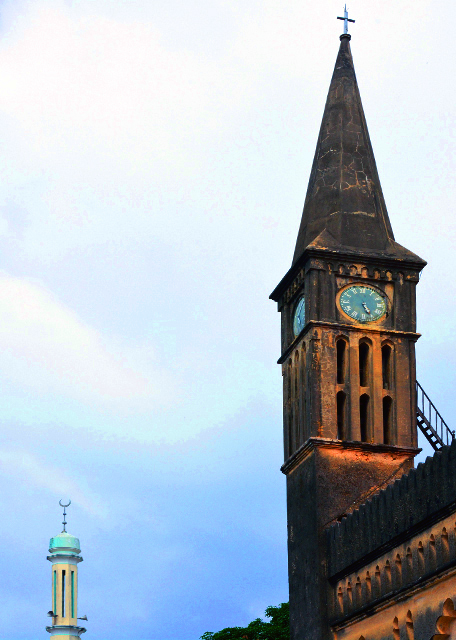
Minaret of Jitah-Li-La Mosque vs. Clock Tower of Christ Church Anglican Cathedral (吉塔利拉清真寺宣禮塔與基督聖公會大教堂鐘樓) 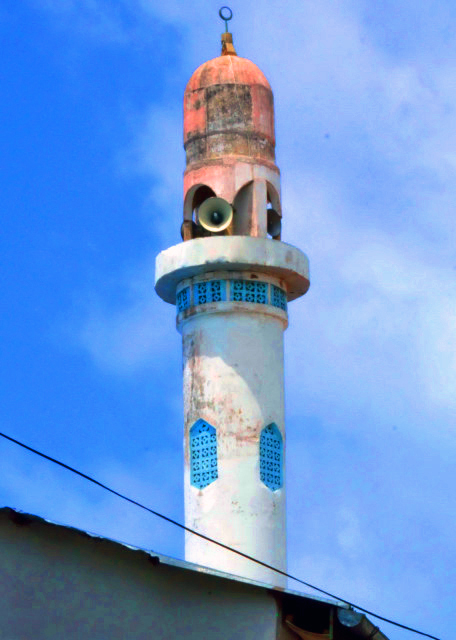
Jitah-Li-La Mosque Minaret (吉塔利拉清真寺·宣禮塔) 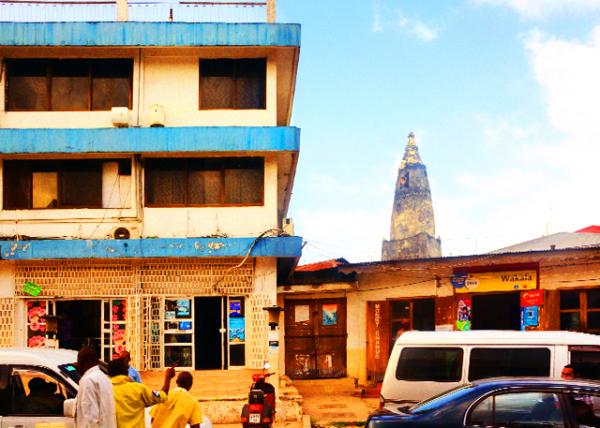 Malindi Mosque, the Oldest in Zanzibar, Dating back to the 15th Century
(馬林迪“富饒之地”清真寺·桑給巴爾最古老的清真寺,其歷史可追溯到15世紀) 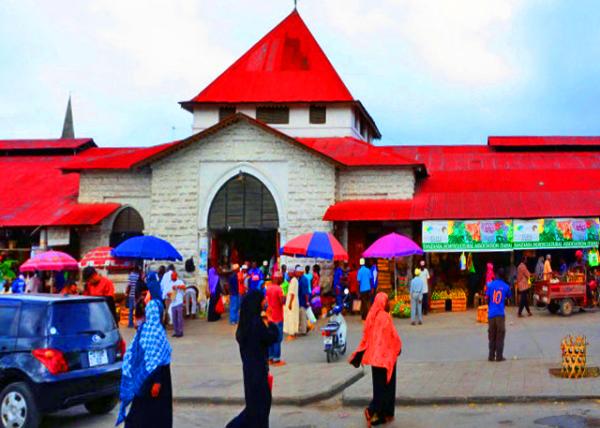 Central Market Darajani (達拉賈尼“堤道”中央市場)
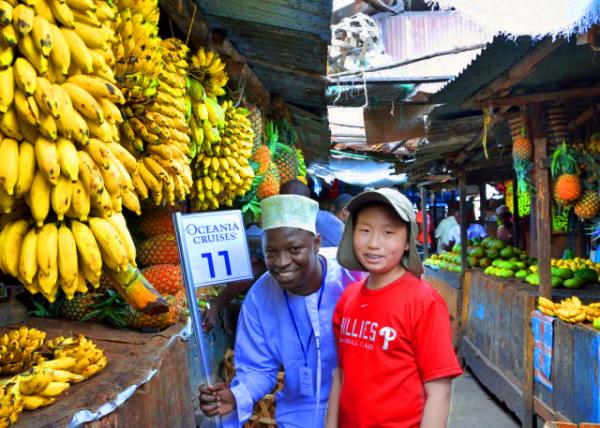 Tour Guide @ Central Market Darajani
(與導遊於達拉賈尼中央市場 12-27-2013) 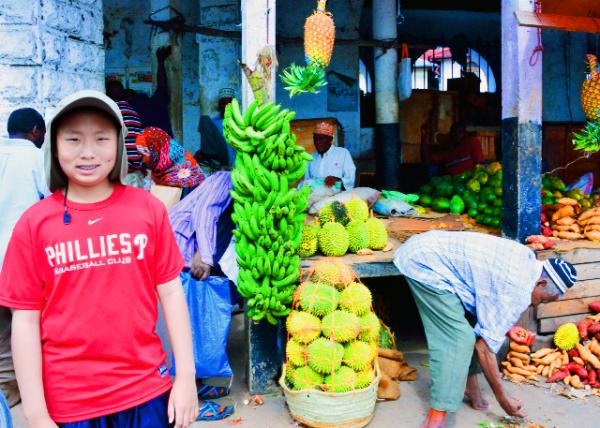 Fruit Stalls w/ Popular Custard Apples @ Central Market Darajani
(達拉賈尼中央市場·番荔枝時髦水果攤 12-27-2013)
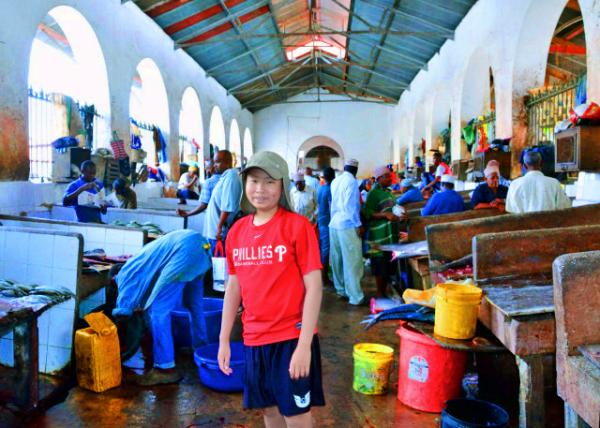 Seafood @ Central Market Darajani
(達拉賈尼中央市場·海鮮部 12-27-2013) 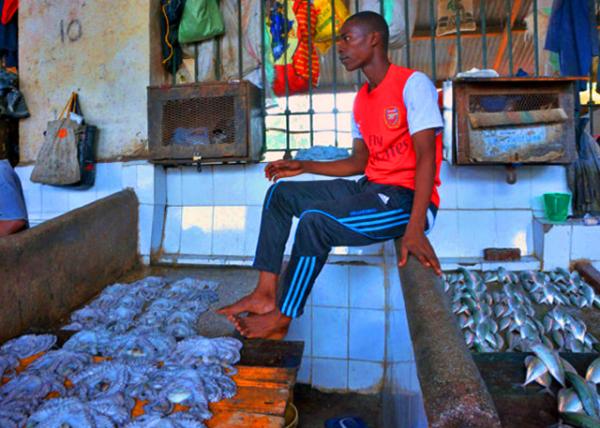 Fish Stall @ Central Market Darajani
(達拉賈尼中央市場·魚攤)
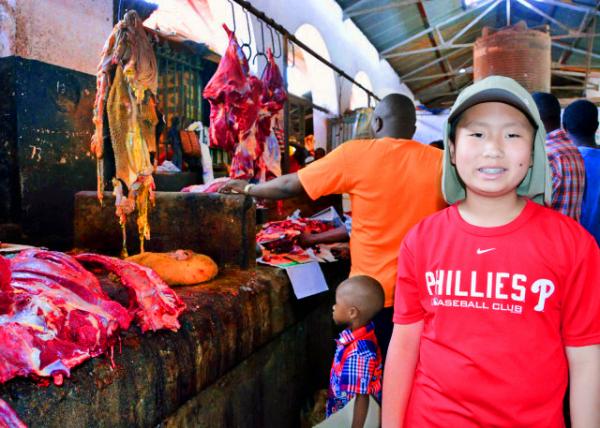 Meat Stall @ Central Market Darajani
(達拉賈尼中央市場·肉食攤 12-27-2013) 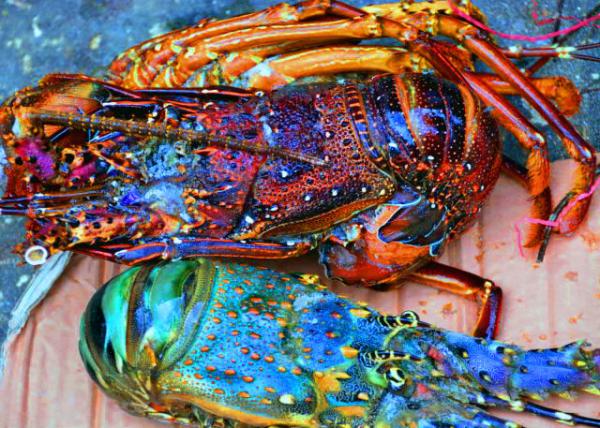 Kreef, the Lobster (刺龍蝦)
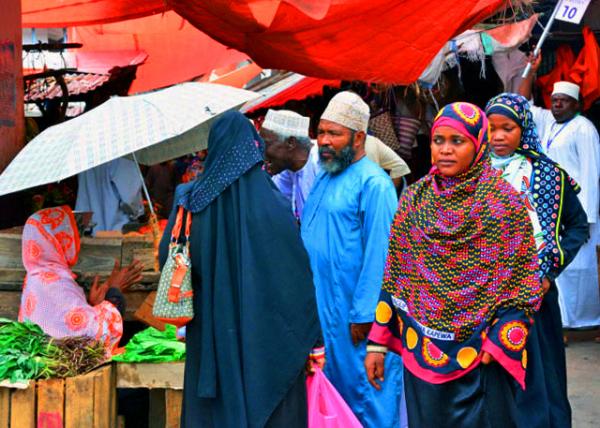 Shopping-around Swahili Ladies (逛超市的斯瓦西里女士)
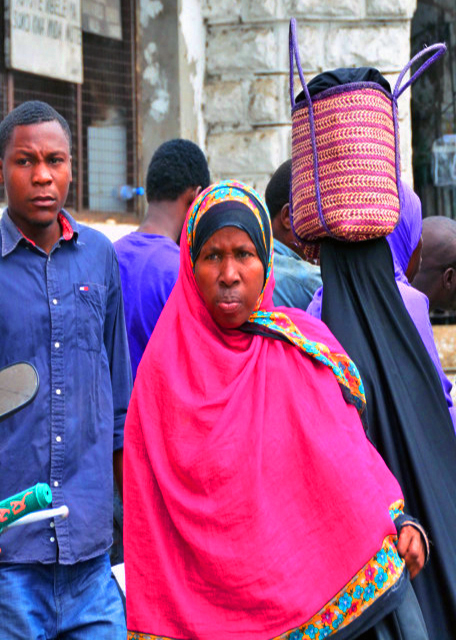
Swahili People, a Blend of Bantu & Arab Cultures along the East African Coast (斯瓦西里人·沿東非海岸融合了班圖文化和阿拉伯文化) 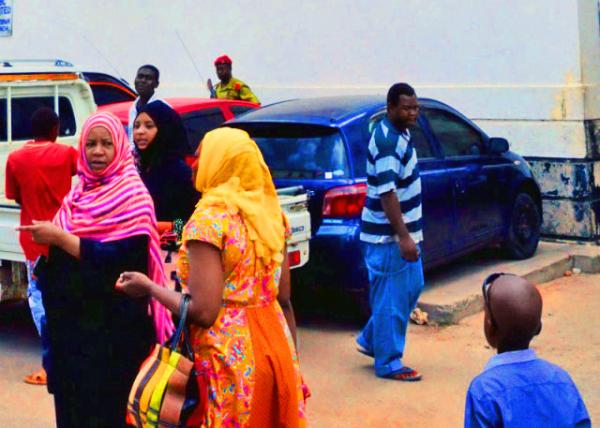 Swahili Women in Skafu (圍頭巾的東非婦女)
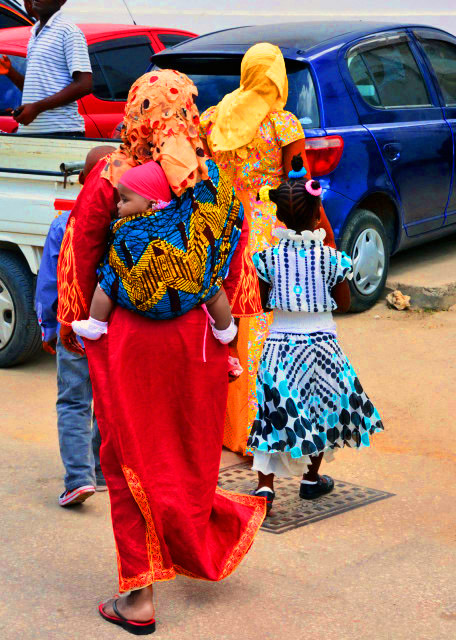
Swahili Mom Carrying the Baby on Her Back (斯瓦希里媽媽背着孩子)
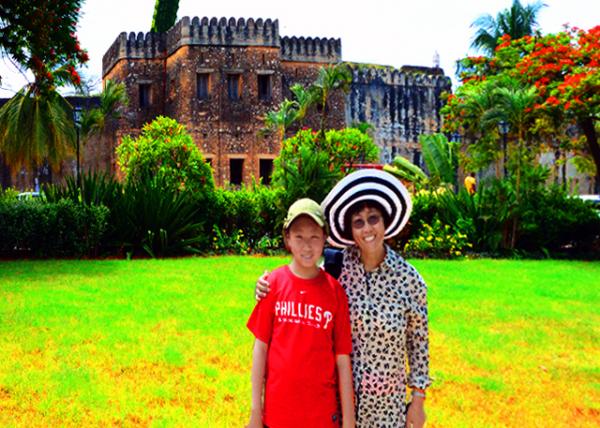 Arab Fort, the Historical Fortifications Built by the Omani Arabs After Their Control of the Island from the Portuguese in the Late 17th Century
(阿拉伯古堡·17世紀末阿曼阿拉伯人從葡萄牙人手中奪取該島控制權後修建的歷史性防禦工事 12-27-2013) 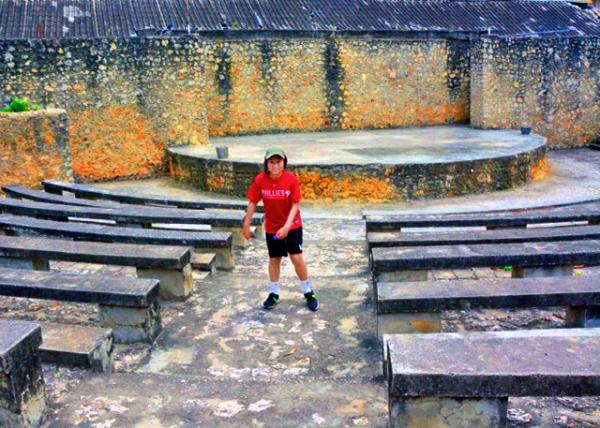 Amphitheatre of Arab Fort, Built on the Site of an Earlier Portuguese Church
(阿拉伯古堡露天劇場·建於早期葡萄牙教堂遺址上 12-27-2013) 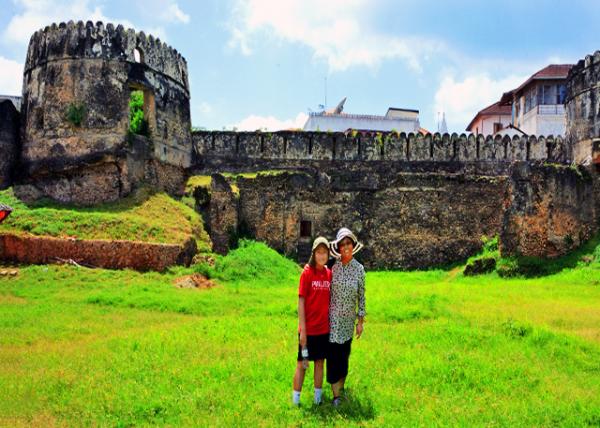 Garrison & Prison @ Arab Fort
(阿拉伯古堡·要塞與監獄 12-27-2013) 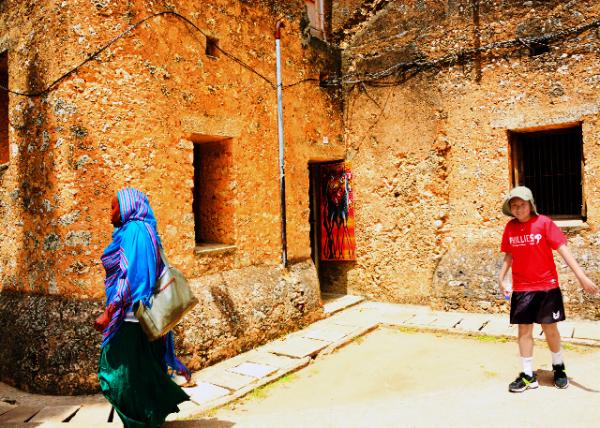 Ruins of Mtoni Palace, the Grandest Royal Residence on the Island, Built in the Early 19th Century by Sultan Said bin Sultan
(姆托尼“溪畔”宮遺址·由蘇丹賽義德·本·蘇丹“阿曼和桑給巴爾蘇丹”於19世紀初建造的島上最宏偉的皇家住所 12-27-2013)
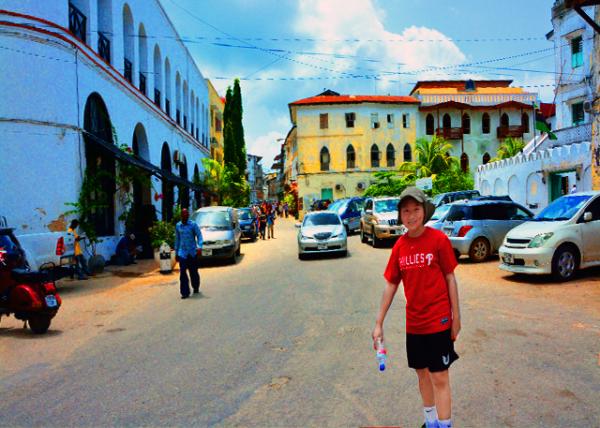 Kelele Square, Serving as the Upscale Anchor Point for Luxury Accommodations
(凱萊萊“喧鬧”廣場·豪華住宿的高檔地標 12-27-2013) 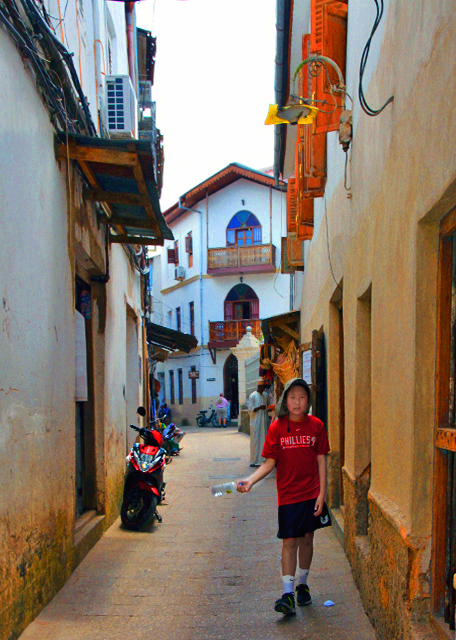
A Mystery of the Narrow, Winding, & Serene Street (曲徑通幽 12-27-2013) 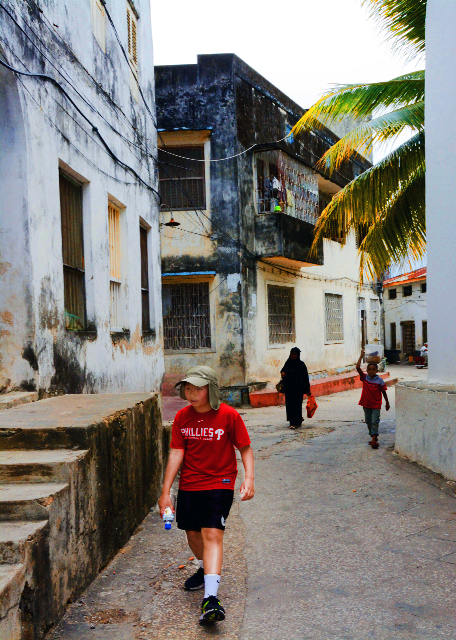
Labyrinth of Bending Alleyway (九曲十八彎迷宮 12-27-2013) 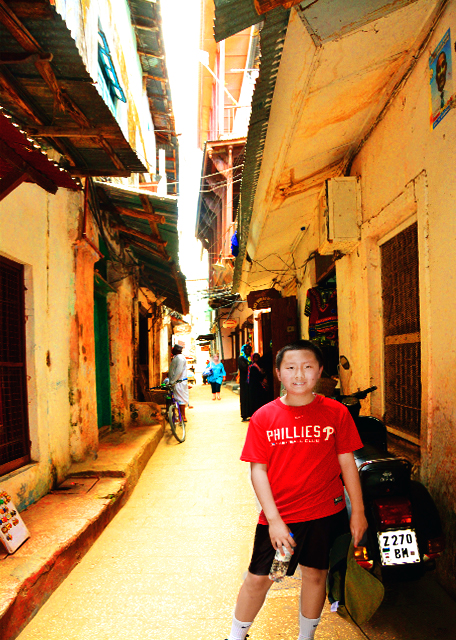
An Ancient but Fascinating Maze of Cramped & Cobblestone Alleys (古老而迷人的狹窄鵝卵石小巷迷宮 12-27-2013) 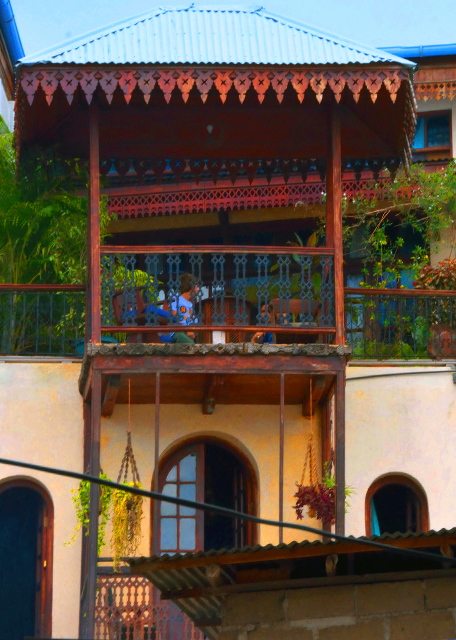
Tea House, Featuring a Historic Bldg w/ Traditional Swahili Wooden Balcony Details (茶館·具有傳統斯瓦希里木製陽台細節的歷史建築)
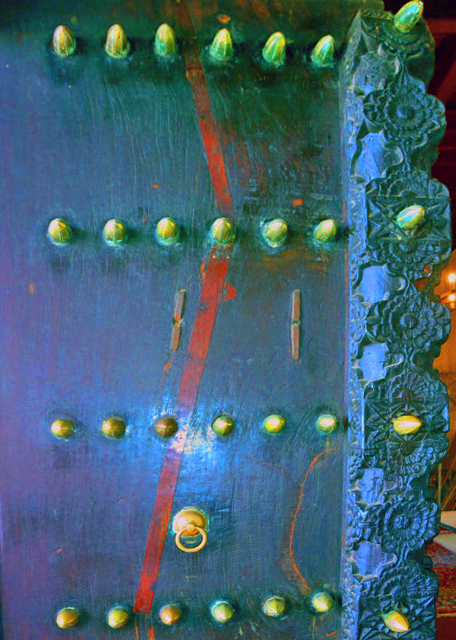
Front Door to the Palace Museum, the Indian Style w/ Brass Knobs Protecting from Elephants (宮殿博物館前門·印度式門上裝有黃銅把手以防止大象入侵) 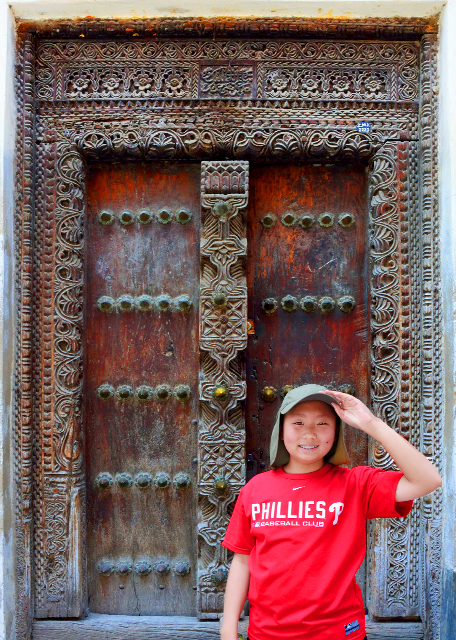
3 Types of Doors in Stone Town, i.e., Gujarati Style, Swahili Style, & Arab Style (石頭城三種類型大門:印度古吉拉特“萬王之王”式的門、斯瓦希里“海岸”式和阿拉伯“沙漠”式 12-27-2013)
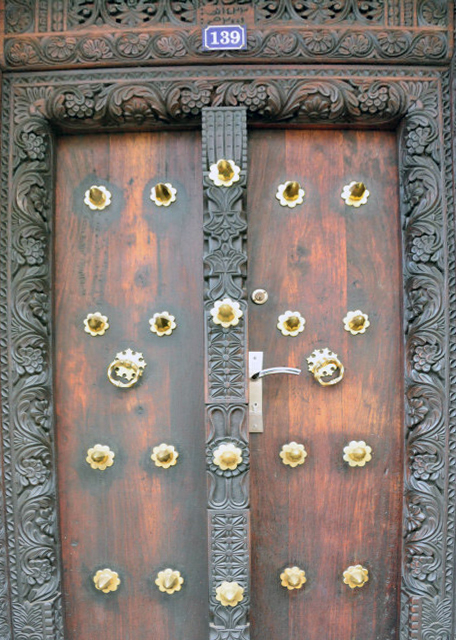
Freddie Mercury's Birth House (英國歌手兼詞曲作者弗雷迪·默丘里“和平統治者·財富之神”出生地) 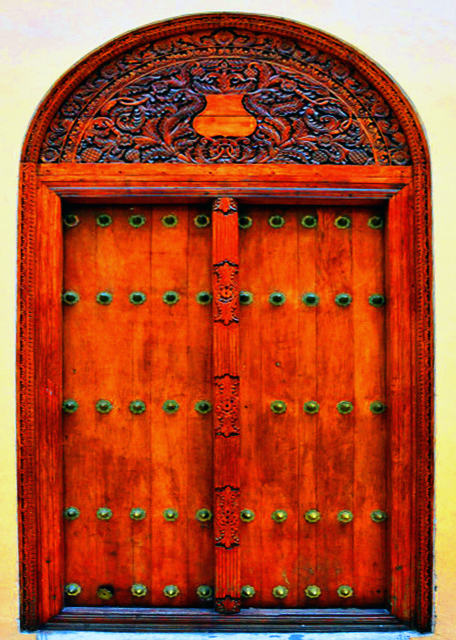
Traditional Carved Wooden Arab Doorway (傳統阿拉伯木雕門) 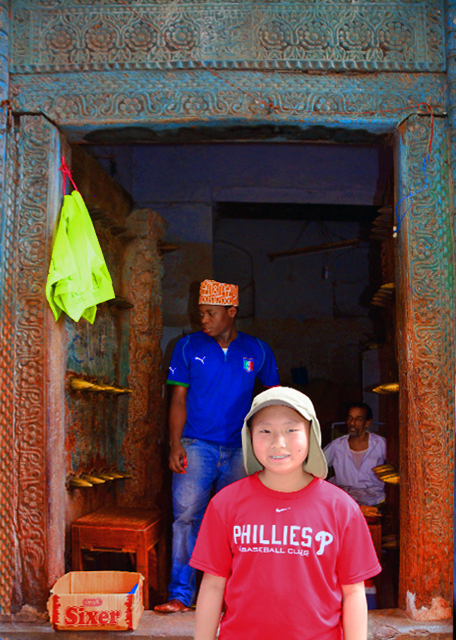
Arab Style Door w/ the Owner's Name in Arabic or Quran Verses Carved on the Top of the Door (阿拉伯式門·頂部刻有以阿拉伯語的主人名字或《古蘭經》經文 12-27-2013) 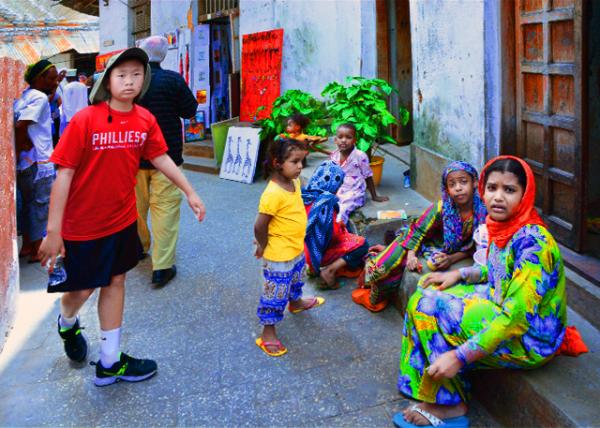 Gujarati or Indian-Style Door w/ Small, Square Shutters Embedded within the Door & Brass Studs
(古吉拉風格的門·門內嵌有小方形百葉窗和黃銅螺柱 12-27-2013)
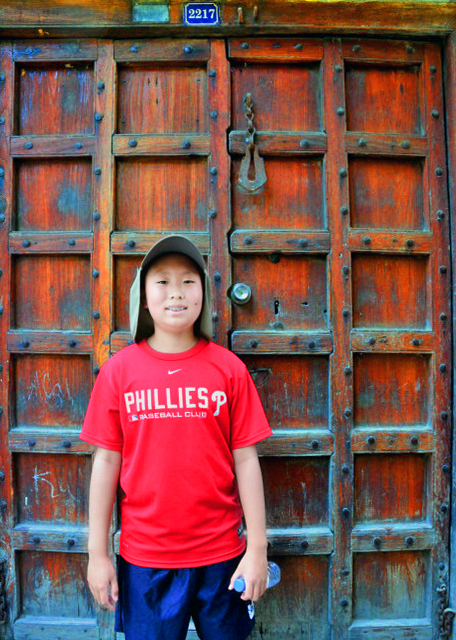
Indian Ancient Handcrafted Wooden & Iron Indian Front Door in 1850s (19世紀50年代印度古代手工木製和鐵製印度前門 12-27-2013)
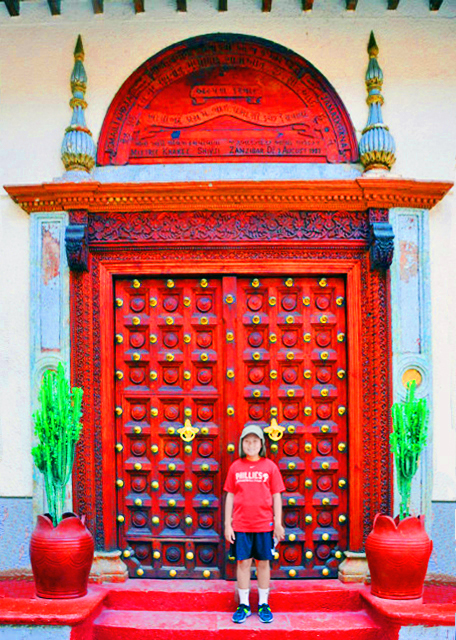
Entrance to Ismaili Khoja Jamatkhana Mosque, Established in the 1830s, the Earliest Shi'a Mosque in Zanzibar (伊斯瑪儀派·霍賈·賈馬卡納清真寺正門——建於19世紀30年代,桑給巴爾最早的什葉派清真寺 12-27-2013) 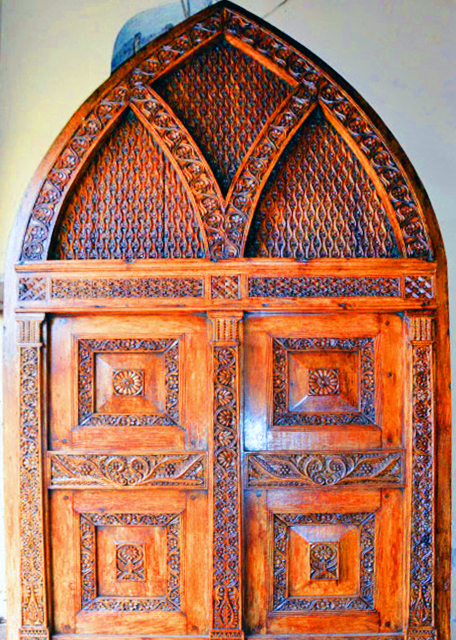
Main Door of Christ Church Anglican Cathedral (基督聖公會大教堂·主門) 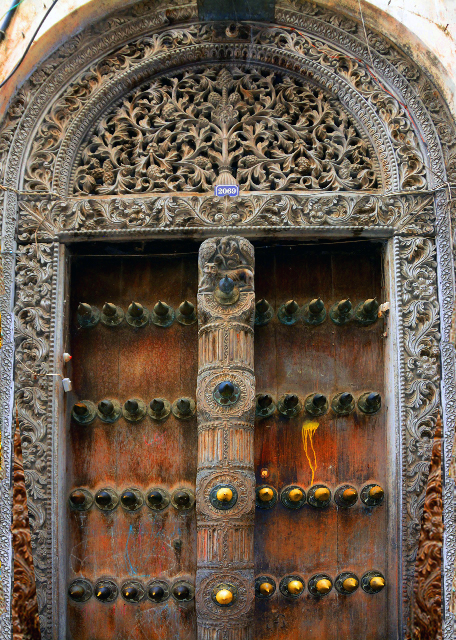
House of Tippu Tip, Slave Trader (1837-1905) (蒂普·蒂普“財富聚集者”之家——奴隸販子) 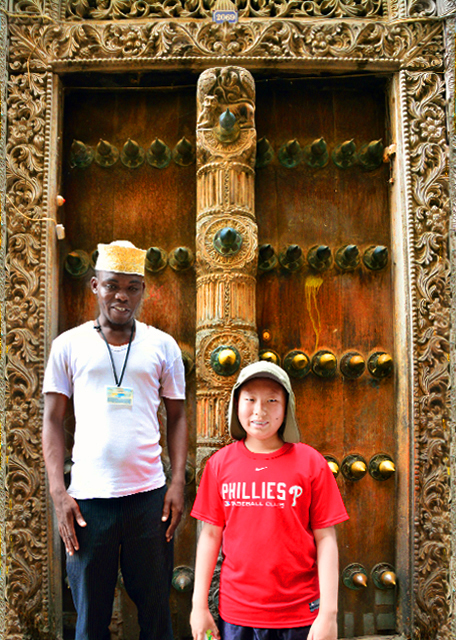
Arabic Door Carved w/ Brass Studs (阿拉伯風格雕花門·飾以黃銅鉚釘 12-27-2013) 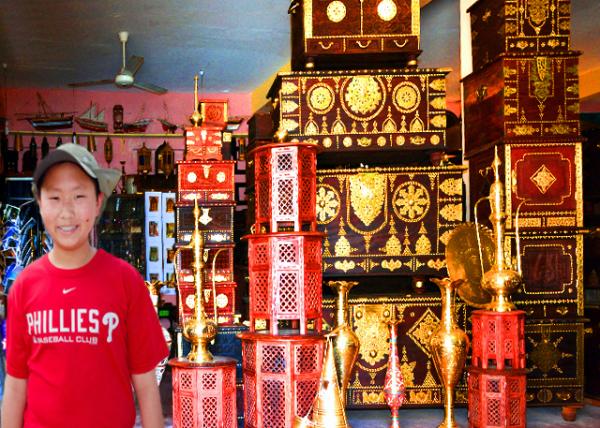 Souvenir Store (禮物店 12-27-2013)
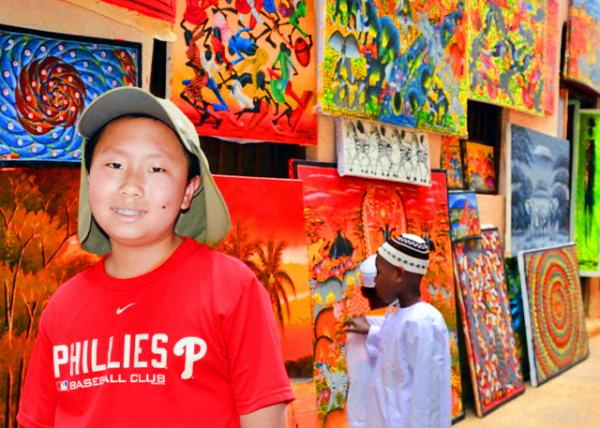 Swahili Paintings (斯瓦希里繪畫 12-23-2017)
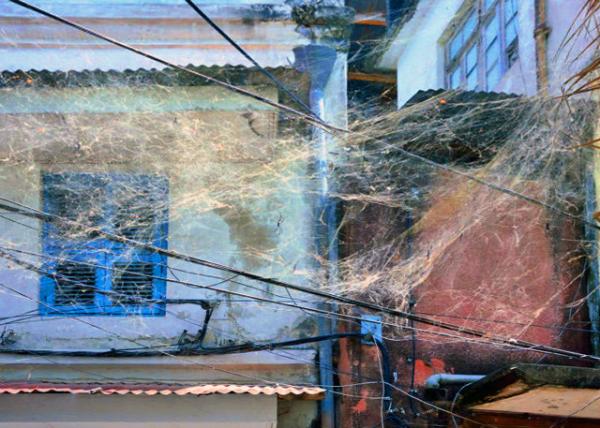 Golden Orb Weavers (金絲蛛)
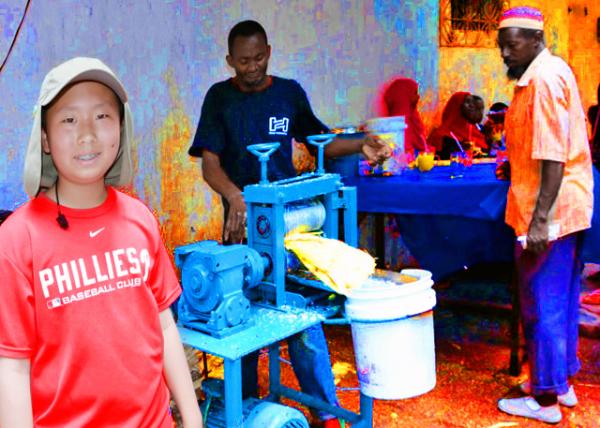 Sugarcane Press for Hand-Cranked Cane Juice, a Popular Beverage in Zanzibar
(手搖甘蔗榨汁機·當地流行飲料 12-27-2013) 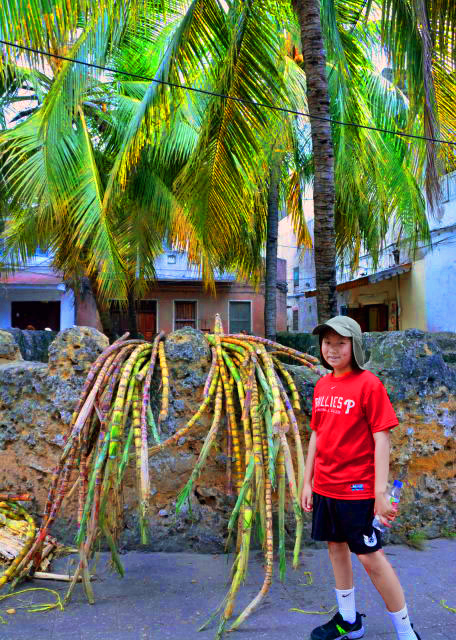
Sugarcane Juicing on the Street (街頭甘蔗榨汁 12-27-2013) 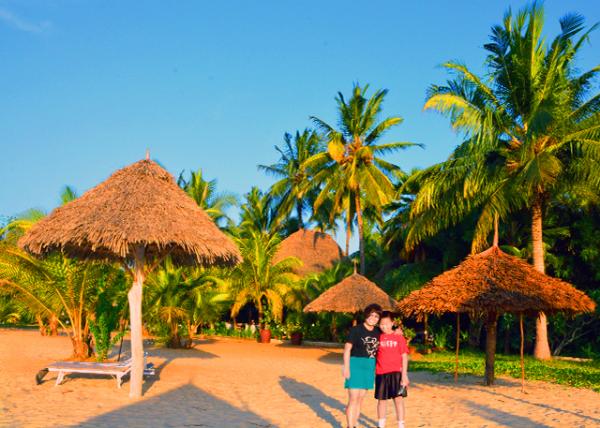 Nungwi Beach @ Royal Zanzibar Beach Resort, a Unique Blend of African, Arab, and European Influences in Cultural Heritage over the Centuries
(桑給巴爾皇家海灘度假村南威“寶貝”海灘·獨擁深受非洲、阿拉伯和歐洲影響的文化遺產已達若干世紀 12-27-2013)
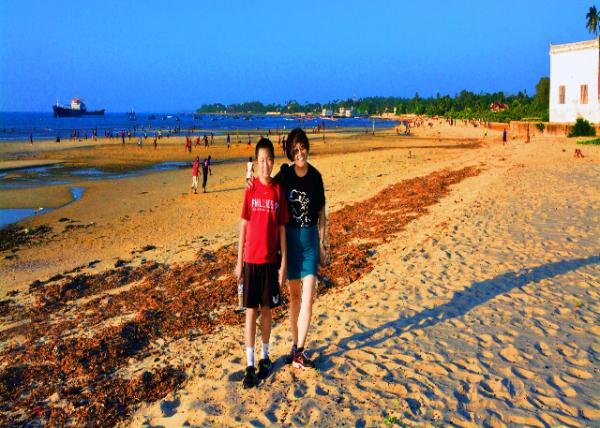 Shangani Beach w/ Its Pristine Sands & Azure Waters
(尚加尼“流浪者”海灘·原始的沙灘、蔚藍的海水 12-27-2013)
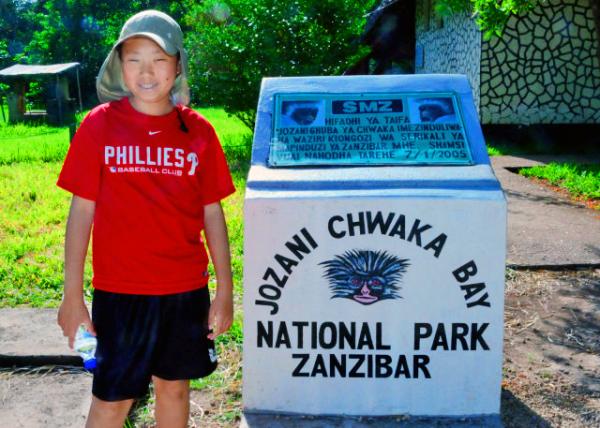 Jozani Chwaka Bay NP
(喬扎尼—楚瓦卡“真主增加—快樂者”灣國家公園 12-23-2017) 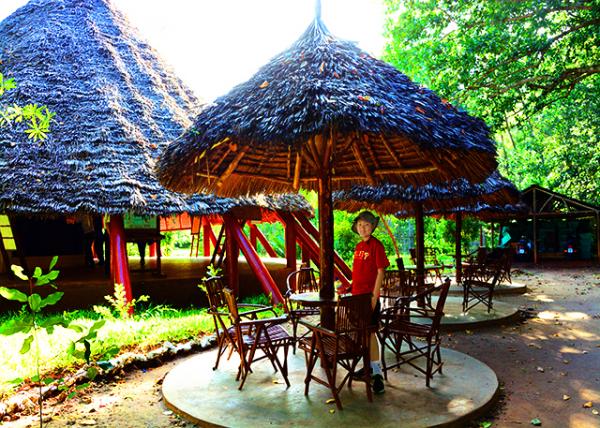 Tropical Huts @ Jozani Chwaka Bay NP
(喬扎尼—楚瓦卡灣國家公園·熱帶茅草屋 12-27-2013)  Indigenous Rainforest @ Jozani Chwaka Bay NP
(喬扎尼—楚瓦卡灣國家公園·原生雨林 12-27-2013)
 Red Colobus of Zanzibar,Endemic to Unguja, the Main Island of the Zanzibar Archipelago
(桑給巴爾紅疣猴·桑給巴爾群島主島翁古賈“中心地帶”島的特有物種 12-27-2013)
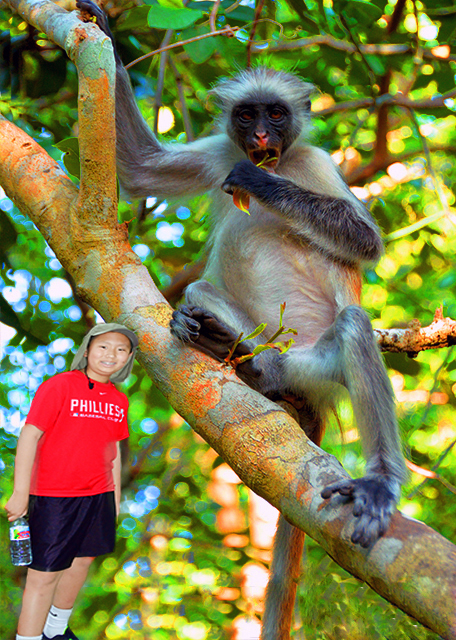
Zanzibar Red Colobus w/o Eating Ripe Fruits (桑給巴爾紅疣猴·不吃成熟果實) 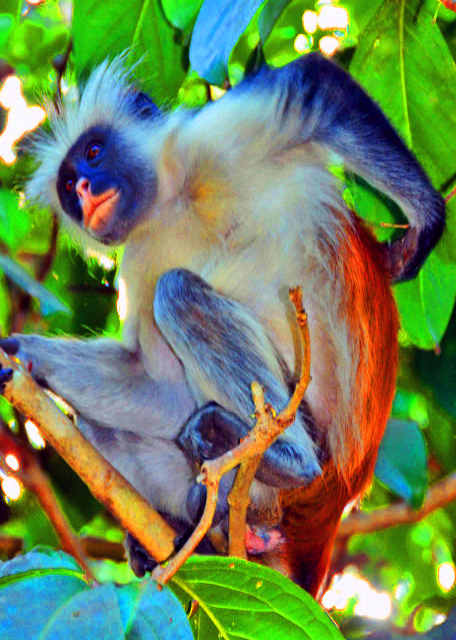
Zanzibar Red Colobus w/ Arboreal Locomotion (桑給巴爾紅疣猴·樹棲種類) 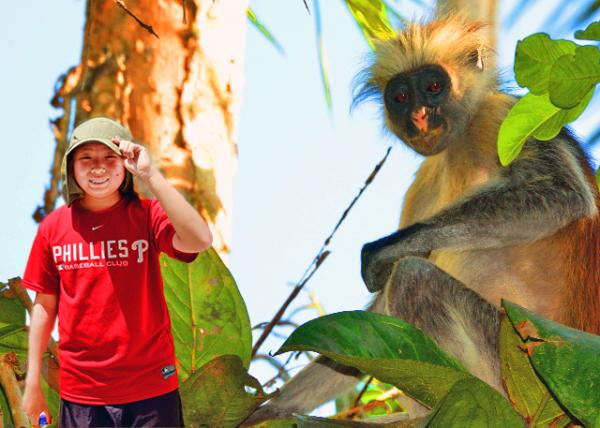 Zanzibar Red Colobus, the Only Non-Human Primates Known to Consume Charcoal
(桑給巴爾紅疣猴·已知的唯一食用木炭的非人類靈長類動物) 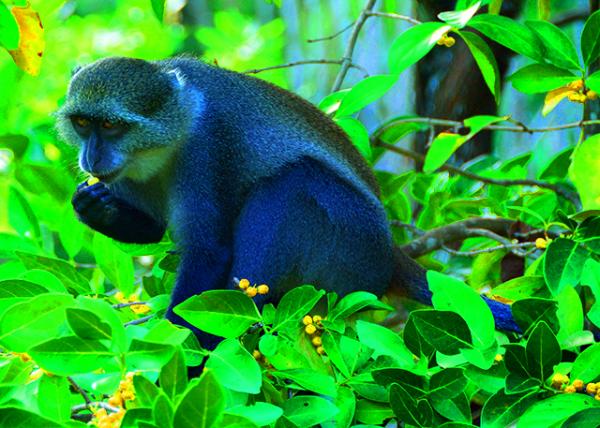 Sykes‘ Monkey w/ a Grizzled Cap
(賽克斯“青長尾”猴·灰白色頭蓋) 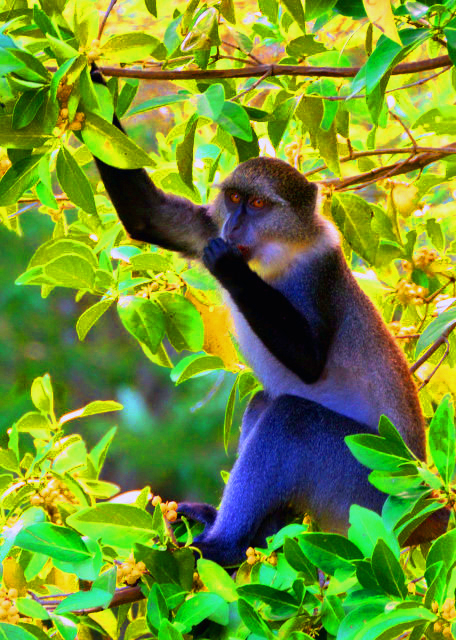
Sykes' Monkey, Living in the Canopy of Forests to Avoid Predators & Sun Exposure (青長尾猴·生活在森林的樹冠層,以躲避捕食者和陽光照射) 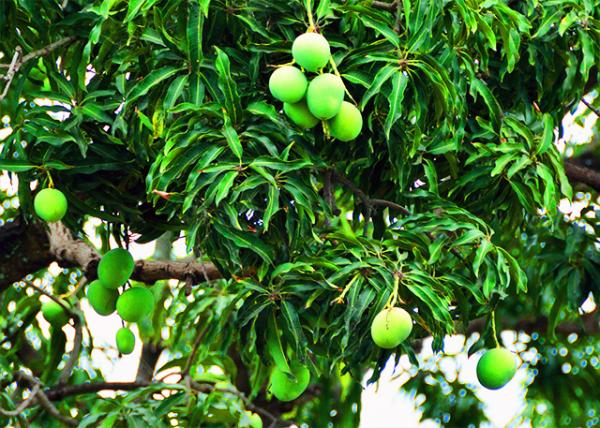 Mangos (芒果)
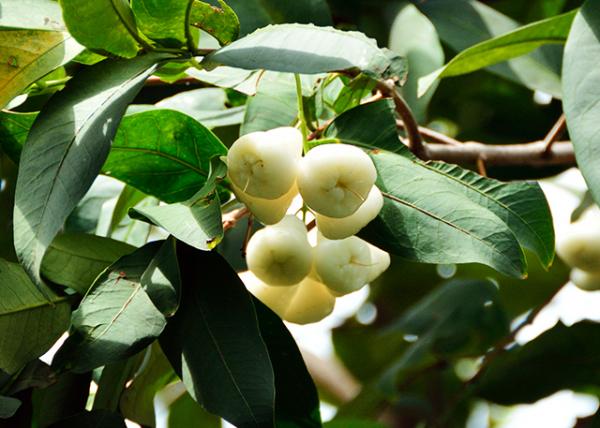 Sugar Apples (糖蘋果)
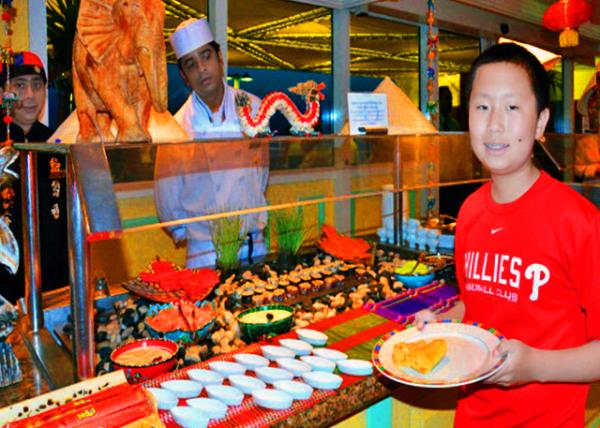 Asian Buffet @ Nautica Oceania
(“大洋·航海”號遊輪——亞洲自助餐 12-27-2013) Crosslinks(相關博文): Tanzania(出遊坦桑尼亞)
Across the Indian Ocean(穿越印度洋) Africa (漫遊非洲) 5th Grade(小學五年級) |