2015-06-25
【Aiden in English】
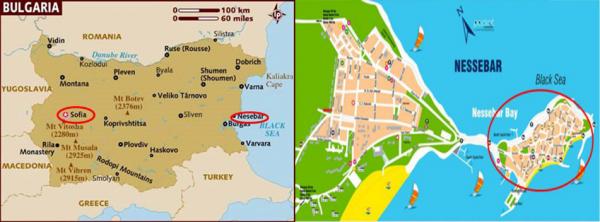
Not to be confused with Zanzibar in Tanzania, the other ancient city of Nessebar in Bulgaria is spelled with an N, not a Z. However, if I didn't know any better or hadn't visited this stone city in Africa, I probably could pass those two for the same place. Zanzibar is an ancient city of winding, narrow streets paved with cobblestones, located on the Indian Ocean. The city's walls were lined with stones and looked like a life-size maze. Along the coast of the Black Sea, Nessebar boasts 19th-century wooden houses, broad, lively squares, and a plethora of restaurants. I mean everywhere! Out of all the cities my cruise ship has sailed to, this city boasts the most seafood in the world. I guarantee you that there is a restaurant with shrimp, fish, and scallops on every street, which is quite the opposite of Zanzibar. To add another difference, Nessebar had over 4,000 churches built in the village. Nowadays, only eight churches remain, each full of history. In Nessebar, the first civilization started with the Thracian settlement more than 3,000 years ago, way before the Greeks, Romans, Persians, Slavs, and Ottomans all laid claim to this port city. Its history sounds quite interesting. First, the Thracians didn't have a writing system. So, you may ask how we know about these people if they didn't even record things. History comes from writing, you know. All we have are things written about them in Greek. In other words, we knew nothing about them until they became a Greek colony at the beginning of the 6th century B.C. Every empire thought its people were superior, and the Thracians were known as barbarians. That statement is not entirely a lie since they were not afraid of death. They believed death was just a gateway, perilous during the battles. Imagine facing a warrior who is not scared of dying. They would fight stress-free, but you would worry about "what-ifs." To say exactly how much, women would fight over who was buried with their husbands. It is Nessebar that the Greek myths of Dionysus share the stage with authentic tales of Spartacus. After the Thracians came the Greeks, Romans, and then the Byzantines. Nevertheless, the Thracians probably had the most achievements. They became the first to work with gold, which is very surprising. Many artifacts were the oldest discovered in Europe and possibly the world. All from a group I have never heard of. The Thracian settlement was a civilization that came out of the blue to me. First, it was the Greeks; the Minoans came after, and now the Thracians showed off. What other crazy and intense civilization is out there that I don’t know? 【紅霞譯】
千萬不要與坦桑尼亞的桑給巴爾“黑海岸城”混淆在一起,另一座以“N”而非“Z” 打頭的保加利亞古城名叫內塞巴爾“午日城”,然而要不是我曾親自到訪過非洲桑給巴爾,恐怕還真以為兩個天南海北的歷史名城同歸一個地方吶。
桑給巴爾瀕臨印度洋,鵝卵石鋪就的街徑巷陌曲折又狹窄,再加石頭圍牆,親臨此地猶如置身於真人大小的迷宮。黑海之濱內塞巴爾到處布滿19世紀興建的木質建築,廣場寬敞開闊,餐館生意興旺,人頭絕對遍地涌動!截至到目前為止,就遊輪所停泊的地方而言,內塞巴爾海鮮筵席堪稱世界之最,我敢保證每條街上各家餐館無不提供大蝦、鮮魚、扇貝美味佳餚,這與桑給巴爾形成鮮明對照。兩地之間還有一點差異,內塞巴爾有史以來共建造了四千多座教堂,其中僅有八座保持下來,飽經歷史滄桑。
內塞巴爾文明史起源於三千多年前色雷斯“勇敢”部落,比希臘“古老”、羅馬“力量”、波斯“分隔之地”、斯拉夫“奴隸”及奧斯曼“強大”人各自聲稱自己領土組成部分要早出很長時間,令人玩味的倒是其歷史背景。首先,色雷斯從未創建文字系統,你也許會說豈不活見鬼,沒有文字記載後人如何了解過去,要知道歷史離不開筆跡,而我們掌握的全部來自希臘記載,也就是說,直到公元前六世紀色雷斯變成古希臘殖民地之後,人們才開始逐步了解這個民族。如今,沒有一個帝國不認為自己的民族是天下最偉大的,而色雷斯人卻被視作野蠻部落,這種結論並非言過其實,因為色雷斯人天不怕地不怕,堅信死亡是一種超脫,戰場上跟亡命徒針鋒相對該有多恐怖,試想眼前面對的是一幫無所畏懼的勇士,他們視死如歸,不令你抓狂才叫奇怪。更有甚者,婦女們前赴後繼,誓死鏖戰沙場替先夫報仇,難怪內塞巴爾在推崇希臘神話中狄俄尼索斯“酒神”的同時,尤以傳奇英雄斯巴達克斯“色雷斯角鬥士”為榮。
色雷斯人之後,內塞巴爾先後淪落於古希臘、古羅馬、拜占庭手中,歷史變遷絲毫抹煞不掉該民族所創造的豐功偉績,出乎意料地,他們是第一個打造黃金的先驅,身後留下許多工藝製品業已成為歐洲乃至全世界年代最久遠的古董,並且全部出自我從來沒有聽說過的工匠之手。 色雷斯古代文明着實讓我耳目一新。此行先目睹希臘文明,再鑑賞米諾斯文明,而今又躍然出現色雷斯其人其事,世上還有其它什麼稀奇古怪的文明我尚未聽說過?
Today in History(歷史上的今天):
2015: Nessebar, Thracian Influence(保加利亞內塞巴爾·色雷斯文化) 2015: Nessebar, Religious Art BGR(保加利亞內塞巴爾“午日”城·宗教藝術) 2014: YMCA Camp—Handball(基督教青年會營手球)
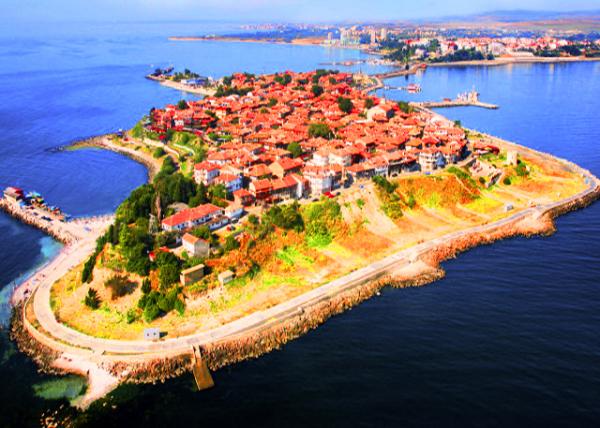 Nessebar, the Pearl of the Black Sea
(內塞巴爾·黑海明珠)
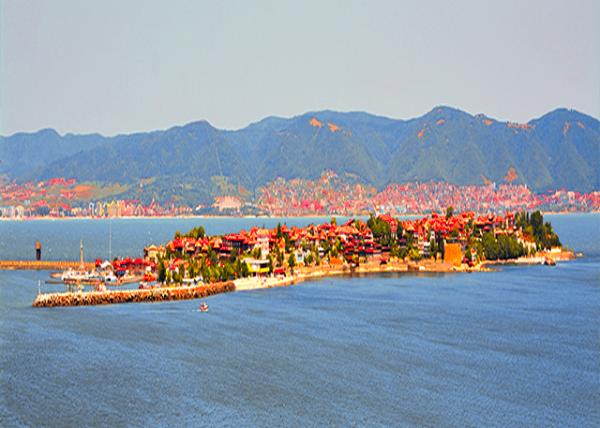 Manmade Isthmus (人造地峽)
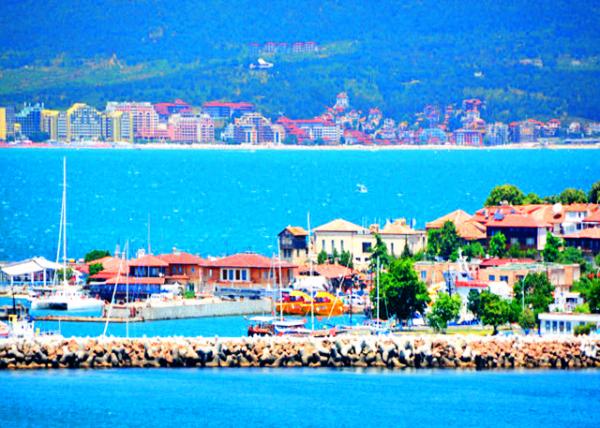 Seaside Resorts (海濱度假勝地)
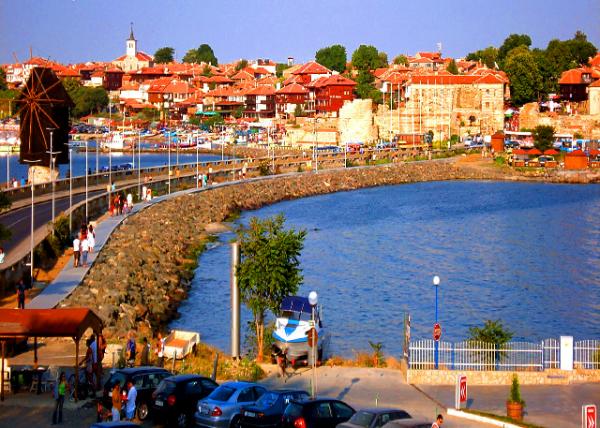 New Town (新城)
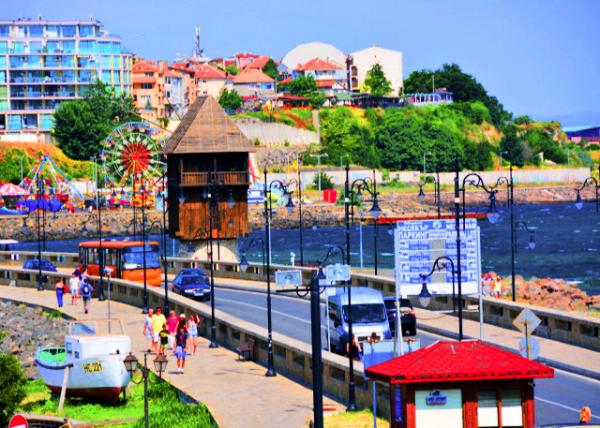 Windmill (風車)
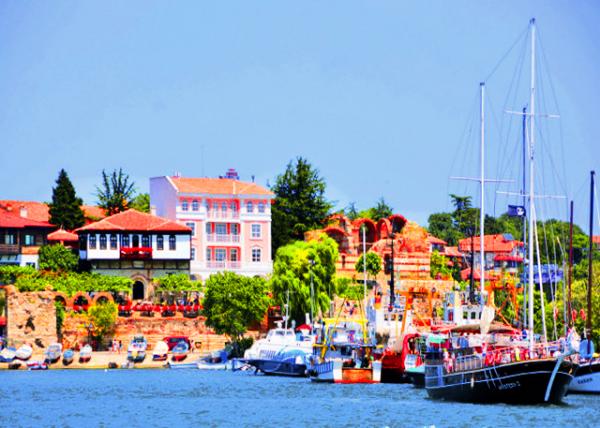 Sea Port (海港)
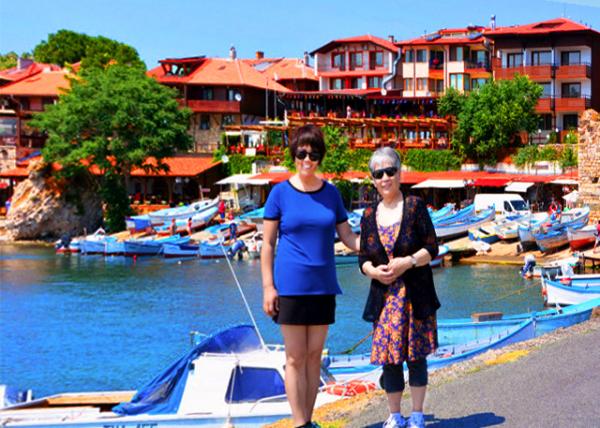 Old Town Marina (老城遊艇碼頭 06-25-2015)
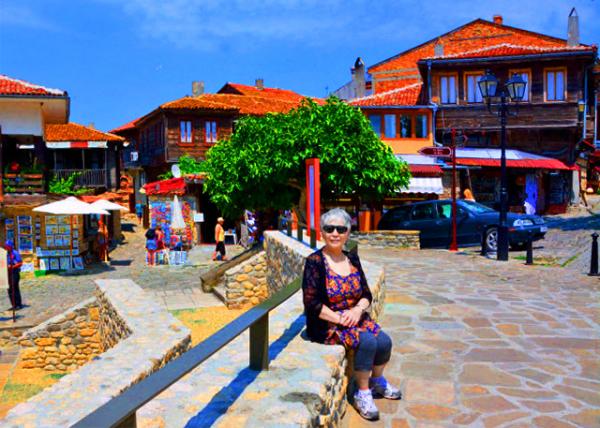 19th-Century Neighborhood (19世紀街區 06-25-2015)
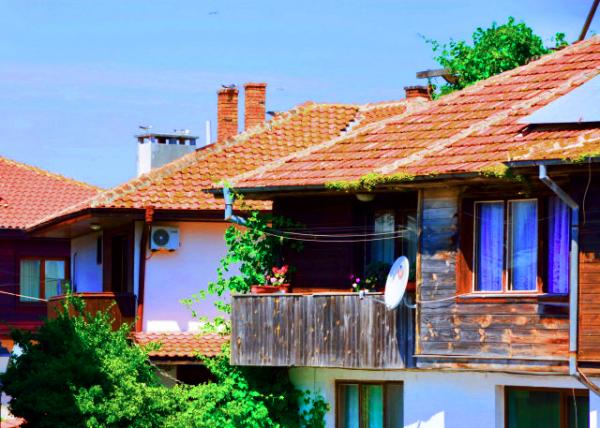 Details of the 19th-Century Wooden Houses (19世紀木屋細節)
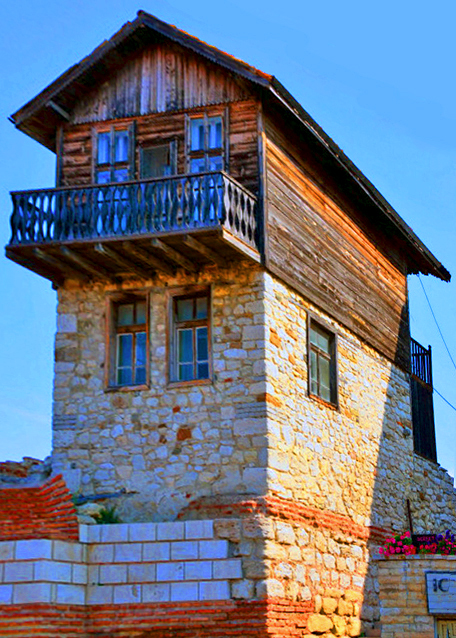
Revival House (復興式建築)
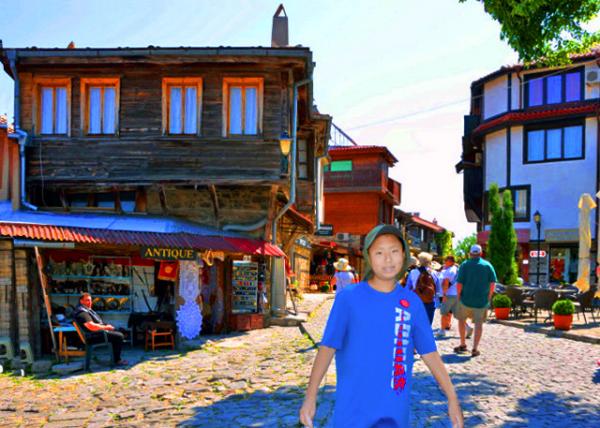 Mesembria Filled w/ the 19th-Century Wooden Houses over Cobblestones
(午日城·鵝卵石街上布滿木製建築 06-25-2015) 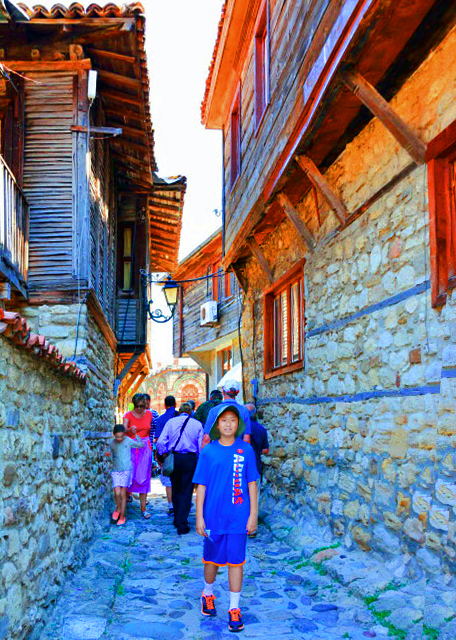
Narrow & Winding Cobblestone Alley (狹窄彎曲的胡同 06-25-2015) 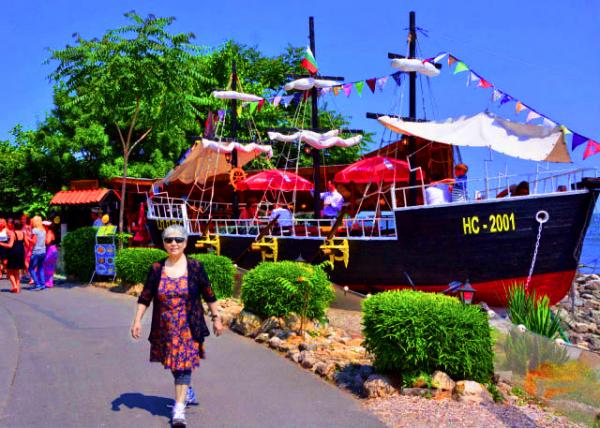 Old Ship Restaurant (老船餐廳 06-25-2015)
 Emerald Princess Berthing on the Black Sea
(“公主·翡翠”號遊輪停泊在黑海之上 06-25-2015) 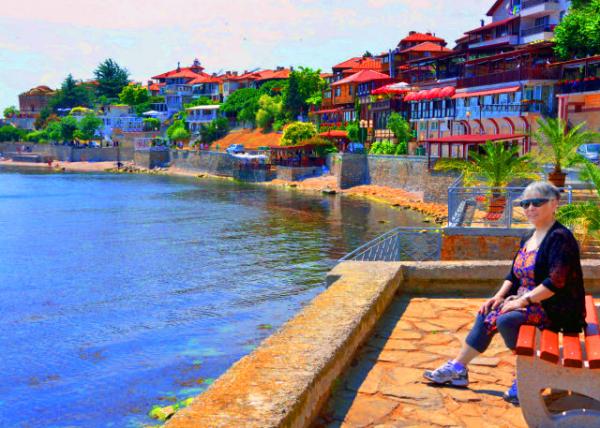 The Promenade by the Black Sea (黑海長廊 06-25-2015)
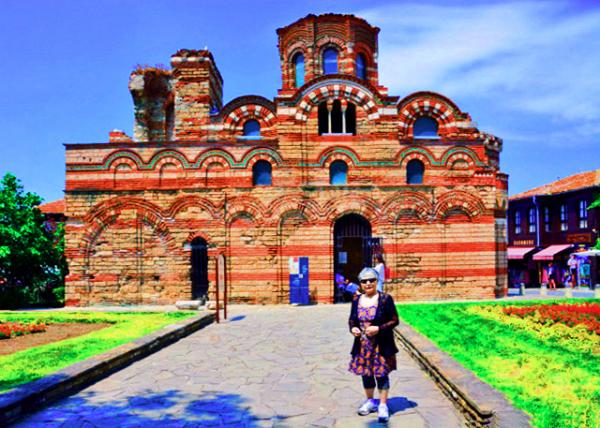 Church of Christ Pantocrator, a Variety of Architectural & Artistic Elements Like Alternating Brick & Stone Patterns, Blind Arches, 4-Leaved Floral Motifs, and Even Swastikas Explained As Medieval Sun Symbols
(基督普世君王教堂·交替的磚石圖案、盲拱、四葉花卉圖案,甚至還有佛教萬字符記號/中世紀的太陽符號 06-25-2015) 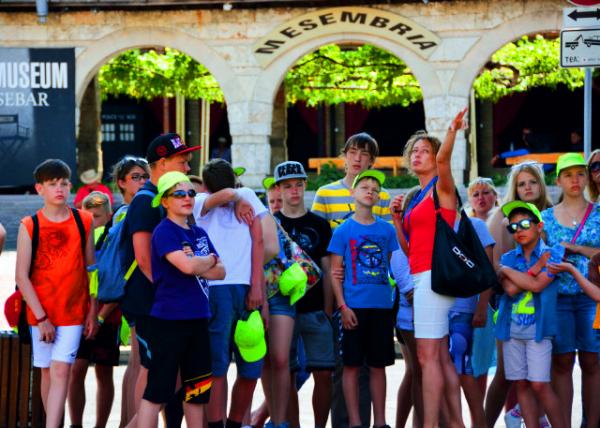 Middle-Schoolers' Field Trip (初中生校外活動)
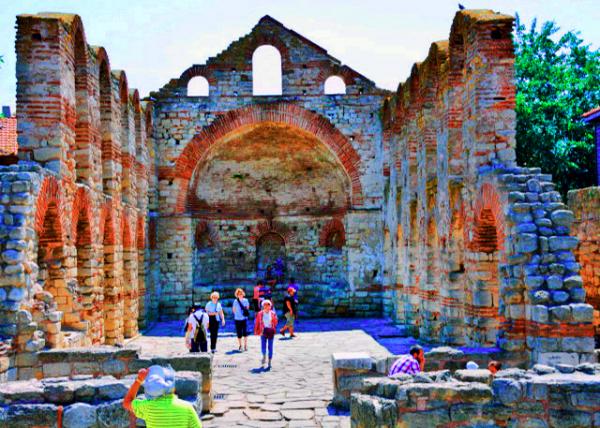 Hagia Sophia Basilica (聖智大教堂)

Signpost (地標)
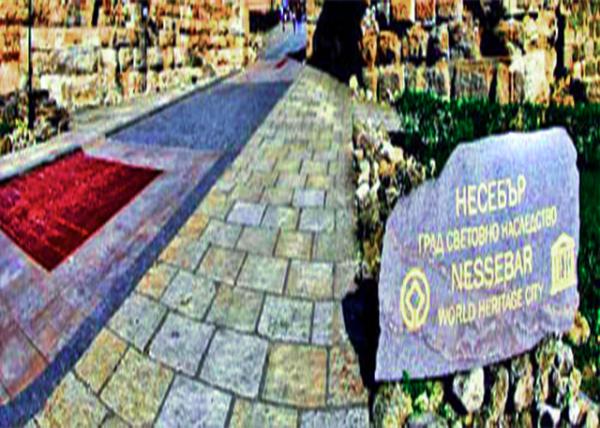 UNESCO Site (聯合國科教文組織世界遺產所在地)
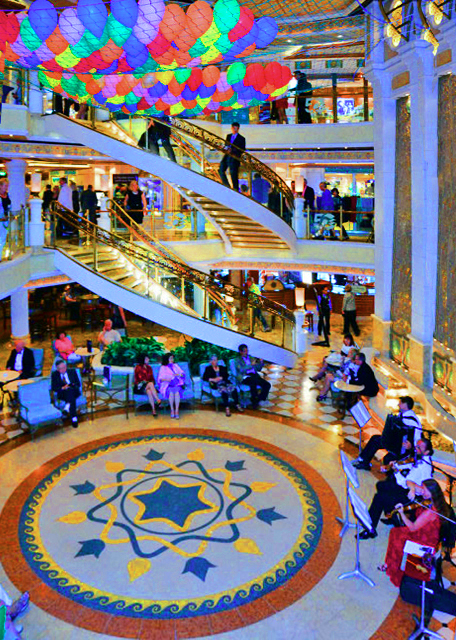
Piazza @ Emerald Princess (“公主·翡翠”號遊輪—廣場) 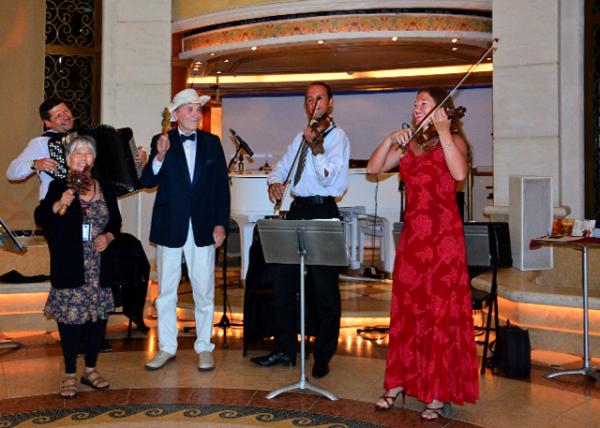 Stage Performance @ Emerald Princess
(“公主·翡翠”號遊輪—舞台表演 06-25-2015)

Friends from Australia (澳洲來客 06-25-2015)  Friends from New Zealand (新西蘭來客 06-25-2015)
 Friends from China (中國來客 06-25-2015)
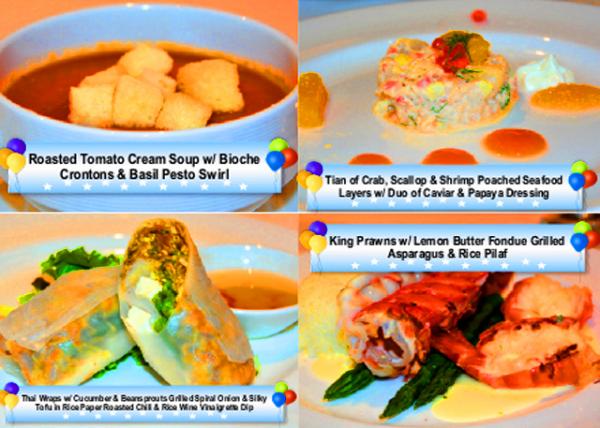 晚餐:烤番茄奶油湯配奶油麵包丁、蟹田、泰國素菜卷、大蝦與龍蝦尾
 傳統紐約奶酪蛋糕、香草汁拌厚蘋果派、迷你糕點、大黃朗姆酒和葡萄乾與黑櫻桃冰糕三色冰激凌
Crosslinks(相關博文): 2013: Stone Town of Zanzibar, Tanzania(坦桑尼亞黑色海岸石頭城) Bulgaria(出遊保加利亞) Europe(歐洲掠影) 6th Grade(初中一年級)
|