2013-04-06—2013-04-07 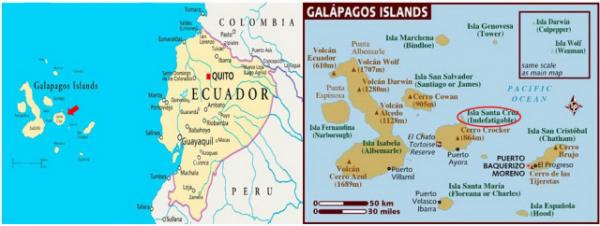
【Aiden in English】
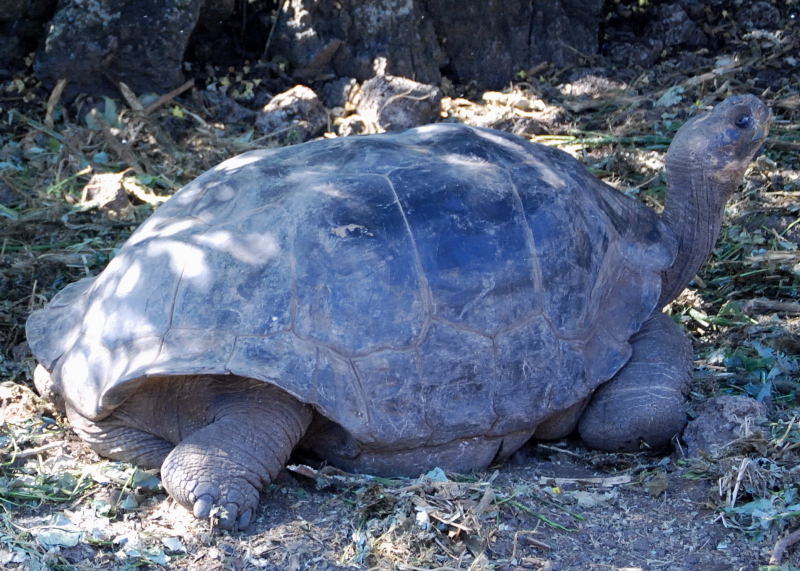
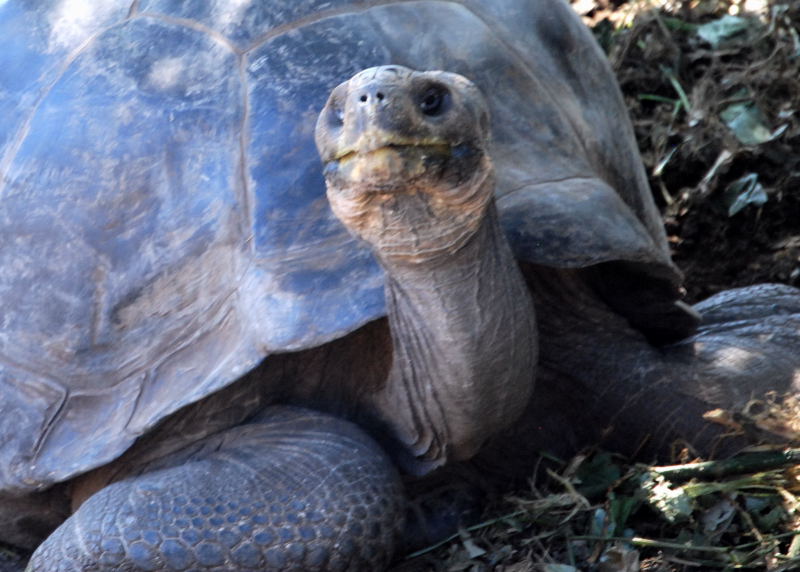
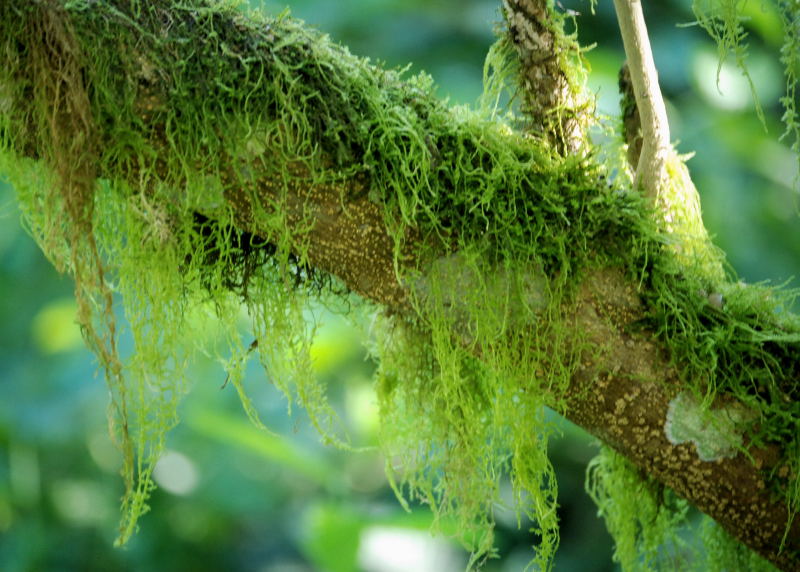
Santa Cruz Island was the second-largest island in the Galapagos and home to Puerto Ayora, the largest town. In 1959, the Republic of Ecuador declared all the islands, except areas already colonised, as the Galapagos National Park. In the same year, the Charles Darwin Foundation was established to promote scientific research and ensure the conservation of the Galapagos Islands. Not until 1978 were the Galapagos Islands designated by UNESCO as a World Natural Heritage Site and, in 1985, a World Biosphere Reserve. In 1992, the Ecuadorian government declared the waters surrounding the Galapagos a marine reserve. The headquarters of both the park and the foundation were located here. We tromped through the park's undergrowth in extremely hot and humid conditions. In the Highlands region, the lush greenery was perfect for animals like giant land tortoises to survive and breed. Land tortoises varied from island to island in terms of species. The genotype was the same, but the phenotype could be different. The "Galapagos" refers to the islands in the Galapagos, not the giant Tortoise. We followed the first footprint of a giant tortoise estimated to be 96 years old. It had algae covering its legs, probably from bathing in the water. A yellow warbler flew past as we saw a poison apple tree, one of the world's most dangerous plants. This tree-like apple was a mortal danger because it contained a hazardous liquid. If you touched it, you would have a rash for a month. SpanisMossss, nicknamed Old Man's Beard, grew upon the more enormous trees like air plants in the forest. It was an epiphyte that absorbed nutrients and water from the air and rainfall. We finished marching in the woods with a local fruit buffet on a farm before our next activity. We continued to have a short and easy hike in the Fausto Llerena Tortoise Centre, specialising in tortoise breeding. It was reported that the tortoise centre had a long-term program run jointly by the Galapagos National Park and the Charles Darwin Foundation. It began in 1965 to save the giant tortoise population on Pinta Island and was quickly expanded to include other populations, particularly Española, where only 14 individuals remained. As of 2008, over 4,000 young tortoises from 8 different populations had been repatriated to their island of origin, with nearly 1,500 returning to Española. At the Tortoise Centre, we observed a diverse range of tortoises, characterised by their distinctive necks and faces, spanning from hatchlings to juveniles to mature individuals. In general, the boys looked fabulous, and the girls were hot. The different temperatures resulted in different sexes. Boys tended to be hatched at a low temperature of 28.0oC, while girls were hatched at a high temperature of 29.5oC. The population between males and females was out of proportion. To revive the lost species, scientists induced more girls than boys. The Galapagos National Park on Santa Cruz Island was also home to Lonesome George, the last survivor of the distinct Pinta subspecies from Pinta Island. Unfortunately, he passed away on June 24, 2012. His species disappeared for good. We passed by a "palace" where he used to live. He had a watering hose, a garden, trees, and visitors like us from around the world. It was anything a tortoise would want. Several other tortoises were there, but none seemed to have the same luxury as his. Lonesome George tried to mate with two other female tortoises from different islands, but their two eggs were unsuccessful and didn't hatch. He died of possibly natural causes and was over 100 years old, which was pretty old for his species. As I kept walking another mile, the sun got hotter and hotter. Soon, my vision blurred from droplets of sweat. Finally, I uploaded a truck taxi and zipped off to the Municipal Pier. I wish I had sat in the passenger seat, not in the truck's trunk, because there were no seatbelts. Here, we happily ended our last shore excursion in the Galapagos. The seven-day voyage changed our vision via fauna, flora, and ecological habitat. It helped us understand the evolution of "natural selection" and "survival of the fittest" over generations. 【红霞译】 圣克鲁斯“十字架”岛属于加拉帕戈斯“巨龟”群岛中第二大岛,全省最大的城市阿约拉“天守神”港就座落在此,1959年厄瓜多尔“赤道”共和国将该地区所有尚未殖民化的岛屿全部纳入加拉帕戈斯国家公园,同年并成立查尔斯·达尔文“自由人·亲爱的朋友”基金会,旨在推动科学研究以确保当地生态环境;1978年,加拉帕戈斯群岛被联合国教科文组织列入《世界自然遗产名录》;1985年,又被评为世界生物圈保护区;1992年,加拉帕戈斯群岛水域被厄瓜多尔政府确认为海洋保护区。国家公园和基金会总部分别设在圣十字架岛。 “清风无力屠得热,落日着翅飞上山”。闷热天气里参观加圣十字架岛的加拉帕戈斯国家公园叫我们倍感辛苦,高地一带,郁郁葱葱的原始森林为巨型陆龟──象龟生存和繁衍后代提供了生活保障,加拉帕戈斯群岛素以盛产象龟闻名于世,不过岛与岛之间遗传基因相同的象龟可能因为环境不同而出现不同的表征,西班牙语“加拉帕戈斯”原本就是“巨龟”的意思。 我们追随的第一只象龟大概有96岁,它腿上缠满了绿藻,估计刚在池塘里洗过澡,这时黄莺从眼前飞过,直奔毒苹果树而去,之所以称它毒苹果树,是因为其果汁有毒,倘若你动到它,定会叫你浑身遍生皮疹,一个月不见消退。绰号叫“老头胡子”的西班牙苔藓随处可见,像空中飘荡的植物悬浮在大树身上,它属于附生植物,从空气和降雨中吸收养分,从象龟生活的野林子归来,我们在一家农庄稍事休息,先从新鲜入时的水果自助餐上挑些可口的食物犒劳一下自己,然后再继续进行下面的活动项目。 接下来我们来到福斯托·莱雷纳“好运·月桂树”陆龟中心参观,据报导该中心长期与加拉帕戈斯国家公园及达尔文基金会合作,早在1965年就曾为拯救斑点岛象龟存活而进行定向繁殖和人工饲养,后来很快扩大到其它象龟品种,尤其针对西班牙岛屿当时仅存的14只象龟。截至到2008年,从八个不同亚种的象龟配对中培育出4,000多只后代,并及时将它们遣送原籍,这么算来大约1,500只已回到了西班牙岛屿。在象龟中心,我们看到大小不一且长有外星人脖子和面孔的象龟,男孩(冷)酷,女娃(热)辣!就孵化温度而言,摄氏28.0oC低温适于男孩出世,而摄氏29.5oC高温则适于女孩降生,在象龟世界里,科学家一向重女轻男,性别比例严重失调,其目的在于保障象龟家族千秋万代后继有人。
“单身汉乔治‘农夫’”之家座落在圣克鲁斯岛加拉帕戈斯国家公园境内,其主人曾是平塔“斑点”岛平塔亚种中最后一只,遗憾的是去年2012年6月24日与世长辞,标志着它所代表的物种从地球上彻底灭绝。我们特意赶到其“宫殿”参观,冲水龙头、花园绿树,“四时有不谢之花,八节有长青之草”,一年到头还有全世界像我们这样远渡重洋慕名而来的粉丝,任何乌龟王八梦寐以求的东西,在这里都可以化为现实。与它为邻的几只象龟住所却大相径庭,毫无奢华气派。“单身汉乔治”曾试图与其它两位来自外岛的异性象龟交配,虽然先后产过两个龟蛋,但最终未能如愿以偿。它大概寿终正寝,自然老死时年纪超过100岁,应该算作同类中比较长寿的代表。 我头顶烈日,坚持向前挺进一英里路,不大会儿便汗流满面,视线也变得模糊起来,“黄莺也爱新凉好,飞过青山影里啼”,我赶紧登上出租卡车,风驰电掣般冲回市政码头。嗨!真后悔当初性急没坐进驾驶舱里而蜷在敞篷后备箱上,那里连安全带都没有。
到此为止我们满载喜悦,圆满结束了加拉帕戈斯群岛之旅。七天巡游中,通过观摩动物、植物以及与它们息息相关的生态环境,我们审视大自然的视野发生了改变,对漫长生物进化中“物竞天择适者生存”有了更贴切的理解。 Today in History(历史上的今天): 2012: 佛州迪斯尼世界神奇王国(Walt Disney Magic Kingdom, FL)
2011: 埃及阿布辛贝神庙(Abu Simbel Temples, Egypt) 2011: 埃及菲莱神庙(Temple of Philae, Egypt)  Puerto Ayora, the Biggest Town on the Galápagos Islands Puerto Ayora, the Biggest Town on the Galápagos Islands
(阿约拉港·加拉帕戈斯群岛最大的城)
 Municipal Pier of Puerto Ayora Municipal Pier of Puerto Ayora
(阿约拉港·市政码头 04-06-2013)  Gus Angermeyer Ecotourism Pier Gus Angermeyer Ecotourism Pier
(格斯·安格梅尔“伟大·佃农”生态旅游码头 04-06-2013)  Galapagos NP (加拉帕戈斯国家公园 04-06-2013) Galapagos NP (加拉帕戈斯国家公园 04-06-2013)
 Santa Cruz Highlands, Scalesia Forest Santa Cruz Highlands, Scalesia Forest
(圣克鲁斯高地·斯卡利斯亚“巨型雏菊"森林)  Santa Cruz Highlands, a Key Habitat for Giant Tortoises Santa Cruz Highlands, a Key Habitat for Giant Tortoises
(圣克鲁斯高地·巨型陆龟的主要栖息地 04-06-2013)  Red-Green Micro Ferns Growing on the Pond Red-Green Micro Ferns Growing on the Pond
(池塘里长满红绿微型蕨类植物)  Home to Lonesome George (“单身汉乔治”之家 04-06-2013) Home to Lonesome George (“单身汉乔治”之家 04-06-2013)

4th-Grade Pals from PA & CA (来自宾州和加州四年级的伙伴)
 Charles Darwin Research Station Charles Darwin Research Station
(查尔斯·达尔文研究站 04-06-2013)  Bronze Bust of Charles Darwin Bronze Bust of Charles Darwin
(《查尔斯·达尔文》半身像 04-06-2013)  Fausto Llerena Tortoise Breeding Center Fausto Llerena Tortoise Breeding Center
(福斯托·莱雷纳象龟繁殖中心 04-06-2013)
 Fruit Snack (水果甜点 04-06-2013) Fruit Snack (水果甜点 04-06-2013)
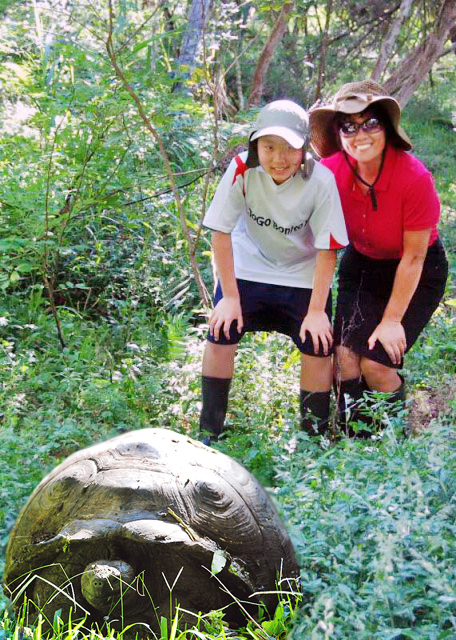
Giant Tortoise, a Symbol of Longevity, Wisdom, Protection, & Groundedness (象龟·长寿、智慧、保护和扎根的象征 04-06-2013)
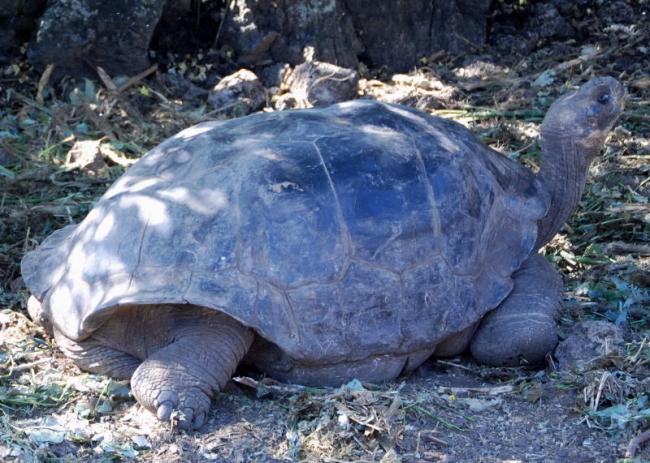
Giant Tortoise w/ Good Fortune (象龟·代表福祉) 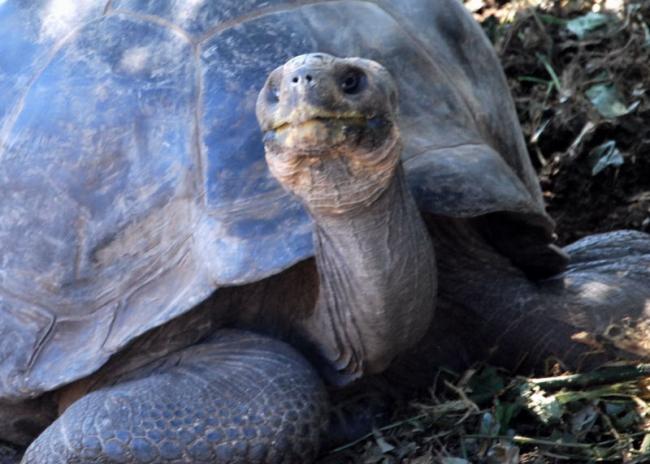
Giant Tortoise, Typically Living for over 100 Years (象龟·通常寿命为超过100年)  Land Iguana, Heat-Absorbed from Sunbath on Volcanic Rock & Heat-Conserved in Burrows from Sleep at Night Land Iguana, Heat-Absorbed from Sunbath on Volcanic Rock & Heat-Conserved in Burrows from Sleep at Night
(陆鬣蜥·白天在火山岩上晒太阳取暖,晚上在洞穴里睡觉以保留身体热量)  Yellow Warbler (黄莺) Yellow Warbler (黄莺)
 Galápagos Flycatcher (加拉帕戈斯霸鹟) Galápagos Flycatcher (加拉帕戈斯霸鹟)

Galápagos Mockingbird w/ Inquisitiveness (好奇心旺盛的加拉帕戈斯仿生鸟)
 Lava Heron, an Endemic to the Galápagos Islands Lava Heron, an Endemic to the Galápagos Islands
(熔岩苍鹭·加拉帕戈斯特有鹭类)  Galápagos Brown Pelican, a Living Symbol of How Successful Wildlife Conservation Can Be Galápagos Brown Pelican, a Living Symbol of How Successful Wildlife Conservation Can Be
(加拉帕戈斯褐鹈鹕·野生动物保护成功的鲜活象征)  Galápagos Sea Lions w/ Its Preference for Rocky, Sheltered Coastline Galápagos Sea Lions w/ Its Preference for Rocky, Sheltered Coastline
(海狗·对岩石密布、避风的海岸线情有独钟)  Scalesia Forest, a Giant Type of Daisy, & Endemic to the Galápagos Scalesia Forest, a Giant Type of Daisy, & Endemic to the Galápagos
(巨型雏菊林·加拉帕戈斯群岛的特有植物 04-06-2013)  Scalesia pedunculata, Growing up to 49-66 Feet/15-20 Meters Tall Scalesia pedunculata, Growing up to 49-66 Feet/15-20 Meters Tall
(长柄鳞叶松·可长到49—66英尺/15—20米高 04-06-2013)

Bananas under SpanisMossss (西班牙苔藓下的香蕉串) 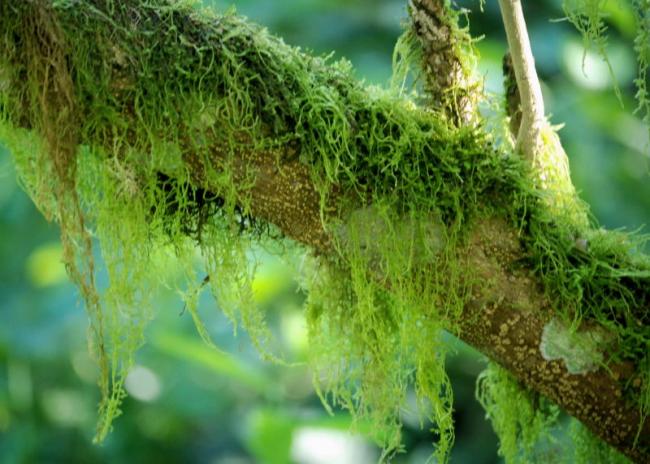
Spanish Moss Characteristic of Epiphytic Nature (西班牙苔藓·具有附生性) 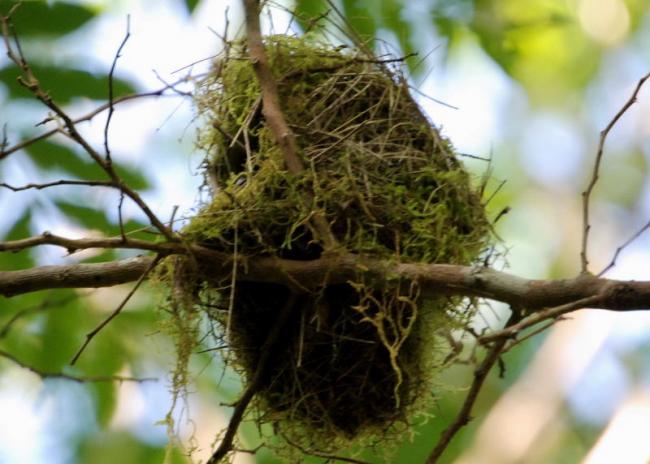
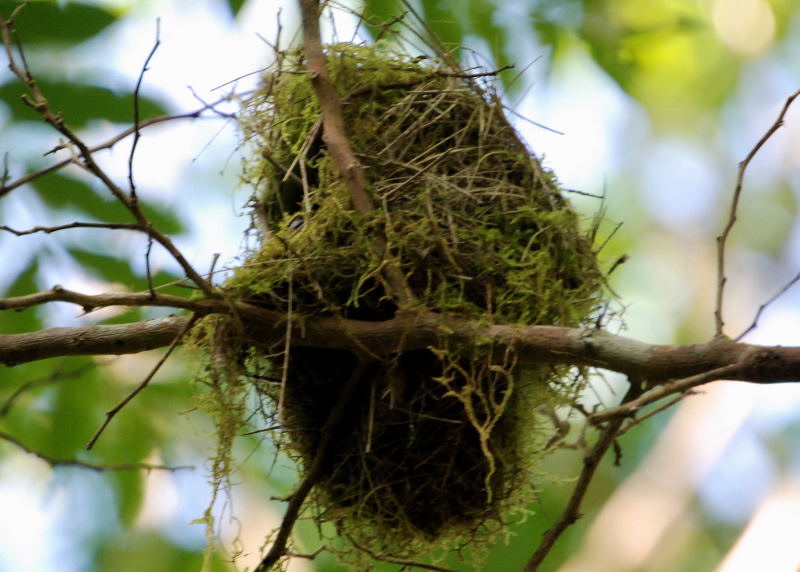
Spanish Moss Nest (西班牙苔藓鸟窝) 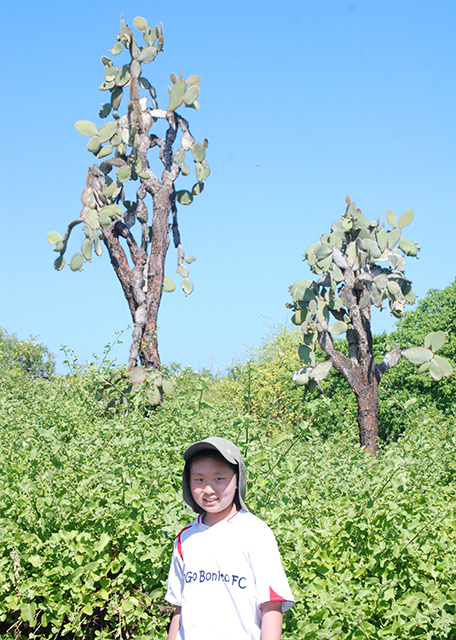
Saguaro w/ Adaptation to the Galápagos Environment (萨瓜罗“巨人柱”仙人掌·适应加拉帕戈斯岛屿环境 04-06-2013)
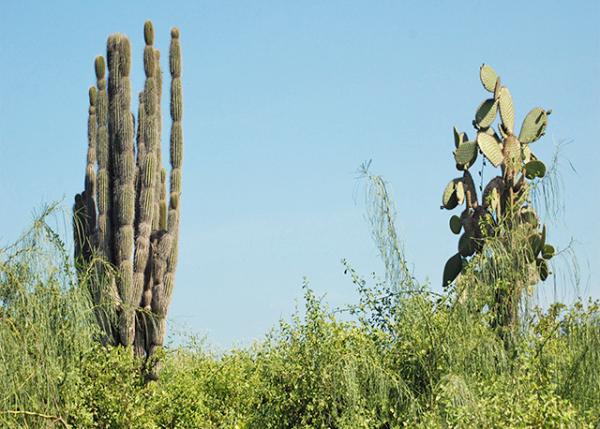 Saguaro, a Species Native & Iconic to the Sonoran Desert of the Mexican Most Biodiverse Desert in the World Saguaro, a Species Native & Iconic to the Sonoran Desert of the Mexican Most Biodiverse Desert in the World
(萨瓜罗仙人掌·世上生物多样性最丰富的墨西哥索诺兰“铿锵有力”沙漠本土物种和标志性植物) 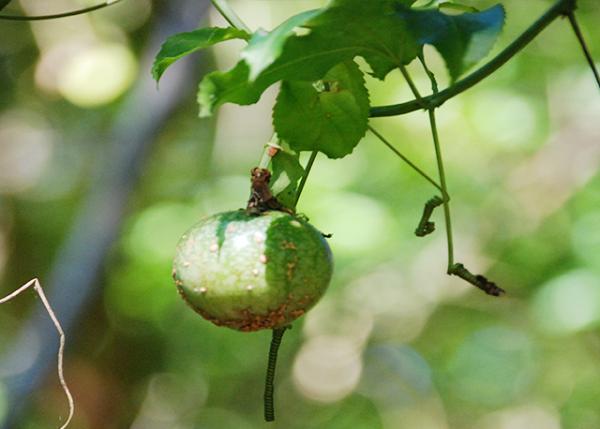 Poison Apple Tree, Listed in the Guinness Book of Records as the World's Most Dangerous Tree Poison Apple Tree, Listed in the Guinness Book of Records as the World's Most Dangerous Tree
(毒苹果树被列入《吉尼斯世界纪录大全》世界上最危险的树)  Los Gemelos, 2 Sinkholes of Collapsed Craters w/ the Larger One around 920 Feet/280 Meters Deep Los Gemelos, 2 Sinkholes of Collapsed Craters w/ the Larger One around 920 Feet/280 Meters Deep
(格梅洛斯“双胞胎”·两个塌陷火山口天坑,较大的深约920英尺/280米) 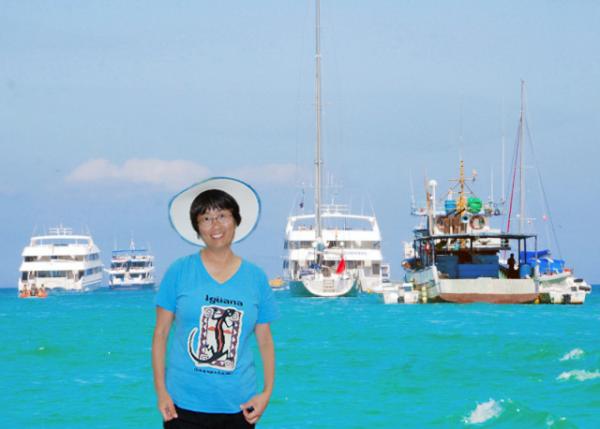 Academy Bay of Puerto Ayora, the Natural Harbor of Santa Cruz Island in the Galápagos Islands Archipelago Academy Bay of Puerto Ayora, the Natural Harbor of Santa Cruz Island in the Galápagos Islands Archipelago
(阿约拉港学院湾·加拉帕戈斯群岛圣克鲁斯岛的天然良港 04-07-2013)
 Aeropuerto Seymour @ Baltra w/o Direct International Flights Aeropuerto Seymour @ Baltra w/o Direct International Flights
(巴尔特拉岛西摩“深肤色人之地”机场·没有国际直飞航班 04-07-2013)  Baltra Island Once the Site of a US Military Base During World War II Baltra Island Once the Site of a US Military Base During World War II
(巴尔特拉岛·曾是二战期间美国军事基地的所在地 04-07-2013)
 曼陀罗、黄喇叭树、长春花、凤凰木 曼陀罗、黄喇叭树、长春花、凤凰木
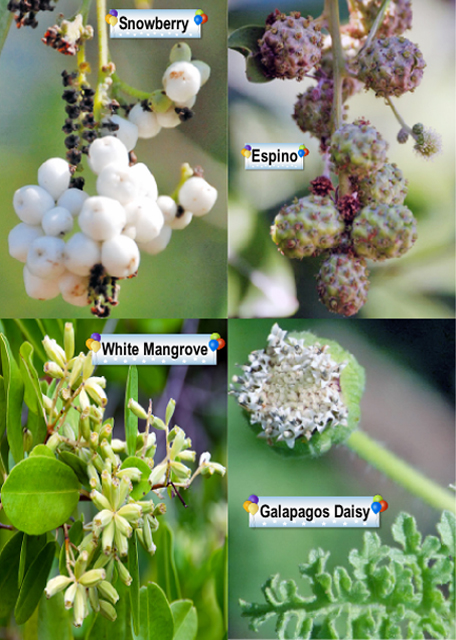
雪果、 单子山楂、白花红树林、加拉帕戈斯雏菊
 长寿花、圣诞耳蕨、毛茛草、蓝花假紫荆 长寿花、圣诞耳蕨、毛茛草、蓝花假紫荆

巨人柱花、 巨人柱树皮、狐尾草、黑眼地衣
 白花蛇舌草、 野生一品红、天芥菜、蓝色马尾藻 白花蛇舌草、 野生一品红、天芥菜、蓝色马尾藻
 Small Tanker (小油轮) Small Tanker (小油轮)
Crosslinks(相关博文): 2013: San Critobal's Kicker Rock/Witch Hill(巨龟群岛睡狮岩女巫岭)
2013: San Cristobal's Frigatebird Hill(巨龟群岛克里斯托瓦尔岛·军舰鸟山) 2013: N.Seymour Is, Birdwatch in Galapagos(巨龟群岛北西摩岛·观鸟) 2013: St Cruz's Bachas Beach, Galapagos(巨龟群岛圣克鲁斯岛·巴查斯海滩) 2013: Bartolome Is Pinnacled in Galapagos(巨龟群岛巴托洛梅岛·尖峰岩) 2013: Santiego's Sullivan Bay, Galapagos(巨龟群岛圣地亚哥岛·苏利文湾) 2013: Isabella Is, the Largest & Wildest(伊莎贝拉岛·巨龟群岛最大最野) 2013: Rabida Is w/ Red Beaches, Galapagos(巨龟群岛拉比达岛·红沙滩) 2013: Santiego's James Bay, Galapagos(巨龟群岛圣地亚哥岛·詹姆斯湾) 2013: Baltra & Daphine Is, Galapagos(巨龟群岛巴尔特拉岛和达芙妮岛) Ecuador(出游厄瓜多尔)
South America(漂流南美洲) 小学四年级(4th Grade) |