2013-03-31 Easter 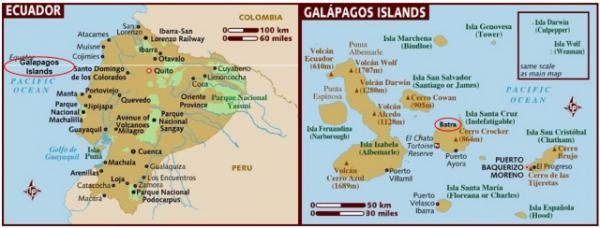
【Aiden in English】
I yawned loudly as Mom and I entered our Celebrity Xpedition cabin. For the whole morning, we were seated on a LAN Ecuador flight, traveling from Quito, the capital city, to the Galapagos Islands in the Pacific Ocean, after stopping over in Guayaquil, the largest city in Ecuador. The Galapagos Islands are a volcanic archipelago located approximately 500 miles/26 km west of mainland Ecuador and have become a living museum of evolutionary changes between the northern and southern hemispheres, the equator. They consisted of 19 islands and 42 islets in total. Free and fearless animals, different from those discovered elsewhere, made visitors like us wonder about their existence on our planet. In 1835, English naturalist Charles Darwin sailed on the British ship HMS Beagle and visited these islands. The living proof he found in this unique volcanic archipelago inspired his theory of the Origin of Species, which has shaken the biological world ever since. UNESCO declared Galapagos a World Natural Heritage Site in 1978 and subsequently a World Biosphere Reserve in 1985. After a tricky landing on Baltra Island in the Galapagos, we spent another hour undergoing immigration inspection and baggage claim at Baltra Airport (GPS), where the US established an Air Force Base to protect the Panama Canal during World War II. When we were perplexed about where to go, a miracle came: a tour director from Celebrity rescued us at the arrival terminal and took us straight to our ship, which had been floating in the middle of the ocean. In terms of capacity, Celebrity Xpedition was one of the most prominent luxury cruise lines to tour in the Galapagos Islands. All 96 passengers came from North America, Europe, and Oceania. There were fewer than 10 kids from Grades 4th to 8th on board. We would sail together as a big family for the next seven days. Not much time was left on the first day after check-in and the cruise safety training. What we did next was to go birdwatching. So, when the time came, I put on a cap and rubbed on some sunscreen. We were greeted by the brutal heat of the sun and the ocean breeze across the water. Soon enough, I was sweating madly on the deck! Our first bird came into view: a male Great Frigatebird with large wings and a distinctive red pouch around its neck, which it swooped down. Mom started frantically hitting the picture button on her camera. She showed me the pictures and then deleted about half of them, likely because she had taken more than she was comfortable with. When Mom and I were both staring blankly at the camera LCD screen, more and more birds like Blue-footed boobies and Nazca boobies gathered above us. When I looked up, I was startled by their numbers and why they were circling above us. Before long, we saw an island with hundreds, possibly thousands, of birds gliding smoothly over it. The island was called Daphne Major. Daphne Major is the eroded remains of a volcanic cone formed offshore of Santa Cruz Island. It was initially derived from a parasitic cone of a once-active volcano. Its steep sides scared animals away, made for difficult climbing, and were off-limits to tourists. Still, we could see an incredible array of birds along with sea lions while circumnavigating the island. Daphne Minor was another island in the Galapagos Islands near Daphne Major. Although it was smaller than Daphne Major, abundant marine animals lived there. Sea mammals bathed in sunlight, birds looked for food, and Mom had her fill with pictures. Not until sunset did, we hop back to the Darwin Restaurant, where dinner was awaited. 【红霞译】
刚进入“名人·远征”号游轮船舱,我忍不住打了个带响声的大哈欠。今天整个上午,我们一直在空中飞来飞去,从厄瓜多尔“赤道”首都基多“第五”出发,途经全国最大都市瓜亚基尔,终于来到太平洋上的加拉帕戈斯“巨龟”群岛。
加拉帕戈斯群岛实属厄瓜多尔“像美丽草原一样的土地”本土以西500英里/926公里处的火山列岛,被视为跨越赤道南北半球生物进化的活体博物馆,由19个大小岛屿及42个岩礁组成。与世界上其它地方不同,出没这里的动物自由自在无所畏惧,不免让前来参观的游人心生疑问,它们究竟是怎样来到我们星球上的?1835年,英国博物学家查尔斯·达尔文“自由人·亲爱的朋友”乘坐皇家海军舰队比格尔“小猎犬”号考察南美时曾经到访过这里,从置身火山列岛亲自观摩生态变化中获得灵感,进一步成就了《物种起源》,他的科学思想不仅奠定了进化理论,而且一直影响着整个生物界。加拉帕戈斯群岛先后于1978年和1985年被联合国教科文组织列为世界自然遗产和世界生物圈保护区。
我们乘坐的厄瓜多尔航空飞机重重地降落在加拉帕戈斯群岛的巴尔特拉“山谷”岛上,大约花了一个钟头才完成出关检查;巴尔特拉岛机场不大,是第二次世界大战期间美军为保护巴拿马运河而建。提取到行李后,正当我们琢磨下一步该怎么办时奇迹出现了,“名人·远征”号客游部主管亲临机场迎候我们这批最后到达的乘客,并直接陪同我们登船出航。就客载量而言,这艘“名人·远征”号可以说是游弋在加拉帕戈斯群岛水域中最大的豪华游轮之一,96名乘客全部来自北美、欧洲和大洋洲,其中未成年孩子不到十分之一,几乎都是四至八年级的小学初中学生,今后七天航海生涯里,我们将同舟共济,像一家人似地朝夕相处。
办完登船手续并结束出航安全集训之后,所剩的时间寥寥无几,不过我们的旅程被安排得紧凑安逸,非常富有情趣,接下来就要出海观鸟,于是我赶紧带好遮阳帽,涂上防晒膏,尽管甲板上海风习习,但骄阳似火,眨眼功夫我大汗淋淋。
第一个进入视线的是公军舰鸟,翅膀很大,脖上带有红色喉结。妈妈欣喜若狂,对准它没完没了按下快门,并不时在我面前评头论足,一边看一边删,她拍得实在超载,令人不敢恭维。
正当妈妈让我欣赏她的拍摄手艺,成群结队的海鸟从头顶飞过,蓝脚鲣鸟和橙嘴蓝脸鲣鸟盘旋于我们身边载歌载舞,毫不客气地把大家的注意力吸引了过去。我抬头相迎,不禁吓了一跳,大批鲣鸟紧跟游轮不舍,你追我赶低空翱翔,莫非“行舟逗远树,度鸟息危樯”?不一会儿,前方出现两个漂亮的大岛礁,只见数以百计甚至千计的海鸟集结岸边,与我们面面对视,丝毫没有惊异之状。
大达芙妮“月桂树”岛实际上是圣克鲁斯“十字”岛海面凸起的火山锥,源自岛上活火山爆发后留下的残迹。海岛悬崖绝壁,四周贫瘠荒凉,几乎一毛不拔,自然打消了游客驻足的决心和勇气,许多陆地动物情愿光顾天涯海角,也不会扎根这种边陲前哨,结果反倒成全了数以百计甚至千计的海鸟海狮,它们索性把大达芙妮岛当成自己休养生息的家园。 加拉帕戈斯群岛中大、小达芙妮岛近在咫尺,虽然面积不大,但却同样吸引了数目惊人的海洋生物。海狮懒散地晒着太阳,海鸟紧张地捕捞食物,妈妈疯狂地追星捧月,直到日落西山,我们方才兴致勃勃前往达尔文餐厅享用晚餐。
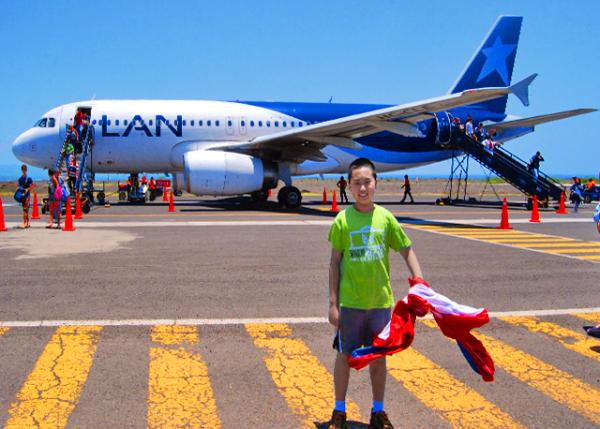 LAN Ecuador from UIO to GPS via GYE LAN Ecuador from UIO to GPS via GYE
(拉美航空集团厄瓜多尔国家航空·从基多经瓜亚基尔中转飞往巴尔特拉岛 03-31-2013) 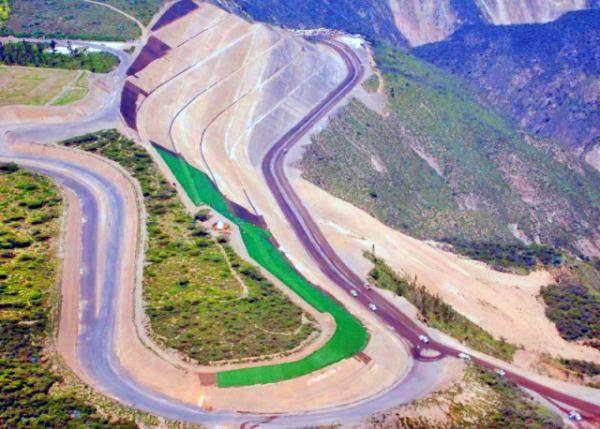 Pan-American Highway, the World's Longest "Motorable Road" Pan-American Highway, the World's Longest "Motorable Road"
(泛美高速公路·世上最长的“机动车道”) 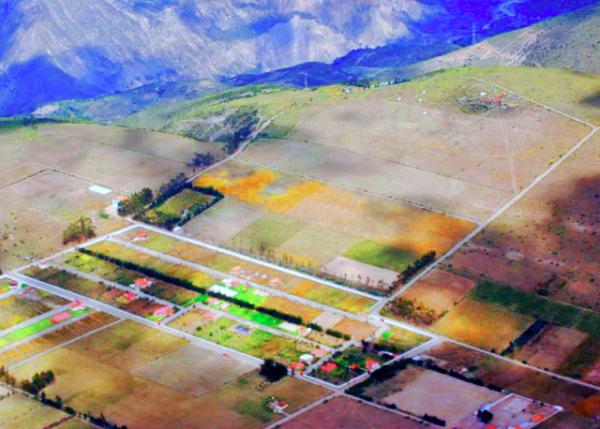 Patchwork-Covered Andes, Terraced for Agriculture or Andenes Patchwork-Covered Andes, Terraced for Agriculture or Andenes
(安第斯山脉梯田·安第斯梯田用于农业耕作) 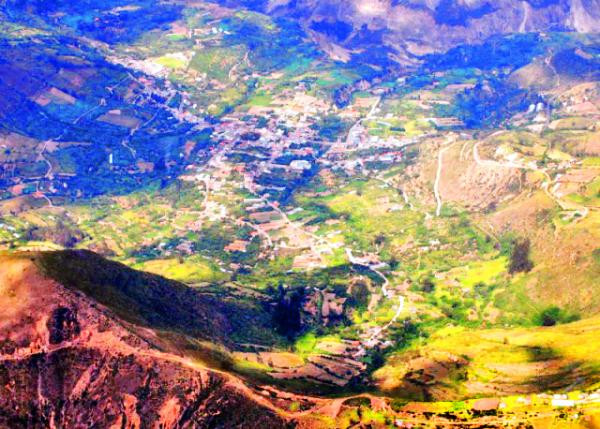 Inter-Montane Basins, Examples of Ancient Farming Techniques Inter-Montane Basins, Examples of Ancient Farming Techniques
(山间盆地·古代农耕技术的典范) 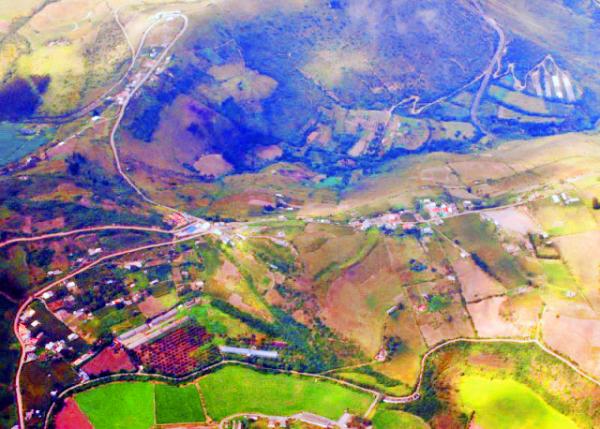 Páramo Meadows (帕拉莫“高地荒芜平原”草甸) Páramo Meadows (帕拉莫“高地荒芜平原”草甸)
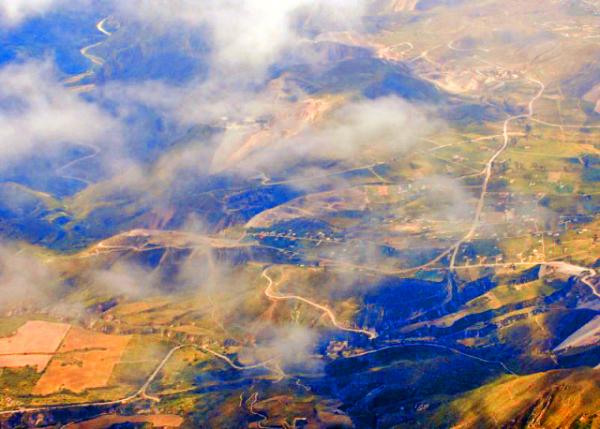 White Squall as Approaching to Guayaquil Gulf White Squall as Approaching to Guayaquil Gulf
(白色风暴·接近瓜亚基尔湾) 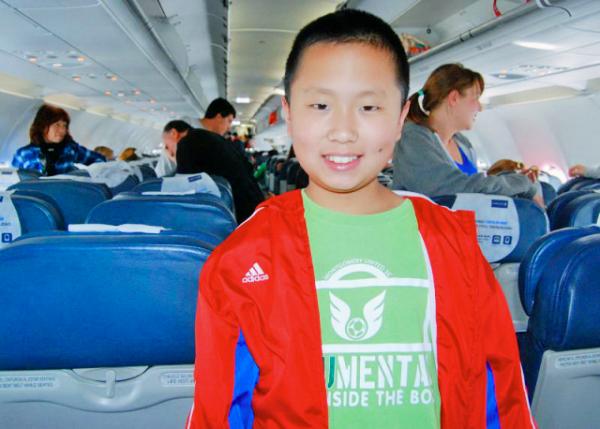 Streching Legs for the Next Segment of Connecting Flight from GYE to GPS Streching Legs for the Next Segment of Connecting Flight from GYE to GPS
(瓜亚基尔·中转飞往巴尔特拉岛时小做广播体操 03-31-2013)
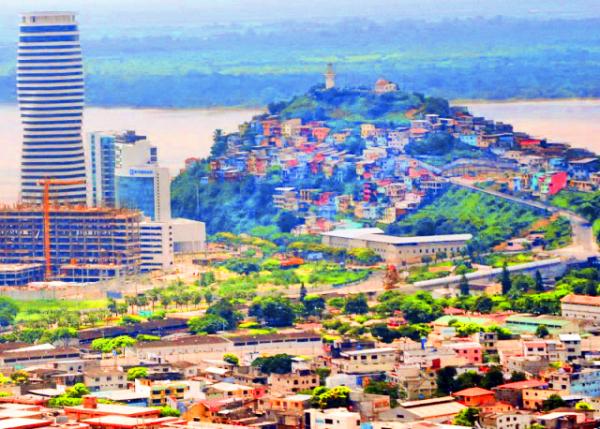 Light House, Quayaquil (瓜亚基尔·灯塔) Light House, Quayaquil (瓜亚基尔·灯塔)
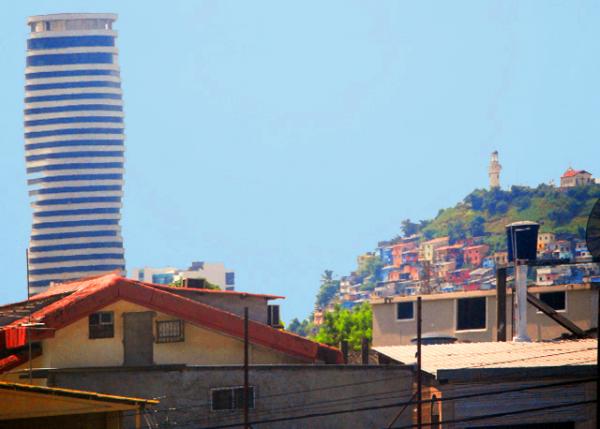 The Point in Downtown Quayaquil, the Nation Largest City The Point in Downtown Quayaquil, the Nation Largest City
(海角大厦·位于全国最大的城市瓜亚基尔市中心) 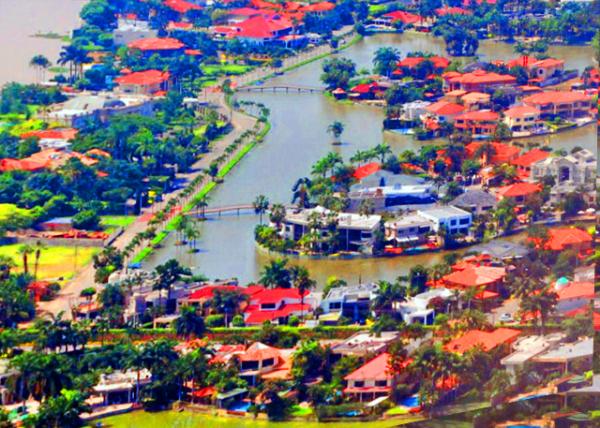 Laguna Dorada Urbanization, Guayaquil Laguna Dorada Urbanization, Guayaquil
(瓜亚基尔·黄金湖住宅开发区) 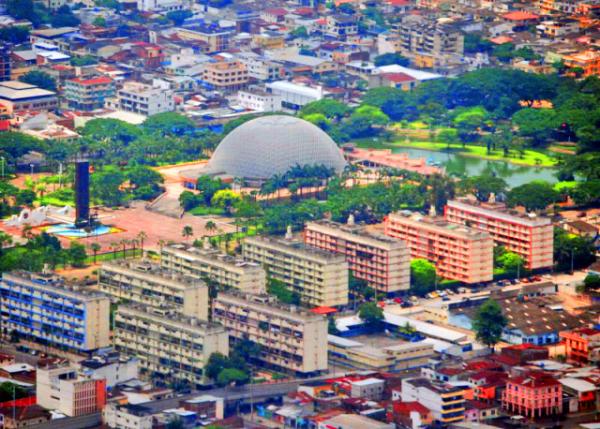 Center Civic Park, Quayaquil (瓜亚基尔·市民公园) Center Civic Park, Quayaquil (瓜亚基尔·市民公园)
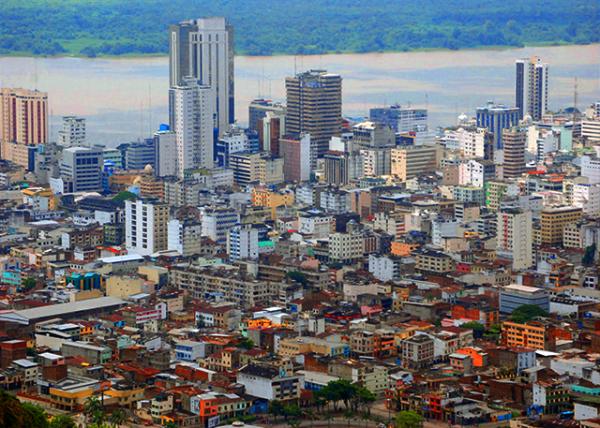 Guayaquil the Gateway to the Galapagos Islands Guayaquil the Gateway to the Galapagos Islands
(瓜亚基尔·通往巨龟群岛的门户) 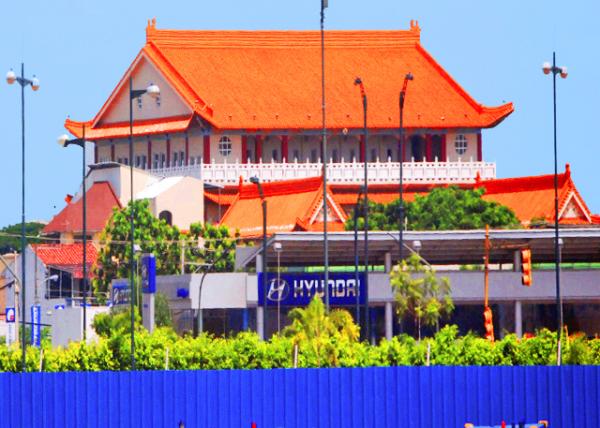 Yuan-Heng Buddhist Temple, the Biggest Buddhist Temple in South America Yuan-Heng Buddhist Temple, the Biggest Buddhist Temple in South America
(元亨寺·南美洲最大的佛教寺庙)
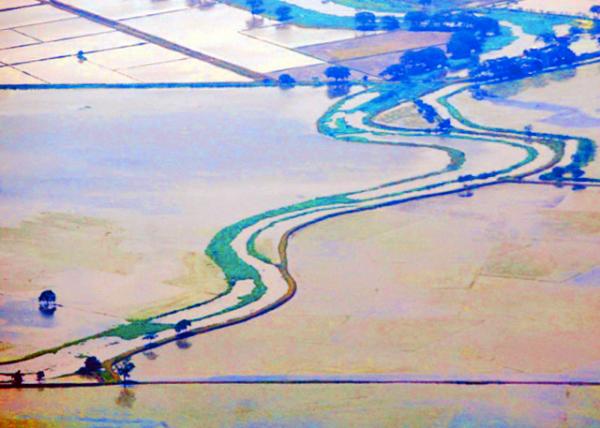 Heavy Flooding ahead of Our Arrival, Quayaquil Heavy Flooding ahead of Our Arrival, Quayaquil
(瓜亚基尔洪暴·早于我们抵达之前) 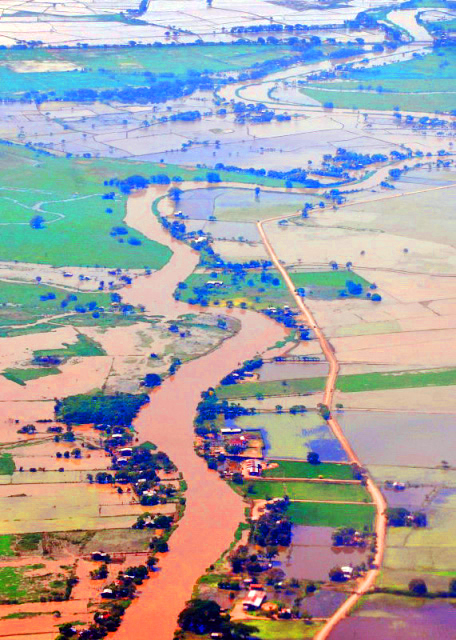
Río Guayas, Quayaquil (瓜亚基尔·瓜亚斯“钢缆”河) 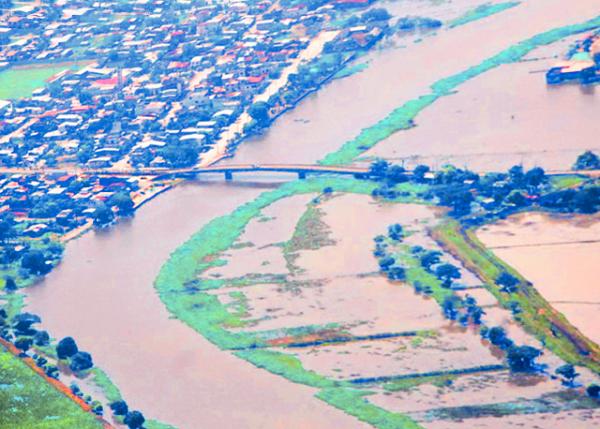 Guayaquil w/ Flooded Grasslands Guayaquil w/ Flooded Grasslands
(瓜亚基尔·草地被洪水淹没)
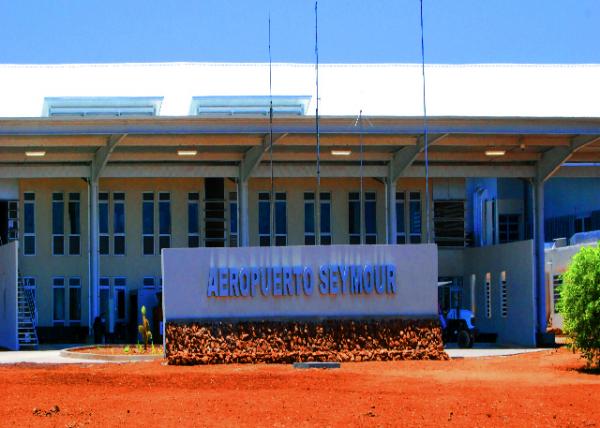 Aeropuerto Seymour @ Baltra w/o Direct International Flights Aeropuerto Seymour @ Baltra w/o Direct International Flights
(巴尔特拉岛西摩“深肤色人之地”机场·没有国际直飞航班)
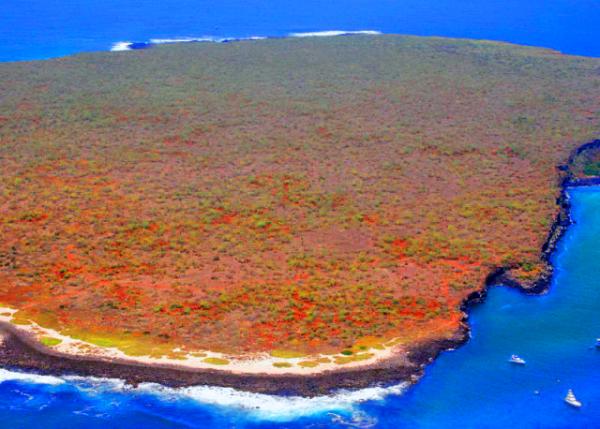 Baltra Island, Barren Desert Land Baltra Island, Barren Desert Land
(加拉帕戈斯群岛的巴尔特拉岛·不毛之地) 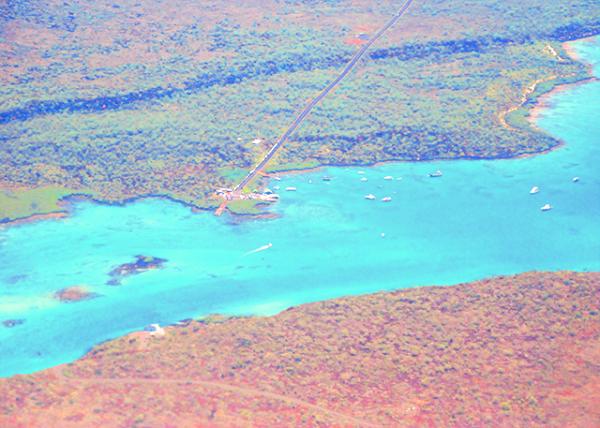 Baltra Island Once the Site of a US Military Base During World War II Baltra Island Once the Site of a US Military Base During World War II
(巴尔特拉岛·曾是二战期间美国军事基地的所在地) 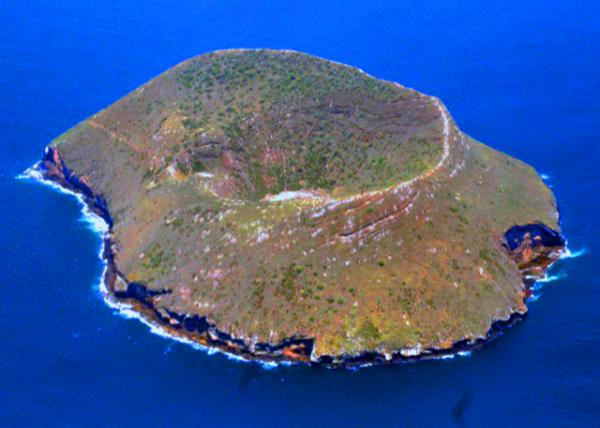 Daphne Minor,a Haven for a Diverse Array of Bird & Marine Life Daphne Minor,a Haven for a Diverse Array of Bird & Marine Life
(小达芙妮岛·各种鸟类和海洋生物的避难所) 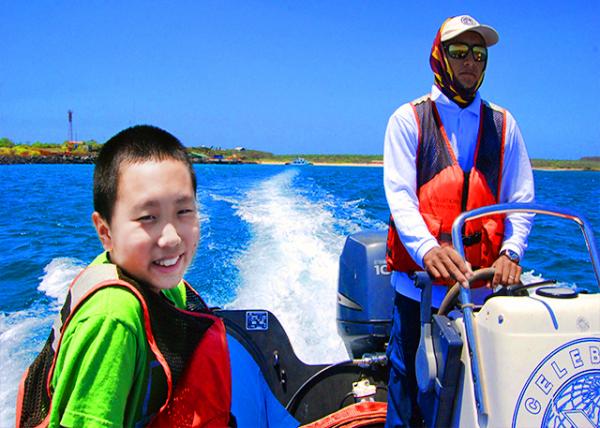 Zodiac Ride from Seymour Airport to Celebrity Xpedition Zodiac Ride from Seymour Airport to Celebrity Xpedition
(乘坐橡皮艇从西摩机场转运到“名人·远征”号游轮 03-31-2013)
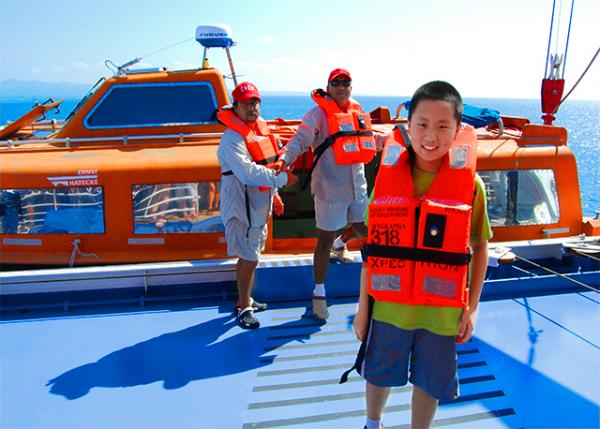 Safety on Board @ Celebrity Xpedition Safety on Board @ Celebrity Xpedition
(“名人·远征”号游轮——登船安全训练 03-31-2013) 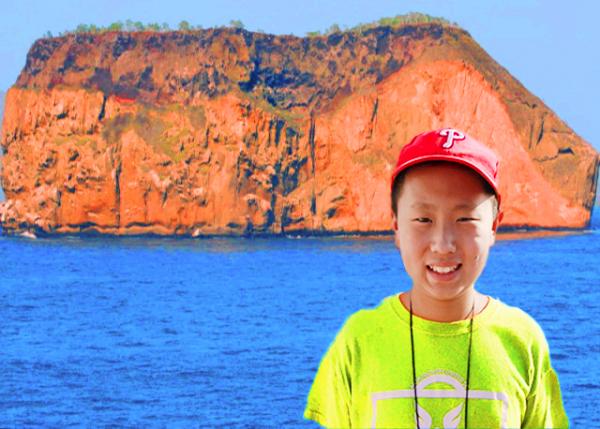 Daphne Minor, Composed Mainly of Volcanic Tuff Daphne Minor, Composed Mainly of Volcanic Tuff
(小达芙妮岛·主要由火山凝灰岩构成 03-31-2013)
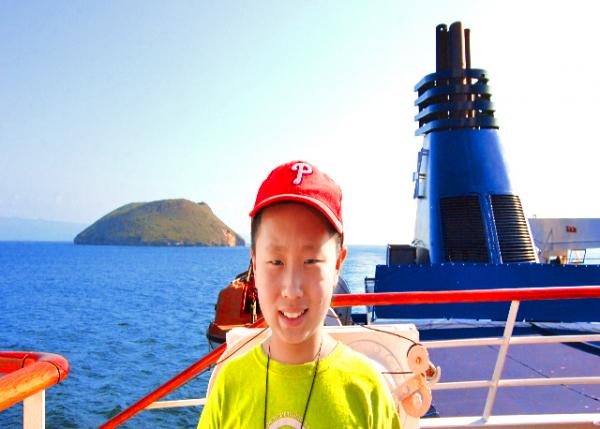 Daphne Major, Served as an Ideal Site for Evolution Research as the Finches w/ Few Predators or Competitors Daphne Major, Served as an Ideal Site for Evolution Research as the Finches w/ Few Predators or Competitors
(大达芙妮岛·由于雀类的捕食者或竞争对手很少,因此成为进化研究的理想场所 03-31-2013 03-31-2013) 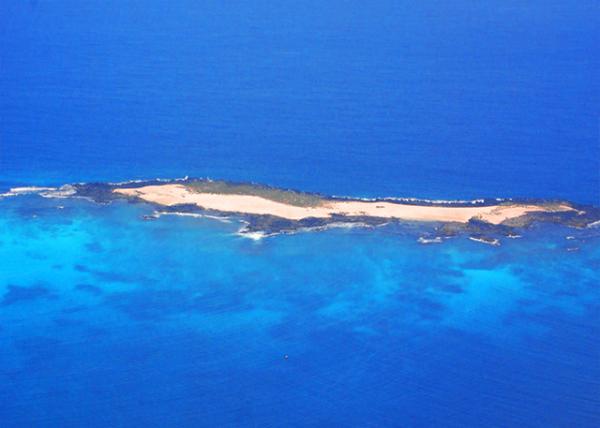 Mosquera Islet, Resembling a Large Sandbank between North Seymour & Baltra Mosquera Islet, Resembling a Large Sandbank between North Seymour & Baltra
(莫斯克拉“苍蝇”岛·形似巨大的沙洲,位于北西摩岛和巴尔特拉岛之间)
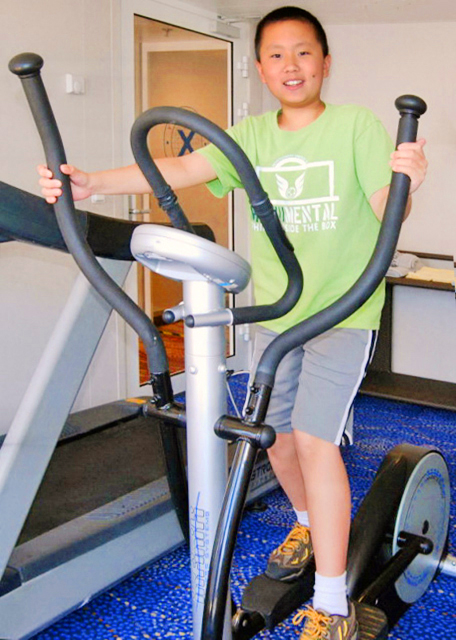
Compact Gym @ Celebrity Xpedition (“名人·远征”号游轮——袖珍健身房 03-31-2013) 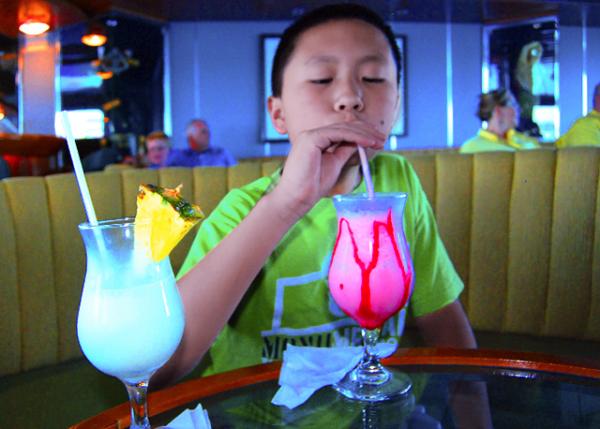 Discovery Lounge @ Celebrity Xpedition Discovery Lounge @ Celebrity Xpedition
(“名人·远征”号游轮——探索休息室 03-31-2013) 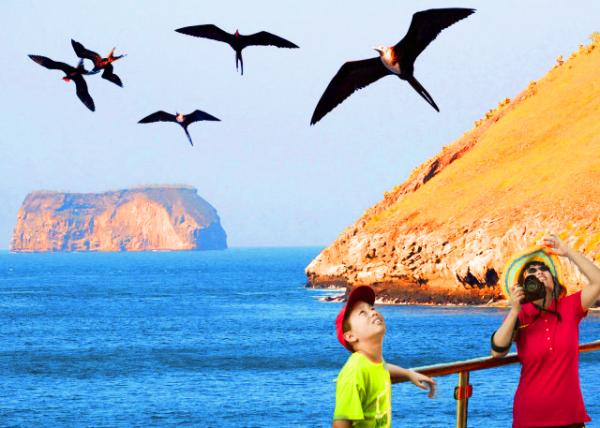 Daphne Major for Bird Watch, a Tuff Cone Island, Characterized by Its Volcanic Ash Formation Daphne Major for Bird Watch, a Tuff Cone Island, Characterized by Its Volcanic Ash Formation
(大达芙妮岛附近观鸟·凝灰岩锥岛,以火山灰形成为特征 03-31-2013) 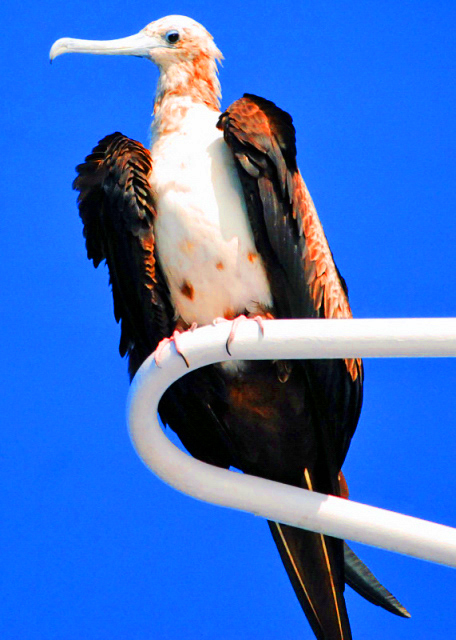
Juvenile Great Frigatebird (大军舰幼鸟) 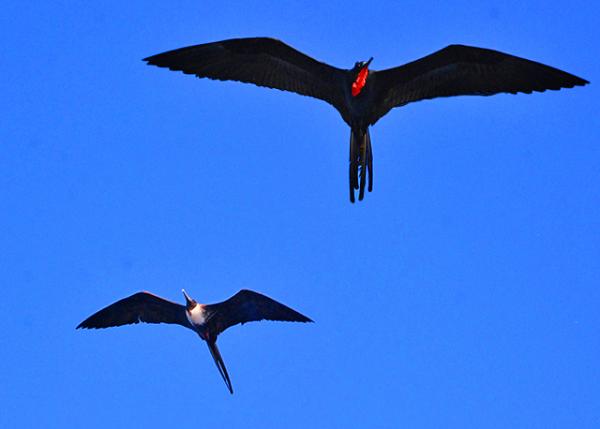 Great Frigatebirds w/ a Male above a Female Great Frigatebirds w/ a Male above a Female
(大军舰鸟·雄鸟在雌鸟的上方) 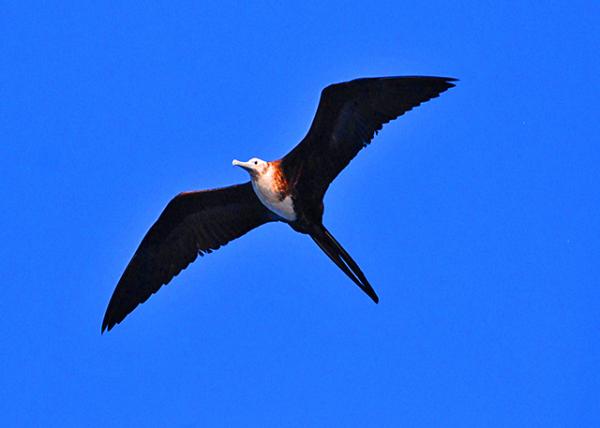 Female Great Frigatebird (雌大军舰鸟) Female Great Frigatebird (雌大军舰鸟)
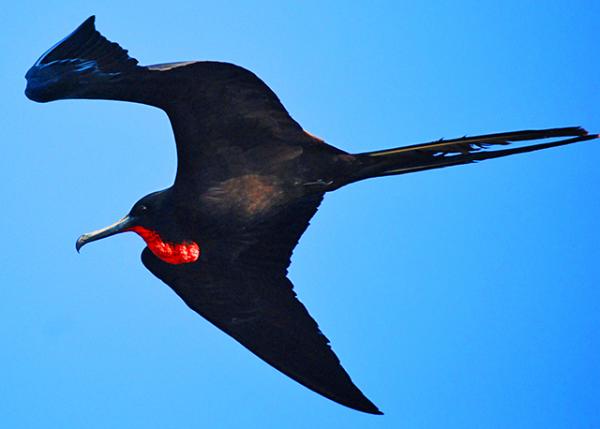 Male Great Frigatebird (雄大军舰鸟) Male Great Frigatebird (雄大军舰鸟)
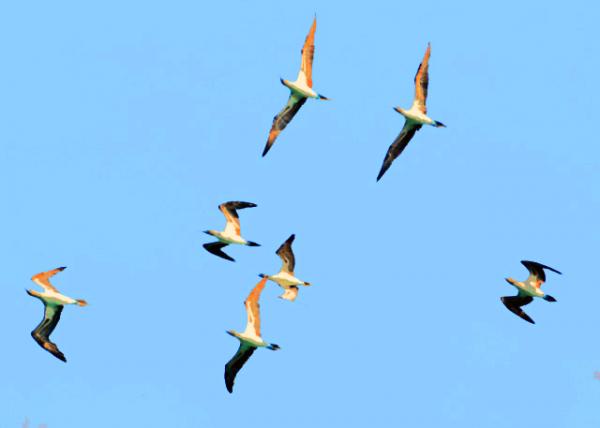 Blue-Footed Boobies in Flight (翱翔的蓝脚鲣鸟) Blue-Footed Boobies in Flight (翱翔的蓝脚鲣鸟)
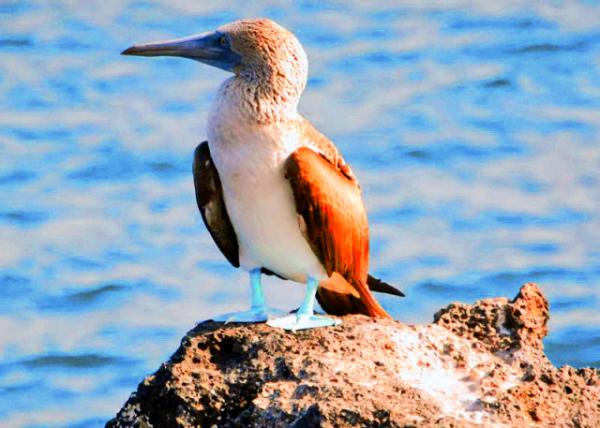 Blue-Footed Booby, a Symbol of Creativity & Dreaming Blue-Footed Booby, a Symbol of Creativity & Dreaming
(蓝脚鲣鸟·象征创造力和梦想) 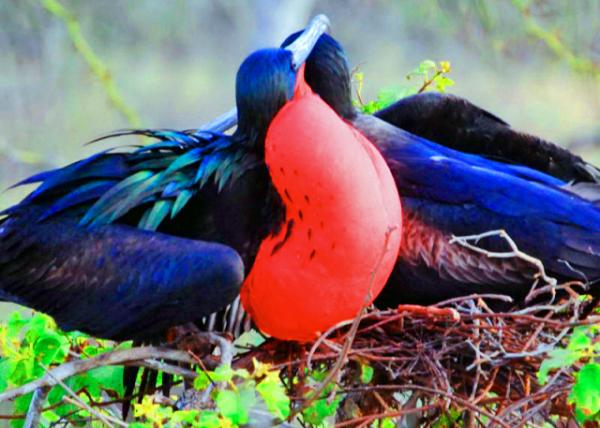 Male Great Frigatebird w/ Feathers on Gular Sac & a Purple Sheen on Its Shoulder Plumage Male Great Frigatebird w/ Feathers on Gular Sac & a Purple Sheen on Its Shoulder Plumage
(雄大军舰鸟·喉囊上带有羽毛,肩部羽毛散发绿色光芒) 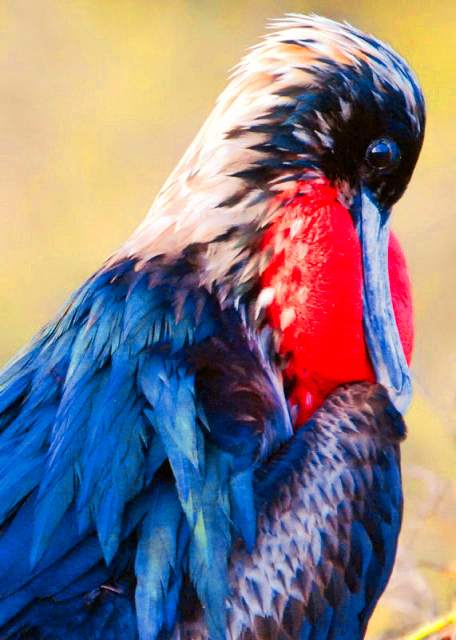
Male Magnificent Frigate w/ a Purple Sheen on Its Shoulder Plumage (雄壮丽军舰鸟·肩部羽毛有紫色光泽)
Crosslinks(相关博文): Ecuador(出游厄瓜多尔)
South America(漂流南美洲) 小学四年级(4th Grade) |