2015-06-14
【Aiden in English】
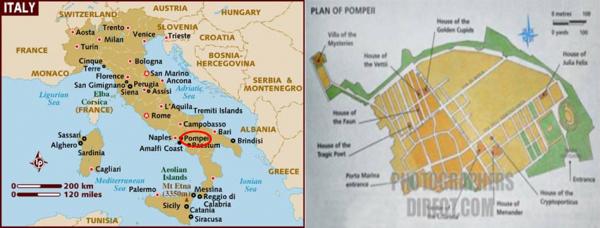
It doesn't seem as if you wake up on some random day covered in a sheet of burning ash. If you know what I mean, I'm talking about the Pompeii of Italy and reacquainting myself with the timeless power of nature. It was tragic that the eruption of Mt. Vesuvius in 79 AD buried the entire city of Pompeii. Pompeii was a thriving Roman city renowned as a vacation getaway for Rome's elite and possessed technology far more advanced than its time. There were hundreds of houses and a strong social class system. Powerful rulers made a vigorous civilization. The population was skyrocketing and out of control. Freshwater was available, and resources were plentiful. They became the first to create a system of water drainage pipes beneath the city, serving as a sewage disposal system for the dirty water on the stone-paved streets. They understood the principles of sound, which enabled them to design an amphitheater that effectively amplified the speaker's voice. Of course, all things had to be destroyed. But Pompeii wasn't conquered by armies, and it fell into the Dark Ages with a weak ruler. Mt. Vesuvius leveled them. If the people of Pompeii were to point fingers, then blame the city's founders for picking a spot 10 miles/16 km from an active volcano! There was nothing that could stop it either. What's interesting is that the people weren't killed by lava but by the ash. The burning flakes fell from the sky like rain, and a large sheet of fire covered the people. The cloud of gas released from the volcano also made the air unbreathable. As we proceeded into the ancient city, the guide explained that the upper part of the city was reconstructed. The ash had burned away the top, and archeologists rebuilt it from clues in the remains. The scientists also created a few statues of people in the process of dying. How, you may ask, did they get them? Today, science allows us to inflate corpses to regular sizes. One person was covering his mouth, trying to block out the stench of the gas. There wasn't anything anyone could do. It seems like going to the beach for a week, and a hurricane kills you. Pompeii was that situation. Nature just decided at a particular time at a specific place to say: "Hey! I don't like the clothes these people are wearing! Let's make the volcano erupt and kill them!" Or something like this: "I feel like destroying something today. Eeny-meeny-miny-Moe! Pompeii it is!" Pompeii had no chance to survive. Life was just meant to be this way. Everything that starts has an ending. For Pompeii, it was just a little earlier. The people were thriving, and if it weren't for a particularly active and destructive volcano, there would be an enormous city built there today, for all we know. It's just that the finish line appeared closer than it seemed. In 1997, the Archaeological Area of Pompei was inscribed as a UNESCO World Heritage Site. 【红霞译】 没准哪天清早醒来,周围所有一切全部烟灰余烬,倘若你稍有灵犀,即刻便会领悟到我所指的是意大利庞贝“五”城,它让我重新认识自然界永恒的力量,公元七九年间维苏威“烟雾”火山的爆发给整个地区带来了灭顶之灾。 庞贝曾经红极一时,是古罗马帝王将相权贵阶层的度假胜地,拥有先进的技术工艺,城区广厦万间,社会等级森严,集权统治者积极推行文明建设,人口数量超大幅度地增长;城中建有自来水系统,物产资源丰富,不仅成为全球开发市区地下水管系统及石街污水排放体系的先驱,而且还掌握传声要素,挑头发展环形露天剧场天然扬声器的功效。当然,所有成就终究付之一炬,不过庞贝不是因黑暗时期庸君无能被军变颠覆,而是葬身于维苏威火山之下。如果后人对之心存不满,那么就把矛头指向其祖先好了,谁叫他们把古城建在距离活火山10英里/16公里的地方!即使再有回天之力,也休想阻挡火山爆发。有趣的是,当地人并非丧命于滚滚熔岩,相反却被从天而降的烟灰粉片活埋窒息,火山释放的气流令人无法呼吸。
我们一边参观古城,一边聆听导游解说。庞贝上城现为修复区,考古学家根据粉尘之下的遗物推理而建,科学工作者依照僵尸姿势塑造了几个模型,你也许会问,他们怎么知道?是这么回事,如今科学发展到可以帮我们把尸体整合至原有形貌大小,其中有的人正用手捂着嘴巴防止异味进入口中。天灾人祸世事难料,好比去海边度假一周,飓风会将你置于死地,庞贝恰巧如此。大自然随时随地掰活:“嘿!我不喜欢人类这身打扮!让火山给他们点颜色瞧瞧!”或者换种口吻任性:“今天我想折腾一下,不是它就是它!来吧,庞贝!”庞贝无处躲无处藏,命中注定。 凡事有始有终。对于庞贝而言,灭亡来的稍微早了一点,人们正踌躇满志,要不是赶上特别活跃并且极富杀伤力的火山发威,大家都认为庞贝定会大放异彩,可惜好景不长。 1997年,庞贝考古区被联合国教科文组织纳入《世界遗产名录》。 Today in History(历史上的今天):
2015: Lemons in Capri, Italy(意大利卡普里岛的柠檬) 2012: Descriptive─Fables(想象文─童话故事) 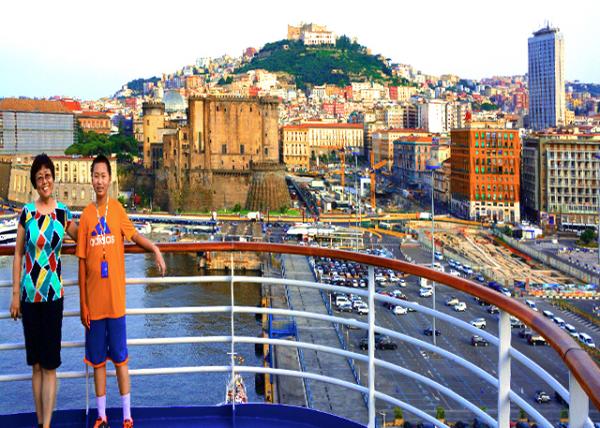 View from the Port of Naples on Castle Nouvo View from the Port of Naples on Castle Nouvo
(从那不勒斯港口俯瞰新堡 06-14-2015) 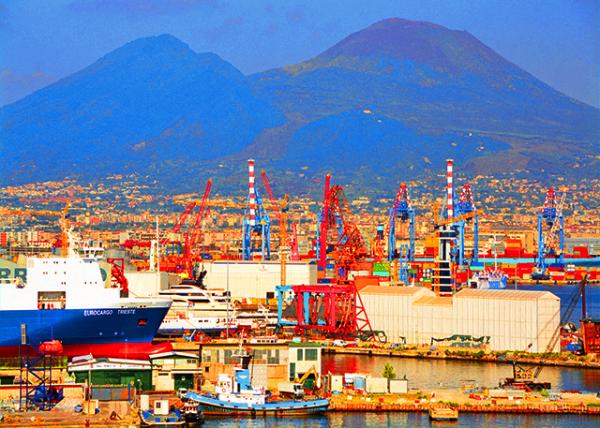 Mt Vesuvius Viewed from the Port of Naples Mt Vesuvius Viewed from the Port of Naples
(从那不勒斯港远望维苏威火山) 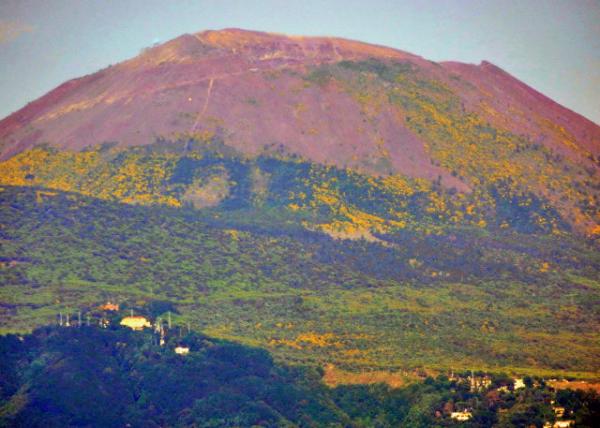 Mt Vesuvius's Caldera in Plinian Eruption of Powerful Explosions & the Ejection of Ash & Pumice into the Atmosphere Mt Vesuvius's Caldera in Plinian Eruption of Powerful Explosions & the Ejection of Ash & Pumice into the Atmosphere
(维苏威火山口·采用普林尼式喷发,爆发力强劲,并向大气中喷出火山灰和浮石) 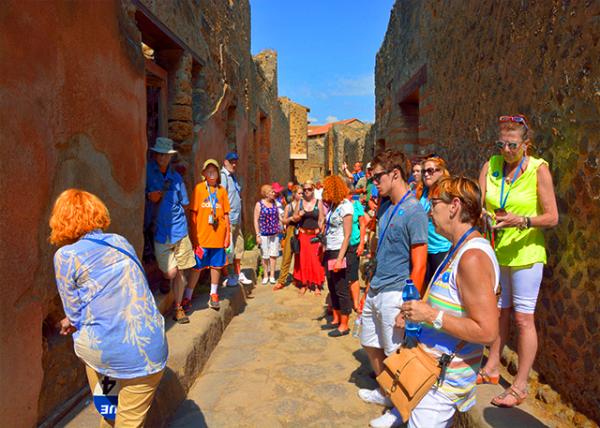 Explore Pompeii's Ancient Ruins Explore Pompeii's Ancient Ruins
(探索庞贝古城遗址 06-14-2015)
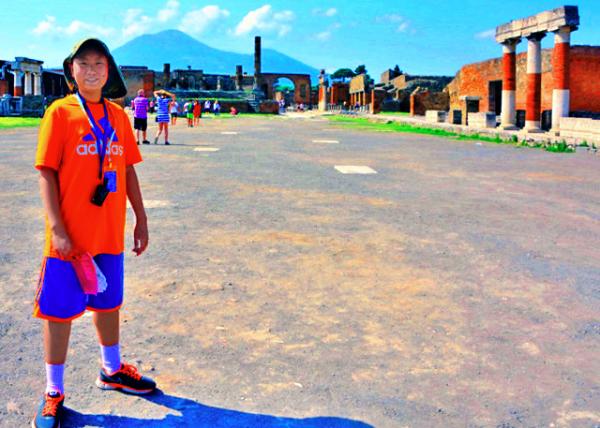 Pompeii & Vesuvius Viewed from Pompeii Forum,the Only Volcano Eruption on Europe's Mainland in the Last Hundred Years Pompeii & Vesuvius Viewed from Pompeii Forum,the Only Volcano Eruption on Europe's Mainland in the Last Hundred Years
(从庞贝古城广场背望维苏威“烟雾”火山景色·欧洲大陆上唯一一座近百年来喷发过的火山 06-14-2015) 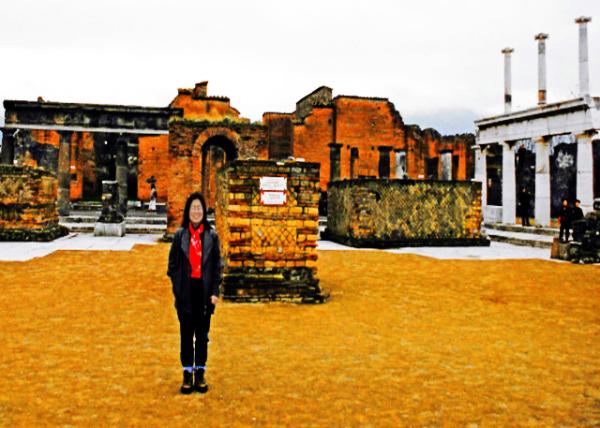 Pompeii Forum, the Central Hub of Ancient Public Life Pompeii Forum, the Central Hub of Ancient Public Life
(古城广场·古代公共生活的中心枢纽 12-28-1995)
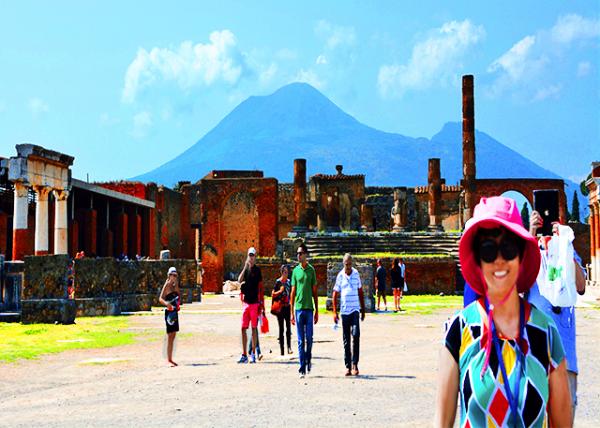 2nd Visit to Pompeii Forum after Nearly 20 Years 2nd Visit to Pompeii Forum after Nearly 20 Years
(将近20年后回访古城广场·背景为维苏威火山 06-14-2015)
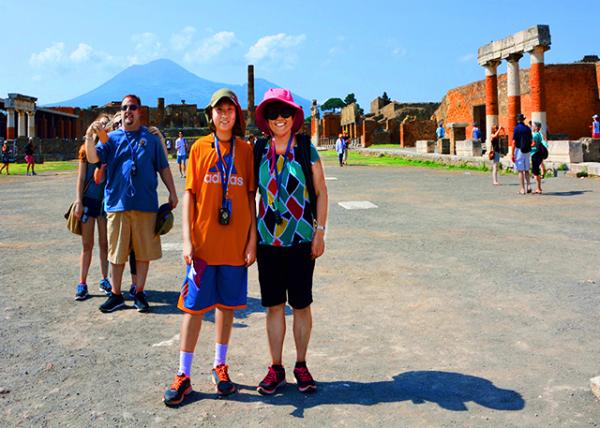 Pompeii Forum Serving as the City's Civic, Commercial, Political, & Religious Center Pompeii Forum Serving as the City's Civic, Commercial, Political, & Religious Center
(古城广场·全城民众商业、政治和宗教的中心 12-28-1995)
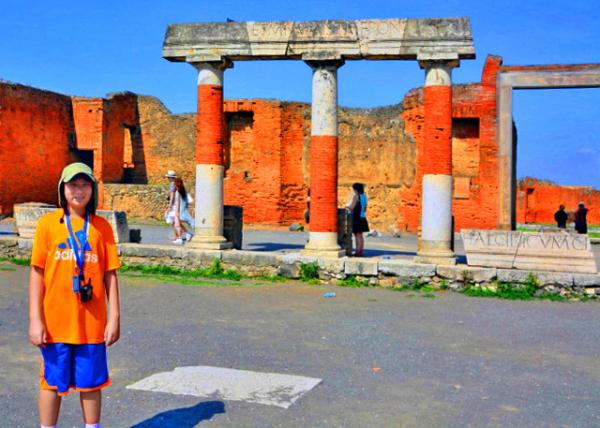 Temple of Apollo in the 120-BC Roman, Dedicated to the Greek and Roman God Apollo Temple of Apollo in the 120-BC Roman, Dedicated to the Greek and Roman God Apollo
(阿波罗神庙·公元前120年罗马式,献给希腊和罗马阿波罗“太阳”神 06-14-2015)
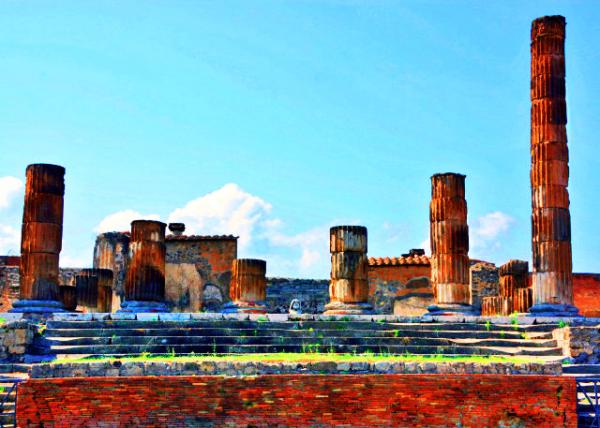 Temple of Jupiter, the City's Capitolium Dedicated to the Capitoline Triad of Jupiter, Juno, & Minerva Temple of Jupiter, the City's Capitolium Dedicated to the Capitoline Triad of Jupiter, Juno, & Minerva
(朱庇特神殿·供奉朱庇特“众神之王”、朱诺“众神女王”和密涅瓦“智慧女神”的卡皮托利欧山三联神)
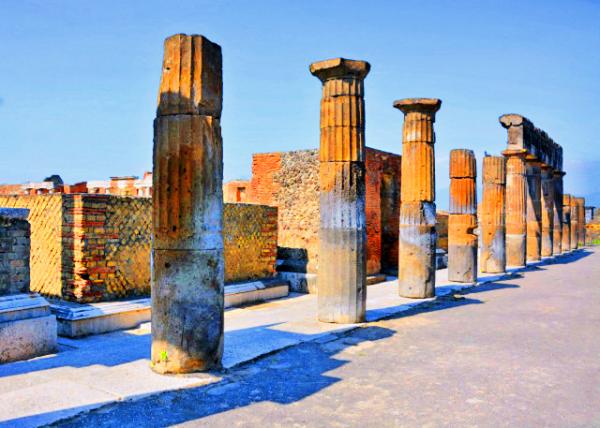 House of the Vestals, the Home of the Priestesses of the Cult of Vesta Responsible for Maintaining the Sacred Fire in the Temple of Vesta, Believed to Represent the Eternal Life Force of Rome House of the Vestals, the Home of the Priestesses of the Cult of Vesta Responsible for Maintaining the Sacred Fire in the Temple of Vesta, Believed to Represent the Eternal Life Force of Rome
(维斯塔“贞女”之家·维斯塔教女祭司的住所,她们负责维护维斯塔神庙中代表罗马永恒生命力量的圣火) 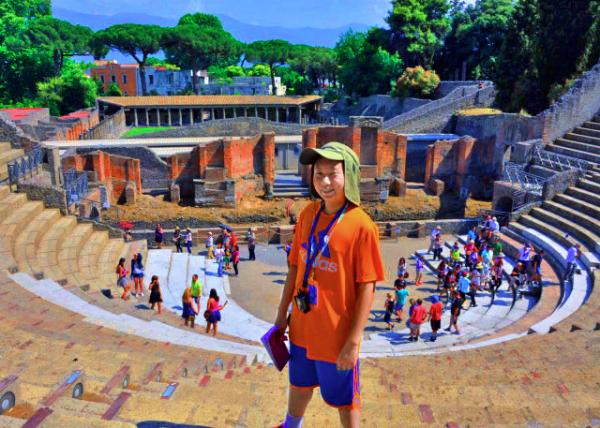 Amphitheater of Pompeii, the Oldest Surviving Stone Amphitheater in the Roman World Built around 70 BC for Hosting Gladiatorial Contests & Other Spectacles Like Animal Hunts & Executions Amphitheater of Pompeii, the Oldest Surviving Stone Amphitheater in the Roman World Built around 70 BC for Hosting Gladiatorial Contests & Other Spectacles Like Animal Hunts & Executions
(古罗马剧场·建于公元前70年左右、罗马世界现存最古老的石头圆形剧场,以举办角斗士比赛和动物狩猎及处决等其它表演 06-14-2015) 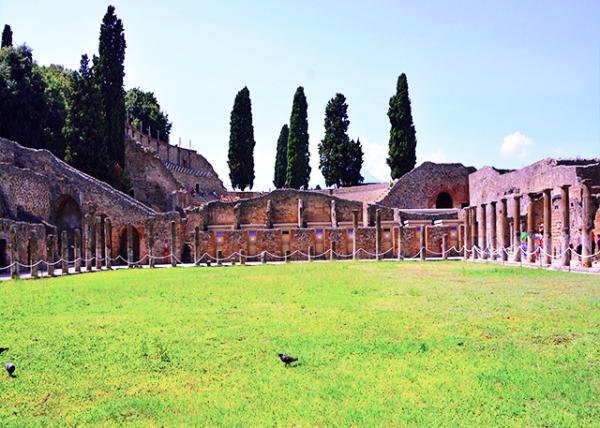 Gladiators Barracks (角斗士营房) Gladiators Barracks (角斗士营房)
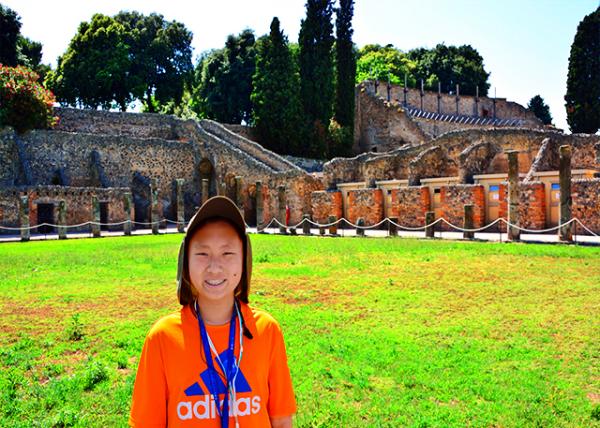 House of the Gladiators, a Living Quarters & Training Area House of the Gladiators, a Living Quarters & Training Area
(角斗士之家·居住区和训练场地 06-14-2015) 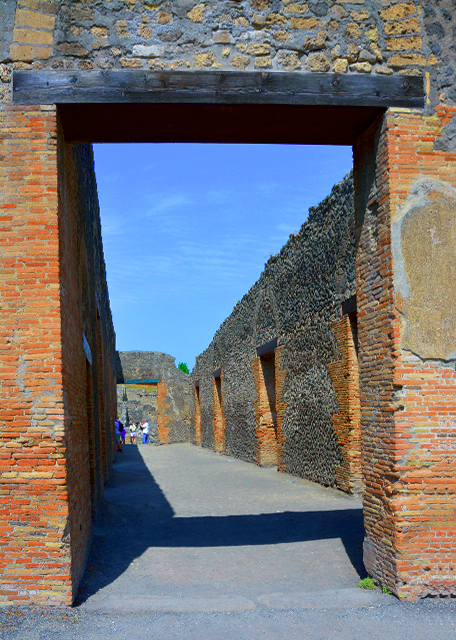
Odeon, Theatrum Tectum (歌唱场所·有顶盖的剧场)
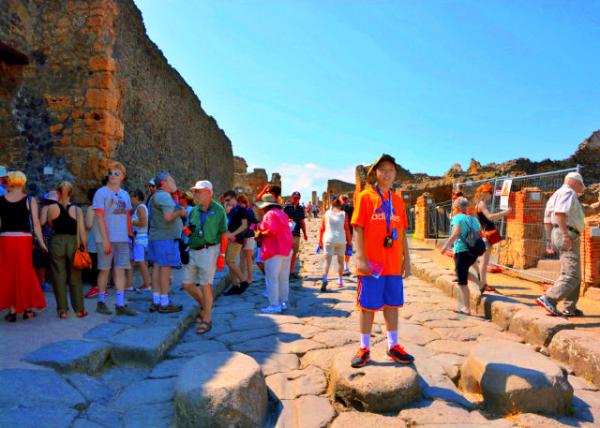 Via dell'Abbondanza, the City's Longest & Most Bustling Via dell'Abbondanza, the City's Longest & Most Bustling
(阿邦丹扎“富足”大街·全城最长、最繁华的主要街道 06-14-2015) 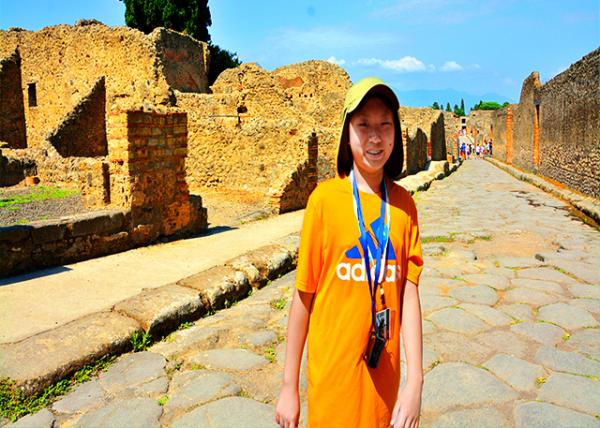 Via dell'Abbondanza (阿邦丹扎大街 06-14-2015) Via dell'Abbondanza (阿邦丹扎大街 06-14-2015)
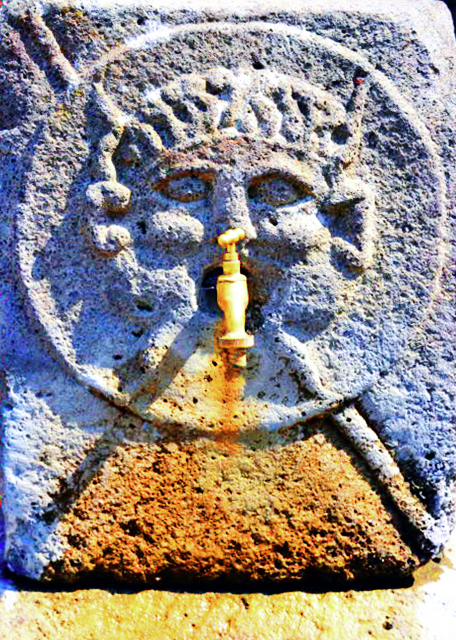
Running Water in about 20 BC (公元前20年左右开始使用自来水) 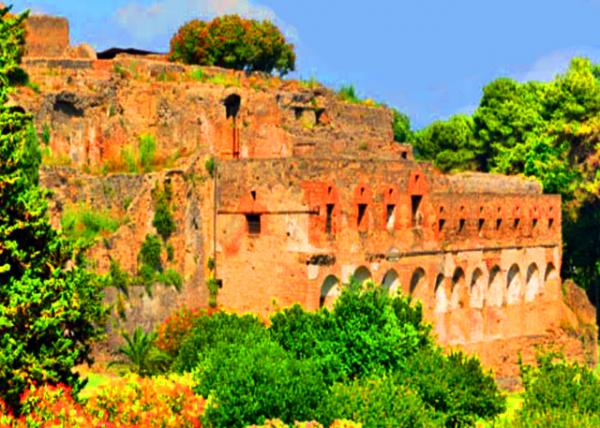 Villa of the Mysteries, Ancient Roman Villa on the Outskirts of Pompeii Villa of the Mysteries, Ancient Roman Villa on the Outskirts of Pompeii
(神秘别墅·古罗马郊区别墅) 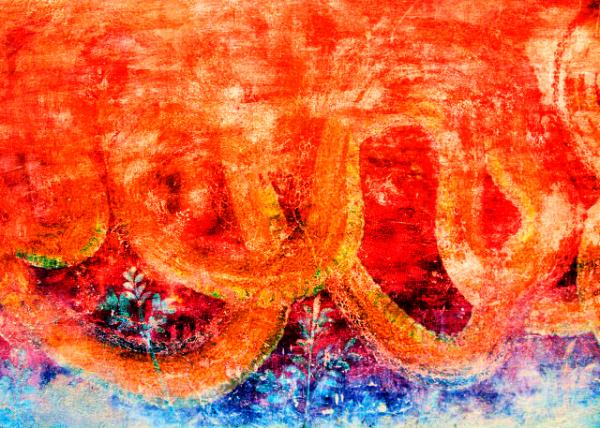 Erotic Art Showing the Initiation of a Bride into a Greco-Roman Mystery Cult Erotic Art Showing the Initiation of a Bride into a Greco-Roman Mystery Cult
(色情艺术·新娘加入希腊罗马神秘教派的入会仪式) 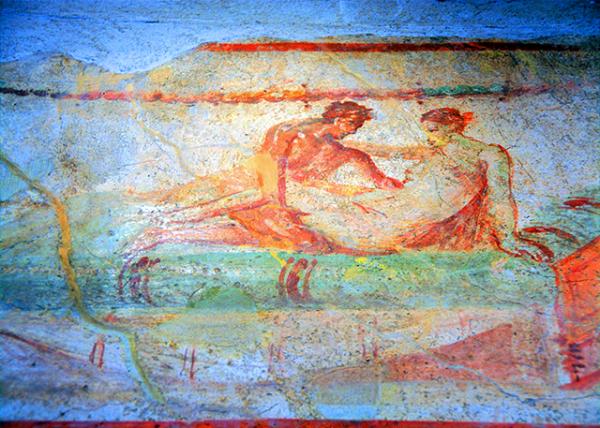 Frescoe from Brothels (妓院里的壁画) Frescoe from Brothels (妓院里的壁画)
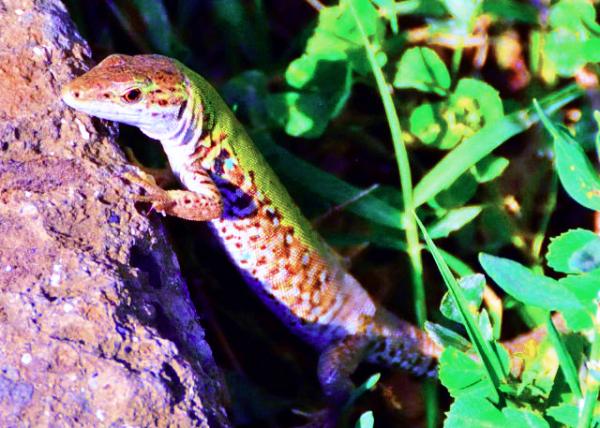 Common Wall Lizard (普通壁蜥) Common Wall Lizard (普通壁蜥)
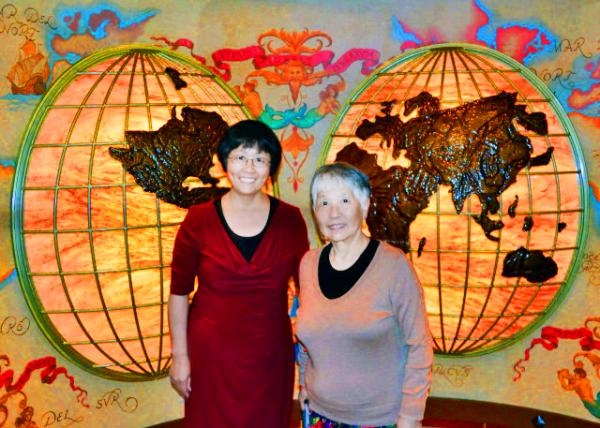 Emerald Princess (“公主·翡翠”号游轮 06-14-2015) Emerald Princess (“公主·翡翠”号游轮 06-14-2015)
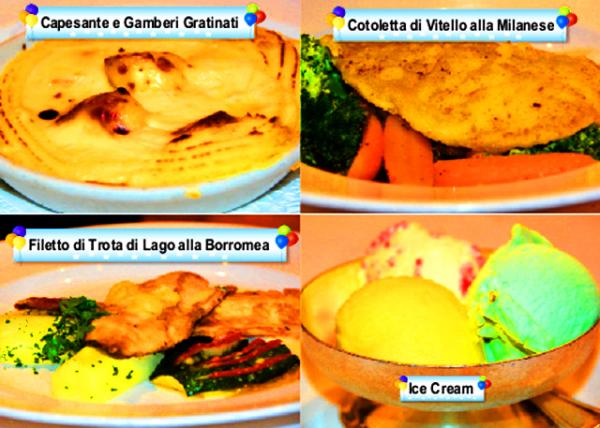 焗扇贝大虾、米兰小牛肉片、博罗梅安“好朝圣者”湖鳟鱼片、三色冰激凌 焗扇贝大虾、米兰小牛肉片、博罗梅安“好朝圣者”湖鳟鱼片、三色冰激凌
Crosslinks(相关博文): Italy(出游意大利) Europe(欧洲掠影) 6th Grade(初中一年级)
|