2017-07-03
【Aiden in English】
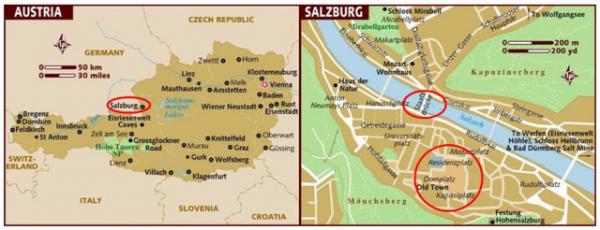
A new city, a new country, and, therefore, a new culture… sort of. Seeing new worlds in person is always interesting, and the differences between countries are always surprising. However, when the border doesn't even require a passport check to cross, it shows the similarities between the two countries. Which countries am I talking about? Austria and Germany had authoritarian histories, particularly during the early to mid-20th century. Ironically, both countries have seen each other grow together and mirror each other. Granted, Germany is one of the largest European countries, while Austria, respectively, is the size of a state in the US. Furthermore, Austria has approximately one-tenth of Germany's population. Yet they share the same passion for beer and beautiful cities. Both have fantastic countryside, sections covered with the looming mountains of the Bavarian Alps. Germans and Austrians tend to enjoy eating sausages, potatoes, and sauerkraut. Austria and Germany both also produce great musicians. In Germany, the great miracle of Beethoven was born, and Austria displayed young talent through Mozart, the child prodigy. Today was a free afternoon in Salzburg, so why not look at one of the faces of classical music's origins? The Mozart house is nothing flashy. I wouldn't have noticed without the enormous crowd gathered around the front entrance. The house, excluding the ground floor, had been transformed from the family's living quarters into a museum about Mozart's life story and his family. I don't want to say too much about his life; Google and Wikipedia can do it much better than I can. Nevertheless, the impact ofh Mozartond on the music community cannot be overlooked. Having a teenager compose music can inspire students to listen to music. Granted, much of today's music only requires a rhyming dictionary, but it is still one of the great signs of achievement. The museum left out how Mozart and the archbishop quarreled, resulting in the separation of both sides. The archbishop was fine, as archbishops usually are, but Mozart died of disease a few years later, poor and alone. However, his legacy greatly surpassed any ruler at the time, which, I suppose, wins him the argument in the end. 【红霞译】
新城市、新国家、乃至新文化……即使有那么一点,亲眼目睹新世界总是令人兴趣盎然,初次感受不同国度风土人情总是令人喜出望外。然而当两国国民互跨边境,双方海关一概免查护照,足以表明两国之间不分你我,我说的究竟是哪两个国家?
奥地利和德国都有不堪回首的历史,特别自廿世纪初期至中期一段时间,两国莫名其妙地交织在一起共同发展。诚然,德国是欧洲最大的国家之一,而奥地利跟美国一个州的地盘不相上下,况且奥地利人口总数只有德国的十分之一,但彼此对啤酒情有独钟,城市风情美丽撩人,地处巴伐利亚“牛主家园”阿尔卑斯“白”山脉一带的乡间田园更是“绿树村边合,青山郭外斜”。无论德国人还是奥地利人,他们都爱吃香肠、土豆和酸菜。
奥地利和德国各自拥有音乐家大师,德国诞生了乐圣贝多芬“甜菜园”,奥地利孕育出神童莫扎特“来自沼泽地”,今天下午既然我们在萨尔茨“盐”堡有自由活动时间,为何不好好欣赏古典音乐发源地呢?
莫扎特故居丝毫不招人眼目,要不是门前里三层外三层围了很多人,我压根儿认不出来。这栋楼房除了楼下以外早已从民居改成博物馆,用来展示莫扎特生平及其家庭生活,在此我不想多说他的过去,谷歌网站及维基百科都比我更能提供详尽介绍,不管从哪方面来讲,莫扎特对整个音乐领域的影响不容忽视,十来岁擅长作曲的年少确实可以激发适龄学童对音乐的兴趣,尽管当今音乐只求节奏,但好赖还是取得了可喜成绩。 显而易见,博物馆并没有提及莫扎特与大主教之间有何争执,而这恰恰导致两人关系彻底决裂。大主教日子过得不错,古往今来一向如此,可几年后莫扎特却因病去世,死时穷困凄凉。不过莫扎特传奇一生远比当时任何统治者精彩,我觉得他才是最后赢家。
Today in History(历史上的今天):
2017: Munich, BMW & Hofbraeuhaus DEU(德国慕尼黑·宝马总部与宫廷啤酒馆)
2016: Capital Helsinki, Finland(芬兰首都赫尔辛基) 2016: Porvoo, the Medieval Town in Finland(芬兰波尔沃·中世纪古镇城) 2015: Naples, City of the Sun in Italy(意大利那不勒斯·太阳之城)
2015: Neapolitan Authentic Pizza, Italy(意大利那不勒斯·正宗皮萨) 2014: YMCA Camp—Sports Injuries(基督教青年会营运动受伤) 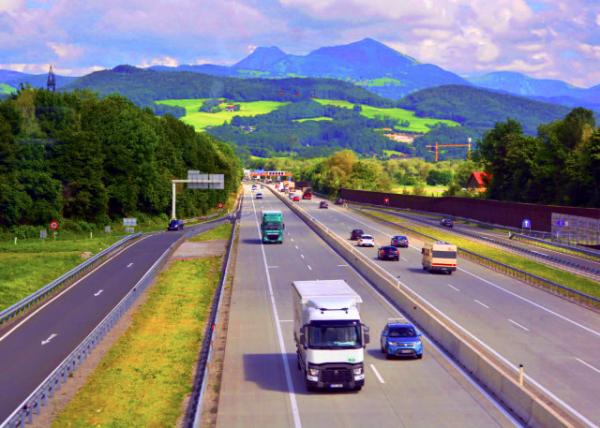 Hwy from Munich to Salzburg Hwy from Munich to Salzburg
(从慕尼黑“僧侣城”到萨尔茨堡的高速公路) 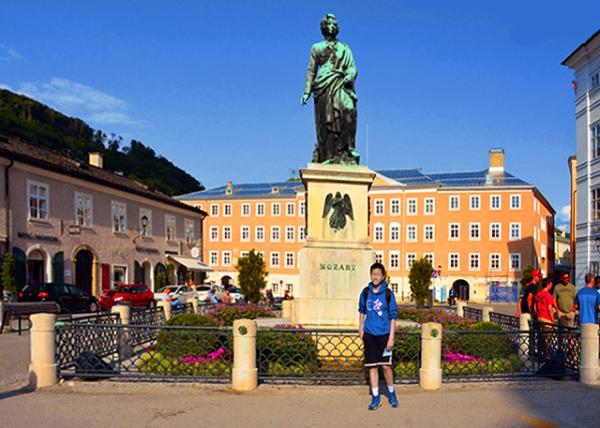 Mozartplatz (莫扎特广场 07-03-2017) Mozartplatz (莫扎特广场 07-03-2017)
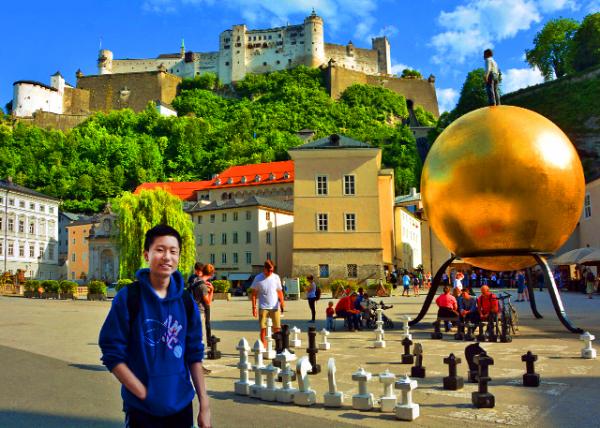 Kapitelplatz (教士广场 07-03-2017) Kapitelplatz (教士广场 07-03-2017)
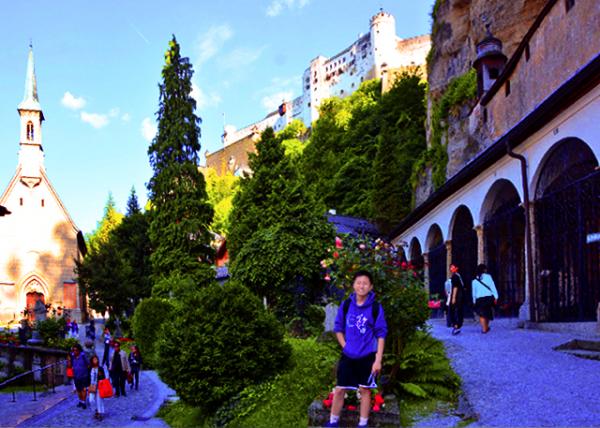 Petersfriedhof, the Oldest Cemetery in the City Petersfriedhof, the Oldest Cemetery in the City
(圣彼得“磐石”墓·全城最古老的公墓 07-03-2017) 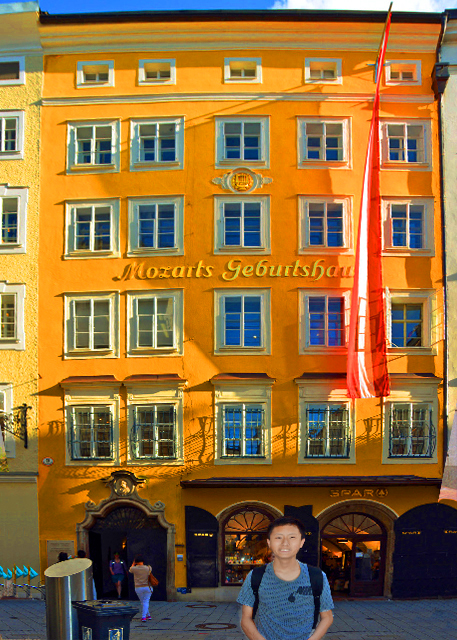
Mozarts Geburtshaus (莫扎特之家 07-03-2017) 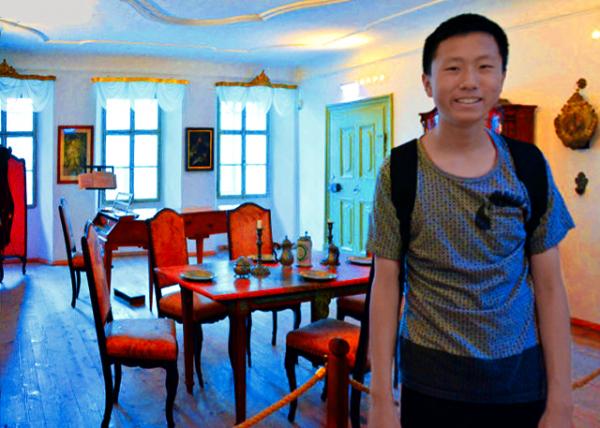 Family Rm of Mozart's Birthplace Family Rm of Mozart's Birthplace
(莫扎特出生地·家庭室 07-03-2017)
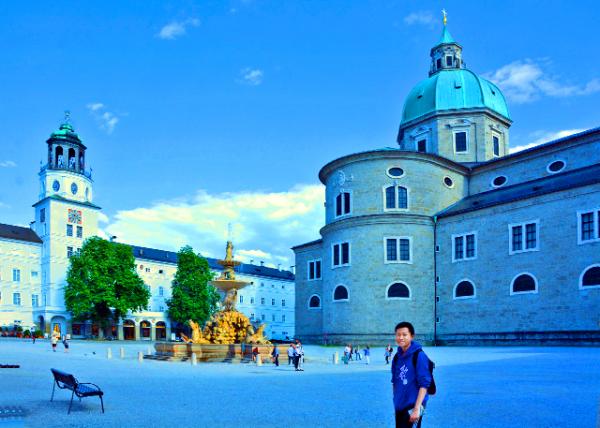 Domplatz in the Heart of the Baroque Historic District Domplatz in the Heart of the Baroque Historic District
(大教堂广场·位于巴洛克历史街区中心 07-03-2017) 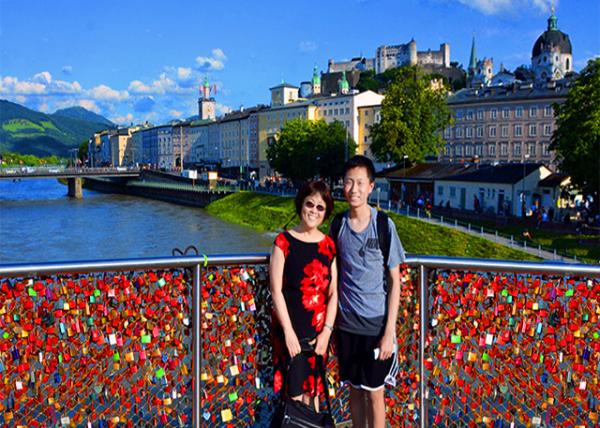 Love Padlocks on Makartsteg Love Padlocks on Makartsteg
(马卡特“高贵”小桥·爱之锁 07-03-2017)
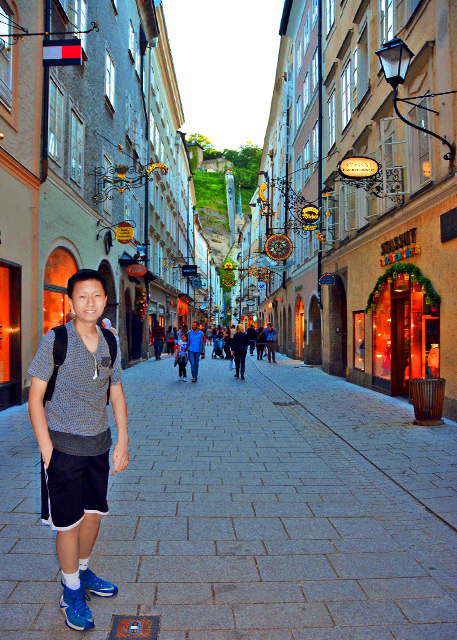
Getreidegasse (粮食胡同 07-03-2017) 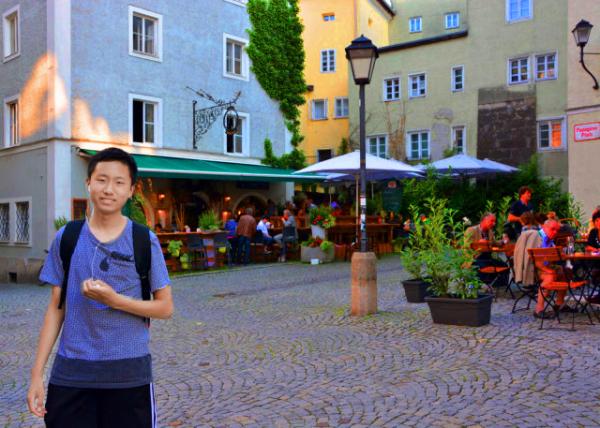 Restaurant Zirkelwirt (东道主餐厅 07-03-2017) Restaurant Zirkelwirt (东道主餐厅 07-03-2017)
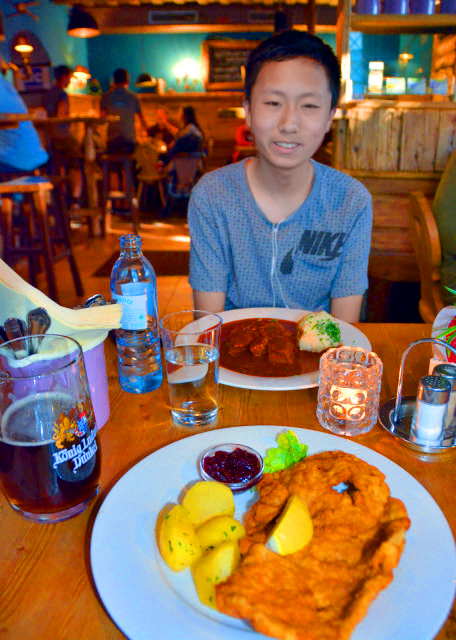
Austrian Traditional Dishes @ Zirkelwirt (齐克尔“指南针”酒馆·奥地利传统餐饮 07-03-2017)  King Ludwig Dark @ Zirkelwirt King Ludwig Dark @ Zirkelwirt
(齐克尔酒馆·路德维希“名将”国王黑啤 07-03-2017) 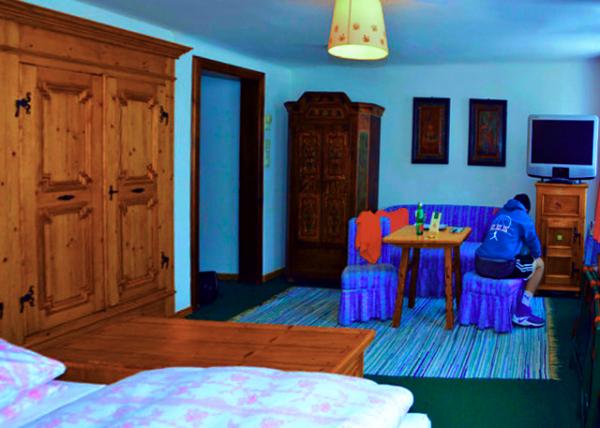 Hotel Goldener Hirsch (金鹿酒店 07-03-2017) Hotel Goldener Hirsch (金鹿酒店 07-03-2017)
Crosslinks(相关博文): Austria(出游奥地利)
Europe(欧洲掠影) 8th Grade(初中三年级)
|