2016-06-30

【Aiden in English】
Estonia is one of those countries where kids at my middle school scratch their heads upon hearing the name. It also may bring curious pronunciations along. Tallinn is the capital city, which is a modern term. Not long ago, the city would've been a little more than a town of peasants. Still, the revolutions in technology and science have led to significant urbanization in the country, and nearly 40 percent of the population resides there. Yet oddly, the most beautiful sight is a living museum of spired churches and medieval architecture. The Old Town, also known as the History Center, makes up most of Tallinn, dominating the city's culture and lifestyle. It has been deeply influenced by the Teutonic, Danish, Tsarist, and Soviet regimes. Purchasing a second house is supposed to be significantly cheaper than renting an apartment in the center of the old town, as the buildings are ancient and the city center is relatively small, like a birdcage. To start, everything is built on a set layer of cobble. Although it gives off a fancy look, it isn't enjoyable to travel on. Just imagine you look up to see a church or any sight in particular, and you just so happen to step into a crevasse on the ground. It isn't the best idea to have us walking, but on the other hand, the streets are barely large enough to fit a single car. Unfortunately, for some tour bus drivers, certain streets were designated for residential use, and parked cars often got in the way. Ironically, Estonia has fought for its freedom for so long against the former USSR and has accepted many of them into its society. There aren't many fights breaking out, unlike in our idealized US society, and most can't be distinguished from one another if you're a tourist. Yet, for the tour guide, it was as easy as reading a book and pointing out the various races in the restaurant, on the bus, and on the streets. It went like, "Hey, she's Finnish" or "Wow, another Russian waiter." I guess I shouldn't be surprised since Mom has the same ability as the Chinese ethnic groups. Additionally, one out of every five Finnish people has visited this country, as a ferry operates three trips back and forth, each spanning 50 miles across the Gulf of Finland. Ironically, Finland was not an option for escape during the Cold War, as the country was also trying to avoid the wrath of the former USSR. Another unusual fact about Estonia is that it hosted a sailing competition during the 1980 Moscow Summer Olympic Games. As the former USSR still held dominance in the country, it sought to demonstrate its wealth in terms of military power and financial resources, so the harsh treatment of the people had to be temporarily concealed. New houses with beautiful outer decorations were constructed before the Olympics, but the interiors were dull. Nowadays, the city remains essentially unchanged, with its beautiful streets still intact. Of course, not every house was changed, and people saw the boxy, poor houses that residents would usually be treated to. Today, we look at the former USSR government and laugh at its foolishness. The irony is present again, as the decorations of the former USSR stand in contrast to the old city's charm. Estonia has been only a pawn in a game of chess for so long. After its independence in 1991, I highly doubt Russia will ever touch Estonian territory again. Ironically, that's where we are going next. 【紅霞譯】
在我就學的初中部,但凡聽到有人提及某些國家,同學們禁不住搔頭撓腮難掩困惑之意,愛沙尼亞“東方之地”便名列其中,連同它的發音無不令人感到高深莫測,首都塔林“丹麥城堡”是近代才開始使用的名稱,之前無異於幾戶人家組成的窮鄉僻壤,科學技術革命給它帶來了翻天覆地的變化,塔林由此發展成為舉國聞名的大都市;愛沙尼亞約有40%的人口居住在這裡,然而最攝人心魂的美景卻是古城教堂尖塔林立,中世紀老式建築櫛比,一座渾然天成的博物館活脫脫地展現在我們遊人的面前。
塔林大部分區域都屬於歷史中心,不僅散發出濃郁的文化氣息,而且還保持着傳統的生活方式,過去一直深受條頓、丹麥、沙俄和前蘇聯的影響,想必在古城買棟二手房要比租套公寓划算得多,一來老宅子年頭滄桑,二來面積小得……像個鳥籠子。這裡什麼東西都建築於鵝卵石之上,雖說馬路表面花哨漂亮,但走在上面頗覺吃力,試想一下,如果你光顧得抬頭看光景或其它博取眼球的東西,稍有疏忽便踩進石縫之中,後果可想而知;再者道路相當狹窄,路面充其量僅適合一輛汽車通行,這可真讓不少旅遊大巴司機騎虎難下,尤其穿行私車停靠馬路的居民區更是如此。
對於像愛沙尼亞這樣的國家,要想從前蘇聯那裡爭取自由簡直是天方夜譚,習慣成自然,當地人早已被潛移默化,公平地說他們用不着花力氣去打破常規,美國何嘗不是這樣。作為遊客,你根本看不出來俄國人之間有何區別,但導遊卻熟諳門道,無論在餐館裡還是馬路上,能夠準確無誤地分辨種族差異,隨口道出“嘿,她是芬蘭人”或者“呃,又一位俄羅斯“航海者之地”服務生”,我想本人沒啥好驚奇的,正如媽媽可以輕而易舉地區分中國各路同胞一樣。導遊之所以對芬蘭人瞭如指掌,是因為每五位芬蘭人當中就有一位來過愛沙尼亞,要知道兩國每天各有三班客輪來回穿梭芬蘭灣93公里/50海里水域,滑稽的是冷戰時期,隔海相望的芬蘭並不是愛沙尼亞人擺脫前蘇聯統治的理想天堂,自身難保的芬蘭政府因生怕得罪鄰家超級大國而不得不把叛逃者送回本土。
再講一段搞笑的插曲:追溯到1980年莫斯科夏季奧運會,當時愛沙尼亞受命於蘇聯指令承辦帆船比賽項目,為了顯示軍力威武國富民強,塔林市區凡是有礙於政府形象的東西全被臨時取締,趕在開幕之前又加蓋了許多簡易樓房,雖然城市外表煥然一新,但新老搭配卻極不相稱。如今,塔林依然保持原有風貌,優雅的街區烘托出傳統民居特有的文化氛圍,顯然蘇聯當局並沒有完全銷毀古蹟建築,現在所有火柴盒式醜八怪的簡易樓房都是以前面子工程的產物。今天當我們回首蘇聯自欺欺人的行徑禁不住大笑起來,出乎意料地,蘇聯簡易樓房把塔林古風反襯得更加濃厚。 愛沙尼亞曾作為蘇聯手中的一個棋子被下了很久很久,直到1991年獨立才真正擁有自由,如今我敢打賭俄羅斯人再也不敢對愛沙尼亞為所欲為。無巧不成書,我們下一個目的地將是俄羅斯…… Today in History(歷史上的今天): 2016: Tallinn, Crossroads of Europe EST(愛沙尼亞塔林·歐洲的十字路口) 2014: Pokémon-I(《神奇寶貝》之一) 2013: 電影電視電子遊戲(Moives, TV & Games)  Balloon Tallinn @ Tallinn Passenger Port Terminal A
(塔林客運港A碼頭上空塔林熱氣球)  Cruiselines Berthed @ Tallinn Port
(停泊在塔林港的遊輪 06-30-2016) 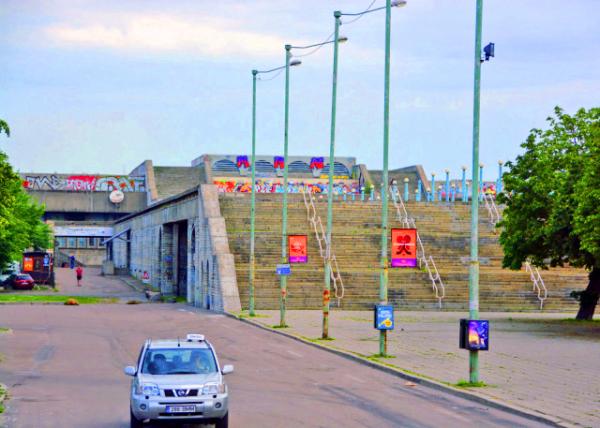 1980 Olympic Stadium (1980年奧林匹克運動場)

Alexander Nevsky Cathedral in a Premier Example of Russian Revival Architecture (亞歷山大·涅夫斯基“捍衛者·沼澤”大教堂——俄羅斯復興式建築經典之作 06-30-2016) 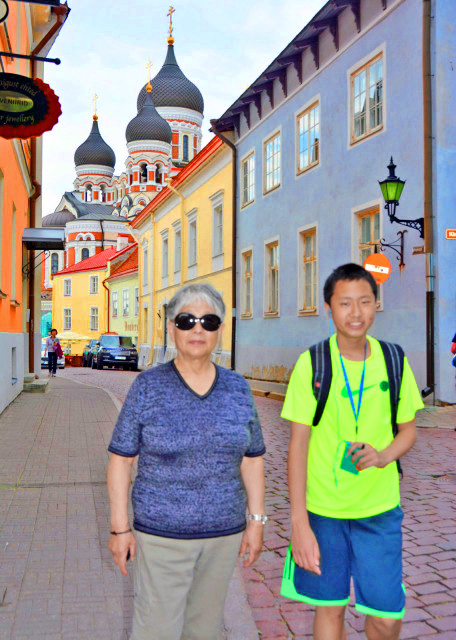
Five Onion Domes w/ Gilded Iron Crosses @ Alexander Nevsky Cathedral (亞歷山大·涅夫斯基大教堂五個洋蔥圓頂與鍍金的鐵十字架) 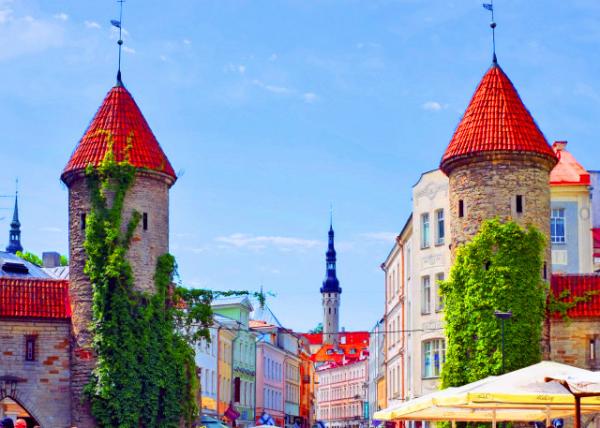 Viru Gate, 14th-Century Structure (主門·14世紀建築)

Estonian Children's Literature Centre (愛沙尼亞兒童文學中心 06-30-2016) 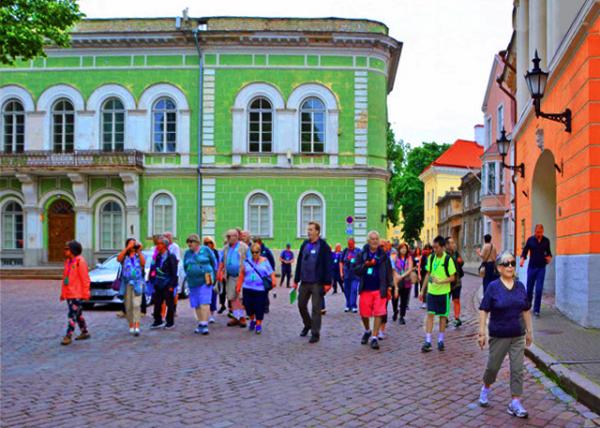 Estonian Knighthood House (愛沙尼亞騎士大廈 06-30-2016)

Olde Hansa Medieval House (古老漢薩“神慈”中世紀餐廳 06-30-2016) 
Peppersack Restaurant (胡椒袋餐廳 06-30-2016) 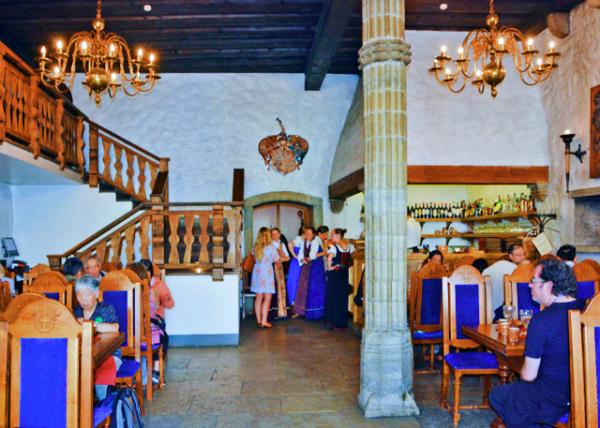 Morning Tea @ Peppersack Restaurant
(胡椒袋餐廳·早茶 06-30-2016)  Estonian Kringle & Cinnamon Braid Bread
(愛沙尼亞三環與肉桂辮子麵包)  House of the Brotherhood of Blackheads
(黑頭兄弟會之家 06-30-2016) 
Pikk tänav, the City's Historic Medieval Main Street (皮克“長”街·歷史悠久的中世紀主街 06-30-2016)  Raekoja Plats (市政廳廣場 06-30-2016)

Town Hall (市政廳 06-30-2016)  Sõprus Cinema, Boasting a Distinctive 1950s Soviet Neoclassical Architectural Design
(索普魯斯“友誼”影院·擁有獨特的20世紀50年代蘇聯新古典主義建築設計 06-30-2016) 
St. Olaf's Church & Epping Tower (聖奧拉夫“繼承者”教堂與埃平“高地居民”塔 06-30-2016) 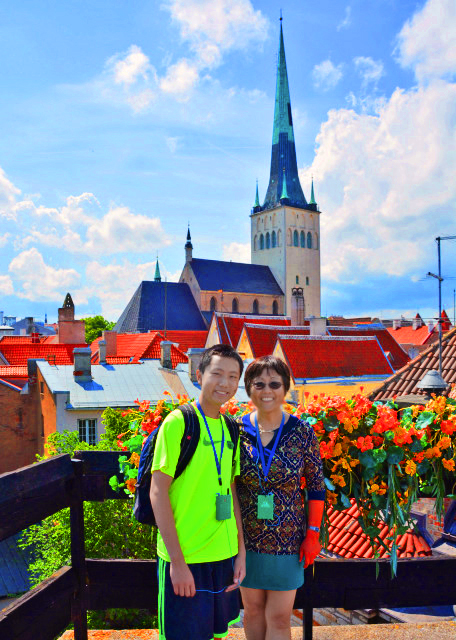
St Olaf's Church, the Largest Medieval Bldg in Tallinn (聖奧拉夫教堂·塔林最大的中世紀建築 06-30-2016) 
St. Catherine's Passage, the Medieval Alley (聖凱瑟琳“純潔”通道·中世紀小巷 06-30-2016)  Tombstones from the 14th-Century Monastery @ St. Catherine's Passage
(聖凱瑟琳通道·墓碑來自14世紀修道院 06-30-2016) 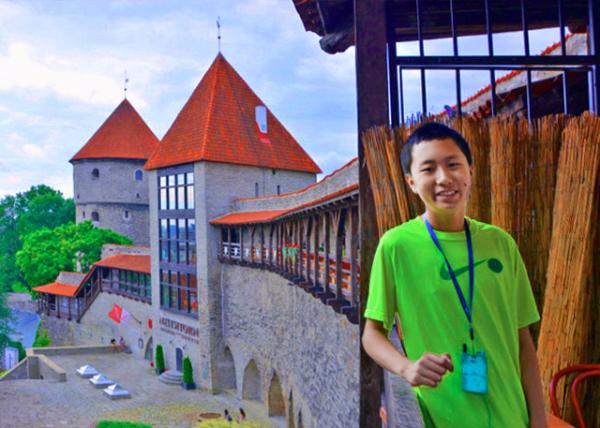 Kiek in de Kök by Maiden's Tower, Parts of Town Fortifications
(少女塔旁窺視廚房·城鎮防禦工事中的塔樓 06-30-2016) 
Walls of Tallinn (塔林城牆 06-30-2016)  Birthplace of Dannebrog, Breakthrough from Toompea to the Danish King's Garden
(丹麥國旗的誕生地·從圖姆皮亞“大教堂山”通往丹麥國王花園的突破點 06-30-2016)
 Upper Old Town (上老城 06-30-2016)
 老英式羊肉和大麥湯、智利鱸魚、黑貽貝和蛤蜊海鮮煲、亞式鴨胸脯、梅子燒五花肉
 牡蠣菠菜土豆奶油湯、辣椒酸橙和小茴香醃製的牛排絲春卷、香煎深海鱸魚片、牛油果秘魯扇貝酸橘汁醃魚
 水煮梨和香草冰淇淋、冰激凌製品、餅乾製品、蛋糕製品

Food Carving in Cream (奶油製品) 
Food Carving in Fruits (水果製品) Crosslinks(相關博文): Estonia(出遊愛沙尼亞) Russia(出遊俄羅斯)
Europe(歐洲掠影) 7th Grade(初中二年級) |