2017-08-01
【Aiden in English】
The debate is entertaining. I love it a lot. But the complete and utter depressing thought of learning is around every corner. Today, I had little excitement. The stark truth is that this camp is essential for a specific class in school, where students learn about the debate system and its spirit. Today was a school day. I attended a classroom session, took notes, and asked numerous questions. The debate was an intricate, unfathomable world of unknown competition, much like sports. The idea was to counter every opposing argument while simultaneously attacking the opposite view. Our central debate throughout the camp was whether the United States government should fully fund universal health care, or UHC, a topic that is currently a hot issue in America, to say the least. The resolution itself sounds intimidating; however, once I got deeper into the topic, I realized it was much more than just a bunch of fancy words. Today was a more straightforward, explanation-filled class. Universal hints at how everyone should receive health care, but to what extent? Do non-citizens receive universal health care equally to citizens? How high would taxes have to be raised to implement viable health care? In which ways would the economy be affected by the drastic change in health care? I can't solve many of these questions, and I believe no one else at this camp can fathom a relatively close answer. However, the entire point of the debate is not to project a future society with UHC. It is more about convincing one judge that the government should begin a UHC program. With the definitions come a lot of annoying notes to keep track of. I must say, the number of notes taken is much more significant than in school. Most of the day involves staring at a screen, researching information that extends years beyond our education, and engaging in a specific debate jargon that would likely overwhelm a typical student's comprehension. In many lengthy discussions, the students and the teacher explored the central theme from both perspectives: What are the pros and cons of alternative values? So far, we have identified the fundamental values and arguments of the two sides: morality versus economics. This argument is nothing new, but the UHC debate has recently taken it to a new level. I don’t know much about how healthcare works other than its insurance aspect and the complaints about its imbalance. A side goal of winning for me would be to learn a bit more about the world. It’s ironic how people say the internet lies, yet it is the best way to discover the real world. 【红霞译】
辩论真的很有意思,令我格外开心,但学习向来都是苦与乐的思想交锋,今天实在没什么太多兴奋之处。说真格的,这个夏令营无异于学校开设的专业课,想让学生了解辩论制度把握辩论斗志。
今天可谓返校上课的日子。我走进教室,随堂做了大量笔记,同时还问了不少问题,辩论是一个复杂奇妙难以预料的竞争世界,与体育运动非常相像,在攻击对方观点的同时,要做好对F立性驳论准备。
整个夏令营论题定为“美国政府是否应该完全赞助全民医疗保健“,它堪称全美目前最热门的话题,乍听起来觉得危言耸听,不过一旦深入思考,我意识到这场辩论远非用华丽的词藻就能应付了事的,而今天课堂上主要侧重于简单论证。
全民意味着每个人都应得到医疗保健,但在多大程度上?非公民是否平等享有公民医疗待遇?必须提高多少税收才能得到切实可行的医疗保健?医疗保健的急剧变化对经济会产生什么样的影响?
上面提到的大部分问题不光我无法解决,恐怕夏令营里没人能够琢磨出相对接近的答案。然而,辩论焦点不是向未来社会提供全民医疗保健,而是要设法说服评委相信政府应该开始推行全民医疗保健。
专用名称后面记录着一长串繁琐的注释,这样便于搞清来龙去脉。我承认,到这里所做的笔记要比上学完成的多得多,每天日程包括聚精会神盯住讲台屏幕,研究那些超过我们教学大纲若干年之上的信息,并用一些准保叫普通学生抓狂的辩论术语交谈。
我们学生与老师之间谈论最多的话题应首推辩论双方的中心思想,究竟正方与反方价值观是什么?到目前为止,我们已对基本价值观和双方论据达到共识:道德与经济,这种辩论并不是破天荒头一回,但近来国民对全民医疗保健的争议已上升到新的高度。 坦率地说,除了保险公司及抱怨收支失调而外,我对医保如何运作不太了解,希望能立足夏令营放眼全世界,搞笑的是人们常说互联网瞎话连篇,但它却不失为揭示真实世界最佳手段。 Today in History(历史上的今天): 2014: YMCA Camp─Play B-Ball w/ Fever(基督教青年会营─带病上阵) 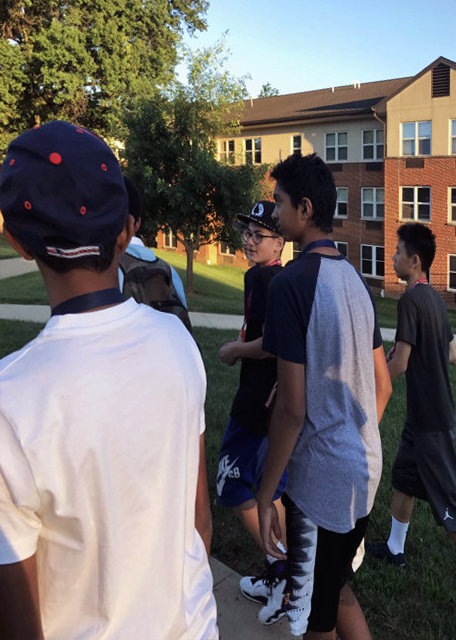
Campmates (营员) Crosslinks(相关博文): 2017: Capitol Debate Camp Day-2(国会辩论夏令营第二天)
2017: Capitol Debate Camp Day-1(国会辩论夏令营第一天) 8th Grade(初中三年级) |