2015-08-24 
【Aiden in English】
You can’t visit Beijing without seeing the Great Wall. It is a fact that many people come to Beijing every day. The Great Wall is one of the most famous spots in Beijing. The most popular sections are known as Badaling and Mutianyu, respectively. And the Great Wall of China spans 21,196 km/13,171 miles, so that no one has walked the entire route to date. Most tourists congregate in one place: the Badaling section of the Great Wall. With hundreds of thousands of tourists coming here, the area at the foot of the Great Wall became a shopping center. Stores of all kinds lined the streets, yelling so many advertisements that I thought I was walking through one of those operas my mom enjoyed. Instead of taking the cable car, which was a mistake, we started from the bottom. Now, here’s something I wanted to know. As I looked at the endless rules of the Great Wall, how did troops get from one place to another quickly? The Great Wall seems like a wave, rising and falling. At times, there would be a 60°slope and no stairs. Back then, there wasn’t even a handrail! One thing it did have, though, was a natural AC. On one side, the outward walkway the troops were defending had vents for pouring hot water. Simultaneously, it became a vent for air only during a hot midsummer. At the height of its construction, the Great Wall was protected by natural breezes from the north. The wind was caught in the vents and channeled through the holes, providing a tremendous blast. Fresh air was needed due to the high density of tourists in this area. People tended to slow down, which created numerous bottlenecks in various regions. The 60-degree slope and the hundreds of steps after were exactly where mass conjunction occurred. People pushed, shoved, yelled, and screamed. The only way to see anything a foot in front of you was to look at the ground. Unfortunately, tourists were shoulder to shoulder, and some people were also returning. Soon, a slow trickle of people began to emerge from the enormous mass, inching their way out. After trying to push ahead, I finally decided to leave it. I’ve seen the Great Wall of China and walked on it. Now, I have proof. As I went down, I saw that only that section was blocked. A few beacon towers away, the Great Wall was empty! Well, it didn’t look like I would get there anytime soon. Beijing has many places to visit. However, every tourist needs proof that they’ve been to the Great Wall, don’t they?! I now have evidence of scaling the Great Wall of China. 【红霞译】
但凡到了北京,你舍不得不去长城,这已成为不争的事实,而每天从四面八方进京的人潮源源不断。
长城是北京最著名的旅游景点之一,其中最受青睐的一段分别为八达岭长城和慕田峪长城。众所周知,万里长城横贯21,196公里/13,171英里,迄今恐怕无人徒步走完全程,而绝大多数游客慕名前往八达岭长城观光。这么一来,数以万计的大队人马蜂拥而至,长城脚下顿时变成购物中心,挨门逐户的商家店铺忙于招揽生意,吆喝声此起彼伏,令我恍如步入妈妈热衷光顾的歌剧院内。
我做了一个错误选择,不是乘坐缆车登高望远,而是决定千里之行始于足下。现在摆在面前的是诸多登山须知,此时我心如乱麻,究竟怎样才能灵光地从一个地方移至另一个地方?长城地势好像波浪一般上下起伏,有时坡路陡峭得高达六十度,并且毫无任何台阶而言,要知道从前甚至连个扶手栏杆都没有,天然空调倒是唾手可得。登山大军挺进的路边设有喷热水器或类似装置,但同时在三伏天里,水汽早被蒸发只剩下热气了。随着高度增加,长城北面吹过习习微风,微风刮到喷气孔后被分散开来,送来些许凉意,尖峰时刻高密集群体需要的就是新鲜空气。登山者有意放慢脚步,无形之中沿途各地又形成了大大小小的瓶颈。前有六十度坡路,后有数百级台阶,这种路段成为交通拥挤的重灾地区,人们推推搡搡吵吵嚷嚷,唯一能看见的地方就是自个儿脚下毫厘方田。游客之间你碰我我蹭你,“屋漏偏逢连夜雨,船迟又遇打头风”,恰在这个时候有人逆行而下。说时迟那时快,少数人竟然冲破重围扬长而去。
眼见前行努力未果,我终于打起退堂鼓。不到长城非好汉,现在我完全可以自诩天下豪杰。归途上,我发觉堵就堵在自己撤退的地方,实际上后面几个烽火台人迹全无,但天晓得猴年马月才能爬到那里。 北京有很多值得参观的地方,然而人人都信奉不到长城非好汉,不对吗?!言必信行必果,我说到做到登上了万里长城。 Today in History(历史上的今天): 2014: Reunion w/ Old Friends(老友重逢) 2013年蒙郡青少年野营日(2013 MontCo Youth Field Day) 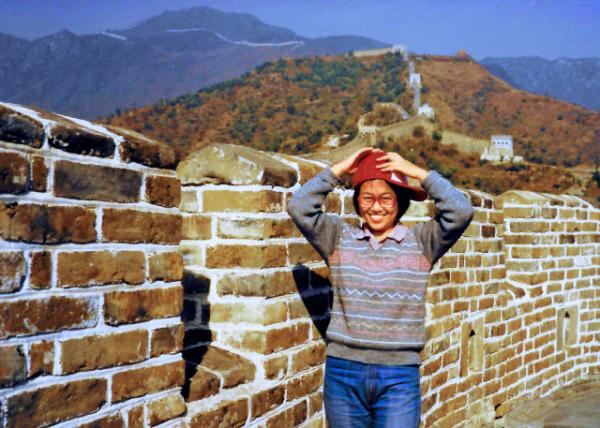 Mutianyu Great Wall, Guarding the Capital & Imperial Mausoleums for Generations as the Northern Protective Screen Mutianyu Great Wall, Guarding the Capital & Imperial Mausoleums for Generations as the Northern Protective Screen
(慕田峪长城·曾为北方的天然屏障,世世代代守护着都城和皇陵 10-19-1985) 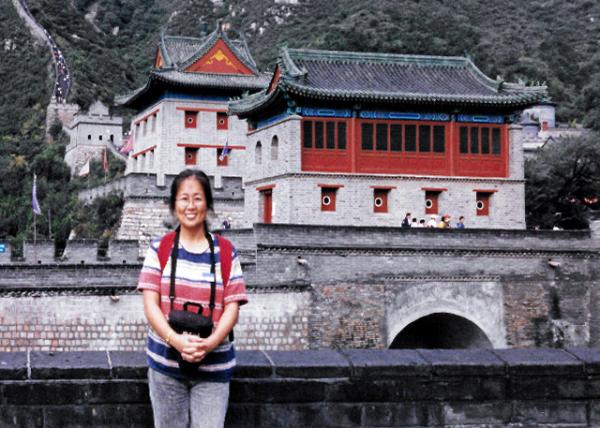 Juyong Pass w/ a Complete Military System of a Unique "Enclosed" Fortress, Inner & Outer Gates, Towers, & a Water Gate Juyong Pass w/ a Complete Military System of a Unique "Enclosed" Fortress, Inner & Outer Gates, Towers, & a Water Gate
(居庸关长城·拥有完整的军事系统,独特的“封闭式”堡垒包括:内外全城门、塔楼和水门 09-30-1999)
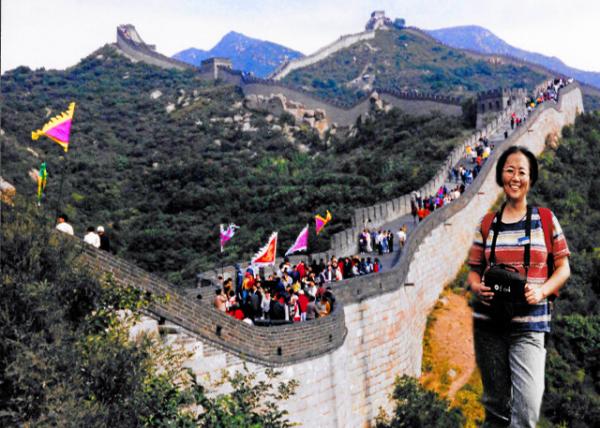 Juyong Pass, the “First Pass under Heaven” Juyong Pass, the “First Pass under Heaven”
(居庸关·天下第一关 09-30-1999)
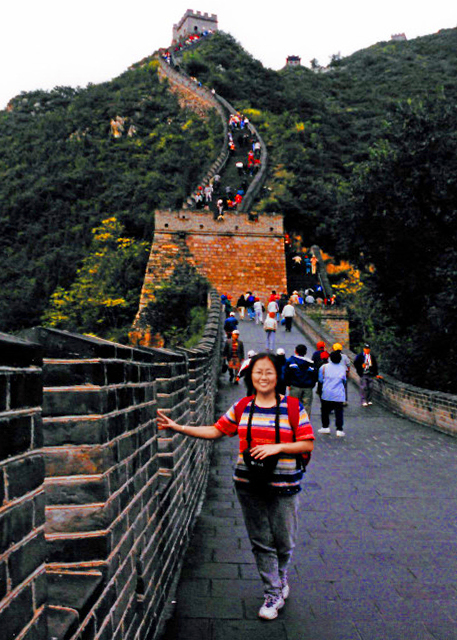
Juyong Pass of the Great Wall Guarded the Direct Northern Route into Beijing (居庸关长城·扼守着通往北京的正北要道 09-30-1999)
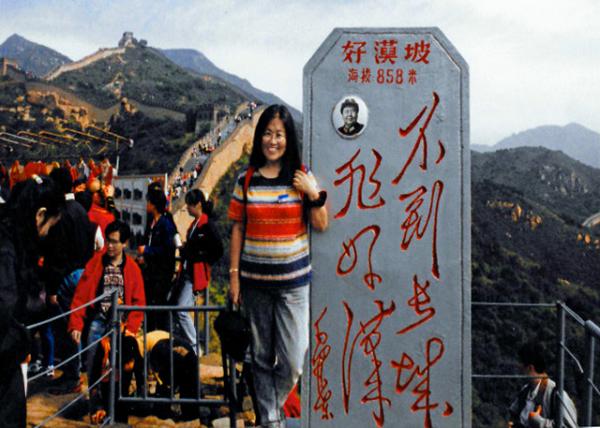 Hero Slope around 80 Degrees w/ 450+ Steps @ Juyong Pass Great Wall Hero Slope around 80 Degrees w/ 450+ Steps @ Juyong Pass Great Wall
(居庸关长城好汉坡·坡度约80度,有450多级台阶 09-30-1999) 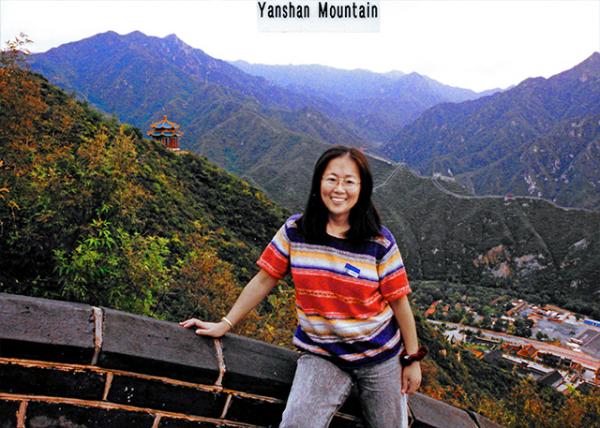 Juyong Pass Located in Yanshan Mountains, Protecting Beijing from Nomadic Invasions for Centuries Juyong Pass Located in Yanshan Mountains, Protecting Beijing from Nomadic Invasions for Centuries
(居庸关·位于燕山山脉,几个世纪以来保护北京免受匈奴的入侵 09-30-1999) 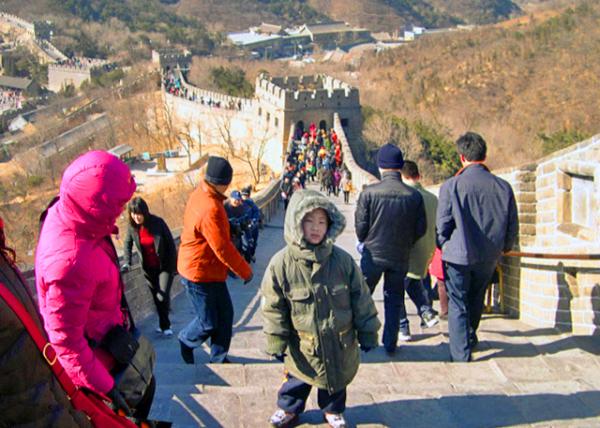 Badaling Great Wall, Featuring Robust Construction of Ming Dynasty Fortification Badaling Great Wall, Featuring Robust Construction of Ming Dynasty Fortification
(八达岭长城·坚固的明代防御工事 02-12-2008) 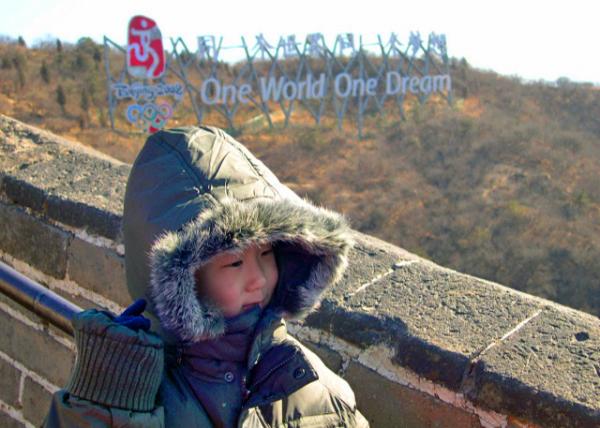 Badaling, the Most Famous Section of the Great Wall of China w/ w/ the Slogan of "One World, One Dream" for the 2008 Beijing Olympics in the Background Badaling, the Most Famous Section of the Great Wall of China w/ w/ the Slogan of "One World, One Dream" for the 2008 Beijing Olympics in the Background
(八达岭·中国长城最著名的一段,背景为2008年北京夏季奥运会的宣传口号:“同一个世界,同一个梦想”02-12-2008) 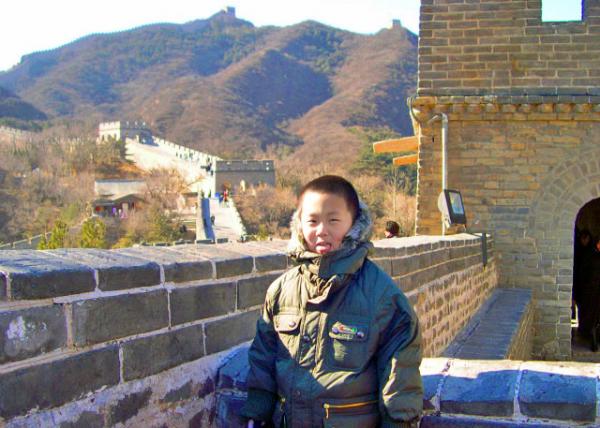 Badaling w/ Beacon Tower (八达岭·烽火台 02-12-2008) Badaling w/ Beacon Tower (八达岭·烽火台 02-12-2008)
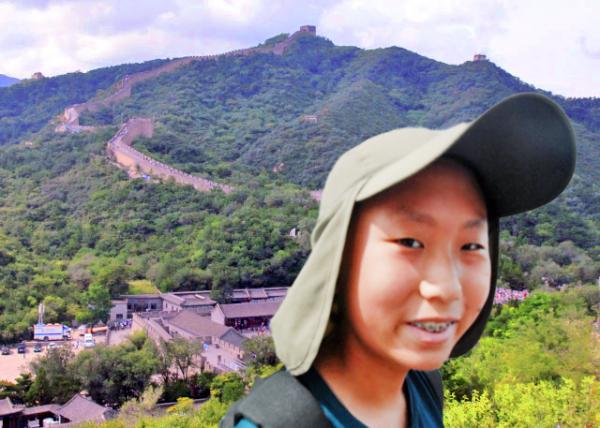 Badaling, the Best-Preserved Part of the Great Wall Badaling, the Best-Preserved Part of the Great Wall
(八达岭·保存最完好的长城部分 08-24-2015) 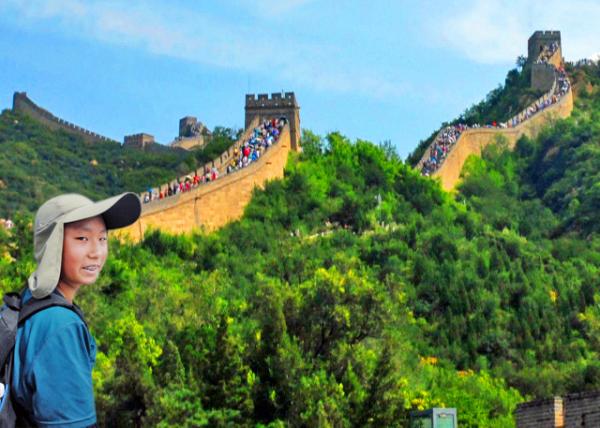 Badaling w/ Watchtowers, Battlements, & Arrow Outlets Badaling w/ Watchtowers, Battlements, & Arrow Outlets
(八达岭长城·设有瞭望塔、城垛和箭楼 08-24-2015) 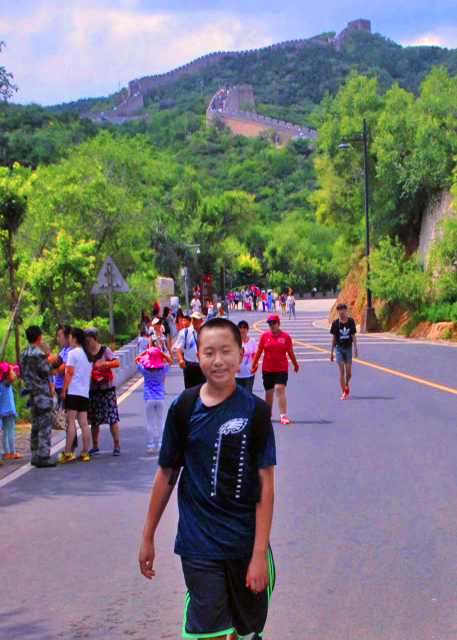
Badaling, the Most Accessible Area of the Great Wall (八达岭长城·最容易到达的长城地段 08-24-2015) 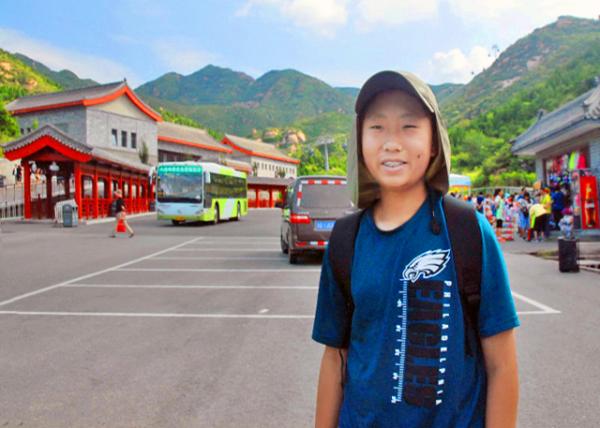 Badaling Parking Lot under Yashan Mountains Badaling Parking Lot under Yashan Mountains
(八达岭·燕山山脉下停车场 08-24-2015) 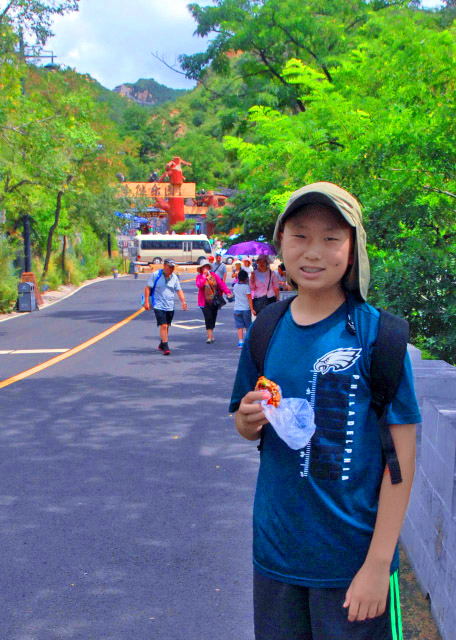
"He who has not been to the Great Wall is not a true hero." Popularized by Chairman Mao Zedong (毛主席名言:“不到长城非好汉” 08-24-2015) Crosslinks(相关博文): China(出游中国) 6th Grade(初中一年级) |