2015-06-22
【Aiden in English】
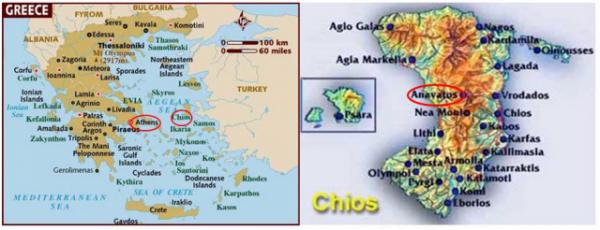
The island of Khios is part of a vast ancient empire that dates back to 7,000 B.C. So, it's safe to say that not all villages have survived, but the few that still stand appear to have been built after that year. The semi-fortified medieval village of Anavatos becomes the oldest and most quaint ruin on Khios. It's sadly affected by the Turks' slaughter and has been abandoned ever since, like a ghost town. The winding cobbled streets were lined with ancient stone houses. The builders used cement filling between the stones. This village, like many other settlements in Greece, is on a mountain. The rocks that made up every house were mined locally, saving a little work. The narrow cobblestone streets zigzagged into an open area, and the wind blew in gusts so high up. However, the town wasn't exactly in the best shape. Time still took a toll, yet it made the surroundings even more mystically fun. I climbed up a broken wall; I could see over any trees blocking my view of the field. At that point, there were no people around for miles and miles, but small shrubs popped up here and there, and nothing in between. Hey! It sounds like a riddle due to a forest fire that wiped out the vegetation on many mountains a few years ago. The sight of such destruction also has a kind of beauty. Another medieval settlement is Avgonima (a low-value field in Greek), a historical village where only 15 older adults reside nowadays, following the Massacre of 1822. It is built on a rock with steep slopes, leaving only access from the north side, and it was probably used to control the western shores of the marauding pirates and corsairs. It is well-preserved, featuring two-story longhouses and walls, unlike Anavatos. The incredible views of the Aegean Sea looked terrific against the steep slopes on the hillside. Hopping around, the Aegean Sea showed itself, sandwiched between two mountains. Avgonima is a pretty village, but it has a disadvantage, though. The brutal sunlight makes me feel a little crazy. By the time you pour the water, the pot has burned! Greece is rich in mountains, with approximately 80% of its land comprising mountains or hills, making it one of the most mountainous countries in Europe. Interestingly, all Greek towns are set up next to the sea. Because the rocky sides of the mountains aren't suitable for farming, the locals rely on the sea for food. Nearly all the settlements of Greece were located on or near the coast, which also protected them somewhat from northern invaders over the centuries of Greek history. One is fueled by fear and driven by faith. The mountain is the country, and the water is the sea. 【红霞译】 希俄斯“乳香树脂”岛历史渊源可追溯到公元前七千年,我敢肯定地说,并不是所有村落都能保留至今,幸存的恐怕寥寥无几,而且绝非年前刚刚建造的。
带有防御性质的中世纪阿纳瓦托斯“无懈可击”堪称希俄斯岛最古朴的乡村遗址,曾因惨遭突厥族血腥镇压而成为现在的幽灵之城。古老的巨砾门厥沿着鹅卵石山径甬道蜿蜒而去,当年泥瓦匠使用胶合物质将石块固定在一起的房屋清稀可见,犹如希腊其它地区,阿纳瓦托斯同样离不开高山峻岭,用来建造房舍的石方土块基本来自当地,稍微给施工提供便利条件。街道狭窄弯曲,前方视野逐渐开阔,那儿地势偏高风力也大。小镇时过境迁,早已物是人非,历史遗迹承载了世间沧桑,让人倍感妙趣横生。我爬上断墙极目远眺,方圆几里地人烟荒芜,灌木丛犹如雨后春笋般繁茂生长,除此而外,其它什么也没有。嘿!听起来跟捉迷藏差不多,原来几年前这里发生过山林大火,烧毁了不少植被,不过即便如此,这里依然风景如画。
离阿纳瓦托斯不远座落着另一处中世纪古镇艾戈尼玛“穷山寨”,自1822年灭绝人性的屠杀至今,只剩下十五位老年人在此居住。小镇依山而建,唯有北侧设一入口与外界相通,据说当时被用作瞭望站来观察西部海岸海盗及其船队动向。比起阿纳瓦托斯,这座艾戈尼玛的两层楼建筑与城墙保存完好,路端陡峭的山坡紧紧依偎在爱琴海畔,我禁不住四处悠荡,周围的景致美如琼浆玉液。当然,小镇并非样样都好,骄阳似火实在叫人抓狂,你倒水的功夫,锅已被太阳烤焦! 希腊群山密布,大约80%的土地由高山丘陵组成,成为欧洲当之无愧的山国之一。极为有趣的是,举国上下大多依山傍海,山区无法农耕,民众只能靠渔业为生,因此几乎所有的名城古镇临海而建,同时在其成百上千年历史上起到抵御北部入侵者的作用。残酷的现实促使希腊人增强信念,山河依在,国土安好。 Today in History(历史上的今天):
2015: New Monastery of Khios, Greece(希腊希俄斯岛新修道院) 2015: Homer's Stone on Khios, Greece(希腊希俄斯岛荷马岩) 2015: Painting & Mastic Gum of Khio, GR(希腊希俄斯岛彩绘和乳香树脂) 2014: California Pizza Kitchen(火炉皮萨饼屋)
2011: 二年级夏令营(2nd Grade Summer Camp)  Anavatos Abandoned after the Massacre of Chios in 1822 & the Earthquake of 1881 Anavatos Abandoned after the Massacre of Chios in 1822 & the Earthquake of 1881
(阿纳瓦托斯乡·自1822年“希俄斯岛大屠杀”和1881年地震以来惨遭遗弃)  Anavatos w/ the Only Road (阿纳瓦托斯乡唯一的道路) Anavatos w/ the Only Road (阿纳瓦托斯乡唯一的道路)
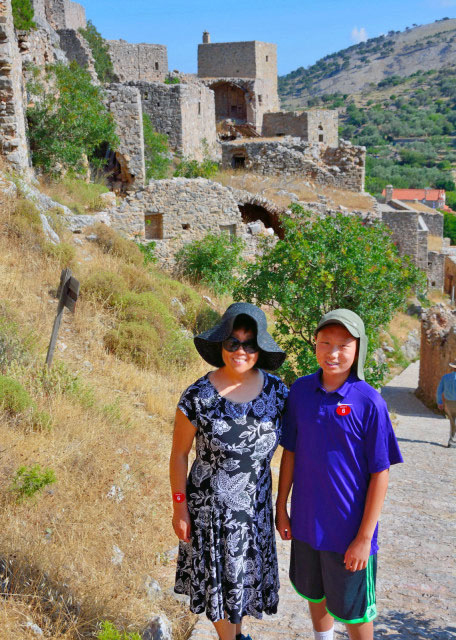
Anavatos, Almost Abandoned During the 1960s & Saved by Potential Urban Redevelopment. (阿纳瓦托斯乡·20世纪60年代几乎被废弃,规避了潜在的城市化重建 06-22-2015)

Anavatos Fortress (阿纳瓦托斯乡堡垒 06-22-2015)  Anavatos Medieval Fortress Anavatos Medieval Fortress
(阿纳瓦托斯乡中世纪堡垒 06-22-2015)  Medieval Fortified Village Medieval Fortified Village
(中世纪防御村 06-22-2015)  Avgonima, the Low-Value Fields Created in the Byzantine Era Avgonima, the Low-Value Fields Created in the Byzantine Era
(艾戈尼玛·建于拜占庭时代的艾戈尼玛)
 Avgonima w/ Houses Built Very Close to One Another, Giving the Feeling of a Castle Avgonima w/ Houses Built Very Close to One Another, Giving the Feeling of a Castle
(艾戈尼玛·房屋之间挨得非常近,给人一种城堡的感觉)  Avgonima Village above the Aegean Sea Avgonima Village above the Aegean Sea
(爱琴海之上艾戈尼玛 06-22-2015) 
St George's Church @ Avgonima (艾戈尼玛·圣乔治“农夫”教堂)  Only 15 Old Folks Lived in Avgonima Only 15 Old Folks Lived in Avgonima
(艾戈尼玛·人口仅剩十五位老人 06-22-2015)  Self-Service Cafe (自助咖啡馆 06-22-2015) Self-Service Cafe (自助咖啡馆 06-22-2015)
Avgonima Unoccupied Stone House (艾戈尼玛·无人居住的石屋) 
Prickles across All Places (漫山遍野的芒刺) 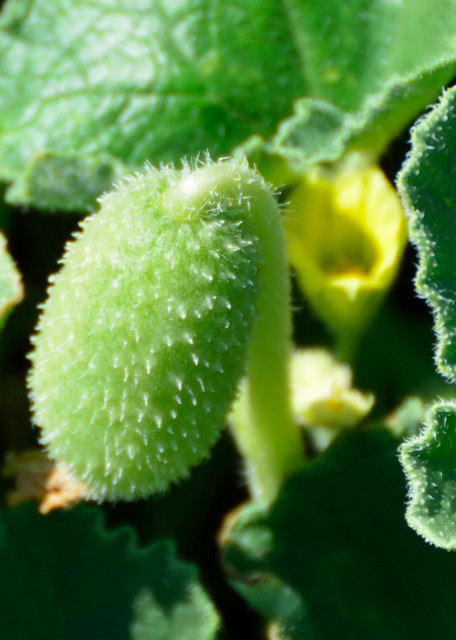
Wild Cucumber (野黄瓜) Crosslinks(相关博文): Greece(出游希腊)
Europe(欧洲掠影) 6th Grade(初中一年级)
|