2015-09-02
【Aiden in English】
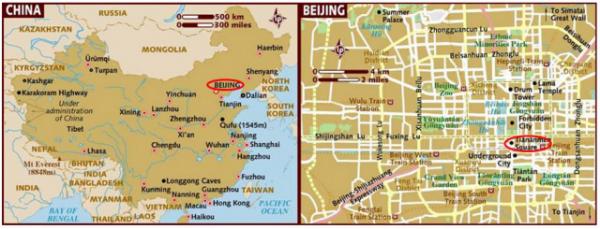
Beijing is the capital of the People's Republic of China. It becomes the national center of its politics and culture, which are usually prioritized. The capital also tends to attract more people, like moths, to a flame. Like moths to a flame, that is precisely what Beijing is. Young, bright people with brilliant and imaginative minds hope sky-high for a prosperous life. However, Beijing may have attracted too many moths for a tiny flicker of opportunity to handle. The flame dies, along with the hopes of most people. It is now an overcrowded, polluted dump with grumpy, poor people playing poker. Yet, amongst this mess, people called Beijing a spark of life. I didn't travel across the ocean and two continents to view older adults playing poker! When people from all over China gather in a single place, their skills are combined to form a city. The most practical skill would be cooking. Therefore, the Chinese are renowned for their culinary skills. The country boasts many distinctive flavors across its vast regions, thanks to its varied geography and significant climate differences. For example, the food would be spicier if you lived in humid weather. Spicy stuff gives you dry skin to counter humidity. If you live by the ocean, you eat a lot of seafood. The combination of people of different styles of food stuffed into one city must require some effort, you would think. It did, but not necessarily for the good. To be honest, I could indulge in a variety of foods. If you want to start a restaurant in Beijing and secure a job, I wish you good luck. There won't even be space for you to set up your home. But people try anyway. The result was an overcrowded sidewalk of vendors. They could make some money off cheap food. But to me, a boy who grew up in a McDonald's world, I find that even the junk food I could get for a dollar is delicious. Okay, maybe tourism is suitable for restaurants, but as most people know, tourists only visit (A) recommended places or (B) good-looking restaurants. For now, you have to challenge yourself to survive in Beijing. Pollution was another significant factor in the equation. During my stay in Beijing, I attended a rehearsal for the military parade commemorating the 70th anniversary of the victories of the Chinese people in the Anti-Japanese War and the World Anti-Fascist War. Cars with odd-numbered or even-numbered license plates alternated daily. If the date was an even number, the number of vehicles driven, and the odds were the same. These days, the sky was as blue as Beijing or any large city in China that one rarely sees. I looked at this as a sign of fortune. But the last two days started to rain, and it was like the sky was weeping because I was leaving. It is okay, and I know I'm important. The day brightened on the day of my departure. Beijing was great, but I prefer my home. I'll be back, though. Count on it. So long, Beijing! 【红霞译】
北京是中华人民共和国的首都,首都可谓全国政治与文化中心,往往占据最重要的位置,犹如飞蛾喜欢捕捉光亮,首都北京已然成为人心所向众望所归的风水宝地。 用飞蛾扑火来形容北京现况,恐怕再准确不过。踌躇满志的年轻人无不希望凭借自己的聪明才智跻身上流社会;然而,过多的飞蛾蜂拥扑向奄奄一息早已无力招架的火苗,火熄了,大多数人的希望也随之破灭,满腹牢骚的老年人守着拥挤不堪、污染严重的破烂摊子靠玩扑克牌打发日子,这即是北京现实生活的一个侧面。
我远渡重洋横穿亚美两洲并不是为了来看老人家打扑克!当身怀十八般武艺的人们从祖国五湖四海北漂聚首,足足壮大了当地生力军,最实用的手艺就是做饭,难怪中华民族一向擅长厨艺。由于地理位置和气候变化有别,所以很多著名菜系流派在全国范围内应运而生。比方说:来自潮湿地区的人口味嗜辣,因为辛辣的食物可以叫皮肤干燥,具有抵御阴凉的作用;住在海边的人免不了就地取材,海鲜产品可谓吃之不及用之不竭。也许你觉得饮食习惯不同的人很难吃到一块,众口难调嘛,但这未必是件好事。告诉你吧,我可是兵来将挡水来土掩,吃嘛嘛香。倘若你想在北京开餐馆,祝你走运。说实在的,恐怕你连落脚的地方也找不到,但人们不到黄河心不死,结果路边摆摊的小商小贩多如牛毛,他们靠薄利多销赚钱营生,但对我这样一位男生,从小生活在麦当劳快餐主导的世界,价值一块大洋的垃圾食品足以叫我胃口大开。好吧,就算旅游业刺激餐馆服务业的发展,但多数人心知肚明,游客只去(A)口碑好的餐厅;(B)富丽堂皇的酒家。这么一来,北京还真让普通英雄无用武之地。
污染成为北京另外一个公害。在京期间,我正赶上“纪念中国人民抗日战争暨世界反法西斯战争胜利七十周年阅兵式”排练,车辆根据车牌执照单双数号码每天交替上路,如果是双号,那么双号车牌的汽车可以通行;同样规矩,单号日子即单号汽车。那几天天空湛蓝,相信在中国大城市里难得一见,我把它当成运气的象征。最后两天开始下起雨来,老天爷好像因为我将离别而心酸得流起眼泪,别难过,我知道你舍不得我走。启程那天,天气变晴,北京真的什么都好,但我还是想家。我肯定会回来的,一言为定。 再见了,北京! Today in History(历史上的今天): 2014: First Day of Sixth Grade(初一第一天) 2013: 费城自然博物馆(Academy of Natural Sciences, PHL) 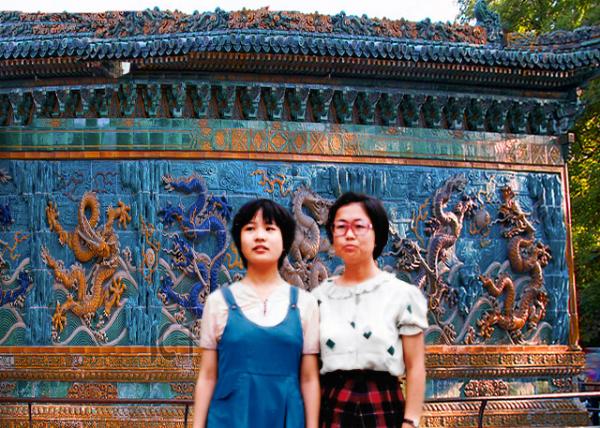 Nine-Dragon Wall, Made of Glazed Bricks in 7 Colors in 1402 @ Beihai Park Nine-Dragon Wall, Made of Glazed Bricks in 7 Colors in 1402 @ Beihai Park
(北海公园·1402年由七彩琉璃砖砌成 08-01-1985) 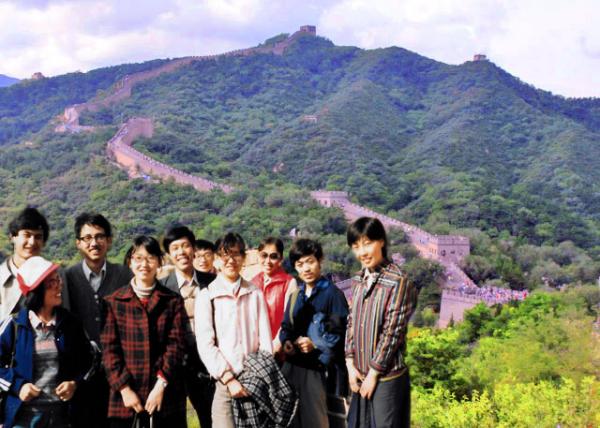 Mutianyu Great Wall, Guarding the Capital & Imperial Mausoleums for Generations as the Northern Protective Screen Mutianyu Great Wall, Guarding the Capital & Imperial Mausoleums for Generations as the Northern Protective Screen
(慕田峪长城·曾为北方的天然屏障,世世代代守护着都城和皇陵 10-19-1985) 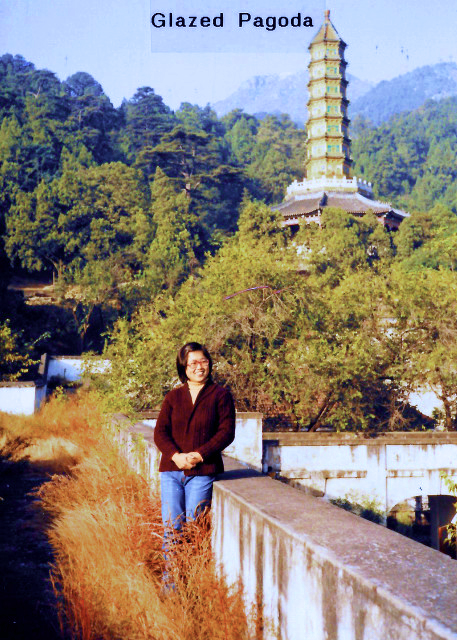
Glazed Pagoda Adorned w/ Enameled Tiles of Yellow, Green, Purple, & Blue Hues @ Fragrant Hills (香山琉璃塔·饰有黄、绿、紫、蓝等色琉璃瓦 10-22-1985) 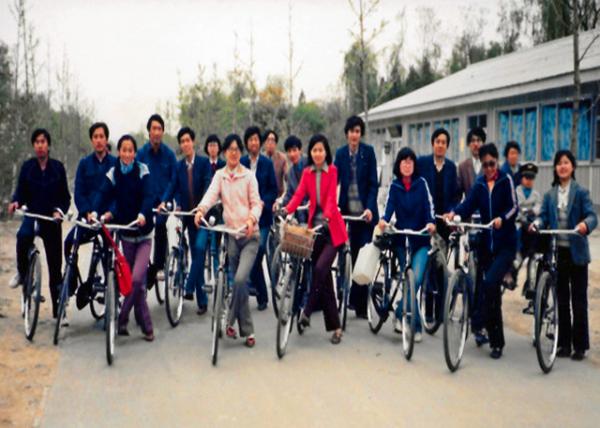 Field Trip (郊游 04-05-1986) Field Trip (郊游 04-05-1986)
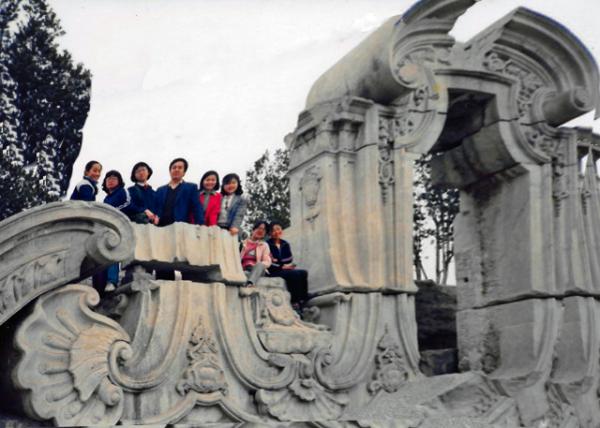 Ruins of the European-Style Palaces @ Old Summer Palace Ruins of the European-Style Palaces @ Old Summer Palace
(圆明园·欧式宫殿废墟 04-05-1986) 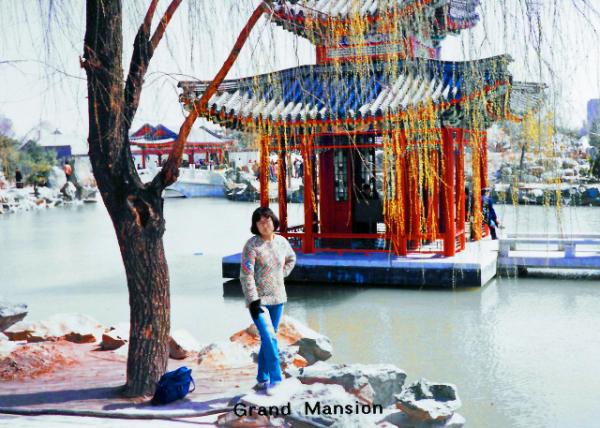 Grand Mansion of the Prospect Garden, the Primary Setting for the Story, Famously Used for the 1987 TV Adaptation Grand Mansion of the Prospect Garden, the Primary Setting for the Story, Famously Used for the 1987 TV Adaptation
(大观园《红楼梦》·1987年电视剧改编版的拍摄地 04-13-1986) 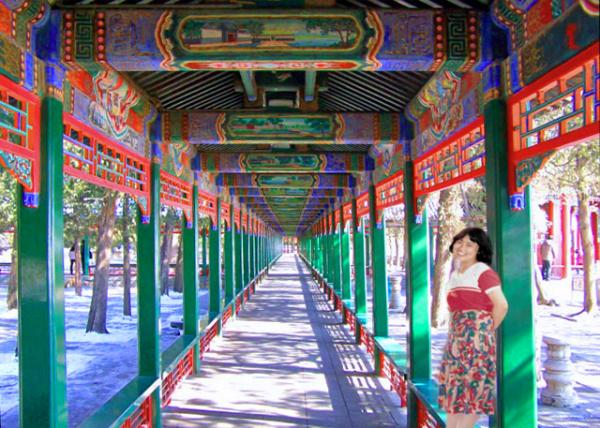 Long Corridor, the World's Longest Painted Gallery @ the Summer Palace Long Corridor, the World's Longest Painted Gallery @ the Summer Palace
(颐和园长廊·世上最长的彩绘画廊 05-04-1986) 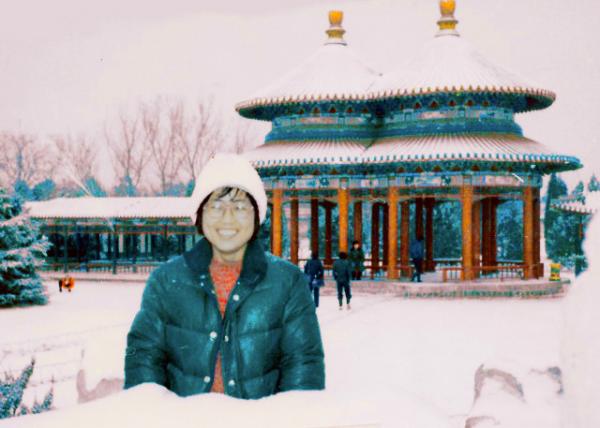 Double-Ring Longevity Pavilion, Originally Built by Qing Emperor Qianlong for His Mother's 50th Birthday @ the Temple of Heaven Double-Ring Longevity Pavilion, Originally Built by Qing Emperor Qianlong for His Mother's 50th Birthday @ the Temple of Heaven
(天坛双环长寿亭·由清朝乾隆皇帝为庆祝母亲五十岁生日而建 02-05-1987)
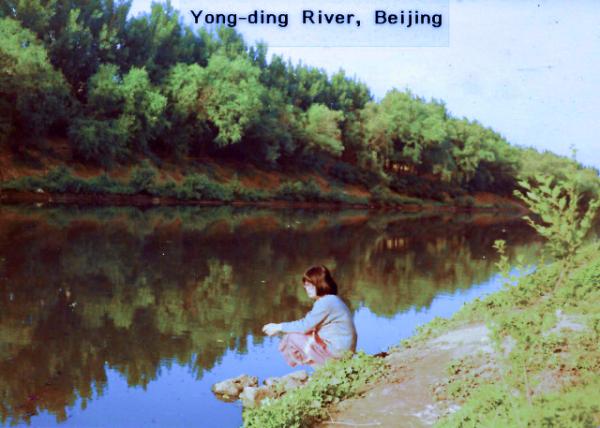 Yongding River, the "Mother River" of Beijing Yongding River, the "Mother River" of Beijing
(永定河·北京的“母亲河”05-04-1987) 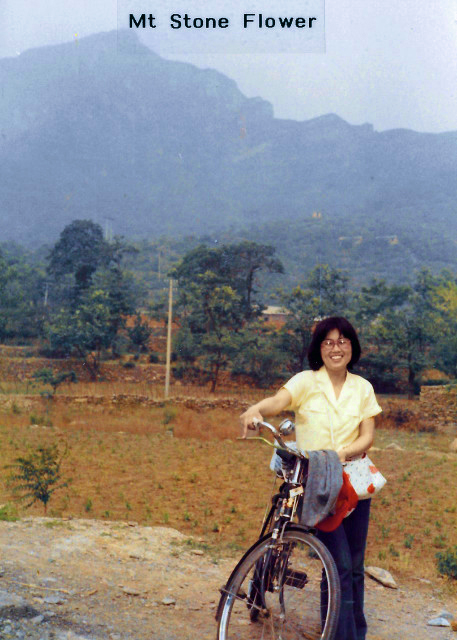
Mt Stone Flower @ Fang Mtn (房山·石花山 05-09-1987)
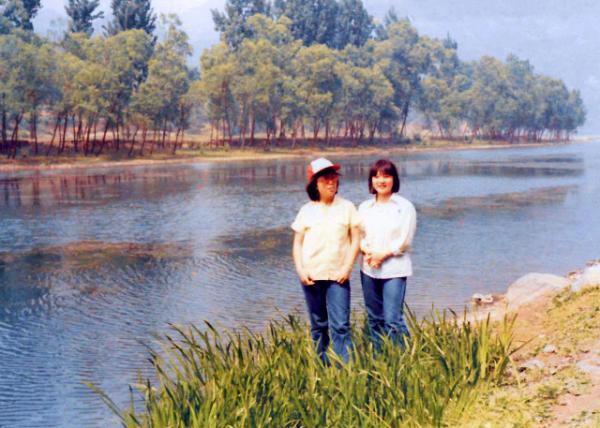 Tonghui River of Grand Canal, the Capital's "Eastern Gateway" Tonghui River of Grand Canal, the Capital's "Eastern Gateway"
(京杭大运河上通惠河·首都的“东部门户” 05-09-1987) 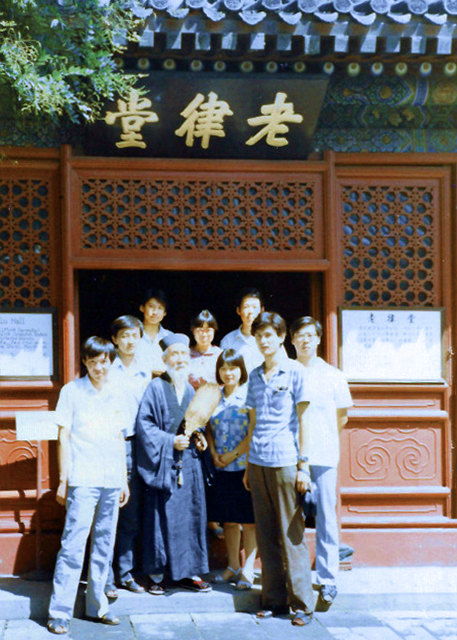
Laolü Hall of White Cloud Temple (白云观·老律堂 08-01-1987) 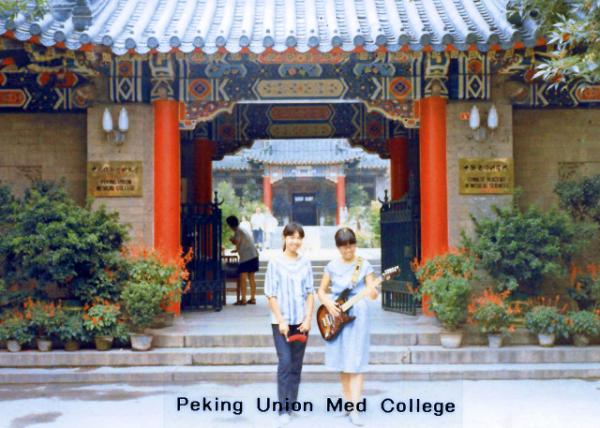 Arts Performance of the 70th Peking Union Medical College @ Peking Union Medical College Arts Performance of the 70th Peking Union Medical College @ Peking Union Medical College
(北京协和医学院·70周年庆典文艺汇演 08-27-1987) 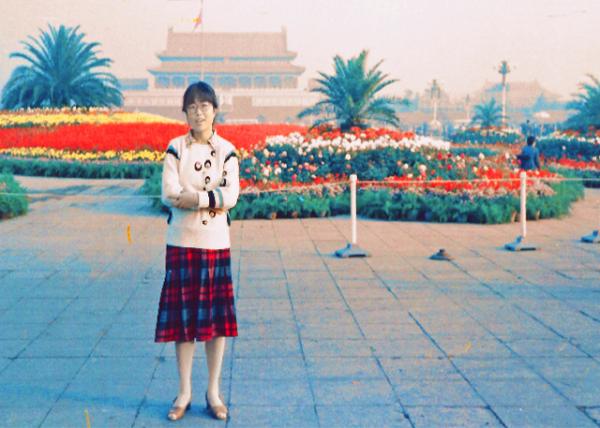 Natl Celebration @ Tiananmen Square Natl Celebration @ Tiananmen Square
(天安门广场·国庆 10-04-1987)
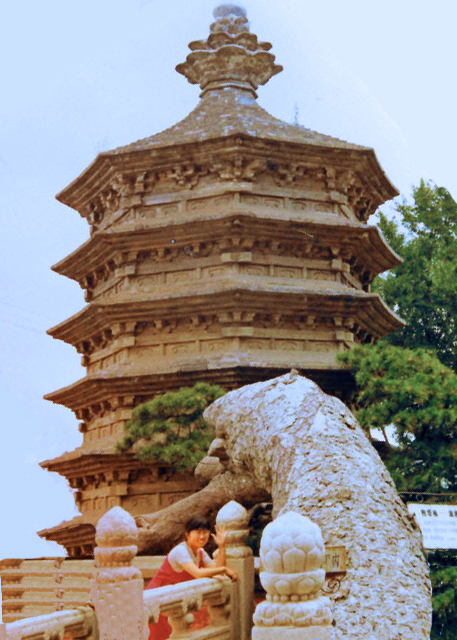
Pagoda Tangled with/ Pine Trees, Ordination Terrace Temple (戒台寺·松林环抱的佛塔寺 06-04-1988)
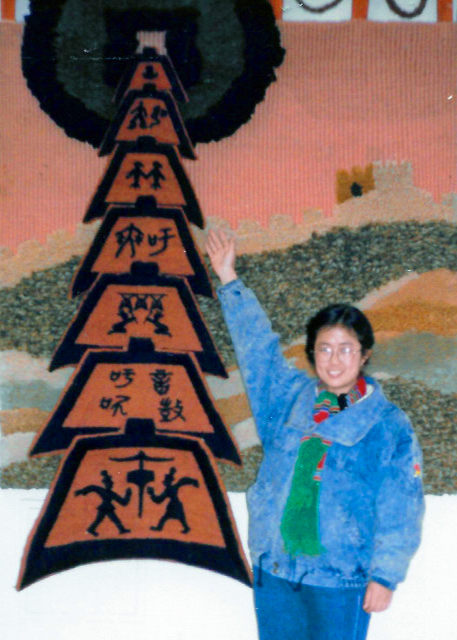
Traditional Tapestry @ Natl Art Museum of China (中国国家美术馆·传统挂毯 10-30-1988) 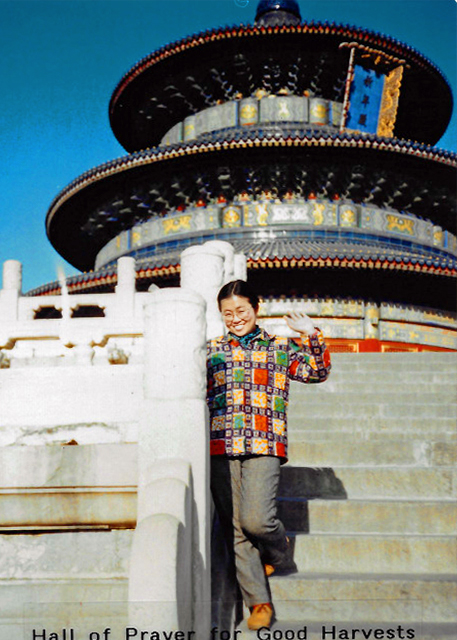
Hall of Prayer w/ Its Unique Circular, 3-Tiered Design Built Entirely w/o Nails, Symbolizing the Connection between Heaven & Earth @ the Temple of Heaven (天坛祈年殿·独特的圆形三层结构完全未使用钉子建造,象征着天地之间的联系 11-24-1988)
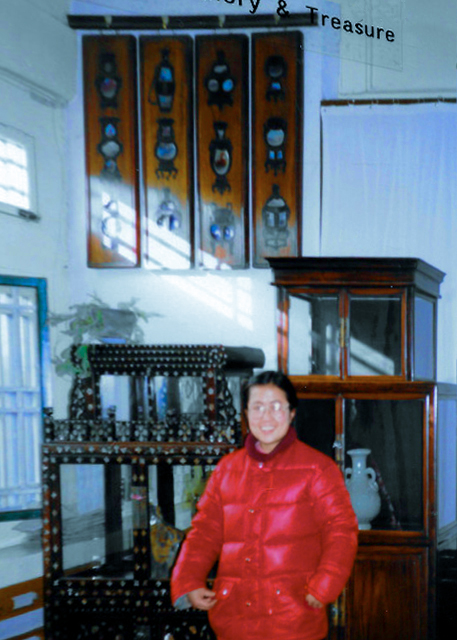
Studio of Glorious Treasures, the Studio of Glorious Treasures (荣宝斋·辉煌宝藏工作室 01-14-1089)
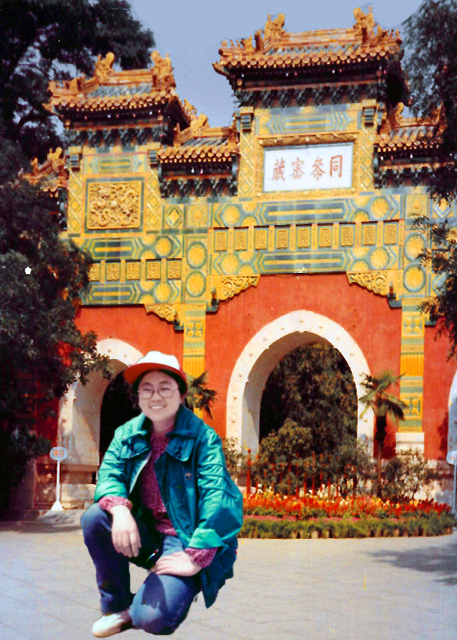
Wofo Temple w/ Glazed Memorial Archway of the Bright Temple @ Fragrant Hills Park (香山公园·卧佛寺内原光明寺的琉璃牌坊 05-06-1989)
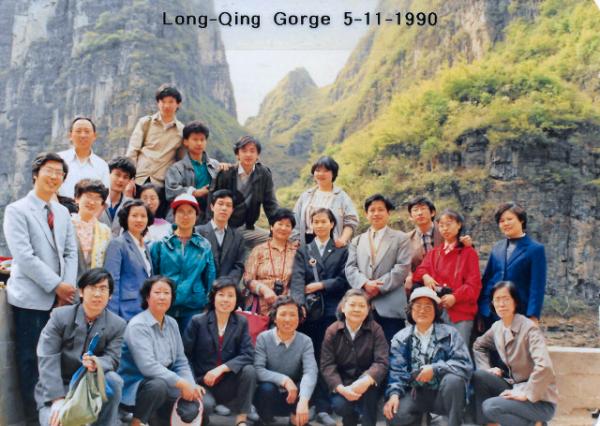 Long-Qing Gorge, Nicknamed as "Little Li River" or "Mini Three Gorges" Long-Qing Gorge, Nicknamed as "Little Li River" or "Mini Three Gorges"
(龙庆峡·“小漓江”或“迷你三峡” 05-11-1990) 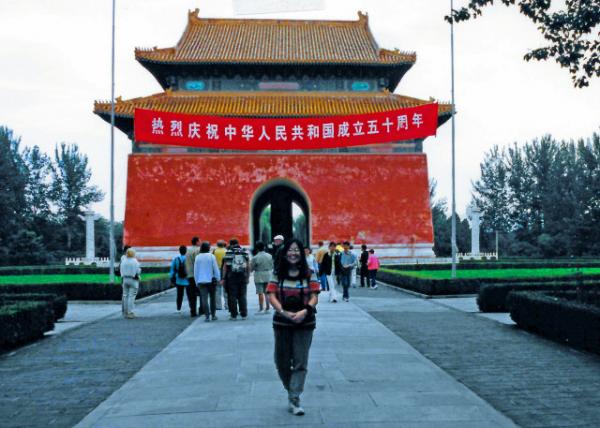 Great Red Gate Triumphal Arch @ Ming Dynasty Tombs Great Red Gate Triumphal Arch @ Ming Dynasty Tombs
(十三陵·凯旋式拱形大红门 09-30-1990) 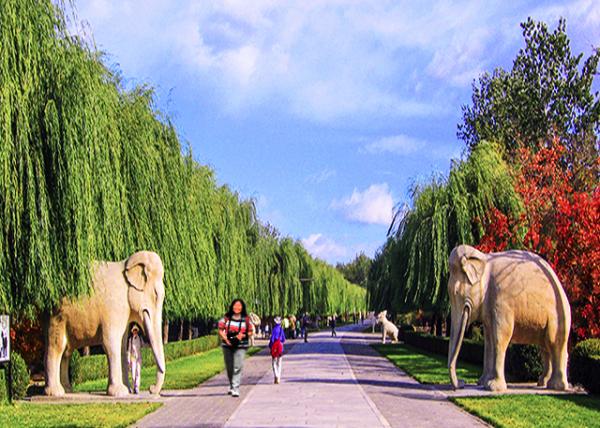 Solemn Sacred Way, the Gateway to the 13 Imperial Tombs of the Ming Dynasty Solemn Sacred Way, the Gateway to the 13 Imperial Tombs of the Ming Dynasty
(十三座皇家陵墓神道·通往天堂的道路 09-30-1999)
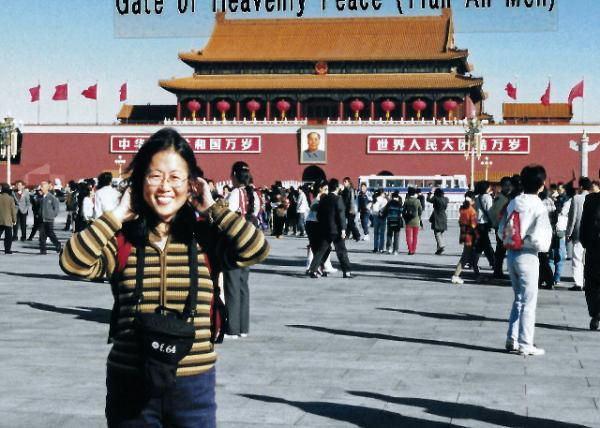 Gate of Heavenly Peace or Tiananmen Gate, Formerly the Largest of the 4 Gates of the Imperial City Wall Gate of Heavenly Peace or Tiananmen Gate, Formerly the Largest of the 4 Gates of the Imperial City Wall
(天安门·曾是皇城四座城门中最大的一座 10-02-1999)
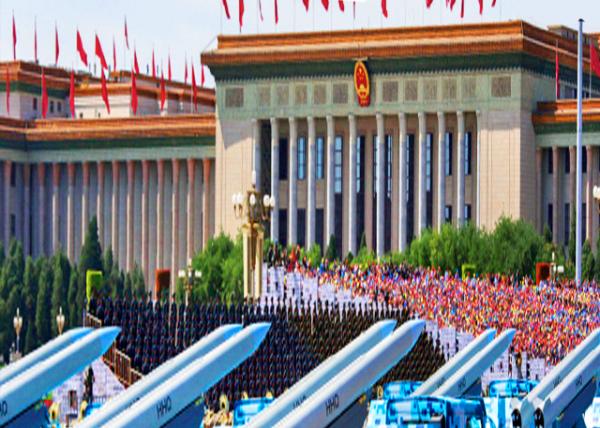 People's Great Hall, Symbol of the Nation People's Great Hall, Symbol of the Nation
(人民大会堂·国家象征,礼仪与外交中心) 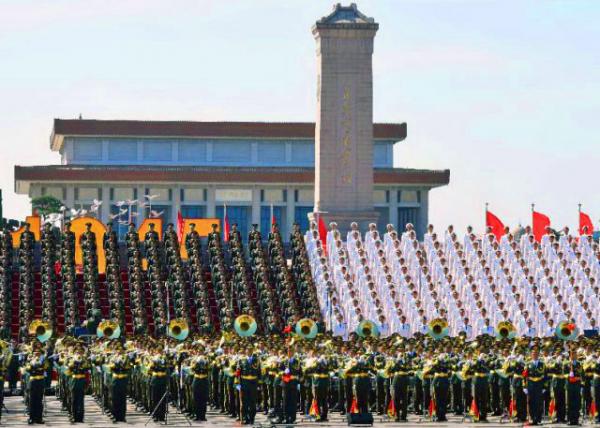 Monument to the People's Heroes & Mausoleum of Mao Zedong Monument to the People's Heroes & Mausoleum of Mao Zedong
(人民英雄纪念碑与毛泽东纪念堂) Crosslinks(相关博文): China(出游中国)
6th Grade(初中一年级) |