2018-07-21
【Bestiary: the Parade of Orpheus • The Rabbit】 Guillaume Apollinaire (1880—1918) There’s another cony I remember That I’d so like to take alive. Its haunt is there among the thyme In the valleys of the Land of Tender. —— • —— • —— • —— • —— • —— • —— • —— 【《动物寓言:诗神的游行 • 家兔》】 纪尧姆·阿波利奈尔“护卫·太阳神”(1845生—1924卒) 我认识另一个兔子 我想抓住活蹦乱跳的它。 它出没在温馨 山谷的百香林丛中。
【注】1792年4月,革命烽火中的法国正面临普奥联军的铁蹄。驻守斯特拉斯“交道口”堡的工兵上尉鲁日·德·李尔“来自岛屿的红发人”(Rouget de Lisle),在市长家中一夜写就《莱茵军“奔流”团战歌》。那是笔尖与心跳同步的夜晚,旋律里没有文人的雕琢,只有士兵对祖国最质朴的呼喊——“拿起武器,祖国的孩子们。”这首歌诞生的那一刻,莱茵河的流水似乎也加快了节奏,像要将这歌声送往更远的地方。 命运的转折来得比任何编曲都更戏剧性。那年夏天,一队从马赛“泉港”出发的志愿军,沿着尘土飞扬的道路向巴黎进军。他们背着行囊,扛着枪,嘴里唱的正是这支《莱茵军团战歌》。歌声粗糙,节拍来自行军的脚步,却比任何乐器都更震撼人心。巴黎人第一次听到它时,并不知道它的来历,只知道唱歌的人来自马赛,于是“马赛曲”这个称呼便像野花一样,在这片热土上生根发芽。此后它几经禁唱与复生,直到1879年最终确立为国歌——一首战歌,终于配得上一面旗帜的重量。 说实话,年轻时听《马赛曲》总觉得它过于喧闹,像一场例行的爱国主义表演。直到有一年深夜,我在一部老纪录片里看到一群流亡者围坐在昏暗的地窖里,压低声音哼唱它。没有一个音是准的,有的人甚至记不全歌词,可他们眼里有火。那一刻我突然明白——这首曲子从来不是为音乐厅写的,它为的是那些还没有胜利、甚至可能永远不会胜利的人写的。它不承诺胜利,只承诺不低头。这份倔强,比任何凯歌都更动人。 Today in History(历史上的今天):
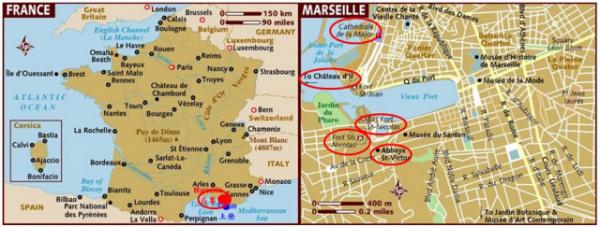
2018: Marseille, the Phocean City in France(法国马赛·太阳城)
2014: Two Summer Camps(两种夏令营)
2013: 水上派对(Pool Party @ Maplewood) 2012: Camp Report(夏令营简讯) 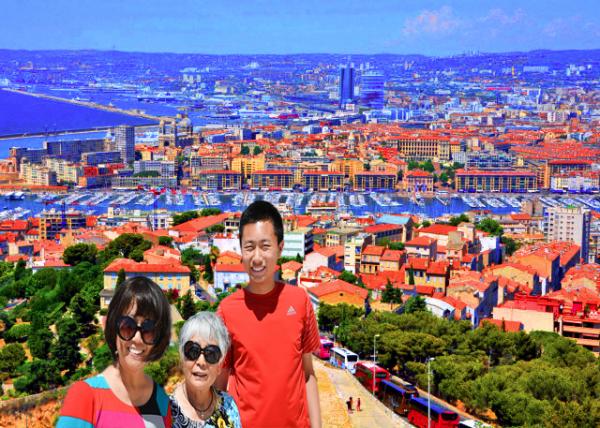 Aerial View Panorama City Skyline @ Vieux Port Aerial View Panorama City Skyline @ Vieux Port
(旧港附件天际线全景 07-21-2018) 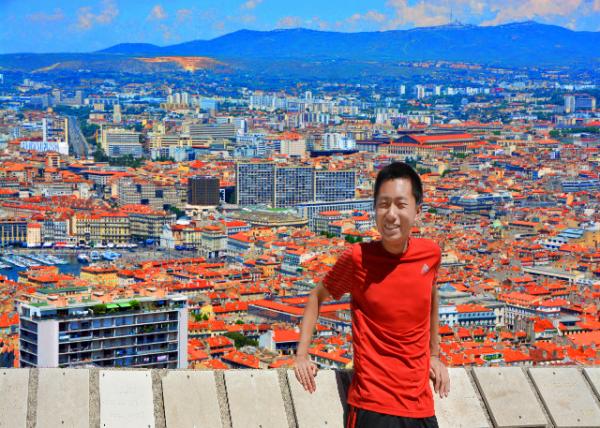 Overlook of the Entire Marseille & the Mediterranean Sea from Notre-Dame de la Gard Overlook of the Entire Marseille & the Mediterranean Sea from Notre-Dame de la Gard
(从守护圣母院俯瞰马赛全景与地中海 07-21-2018) 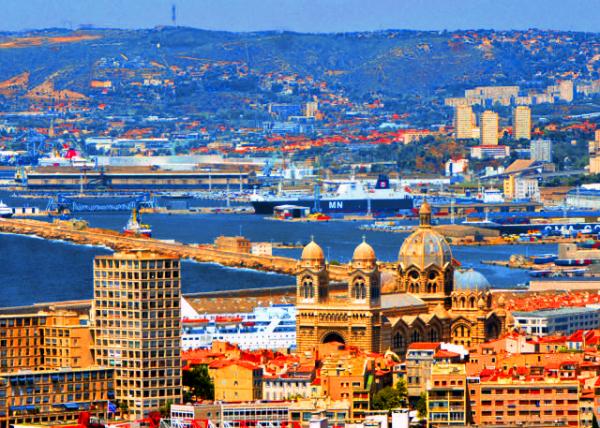 Marseille Cathedral, Symbolizing "Gateway to the East" w/ Byzantine-inspired Domes & Oriental-style Design Marseille Cathedral, Symbolizing "Gateway to the East" w/ Byzantine-inspired Domes & Oriental-style Design
(马赛大教堂·以拜占庭“东罗马”风格的圆顶和东方风格象征“通往东方的门户”) 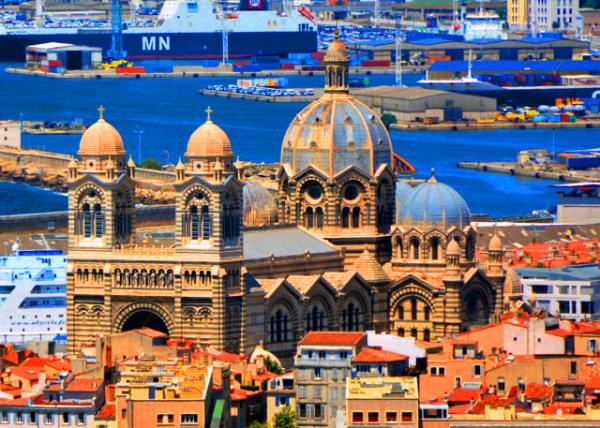 Marseille Cathedral, Imitating Eastern Churches in a Romanesque-Byzantine Style Marseille Cathedral, Imitating Eastern Churches in a Romanesque-Byzantine Style
(马赛大教堂·采用罗马式-拜占庭式,模仿东方教堂的风格) 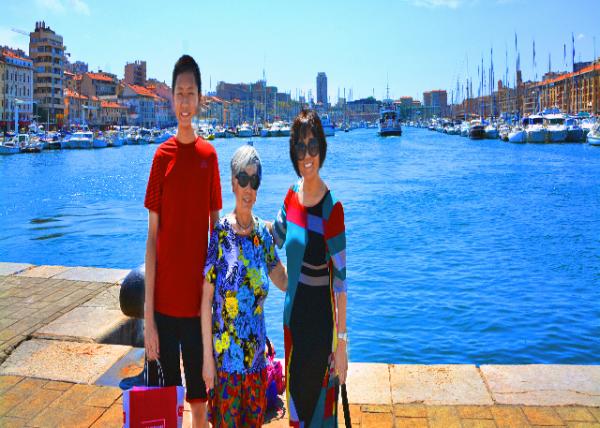 Vieux Port, the Birthplace of the Bouillabaisse Fish Stew Vieux Port, the Birthplace of the Bouillabaisse Fish Stew
(老港·马赛鱼汤的发源地 07-21-2018) 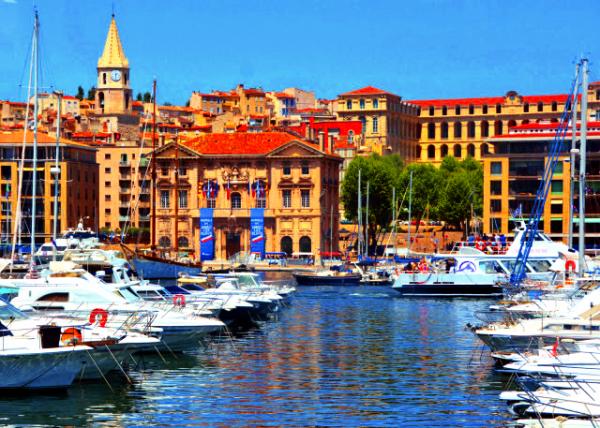 Hôtel de Ville, Dating back to the 17th Century Situated @ Vieux Port Hôtel de Ville, Dating back to the 17th Century Situated @ Vieux Port
(位于老港的市政厅·历史可以追溯到17世纪) 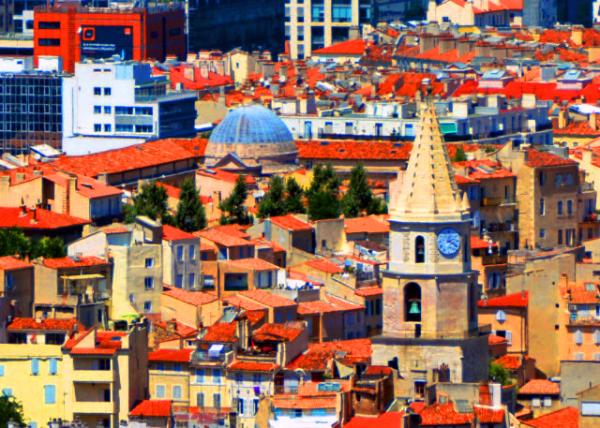 La Vieille Charité & Église des Accoules La Vieille Charité & Église des Accoules
(老慈善院与阿库勒“拱门”教堂)
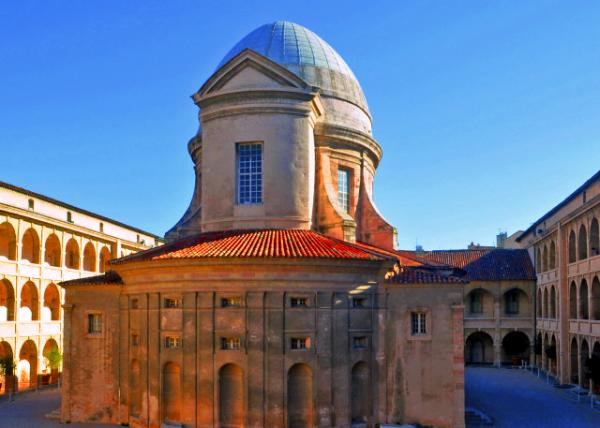 La Vieille Charité, a Former Almshouse, Now Functioning as a Museum & Cultural Ctr La Vieille Charité, a Former Almshouse, Now Functioning as a Museum & Cultural Ctr
(老慈善院·前救济院,现为博物馆和文化中心) 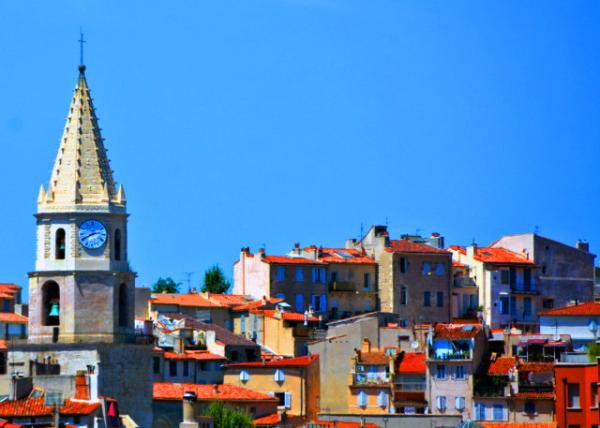 Église des Accoules, the 14th-century Provençal Gothic Bell Tower & the Oldest Surviving Tower in the City Église des Accoules, the 14th-century Provençal Gothic Bell Tower & the Oldest Surviving Tower in the City
(阿库勒教堂·14世纪普罗旺斯“罗马行省”哥特式、全城现存最古老的塔楼) 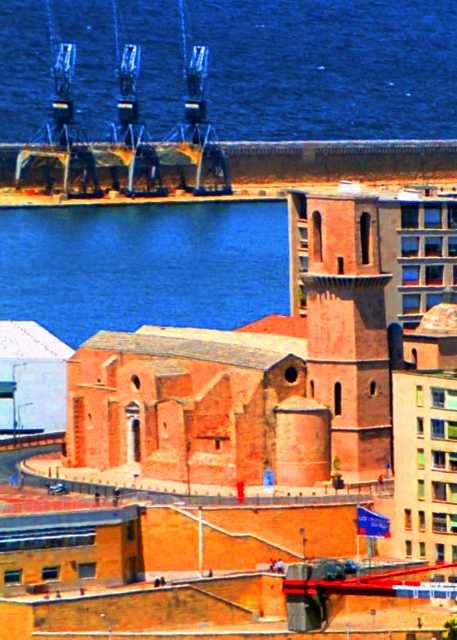
Église Saint-Laurent, the City's Oldest Medieval Parish Church (圣洛朗“光芒”教堂·全城最古老的中世纪教区教堂) 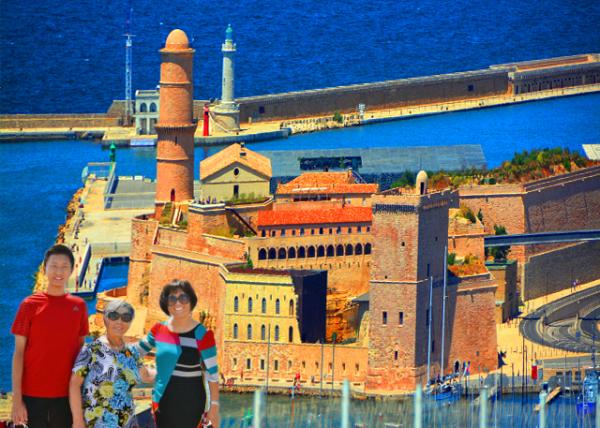 Fort Saint-Jean, Features the 15th-century Tour du Fanal/Lighthouse Tower & Now Housing Parts of the MuCEM/Museum of European and Mediterranean Civilizations Fort Saint-Jean, Features the 15th-century Tour du Fanal/Lighthouse Tower & Now Housing Parts of the MuCEM/Museum of European and Mediterranean Civilizations
(圣让“神慈”堡·拥有15世纪的法纳尔“灯”塔,现为欧洲及地中海文明博物馆的一部分 07-21-2018) 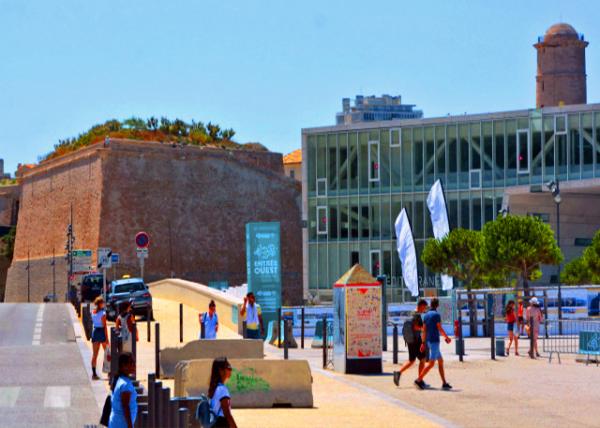 Fort Saint-Jean alongside the Modern Villa Méditerranée Fort Saint-Jean alongside the Modern Villa Méditerranée
(圣让堡和现代化的地中海别墅) 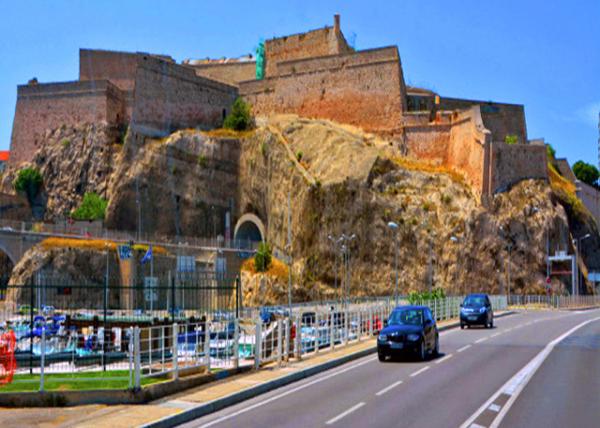 Fort Saint-Nicolas, the 17th-century Fortress Built by King Louis XIV for Intimidation & Control of Marseille's Rebellious Population w/ Its Inward Cannons Fort Saint-Nicolas, the 17th-century Fortress Built by King Louis XIV for Intimidation & Control of Marseille's Rebellious Population w/ Its Inward Cannons
(圣尼古拉“人民的胜利”堡·17世纪路易“勇将”十四国王建造的内防堡垒,将大炮直接对准城镇,以此来恐吓和控制马赛叛逆的民众) 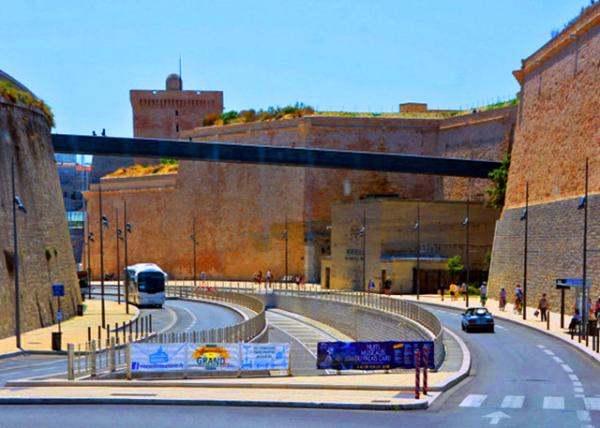 Aerial Foot-bridge Linking Fort St-Jean & the MuCEM Aerial Foot-bridge Linking Fort St-Jean & the MuCEM
(连接圣让堡和欧洲地中海文明博物馆的空中步行桥) 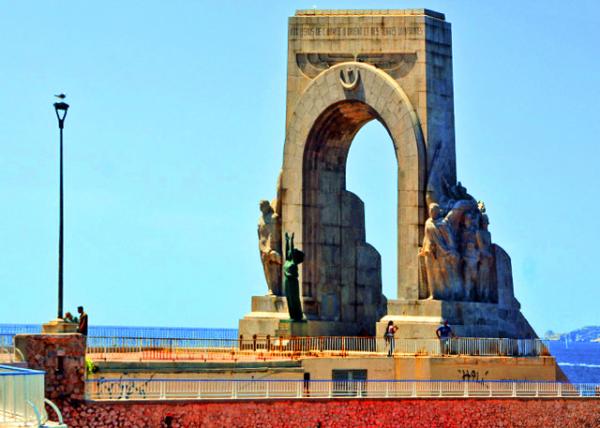 Monument Aux Morts Des Orients or Porte d'Orient, Honoring the French & Colonial Soldiers Died in the East & Distant Lands during WWI Monument Aux Morts Des Orients or Porte d'Orient, Honoring the French & Colonial Soldiers Died in the East & Distant Lands during WWI
(东方军团烈士纪念碑,也称东方门·缅怀在第一次世界大战期间于东方及遥远地区阵亡的法国和殖民地士兵) 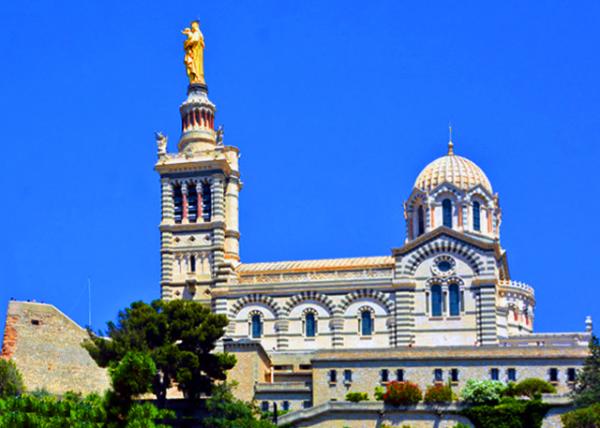 Notre-Dame de la Garde w/ the Golden Virgin Notre-Dame de la Garde w/ the Golden Virgin
(守护圣母圣殿·拥有金色圣母像) 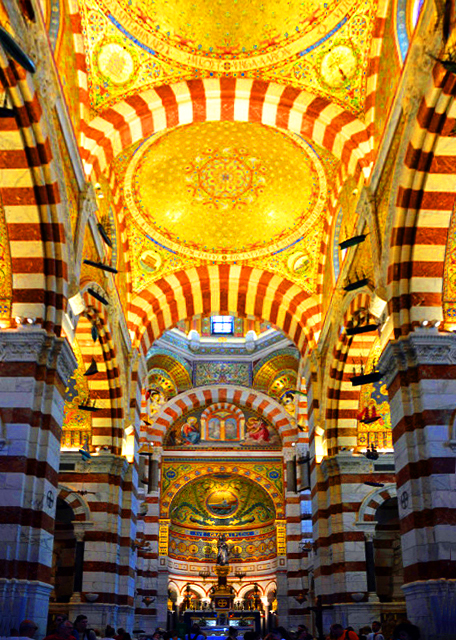
Mosaic Dome of Notre-Dame de la Garde (守护圣母圣殿·镶嵌穹顶) 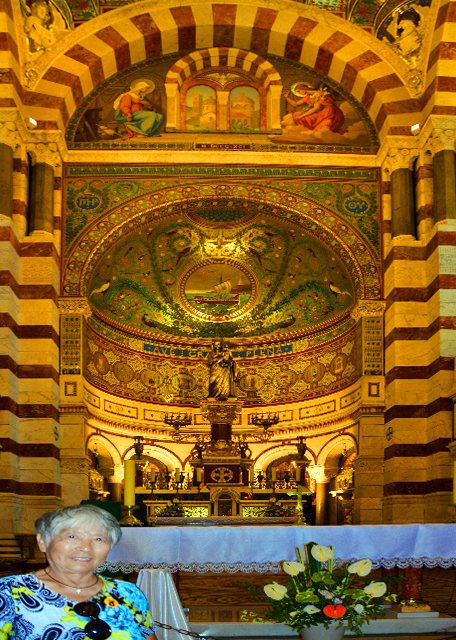
Altar of Notre-Dame de la Garde (守护圣母圣殿·祭坛 07-21-2018) 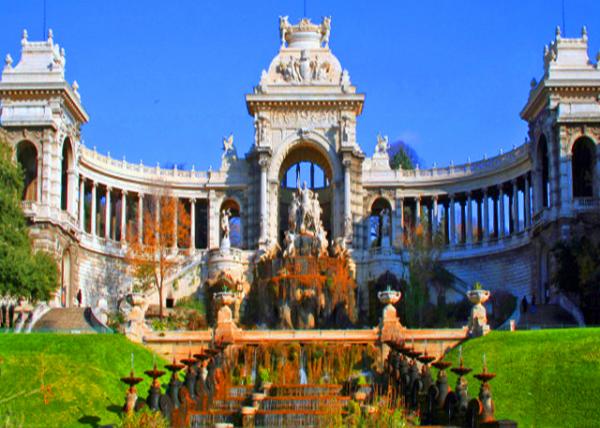 Palais Longchamp, Celebrating the Arrival of Fresh Water in the 19th Century Palais Longchamp, Celebrating the Arrival of Fresh Water in the 19th Century
(隆尚“长田”宫·19世纪为庆祝淡水抵达该城而建) 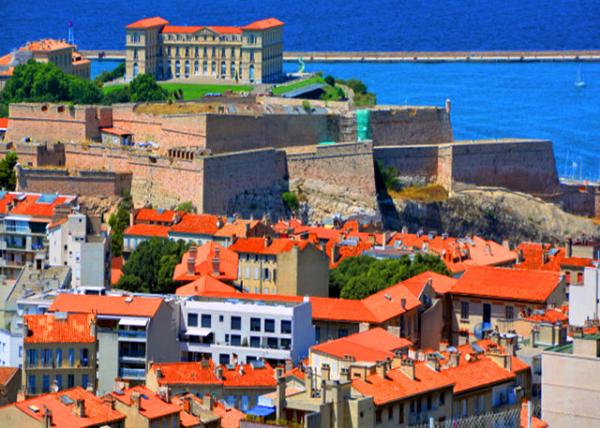 Pharo Palace & Abbaye Saint-Victor Pharo Palace & Abbaye Saint-Victor
(法老宫和圣维克多“胜利”修道院)
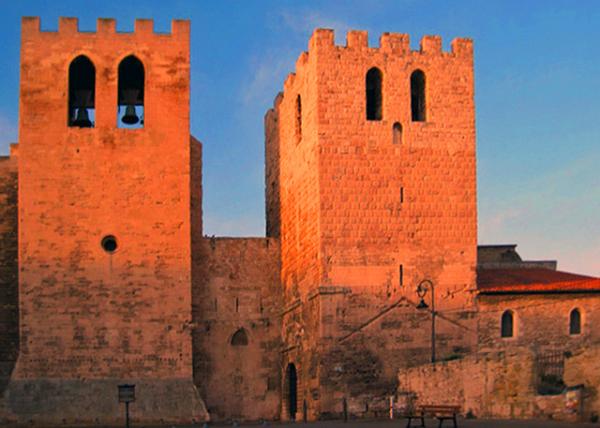 Abbey of St Victor, a Medieval Fortress Architecture Abbey of St Victor, a Medieval Fortress Architecture
(圣维克多修道院·中世纪堡垒建筑) 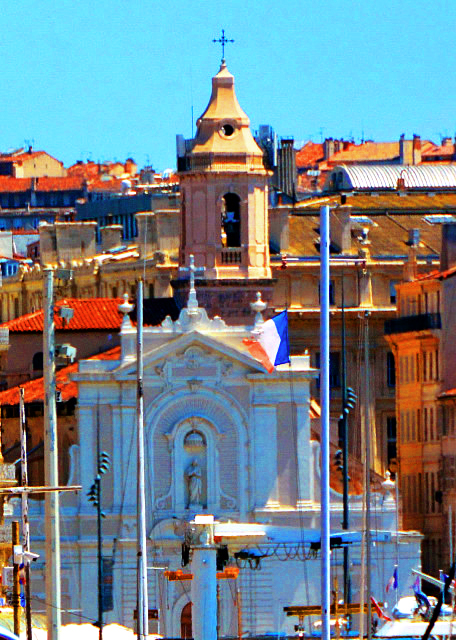
Église Saint-Ferréol-les-Augustins, Royal Wedding Venue in the 16th Century (圣费雷奥尔·莱·奥古斯丁“铁·崇高”教堂——16世纪皇家婚礼场地) 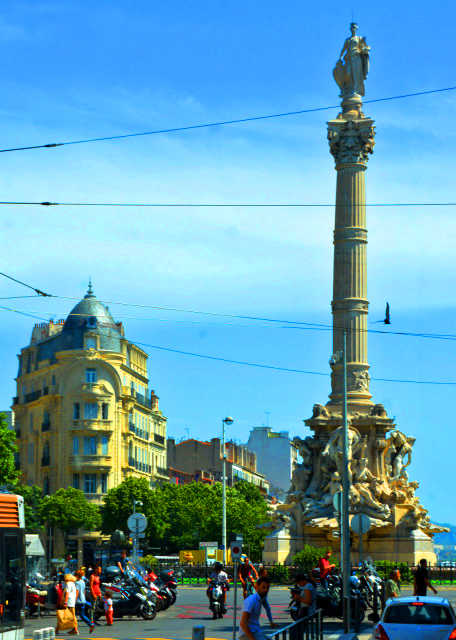
Fontaine Cantini @ Place Castellane, a Massive 1913 Carrara Marble Monument Depicting the Region's Rivers (位于卡斯特拉纳“设防的岩石”广场的坎蒂尼“圣歌”喷泉·1913年用卡拉拉“采石场”大理石建造的巨大纪念碑,描绘了该地区的河流)
Crosslinks(相关博文):
France(出游法国)
Europe(欧洲掠影) 9th Grade(高中一年级) |