2018-08-20
【The Waterfall in Mount Lu Viewed from Afar • II】
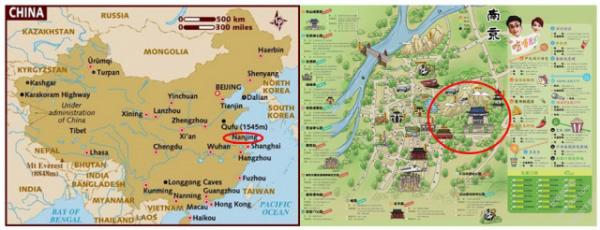
Bai LI (701—762) The sunlit Censer Peak exhales incense-like cloud, The cataract hangs like an upended stream sounding loud. Its torrent dashes down three thousand feet from high As if the Silver River fell from the azure sky. —— • —— • —— • —— • —— • —— • —— • —— 【《望庐山瀑布 • 之二》】 李白(701生—762卒) 日照香炉生紫烟, 遥看瀑布挂前川。 飞流直下三千尺, 疑是银河落九天。 【注】以前回南京探亲,去紫金山郊游时总要穿过那条通往灵谷寺的林荫道。路两旁的法桐枝叶交错、遮天蔽日,阳光从叶子缝里漏下来,在地上画出明明暗暗的光斑。风一吹,树叶沙沙响,像在低声说话。走在这条路上,城市的吵闹就渐渐远了,心也慢慢静了——路还没走完,人已经不一样了。不是身体到了,是心先到了。路的尽头就是灵谷寺。南朝梁武帝天监年间建的,钟山三大寺之一,1,500多年了。最初叫“开善寺”,梁武帝为纪念高僧宝志禅师而建,唐代改“宝公院”,宋改“太平兴国禅寺”,明初才定名“灵谷寺”。寺名换了又换,可寺还是那个寺,拆了建,建了拆,烧了修,修了烧,从南朝熬到民国,愣是没断过香火。南京城不是没遭过大难,灵谷寺陪着它一起熬过来的,不是因为它坚强,是因为有人需要它。需要它在,它就撑住了。寺庙不只是和尚的庙,是所有人的庙。 最先映入眼帘的是无梁殿,明洪武十四年建,灵谷寺仅存的明代老建筑,不用一根木头一颗钉子,全砖石拱券砌成。殿里供着无量寿佛,光从狭小的窗子透进来,幽暗中勾出佛像的轮廓。仰头看那高耸的穹顶,耳边嗡嗡的,不是回音,是五百年前工匠敲砖石的声音,被石头记住了,慢慢放给你听。穿过无梁殿就是灵谷塔,9层8面,60米高,螺旋楼梯252级。登塔远眺,紫金山绿得发暗,南京城铺在脚下,天气好时能望见长江像条银练,弯弯曲曲地伸向天边。塔上风铃叮当作响,时高时低,像在为阵亡的将士低声唱着什么。塔是1929年建的国民革命军阵亡将士纪念塔,玄奘舍利也在这寺里——1943年日军在雨花台挖出玄奘顶骨,一份留在南京,供在灵谷寺。看着那小小的舍利塔,想到1,300多年前那位西行取经的和尚,原来离南京这么近,离我也这么近。 我喜欢在灵谷寺里慢慢走,不赶路,只是看。有时坐在无梁殿前的石阶上,看阳光在砖墙上移动;有时站在灵谷塔顶,让风吹乱头发;有时在玄奘舍利前站一会儿,什么也不想。这里有一种特别的安静,不是听不见声音,是能听见自己心里在想什么。在别处听不见的,在这里能听见;在别处想不明白的,在这里能想明白。 Today in History(历史上的今天):
2018: Nanjing the Capital of Six Dynasties, CHN(南京—六朝古都)
2017: Heidelberg the Dandy Horse, Germany(德国海德堡—骏马之城)
2015: Garden Expo Park, Beijing(北京园博园) 2014: Scrimmage in Soccer Practice(足球训练中的混战)  Buttonwood-Covered Boulevard toward Linggu or Spirit Valley Temple Buttonwood-Covered Boulevard toward Linggu or Spirit Valley Temple
(梧桐树覆盖、通往灵谷寺的林荫大道) 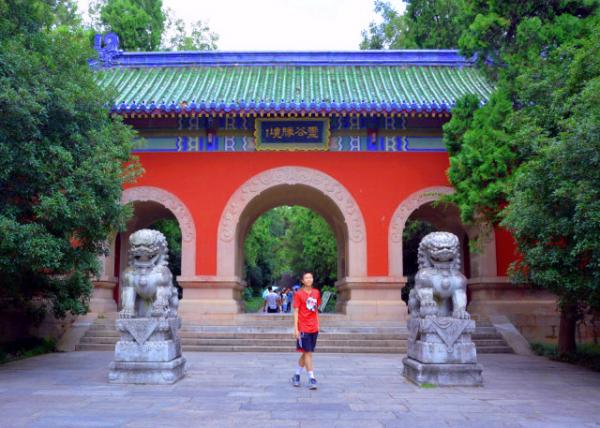 Gate of Linggu Temple, the Best Buddhist Shrine in the World Gate of Linggu Temple, the Best Buddhist Shrine in the World
(灵谷寺大门·世上最好的佛教寺庙 08-20-2018) 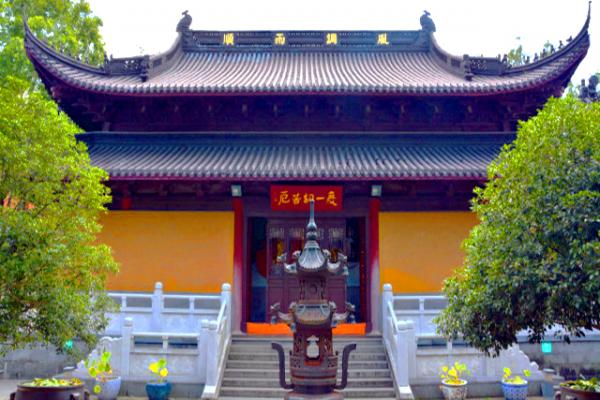 Convent in Serene & Sophisticated Setting Convent in Serene & Sophisticated Setting
(尼姑庵·环境清幽雅致)
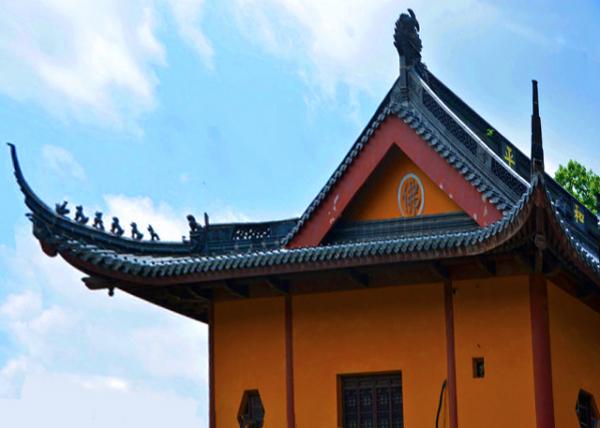 Convent Featuring a Curved, Dark-Tiled Roof w/ Decorative Ridge-Line Embellishment Convent Featuring a Curved, Dark-Tiled Roof w/ Decorative Ridge-Line Embellishment
(尼姑庵·采用弧形深色瓦屋顶,并饰有屋脊图案) 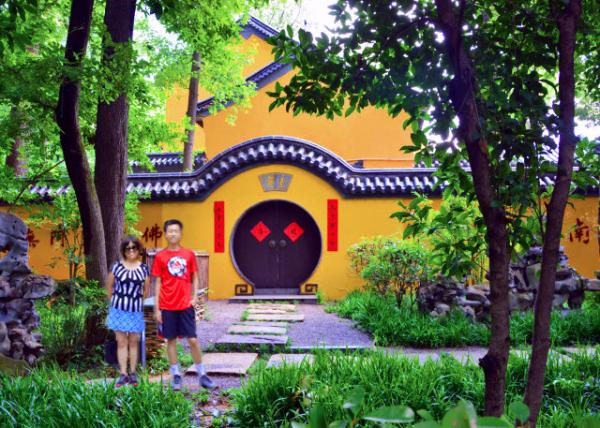 Nun Living Quarter, a Cloister from the Secular World, Crucial for Contemplative Life Nun Living Quarter, a Cloister from the Secular World, Crucial for Contemplative Life
(尼姑经堂·与世俗世界隔绝的修道院,有益于沉思冥想的生活 08-20-2018)
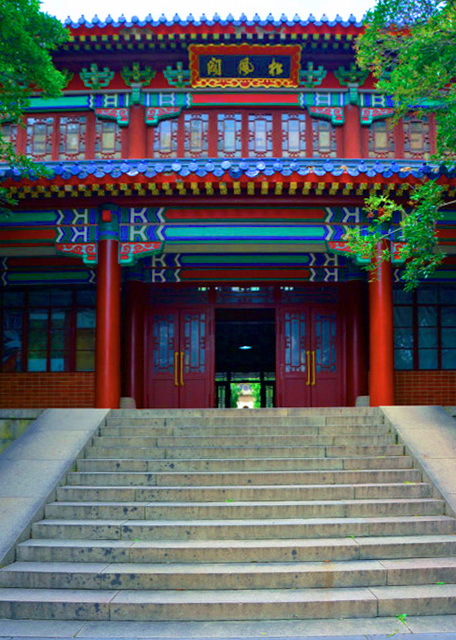
Abbot Hall in the Style of a Revolving Lantern Tower (松风阁·仿走马楼式建筑)
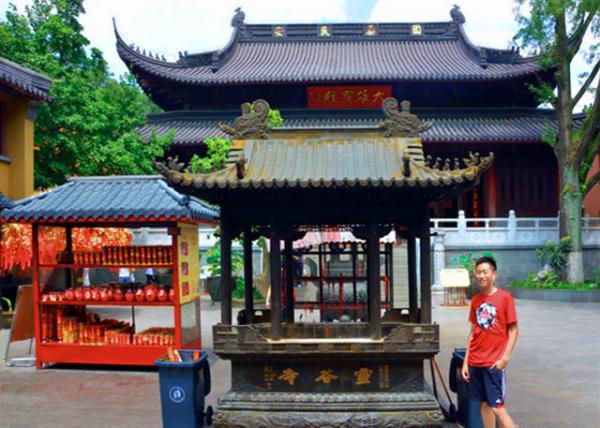 Mahavira Hall, Featuring Elaborate Architecture & Significant Buddhist Iconography Mahavira Hall, Featuring Elaborate Architecture & Significant Buddhist Iconography
(大雄宝殿·拥有精美的建筑和重要的佛像 08-20-2018) 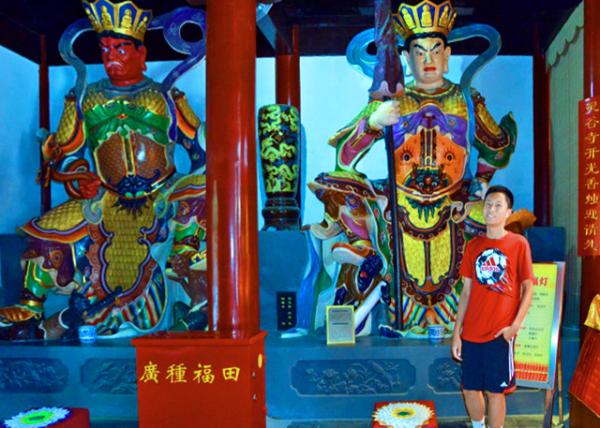 Four Heavenly Kings: King of the East and God of Music, King of the South & One Who Causes Good Growth of Roots Four Heavenly Kings: King of the East and God of Music, King of the South & One Who Causes Good Growth of Roots
(持国天王──增长天王 08-20-2018) 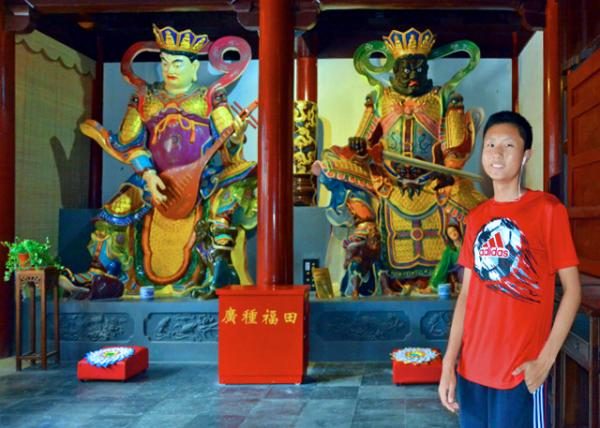 Four Heavenly Kings: Chief of the Four Kings & Protector of the North, King of the West & One Who Sees All Four Heavenly Kings: Chief of the Four Kings & Protector of the North, King of the West & One Who Sees All
(多闻天王-广目天王) 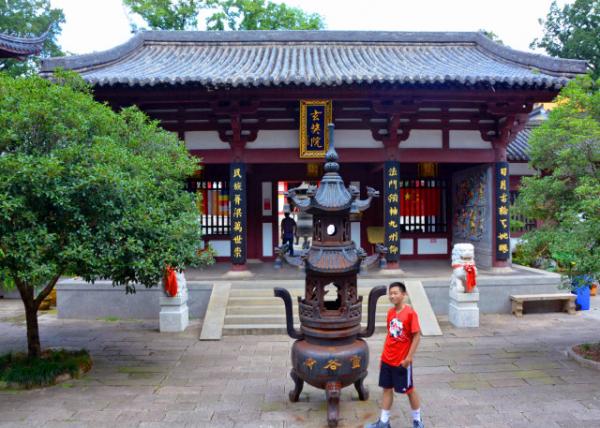 Tang Monk Mansion, Housing the Skull of the Famous Monk Xuanzang, Who Journeyed to India for Buddhist Scriptures Tang Monk Mansion, Housing the Skull of the Famous Monk Xuanzang, Who Journeyed to India for Buddhist Scriptures
(玄奘寺·供奉着著名僧人玄奘的头骨,他曾前往印度寻求佛教经典 08-20-2018) 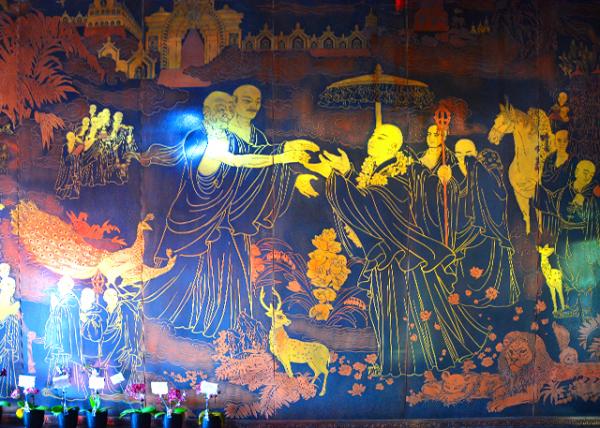 Mural of Tang Monk (玄奘壁画) Mural of Tang Monk (玄奘壁画)
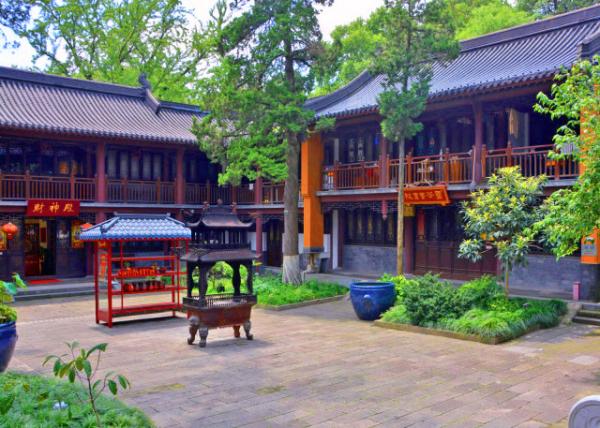 Hall of Caishen or God of Wealth, the Most Popular, Governing Wealth in Chinese Folk Religions & Taoism, w/ Attendants Bringing Riches Hall of Caishen or God of Wealth, the Most Popular, Governing Wealth in Chinese Folk Religions & Taoism, w/ Attendants Bringing Riches
(财神殿·中国民间宗教和道教中最受欢迎的掌管财富的神灵,其侍从带来财富)
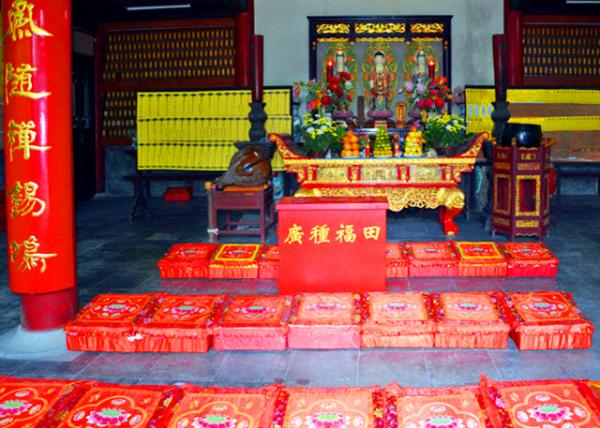 Pray Hall, a place for Monks to Sit in Meditation & Practice Monastic Discipline Pray Hall, a place for Monks to Sit in Meditation & Practice Monastic Discipline
(律堂·僧众坐禅修戒的场所) 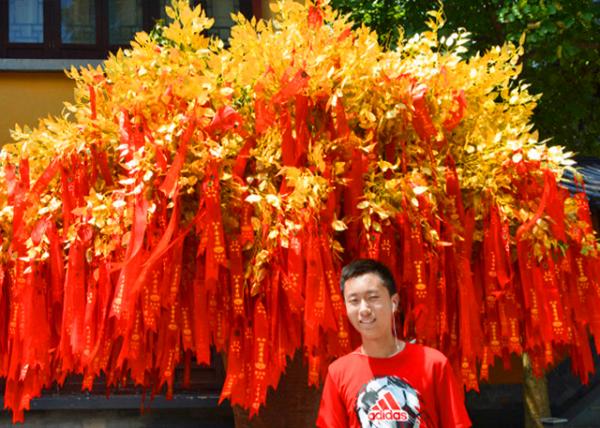 Wish Tree, Portals or Sources of Magic Wish Tree, Portals or Sources of Magic
(许愿树·神奇的门户或源泉 08-20-2018) 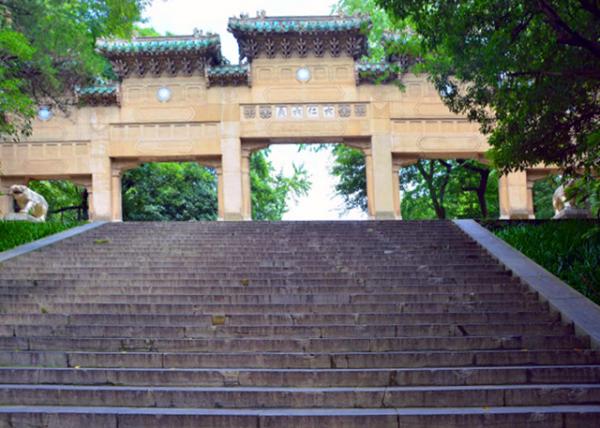 Archway of Fallen Soldiers' Tombs (阵亡将士公墓碑坊) Archway of Fallen Soldiers' Tombs (阵亡将士公墓碑坊)
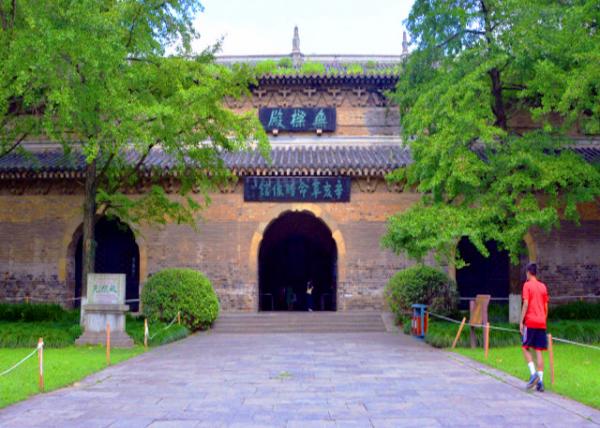 Façade of Wuliang Dian or Beamless Hall, Built Entirely of Brick & Stone w/o Any Wooden Beams or Nails Façade of Wuliang Dian or Beamless Hall, Built Entirely of Brick & Stone w/o Any Wooden Beams or Nails
(正门无梁殿·完全由砖石砌成,没有使用任何木梁或钉子)
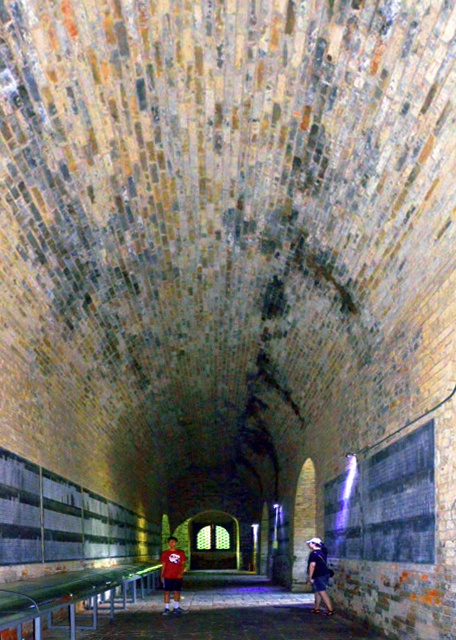
Wuliang Dian, Featuring a Stunning Vaulted Ceiling (无梁殿·拥有令人惊叹的拱形天花板 08-20-2018) 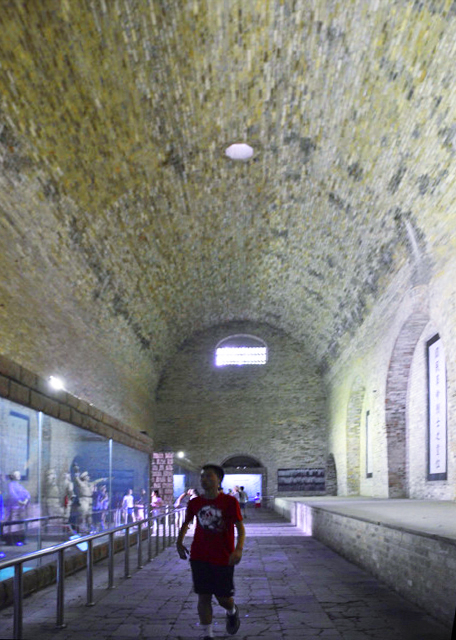
Interior of Wuliang Dian, Originally Part of the Linggu Temple Complex Survived 19th-Century Wars but Later Repurposed in the 1920s/30s as a Memorial for Nationalist Soldiers (无梁殿内景·原为灵古寺建筑群的一部分,19世纪战争中幸存下来之后,20世纪20年代/30年代被改建为国民党士兵纪念馆 08-20-2018) 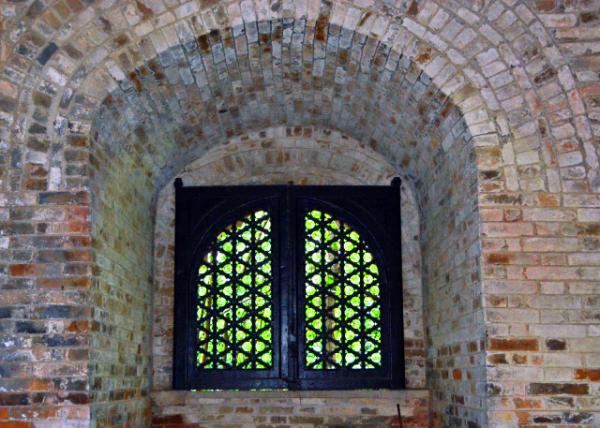 Window of Wuliang Dian (无梁殿·窗户) Window of Wuliang Dian (无梁殿·窗户)
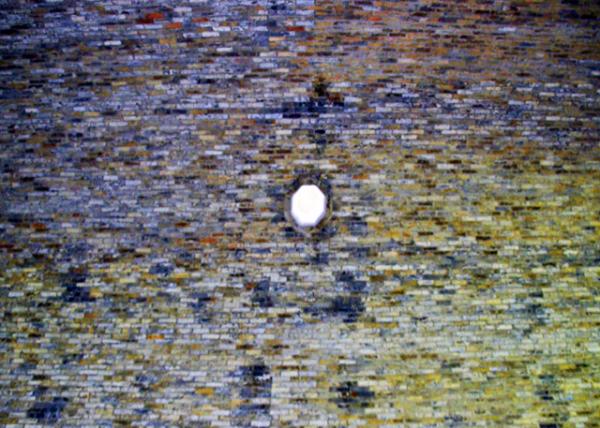 Roof of Wuliang Dian (无梁殿·屋顶) Roof of Wuliang Dian (无梁殿·屋顶)
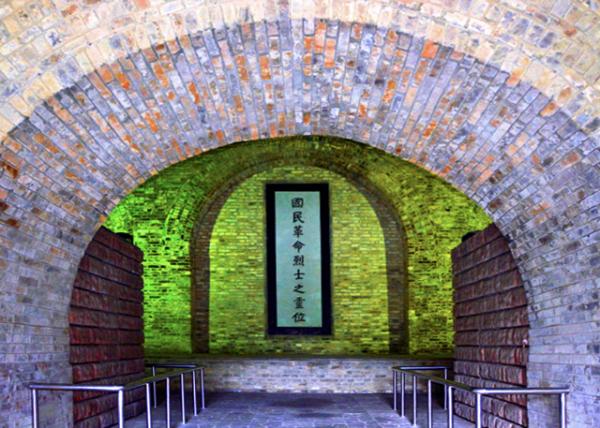 Memorial Hall for Soldiers Who Lost Their Lives in the Northern Expedition (1926–1928) Memorial Hall for Soldiers Who Lost Their Lives in the Northern Expedition (1926–1928)
(1926—1928年间北伐战争阵亡将士纪念堂)
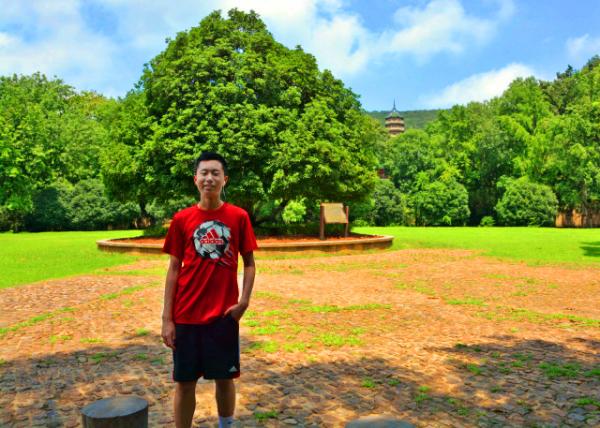 King of Sweet Osmanthus, a Symbol of Nobility, Good Fortune, & Love King of Sweet Osmanthus, a Symbol of Nobility, Good Fortune, & Love
(金陵桂花王·象征着高贵、好运和爱情 08-20-2018) 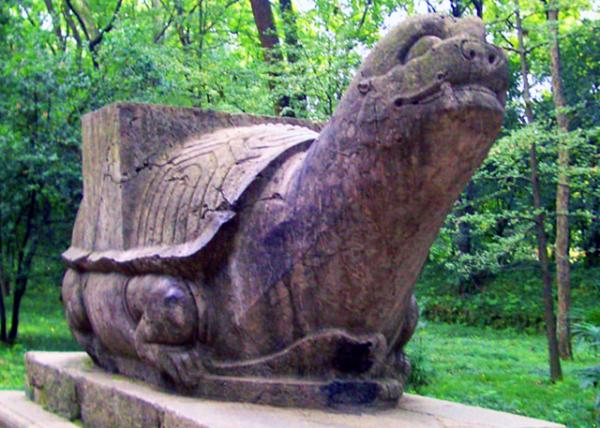 Stone Tortoise, Symbolizing Longevity, Stability, Protection, & Prosperity Stone Tortoise, Symbolizing Longevity, Stability, Protection, & Prosperity
(石龟·象征着长寿、稳定、保护和繁荣) 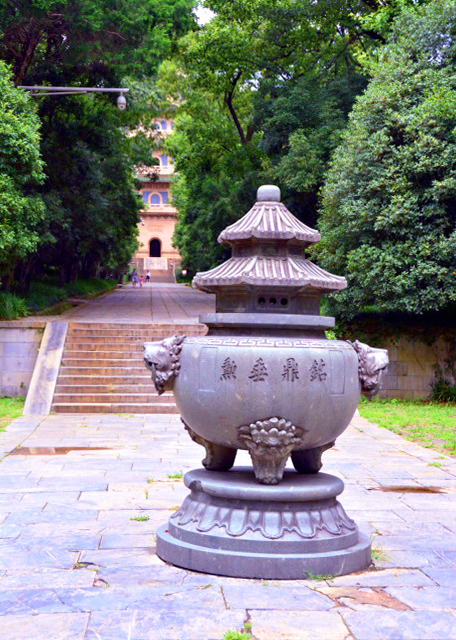
Incense Burner for the Martyrs Immortalized & Eternally Commemorated (垂勋铭鼎·烈士功绩流芳千古) 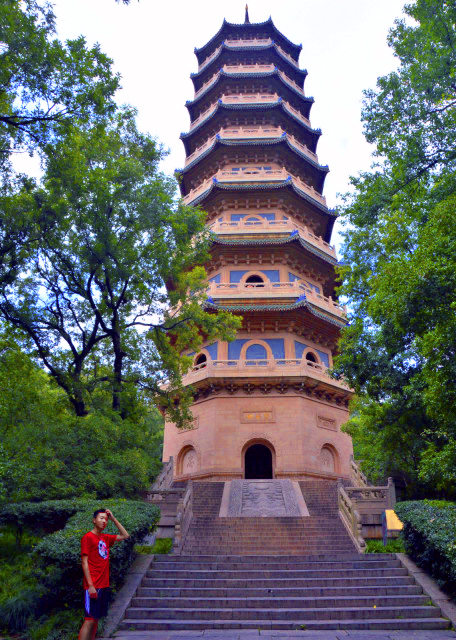
Linggu Pagoda, Commemorating over 30,000 Soldiers from the Nationalist Army's Northern Expedition between 1926 & 1928 (灵谷塔·纪念1926—1928年间国民党军队北伐战争中阵亡的3万多名士兵 08-20-2018)
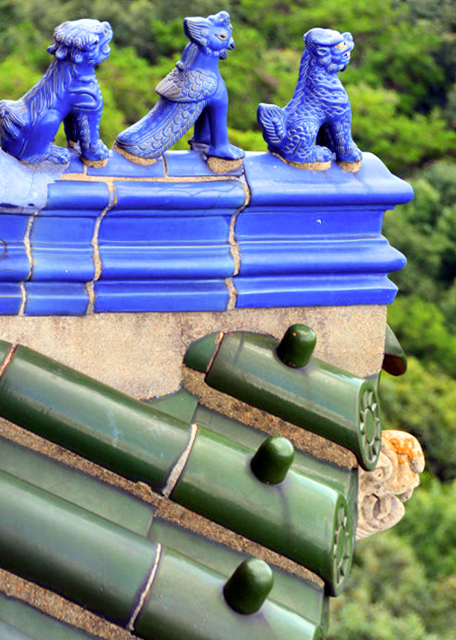
Terra Cotta Xiezhi (獬豸琉璃雕塑) 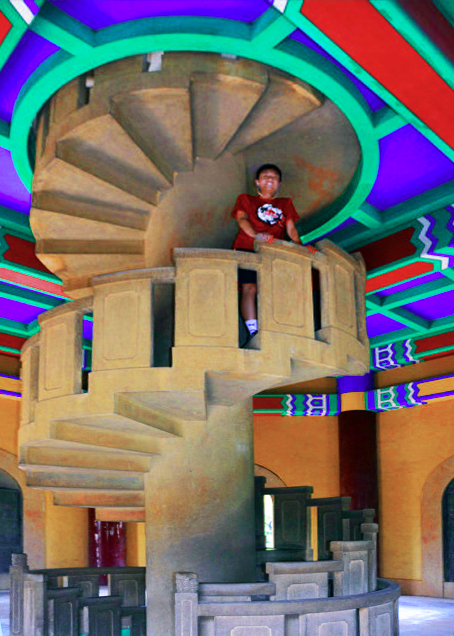
Spiral Stairway of Linggu Pagoda (灵谷塔旋梯 08-20-2018) 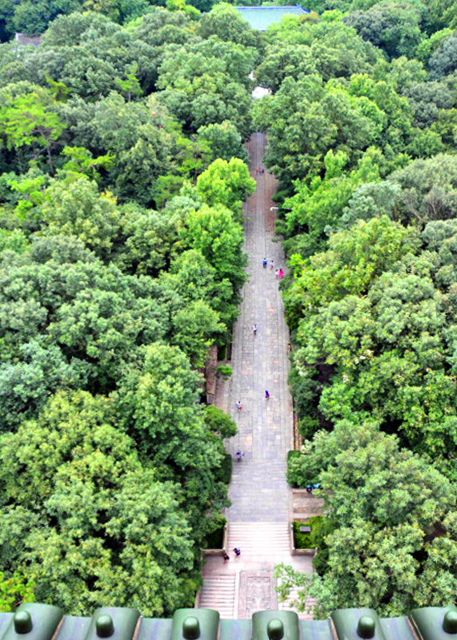
Spirit Valley (灵谷神道) 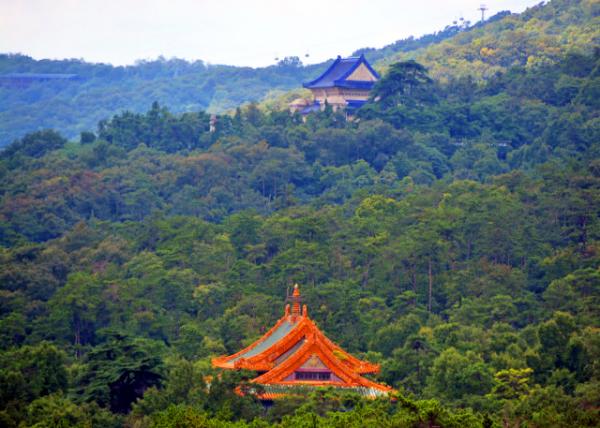 Dr. Sun Yat-sen Mausoleum & Ming Filial Mausoleum Dr. Sun Yat-sen Mausoleum & Ming Filial Mausoleum
(中山陵与明孝陵) 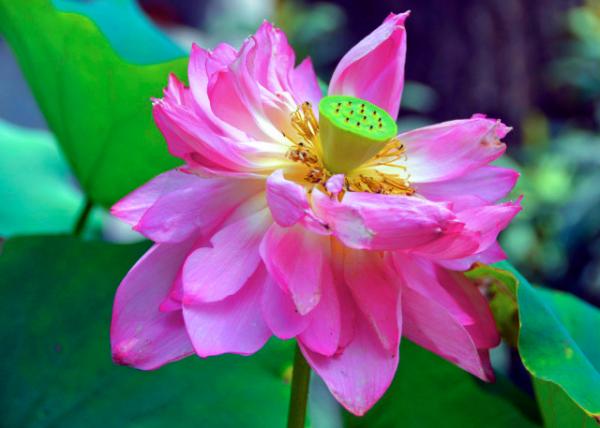 Lotus vs Lotus Pod (莲花与莲蓬) Lotus vs Lotus Pod (莲花与莲蓬)
Crosslinks(相关博文):
China(出游中国) 9th Grade(高中一年级) |