2018-08-20
【The Summit Temple】
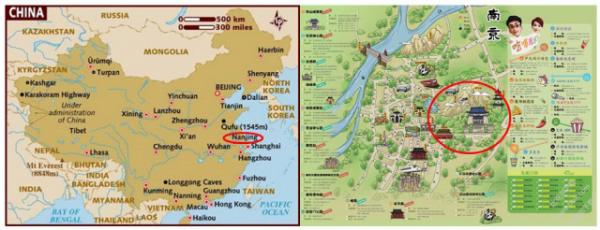
Bai LI (701—762) A hundred feet high the Summit Temple stands, Where I could pluck the stars with my own hands. At dead of night, I dare not speak aloud For fear of waking dwellers in the cloud. —— • —— • —— • —— • —— • —— • —— • —— 【《夜宿山寺》】 李白(701生—762卒) 危楼高百尺, 手可摘星辰。 不敢高声语, 恐惊天上人。 【注】明孝陵在紫金山南麓,朱元璋和马皇后合葬的地方。洪武十四年开建,永乐十一年才立起“神功圣德碑”,30多年才完工。马皇后谥号“孝慈”,朱元璋也标榜以孝治天下,便叫了“孝陵”。占地170多万平方米,是中国最大的帝王陵寝之一。它承唐宋“依山为陵”的老法子,又开了“前方后圆”的新路子——后面的宝顶是圆形的,是死后的事;前面的院落是方正的,是人间的格局。弯弓形的神道绕着孙权墓的梅花山拐了个弯,那位东吴皇帝早在这里睡了1,000多年,朱元璋没挪他,只是让神道绕着他走。不是怕,是敬。朱元璋打天下时自比孙权,觉得是同一路人。英雄惜英雄,不在地上争,在地下让。这一让,600年的风景就出来了。 神道上的石象路从下马坊开始,600米的路,狮子、獬豸、骆驼、象、麒麟、马,六种石兽,每种两对,一对站着一对跪着。站的是出征,跪的是迎宾。这是皇帝的仪仗,也是他的威严,600多年了,还站着,还跪着。骆驼和象最大,4米多高,背上磨得锃亮,被无数双手摸过。你也伸手摸一下,凉凉的、糙糙的,就是石头。可你知道它不是普通的石头,它背着一个王朝的梦,一背就600年。梦碎了,它还背着。不是不想放下,是放不下。放下了它就不是石象了。翁仲路上的武将和文臣,武将高4米,拄着铁剑,文臣抱着笏板,脸被风雨磨平了,可那股气还在,隔着几百年都不散。不是石头硬,是那股气撑着。 享殿九间五进,太平天国焚后只剩三人合抱的石础——我站在那些础石前抬头看,天很大,柱子没了,撑过的那片空间还在。方城之上,明楼的黄琉璃瓦金晃晃地亮着;宝顶如一个长满树的大馒头,静卧在600年的时光里。沿紫霞湖走去,山路老树沙沙作响,像是石兽在暗中低语。来明孝陵不是看坟墓,是看时间——厚到可以踩上去,一步一步地量。我靠着一棵树站着,阳光从叶缝漏下,暖着手背;600年前也有人站在这里,也许不是同一棵树,但那股气息没断过。我留下的不过是一个午后的安静,它们留下的却是600年的沉默。从那条石头路走出去时,脚步轻了——不是身体轻了,是心里轻了。 2003年,明孝陵作为“明清皇家陵寝”扩展项目被联合国教科文组织列入《世界遗产名录》。 Today in History(历史上的今天):
2018: Nanjing the Capital of Six Dynasties, CHN(南京—六朝古都)
2017: Heidelberg the Dandy Horse, Germany(德国海德堡—骏马之城)
2015: Garden Expo Park, Beijing(北京园博园) 2014: Scrimmage in Soccer Practice(足球训练中的混战) 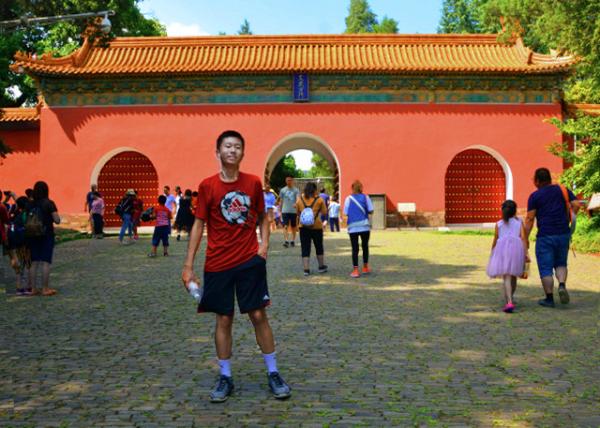 Gate of the Civil & Military, the Main Gate Leading into the Central Complex of the Ming Xiaoling Mausoleum Gate of the Civil & Military, the Main Gate Leading into the Central Complex of the Ming Xiaoling Mausoleum
(文武方门·通往明孝陵中心建筑群的正门 08-20-2018) 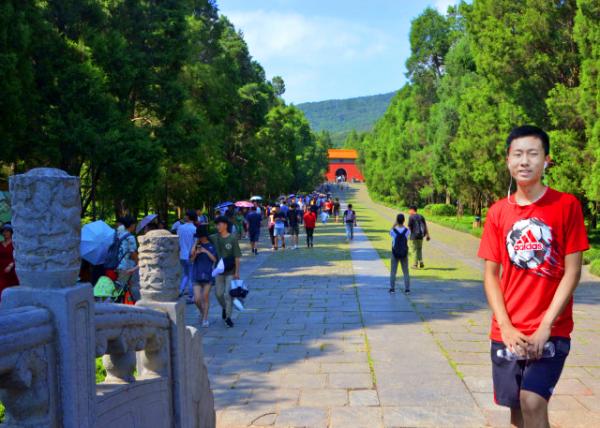 Ascension Bridge, the Last Bridge on the Central Axis of the Mausoleum's Sacred Way, Symbolizing Zhu Yuanzhang's Ascension to Immortality after Death Ascension Bridge, the Last Bridge on the Central Axis of the Mausoleum's Sacred Way, Symbolizing Zhu Yuanzhang's Ascension to Immortality after Death
(升仙桥·陵墓神道中轴线上最后一座桥梁,寓意朱元璋死后升仙 08-20-2018) 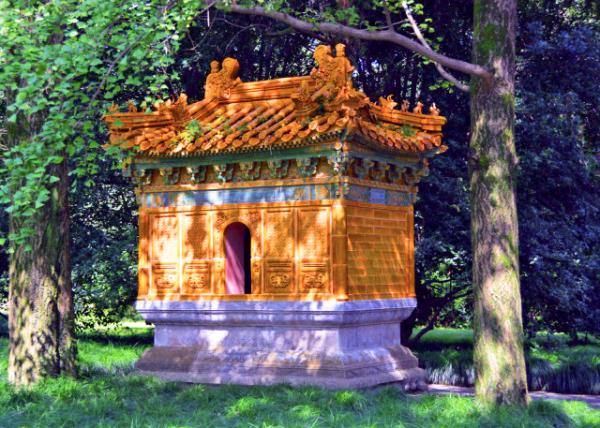 Sacrificial Censer, Symbolizing Prayers Rising to Heaven Sacrificial Censer, Symbolizing Prayers Rising to Heaven
(神帛炉·象征着祈祷升腾至天庭) 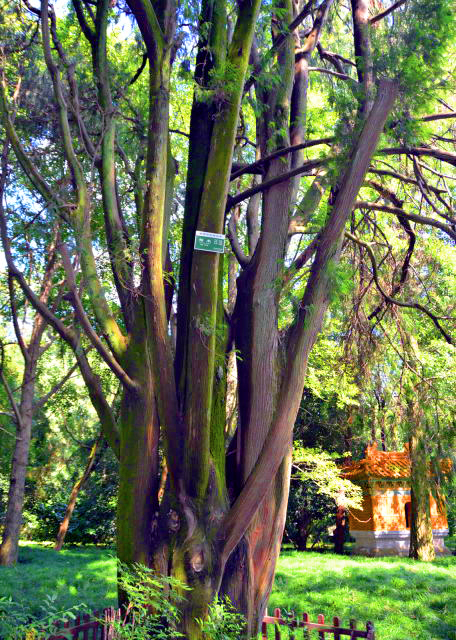
Cypress, Symbolizing Longevity, Good Fortune, & Reverence (柏木·象征着长寿、吉祥和崇敬)
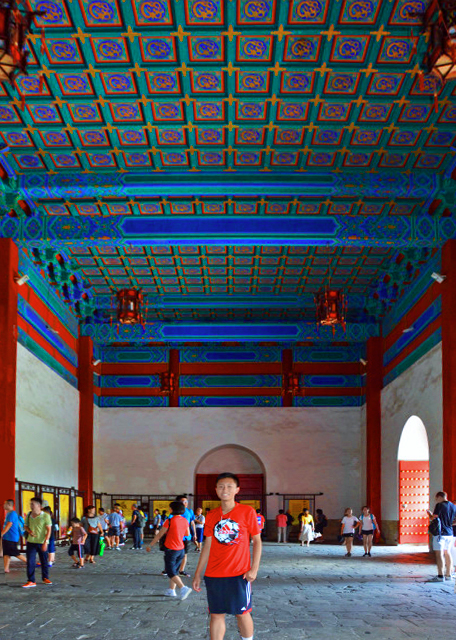
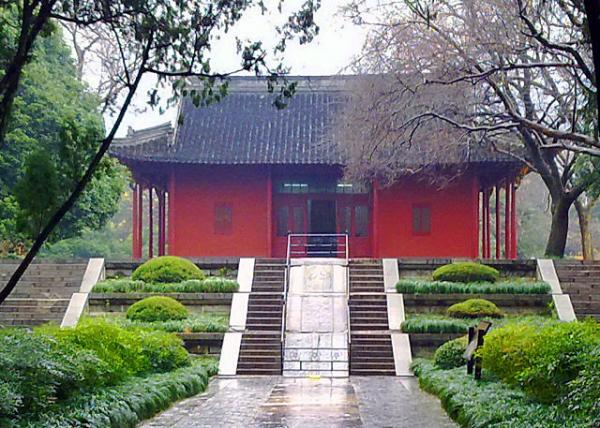 Sacrificial Hall, Signifying the Reception of Blessings during Sacrifices & Boundless Grace, Symbolizing the "Court," & Used for Sacrificial Rituals Sacrificial Hall, Signifying the Reception of Blessings during Sacrifices & Boundless Grace, Symbolizing the "Court," & Used for Sacrificial Rituals
(祾恩殿·取祭祀受福、恩德无极之意,象征“朝”,用于祭祀礼仪) 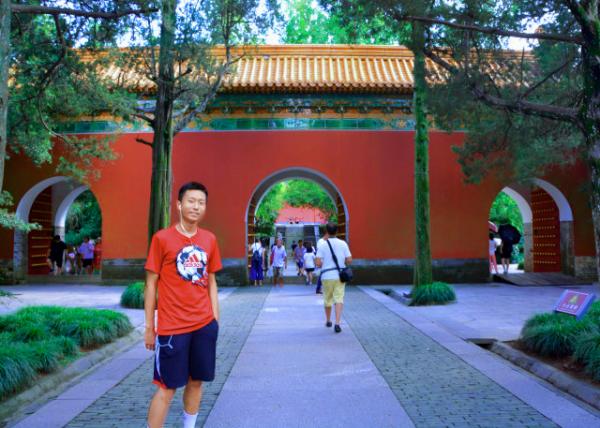 Inner Red Gate, the Red-Walled Bldg w/ 3 Arched Doorways, Symbolizing the Transition from the Mortal World to the Underworld, Known as the "Gate of Yin and Yang" Inner Red Gate, the Red-Walled Bldg w/ 3 Arched Doorways, Symbolizing the Transition from the Mortal World to the Underworld, Known as the "Gate of Yin and Yang"
(内红门·三洞券顶的红墙建筑,象征从阳间过渡到阴间的“阴阳门” 08-20-2018) 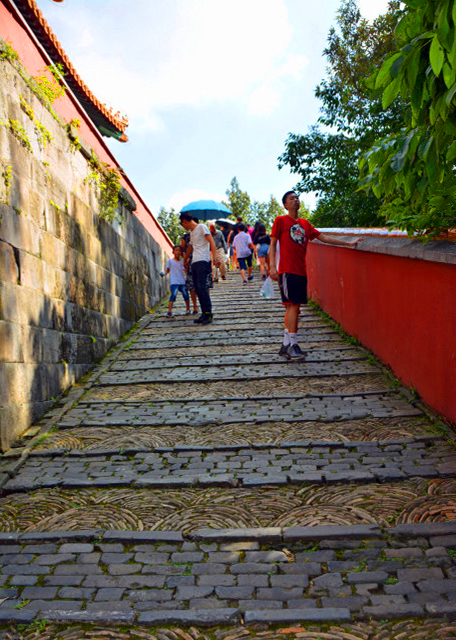
Ramp to Ming Tower (通往明楼的方砖路 08-20-2018)
Ming Tower w/ the Square City Wall, Symbolizing the "Bedchamber," the Core Area for Burial (方城明楼·象征“寝”,为安葬核心区域 08-20-2018) 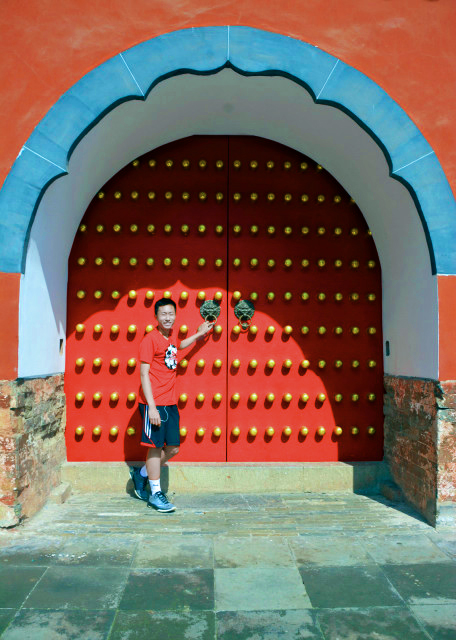
Side Gate (边门 08-20-2018) 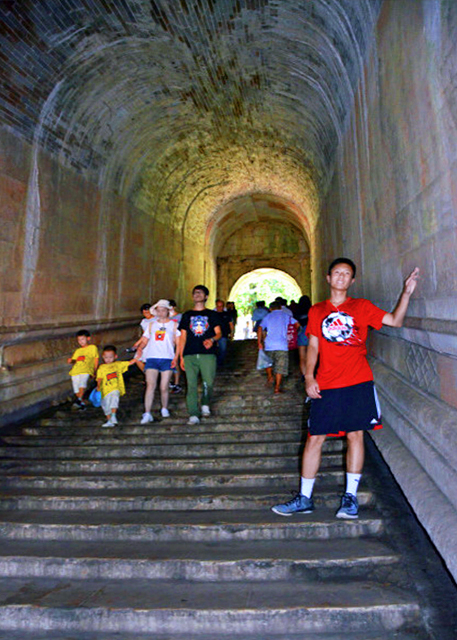
Rectangular Citadel & Splay Screen Wall (方城东与西影壁) 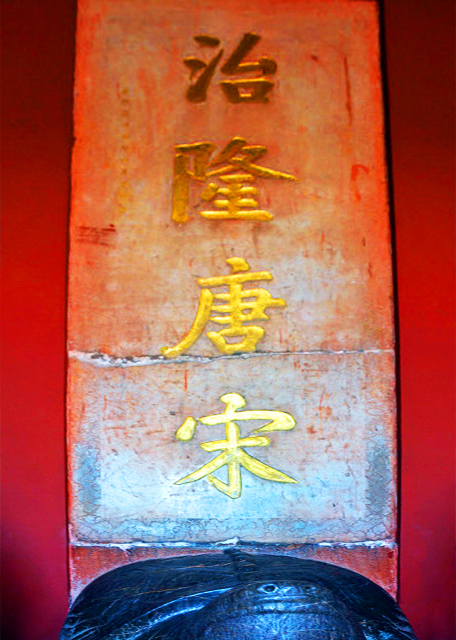
Imperial Tablet Hall (碑殿) 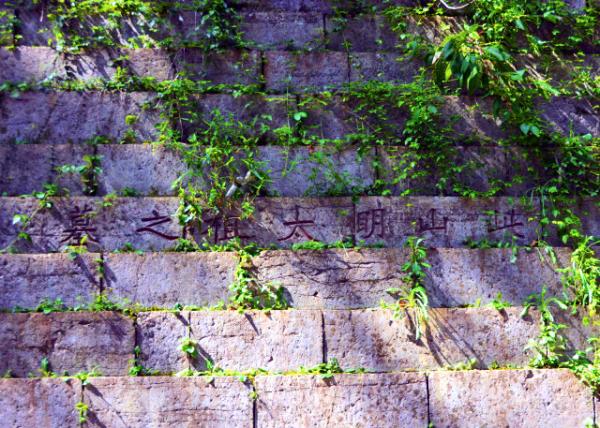 Ming Filial Tomb w/ an Inscription on a Stone Wall Ming Filial Tomb w/ an Inscription on a Stone Wall
(明太祖墓·石墙上的铭文)
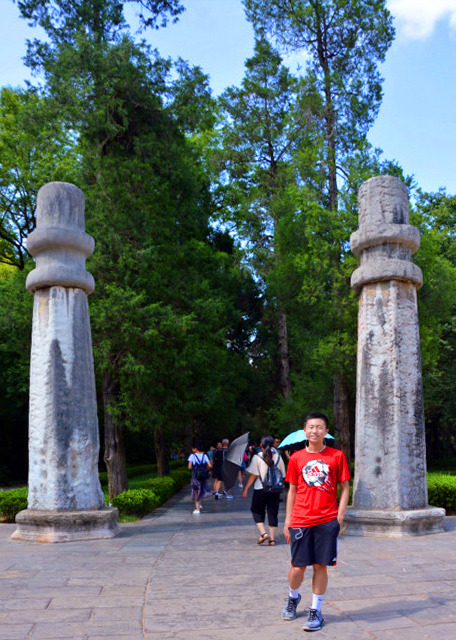
Baluster Column, Symbolizing Loyalty & Dignified Guardianship of Imperial Ming Tombs on Wengzhong Path (翁仲路神道·望柱象征着对明孝陵的忠诚和庄严守护) 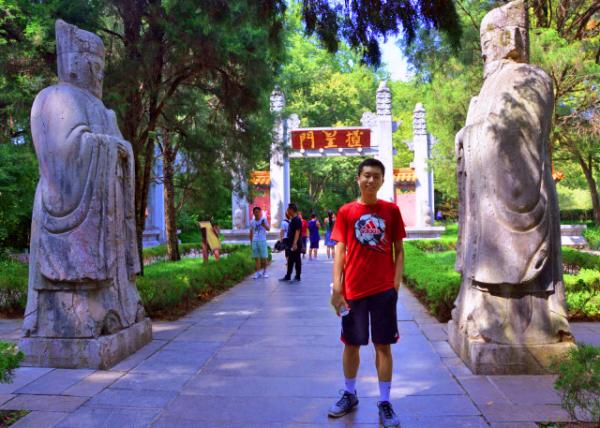 Civil Officials on Wengzhong Path Civil Officials on Wengzhong Path
(翁仲路神道·文臣 08-20-2018) 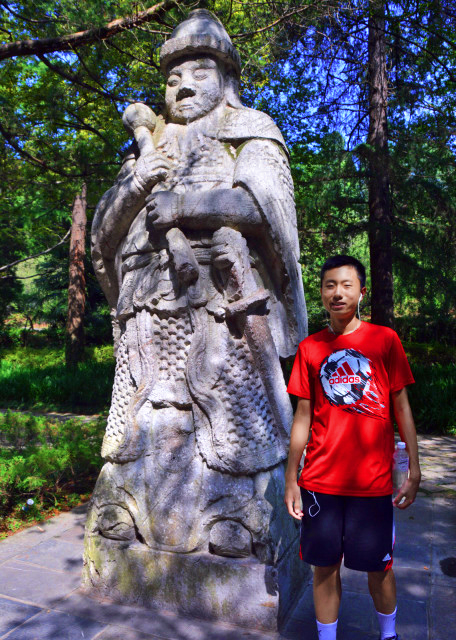
General on Wengzhong Path (翁仲路神道·武将 08-20-2018)
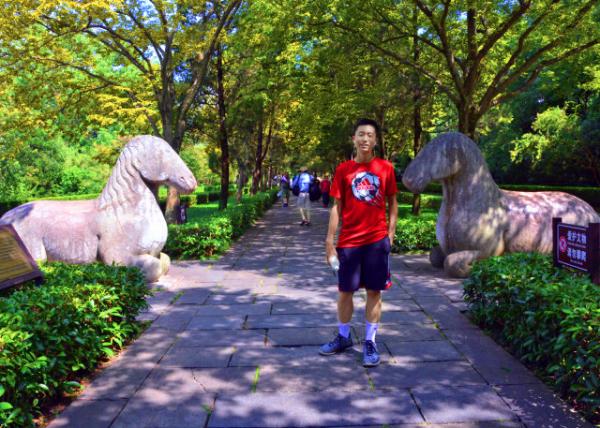 Stone Camels on Stone Elephant Rd Stone Camels on Stone Elephant Rd
(石象路神道·石骆驼 08-20-2018)
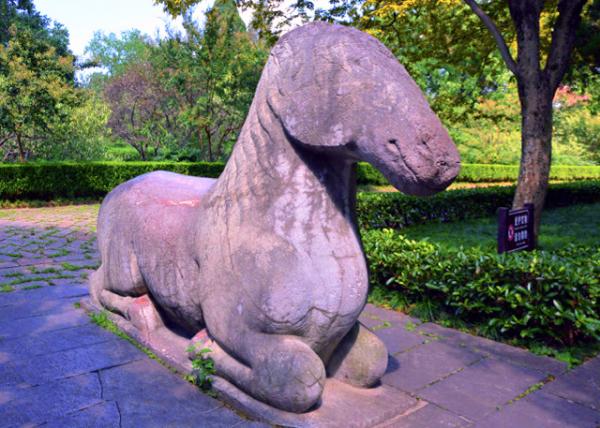 Stone Camel, Symbolizing the Desert & Tropical Regions & Representing the Vast Territory of the Dynasty, on Stone Elephant Rd Stone Camel, Symbolizing the Desert & Tropical Regions & Representing the Vast Territory of the Dynasty, on Stone Elephant Rd
(石象路神道·石骆驼象征着沙漠和热带地区,代表着王朝的广袤领土) 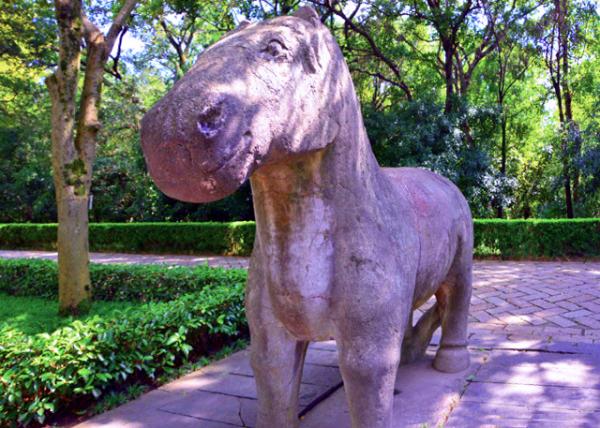 Stone Horse, Symbolizing the Solemnity of Imperial Power & the Military Achievements of the Emperor, on Stone Elephant Rd Stone Horse, Symbolizing the Solemnity of Imperial Power & the Military Achievements of the Emperor, on Stone Elephant Rd
(石象路神道·象征皇权的庄严与帝王的战功) 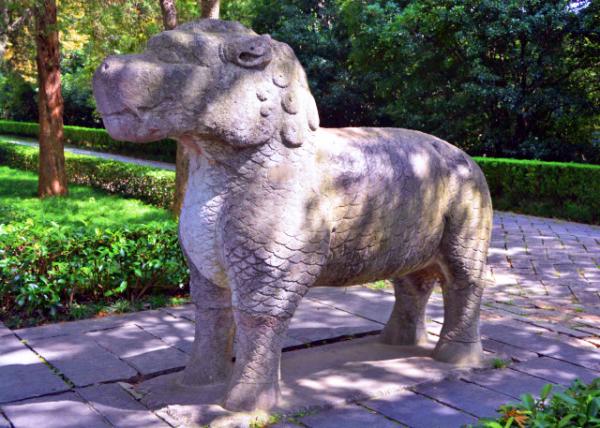 Stone Xiezhi or Unicorn, Symbolizing the Emperor's Majesty, on Stone Elephant Rd Stone Xiezhi or Unicorn, Symbolizing the Emperor's Majesty, on Stone Elephant Rd
(石象路神道·獬豸象征着皇帝的威严)
Crosslinks(相关博文):
China(出游中国) 9th Grade(高中一年级) |