2017-08-23

【Aiden in English】
Finally, off the ship in Basel, Switzerland, I felt the smooth glide of the boat again. Replaced by a bumpy, unpleasant bus ride to our next destination, Lucerne, I immediately missed the blissful form of travel provided on the Viking Kvasir. However, the transfer off the boat was slightly buffered by a long bus ride, during which I took a good nap. I didn't miss the critical section on the trip, though. A journey to where? Lucerne is our final point on this European Expedition, and the most expensive. Although small, Switzerland has one of Europe's highest QOL ratings. And the only thing cheaper you'll find in Switzerland is skiing. Being the eighth-largest city in Switzerland, Lucerne is the entire pre- and post-extension of the Viking Rhine Getaway. Due to Switzerland's unique position in Europe, there are four national languages, each with its own distinct cultural heritage. Italian, German, French, and Romansh (near-dead Latin dialect). Lucerne sees all four cultures, mainly the first three, combined. Viking chooses Lucerne to demonstrate the coexistence of many cultures, as well as their blend together. Additionally, there appears to be a large number of Chinese tourists around. Today was nothing more than an exploration of this beautiful city. Lucerne, situated at the foot of the Alps, holds many striking views of mountain peaks above the rooftops of half-timbered burgher houses. I wouldn't say they're snowy, considering global warming has become a significant issue, regardless of those who dispute its existence. The looming Mt. Pilatus and Mt. Rigi, which range up to 1,800 meters (6,000 feet) in height, can be seen from anywhere in the city, except seemingly out of our window at the Continental Park Hotel. Instead, a close-up courtyard apartment came into our sight. Speaking of which, apartments are popular. People around Lucerne who typically rent or have bought apartments can live a proactive city life. Not suitable for tourists. During the evening, no one stays indoors when the sun sets, and the temperature is just right. As a result, tourists and locals have tough competition. Luckily, we captured many significant landmarks before the city's rush hours. As you would expect, the floor of nearly all streets was made of cobblestone. Architecture-wise, it seemed pretty much like a modernized city, simply a few years behind the metal and glass jungle of New York. Underground shopping malls and rows upon rows of top-notch Swiss watch sellers, presumably attracting all Chinese tourists, seemed to be a common feature of any city worldwide. However, we rushed through most of the town due to the shortened time. Then what separates Lucerne from other places in the world? It all starts with the lake. The Reuss River empties into Lake Lucerne, approximately two to three kilometers from the city. The crystal-clear water is home to certain wild animals, particularly modest ducks and elegant swans. The more you get to know them, the more you realize that the ducks are the ones with elegant temperaments, while swans are very aggressive. Following them were usually a group of Chinese people dumping mountains of bread, crackers, and a suspicious white powder into the lake, watching the swans bite at the crumbs. Yet even with their close attention, they refused to read the sign that said, 'Do not feed the swans.' It was explicitly written in Chinese. I don't understand their way of thinking at all. When there's a river, there are bridges. In this case, when the water runs through the city, you can expect the bridges to be fully decorated. Well, at least one is. Unlike the Venetian canals, the Ruess River is too long for sophisticated design. However, the Chapel Bridge from the Medieval Ages could rival the level of decor I'm describing. Entirely made of wood, it was built in 1333 and resembles a tunnel, enclosing those who walk through it. Medieval paintings hung from support beams in the ceiling, providing entertainment in case of a traffic jam. However, no cars came through; only pedestrians were present. That shows how many people walk over this bridge. Of course, being wooden, unfortunately, it went through a fire in 1993, blackening some paintings that were hardly restored to their original color. This is the more amicable tradeoff between that and losing the bridge. Behind the ruckus was the great alpine backdrop, straight out of a postcard. Who needs postcards when you can make hundreds with a hobby like Mom? We spent two hours looking for an ideal spot to take a perfect picture outside town. Ideally, it is not reality, but we came close to the ideal. And although the Alps aren't as majestic as they could be in winter, they're still the Alps, which should give the postcards some value. 【紅霞譯】 在瑞士巴塞爾“國王”城我終於下了船,以往安安穩穩航行的感覺轉眼即逝,取而代之的是通往盧塞恩“光暈”城最後一段顛簸起伏的山路,禁不住讓我想起遊輪上吃香喝辣的日子。借乘長途汽車轉換目的地之際,我得好好打個盹,這樣才不至於到了關鍵時刻無精打采。馬上要去哪兒?
盧塞恩是我們出遊歐洲的終點站,可被視為此行消費最高的地方,瑞士雖然版圖面積有限,但生活質量卻名列歐洲前茅,這裡唯一便宜的玩意非滑雪莫屬,作為瑞士第八大城市,盧塞恩就這樣被維京“海盜”遊輪納入萊茵之旅前導或後續旅遊熱線。由於所在地理位置特殊,瑞士總共設有意大利語、德語、法語和羅曼什語(類似拉丁語)等四種官方語言,每種語言均代表一定程度的相關文化。盧塞恩通用全部語言,只不過前三種比較流行,彼此交互影響和諧共存,維京遊輪之所以選定盧塞恩無非想讓遊客在體驗文化多元化的同時充分欣賞文化相容性。另外,這裡好像也有不少中國遊客。
今天用來專程參觀城市美景恐怕再好不過。盧塞恩坐落於阿爾卑斯“白”山腳下,半木結構居民建築林立櫛比,屋後峻岭挺拔層巒疊嶂,我不敢說巔峰盡處依舊積雪未化,不管人們相信與否,全球暖化已然成為嚴重議題。從盧塞恩各個角度放眼遠望,海拔近乎1,800米/6,000英尺高的龍山雲峰和山中皇后清晰可見,不過我們入住的大陸公園酒店窗外卻是另番場景,唯有公寓樓間的庭院一覽無餘。說到這裡,公寓樓在盧塞恩非常盛行,附近居民一般不是租房就是買套公寓來迎合節奏瘋狂的城市生活,但對於外來觀光的我們未必是件好事。隨着太陽西下夜幕降臨,在氣溫仍然保持適中的時候,沒人樂意呆在室內,結果遊客與本地人蜂擁而至,幸好我們在高峰期到來之前已經看完很多重要景觀。 如你所料,這裡的街道路面幾乎都是由鵝卵石鋪墊而成。站在建築角度,盧塞恩看起來宛若一座現代化城市,頂多比紐約金屬玻璃鋼高樓大廈滄桑了幾年而已;地下商城內瑞士高擋手錶店一家挨着一家,由此吸引了大批中國遊客,其陣勢不亞於世界其它各地,但因為時間關係,我們情願抓緊機會多走多看。那麼盧塞恩與別的地方究竟有何區別?
一切還得都從湖說起。羅伊斯“魚籠”河匯入盧塞恩湖繼續往城外延伸兩三公里,河水清澈,致使成群結隊的野生動物慕名而來,尤其是性情謙和的水鴨和儀態優雅的天鵝,你越是跟它們混熟了,越是發現水鴨溫文爾雅,而天鵝盛氣凌人。尾隨在水禽身後通常是一幫中國遊客,他們拿出囤積成山的麵包、餅乾以及可疑的白色粉末扔向湖裡,眼睜睜盯着天鵝叼走碎渣爛末,這些遊客明知中文專有告示“禁止亂餵天鵝”,但還是有章不循,我真納悶他們到底怎麼想的。
哪裡有河流哪裡就有橋梁。依照這種邏輯,當河水流經盧塞恩,你肯定期望橋面被裝飾一新。沒錯,這裡至少有一座大橋就是如此。羅伊斯河流域太長,因此沒法像威尼斯運河那樣精工細雕各個橋梁,但中世紀時期的教堂橋卻巧奪天工,全部由木材組成,1333年動工修建,表面來看如同一條隧道,實則一座遮蔽的步行廊橋,頂蓬橫梁上懸掛着中世紀繪畫作品,每逢交通擁擠的時候權可用來消遣娛樂,只是橋上禁止汽車通行僅向過往行人開放,由此可見其使用率該有多高。當然,正因為木製結構,1993年大火讓它慘造損壞,有些燒焦的繪畫至今沒有恢復原貌,能保住大橋已然是不幸中的萬幸。 人頭涌動的市區背後是巍峨俊秀的阿爾卑斯山脈,美得好似一張明信片,有媽媽這樣百拍不厭的攝影愛好者在場誰還稀罕明信片呢?到頭來,我們不惜豪擲兩個小時的功夫跑到郊外捕捉完美瞬間,雖然理想遠非現實,但我們十分接近理想。夏日的阿爾卑斯山脈不及冬季雄偉震撼,然而阿爾卑斯山脈畢竟是阿爾卑斯山脈,明信片上的風光也令人感覺美輪美奐。 Today in History(歷史上的今天):
2017: Lucerne—Salvation through Christ, Swiss(瑞士光暈市─救贖之城) 2017: Lucerne—Romantic Pearl of Swiss, Swiss(瑞士光暈市─浪漫明珠) 2017: Lucerne the Mournful Lion, Swiss(瑞士光暈市─垂死獅子像)
2017: Lucerne the Chapel Bridge, Swiss(瑞士光暈市─教堂廊橋) 2017: Basel the Fable Basilisk, Swiss(瑞士國王市—蛇王仙境)
2017: Basel—Home to Roche & Novartis, Swiss(瑞士國王市—羅氏與諾華藥業總部) 2010: 天大地大(Heaven & Earth) 2009: 證書獎狀獎盃(Awards) 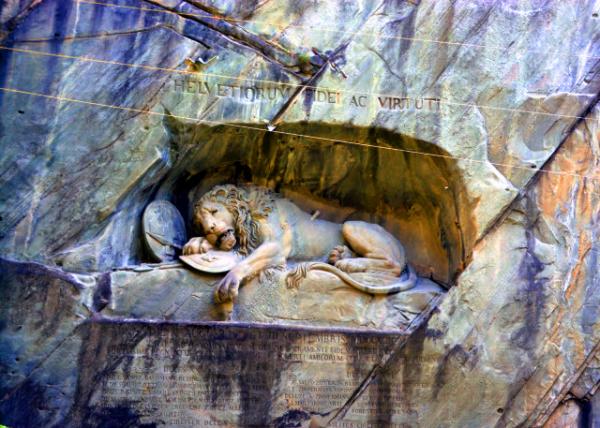 Mortally-Wounded Lion by Lukas Ahorn, Lion Monument
(獅子紀念碑──盧卡斯·阿霍恩“光明·楓樹”設計的《垂死獅子》) 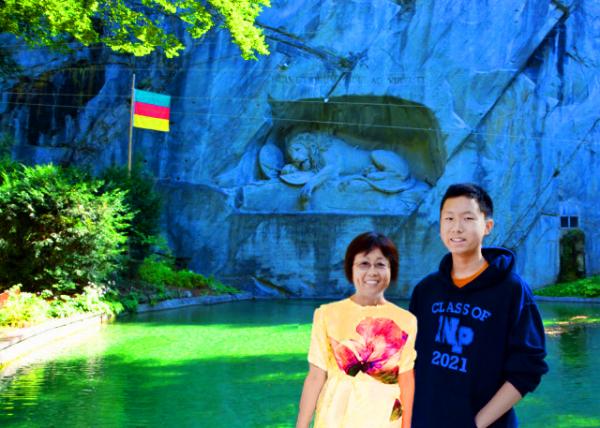 Helvetiorum Fidei ac Virtuti or To the Loyalty & Bravery of the Swiss
(“獻給瑞士人的忠誠和勇敢” 08-23-2017) 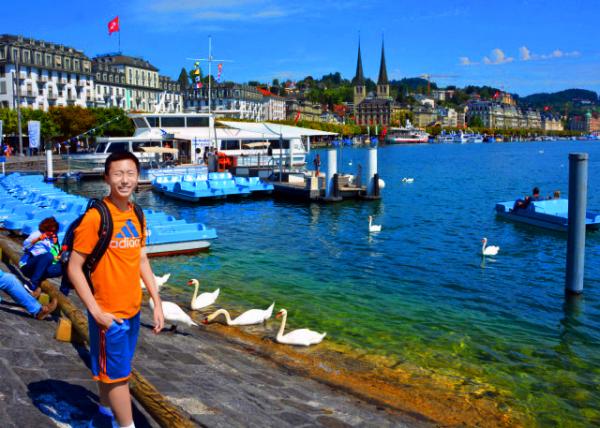 Hofkirche St. Leodegar Viewed from Seebrücke
(從湖畔橋遠望聖利奧德加“人民之矛”宮廷教堂 08-23-2017) 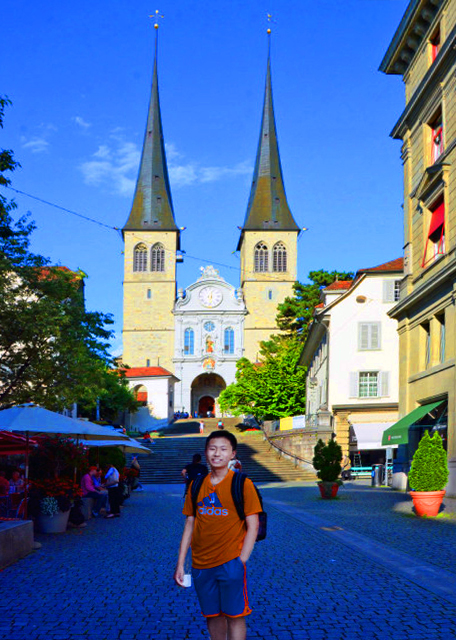
Hofkirche St. Leodegar, the Late Renaissance Architecture (聖利奧德加宮廷教堂·晚期文藝復興建築 08-23-2017) 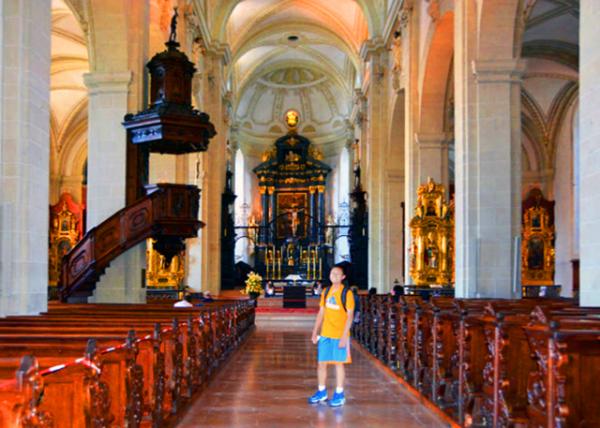 Church of St. Leodegar, Featuring a Stunning High Altar Made of Black Unterwalden Marble, Elaborate Choir Stalls, & Intricate Wood Carvings @ the Entrance Depicting Lucerne’s Patron Saints
(聖利奧德加宮廷教堂·黑色下瓦爾登“森林下方”大理石製成的宏偉主祭壇、精緻的唱詩班席位,以及入口處描繪盧塞恩守護聖人的複雜木雕 08-23-2017) 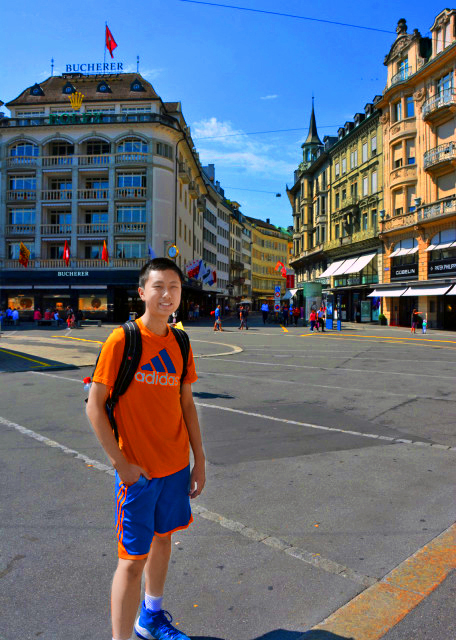
Bucherer, the Swiss Luxury Retailer (寶齊萊“山毛櫸樹”·瑞士奢侈品零售商 08-23-2017) 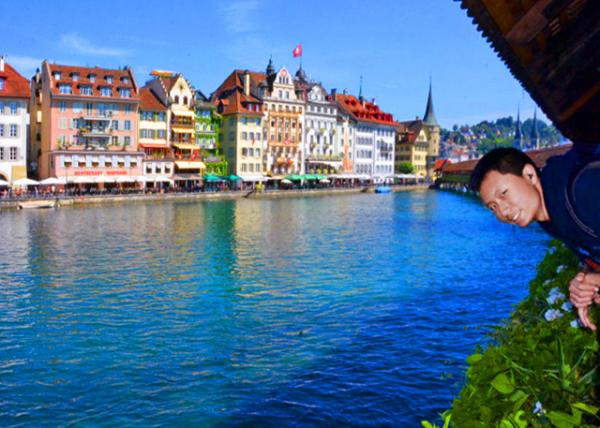 Reuss River Viewed from Chapel Bridge
(從教堂橋近觀羅伊斯河 08-23-2017) 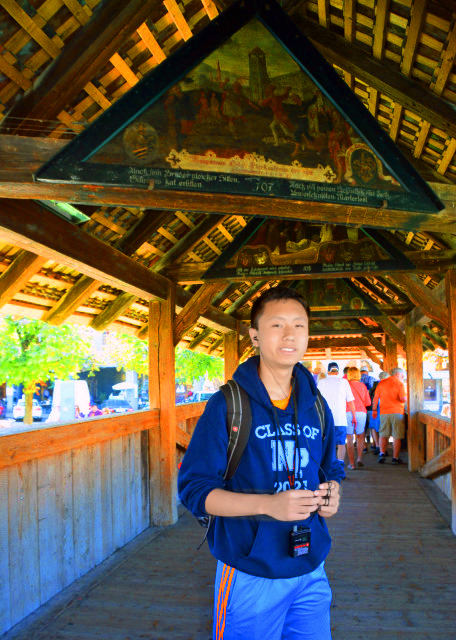
Chapel Bridge, the Oldest Surviving Truss Bridge in the World & Europe's Oldest Covered Wooden Bridge, Originally Built in 1333 (始建於1333年的教堂橋·世界上現存最古老的桁架橋,也是歐洲最古老的木廊橋 08-23-2017)
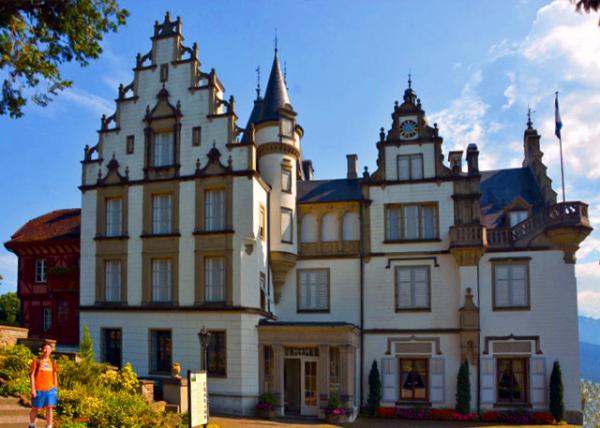 Façade of Schloss Meggenhorn
(梅根霍恩“強大海岬”城堡·正面觀 08-23-2017) 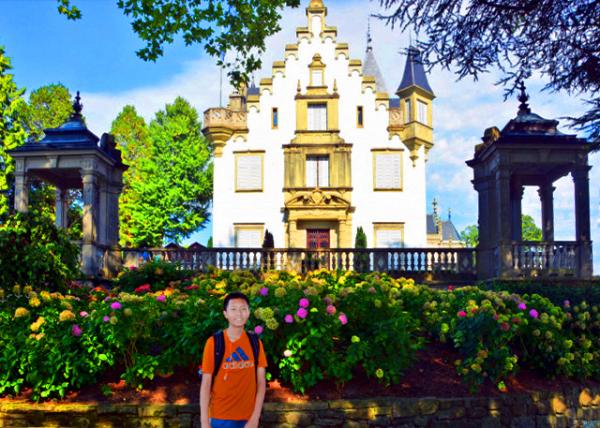 Garden Turrets of Schloss Meggenhorn
(梅根霍恩城堡·花園角塔 08-23-2017) 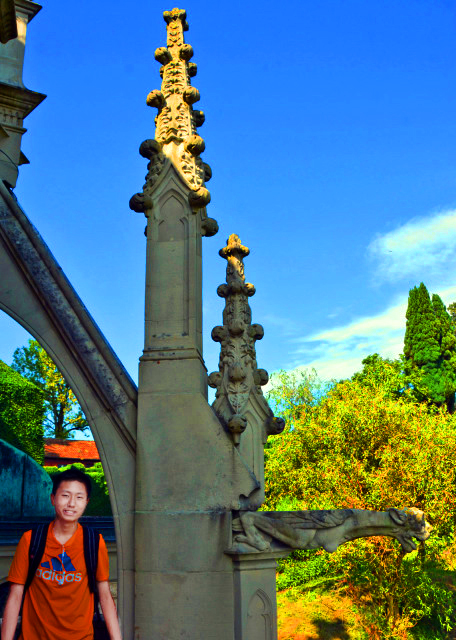
Flying Buttressesof Schloss Meggenhorn (梅根霍恩城堡·飛扶壁 08-23-2017) 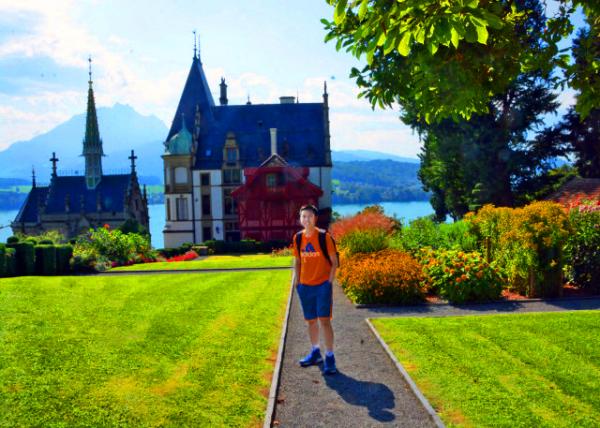 Garden of Schloss Meggenhorn
(梅根霍恩城堡·花園 08-23-2017) 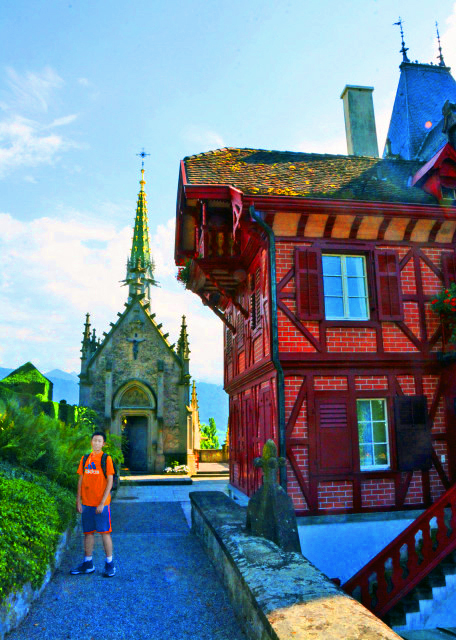
Chapel of Schloss Meggenhorn (梅根霍恩城堡·禮拜堂 08-23-2017) 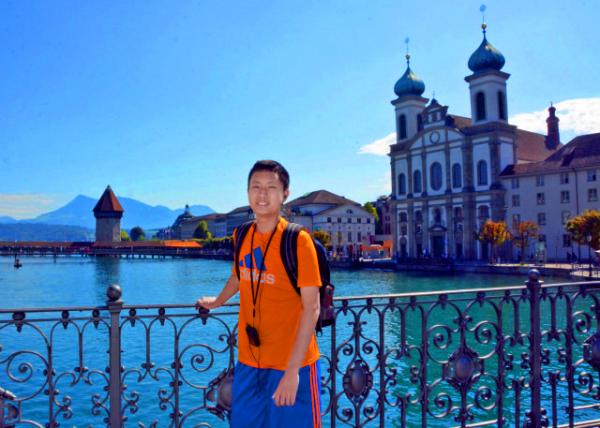 Jesuitenkirche, the 1st Large-scale, Sacred Baroque Bldg Constructed in Switzerland North of the Alps
(耶穌會教堂·第一座建於瑞士阿爾卑斯山脈以北的大型神聖巴洛克式建築 08-23-2017) 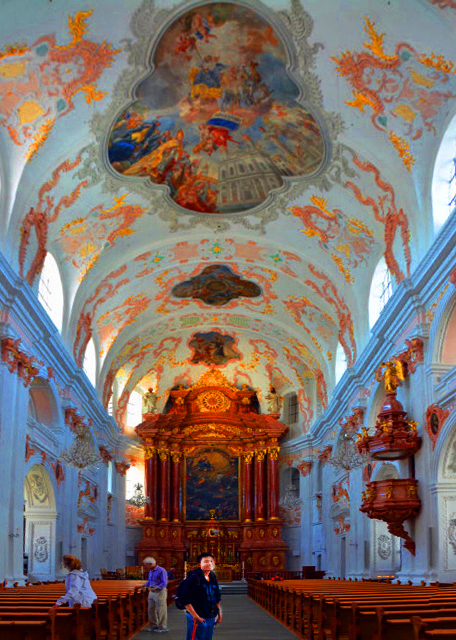
White-and-Gold Interior, a Masterpiece of Baroque and Rococo Stucco @ Jesuit Church (耶穌會教堂白金內飾·巴洛克和洛可可風格灰泥裝飾的傑作 08-23-2017) 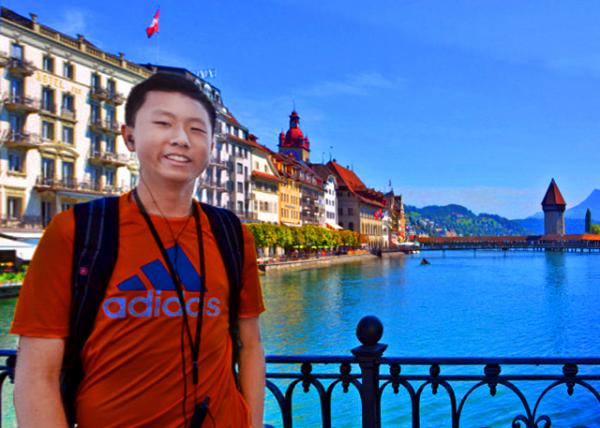 City Hall & Water Tower of Chapel Bridge over the Reuss Viewed from Reussbrücke
(從羅伊斯橋眺望羅伊斯河畔的市政廳與教堂橋水塔 08-23-2017) 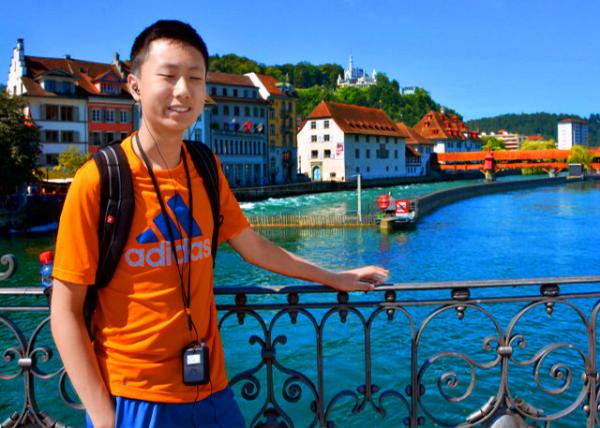 Nadelwehr or Needle Dam over the Reuss Viewed from Reussbrücke
(從羅伊斯橋眺望羅伊斯河畔的施普羅伊爾“針堰”08-23-2017) 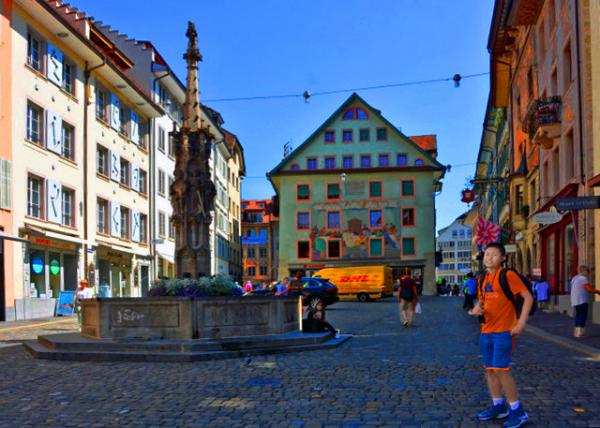 Weinmarkt Springbrunnen (葡萄酒市場·噴泉 08-23-2017)
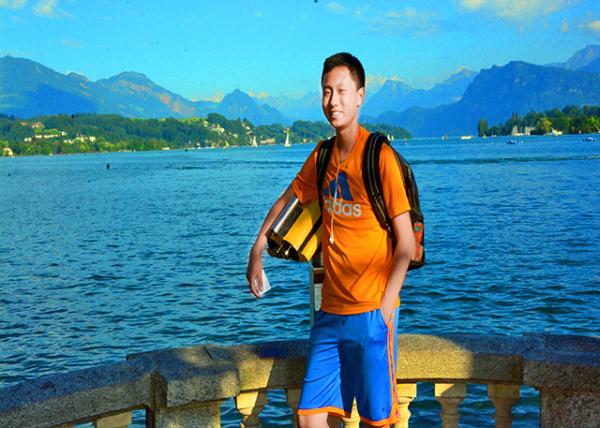 Lake Lucerne Viewed from Seebrücke
(從湖畔橋近觀盧塞恩湖 08-23-2017) 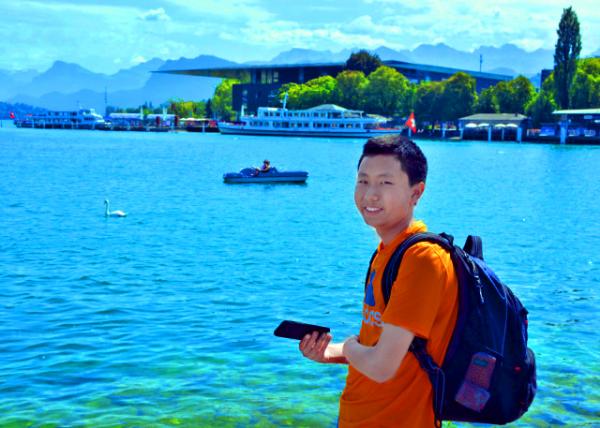 Lucerne Culture & Congress Centre
(盧塞恩文化和會議中心 08-23-2017) 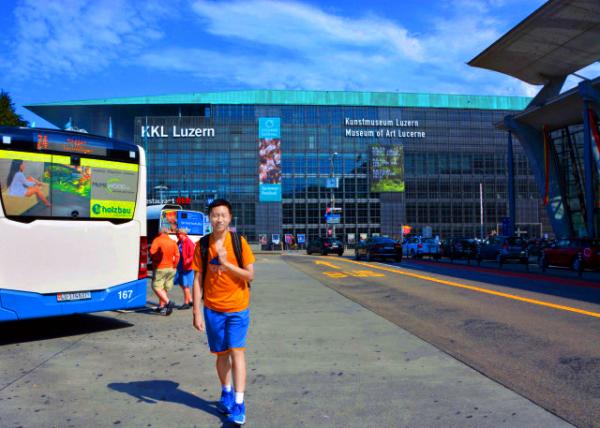 Lucerne Culture & Congress Centre
(盧塞恩文化和會議中心 08-23-2017) 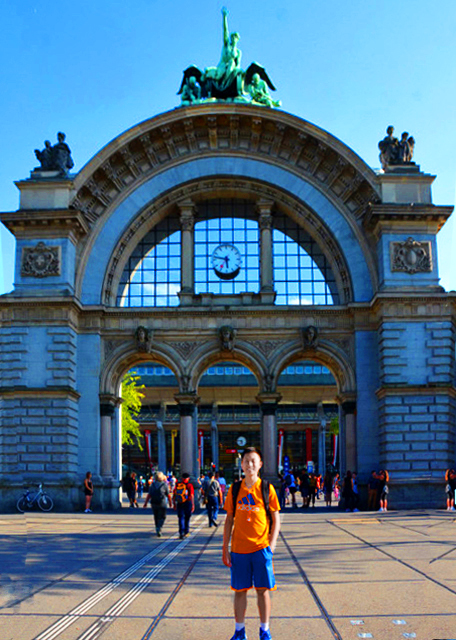
Lucerne Railway Station (盧塞恩火車站 08-23-2017) 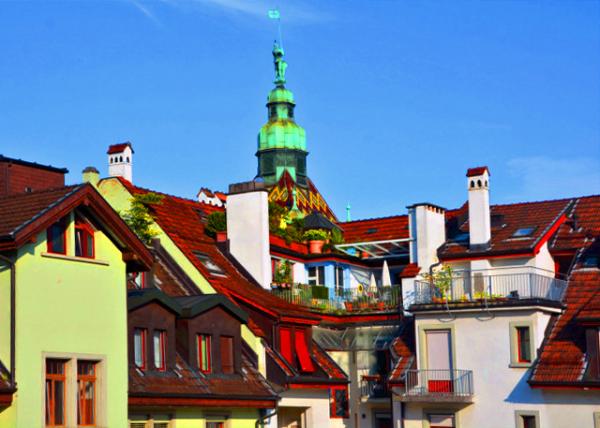 Hotel Waldstätterhof Viewed from Hotel Continental Park
(從洲際公園酒店近觀瓦爾德施泰特霍夫“四個森林州湖即琉森湖”酒店) 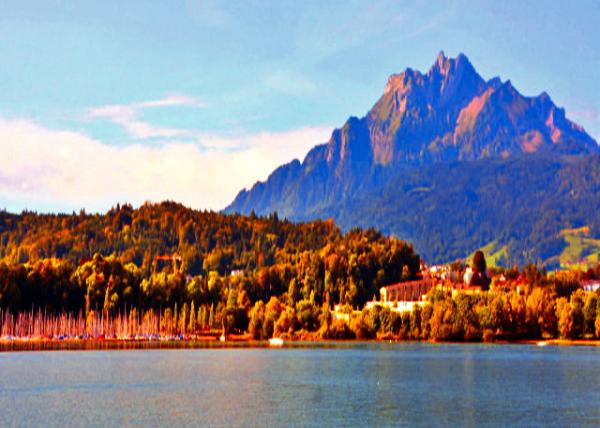 Ufschötti Park (烏夫舍蒂“堤岸”公園)
Crosslinks(相關博文): Switzerland(出遊瑞士)
Europe(歐洲掠影) 8th Grade(初中三年級) |