2019-07-23
【You say…】 You say that you love rain, But you open your umbrella when it rains… You say that you love the sun, But you find a shadow spot when the sun shines… You say that you love the wind, But you close your windows when the wind blows… This is why I am afraid; You say that you love me too… —— • —— • —— • —— • —— • —— • —— • —— 【五言诗版】 恋雨偏打伞,爱阳却遮凉。 风来掩窗扉,叶公惊龙王。 片言只语短,相思缱倦长。 郎君说爱我,不敢细思量。
—— • —— • —— • —— • —— • —— • —— • —— 【普通翻译版】 你说你喜欢雨, 但是下雨的时候你却撑开了伞; 你说你喜欢阳光, 但当阳光播撒的时候, 你却躲在阴凉之地; 你说你喜欢风, 但清风扑面的时候, 你却关上了窗户。 我害怕你对我也是如此之爱。
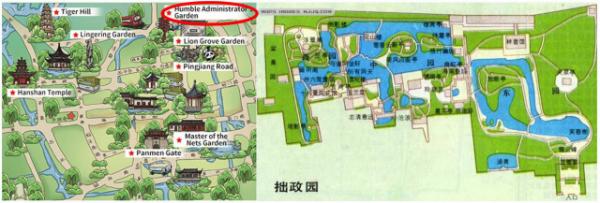
【注】拙政园是苏州四大名园之首,也是中国私家园林的登峰造极之作。明正德四年,御史王献臣仕途失意,罢官归乡,将一片寺院废墟购下,请文徵明参与设计,历时10余年,筑成这座寄托文人理想的精神家园。园名取自潘岳《闲居赋》——“灌园鬻蔬,此亦拙者之为政也”,是对仕途坎坷的自嘲,也是对归隐田园的告白。400多年来,园子几经易主,屡废屡兴,每一次更迭都留下新的印记,使它愈加丰富。 园中水面约占五分之三,夏日荷花开遍,清香四溢;池水环环相扣,时而开阔如湖,时而狭窄成溪,倒映着岸边的亭台楼阁,虚实相生。桥有平直的石板桥,有优美的拱桥,也有九曲回廊,让人慢慢走,不忍离去。远香堂、荷风四面亭、小沧浪、见山楼——每座建筑都与山水融为一体。窗是特意“借景”的,透过窗棂,正好看见远处的亭台、水中的倒影、天际的云霞,框出一幅幅活动的画。小径蜿蜒曲折,一步一景,移步换景,处处有惊喜。 我站在远香堂前,看水面上的荷花静静开着。风来时,荷叶轻轻晃动,像在说些什么,又像什么都不必说。400多年前,王献臣也曾站在这里,他看的或许不是园子有多美,而是他终于可以不必再周旋于仕途了。一个人要在仕途上走到尽头,才能开始一座园子;要在得失之间反复跌撞,才读得懂那句“拙者之为政”。拙政园不是造给世人看的,是造给终于放下的自己住的。我走在石桥上,坐在水榭里,一点点明白:有些路走不通,是可以不走的;有些事情做不成,是可以不做的。它从不言语,可你待久了,它会用荷风、水影、石径替你松绑——把你从“非做成不可”的执念里,轻轻地接出来。 2000年,拙政园被联合国教科文组织纳入《世界遗产名录》。 Today in History(历史上的今天):
2019: Suzhou—Lion Grove Garden, China(苏州狮子林) 2019: Suzhou Quirky Potpourris, China(苏州—姑苏奇葩)
2015: PSC B-Ball Camp─Layup(费城运动俱乐部篮球营─上篮) 2014: Pokémon-II(《神奇宝贝》之二) 2010: 学以致用(Learn towards Practice) 2009: 下棋(Board Games)
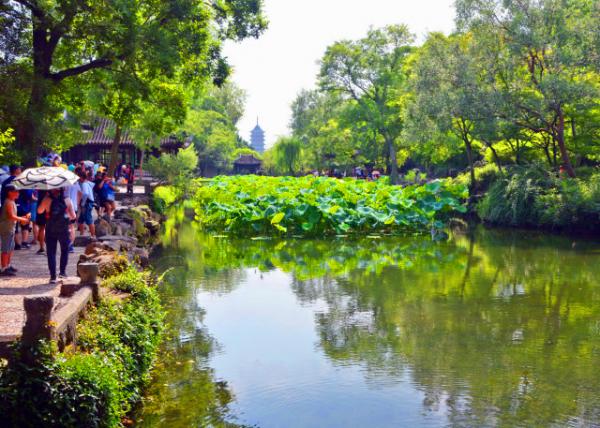 Central Garden (借景园) Central Garden (借景园)
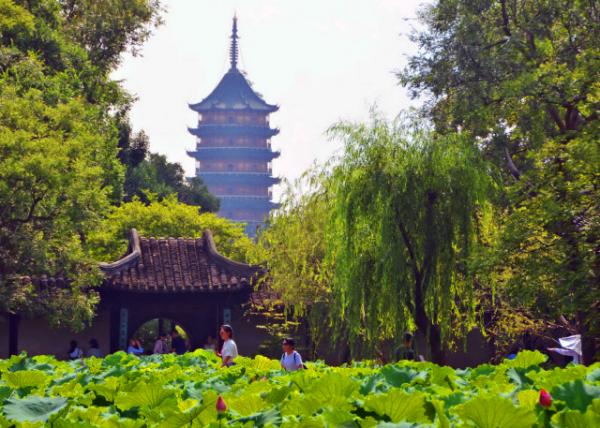 North Temple Pagoda Seen from Central Garden North Temple Pagoda Seen from Central Garden
(借景园外北寺塔) 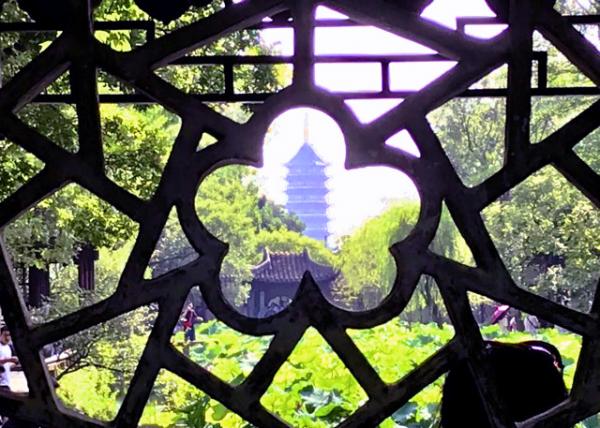 North Temple Pagoda (北寺塔) North Temple Pagoda (北寺塔)
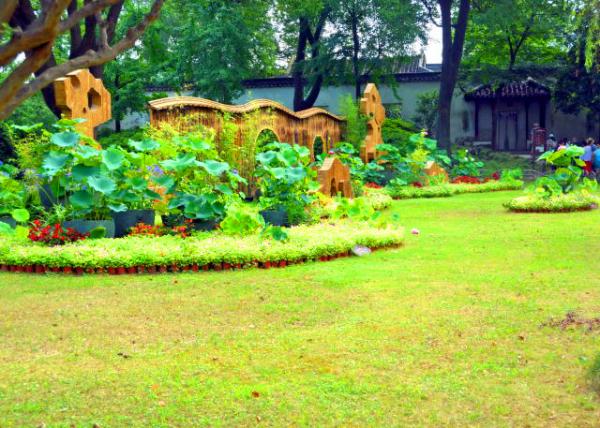 Bonsai Garden (盆景园) Bonsai Garden (盆景园)
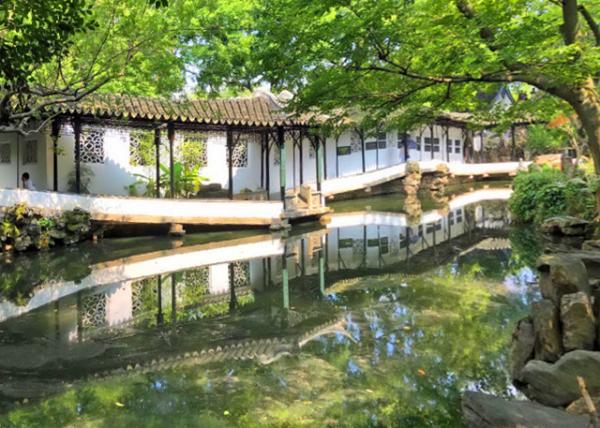 Above-Water Corridor (波形廊) Above-Water Corridor (波形廊)
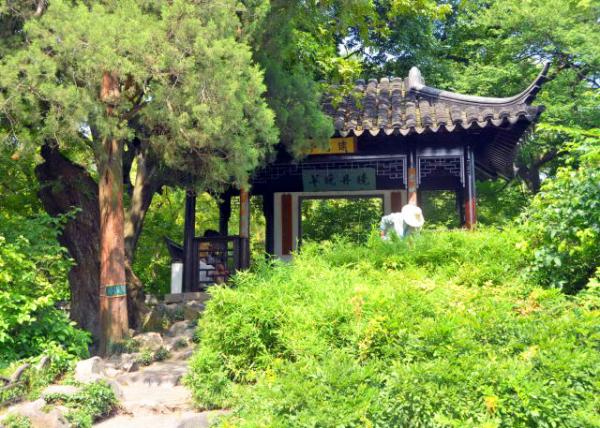 Charm-and-Beauty Pavilion (绣绮亭) Charm-and-Beauty Pavilion (绣绮亭)
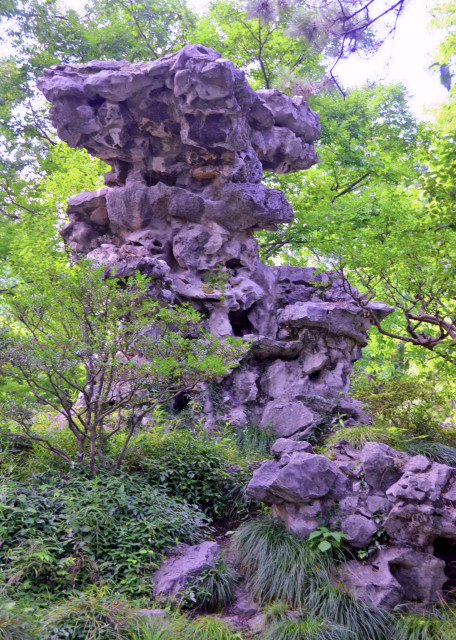
Cloud-embellished Peak (缀云峰) 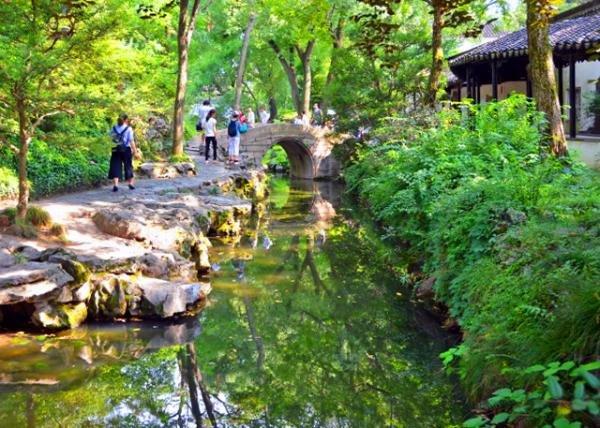 Backdrop of 1987 TV Dram Series “Dream of the Red Chamber” Backdrop of 1987 TV Dram Series “Dream of the Red Chamber”
(1987年电视剧《红楼梦》取景地·黛玉葬花桥) 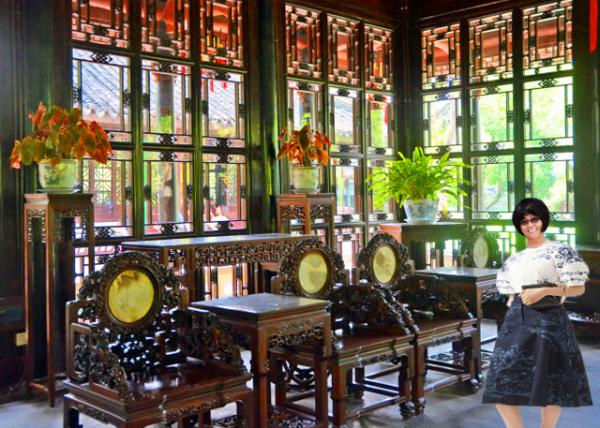 Drifting Fragrance Hall (远香堂 07-23-2019) Drifting Fragrance Hall (远香堂 07-23-2019)
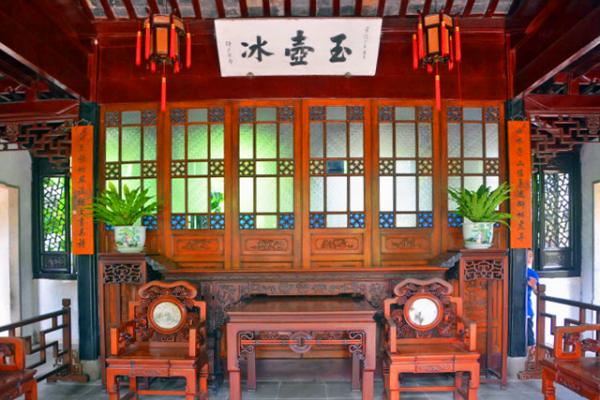 Elegant House (玲珑馆) Elegant House (玲珑馆)
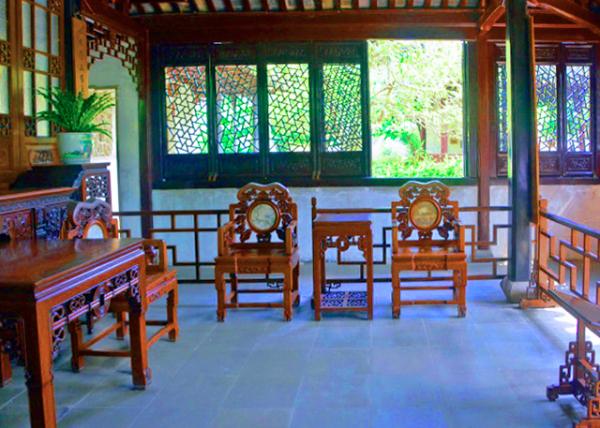 Elegant House, Featuring Curved Wooden Structures, Latticed Windows, & Verandas Elegant House, Featuring Curved Wooden Structures, Latticed Windows, & Verandas
(玲珑馆·拥有弧形木结构、格子窗和阳台) 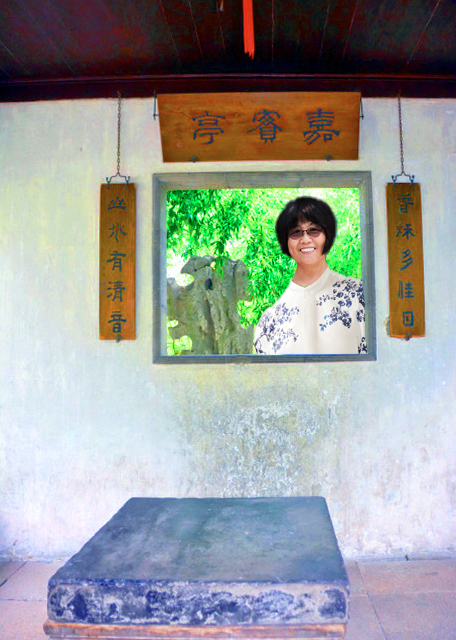
Excellent Fruit Pavilion (嘉实亭 07-23-2019) 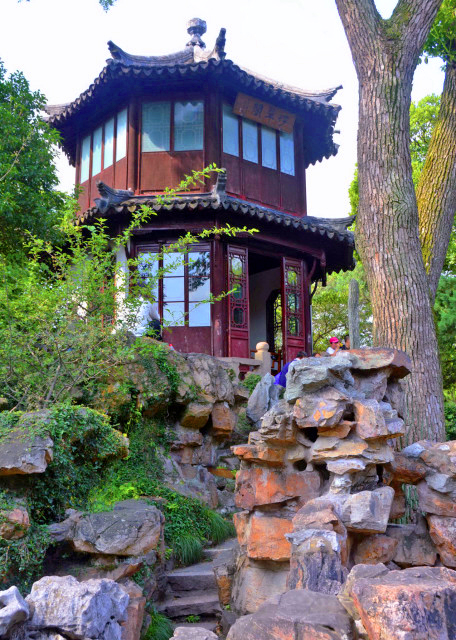
Floating Verdure Tower Having a Hipped Gable Roofline w/ Flying Eaves (浮翠閣·拥有四坡屋顶和飞檐) 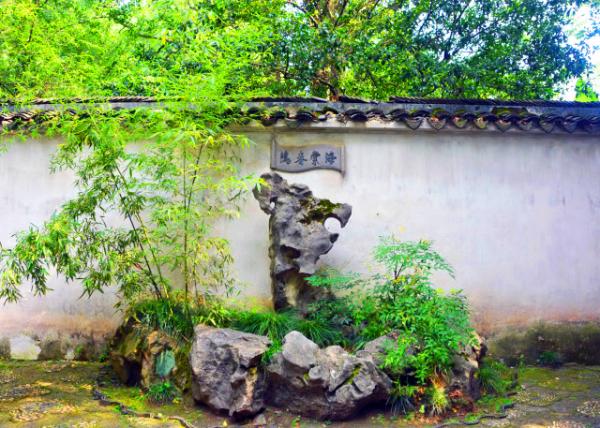 Flowering Crabapple's Spring Bedding (海棠春坞) Flowering Crabapple's Spring Bedding (海棠春坞)
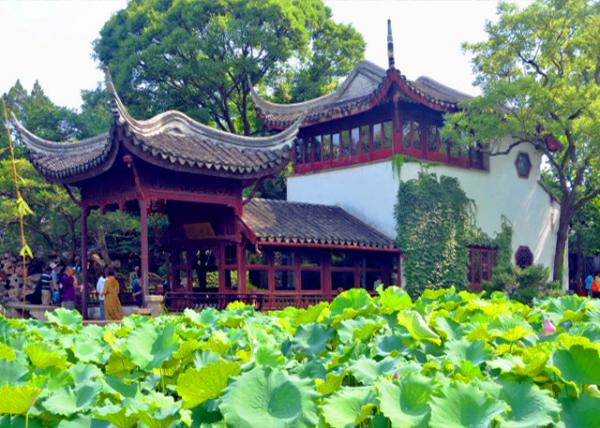 Hall of 18 Camellias, Originating in the Ming Dynasty & Representing the Peak of Garden Art Hall of 18 Camellias, Originating in the Ming Dynasty & Representing the Peak of Garden Art
(十八曼陀罗花馆·起源于明代,代表了园林艺术的巅峰) 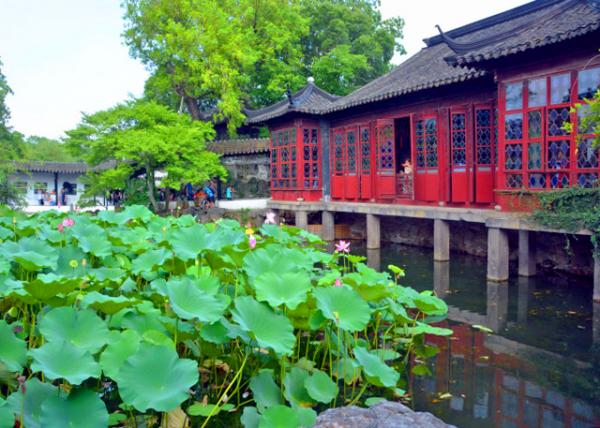 Hall of 18 Camellias, w/ Halls & Pavilions Artfully Arranged around Water & Hills Hall of 18 Camellias, w/ Halls & Pavilions Artfully Arranged around Water & Hills
(十八曼陀罗花馆·殿堂亭台巧妙地围绕着水和山而建) 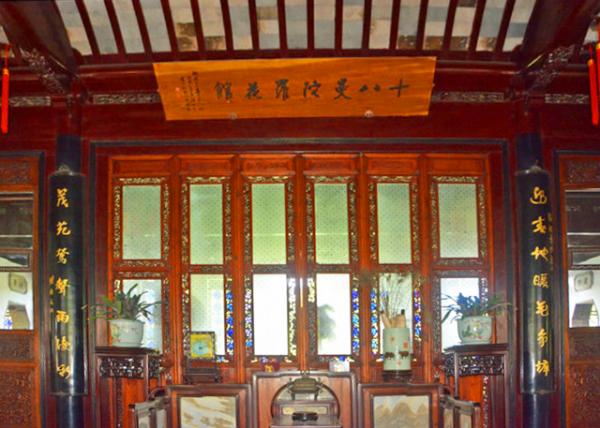 Hall of 18 Camellias, Offering a Tranquil Space to Experience the Fragrance of Camellias, Especially during Winter & Spring @ the Blooming Seasons Hall of 18 Camellias, Offering a Tranquil Space to Experience the Fragrance of Camellias, Especially during Winter & Spring @ the Blooming Seasons
(十八曼陀罗花馆·提供宁静的空间以体验曼陀罗花的芬芳,尤其在冬春两季曼陀罗花盛开的时候) 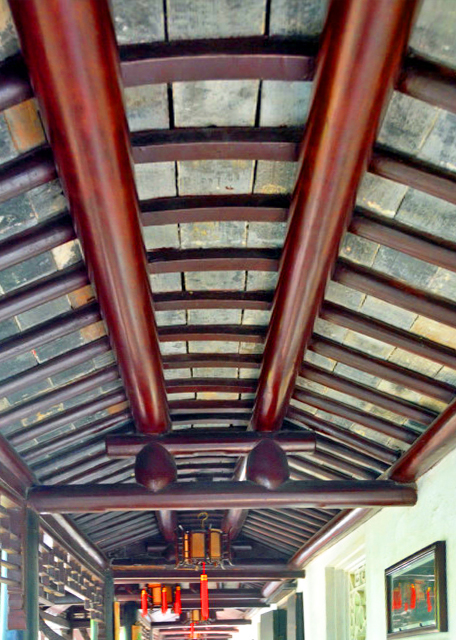
Veranda of 18 Camellias Hall (十八曼陀罗花馆·长廊) 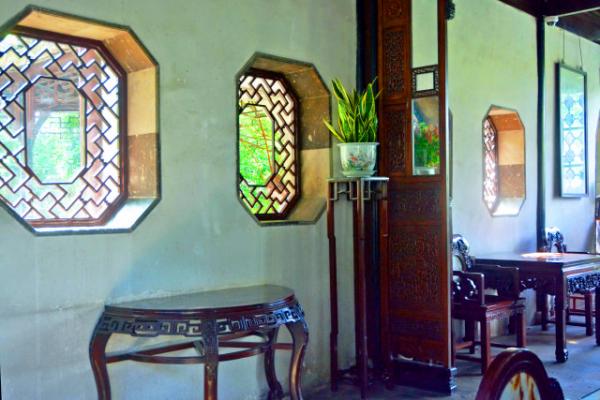 Lattice Window of 18 Camellias Hall (十八曼陀罗花馆·花窗) Lattice Window of 18 Camellias Hall (十八曼陀罗花馆·花窗)
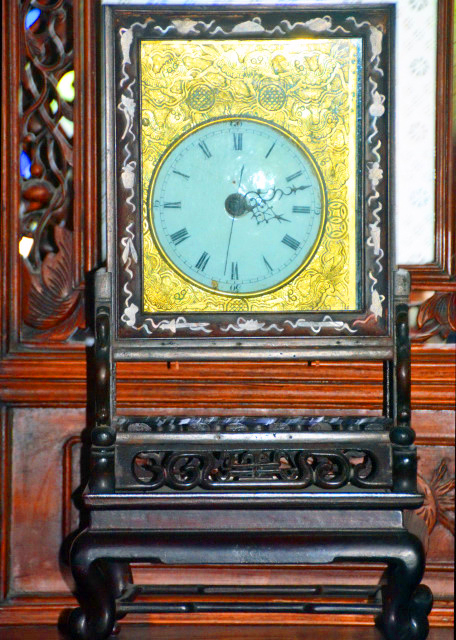
The Clock of 18 Camellias Hall (十八曼陀罗花馆·钟表) 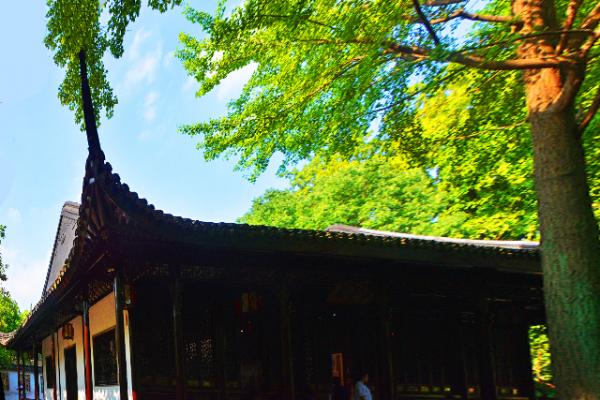 Grain Fragrance Hall, a Prime Spot to Experience Suzhou's Refined Landscape Art, Linking to Poetic Ideals of Noble Character & Harmonious Living Grain Fragrance Hall, a Prime Spot to Experience Suzhou's Refined Landscape Art, Linking to Poetic Ideals of Noble Character & Harmonious Living
(秫香馆·体验苏州精致园林艺术的绝佳去处,与高尚品格同和谐生活的诗意理想紧密相连) 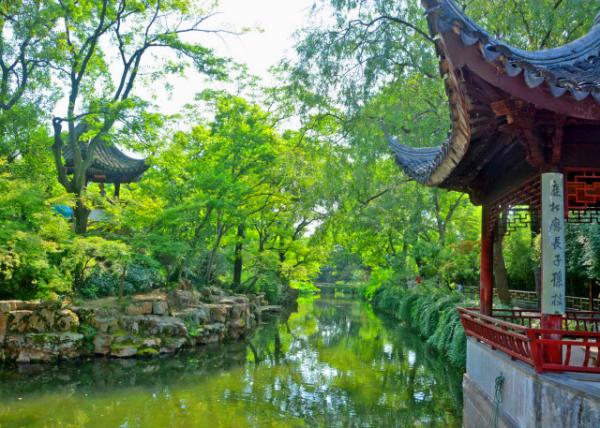 Green Ripples Pavilion, Dwelling Upon Return to the Countryside Green Ripples Pavilion, Dwelling Upon Return to the Countryside
(綠漪亭·回归乡村的居所) 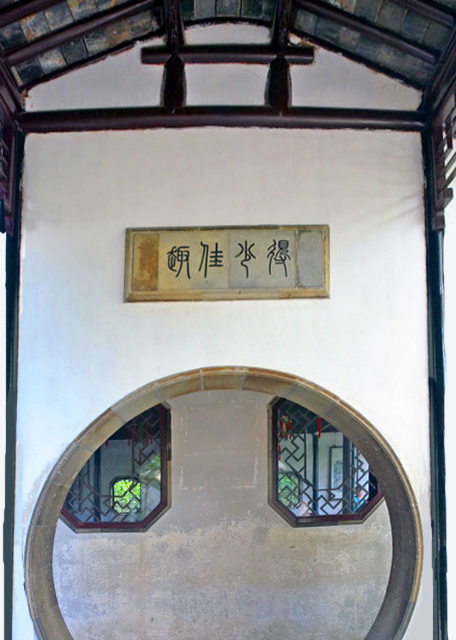
Hall of 36 Pairs of Mandarin Ducks (卅六鸳鸯馆·得少佳趣) 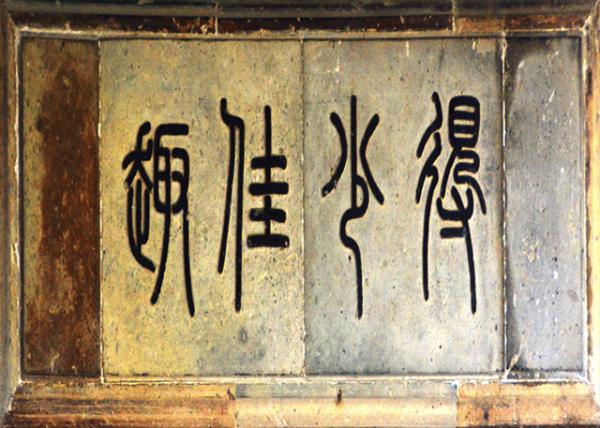 Hall of 36 Pairs of Mandarin Ducks Hall of 36 Pairs of Mandarin Ducks
(卅六鸳鸯馆·得少佳趣) 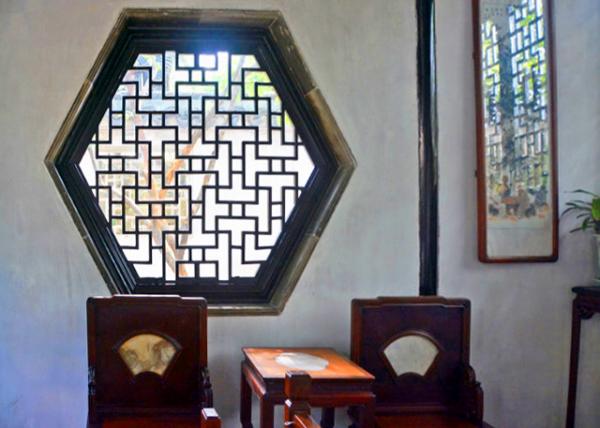 Lattice Window @ Hall of 36 Pairs of Mandarin-Ducks Lattice Window @ Hall of 36 Pairs of Mandarin-Ducks
(卅六鸳鸯馆·花格窗) 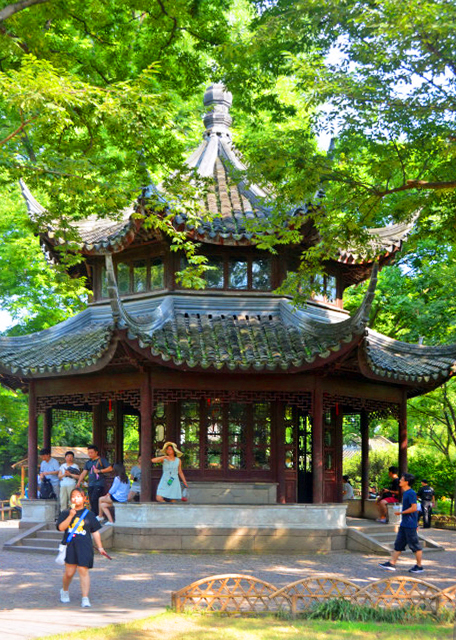
Octagonal Tented Roof of Heavenly Spring Pavilion (天泉亭·八角攒尖顶) 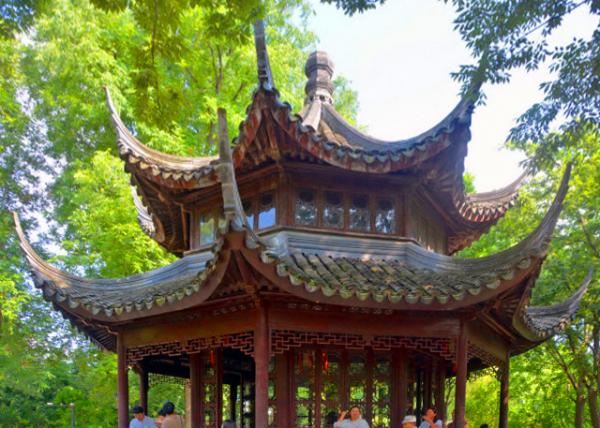 Octagonal Tented Roof of Heavenly Spring Pavilion Octagonal Tented Roof of Heavenly Spring Pavilion
(天泉亭·八角攒尖顶) 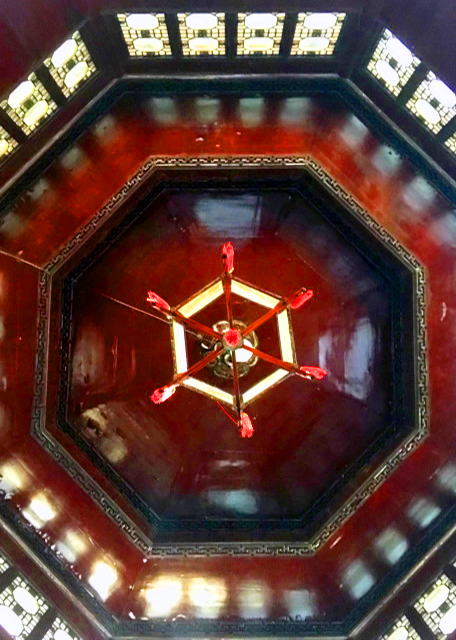
Ceiling of the Heavenly Spring Pavilion (天泉亭·天篷) 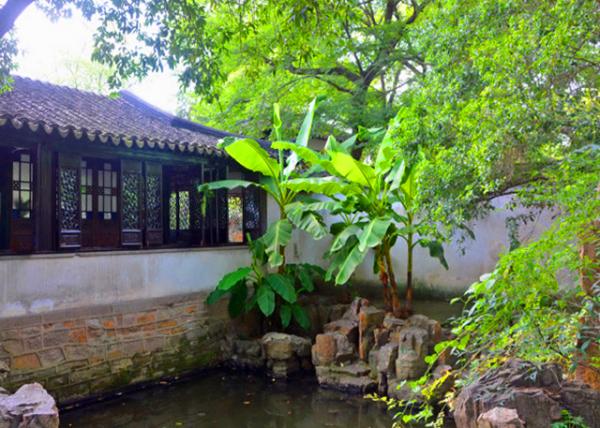 Rain Listening Pavilion by a Pond (池塘边听雨轩) Rain Listening Pavilion by a Pond (池塘边听雨轩)
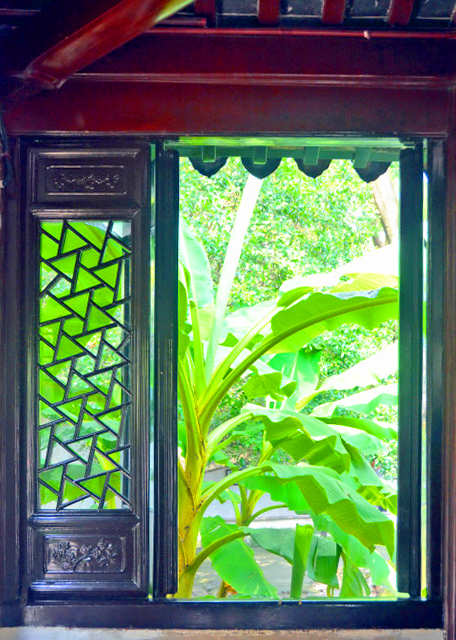
Window of Rain Listening Pavilion w/ Primarily the Broad-Leafed Musa basjoo (Chinese Banana) (听雨轩窗户·主要透视出宽叶芭蕉“中国芭蕉”) 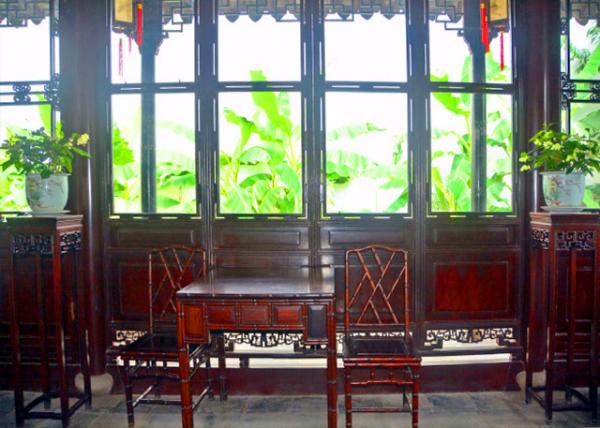 Rain Listening Pavilion Allowing Visitors to Enjoy the Tranquil Sound of Rain Rain Listening Pavilion Allowing Visitors to Enjoy the Tranquil Sound of Rain
(听雨轩·让来客享受宁静的雨声) 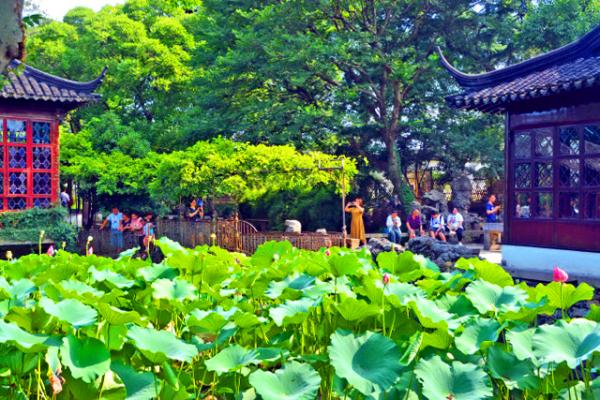 Longevity Bridge, the Republic Relic of Iron Railings Longevity Bridge, the Republic Relic of Iron Railings
(民国旧物铁栏杆·“益寿延年”万寿桥) 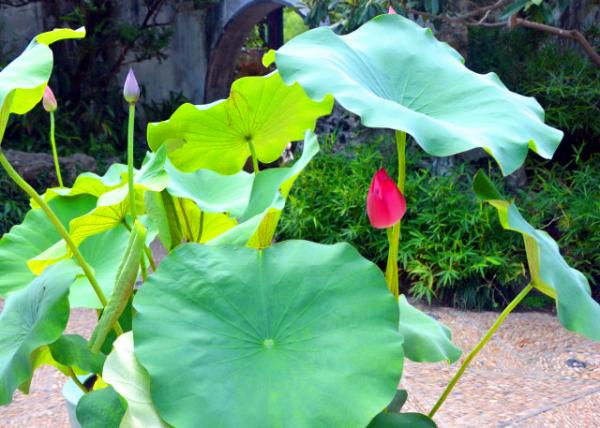 Lotus (荷花) Lotus (荷花)
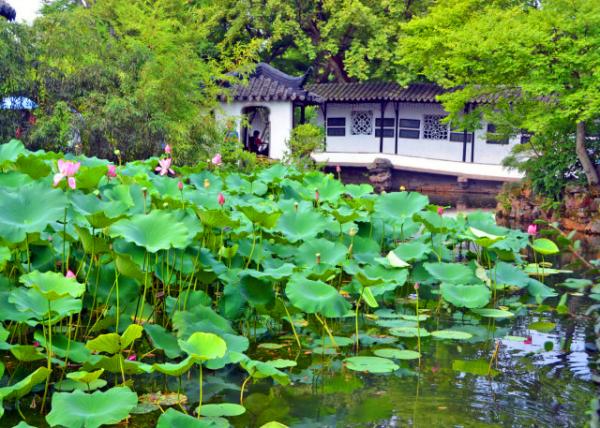 Magnolia Hall or Flower Hall (玉兰堂·花室) Magnolia Hall or Flower Hall (玉兰堂·花室)
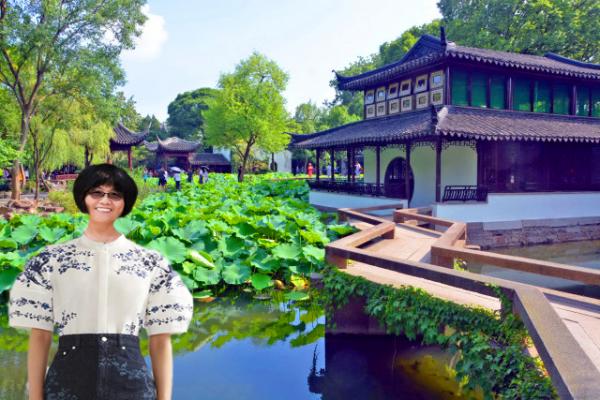 Mountain Villa w/ Embracing Beauty Mountain Villa w/ Embracing Beauty
(环秀山庄 07-23-2019) 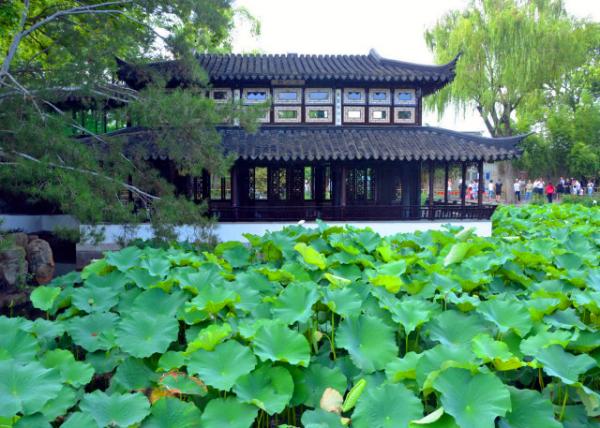 Mountain-in-View Tower (山景楼) Mountain-in-View Tower (山景楼)
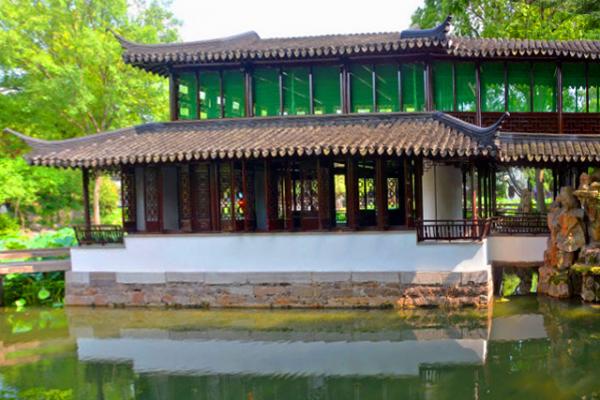 Veranda of Mountain-in-View Tower (山景楼·长廊) Veranda of Mountain-in-View Tower (山景楼·长廊)
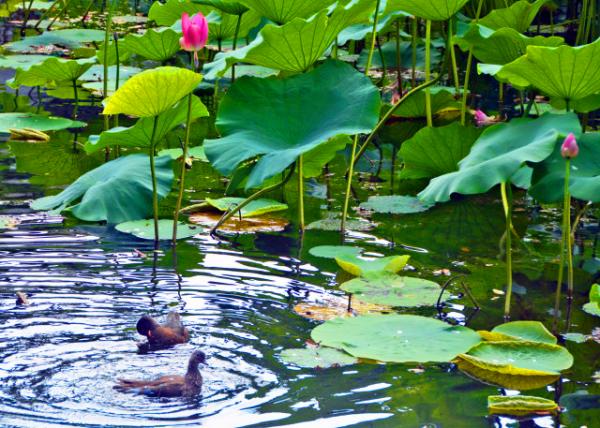 Mandarin Ducks (鸳鸯) Mandarin Ducks (鸳鸯)
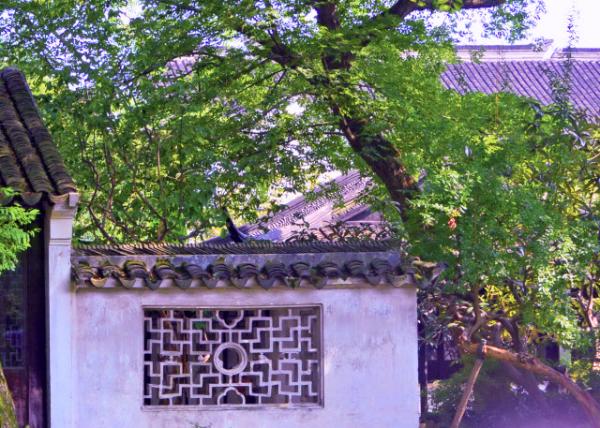 Ornamental Perforated Window Serving as Decorative "Picture Frames" Ornamental Perforated Window Serving as Decorative "Picture Frames"
(漏窗·提供框景) 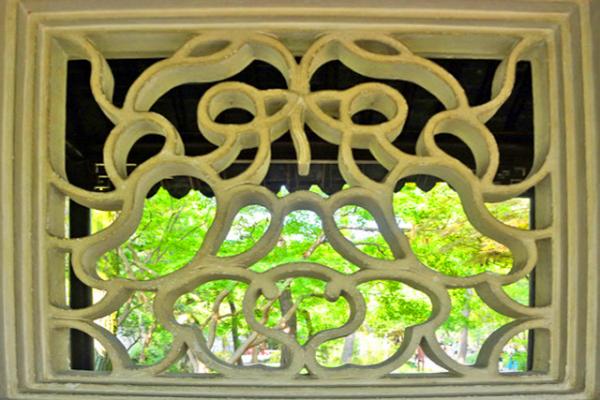 Ornamental Perforated Window w/ Leaking Scenery Ornamental Perforated Window w/ Leaking Scenery
(漏窗·透出风景) 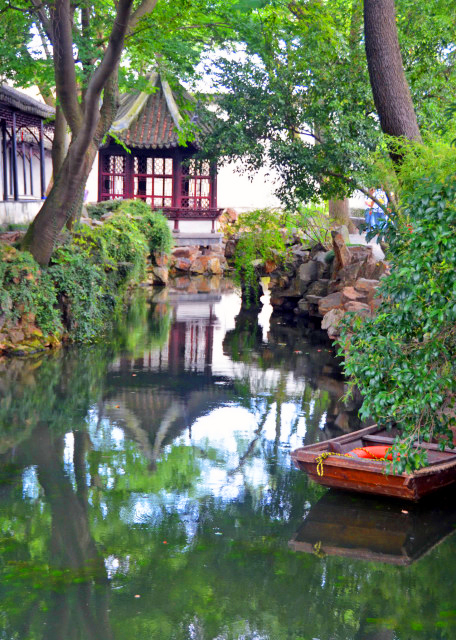
Pagoda Reflection Pavilion w/ Borrowed Scenery (塔影亭·借景) 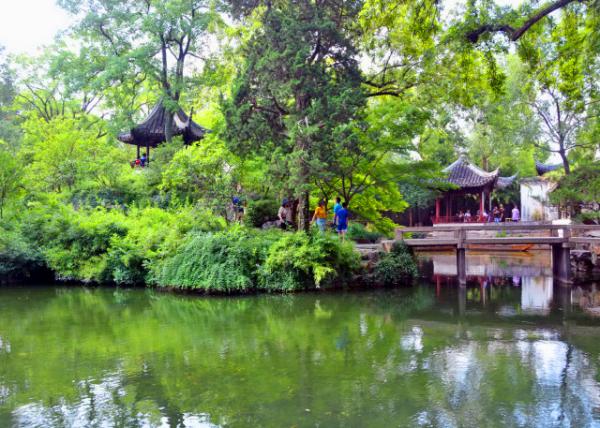 Pagoda Reflection Pavilion w/ Art of Borrowed View Pagoda Reflection Pavilion w/ Art of Borrowed View
(塔影亭·借景艺术) 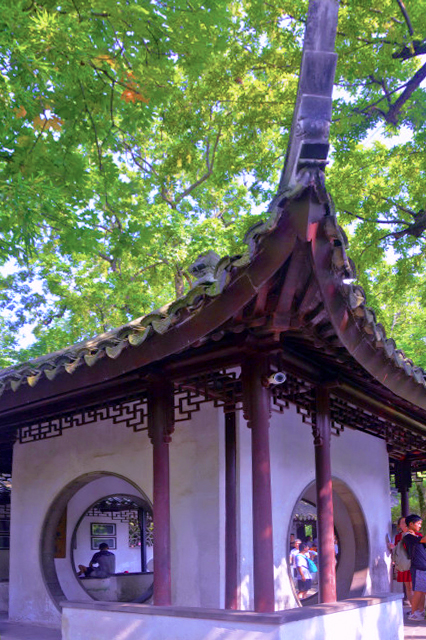
Secluded Pavilion of Phoenix Tree and Bamboo, Backing against the Corridor & Confronted w/ a Pond (梧竹幽居·背靠回廊,面朝池塘) 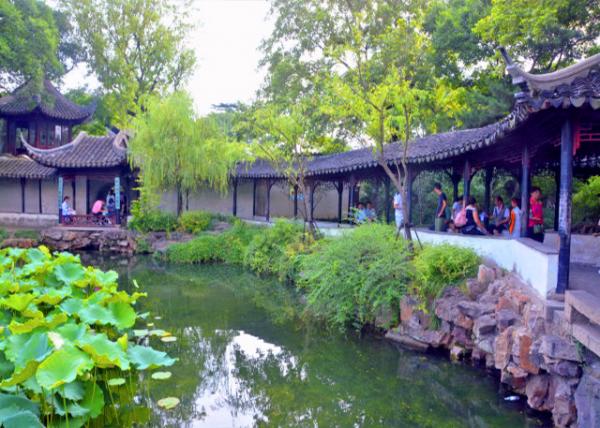 Rainbow Embraced Pavilion & Above-Water Corridor, Representing Ancient Chinese Scholarly Ideals of Harmonizing w/ Nature Rainbow Embraced Pavilion & Above-Water Corridor, Representing Ancient Chinese Scholarly Ideals of Harmonizing w/ Nature
(倚虹亭与波形廊·表现中国古代骚人墨客与自然和谐相处的理念) 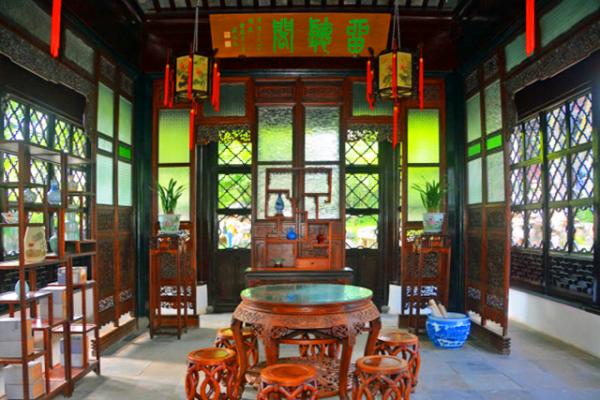 Stay-and-Listen Parlour Mainly Focused on Rain Watching Stay-and-Listen Parlour Mainly Focused on Rain Watching
(留听阁·主要用于观赏雨景) 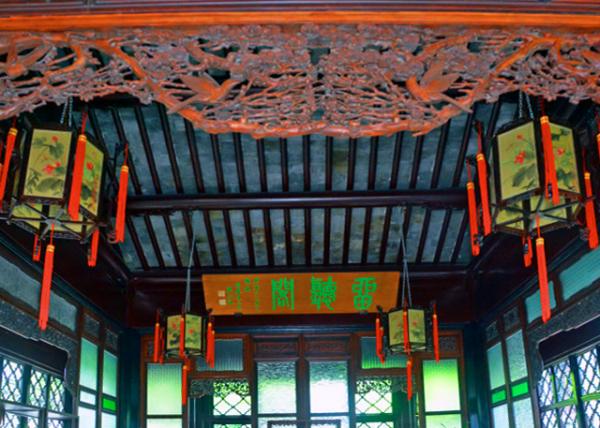 Decorative Roof of Stay-and-Listen Parlour Decorative Roof of Stay-and-Listen Parlour
(留听阁·装饰性屋顶) 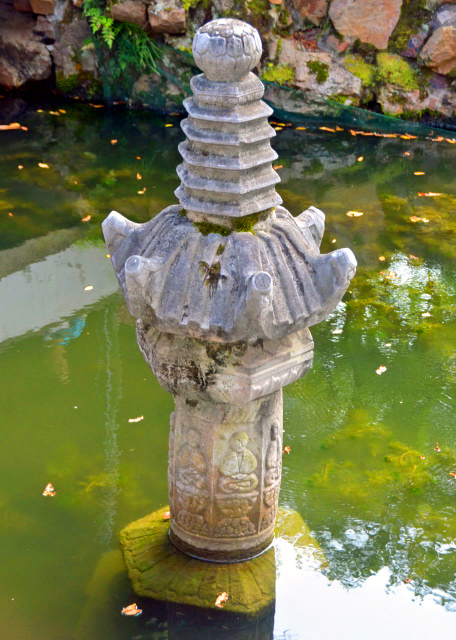
Sutra Pillar, Helping Sentient Beings Accumulate Merit & Alleviating Suffering (经幢·帮助众生积累功德,减轻痛苦) 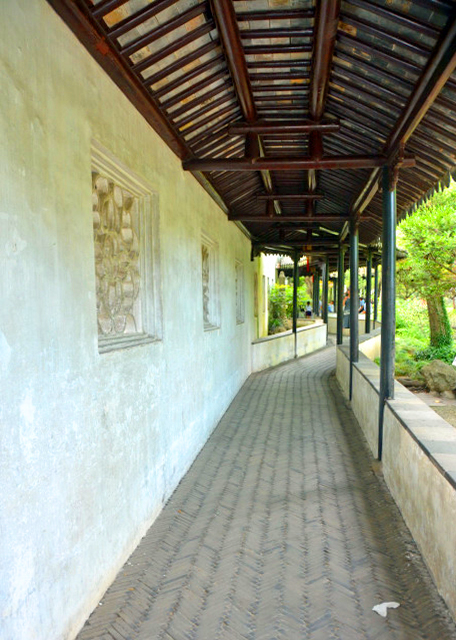
Veranda & Tracery Window (回廊和花窗) 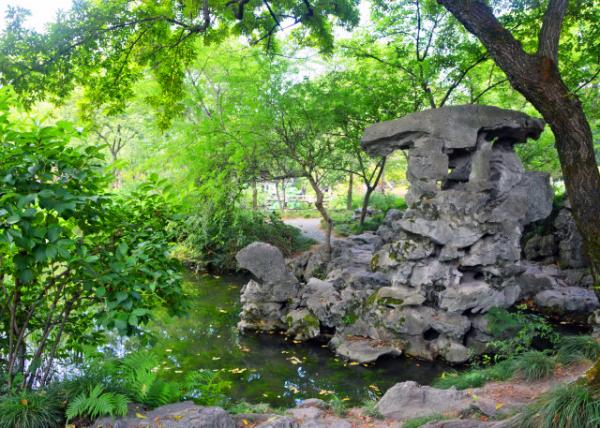 Taihu Rockery (太湖石假山) Taihu Rockery (太湖石假山)
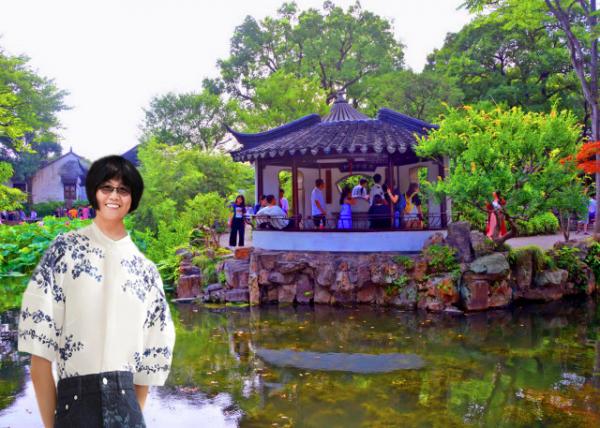 Whom-to-Sit-with Pavilion Whom-to-Sit-with Pavilion
(与谁同坐轩·与谁同坐?明月清风我 07-23-2019) 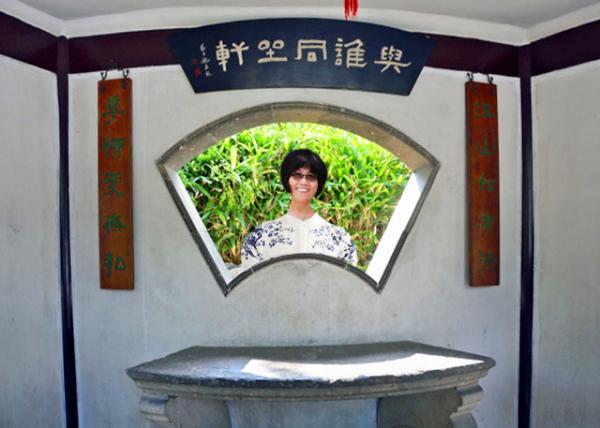 Whom-to-Sit-with Pavilion Whom-to-Sit-with Pavilion
(与谁同坐轩·与谁同坐?明月清风我 07-23-2019) 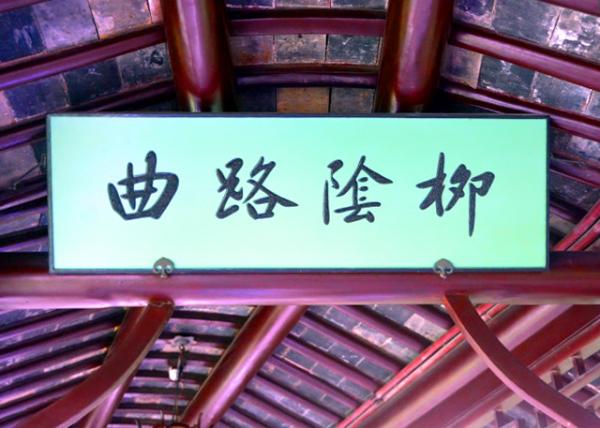 Willows' Shade and Winding Path (柳荫路曲) Willows' Shade and Winding Path (柳荫路曲)
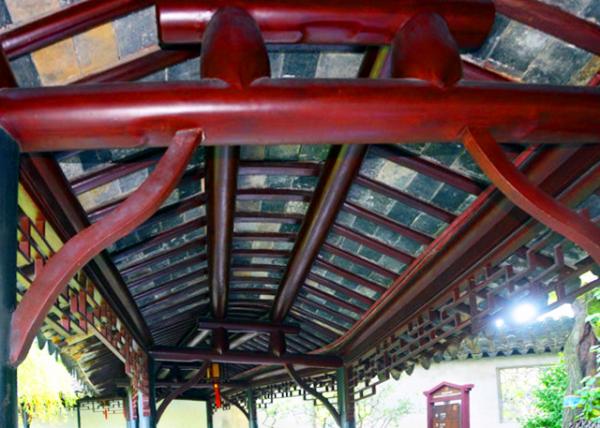 Willows' Shade and Winding Path, Creating a Contemplative Journey through Nature's Microcosm Using Curvilinear, Covered Walkways Meandered around Ponds, Rocks, & Pavilions Willows' Shade and Winding Path, Creating a Contemplative Journey through Nature's Microcosm Using Curvilinear, Covered Walkways Meandered around Ponds, Rocks, & Pavilions
(柳荫路曲·通过蜿蜒于池塘、岩石和亭台楼阁之间的曲线形有顶走廊,营造出沉思冥想的自然微观世界之旅) 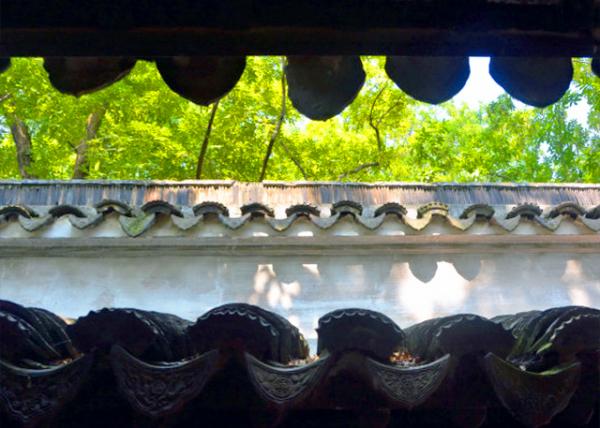 Black Tiles & Blue Bricks Black Tiles & Blue Bricks
(青砖黛瓦·花木扶苏吴侬软语)
Crosslinks(相关博文):
China(出游中国)
10th Grade(高中二年级) |