2018-07-15
【Aiden in English】
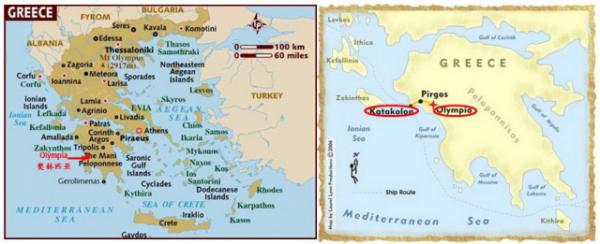
Olympia, Greece. A grand, majestic name as a center for the worship of Zeus in the 10th Century B.C. Right next to Athens and Pompeii, its appearance only grants half the fame. The legends, the history, and the secrets behind the name lend substance. It's also why everyone on board seems to be taking a tour of Ancient Olympia along the River Kladeos in the Peloponnese. So, what is Olympia? The best description would be a mix of the stones of Athens and the layout of Pompeii. It's got the architecture of an ancient Greek city, with iconic symmetrical styles in harmony. Compared to Pompeii, it's in ruins, and I thought they looked alike. Olympia consisted of Hera and Zeus' Temples, the Altis of the sanctuary to the gods, the stadium, and multiple areas for contestants to prep and wash. More stunningly, the Temple of Zeus is one of the Seven Wonders of the Ancient World, where the gold and ivory statue of the Olympian Zeus was housed. Like the other two, it was famous for being unbelievable and otherworldly. I did feel that way about Athens, but not so much about Olympia. While I enjoyed walking around, including standing on the starting line of the marble blocks after nearly 1,500 years, the area paled in comparison to the other two historic Titans. Like Pompeii, Olympia was hit by a natural disaster in the form of an earthquake. With minimal structures remaining, Olympia seemed as if a child had gone through the city of Legos and knocked everything to pieces. Most Roman bricks and Greek stones were scattered in piles, and I don't think any survived structures that stood above five feet in height. However, I suppose this place makes up for its history. It has a deep-rooted history of popularity, dating back to 776 BC, when the first Olympic Games were held, hence the name. In the Archaeological Museum, we can trace parts of the pediment from the Temple of Zeus, including scenes that commemorate Pelops' chariot race and illustrate the mythical war between the Centaurs and the Lapiths. With no surprise, the figures of the Hermes of Praxiteles and the Winged Victory or Nike of Panionios were inscribed on all the 2004 Olympic medals. In addition, a "Miltiades" helmet once belonged to the commander whose forces defeated the Persians of Darius I at Marathon. While the Olympic Games have captured the world for almost three thousand years, it all began in a small oval stadium in the middle of nowhere. Ironically, its popularity is also its downfall, with no country wanting to spend the money on hosting. Overall, I would have to say Olympia was alright, simply because its rivals were too stunning. Olympia felt like the middle sister, neither the best nor the cutest. So, it sits in the forest, slowly decaying and crumbling to nature. It also has a problem with people stealing rocks. When you need a sign to say, "Don't steal our rocks," you know you're in deep desperation. After a shopping session and lunch, we ended the trip on another day. Apart from the ruins in Olympia, the area had little to offer in terms of attractions. Most items of interest were museums related to the Olympics, so we visited the Ancient Olympic Games Museum to see some ancient artifacts. However, Olympia does not resemble Athens or Pompeii; its history may be more prosperous and enchanting in the realm of sports. The amount of information the guide threw at us felt like an entire unit of social studies, from punishment for rule violations to the winner's prize. It's odd because so many people come for the history, not just the view. I definitely wouldn't have associated such ga great history with a place like Olympia, but thanks to records and the current Olympics, millions flock to this area. Virtual reconstruction offers tourists a realistic representation of the original model. Standing in history always gives the feeling of being overwhelmed. The same marble starting line marked thousands of Olympic racers beforehand and has my mark on it (It might be the best-preserved item in the entire area). But I breathe in this overwhelmed feeling and savor it. You cannot often stand on the first Olympic racetrack. 【红霞译】
希腊奥林匹亚可谓公元前10世纪大名鼎鼎被视作敬拜宙斯“众神之王”的圣地,紧邻雅典“不朽”和庞贝“第五”古城,地理位置固然得天独厚,但其神话传说、历史文化以及背后鲜为人知的东西让它留芳百世,这也是为什么船上所有人似乎都朝着伯罗奔尼撒“黑脸”半岛克勒得斯“江神”河畔进发。
奥林匹亚究竟是何方神圣?恰当地说,它将雅典的石头建筑和庞贝的布局规划融于一体,再现了古希腊城建特色,彰显标志性对称和谐。与庞贝相比,奥林匹亚无异于废墟遗址,依我看两者在这方面没有任何区别,它曾由赫拉“众神王后”神殿、宙斯“众神之王”神殿、阿尔蒂斯“宙斯的圣林”神殿、摔跤体育场以及供运动员更衣盥洗等若干圣域组成,引人注目的宙斯神殿有一尊用黄金象牙打造的奥林匹亚宙斯神像,被誉为古代世界七大奇观之一。犹如上述两座古城,奥林匹亚备受世人青睐,我认为雅典确实受之无愧,而奥林匹亚则稍有逊色。漫步残垣断壁之间令我悠然自得,包括站在年近1,500岁的大理石起跑线上,正是脚下这方寸土得以让奥林匹亚功成名就,与雅典、庞贝两大元老平分秋色。不独有偶,奥林匹亚同样惨遭庞贝式地震灾害,幸存的建筑寥寥无几,如今好似孩童玩后留下的乐高积木,所有部件被拆得零零碎碎,大多数罗马砖瓦希腊石块成堆搁置一旁,残留的运动场馆不足5英尺/1.5米之高。
毋容置疑,这个地方历史底蕴深厚,自公元前776年举办首届奥林匹克运动会即日起便广为人知,奥林匹亚古城因此而得名。在当地考古博物馆,宙斯神庙部分山角墙、庆祝佩洛普“黑脸”战车获胜的场景、半人马和拉庇泰人“传奇民族”之间的神妙战争等等引导我们重温过去。毫不奇怪地,大理石雕作品普拉克西特列斯“完成者”《赫尔墨斯“众神信使”》和帕奥尼奥斯《双翼胜利女神》都被刻在2004年奥运会奖牌上。此外,馆内还收藏了米尔提亚德斯“红土”统帅的头盔,当年他带领希腊人在马拉松战役中打败大流士一世麾下波斯“分隔之地”军队。奥林匹克运动会已有将近3,000年历史,而一切竟从前不靠村后不着店的小椭圆形田径场开始,具有讽刺意味地,它越来越不受待见,没有国家想要斥巨资举办奥运会。
总的来说奥林匹亚不错,何况其参照对象个个出类拔萃,它夹在两座姐妹古城中间,既不最聪明也不超可爱,只好置身于茫茫林海,慢慢地衰老死去,渐渐地回归自然。偷取石头可谓另一棘手问题,但凡出现 “切勿私拿石头”这样的告示,说明你已处于绝望状态。
购完物吃罢午饭,我们又参观了当地一家博物馆。除了奥林匹亚遗址外,其它场所能看多少看多少。实际上,博物馆里有趣的东西都跟奥林匹克运动相关,因此古代奥林匹克运动博物馆向来访者展示的无外乎旧时文物。尽管与雅典或庞贝迥然有别,但奥林匹亚在运动史方面更具特色,导游向我们灌输了大量信息,仿佛又把我带入学校开设的社会学课堂上来,从惩罚违规者到奖赏优胜者,概括得面面俱到,竟然有很多游客不光为了大饱眼福,而且还想了解历史,当然学习历史未必非要到奥林匹亚,基于奥运纪录及比赛现况,数以百万的游客涌向这一地区,虚拟重建图像技术让游客见识到古代建筑原貌。 与历史交会总是令人心潮澎湃,过去成百上千名奥运选手曾在大理石起跑线上各就各位,如今我也留下足迹(也许是整个地区最佳宝物),不过我要把这份真情隽永收藏在心好生品味,站在第一届奥运会跑道上可不是轻而易举的事情。 Today in History(历史上的今天):
2018: Katakolon, Traditional Dishes GRC(希腊卡特克隆港·传统菜肴) 2018: Olympia, the Promised Land GRC(希腊奥林匹亚“众神之山”·恩许之地) 2017: Haarlem, the Flower City in Netherlands(荷兰哈勒姆·花城礼赞)
2017: Haarlem the Master of Darkness NLD(荷兰哈勒姆·黑色圣地) 2014: 2014 First Fall Soccer Practice(2014年首次秋季足球训练) 2012: 烟囱雨燕驻我家(Chimney Swift) 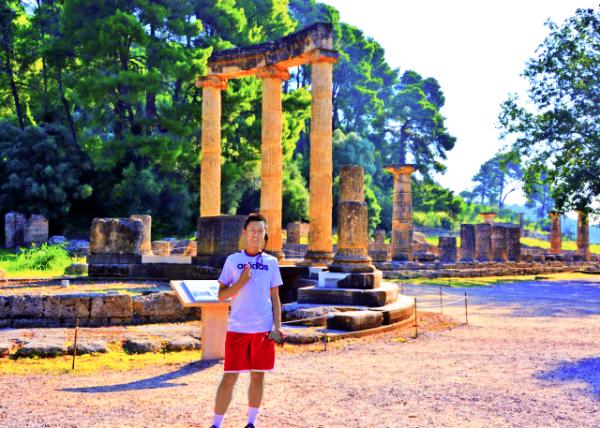 Philippeion, the Only Structure Inside the Altis Dedicated to Human Philippeion, the Only Structure Inside the Altis Dedicated to Human
(腓力“爱马仕”神庙──唯一献给人类的神庙 07-15-2018) 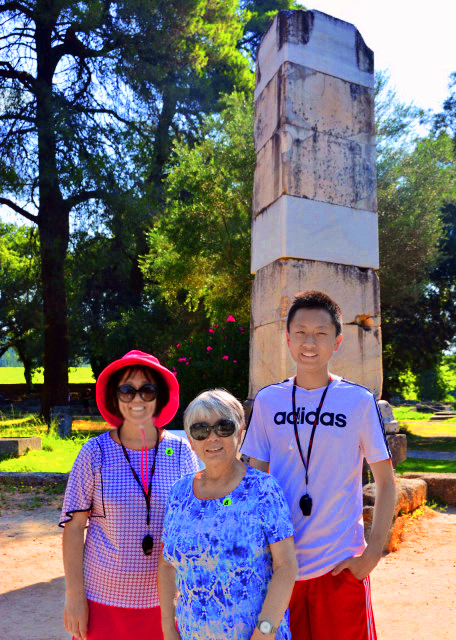
Base of Nike of Paeonios (帕伊奥尼奥斯“治愈者”的耐克“胜利女神”雕像基座 07-15-2018) 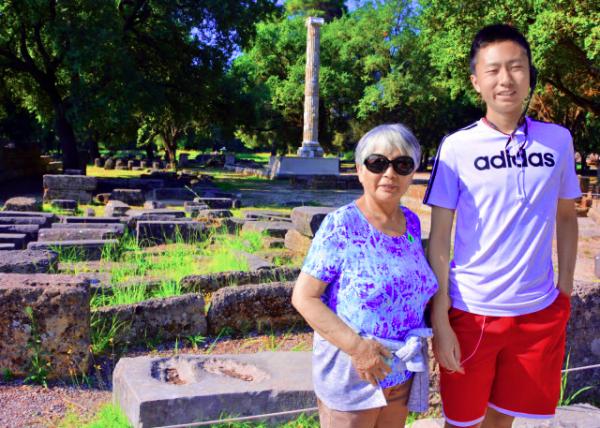 Building of Ptolemy II and Arsinoe II Building of Ptolemy II and Arsinoe II
(托勒密“好战”二世和阿尔西诺“高尚思想”二世建筑 07-15-2018) 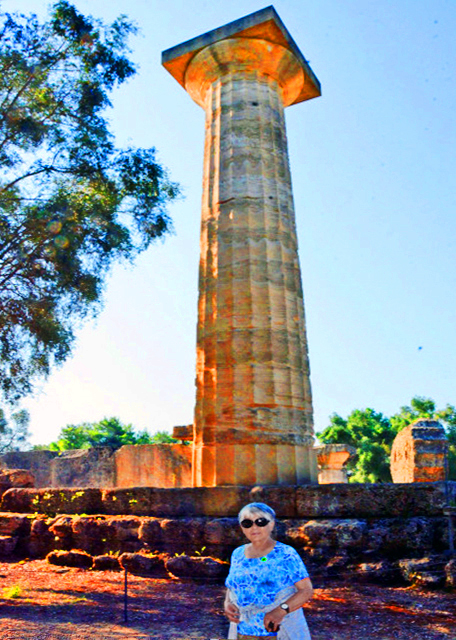
Doric Column (多立克柱 07-15-2018) 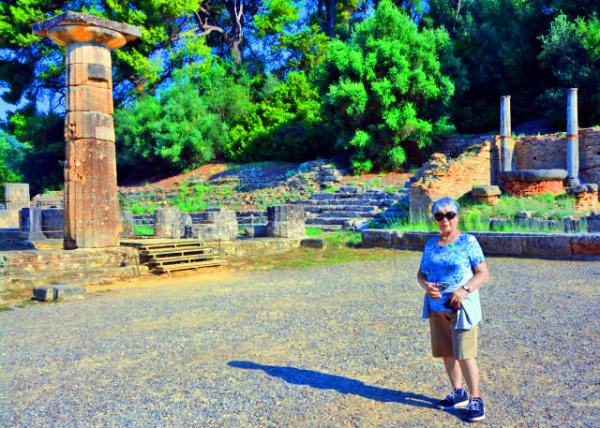 Hera's Altar (赫拉祭坛 07-15-2018) Hera's Altar (赫拉祭坛 07-15-2018)
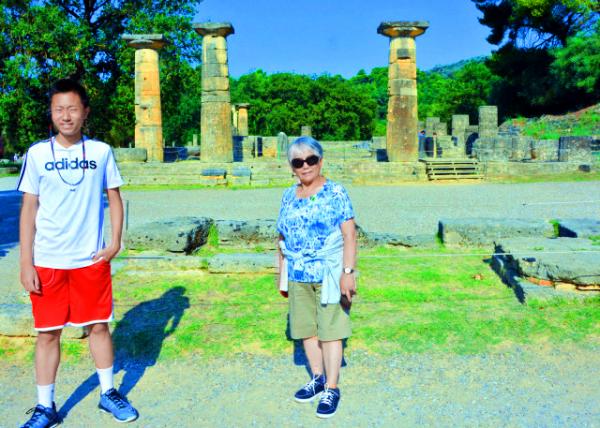 Temple of Hera, the site where the Olympic flame is lit for the Summer and Winter Olympics Temple of Hera, the site where the Olympic flame is lit for the Summer and Winter Olympics
(赫拉神殿·夏季奥运会和冬季奥运会圣火点燃地点 07-15-2018) 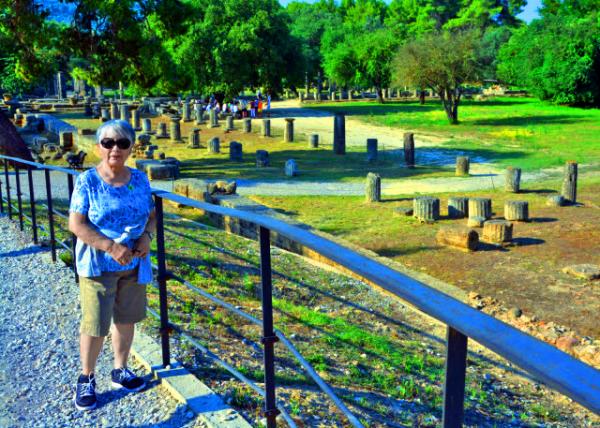 Gymnasion Ruins Serving as a Training Facility for Athletes Preparing for Public Games, Like the Olympic Games Gymnasion Ruins Serving as a Training Facility for Athletes Preparing for Public Games, Like the Olympic Games
(体育馆遗址·为备战奥运会等公共运动会的运动员提供训练设施 07-15-2018) 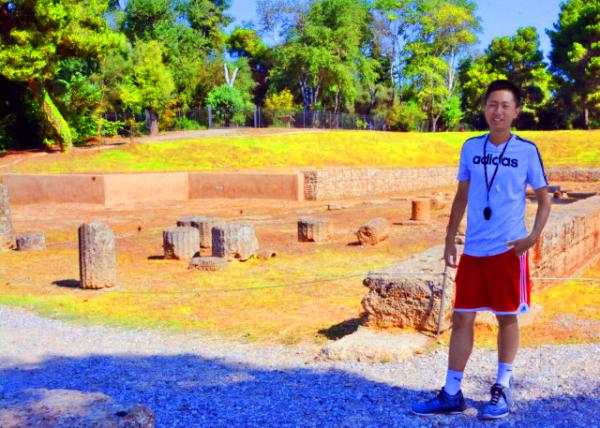 Pelopion, the Sacred Enclosure or Sanctuary of Pelops Pelopion, the Sacred Enclosure or Sanctuary of Pelops
(珀罗普翁“黑脸”神话人物·宗教祭祀场所 07-15-2018)
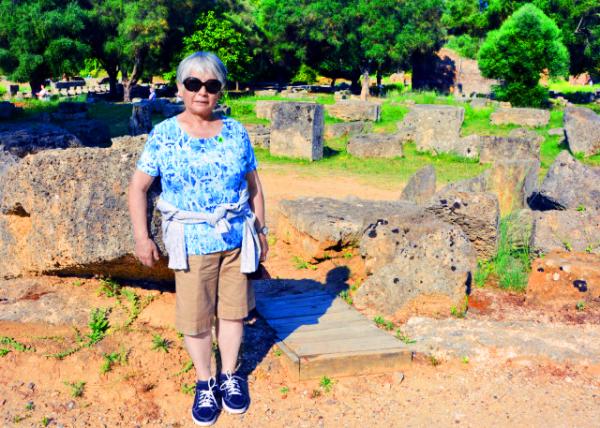 Theokoleon, the Seat of the Theokoloi, the Priests of Olympia Theokoleon, the Seat of the Theokoloi, the Priests of Olympia
(祭司神庙·奥林匹克祭司所在地 07-15-2018)
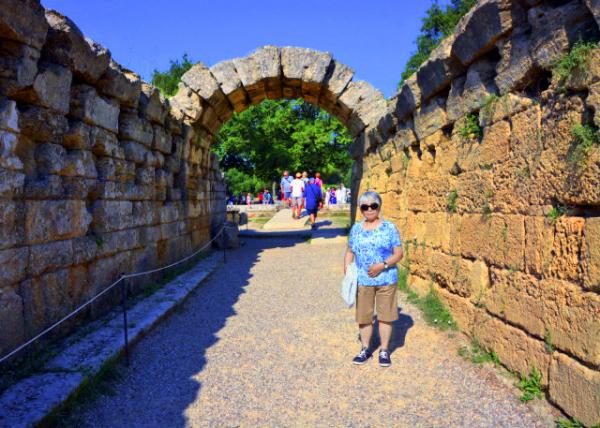 Crypt (Arched Way to the Stadium) Crypt (Arched Way to the Stadium)
(拱顶──通往体育场的拱形路 07-15-2018) 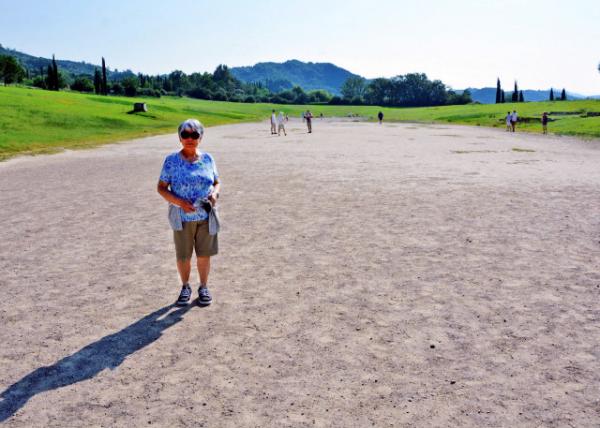 Field Track of Olympia Stadium Field Track of Olympia Stadium
(奥林匹亚体育场·田径场 07-15-2018) 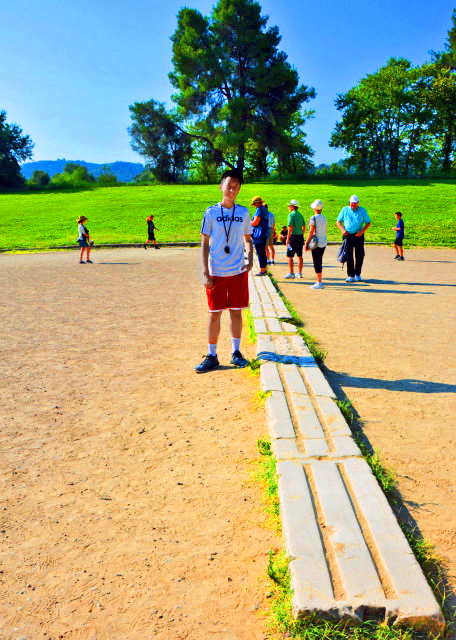
Starting Line of Olympia Stadium (奥林匹亚体育场·起跑线 07-15-2018) 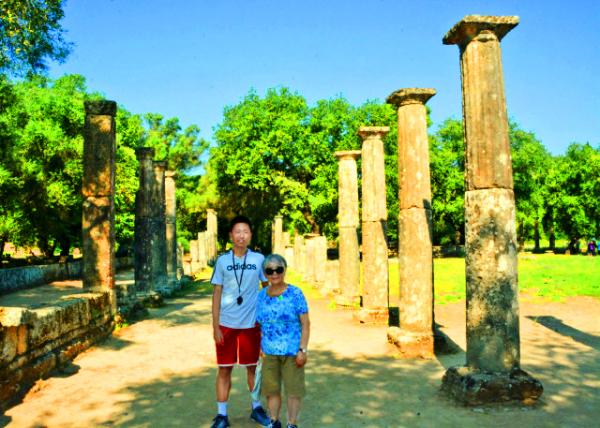 Palaestra Monument in the 3rd Century Palaestra Monument in the 3rd Century
(公元3世纪帕莱斯特拉“摔跤”纪念碑 07-15-2018) 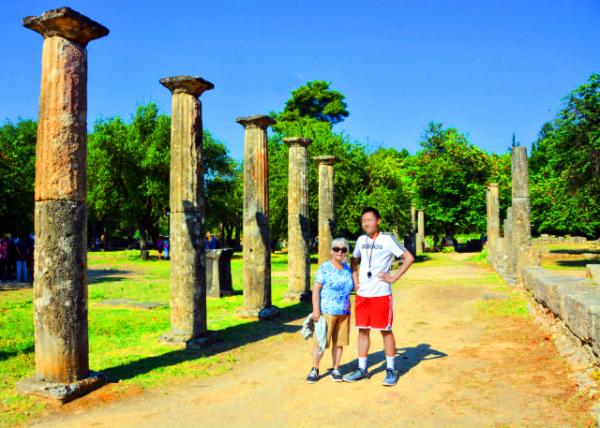 Palaestra Monument in the 3rd Century Palaestra Monument in the 3rd Century
(公元3世纪帕莱斯特拉纪念碑 07-15-2018) 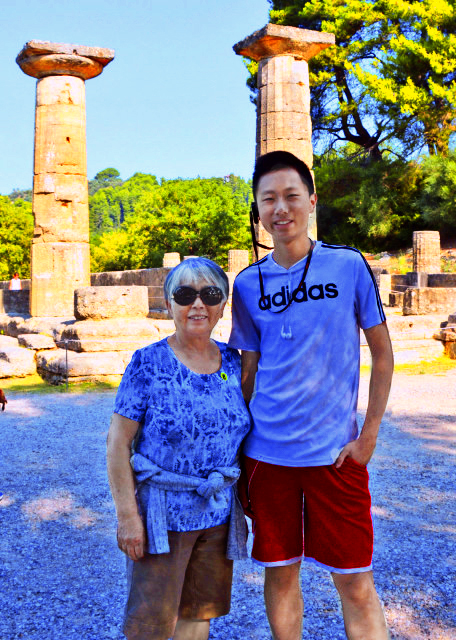
Temple of Zeus (宙斯庙 07-15-2018) 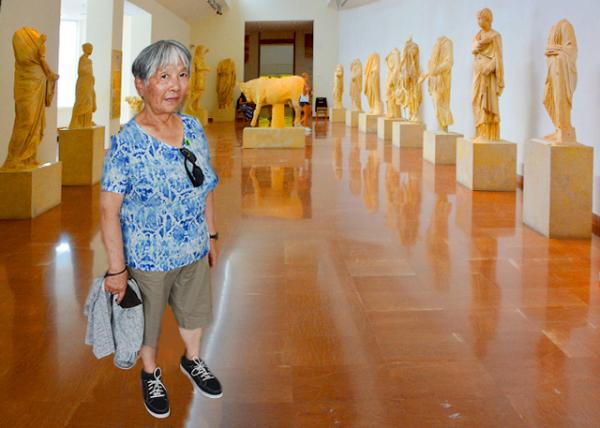 Ancient Olympia Museum (古奥林匹亚博物馆 07-15-2018) Ancient Olympia Museum (古奥林匹亚博物馆 07-15-2018)
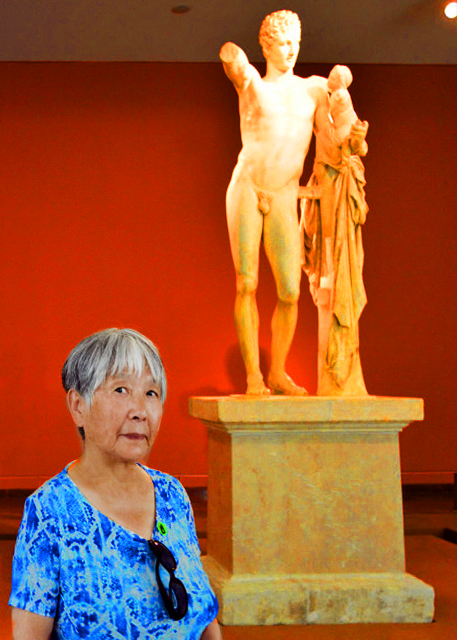
Hermes of Praxitelis (《普拉克西特列斯“完成者”的赫尔墨斯》 07-15-2018)
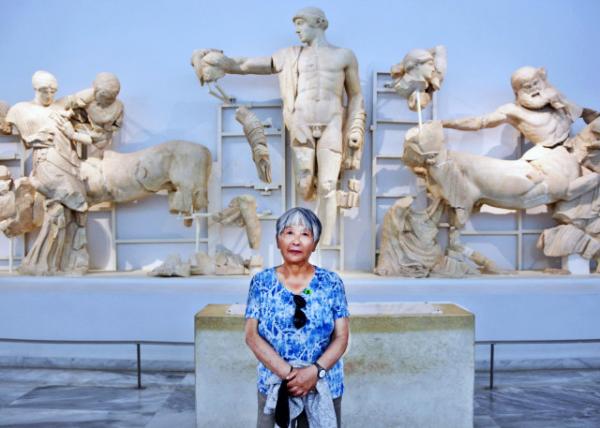 Centauromachy, a Battle Between the Barbarous Centaurs & the Civilized Lapiths @ the Wedding of Pirithous & Hippodamia Centauromachy, a Battle Between the Barbarous Centaurs & the Civilized Lapiths @ the Wedding of Pirithous & Hippodamia
(半人马之战·野蛮的半人马与文明的拉皮泰人之间的战争,皮里托斯“四处奔跑”与希波达米亚“驯马者”的婚礼 07-15-2018) 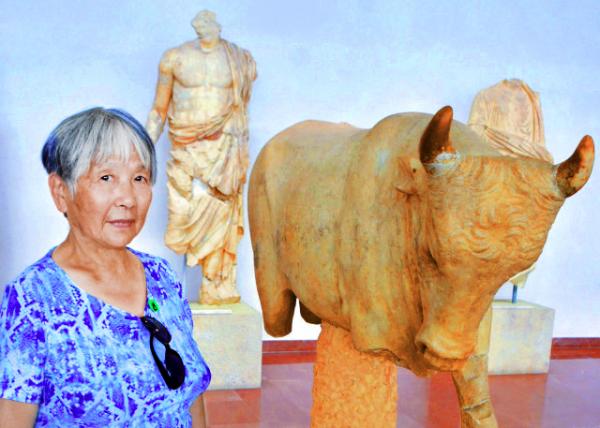 Statue of a Bull from the Nymphaeum of Herodes Atticus Statue of a Bull from the Nymphaeum of Herodes Atticus
(希罗德·阿提库斯“英雄·雅典人”神庙中的大理石《公牛》雕像 07-15-2018) 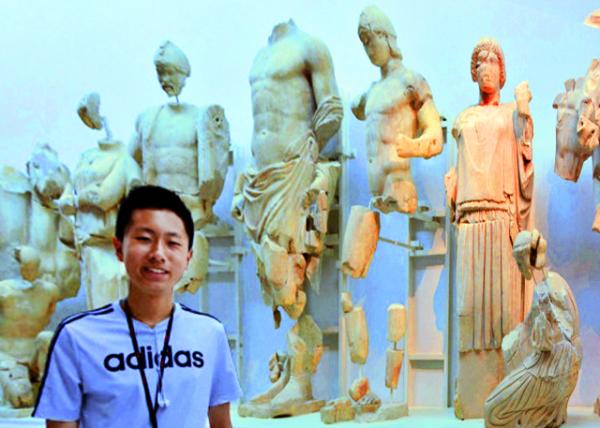 East Pediment of the Temple of Zeus East Pediment of the Temple of Zeus
(宙斯庙·东山墙饰 07-15-2018) 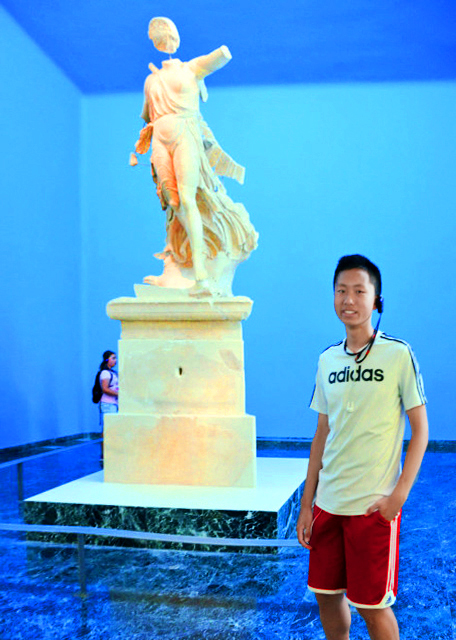
Nike of Paeonius (《佩奥尼乌斯的耐克》 07-15-2018) 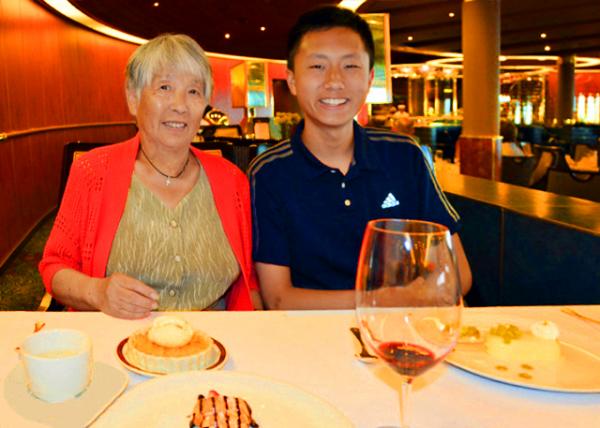 Dinner (晚餐 07-15-2018) Dinner (晚餐 07-15-2018)
Crosslinks(相关博文): 2015: Greek Mythology in Athens(希腊雅典的神话故事) 2015: Archaeological Site of Pompeii, Italy(意大利庞贝古城) Greece(出游希腊)
Europe(欧洲掠影) 9th Grade(高中一年级) |