2015-06-20 
【Aiden in English】
Mount Olympus is the place of the Greek gods—twelve, to be exact. They are the Twelve Olympians, rulers in each aspect. Everything revolved around these gods, the Earth, and beyond. Zeus, the king of everything, rules with his specialty as the god of the skies. In Athens, Zeus is a celebrated god since he's the king. Zeus was the son of Kronos, a Titan. The story goes that Kronos killed his father, Uranus, the god of the sky, and the Golden Age of the Titans began. Kronos was superb, and he suspected that history would repeat itself and his children would someday overthrow him as he did. So, when he fell in love with a Titaness named Rhea, he swallowed his children. In total, Kronos swallowed six gods. Rhea was horrified by these incidents and decided to hide her newest child, Zeus, away. She faked Kronos into eating a rock instead. Don't ask me how, but if Kronos was that stupid, no wonder Zeus killed him later. So Zeus has hidden away on the island of Crete until he grows old enough. He overthrew Kronos and freed the six other gods whom he had swallowed. Athens was also celebrated, hence the name Athena. She is the goddess of wisdom and war tactics, usually in defensive strategies. She has been known as the goddess of wisdom since birth. One day, Zeus awoke with a terrible headache. He went to Hephaestus, the blacksmith god. Using a double-headed ax, Zeus asked for his head to be cracked open. If you can't get rid of a headache, bang it open, and don't come back saying it didn't get any better. So, out of Zeus's open skull (please do not try this at home) popped out Athena. It was logical to make her the goddess of wisdom. She is the patron goddess of Athens. However, there was a contest between Poseidon, the sea god, Zeus's elder brother, and Athena to see who Athens's patron would be. The contest was meant to determine who could provide the best gift to the city. Poseidon slammed the butt of his trident into stone, and a spray of water shot out. Athena introduced the olive tree to the Greek empire, symbolizing peace and victory. Now, this would've been a tough contest. The only thing was that Poseidon gave the people of Athens not just water but salt as well. So, what are you going to do with saltwater? Well, that's why Athena won. And so, in Athena's honor, the Parthenon was built on the Acropolis in 432 B.C., not to be confused with the Pantheon in Rome. The Parthenon was a temple at the time, probably the most significant architectural feat in the world. The structure itself was unique. A peculiar illusion that often occurs with large buildings is that Doric columns sometimes appear to bend outward. To counter that, the pillars holding a pediment were tilted centimeters inward from a vertical line. It was also the first to use 3D sculpting. Next to the Parthenon stood Poseidon's temple, or the Erechtheion, in 406 B.C., considering he was still crucial to Athens, although he had lost. The temple had a section of pillars replaced with six marble sculptures of ladies, with the roof being carried on their heads in the famous Porch of the Caryatids. The art world had finally broken through the barrier from 2D to 3D. The art of man had long awaited the moment and was glorious. Of course, nowadays, the British have taken everything and aren't going to give it back. But hey! Although they may have the artifacts, Greece has the history. The glorious moments of the Greeks can never be stolen. 【红霞译】
奥林匹斯山是希腊众神的发源地,准确地说总共产生12位主宰宇宙万物,天地人间所有一切都是它们创造的。
宙斯为雷霆神,是奥林匹斯十二神至高无上的主神,因其统治地位在雅典极受推崇,宙斯系泰坦“神族”克洛诺斯“诸神之王”的儿子,故事追溯到早前克洛诺斯曾弑杀亲生父亲乌拉诺斯“天穹神”并开创了神权贵族盛世新纪元。克洛诺斯能力超强且疑心极重,害怕历史重演,担心自己的孩子宙斯步其后尘,总有一天也会把他赶下台来,于是当与瑞亚“诸神之母”相爱之后,克洛诺斯干脆吃掉所有新出生的孩子,前后一共有六位神灵夭折,瑞亚见状惊恐万分,决定要把即将问世的宙斯藏起来,她先骗丈夫吃下石头,结果救了宙斯一命。千万别问我怎么回事,莫非克洛诺斯蠢得发愚,否则后来岂能让儿子宙斯杀死,宙斯一直躲在希腊克里特“强大”岛生活,推翻父王的同时还解救出其他六位被吞下的神灵。
雅典全城欢腾,由此取名雅典娜,雅典娜实为掌管智慧与战争(侧重防御战略)的女神,聪颖且貌美,其出生方式更加与众不同。话说有一天宙斯醒来感觉头疼得厉害,便去找赫菲斯托斯“火神”并要他用双头斧将自个脑袋劈开,假如你无法消除头痛,照例行事准保有效,千万别怨这招不灵。宙斯头颅大开(切忌在家效仿),雅典娜趁机钻了出来,所以说封她为智慧女神合情合理。雅典娜还是雅典的守护神,然而那是经过与波塞冬“海神”——宙斯的哥哥较量之后才获此殊荣,比赛宗旨无非在于挑选谁最适合代表雅典。波塞冬将其三叉戟尾戳入岩石,一泉清水旋即喷射出来;而雅典娜则把象征和平胜利的橄榄树引入古希腊帝国,即使现在看来要想在这场斗智比赛中取胜决非轻而易举。当时波塞冬给雅典人不仅送上海水,而且还带来咸盐,但这些玩意能干什么?没错,这正是雅典娜巧胜之处。为了纪念雅典娜,雅典人于公元前432年在雅典卫城修建了帕特农“少女”神庙,切记这里指的不是古罗马万神庙,帕特农神庙堪称那个时代世界上最壮观的祭祀殿堂,其结构独一无二,不过高大建筑常常令人产生错觉,好像多立克石柱时不时朝外弯曲,为了矫正视差,建筑师让撑起山墙的支柱向内倾斜若干厘米,就这样帕特农神庙便成为天下第一个拥有三维立体浮雕的建筑。尽管波塞冬输给了雅典娜,但雅典人依然尊重他,并在距离帕特农神庙不远处建起波塞冬庙,也就是厄瑞克忒翁神庙,传说它曾为雅典娜和波塞冬争当雅典守护神的地方,神庙本身专设石柱门面,著名的“少女门廊”由六根大理石雕像柱组成,她们个个亭亭玉立,人人头顶石板,世界艺术终于冲破束缚,在平面视觉的基础上增添了立体效果,艺术家们得以如愿以偿并给人带来美的享受。 当然英国人曾不失时机地将这里的文物化为己有,至今尚无计划退还任何收藏。嘿!即使希腊国宝被盗,丝毫改变不了先辈所创下的丰功伟绩,希腊人辉煌的过去将永垂青史。
Today in History(历史上的今天): 2015: Cape Sounion—Temple of Poseidon, GR(希腊苏尼翁岬—波塞冬庙) 2013: 四年级夏令营(Fourth Grade Summer Camp) 2012: Descriptive─Poster(应用文—壁报) 2010: 阳光精神(Be Positive) 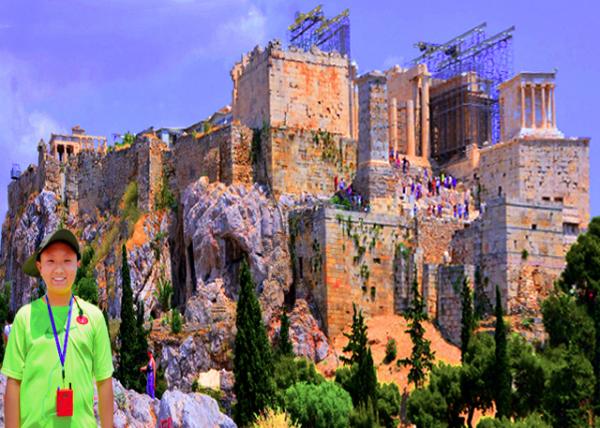 Acropolis of Athens Seen from the Hill of the Muses Acropolis of Athens Seen from the Hill of the Muses
(从缪斯“艺术女神”山上眺望雅典卫城 06-20-2015)
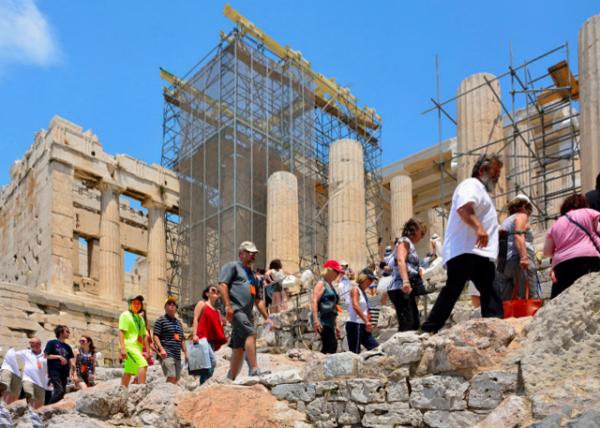 Stairs Leading up to the Propylaea Stairs Leading up to the Propylaea
(通往卫城山门的石阶 06-20-2015) 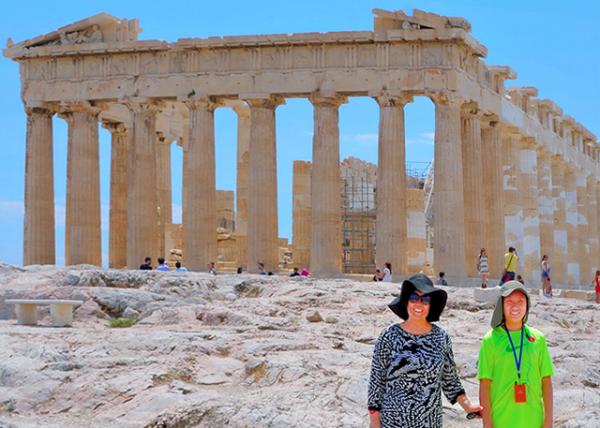 Parthenon, a Monument to Democracy Built between 447 & 432 BC Parthenon, a Monument to Democracy Built between 447 & 432 BC
(帕特农“少女”神庙·建于公元前447—432年间的民主纪念碑 06-20-2015) 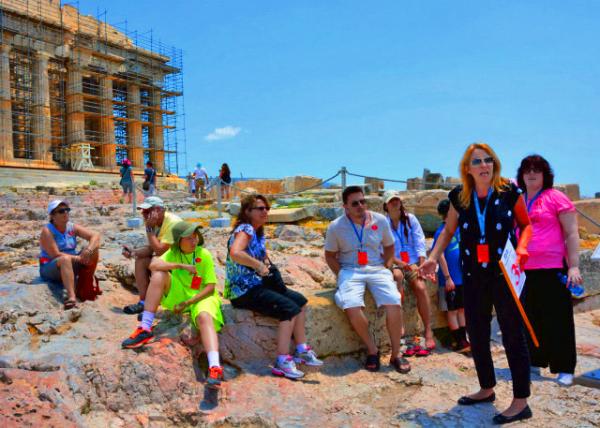 Cecropia after the Legendary Serpent-Man, Cecrops, the Supposed 1st Athenian King Cecropia after the Legendary Serpent-Man, Cecrops, the Supposed 1st Athenian King
(半神庙·源于半人半蛇雅典首任国王 06-20-2015)
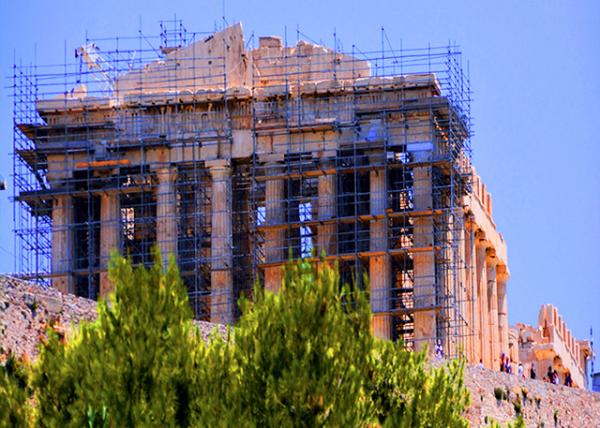 Parthenon under Renovation, a Resplendent Marble Temple Dedicated to the Greek Goddess Athena Parthenon under Renovation, a Resplendent Marble Temple Dedicated to the Greek Goddess Athena
(维修中的帕特农神庙·供奉希腊女神雅典娜的华丽大理石神庙) 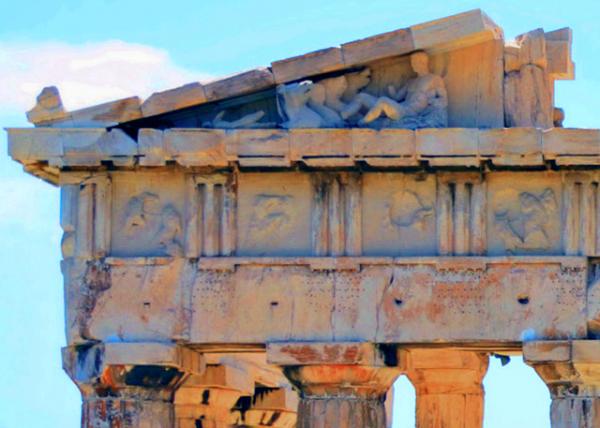 1st 3D Sculpted Pediment @ Parthenon on Earth 1st 3D Sculpted Pediment @ Parthenon on Earth
(帕特农神庙·天下第一个拥有三维立体浮雕的山墙) 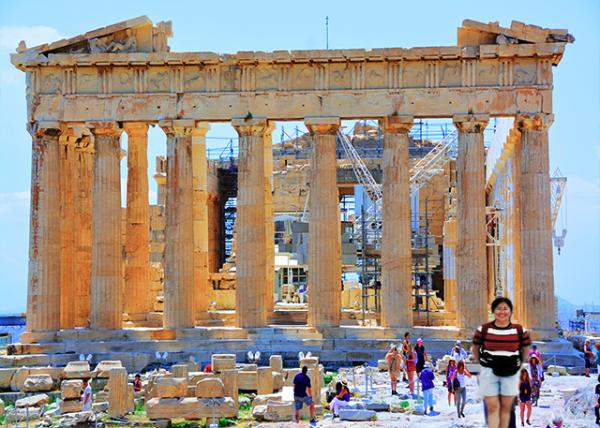 Parthenon, a Symbol of Ancient Greece, Athenian Culture, & Democratic Ideals Parthenon, a Symbol of Ancient Greece, Athenian Culture, & Democratic Ideals
(帕特农神庙·古希腊、雅典文化和民主理想的象征 05-22-2001)
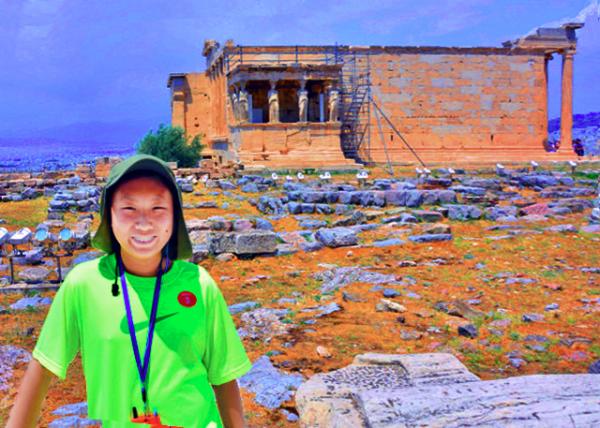 Erechtheion Dedicated to the Worship of Athena Polias & Poseidon-Erechtheus Erechtheion Dedicated to the Worship of Athena Polias & Poseidon-Erechtheus
(厄瑞克忒翁“神话国王”神庙·祭拜雅典娜·波利娅斯“城市守护者”和波塞冬·厄瑞克透斯“海神” 06-20-2015) 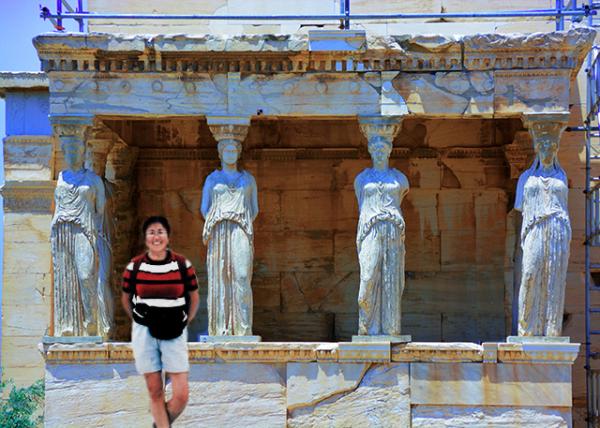 Erechtheion w/ the Roof of the Porch Supported by 6-Female Caryatids Instead of Columns, Memorializing the Tomb of Cecrops, the Mythological Half-Serpent King of Attica Erechtheion w/ the Roof of the Porch Supported by 6-Female Caryatids Instead of Columns, Memorializing the Tomb of Cecrops, the Mythological Half-Serpent King of Attica
(厄瑞克忒翁神庙·门廊屋顶由6根女像柱支撑而非柱子,纪念阿提卡神话中的半蛇王刻克洛普斯之墓 05-22-2001) 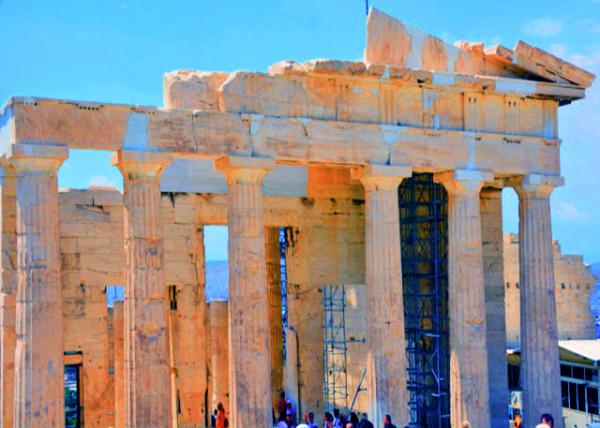 Temple of Athena Nike w/ a Fresco of Nike Adjusting Her Sandal Temple of Athena Nike w/ a Fresco of Nike Adjusting Her Sandal
(雅典娜·耐克“胜利女神”庙——浮雕《系鞋带的耐克女神》) 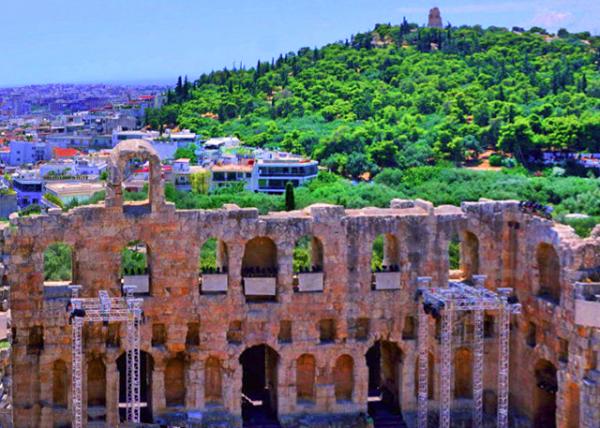 Odeon of Herodes Atticus, Built in the 2nd Century AD, Originally a Covered Theater Designed for Musical Performances Odeon of Herodes Atticus, Built in the 2nd Century AD, Originally a Covered Theater Designed for Musical Performances
(希罗德·阿提库斯“著名的雅典人”剧场·建于公元2世纪,最初用于音乐表演的室内剧场) 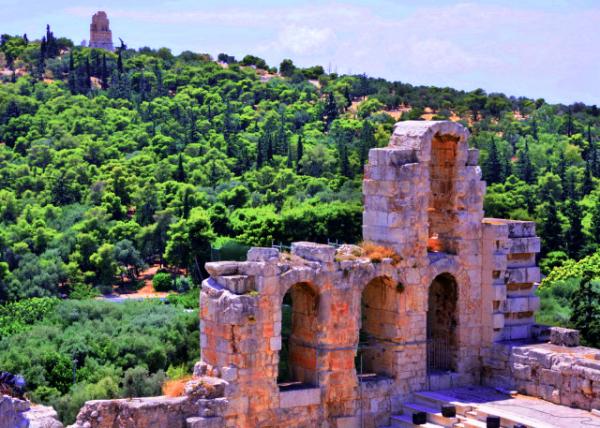 Detail of the Façade @ Odeon of Herodes Atticus Detail of the Façade @ Odeon of Herodes Atticus
(希罗德·阿提库斯剧场——外立面细节) 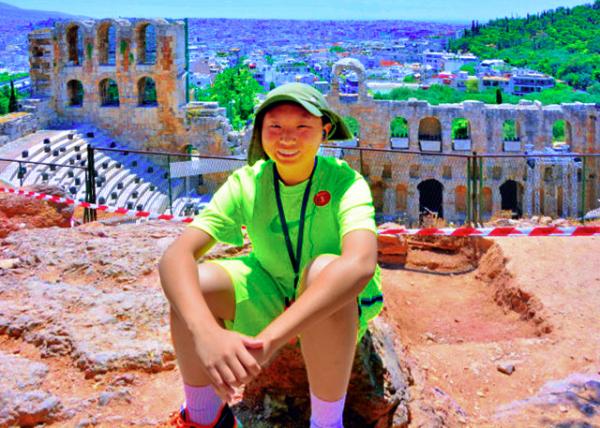 Odeon of Herodes Atticus Symbolizing the Fusion of Greek & Roman Cultures Odeon of Herodes Atticus Symbolizing the Fusion of Greek & Roman Cultures
(希罗德·阿提库斯剧场·象征希腊和罗马文化的融合 06-20-2015) 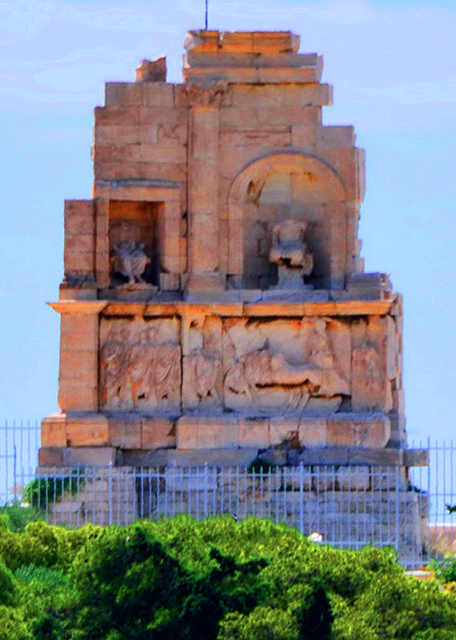
Philopappos Monument, an Ancient Roman Mausoleum & Monument Dedicated to Philopappus (65–116 AD), a prince from the Kingdom of Commagene (菲洛帕波斯“喜爱祖父”纪念碑·献给科马吉尼“古希腊—伊朗王国”王子菲洛帕波斯的古罗马陵墓和纪念碑) 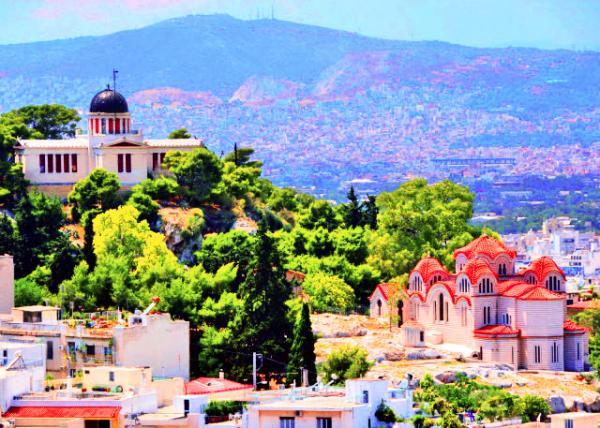 Natl Observatory of Athens & Church of St Marina Natl Observatory of Athens & Church of St Marina
(雅典国家天文台与圣玛丽娜“海洋”教堂) 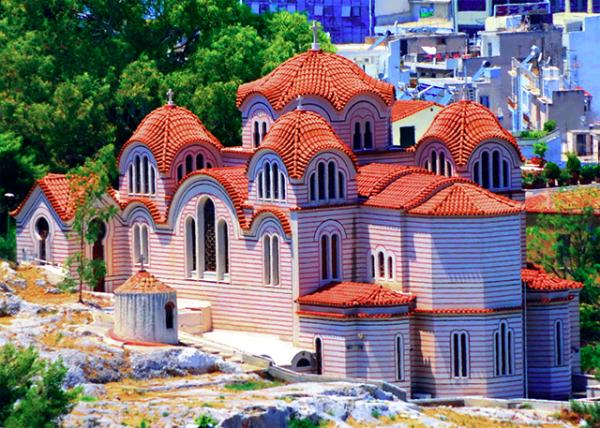 Church of St Marina, Byzantine Architecture w/ Beautiful Frescoes & Incorporation of a 13th-Century Cave Church Church of St Marina, Byzantine Architecture w/ Beautiful Frescoes & Incorporation of a 13th-Century Cave Church
(圣玛丽娜教堂·13世纪带有美丽壁画的拜占庭式的洞穴教堂) 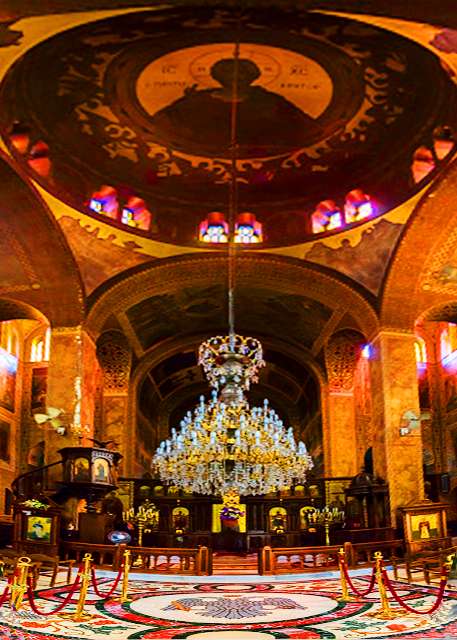
Church of St Marina (圣玛丽娜教堂·内景)
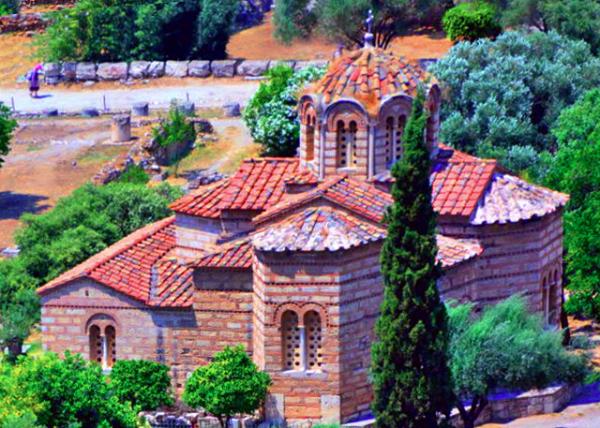 Church of the Holy Apostles, the 1st Significant Church of the Middle Byzantine Period in Athens, Marked the beginning of the So-called "Athenian Type" Church of the Holy Apostles, the 1st Significant Church of the Middle Byzantine Period in Athens, Marked the beginning of the So-called "Athenian Type"
(圣使徒教堂·雅典中拜占庭“东罗马”时期第一座重要的教堂,标志着所谓“雅典风格”的开始) 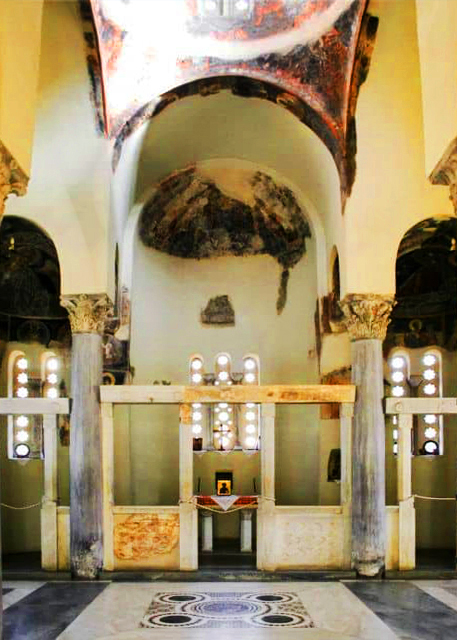
Interior of the Church of the Holy Apostles (圣使徒教堂·内景)
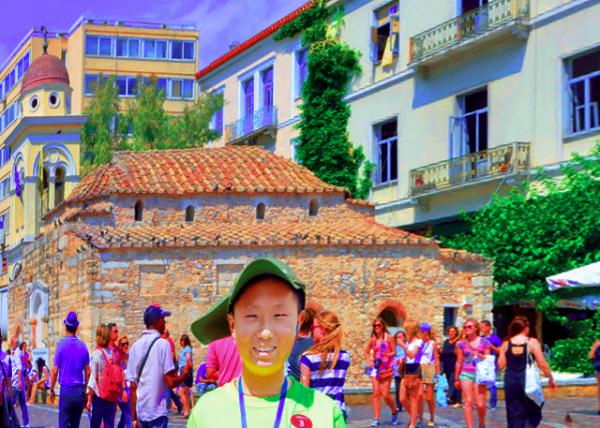 Church of the Pantanassa, Dedicated to Panagia Pantanassa, Dated Back to the 10th Century Church of the Pantanassa, Dedicated to Panagia Pantanassa, Dated Back to the 10th Century
(帕纳吉亚“圣母”教堂·建于10世纪,献给帕纳吉亚·潘塔纳萨“圣母玛利亚” 06-20-2015)
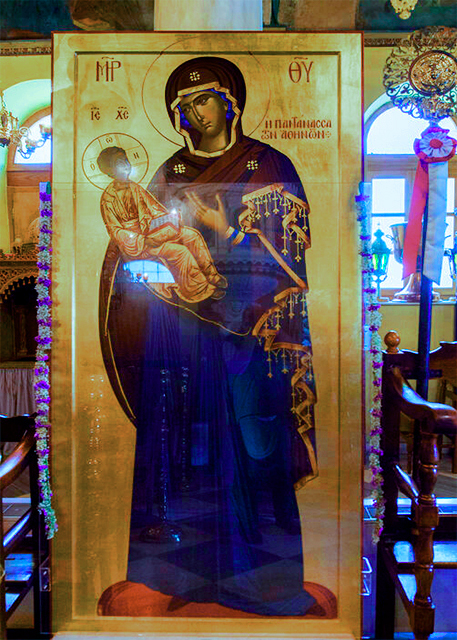
Icon of the Virgin Mary Believed to be Miraculous @ Church of the Pantanassa (帕纳吉亚教堂·圣母神像具有神奇功能) 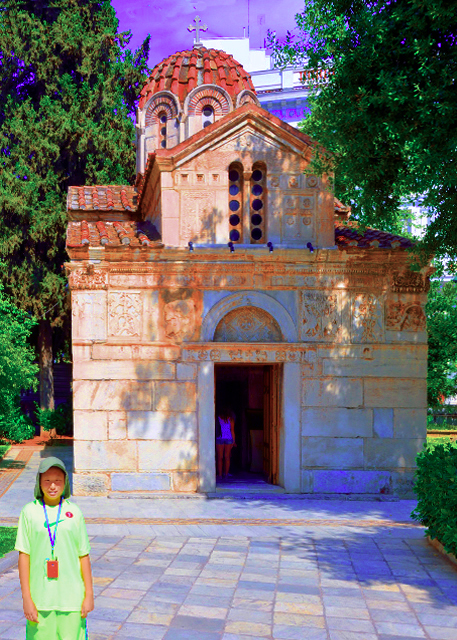
Agios Eleftherios Church Almost Entirely Built w/ Reused Stone (圣埃莱夫塞里奥斯“自由”教堂·几乎完全采用重复使用的石头建造而成) 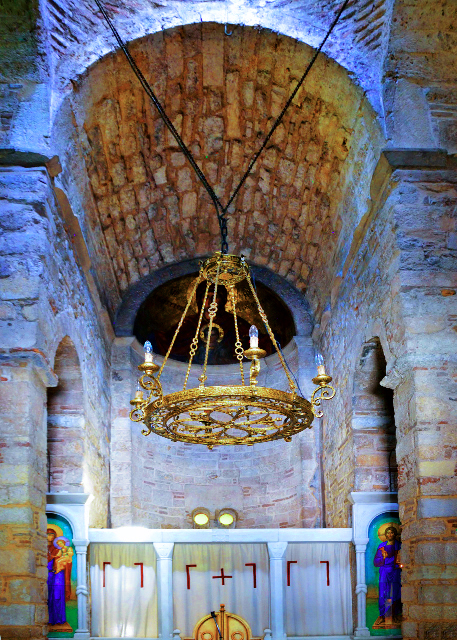
Interior of Agios Eleftherios Church
(圣埃莱夫塞里奥斯教堂·内景)
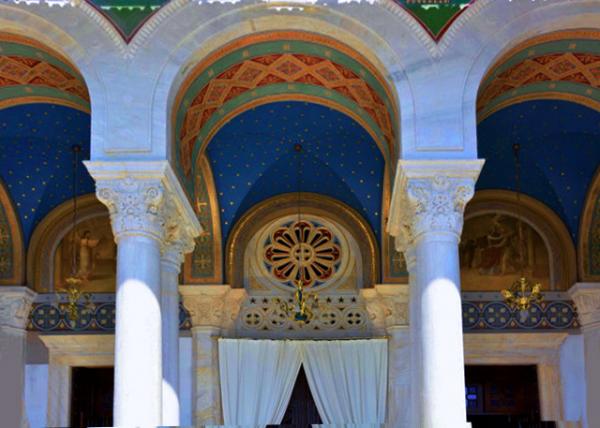 Metropolitan Cathedral of Athens, the Seat of the Archbishopric of Athens Metropolitan Cathedral of Athens, the Seat of the Archbishopric of Athens
(雅典大都会大教堂·雅典大主教区的所在地) 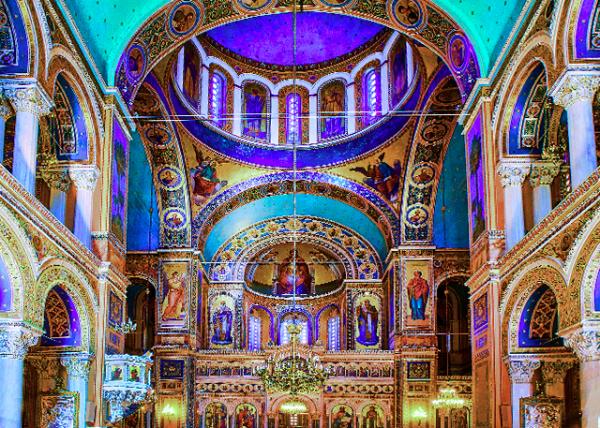 Interior of the Metropolitan Cathedral of Athens Interior of the Metropolitan Cathedral of Athens
(雅典大都会大教堂·内景) 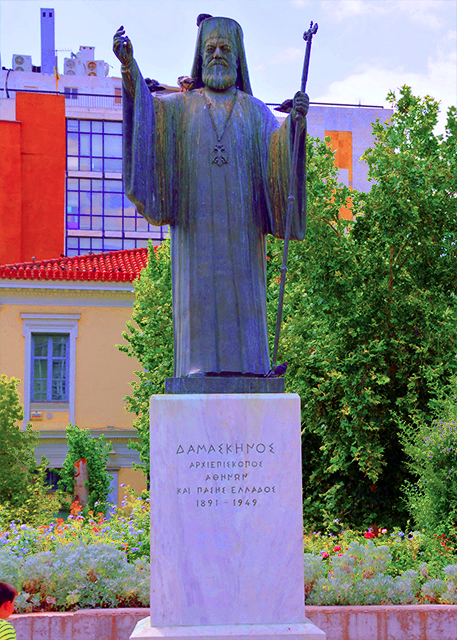
Archbishop Damaskinos of Athens, the Spiritual leader of the Greek Orthodox People of Athens & All Greece (雅典的大主教达马斯基诺斯·雅典乃至全希腊东正教的精神领袖) 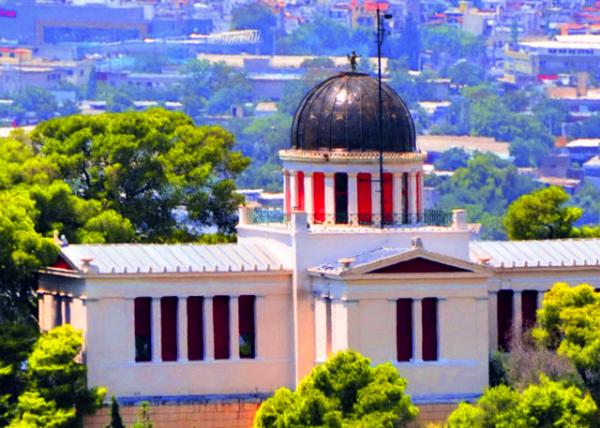 Natl Observatory of Athens, the Oldest Research Foundation in Greece, 1842 Natl Observatory of Athens, the Oldest Research Foundation in Greece, 1842
(雅典国家天文台·创建于1842年、希腊最古老的研究基金会) 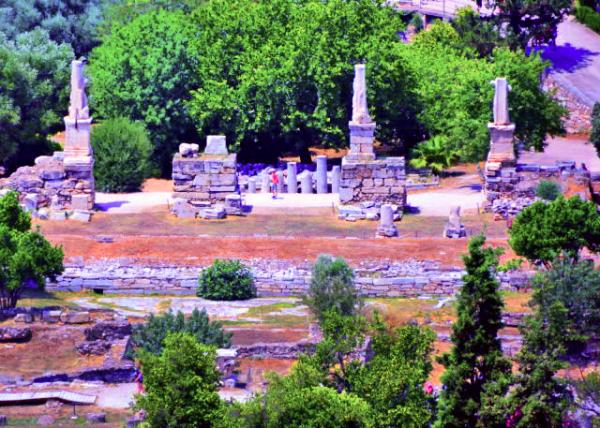 Ancient Agora of Athens, the Heart of Athenian Democracy & Civic Life Ancient Agora of Athens, the Heart of Athenian Democracy & Civic Life
(雅典古集市·雅典民主和公民生活的核心) 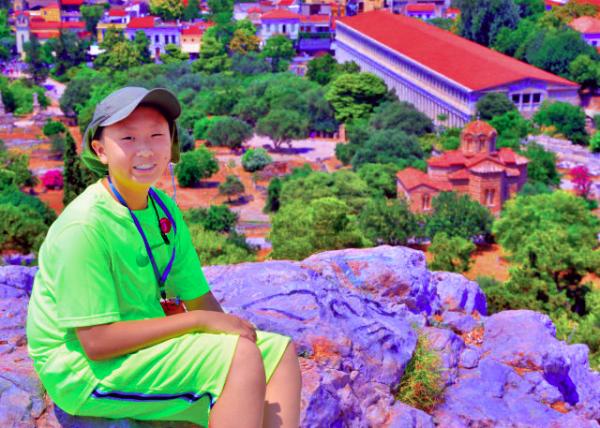 Stoa of Attalos, the 1st & Largest Shopping Center of Antiquity Stoa of Attalos, the 1st & Largest Shopping Center of Antiquity
(阿塔罗斯“商贸中心”柱廊·古代第一个也是最大的购物中心)
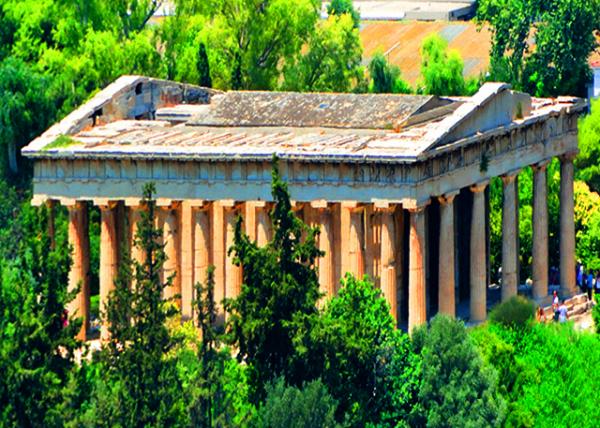 Temple of Hephaestus, Well-Preserved Example of a Doric Temple Representing the Craftsmen of Ancient Greece Temple of Hephaestus, Well-Preserved Example of a Doric Temple Representing the Craftsmen of Ancient Greece
(赫菲斯托斯“火神”庙·保存完好的多立克柱式神庙之典范,象征古希腊的工匠) 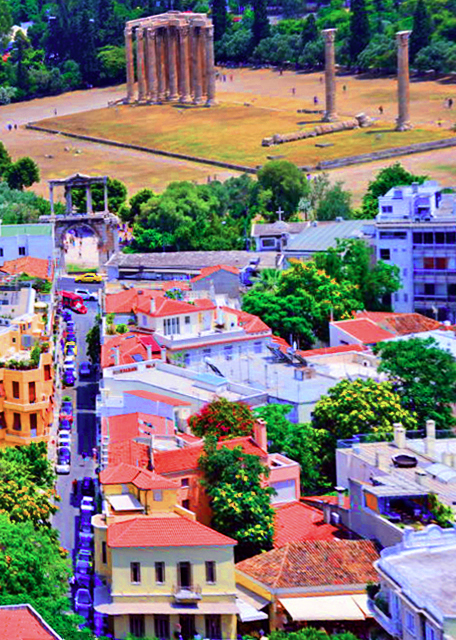
Temple of Olympian Zeus & Arch of Hadrian (奥林匹亚宙斯庙与哈德良拱门) 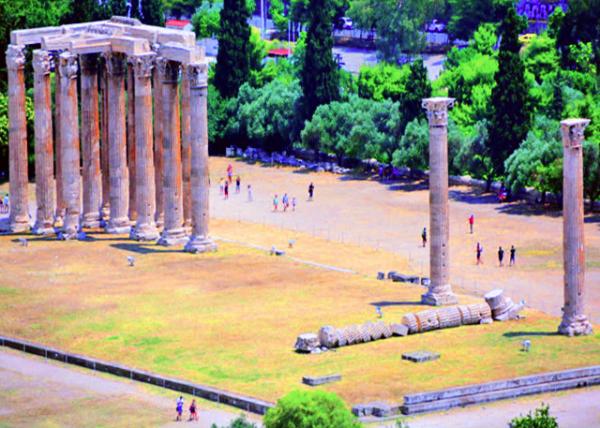 Temple of Olympian Zeus, the Largest Temple w/ 104 Colossal Columns in Greece Temple of Olympian Zeus, the Largest Temple w/ 104 Colossal Columns in Greece
(奥林匹亚宙斯庙·希腊最大的寺庙,拥有104根巨柱) 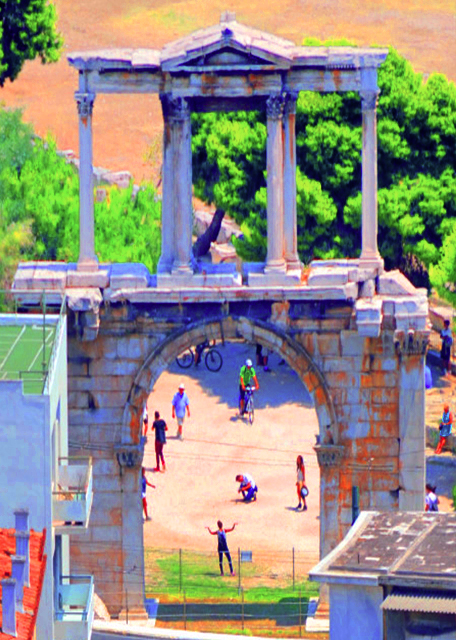
Arch of Hadrian, the Symbol of Roman-Greek Unity (哈德良拱门·罗马—希腊统一的象征) 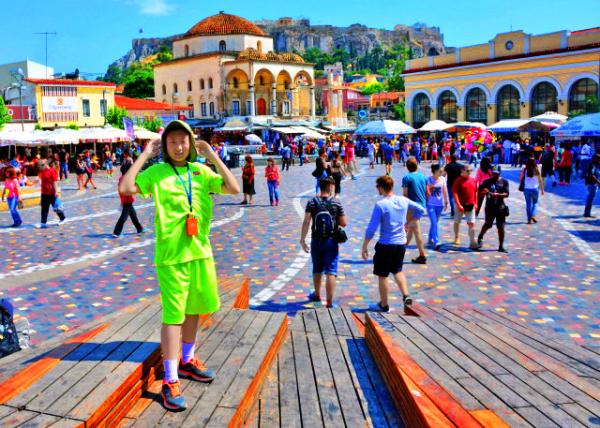 Monastiraki Square, a Central Point for the Area Monastiraki Square, a Central Point for the Area
(蒙纳斯提拉奇“小修道院”广场·网红打卡区域 06-20-2015)
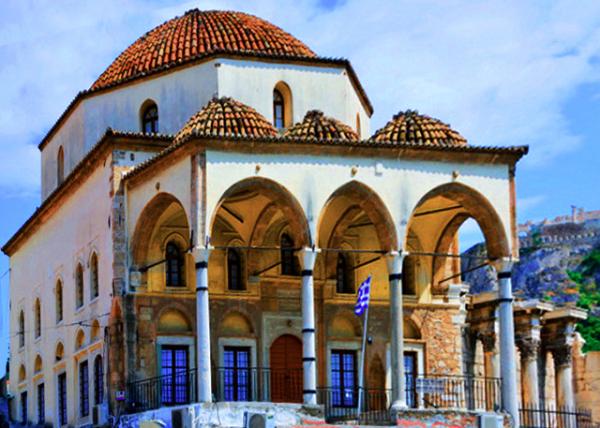 Tzistarakis Mosque, an Ottoman Architecture Built in 1759 Tzistarakis Mosque, an Ottoman Architecture Built in 1759
(齐斯塔拉基斯“下市场”清真寺·建于1759年,奥斯曼“天选之子”风格) 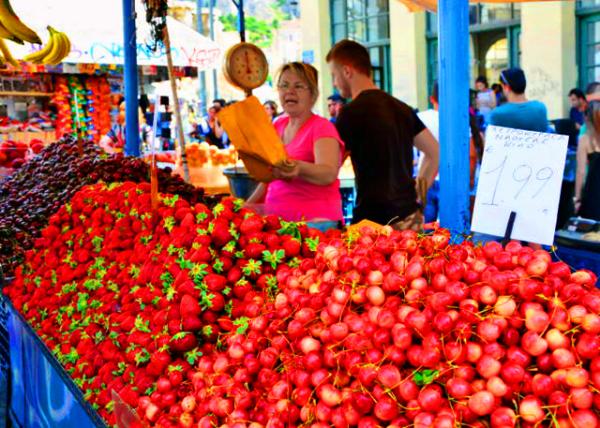 Flea Market @ Monastiraki Square Flea Market @ Monastiraki Square
(小修道院广场·跳蚤市场) 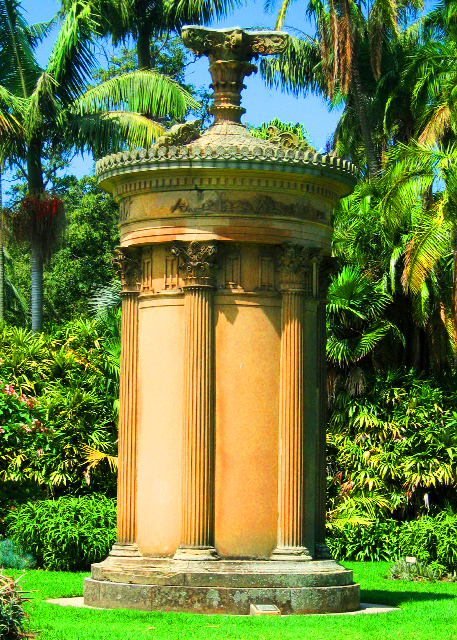
Replica of the Choragic Monument of Lysicrates, the 1st Use of the Corinthian Order on the Exterior of a Bldg (吕西克拉底“释放的力量”合唱团纪念碑复制品·科林斯式建筑外墙的首次应用)
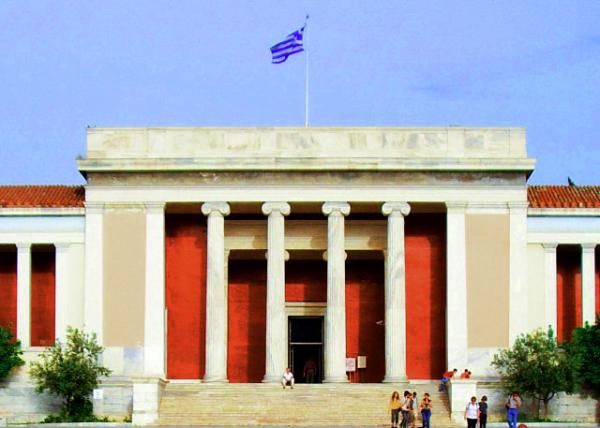 National Archaeological Museum, Housing Artifacts from the Prehistoric Era to the Roman Period National Archaeological Museum, Housing Artifacts from the Prehistoric Era to the Roman Period
(国家考古博物馆·收藏史前至罗马时期的文物) 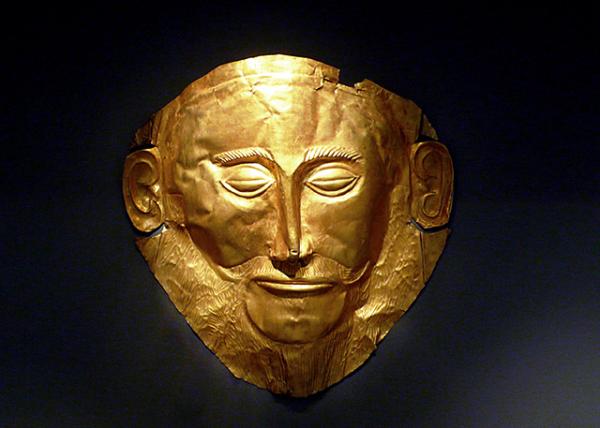 Mask of Agamemnon in 1,550 BC Mask of Agamemnon in 1,550 BC
(公元前1550年的阿伽门农“坚决”面具) 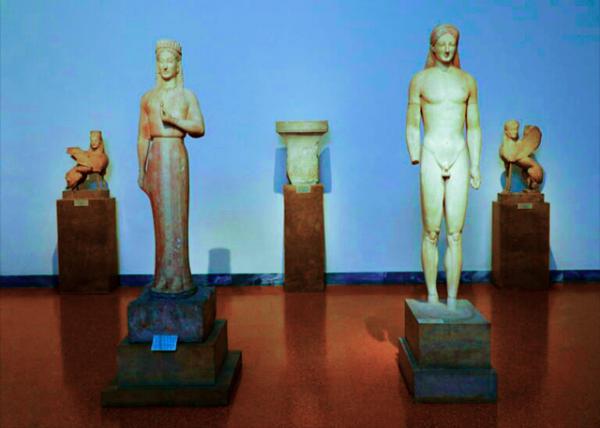 Statues of Kuros from the Archaic Period, Roughly Between 800 & 500 BCE, Marking the Transition from the Greek Dark Ages to the Classical Period Statues of Kuros from the Archaic Period, Roughly Between 800 & 500 BCE, Marking the Transition from the Greek Dark Ages to the Classical Period
(古风“古代”时期的库罗斯“年轻人”雕像·大约公元前800年—500年间,标志着希腊黑暗时代向古典时代的过渡) 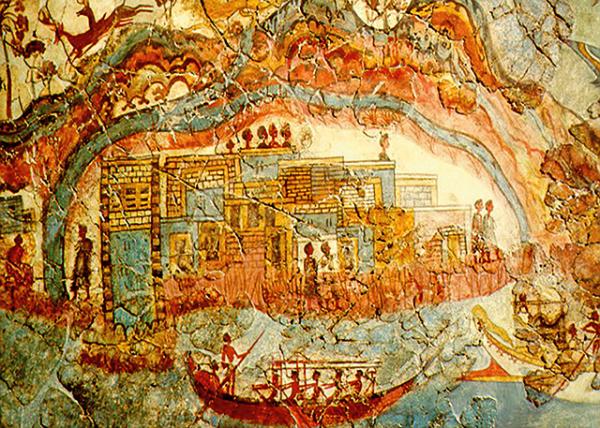 Mural of Thera (锡拉“狩猎”岛的壁画) Mural of Thera (锡拉“狩猎”岛的壁画)
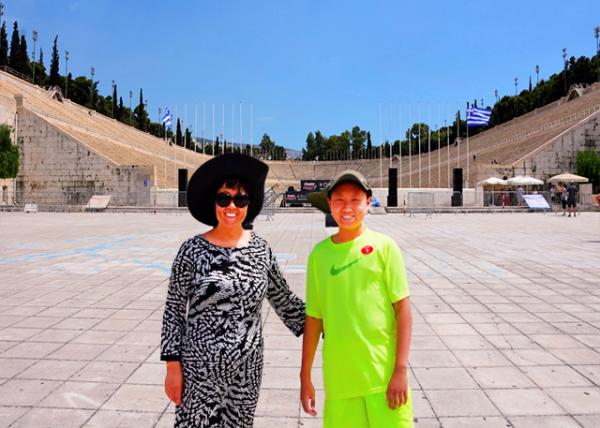 Panathenaic Stadium, the Venue for the 1st Modern Olympic Games in 1896 Panathenaic Stadium, the Venue for the 1st Modern Olympic Games in 1896
(雅典运动场·1896年第一届现代奥运会的举办地) 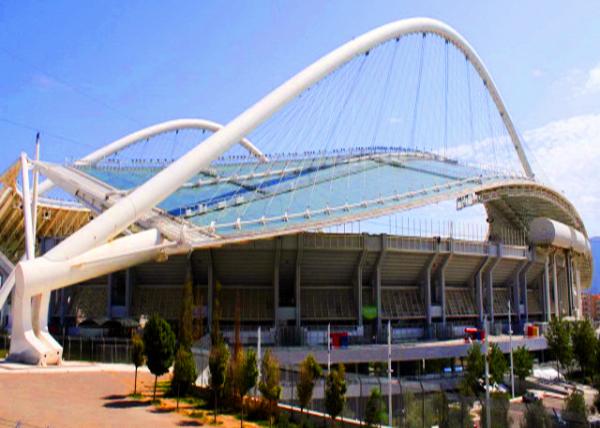 Olympic Stadium, the Only Stadium in the World Built Entirely of Marble Olympic Stadium, the Only Stadium in the World Built Entirely of Marble
(奥林匹克体育场·世上唯一一座完全用大理石建造的体育场) 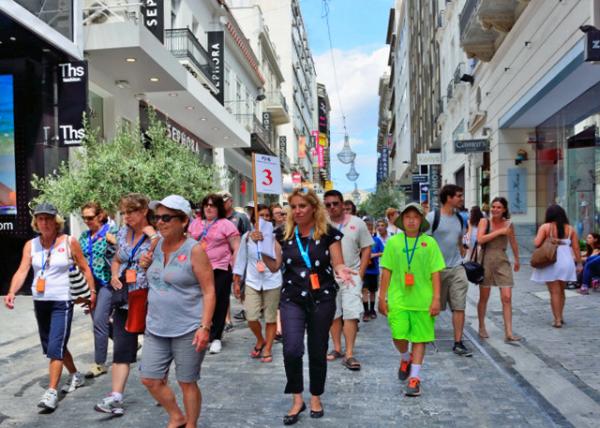 Plaka, the Neighborhood of the Gods Plaka, the Neighborhood of the Gods
(普拉卡“古雅典”·众神邻居 06-20-2015)
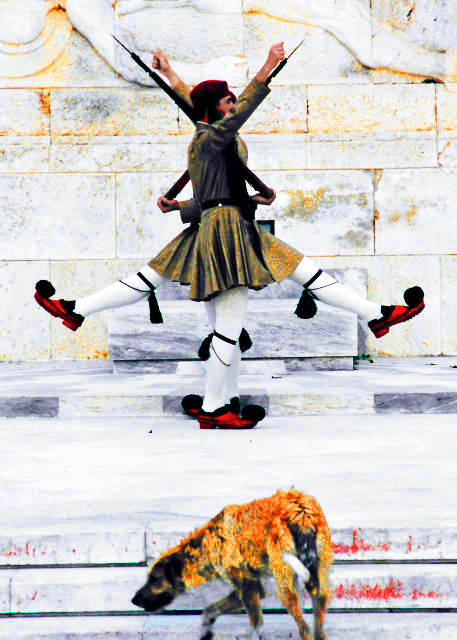
Presidential Guards Evzone Changing @ Tomb of the Unknown Soldier (2001年总统卫队在《无名烈士碑》前进行卫兵交接仪式) 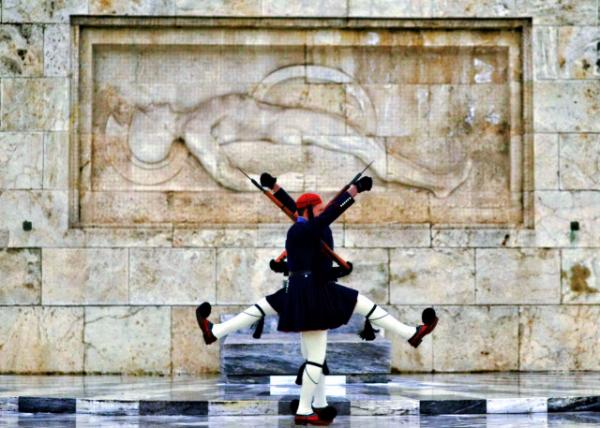 Tomb of the Unknown Soldier Tomb of the Unknown Soldier
(2015年总统卫队在《无名烈士碑》前进行卫兵交接仪式)
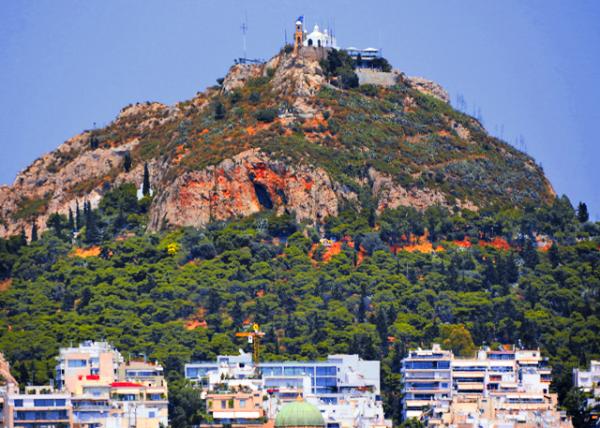 Mount Lycabettus, the Highest Hill of the Capital @ 277 Meters / 909 Feet Mount Lycabettus, the Highest Hill of the Capital @ 277 Meters / 909 Feet
(利卡贝托斯“狼走过”山·首都最高峰,海拔277米/909英尺) 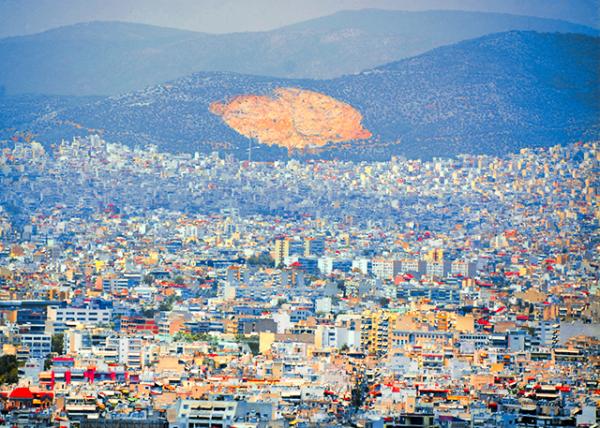 Metropolitan Athens (雅典大都会) Metropolitan Athens (雅典大都会)
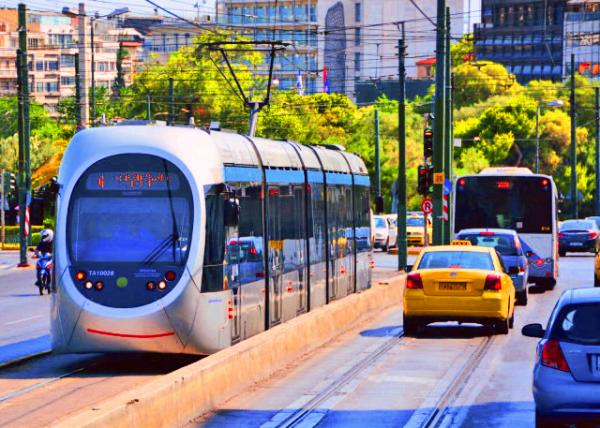 Tram Athinas (雅典有轨电车) Tram Athinas (雅典有轨电车)
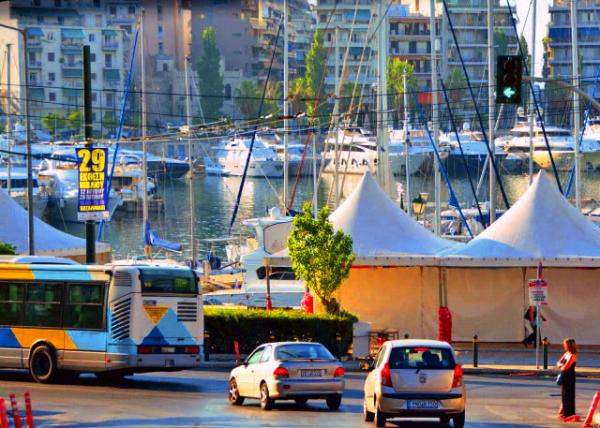 Piraeus Marina (比雷埃夫斯“雅典港”游艇码头) Piraeus Marina (比雷埃夫斯“雅典港”游艇码头)
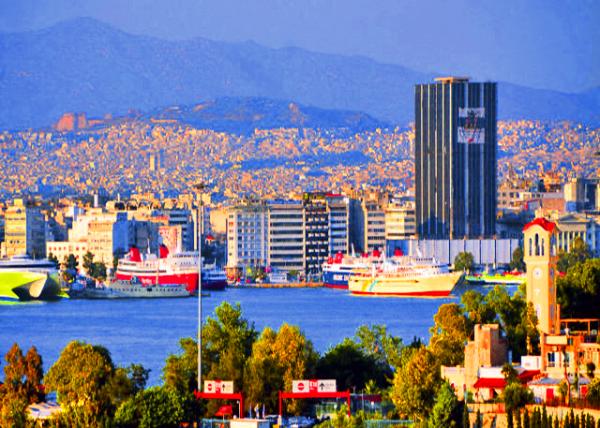 Piraeus Port (比雷埃夫斯港) Piraeus Port (比雷埃夫斯港)
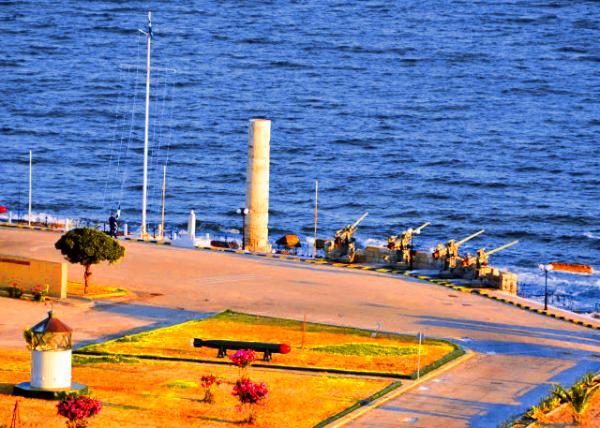 The Tomb of Themistocles @ Piraeus Port The Tomb of Themistocles @ Piraeus Port
(比雷埃夫斯港·“法典荣耀”之墓) 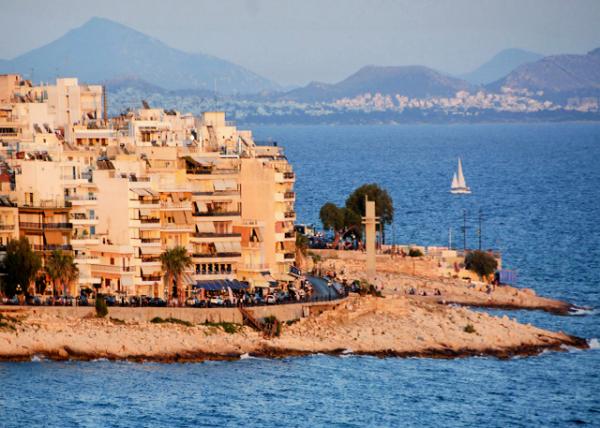 Piraeus, the Port City (比雷埃夫斯市·港口城) Piraeus, the Port City (比雷埃夫斯市·港口城)
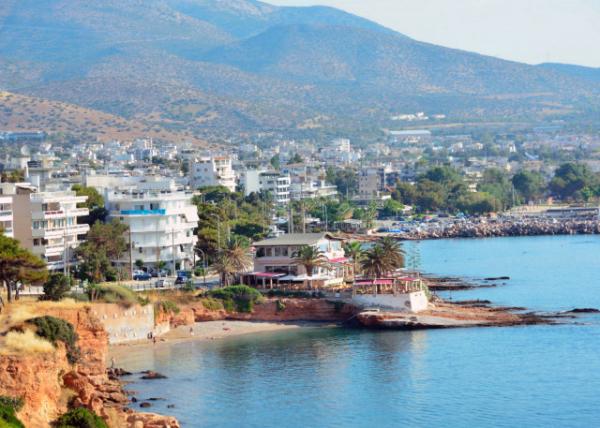
Waterfront @ Piraeus (比雷埃夫斯市·前海沿)
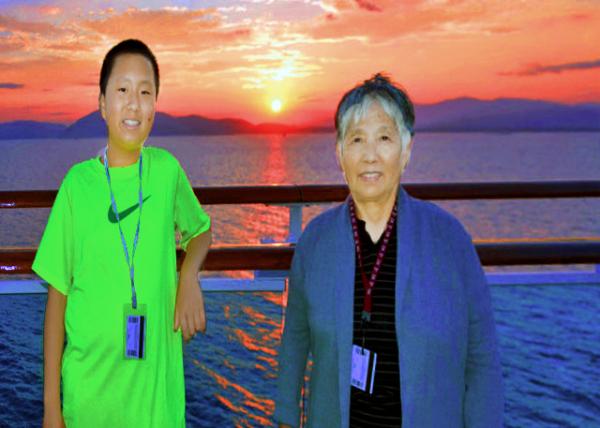 Sunset @ Saronic Gulf (萨罗尼克湾·日落 06-20-2015) Sunset @ Saronic Gulf (萨罗尼克湾·日落 06-20-2015)
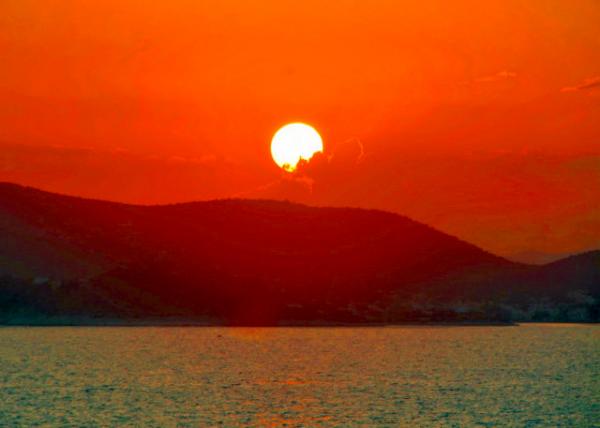 Sunset (日落) Sunset (日落)
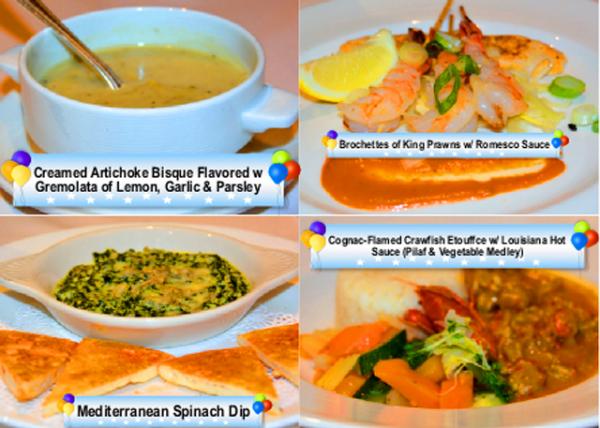 晚餐:奶油洋蓟浓汤、串烤大虾与红椒杏仁酱、地中海菠菜蘸酱、路易斯安那“著名战士”辣酱烧小龙虾盖饭 晚餐:奶油洋蓟浓汤、串烤大虾与红椒杏仁酱、地中海菠菜蘸酱、路易斯安那“著名战士”辣酱烧小龙虾盖饭
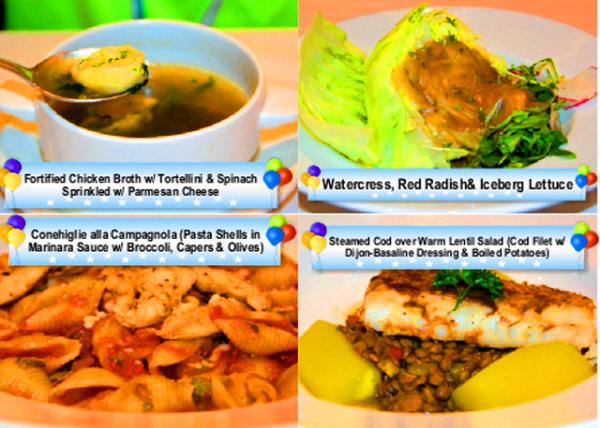 意饺和菠菜营养鸡汤、西洋菜红萝卜卷心莴苣沙拉、纯番茄酱贝壳意面、热扁豆沙拉蒸鳕鱼 意饺和菠菜营养鸡汤、西洋菜红萝卜卷心莴苣沙拉、纯番茄酱贝壳意面、热扁豆沙拉蒸鳕鱼
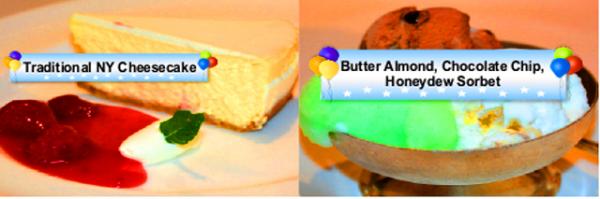 传统纽约奶酪蛋糕、三色冰激凌·奶油杏仁、巧克力块与哈密瓜冰糕 传统纽约奶酪蛋糕、三色冰激凌·奶油杏仁、巧克力块与哈密瓜冰糕
Crosslinks(相关博文): Greece(出游希腊)
Europe(欧洲掠影) 6th Grade(初中一年级)
|