2015-06-16
【Aiden in English】
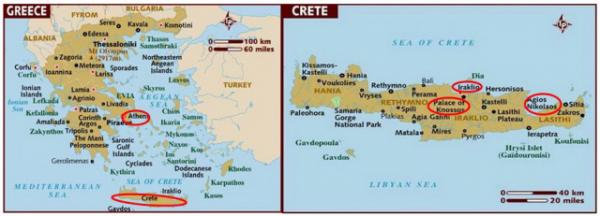
And I thought the lemons were taking over the world. Witnessing the activity on Crete in the Aegean Sea of Greece, the olive headquarters of the operations, I knew a contest was quickly approaching for those two plants. Crete is the most southerly point in Europe and is filled with lush olives, and I think they might have a shot at beating the lemons to a common goal: world domination. The island of Crete is the largest in Greece and is home to approximately 41 million olive trees. Each tree produces more olives. Their numbers grow daily, and it seems there is no barrier to their expansion. I said "virtually." The lemons have their spies in the world to stop potential competitors in their tracks. With the rising threats of the olives, these spies are sending some "f" iend." The olives are now being shipped out by the millions. They are brought to execution facilities, where the olives are crushed slowly, and the blood is collected and bottled, sold to the world at a high price, and the money influences more people to buy. The lemons lower the price, attracting more people to make a purchase. When the demand for olives rises, the more olives cripple. They are being plucked off their branches quicker than ever. However, this trap was set by the ancient olive trees thousands of years ago. They have created a great story of gods and monsters. The only thing was that it was true. It began with the union of the sky and Earth, or Uranus and Gaia, resulting in the birth of the Titans. The Titans then brought the gods into the world. However, only the gods revolted against themselves, bringing an era to an end and ushering in a new one. This incredible story captured the world's attention, directly alerting the entire population of the Earth to the island of Crete. The olives have activated their own defense. Around the world, the temperature begins to rise. Humans thought this was a natural phenomenon, but it was just a protocol activated during the Ice Age. It is known as global warming. The heatwave has increased olive production, but it has also led to a decline in tourist interest in visiting Crete to purchase olives. Five thousand years ago, another battle between the lemons and the olives raged. This time, the battle occurred in the ancient Greek fortress, the Palace of Knossos. Both sides suffered significant losses, and the olives fended off the lemons. The Palace of Knossos was an enormous complex at the time, containing five levels, over 1,400 intimate rooms, a marvel of frescoes, Minoan relief figures, murals on plaster, and graceful columns. This architectural wonder was the home to the mythical Minotaur. King Minos, the son of Zeus, built the palace. It was a sacred place, so Lemon couldn't leave the island from then on. The holy grounds protected the olives from the lemons because Zeus was born here, bringing olives with him. Zeus then protected Crete from any attack, godly or… lemon-ly. Unfortunately, his powers were failing, and the struggle raged once again. And the result might be a world without either. The rivalry between the olives and the lemons can’t be settled without bloodshed, which in this case is juice-shed. When the day comes, and the war ends, we… there won’t be that day. So, it’s every man for himself. 【红霞译】
我本以为只有柠檬一统天下,但当置身爱琴海希腊克里特“强大”岛橄榄腹地亲眼目睹植被概貌时,我立刻感到橄榄气势磅礴,这个位于欧洲最南端的岛屿几乎掩映在郁郁葱葱的橄榄树林之中。如同柠檬一样,橄榄正席卷全球。
克里特岛是希腊最大的岛屿,拥有4,100万棵橄榄树,每棵都硕果累累,并且数量与日俱增,看起来好像自然繁衍,没错儿,“好像”如此。这下柠檬棋逢对手,终于碰到橄榄这个半路杀出来的程咬金。随着竞争白热化,橄榄也亦步亦趋深入“敌”后,数以百万计的橄榄果子被运到工厂脱皮加工,其汁液装瓶打包,再以高价行销世界各个角落,有了钱可以说服更多的顾客购买,而柠檬则靠的是薄利多销。橄榄油需求提高,橄榄产量相继增大,采摘频率比过去加快了很多,但这种策略部署早在几千年前就已经形成,自古以来橄榄油一向根据供需关系生产,希腊因此还创造出众神与恶魔的故事,听上去荡气回肠。盘古开天,苍穹之神乌拉诺斯与大地女神盖亚生下泰坦,泰坦把诸神带进了这个世界,但却被后辈神灵彻底推翻,一个时代的灭亡标志着另外一个时代的兴起。这么动人的画面不能不引起全世界的极大关注,而克里特岛恰是整个故事的发源地。橄榄与时俱进,自身调整适应机制,以不变应万变,正如地球变暖,温室效应随冰期以后气温上升逐渐显现出来。这里的橄榄产量虽然有增无减,但游客却被热得望而却步。
5000年前柠檬和橄榄之间的竞争已经难解难分,这回索性把战场搬进名叫“克诺索斯宫殿”的古希腊城堡,双方损失惨重,橄榄干脆把柠檬挡在墙外。克诺索斯宫殿规模巨大,有五层平台,超过一千四百多间居室,至今依然保留撼世珍品米诺斯石膏人物浮雕、绘画及擎天石柱,希腊神话中的牛头怪曾出生在这个奇葩建筑里。整个宫殿根据米诺斯国王的旨意兴建而成,米诺斯是神王宙斯的儿子,遂之成为神圣的地方。从那时起,柠檬再也无法在这片土壤上攻击橄榄,圣地是橄榄经久不衰的后盾,因为宙斯早年在克里特岛诞生的时候,橄榄相伴左右,从那以后,宙斯一直福佑克里特岛不被外界神化的或……柠檬式的侵犯。不幸的是,宙斯神力逐日衰竭,对立面重新揭竿而起,争来斗去的结果不是你死就是我活。 橄榄和柠檬之间的争斗非打得头破血流汁液满地不可,届时大家才会消停下来。当然我们……不会看到这一天出现,因此双方继续自以为是。
Today in History(历史上的今天): 2015: Olives in Crete, Greece(希腊克里特岛的橄榄) 2014: Hospital Visit(医院探访) 2012: Persuasive─Sell(劝说文─推销) 2011: 二年级结业典礼(Second Grade Ceremony) 2010届宾州光华中文学校毕业典礼(2010 GHCS Commencement, PA) 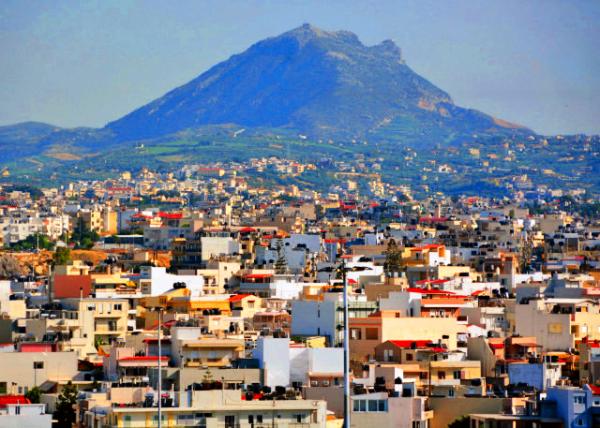 Mount Ida, the Highest Mtn on Crete Mount Ida, the Highest Mtn on Crete
(伊达“林地”山·克里特岛之最) 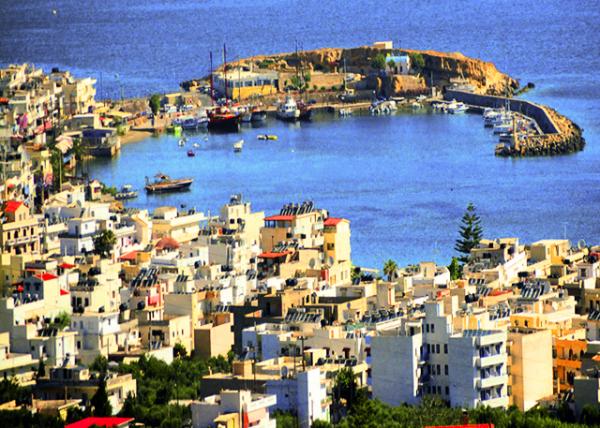 Heraklion Port (伊拉克利翁“英雄荣耀”港) Heraklion Port (伊拉克利翁“英雄荣耀”港)
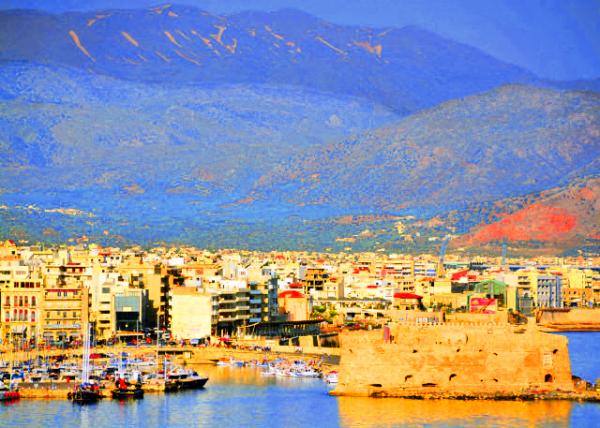 Venetian Fortress of Koules Castello, a Mare (1523–1540) in the Inner Harbor of Heraklion Venetian Fortress of Koules Castello, a Mare (1523–1540) in the Inner Harbor of Heraklion
(海上威尼斯海堡·1523年—1540年建在伊拉克利翁内港) 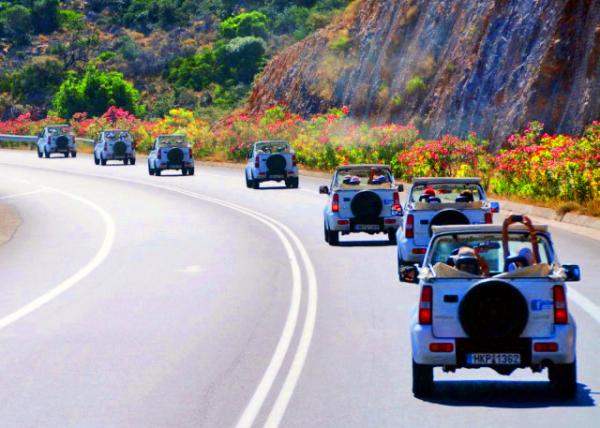 Local Roads w/ No Traffic Lights on Crete Local Roads w/ No Traffic Lights on Crete
(克里特全岛所有公路没有红绿灯) 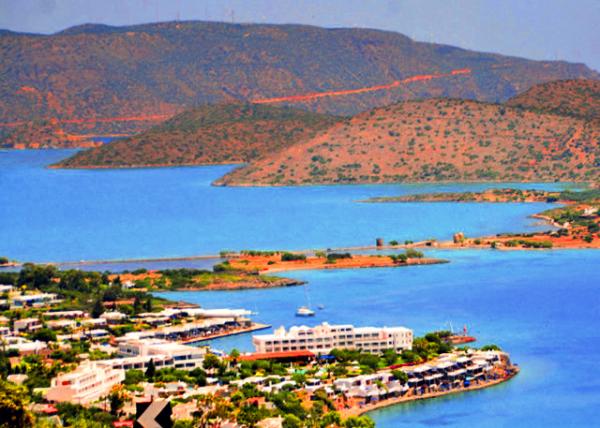 Mirabello Bay, the Largest Bay on the Greek Islands Mirabello Bay, the Largest Bay on the Greek Islands
(米拉贝洛“美”湾·希腊诸岛之最) 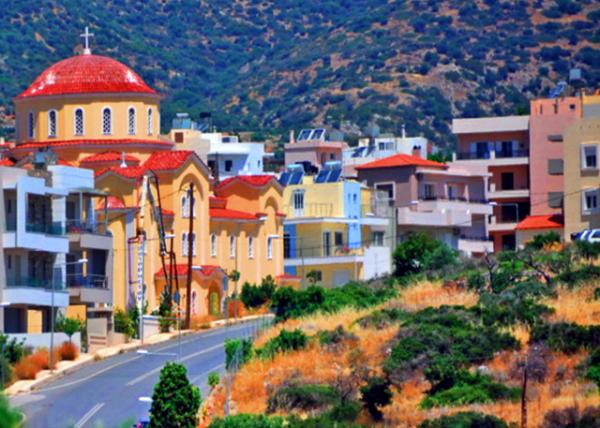 Palaiochora, Popular w/ Hippies Palaiochora, Popular w/ Hippies
(帕莱奥霍拉“古老村庄”·嬉皮士的度假胜地) 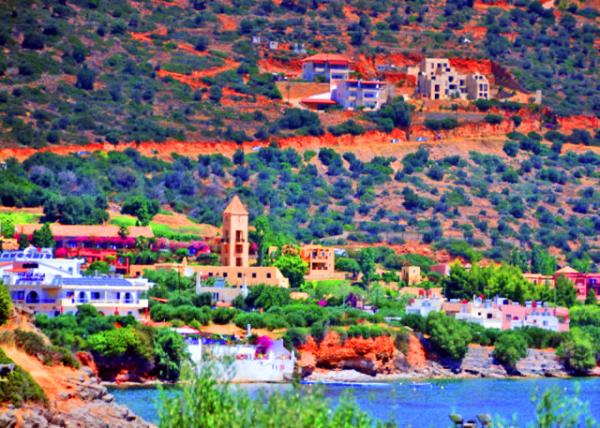 Agios Nikolaos (圣尼古拉斯“人民的胜利”城) Agios Nikolaos (圣尼古拉斯“人民的胜利”城)
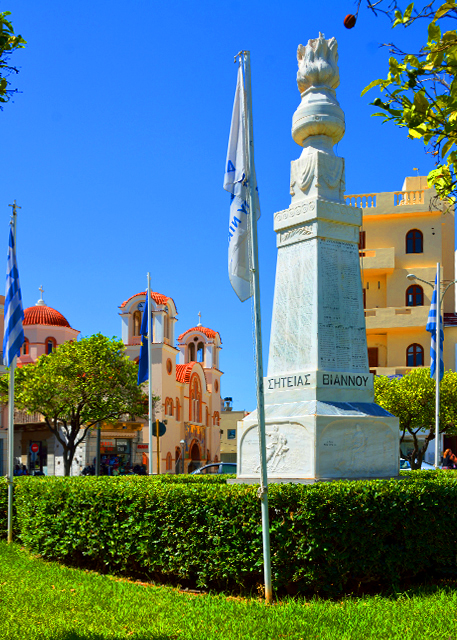
Heroes Monument in Agios Nikolaos (圣尼古拉斯·《英雄纪念碑》)
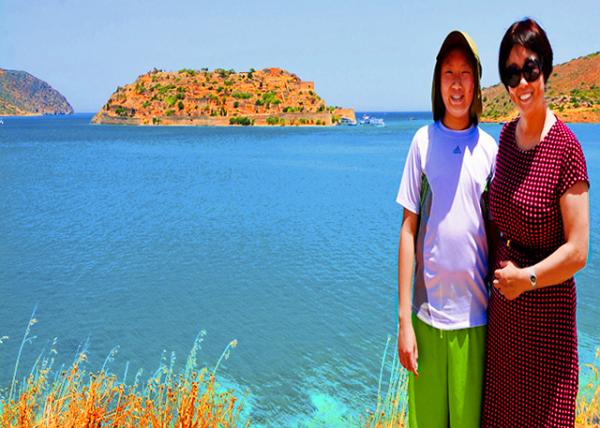 Spinalonga, a Leper Colony from 1903 to 1957 & Island of the Living Dead Spinalonga, a Leper Colony from 1903 to 1957 & Island of the Living Dead
(斯皮纳龙格“长刺”岛·1903年—1957年为希腊主要的痳疯病人隔离所,即活死人岛 06-16-2015)
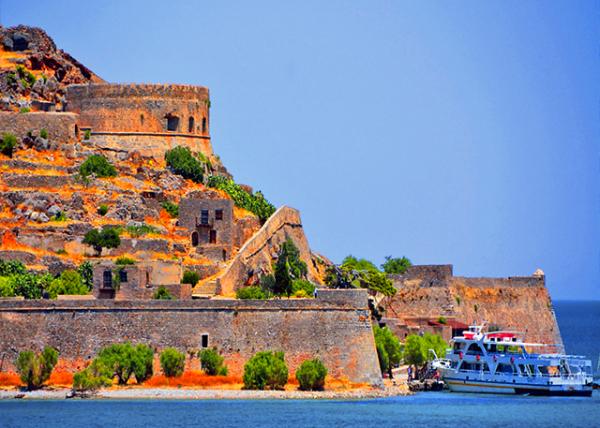 Spinalonga Fort, Built by the Venetians in the 16th Century, Surrendered to the Ottomans in 1715, & a Leper Colony in 1904, w/ the Last Inmate Evacuated in 1957 Spinalonga Fort, Built by the Venetians in the 16th Century, Surrendered to the Ottomans in 1715, & a Leper Colony in 1904, w/ the Last Inmate Evacuated in 1957
(斯皮纳龙格堡·16世纪由威尼斯人建造;1715年向奥斯曼“强大”帝国投降;1904年成为麻风病人隔离区,最后一位患者于1957年撤离)
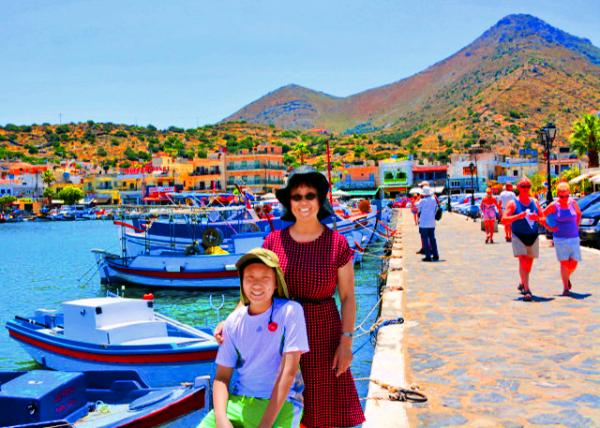 Elounda, a Fishing Village (伊罗达镇·渔村 06-16-2015) Elounda, a Fishing Village (伊罗达镇·渔村 06-16-2015)
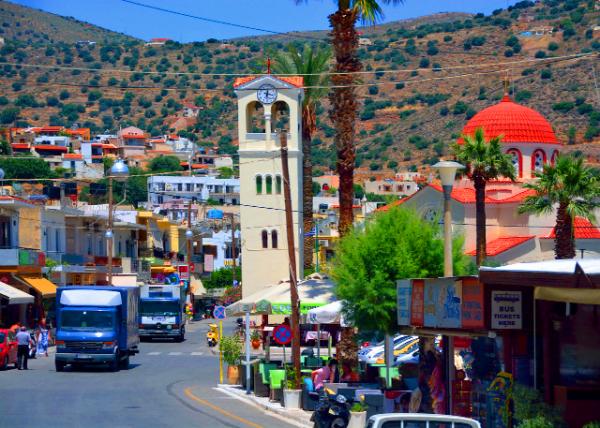 Elounda Center (伊罗达镇中心) Elounda Center (伊罗达镇中心)
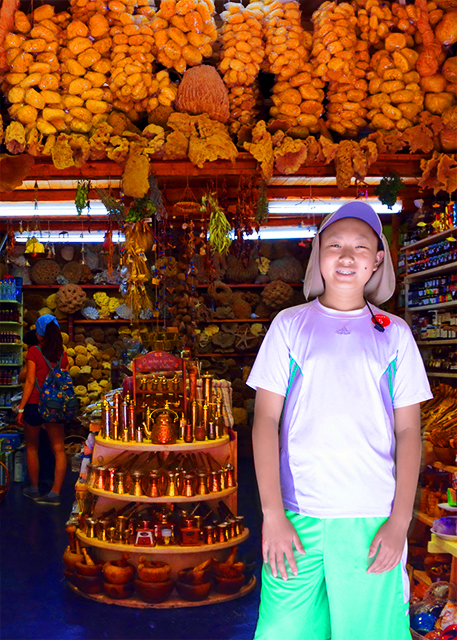
Souvenir Shop w/ Natural Sponges @ Elounda (伊罗达镇·天然海绵纪念品商店 06-16-2015) 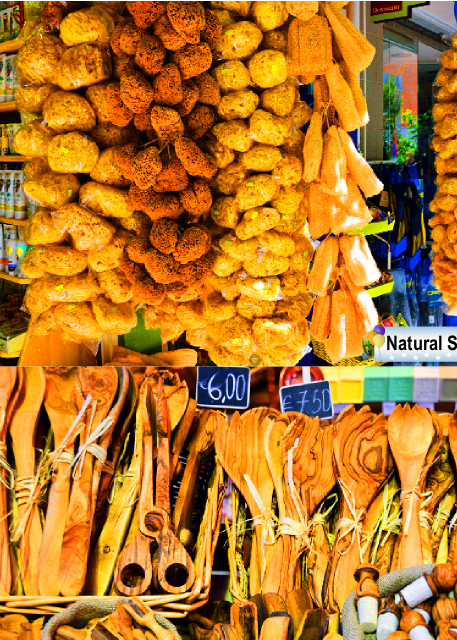
天然海绵、橄榄木厨房用具 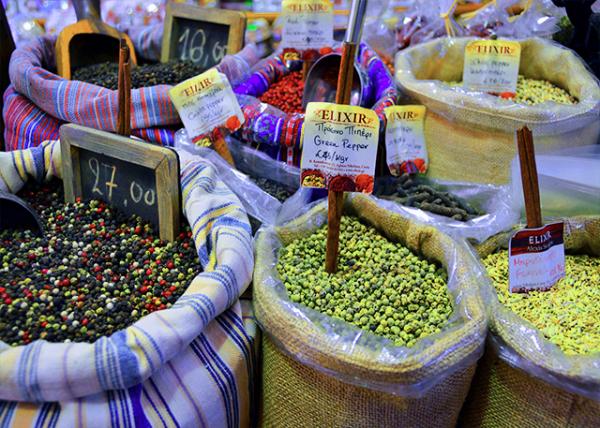 Sacks of Various Spices & Dried Condiments Sacks of Various Spices & Dried Condiments
(各种香料和干调味品袋子) 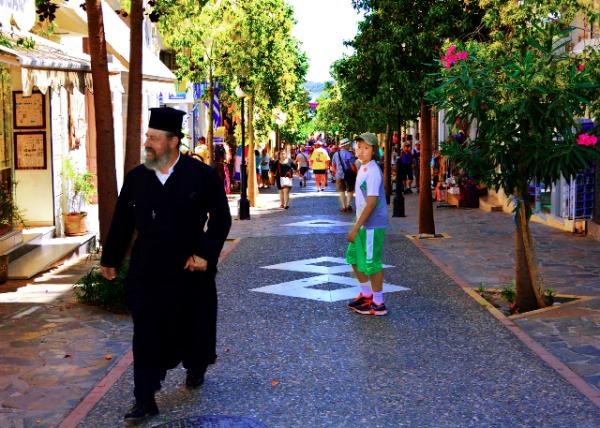 Orthodox Priest @ Elounda Orthodox Priest @ Elounda
(伊罗达镇东正教牧师 06-16-2015) 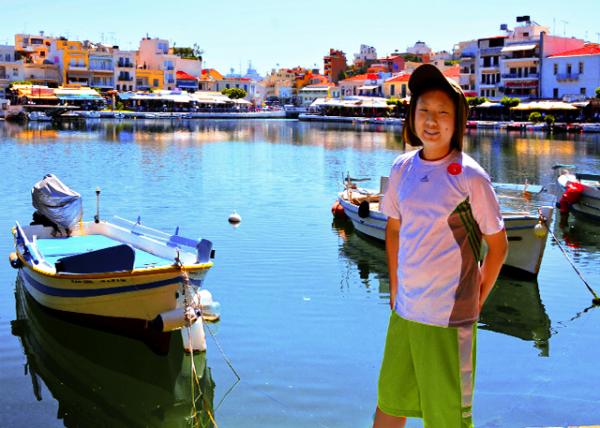 Lake Voulismeni Connected to the Sea @ Elounda Lake Voulismeni Connected to the Sea @ Elounda
(伊罗达镇沃利斯梅尼“淹没”湖·与大海相连 06-16-2015) 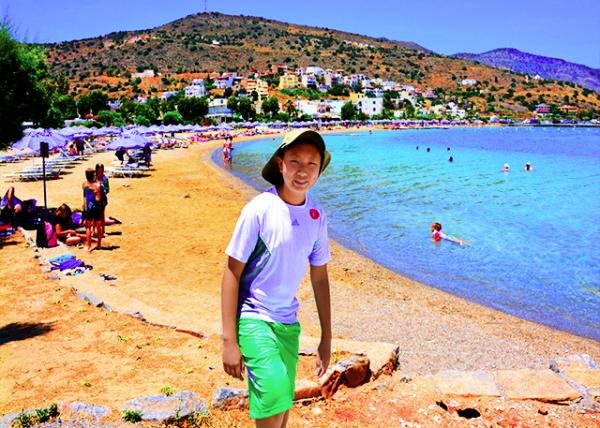 Elounda Beach, a Sandy Beach w/ Crystalline Light-Blue Waters Elounda Beach, a Sandy Beach w/ Crystalline Light-Blue Waters
(伊罗达海滩·拥有晶莹浅蓝色海水的沙滩 06-16-2015) 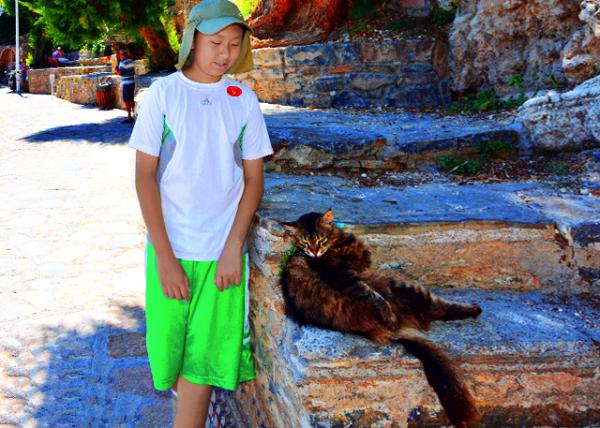 Elounda Cat (偶遇伊罗达狸猫 06-16-2015) Elounda Cat (偶遇伊罗达狸猫 06-16-2015)
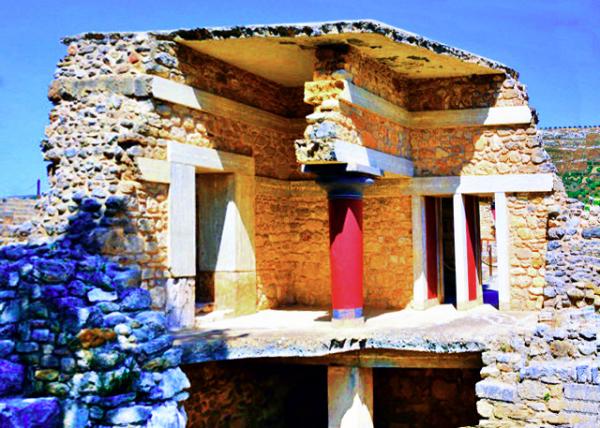 Knossos, Remains of the Minoan Bronze Age Civilization Built after c. 2000 BC Knossos, Remains of the Minoan Bronze Age Civilization Built after c. 2000 BC
(米诺斯·青铜时代文明遗迹,建于公元前2000年之后 06-16-2015) 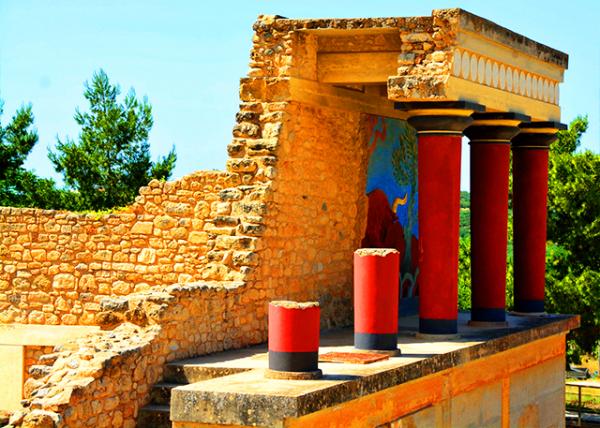 Palace of Knossos (克诺索斯王宫) Palace of Knossos (克诺索斯王宫)
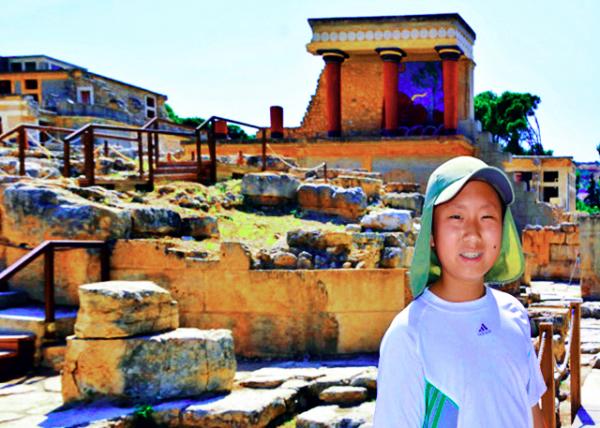 Knossos w/ Charging Bull Fresco Knossos w/ Charging Bull Fresco
(克诺索斯王宫·与奔牛壁画 06-16-2015) 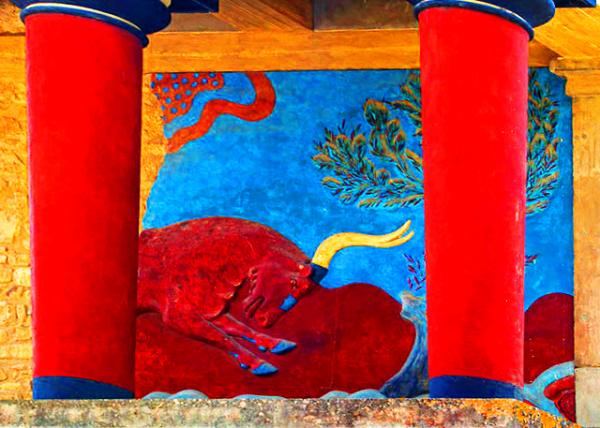 North Portico Featuring a Tribute to the Magnificent Beast Minotaur, Probably the Minoan High Priest Wearing a Bull's Helmet as a Bull Deity @ Knossos North Portico Featuring a Tribute to the Magnificent Beast Minotaur, Probably the Minoan High Priest Wearing a Bull's Helmet as a Bull Deity @ Knossos
(克诺索斯王宫·北门廊壁画向雄伟的牛头怪致敬,米诺斯大祭司头戴公牛头盔,象征着牛神) 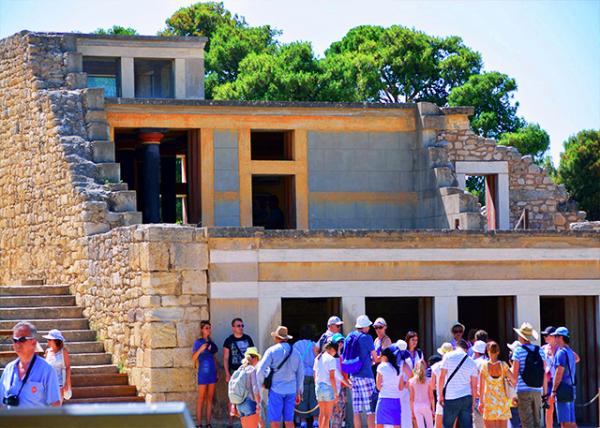 Façade of the Fully Restored Throne Room Complex of Knossos Palace Façade of the Fully Restored Throne Room Complex of Knossos Palace
(克诺索斯宫·全面修复的王座室建筑群正面)
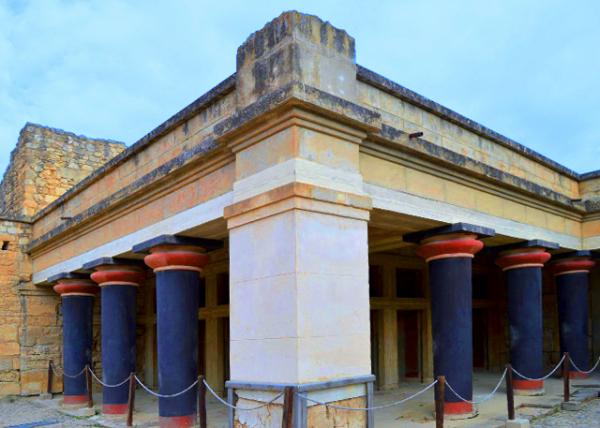 King's Megaron & Stoa @ Knossos King's Megaron & Stoa @ Knossos
(克诺索斯宫·国王的大厅和柱廊) 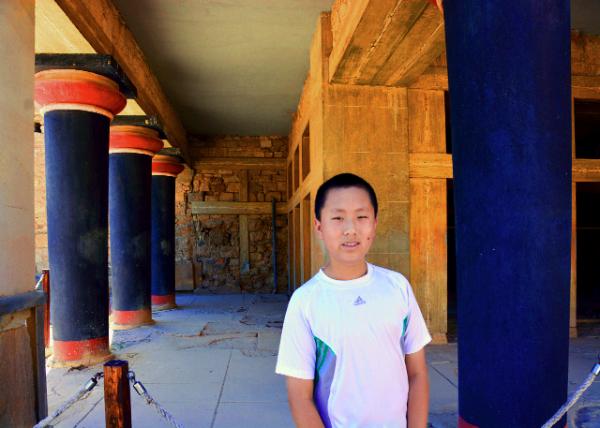 Columns in the Portico of the King's Megaron or Hall of the Double Axes @ Knossos Columns in the Portico of the King's Megaron or Hall of the Double Axes @ Knossos
(克诺索斯王宫·国王大厅即双斧大厅门廊的柱子) 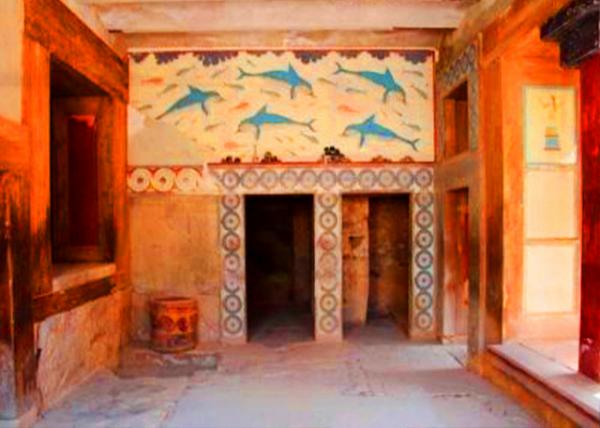 Queen's Megaron @ Knossos Queen's Megaron @ Knossos
(克诺索斯王宫·王后大厅) 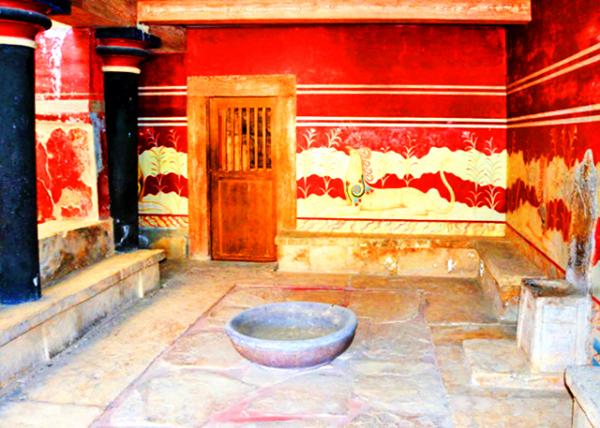 Throne Rm @ Knossos (克诺索斯王宫·王座室) Throne Rm @ Knossos (克诺索斯王宫·王座室)
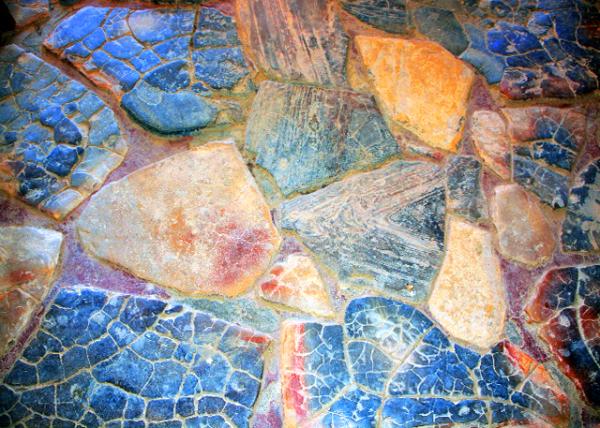 Throne Room Floor @ Knossos (克诺索斯王宫·王室地面) Throne Room Floor @ Knossos (克诺索斯王宫·王室地面)
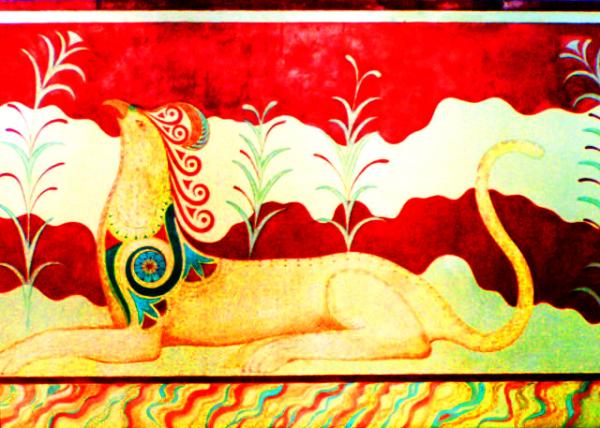 Fresco of Griffin Couchant Facing Throne @ Knossos Fresco of Griffin Couchant Facing Throne @ Knossos
(克诺索斯宫王室壁画·面对宝座的狮身鹰首兽躺椅) 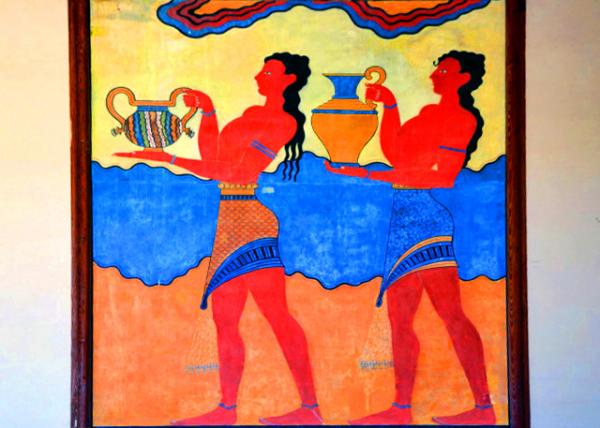 Fresco of Minoan Figures @ Knossos Fresco of Minoan Figures @ Knossos
(克诺索斯王宫壁画·米诺斯人物形象) 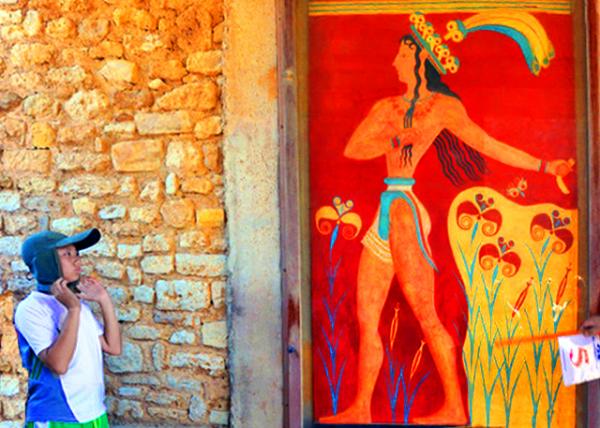 Prince of the Lilies Plaster Relief about a Priest-King @ the End of the Corridor of Processions, Wearing a Crown w/ Peacock Feathers & a Necklace w/ Lilies, Leading an Unseen Animal to Sacrifice, Knossos Prince of the Lilies Plaster Relief about a Priest-King @ the End of the Corridor of Processions, Wearing a Crown w/ Peacock Feathers & a Necklace w/ Lilies, Leading an Unseen Animal to Sacrifice, Knossos
(克诺索斯王宫石膏浮雕《祭司王子》·位于仪礼行列通道尽端,“祭司王”戴有孔雀羽毛王冠和百合花项链,牵着一只看不见的动物去献祭 06-16-2015) 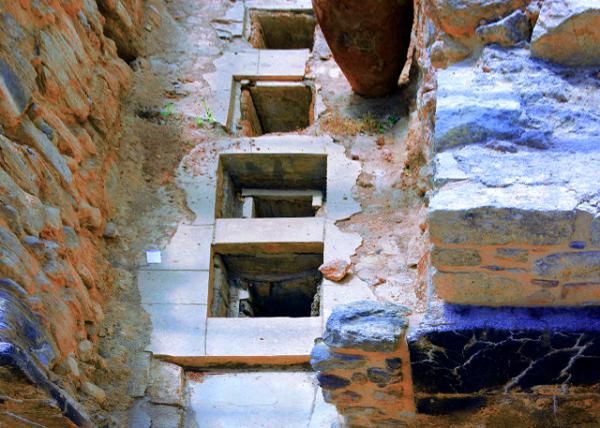 Storage Magazine of the West Wing w/ Pithoi @ Knossos Storage Magazine of the West Wing w/ Pithoi @ Knossos
(西翼储藏库与陶罐)
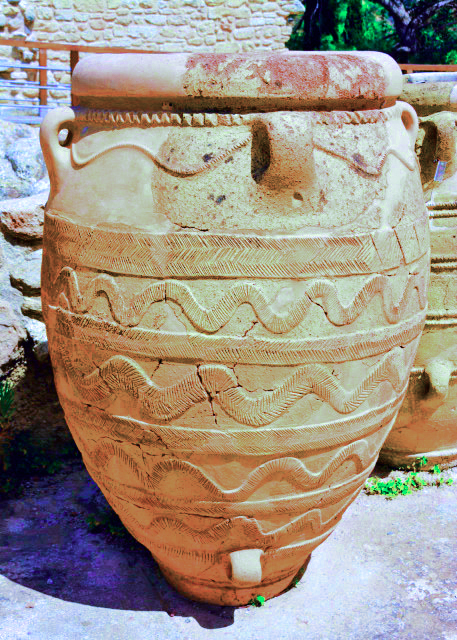
Pithoi or Storage Jar @ Knossos (克诺索斯王宫·储物罐) 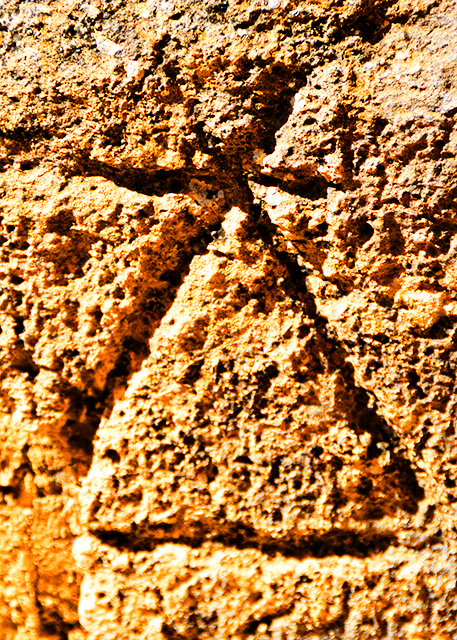
Carving of Labrys (石刻《双刃斧》) 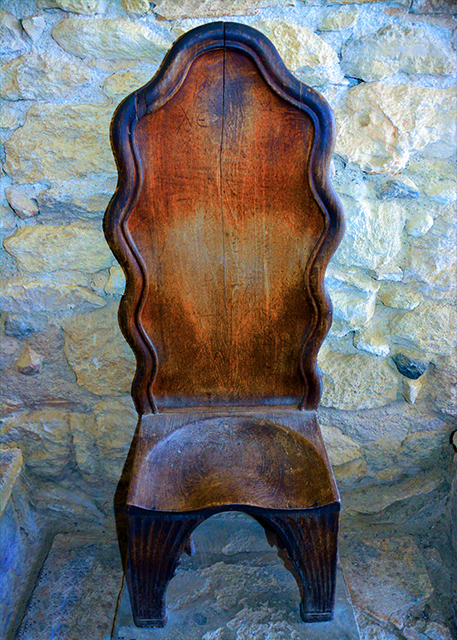
Wooden Throne @ Justice Hall of Knossos (克诺索斯王宫·正义大厅木制王座) 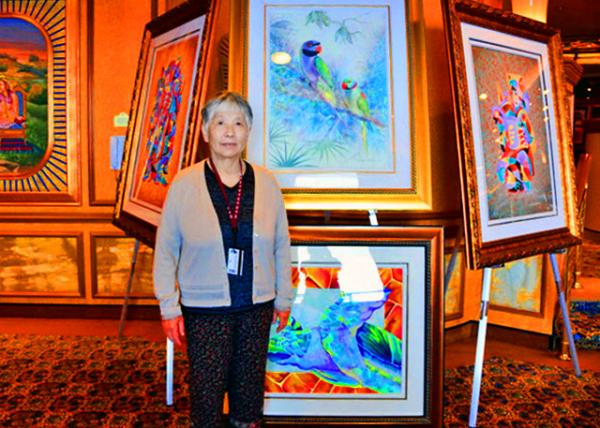 Art Auction @ Emerald Princess Art Auction @ Emerald Princess
(公主·翡翠号游轮——艺术拍卖 06-15-2015)
 Sunset @ Aegean Sea Sunset @ Aegean Sea
(爱琴“波浪”海日落 06-16-2015) 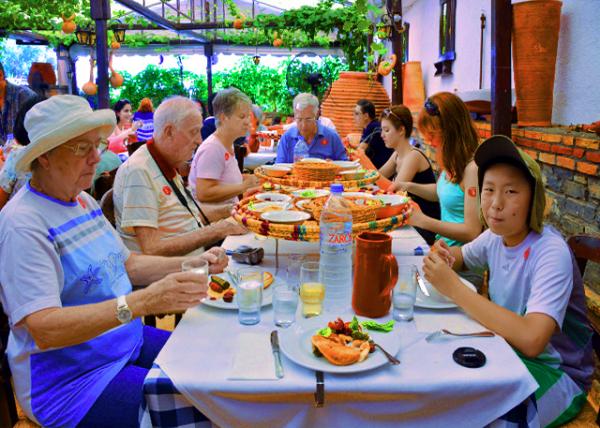 Lunch under Gourd Trellis @ Elounda Lunch under Gourd Trellis @ Elounda
(伊罗达镇·葫芦架下午餐 06-16-2015) 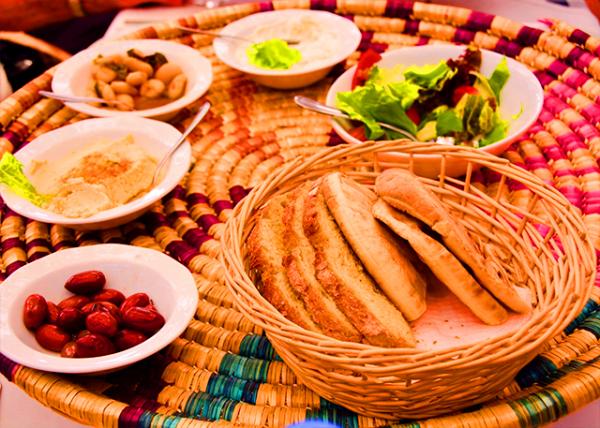 Local Lunch @ Elounda (伊罗达镇·当地午餐) Local Lunch @ Elounda (伊罗达镇·当地午餐)
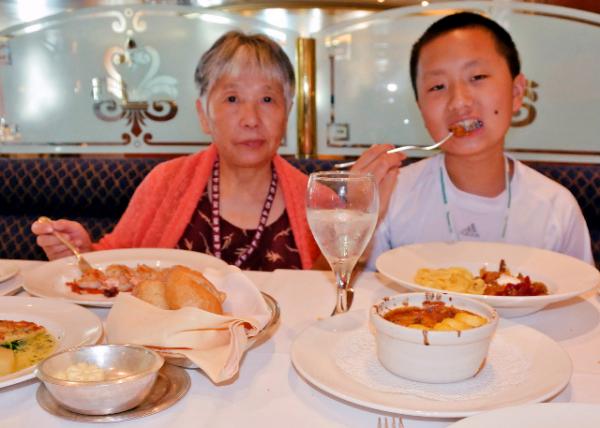 Boticelli Dining Rm of Emerald Princess Boticelli Dining Rm of Emerald Princess
(“公主·翡翠”号游轮——波提切利“小桶”餐厅 06-16-2015)
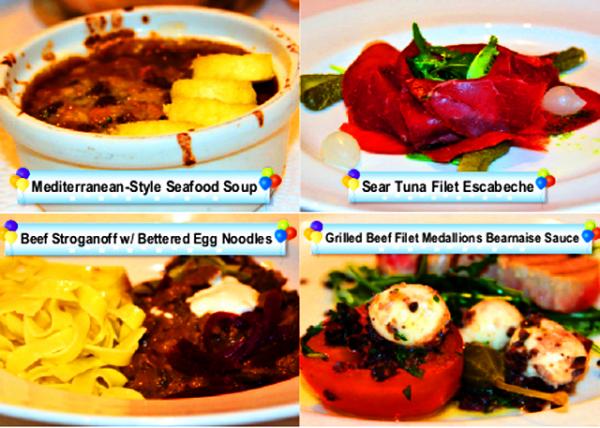 晚餐:地中海式海鲜汤、油煎调味金枪鱼片、俄式牛柳丝配奶油蛋面、蛋黄酱汁铁扒牛柳 晚餐:地中海式海鲜汤、油煎调味金枪鱼片、俄式牛柳丝配奶油蛋面、蛋黄酱汁铁扒牛柳
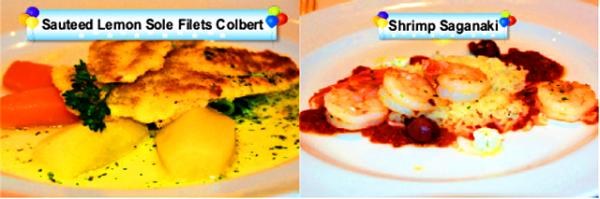 香煎柠檬鱼片、番茄羊乳酪炒虾仁 香煎柠檬鱼片、番茄羊乳酪炒虾仁
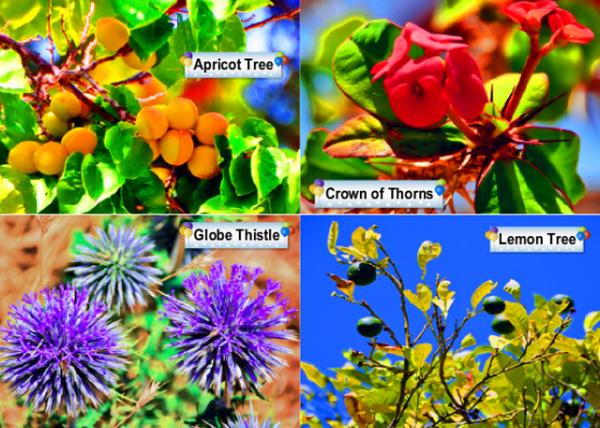 杏树、铁海棠、球蓟、柠檬树 杏树、铁海棠、球蓟、柠檬树
Crosslinks(相关博文):
Greece(出游希腊)
Europe(欧洲掠影) 6th Grade(初中一年级)
|