2017-08-18
【Aiden in English】
Mom and I visited many castles and palaces, ranging from Romanesque to Gothic styles, during our previous Danube Viking Cruise. Every other day or so, a new king or wealthy family would be introduced during the tour, each with its own empire and a vast pool of wealth. Typically, they built castles, and most of these aristocrats were of German descent. That is why Germany's countryside is commonly known as a fairy tale. It should be more accurately called a pile of money. Ludwig II was a unique king who was particularly interested in spending a considerable amount of money on castles. Most kings used to pass down structures from their ancestors. However, on rare occasions, more common in Germany, once a king decided to build a castle, it was unbelievably expensive, using gold-like bricks and diamond-like paint. This trip today was not going to be to a king's palace, which can be assumed to have no diamonds burning as fuel in the fireplace. Nevertheless, money still went into someone's pocket, and the money belonged to Clemens August, the castle's owner, hence the name Augustusburg. Unlike some architects, this 18th-century lavish residence did an excellent job without using the finest quality items. I'm not saying that Italian glass or Chinese porcelain wasn't of high quality, but once again, there wasn't gold asking to be stolen. Like every other European castle, Augustusburg displays power and wealth. Although he wasn't the highest-ranking person in the country, Clemens August was a Prince-Archbishop of Cologne, and only the emperor and the pope ranked above him. Our tour was of his Augustusburg and Falkenlust Hunting Lodge in Brühl, a tremendous pile of money. He didn't live in this lavish palace. It was only for receptions of significant events, like hunting. People say this is why there is America: France lost the French and Indian War because its rich were too busy paying for large houses, which led America down the road of freedom. Augustusburg, from the outside, appeared to be an ordinary 18th-century mansion. The guide emphasized that the interior was the highlight of many extravagant Rococo rooms, chambers, and splendid Baroque gardens, which were lined with hedgerows and trees. I understand, but it's interesting to see a man with this much money not spend more on a stunning entrance... and then I saw the interior. The palace featured numerous Asian decorative motifs, including porcelain designs and Chinese drawings. Furthermore, a flowing theme was established early on and continued throughout the house. The edges of ceilings, doorways, and windows displayed a very curvaceous outline, elegant and stylistic of the German Rococo. From room to room, each a little cube next to another cube, we went around and around in circles. I believed the entire house would be composed of little cubes within a larger overall cube. But soon, we ran into a much, much larger room. The grand staircase was the highlight of the tour, decorated with marble-like floors and pillars, and a beautiful staircase of simplicity. The walls were adorned with various emblems and engraved pieces of art, as well as stone statues symbolizing life's goals. An intriguing point of the statue was that one stone bust depicting a child represented modesty. The only modest thing about this home was the servant quarters. At the top of the stairs, a person staring up at the ceiling would find a masterful painting of the ceiling, portrayed as if there were a dome. It fooled me. The scene was of a heavenly paradise, with angels playing trumpets in the clouds. To all visitors climbing up the marble steps, it certainly felt like Ascension. Eventually, after another round of the second floor surrounding the staircase, we're led down via the secret Servant's Hall, now not so hidden. Upon exiting, I realized how times have changed. Nowadays, there's Twitter, even for more formal people, to convey a message. Back then, you had to have an enormous, beautiful house to symbolize power. Regardless, both times show wealth spent in questionable ways. In 1984, the Castles of Augustusburg and Falkenlust at Brühl were inscribed as a UNESCO World Heritage Site. 【红霞译】
在刚刚结束的维京“海盗”游轮多瑙“奔流”河航线中,我参观过很多带有罗马式和哥特式遗风的城堡宫殿,几乎每两天新的一波帝王将相便被纳入旅行日程上来,既然一朝天子一朝臣,那么新政国君自然是万贯家私。一般情况下,他们致力于打造城堡,而这些皇亲贵族又多为日尔曼人,因此德国乡间常被视为童话王国,更准确地说当该称作“聚宝盆”才对。
路德维希“名将”二世标新立异,对斥资修筑城堡情有独钟,绝大多数国王惯于沿袭祖辈流传下来的建筑特征,但不排除极少数个例。在德国,一旦国王决定建造城堡,那么用黄金作砖钻石当漆相当普遍,因此个个价值连城。今天我们要去的不是王宫,何况从未有人把那儿当成烧钱之地,世上总归有人财大气粗,而科隆大主教克莱门斯·奥古斯特“仁慈·尊贵”都确实腰缠万贯,即城堡的主人,奥古斯都“大”堡由此得名。不像某些建筑,本处18世纪豪华私宅之所以辉煌并非因为使用别致的陈设,这里丝毫没有贬低意大利玻璃与中国陶瓷之意,只怪黄金不再属于抢眼的货色。
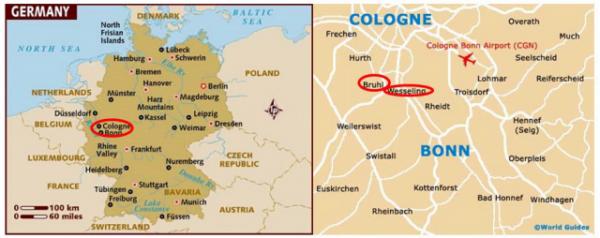
如同欧洲其它各个城堡,奥古斯都堡本来就是权力与财富的象征,尽管位于布吕尔“灌木沼泽”镇的奥古斯都堡算不上国家头等要人,但身为科隆大主教富可敌国,况且只有国王和教皇凌驾于他的地位之上。我们出游的目的地奥古斯都堡及法尔肯拉斯特“猎鹰宫”位于布吕尔,是一个有钱任性的绝佳去处。当时大主教根本不住在如此奢华的宫殿里,该城堡仅用来举办诸如狩猎之类的大型活动,难怪人们会说为何美国横空出世:法兰西输掉与印第安人的战争归根结底是因为把过多的精力耗费在豪宅上面,致使美国走上自由之路。
从外表上来看,奥古斯都堡跟18世纪普普通通的深宅大院没啥两样,导游索性把注意力心全部移至富丽堂皇的洛可可室内装潢以及绿树成荫的巴洛克花园,我心中有数,很想知道有钱人不肯花钱装饰门脸究竟图啥……接着房间布景映入眼帘。
宫殿里沿用很多亚洲装饰图案,譬如瓷器艺术品和中国绘画。此外,主题思想从头到尾贯穿整个建筑设计,天篷、走廊及窗户全部镶有德国洛可可花边,曲线流动风雅时尚,从一间屋子转入另一间屋子,上一单元连接下一单元,大家按游览顺序依次转了个遍。我相信全套楼房都是由各个小单元组合而成大单元,但不久我们突然来到宽敞明快的大厅,正面主楼梯恰为今天参观的焦点所在,其地面和支柱均由类似大理石结构的材料装饰而成,简单好看;墙壁上不是闪烁的各种徽章就是镌镂的浮雕艺术,象征人生目标的石刻作品错落有致。有一尊石雕耐人回味,它用孩子半身塑像来再现谦卑之意,殊不知这座城堡唯一算得上“谦卑”的地方莫过于仆人宿舍。在楼梯顶层,只要抬头仰望,你准保发现无与伦比的天花板画,楼板宛似圆拱,让我信以为真,画面展示圣洁般天堂,天使们在云中吹着小号。对于游客而言,如若爬上楼梯,定会有股升天的感觉。 在参观完楼梯旁二楼另外一侧后,我们终于通过现已不太掩饰的秘密仆人宿舍下楼。离开的时候,我禁不住感叹岁月变迁,如今要想了解天地经纬,你不妨登陆推特网站,即使一本正经的人照样如此;可追溯往昔,只有身居这种硕大无比美若仙境的权贵人物才能要什么有什么。不管怎样,两个时代都存有财富支配问题。
1984年,布吕尔的奥古斯都堡和猎鹰宫被联合国教科文组织纳入《世界遗产名录》。 Today in History(历史上的今天):
2017: Cologne, Kolsch Beer Tasting of Germany(德国科隆·品尝本地啤酒) 2017: Cologne, 4711 & 1. FC Koln of Germany(德国科隆·香水与足球俱乐部) 2017: Cologne Cathedral Church of St Peter(德国科隆·大教堂) 2017: Brühl, Falkenlust Hunting Lodge DEU(德国吕布尔·猎鹰园) 2017: Brühl, Castle Augustusburg DEU(德国吕布尔·奥古斯都堡) 2015: Travel alone to Beijing(独行北京) 2014: YMCA Camp─Dodgeball-1(基督教青年会夏令营─躲避球之一) 2012: 廿五年再相会(Reunion after 25 Years) 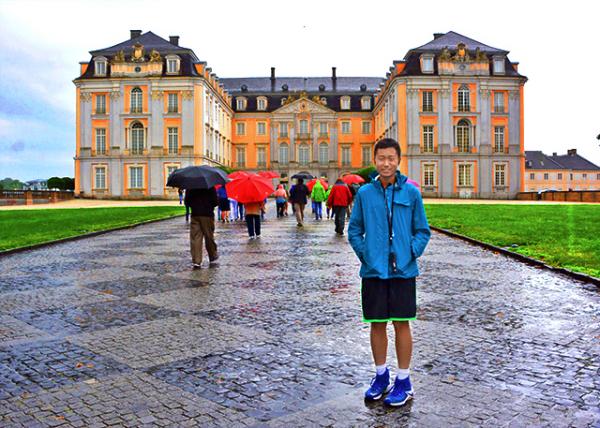 East Side of Augustusburg Palace in Brühl East Side of Augustusburg Palace in Brühl
(布吕尔镇·奥古斯都堡东侧 08-18-2017) 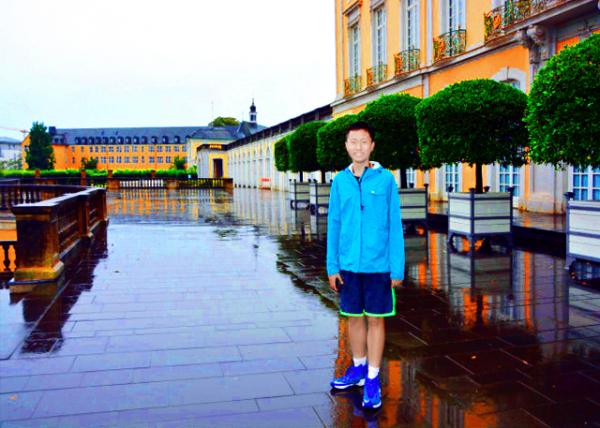 St. Mary of the Angels & Monastery of the Franciscans St. Mary of the Angels & Monastery of the Franciscans
(天使圣母和方济各修道院 08-18-2017) 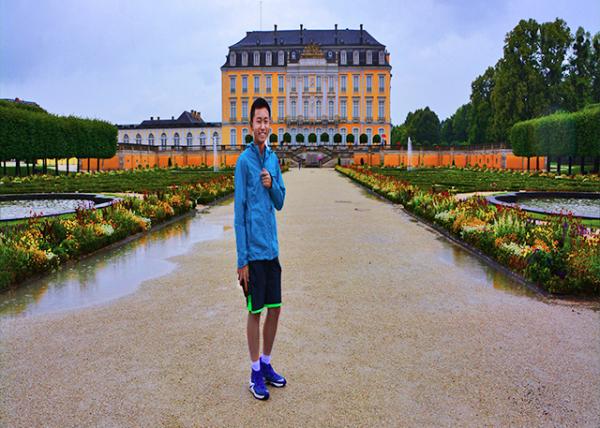 Gardens of Augustusburg Palace, Serving as a Masterpiece of Baroque Landscape Design in the 18th-century French-style Gardens of Augustusburg Palace, Serving as a Masterpiece of Baroque Landscape Design in the 18th-century French-style
(奥古斯都堡宫花园·18世纪法式巴洛克式景观设计 08-18-2017) 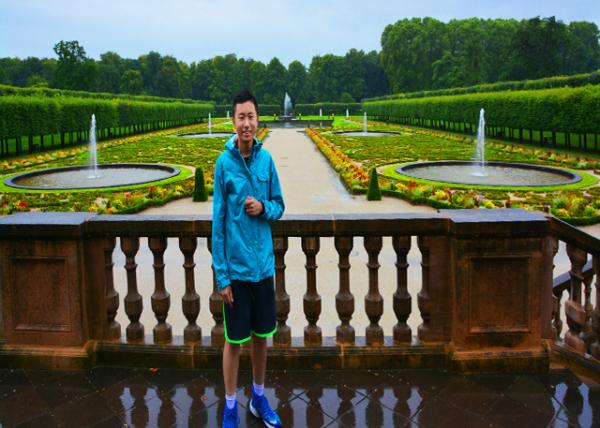 Gardens of Augustusburg Palace w/ Intricate "Embroidery" Parterres, Cascading Fountains, & Mirror Ponds Gardens of Augustusburg Palace w/ Intricate "Embroidery" Parterres, Cascading Fountains, & Mirror Ponds
(奥古斯都堡宫花园·拥有错综复杂的“刺绣”花坛、层叠喷泉和镜面池塘 08-18-2017) 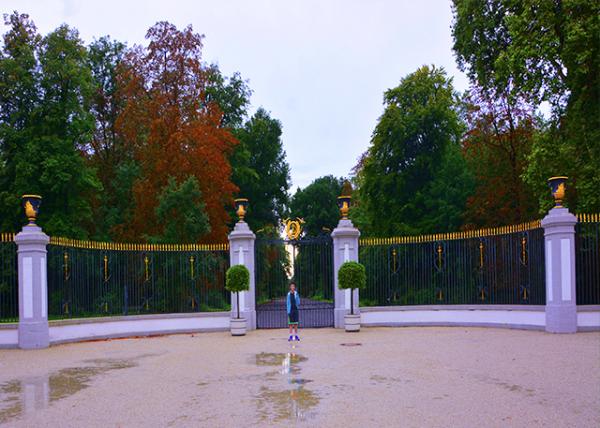 Entrance to Falkenlust (猎鹰园大门 08-18-2017) Entrance to Falkenlust (猎鹰园大门 08-18-2017)
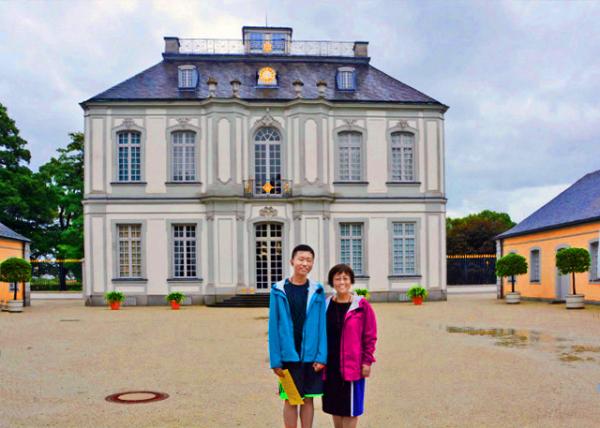 Cologne Elector & Archbishop Clemens August (1700-1761) @ Falkenlust Hunting Lodge Cologne Elector & Archbishop Clemens August (1700-1761) @ Falkenlust Hunting Lodge
(法尔肯拉斯特·科隆选侯国与大主教庄园 08-18-2017) 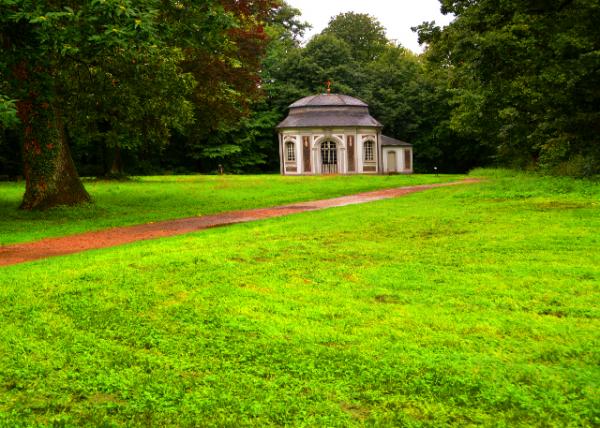 Grottenkapelle, Falkenlust Hunting Lodge Grottenkapelle, Falkenlust Hunting Lodge
(法尔肯拉斯特·石窟礼拜堂) 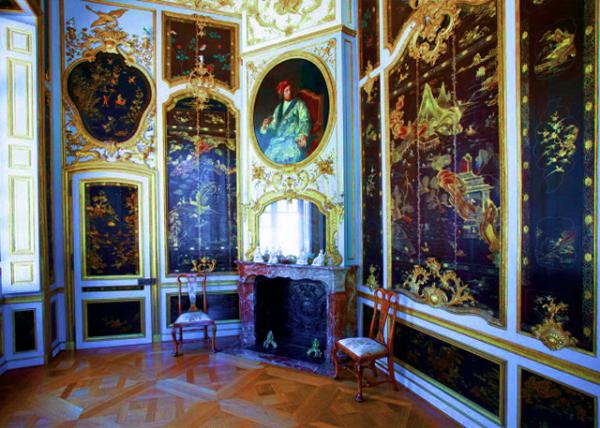 Lacquer Cabinet, Falkenlust Hunting Lodge Lacquer Cabinet, Falkenlust Hunting Lodge
(法尔肯拉斯特·漆画厅) 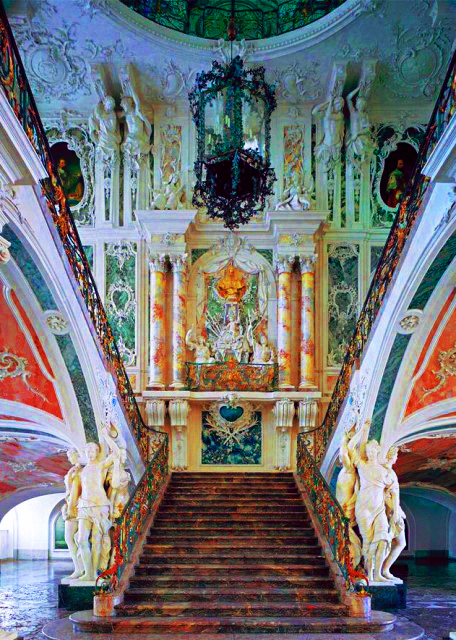
Grand Staircase in German Rococo Style, Featuring Highly Ornate Decoration, Stucco Marble, & Dramatic Theatrical Design @ Augustusburg Palace (奥古斯都堡日耳曼洛可可式大楼梯·具有高度华丽的装饰、灰泥大理石和戏剧性设计) 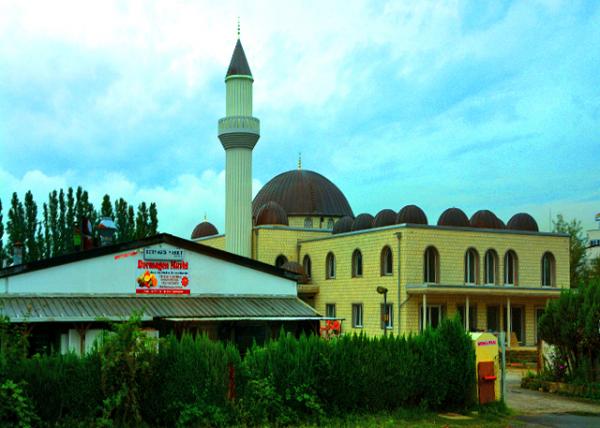 Yunus Emre Mosque @ Dormagen Yunus Emre Mosque @ Dormagen
(多玛根“砾石地”镇——尤努斯·埃姆雷“鸽子·朋友”清真寺) 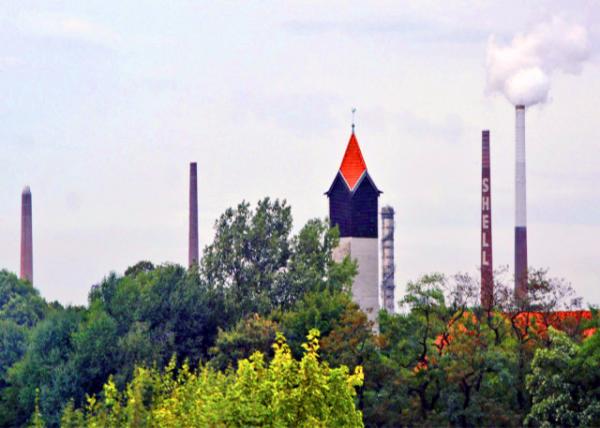 Shell Rheinland Refinery, Wesseling Shell Rheinland Refinery, Wesseling
(韦瑟灵“小草地”·壳牌莱茵河畔之地炼油厂) 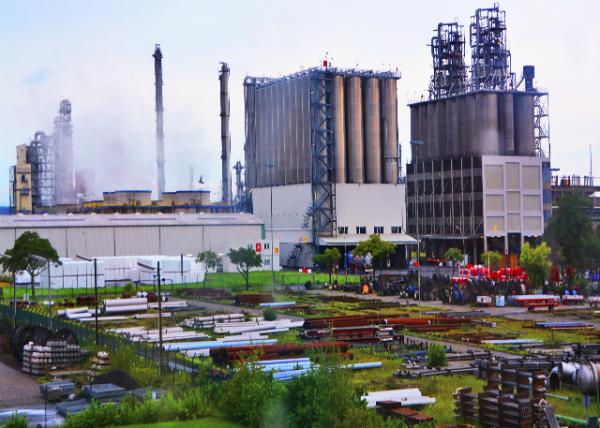 Power Station, Wesseling (韦瑟灵·发电站) Power Station, Wesseling (韦瑟灵·发电站)
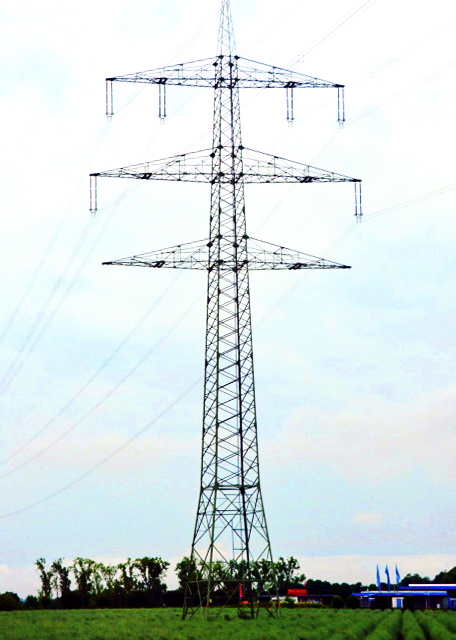
Power Grid Mast (输电塔) Crosslinks(相关博文): Germany(出游德国)
Europe(欧洲掠影) 8th Grade(初中三年级) |