2013-04-02 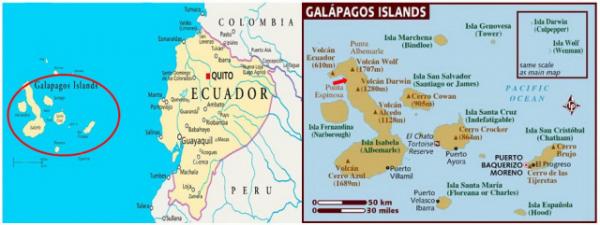
【Aiden in English】
After I went outside, my first statement was: "It's foggy." And that was true. The fog wasn't what you saw every month in your front yard. It looked like a white pillow on top of everything in sight. Even in the old days, superstitious pirates called the Galapagos Enchanted Islands because the islands would disappear into the mist for no reason. Today, we plan to visit the largest island in the Galapagos Islands, Isabella, which is shaped like a seahorse. The vast lava flows of six central shields and numerous minor volcanoes have uplifted and joined over millions of years to form this natural beauty. At a height of 5,600 feet/1,707 meters, Wolf Volcano is the highest peak in the Galapagos. Off the central west coast, Elizabeth Bay has become an exciting area for observing the marine life of many different species. However, this morning, we could only take a zodiac ride to view a wide variety of wildlife and an incredible mangrove ecosystem in this sheltered inlet. Pretty soon, a lovely tropical island came into view. Even though the mist made it hazy, we could still tell the green grass and trees apart. We didn't seem to be heading toward the island, leading slightly left. Then I saw another island and knew the Zodiac was going between them. The mist cleared, and a channel surrounded by mangrove forest came out on both sides. Here, mangrove trees grow up to 90 feet/30 meters high and have spectacular tangles of roots. The mangrove ecosystem played a crucial role in protecting against erosion and provided a safe environment for young marine organisms. Suddenly, our first look at marine life appeared. Beneath the water's surface lay a magnificent coral reef with hundreds, perhaps thousands, of majestic tropical fish. Fish were abundant, and there would be a lot of birds, as I thought it sounded perfect for natural selection and the survival of the fittest. My predictions were correct, although they turned out to be wrong most of the time. We heard a splash followed by a series of flapping sounds, which could only indicate that some seabird had found itself a delightful snack. Nearby, Sea Turtles bathed luxuriously. Galapagos Penguins floated, trying to find fish that looked like a dead man floating on the water. Two islets of the Marielas appeared to be different pieces of jagged rocks with a scruffy crown of Palo Santo trees suitable for Galapagos Penguins, Blue-footed Boobies, Nazca Boobies, Brown Pelicans, and Flightless Cormorants. All animals are often peacefully nested in the same place. In the afternoon, we headed north for Darwin Volcano and Darwin Lake in Tagus Cove, northwest of Isabella Island. It was one of the places Charles Darwin visited when he was 25 years old in 1835. Under the cliffs marked with maritime graffiti, we could see a few shelters historically provided for wayfarers, Lave Herons, Boobies, Brown Pelicans, Flightless Cormorants, Sally Lightfoot Crabs, and other marine animals. At the foot of Darwin Volcano, a sea lion rushed down the slope. It stopped before us and bent back with its head straight up to see what was going on. We began with 150 steps, and you might be thinking of Pitt! 150 steps? I called that a course for a snail! But these steps were high, slippery, and narrow. So, one tiny OOPS and you would find yourself at the bottom of the stairs with bumps and bruises from head to toe. Luckily, it didn't seem to be the case for anyone. However, we now face another problem: rain. That set the mood for the afternoon. Our first encounter along the trail was with a mockingbird, characterized by its black, sharp, and curved beak, brown feathers, and an array of plumage. It seemed impatient and didn't cooperate with us when we tried to catch up with it. Later, we heard a high-pitched chirping noise. It was a little Yellow Warbler that had a dazzling yellow neck and black stripes on its wings. In front of us, the Yellow Warbler sounded like singing something rude like: "Come any closer, and you'll be my breakfast!!!" Another Yellow Warbler flew and perched itself on a branch of Palo Santo Forest. A mockingbird dashed upon it in a flash and started pecking it wildly. The naturalist explained that the mockingbirds were territorial and wouldn't let anyone else stay close to their nests. However, I didn't feel that it behaved too aggressively. We then started a steep hike up the side of a volcanic tuff cone to a wondrous view of Darwin Lake. Above Tagus Cove, Darwin Lake was a mysterious crater lagoon without any holes to let seawater come through. The best hypothesis was that a massive tsunami occurred long ago and deposited a tremendous amount of water into the crater. Palo Santo trees lined the crater sides, where erosion could happen quickly. The naturalist tried to brighten us by telling jokes, but half of them made me grumpier. After a heavy downpour of rain, we climbed to the summit of Darwin Volcano. When I looked down, I felt my jaw drop. My eyes were greeted by a spectacular panorama of Isabella Island: an enormous Darwin Lake in the background, a wild lava field, and calderas up close, plus a light mist that sheltered the higher mountains. We even spotted our cruise ship anchored a little off the coast. Finally, when everyone was filled with pictures, we headed back to the ship. 【紅霞譯】 “曉霧忽無還忽有,春山如近復如遙。”我出門後第一感覺便是“霧氣遮天”,一點沒錯,外面霧大得非同尋常,與偶爾出現在家門口的那種完全不一樣,好似“白霧魚龍氣黑雲牛馬形”,難怪從前連信奉迷信的海盜們都把加拉帕戈斯“巨龜”群島稱為夢幻之島,因為大大小小的島嶼常常神不知鬼不覺消失得無影無蹤,正如“滿城煙靄忽然合,隔水人家恰似無”。
今天我們打算登陸加拉帕戈斯群島中最大的島嶼──伊莎貝拉“完美上帝”島,該島形如海馬,由六座盾狀大火山和無數個小火山噴發出的熔岩堆積而成,經過數百萬年演繹,其自然奇觀舉世無雙,狼火山海拔5,600英尺/1,707米,號稱加拉帕戈斯群島最高峰。 伊莎貝拉島西部海岸線中央的伊麗莎白“救主”灣格外引入注目,這裡是觀察各種海洋生物的最佳去處,不過今天上午我們只能乘坐小型機動快艇,水上觀看豐富多樣的野生動物以及由紅樹林為主要生物群落所形成特有的海陸邊緣生態系統。 不久身邊出現一個熱帶島嶼,雖然霧氣朦朦,但島上的青草綠樹仍然依稀可辨。我們從左側繞過小島,迎面又碰上另外一個,快艇從中間穿行,隨着大霧漸漸離去,水道兩旁的紅樹林逐漸把地平線勾勒出來,紅樹林枝葉繁茂,樹根盤繞,木節交錯,有的高達90英尺/30米,整個植被不僅有效地控制海岸侵蝕,而且還為年幼海洋生物提供了安全成長環境。 “瓦沼晨朝水自清,小蟲無數不知名,忽然分散無蹤影,惟有魚兒作隊行。”瑰麗壯觀的海底珊瑚最先闖入我們的視線,金牛鼻鰩帶領熱帶彩魚隨後一波接一波蜂擁而來。我敢打賭,如果水下樂園魚產豐富,那麼水上世界必將鳥聲鼎沸!物競天擇,適者生存。事實果真如此,一向缺乏先見之明的我,這回竟料事如神,“荒田寂寂無人聲,水邊跳魚翻水響。”只聽撲通一聲,頃刻之間水花飛濺,說不準哪只海鳥好運當頭,正在享用剛剛捕撈的海鮮大餐;不遠處海龜忽而潛入水底,忽而露出水面,獨享安逸生活;加拉帕戈斯企鵝臉部朝下背頂青天,好像死人一般漂浮水面;它有意將雙目浸入水中,密切注視過往魚群。前方海之星大小島突出海面,鐵梨木樹蓬亂地葡匐在參差不齊的礁石表面,加拉帕戈斯企鵝、藍腳鰹鳥、納斯卡“苦難”鰹鳥、棕鵜鶘和弱翅鸕鶿勞作之餘,喜歡駐紮這塊無人青睞的荒郊野外,充分彰顯各“種族”大團結的和睦景象。 當天下午,我們北上直取伊莎貝拉島西北部塔霍“穿過”灣,要去高山湖泊追隨查爾斯·達爾文“自由人·親愛的朋友”足跡,1835年25歲的達爾文曾親臨此地現場考察,登山前輩們與熔岩鷺、鰹鳥、棕鵜鶘、弱翅鸕鶿以及莎莉輕腳蟹等海洋動物駐足的驛站礁石上留下不少海事塗鴉。 達爾文火山腳下,一隻海獅匆匆從山坡上走來,看見大隊人馬蜂擁而至,索性停住腳步,昂頭挺胸靜觀動向。我們由此向上攀登150階石梯,你可能不屑一顧,哼哈!150?對蝸牛來說,也許難於上青天;對咱大小伙兒來說,豈不小菜一碟?可是偏偏這些階梯既高又滑還窄,只要稍不留神,定叫你連滾帶爬摔回起點原處,渾身上下不是青一塊就得紫一塊,幸好這種事情沒發生在我們中間,否則真得吃不了兜着走。實際上,我們真正需要應對的卻是下雨天氣,“雨”的確影響到我們的情緒。 正當我們徒步行走在火山石徑時,仿聲鳥攔腰擋着了去路,伊莎貝拉島上的仿聲鳥黑嘴巴尖而彎,羽毛帶有棕色花斑並且性子急,尤其在給它拍照的瞬間表現得極不耐煩。稍後林間又傳來吊嗓子聲,原來一隻頸部羽毛透亮的黃鶯撲閃着黑條紋翅膀,正振振有詞地警告我們:“誰敢靠近我,我將把他們變成早餐!!!”另一隻黃鶯聞訊趕來助威,沒想到剛落在鐵梨木樹杈上,氣勢洶洶的仿聲鳥就追了過去,嚇得黃鶯驚慌逃竄。據導遊解釋,仿聲鳥地域概念極強,絕不容許任何動物接近自己的巢穴,其實我倒覺得仿聲鳥出於本能,反應並未過激。 隨即我們又開始爬坡,凝灰岩山路指引我們走近風景秀麗的達爾文湖。“水光瀲灩晴方好,山色空濛雨亦奇”,眼前的湖光山色令人禁不住想起西湖之美,高於塔霍灣的達爾文湖說來非常蹊蹺,周邊沒有任何缺口,裡面卻盛滿了海水,海水是怎麼進來的?最合乎常情的科學假設推測,從前這裡曾發生過海嘯,海水倒灌才成為今天這個樣子。火山壁陡峭,鐵梨木樹防護林屏障了懸崖泥土流失,一路上導遊邊走邊講笑話,試圖煥發我們登山激情,可我覺得其中一半聽起來並非搞笑。大雨過後,我們成功登上達爾文火山之巔。“斜影風前合,圓紋水上開”。遠望達爾文湖,近觀熔岩荒野和凝灰岩錐口,周圍群山環抱,四處雲霧繚繞,遊輪停靠塔霍灣邊,眼前這幅“雨添山翠重,舟壓浪花分” 的景色令人陶醉。 末了,我們滿載充實的記憶凱旋而歸。 Today in History(歷史上的今天):
2011: 埃及亞歷山大·地中海明珠(Alexandria—Pearl of the Mediterranean, EGY)
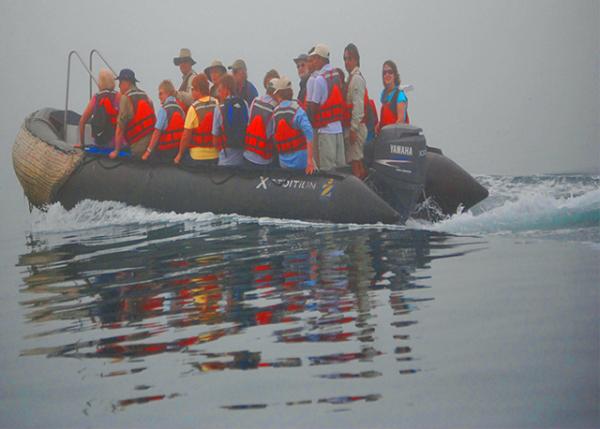 Zodiac Ride (橡皮艇水上旅行) Zodiac Ride (橡皮艇水上旅行)
 Enchanted Trip (夢幻之旅 04-02-2013) Enchanted Trip (夢幻之旅 04-02-2013)
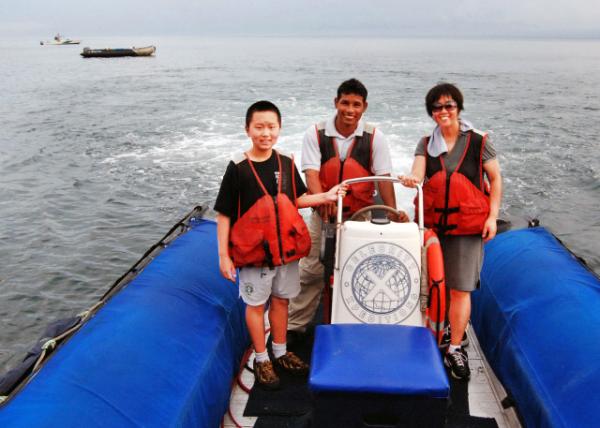 Elizabeth Bay (伊麗莎白灣 04-02-2013) Elizabeth Bay (伊麗莎白灣 04-02-2013)
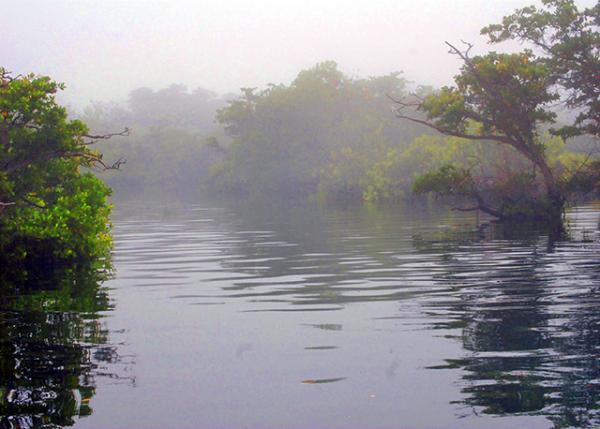 Mangrove Forest in Morning Mist Mangrove Forest in Morning Mist
(瓦沼晨朝水自清,小蟲無數不知名, 忽然分散無蹤影,惟有魚兒作隊行) 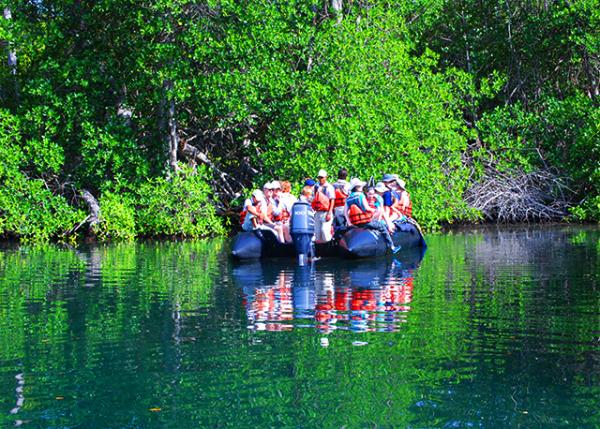 Red Mangrove (曉霧忽無還忽有,春山如近復如遙) Red Mangrove (曉霧忽無還忽有,春山如近復如遙)
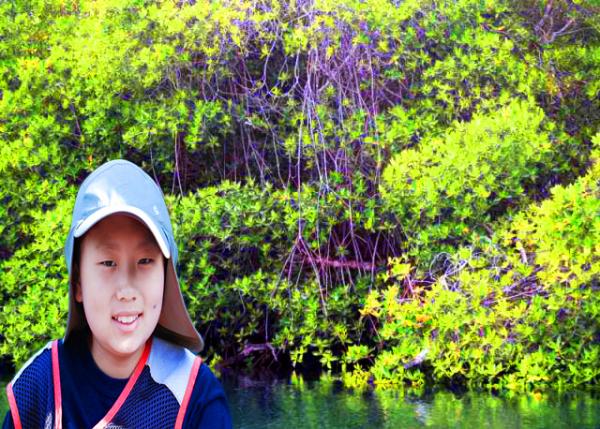 Propagules of the Red Mangroves Growing before Dropping from the Parent Plant Propagules of the Red Mangroves Growing before Dropping from the Parent Plant
(紅樹林繁殖體在脫離親本植物之前生長 04-02-2013) 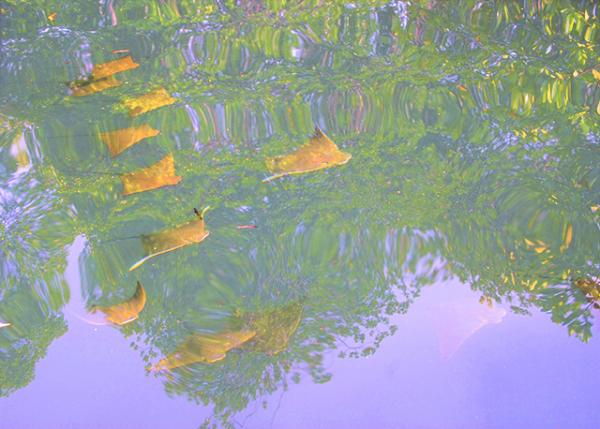 Golden Cownose Ray (金牛鼻魟) Golden Cownose Ray (金牛鼻魟)
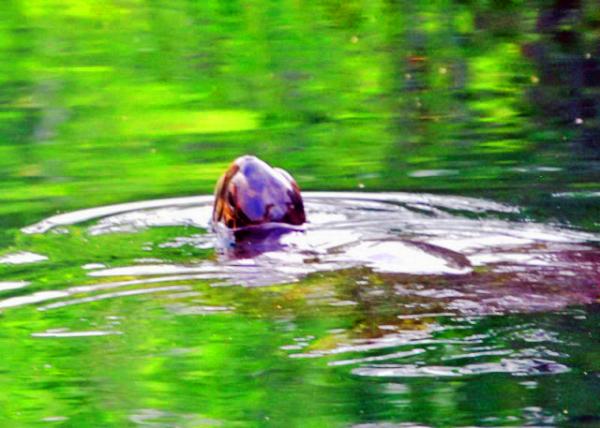 Sea Turtle (海龜) Sea Turtle (海龜)
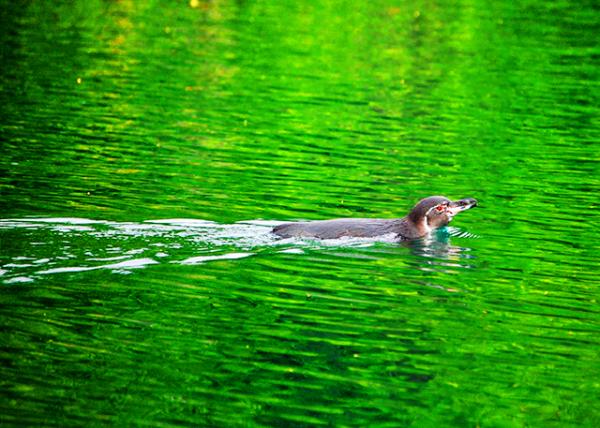 Galapagos Penguin (加拉帕戈斯企鵝) Galapagos Penguin (加拉帕戈斯企鵝)
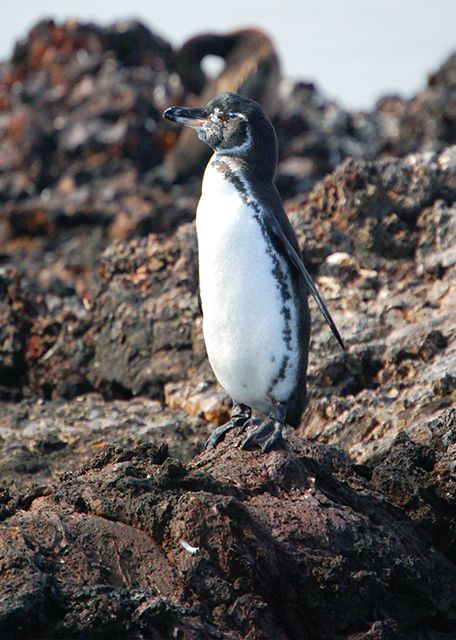
Galápagos Penguin, the Only Penguin Species to Live near the Equator (加拉帕戈斯企鵝·唯一生活在赤道附近的企鵝物種)  Mariela's Islets, Home to a Significant Colony of Galapagos Penguins, the Only Penguin Species Found North of the Equator Mariela's Islets, Home to a Significant Colony of Galapagos Penguins, the Only Penguin Species Found North of the Equator
(瑪麗埃拉“心愛之人”小島·赤道以北獨特企鵝物種加拉帕戈斯企鵝的棲息地 04-02-2013) 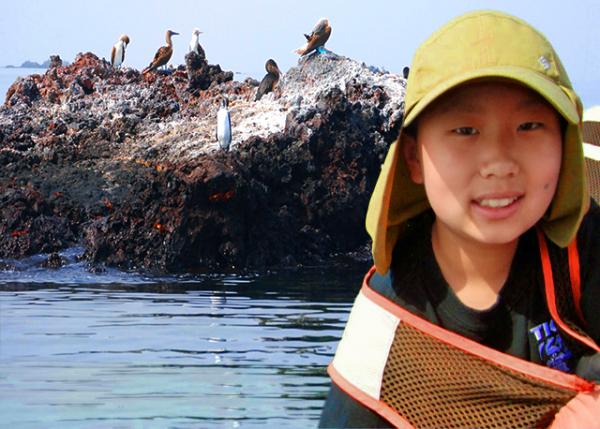 Mariela's Islet,Close-up Views of Penguins, Marine Iguanas, Green Turtles, Rays, Blue Herons Pelicans, & Various Birds Mariela's Islet,Close-up Views of Penguins, Marine Iguanas, Green Turtles, Rays, Blue Herons Pelicans, & Various Birds
(瑪麗埃拉小島·近距離觀賞企鵝、海鬣蜥、綠海龜、鰩魚、蒼鷺和鵜鶘等鳥類 04-02-2013)
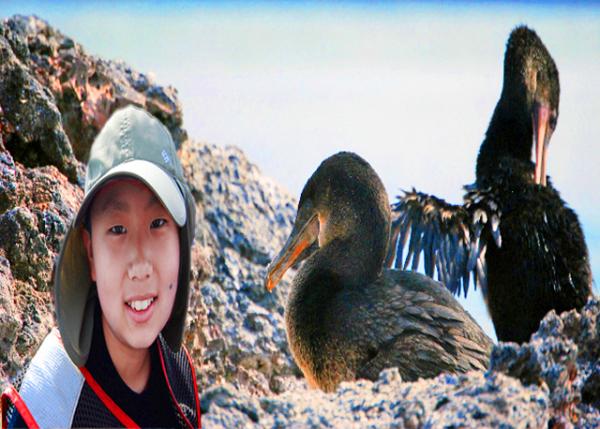 Flightless Cormorant, the Only Cormorant Species Unable to Fly Flightless Cormorant, the Only Cormorant Species Unable to Fly
(弱翅鸕鶿·唯一不會飛的鸕鶿物種 04-02-2013) 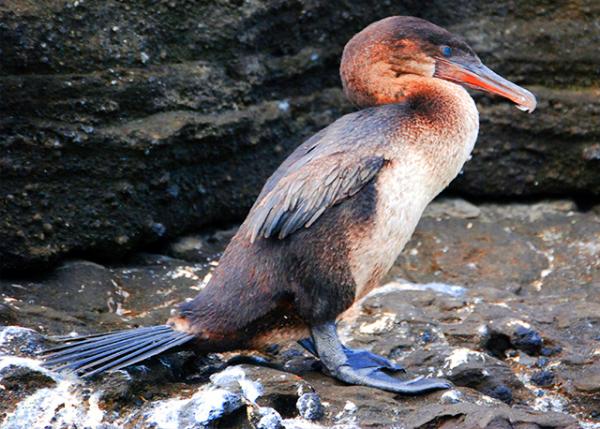 Flightless Cormorant w/ Adaptations for Diving Flightless Cormorant w/ Adaptations for Diving
(弱翅鸕鶿·適應潛水) 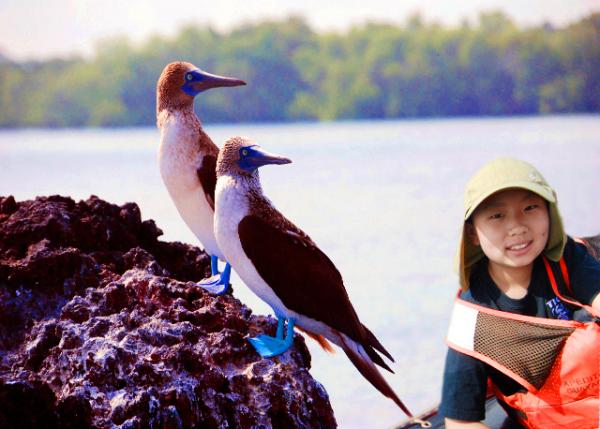 Blue-footed Boobies, the Brightness of the Feet Decreases w/ Age Blue-footed Boobies, the Brightness of the Feet Decreases w/ Age
(藍腳鰹鳥·腳的亮度會隨着年齡的增長而降低 04-02-2013) 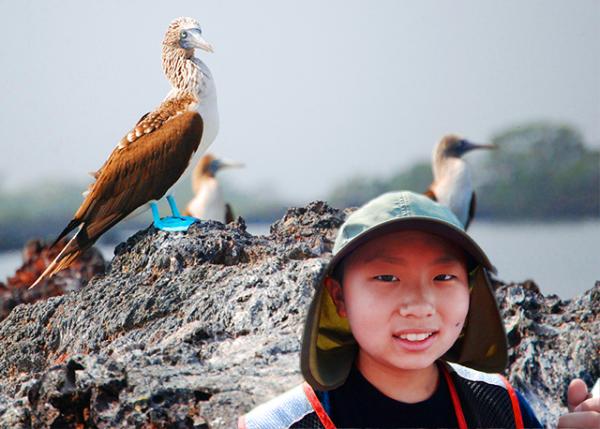 Blue-footed Boobies, a Symbol of Creativity & Dreaming Blue-footed Boobies, a Symbol of Creativity & Dreaming
(藍腳鰹鳥·象徵創造力和夢想) 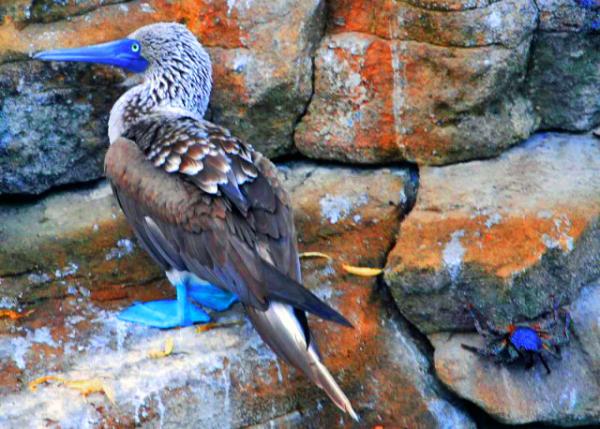 Blue-footed Boobies, a Brighter Blue the Healthier Blue-footed Boobies, a Brighter Blue the Healthier
(藍腳鰹鳥·越藍越健康) 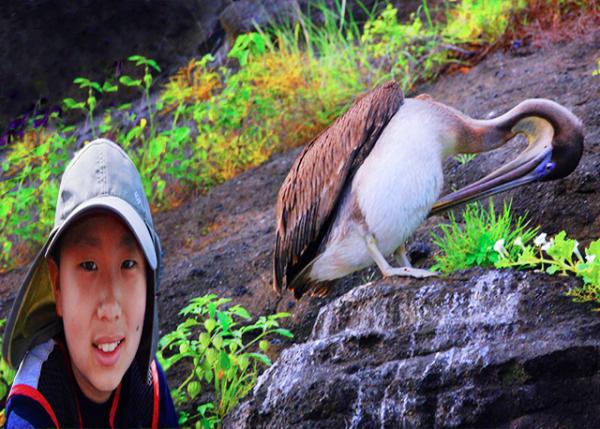 Galápagos Brown Pelican w/ Its Unique Hunting Technique of Plunge-Diving into the Water to Catch Fish Galápagos Brown Pelican w/ Its Unique Hunting Technique of Plunge-Diving into the Water to Catch Fish
(加拉帕戈斯褐鵜鶘·擁有獨特的俯衝水中捕魚 04-02-2013) 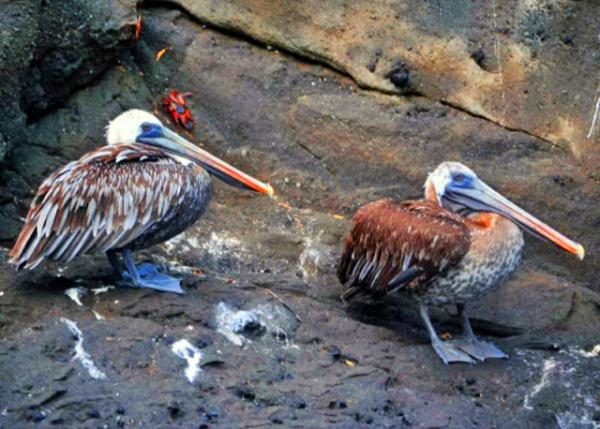 Galápagos Brown Pelicans, a Living Symbol of How Successful Wildlife Conservation Can Be Galápagos Brown Pelicans, a Living Symbol of How Successful Wildlife Conservation Can Be
(加拉帕戈斯褐棕鵜鶘·野生動物保護成功的鮮活象徵) 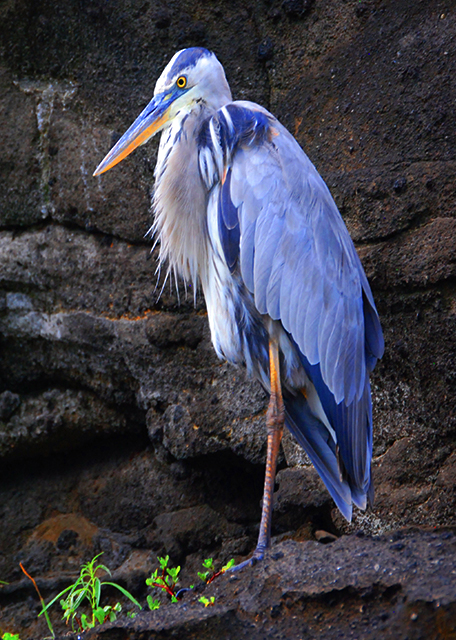
Yellow-Crowned Night Heron, Crab Specialist (黃頂夜鷺·捕蟹專家) 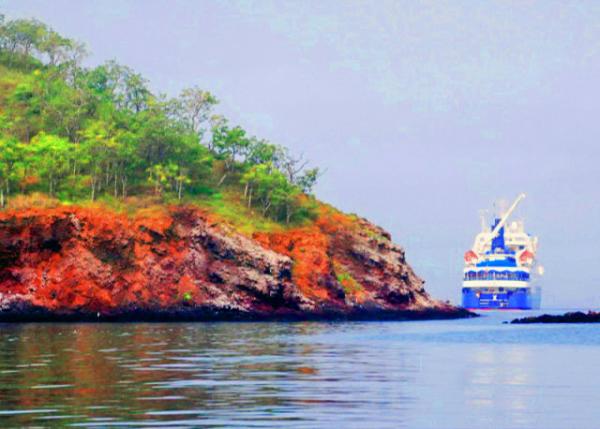 Tagus Cove, Served as a Sheltered Anchorage for the Celebrity Xpedition Tagus Cove, Served as a Sheltered Anchorage for the Celebrity Xpedition
(塔霍小海灣——“名人·遠征”號遊輪的避風停泊地)
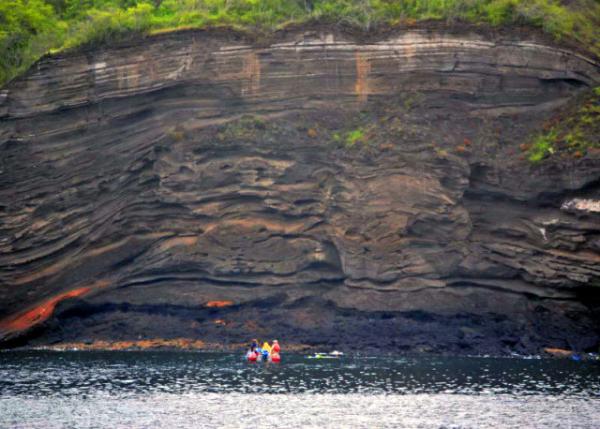 Rock Formation @ Tagus Cove (塔霍小海灣·岩石層) Rock Formation @ Tagus Cove (塔霍小海灣·岩石層)
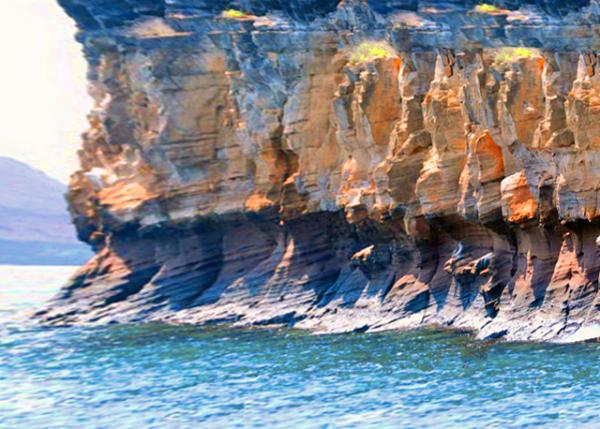 Rock Formation @ Isabella Is (伊莎貝拉島·岩石層) Rock Formation @ Isabella Is (伊莎貝拉島·岩石層)
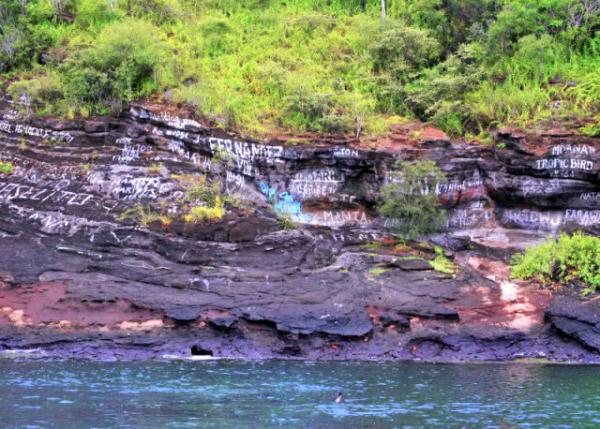 Tagus Cove, a Haven for Whalers & Pirates, w/ Inscriptions on the Cliffs Left Behind Tagus Cove, a Haven for Whalers & Pirates, w/ Inscriptions on the Cliffs Left Behind
(塔霍小海灣·捕鯨者和海盜的避難所,並在懸崖上留下銘文) 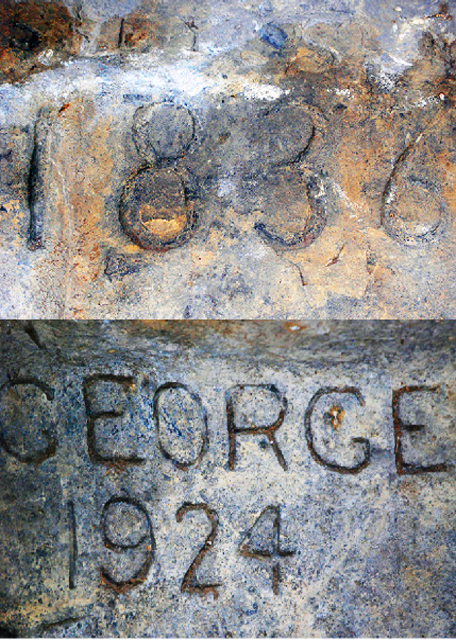
Tagus Cove w/ the Oldest Inscriptions Dating back to the 1800s, Offering a Glimpse into the Area's Past (塔霍小海灣·最古老的碑文可以追溯到19世紀,得以令人窺見該地區的過去)
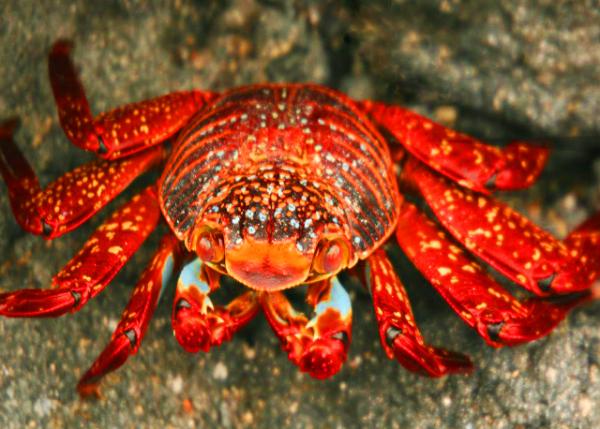 Sally Lightfoot Crab, a Ubiquitous Scavenger Sally Lightfoot Crab, a Ubiquitous Scavenger
(莎莉“公主”輕足蟹·無處不在的清道夫) 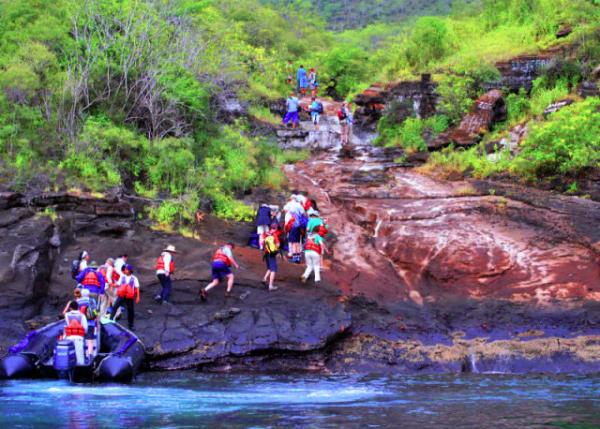 Wet Landing, Transported from Celebrity Xpedition to the Shore in a Smaller, Inflatable Zodiac, Stepped out of the Zodiac & into Shallow Water, Wading to the Dry Land @ Tagus Cove Wet Landing, Transported from Celebrity Xpedition to the Shore in a Smaller, Inflatable Zodiac, Stepped out of the Zodiac & into Shallow Water, Wading to the Dry Land @ Tagus Cove
(塔霍小海灣濕着陸——從“名人·遠征”號遊輪乘坐小型橡皮艇抵達岸邊,走出充氣艇後直入淺水區,再涉水前往乾燥的陸地 04-02-2013) 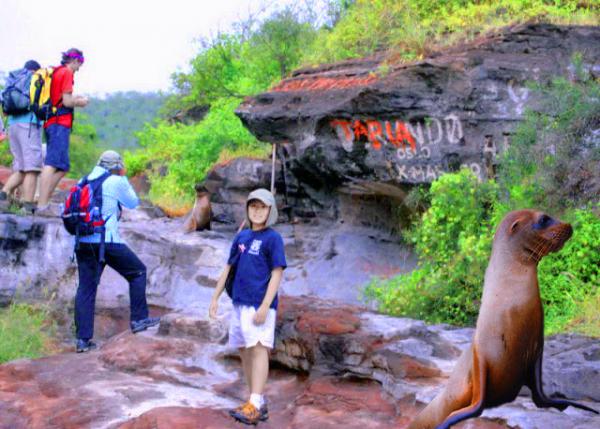 Graffiti & Natural Shelter Graffiti & Natural Shelter
(塗鴉與天然避風台 04-02-2013)
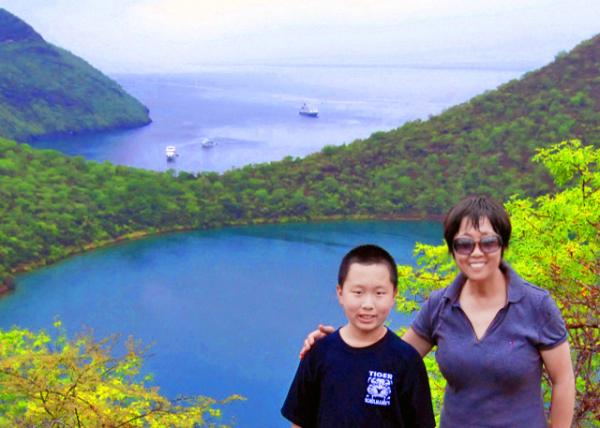 Bolivar Channel, the Meeting Point between the Cromwell Current & Life Blossoms Bolivar Channel, the Meeting Point between the Cromwell Current & Life Blossoms
(玻利瓦爾“河邊的磨坊”海峽·克倫威爾“彎曲的溪流”洋流與生命之花交匯處) 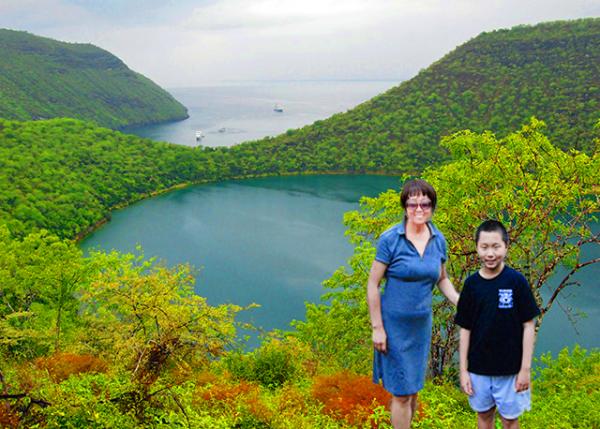 Darwin's Lake on the Rainy Day, a Saltwater Lagoon w/ Twice the Salinity of the Ocean Darwin's Lake on the Rainy Day, a Saltwater Lagoon w/ Twice the Salinity of the Ocean
(雨中達爾文湖·高於海洋兩倍鹽度的鹹水瀉湖 04-02-2013) 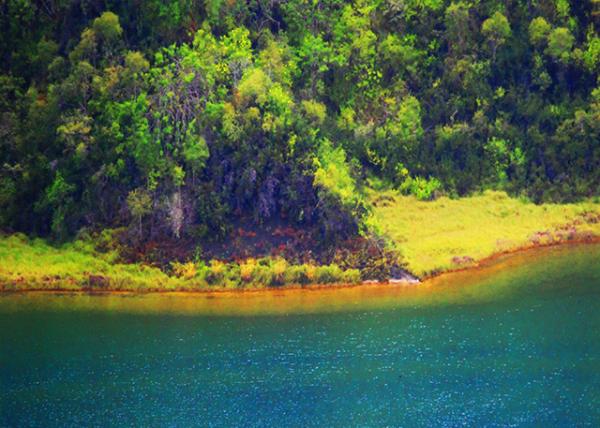 Sea Lion Nest @ Darwin's Lake (達爾文湖·海獅巢) Sea Lion Nest @ Darwin's Lake (達爾文湖·海獅巢)
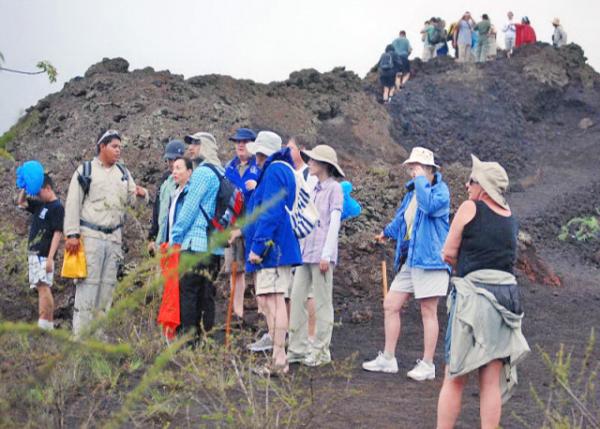 Volcanic Tuff Cone, a Testament to the Ongoing Volcanic Activity in Island Formation Volcanic Tuff Cone, a Testament to the Ongoing Volcanic Activity in Island Formation
(島嶼形成·火山凝灰岩錐堪稱持續火山活動的證明) 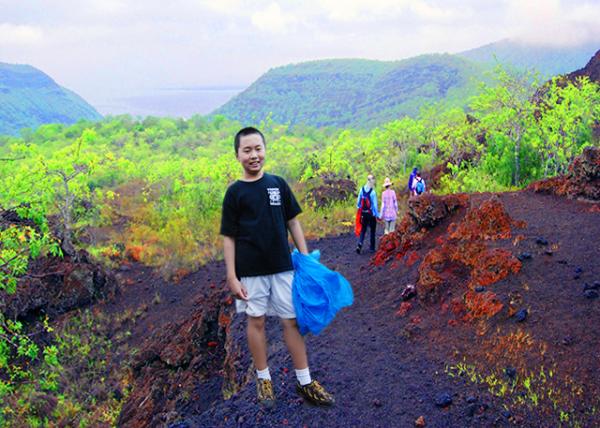 Hiking along the Slopes of Darwin Volcano Hiking along the Slopes of Darwin Volcano
(沿着達爾文火山坡徒步旅行 04-02-2013) 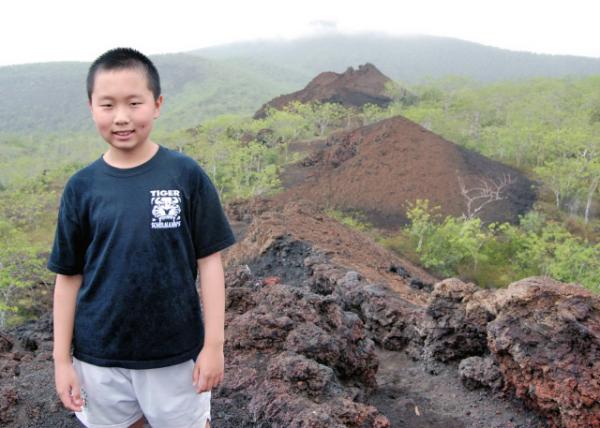 Volcanoes & Volcanic Landscapes High up on Isabela Island, near Darwin Lake Volcanoes & Volcanic Landscapes High up on Isabela Island, near Darwin Lake
(伊莎貝拉島高處·靠近達爾文湖的火山和火山景觀 04-02-2013) 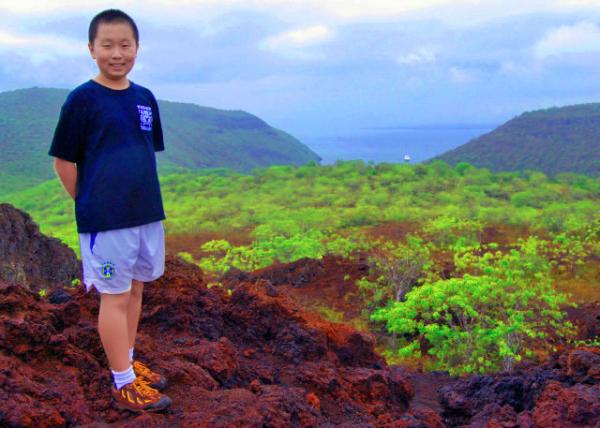 Volcanic Tuff Cone (火山凝灰岩錐 04-02-2013) Volcanic Tuff Cone (火山凝灰岩錐 04-02-2013)
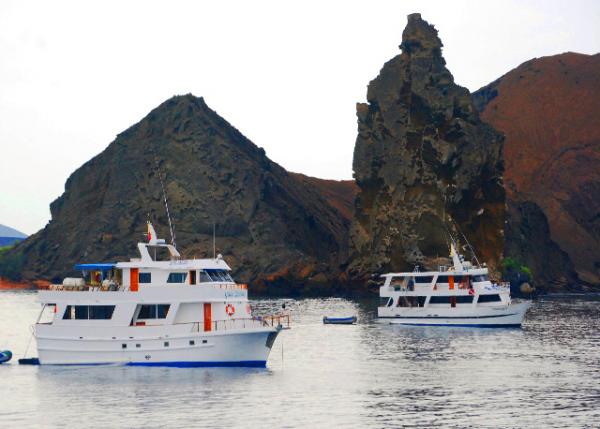 Bartolomé Island Viewed from Tagus Cove Bartolomé Island Viewed from Tagus Cove
(從塔霍灣近觀巴托洛梅“犁地者之子”島) 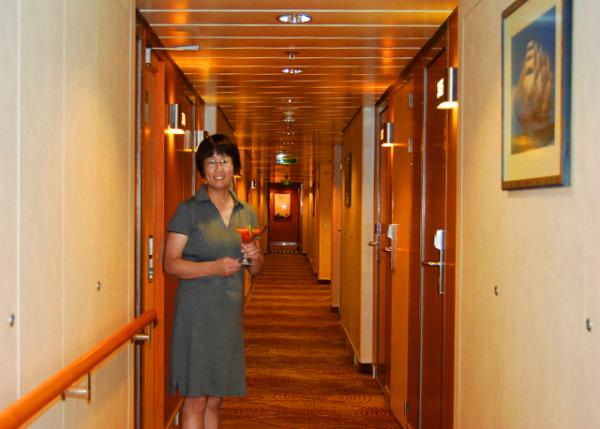 Corridor Back to the Stateroom of Celebrity Xpedition Corridor Back to the Stateroom of Celebrity Xpedition
(“名人·遠征”號遊輪——返回船艙的走廊 04-02-2013) 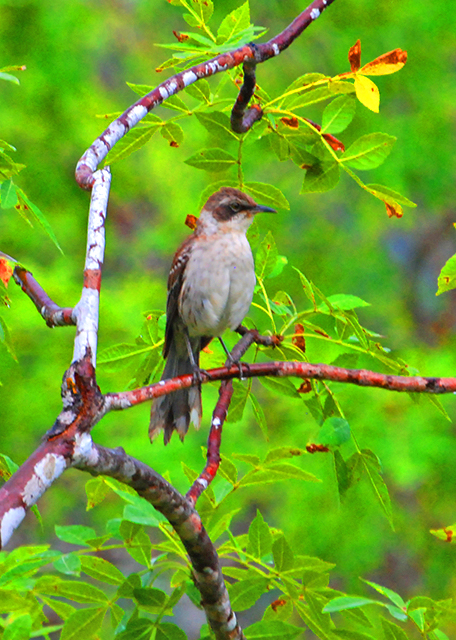
Galápagos Mockingbird, a Symbol of Natural Selection & Adaptation (加拉帕戈斯仿生鳥·自然選擇和適應的象徵) 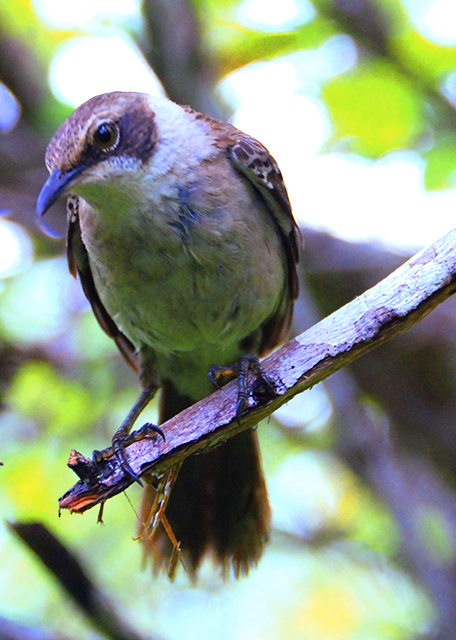
Darwin's Finch w/ Inquisitiveness (達爾文雀·天性好奇) 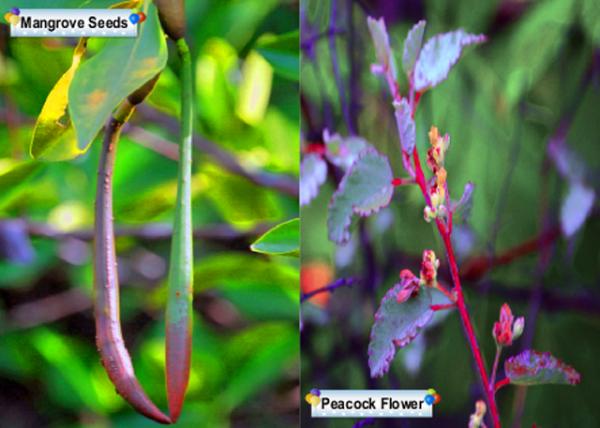 紅樹林種子、紅蝴蝶花 紅樹林種子、紅蝴蝶花
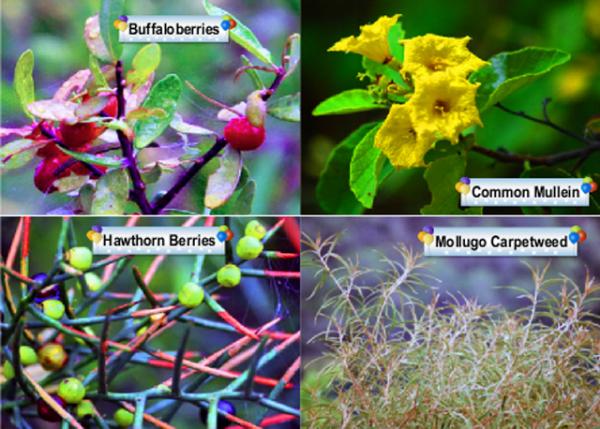 水牛果、蒿毛蕊花、山楂果、粟米草 水牛果、蒿毛蕊花、山楂果、粟米草
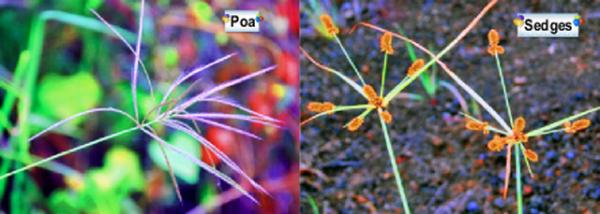 早熟禾、莎草 早熟禾、莎草
Crosslinks(相關博文): Ecuador(出遊厄瓜多爾)
South America(漂流南美洲) 小學四年級(4th Grade) |