2015-02-21
【Aiden in English】
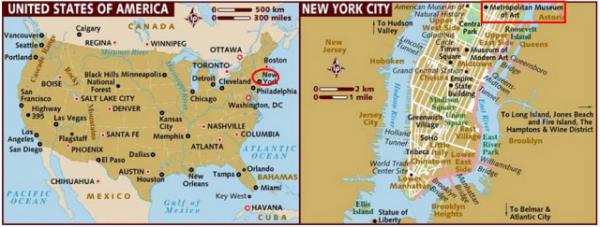
The Metropolitan Museum of Art (MMA) expects more from all visitors. Not only does it have European paintings, but it also dedicates huge museum sections to other cultures. At first, three hours seemed like plenty of time. However, time became an issue after using up two-thirds of that in Greek/Roman Art and European Paintings. MMA's Chinese section looked impressive. My favorite was the Classical Gardens of Suzhou, a replica of a Chinese landscape and courtyard. I have never, ever, ever seen it firsthand before. The experience made me feel very calm. The floor was made of tiles, and the roof was just like the pictures we saw in my Chinese history class at Guang Hua Chinese School in PA. They seemed like bamboo poles strapped together. Statues of Buddha were placed in the center of the wall for meditation. Next to the Great Wave Pavilion, alongside Lingering Garden, was a little lotus pond with golden fish swimming around aimlessly. As we moved on, the Chinese section gave way to the Japanese exhibition. It showed us the traditions of Japanese life. Even though it wasn't as large as the European Paintings, a few certainly stood out. One notable feature on display was a traditional room with a Tatami bed, a common sight in most houses. The Japanese and Chinese sections were much more intriguing than the European section, which we didn't have time to see, in the family-oriented setting. I thought this would make the pictures and information a lot more appealing. This room had a straw-like carpet and a low, but very long and large table; small pillows lined the table's border. They seemed reasonable for sitting and relaxing. Although after living my entire life in tall chairs, everything seemed plain, and they didn't seem to want extreme luxury, large spaces, or to level up. Egypt came to our last stop. The iPod blabbed on about hieroglyphs, and I got lost on the second word. I walked into a replica of a tomb, which wasn't all too impressive to me. When I was eight years old, almost four years ago, I visited Cairo, Alexandria, Sharm el-Sheik, Luxor, Thebes, Aswan, and many other places along the Nile. After a long vacation, I returned with a wealth of eyewitness accounts from St. Catherine Monastery, the Temple of Philae/Abu Simbel/Kom Ombo/Karnak/Luxor/Hathor/Medinet Habu, the Step Pyramid of Djoser, and the Giza Pyramids, among others. When I saw the actual tombs where Pharaohs were buried along the Valley of the Kings and Queens, it seemed too modern; there wasn't much of an ancient feel to it. Walls and hieroglyphs were artificial, too purposefully to be ancient, weren't they? Everyone's different; Confucius said you can't copy something done thousands of years ago. Our visit to the MMA was after a long journey. It gave me a lot of knowledge and a good workout. The world felt brought together here, and every art was mixed under one roof. There will be tons of more stuff for us to explore. Even when all the arts were united in a museum, the world seemed more prominent and significant every second we stayed in the MMA. 【紅霞譯】
紐約大都會藝術博物館努力讓來訪者儘量感受到全球最美的藝術內涵,不僅渲染歐洲藝術展廳,而且還增設其它文化背景。起初我原以為投注三個鐘頭大把光陰足以遍及所到之處,然而在匆匆涉獵古希臘雕刻、泛泛瀏覽歐洲繪畫之後,才發現三分之二的良辰美景已悄然遠去,剩下的時間寥寥無幾。 中國展廳印象深刻,蘇州古典園林不光成為大都會藝術博物館中國庭院的突出代表,更是我本人的至愛。儘管我從來、從來沒有親自領略江南風情,但身臨這座人工特製的園林之城,令我“不出城郭而獲山林之怡,身居鬧市而有林泉之樂”。園內地面全部由土磚鋪成,天花板看上去跟我在賓州光華中文學校中國歷史課上播放的圖像一模一樣,捆紮成堆的“古”竹參天,正在打禪的佛像高懸正牆中央,“留園”旁“滄浪亭”下小荷花池裡金魚悠閒自得。 離開中國館後,我們來到隔壁日本展室,這裡所有的展品集中再現了東洋人傳統生活方式,儘管規模不及歐洲繪畫渾厚壯觀,但內部打造得短小精悍,令我耳目一新。正廳擺設精巧別致,榻榻米床與常見的完全不同,這也是為什麼我格外喜歡中日兩國東方藝術所包含的民族氣息,因為時間關係未能鑑賞到也許更接地氣的西方風俗,所以才覺得只有通過這種視覺效果才能形象地反映出一個國家的文化特徵。地板上的草蓆、低矮細長的大桌、桌邊擺放的袖珍枕頭,生動營造了日式修身養性的家庭氛圍,難怪我老覺得自己的起居方式平淡乏味,莫非因為坐久了高凳,看來不是人人追求高端大氣上檔次,低調樸實有內涵同樣倍受青睞。 古埃及館是我們最後一站,隨身攜帶的蘋果牌多功能媒體解說器一本正經地講述象形文字,我沒聽上倆字便開起小差。當走進古墓陵地,我一點也激動不起來。大約四年前我八歲的時候,我曾訪問過開羅、亞歷山大、沙姆沙伊赫、盧克索、底比斯、阿斯旺及尼羅河畔其它地方,從聖凱瑟琳修道院、菲萊神殿、阿布辛貝神廟、雙神金廟、卡納克綜合神殿、盧克索神殿、哈索爾神廟、哈布城陵廟、卓瑟王階梯金字塔、吉薩金字塔等地度假歸來,我收穫了許多真知灼見,正因為當時實地參觀了帝王谷法老墓地,才覺得眼前展出的模型實在太…太…太現代化,毫無古老悠遠之感,圍牆石塊和象形文字均為贗品,沒法與真跡相比。老夫子說過人各有異,幾千年前的埃及古蹟確實很難復製得惟妙惟肖。 經過辛苦跋涉,本次全部參觀行程告一段落,在增長見識的同時,我還不失時機地磨練了體魄。紐約大都會藝術博物館像一條紐帶,把世界各族同胞與藝術聯繫在一起,為我們深入了解更多更美的文化遺產開闢了一個異彩紛呈的廣闊天地。
Today in History(歷史上的今天): 2015 Shun Lee West, NYC(初中一年級·紐約順利西店中餐廳) 2015 Serafina Fabulous Pizza, NYC(初一·紐約塞拉菲娜美味披薩店) 2015 Silk Road Ensemble w/ Yo-Yo Ma(初一·馬友友絲綢之路民樂隊) 2015 Metropolitan Museum of Art NYC(初一·紐約大都會藝術博物館) 2011 My Favorite Things about School(二年級·記我喜愛的校日) 學前班·童心綻放(2009 Childlike Enthusiasm)
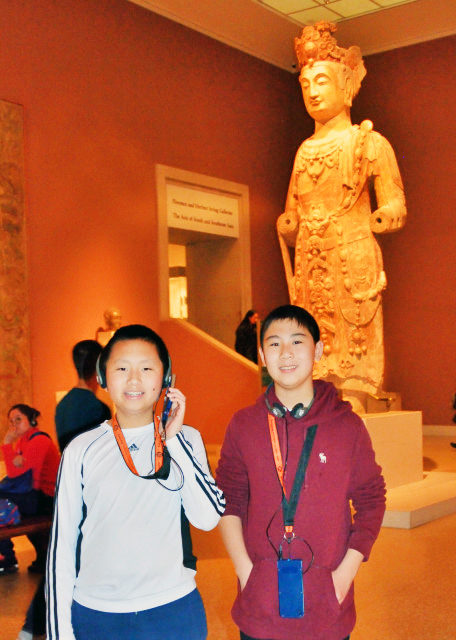
Asian Art (亞洲藝術 02-21-2015)
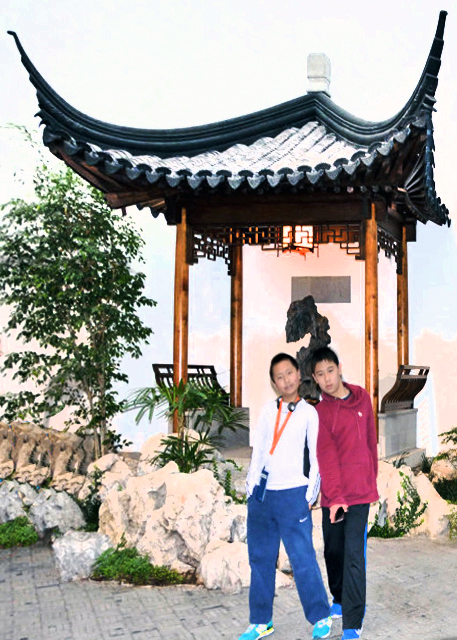
Master of the Nets Garden (中國蘇州園林 02-21-2015) 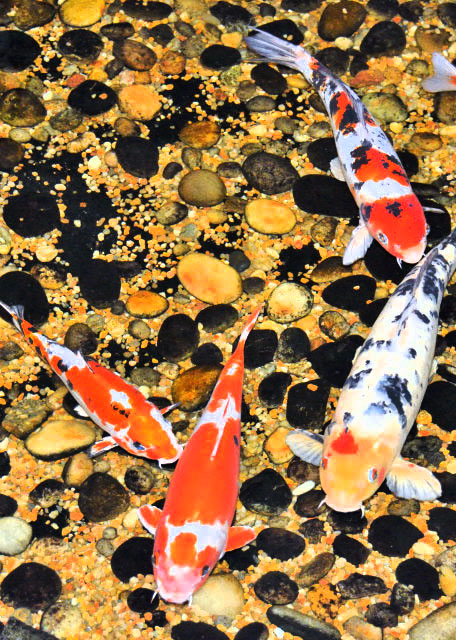
Ming Dynasty-style Garden Court (明朝風格花園庭院) 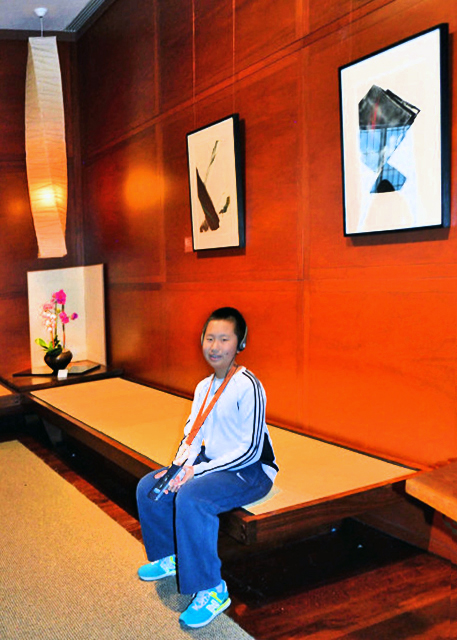
Momoyama Culture w/ Lavish Gold Screens & Luxurious Artefacts (桃山文化·奢華的鑲金屏風和昂貴的手工藝品 02-21-2015)  Shōin Room w/ Large Alcove (Tokonoma), Grass Mats (Tatami), and Decorated Sliding Doors (Fusuma) for Walls Shōin Room w/ Large Alcove (Tokonoma), Grass Mats (Tatami), and Decorated Sliding Doors (Fusuma) for Walls
(書房·壁龕、榻榻米、拉闔門 02-21-2015)
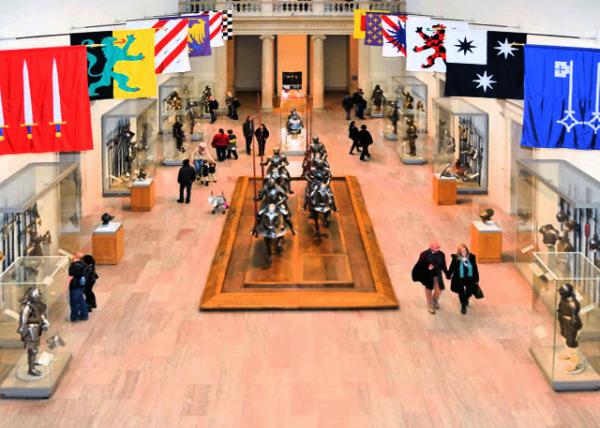 Arm & Armor, Main Hall of the Middle Ages Arm & Armor, Main Hall of the Middle Ages
(武器和盔甲·中世紀正殿)
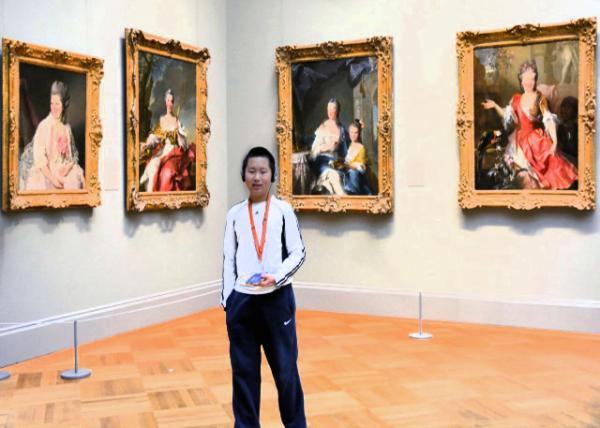 European Portrait Paintings (歐洲肖像繪畫 02-21-2015) European Portrait Paintings (歐洲肖像繪畫 02-21-2015)
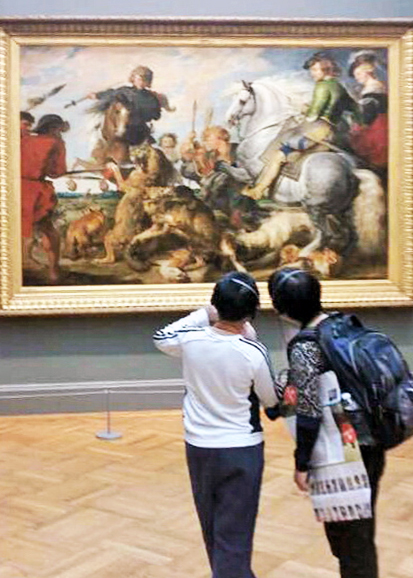
Wolf & Fox Hunt by Peter Paul Rubens (彼得·保羅·魯本斯《狼狐狩獵》02-21-2015) 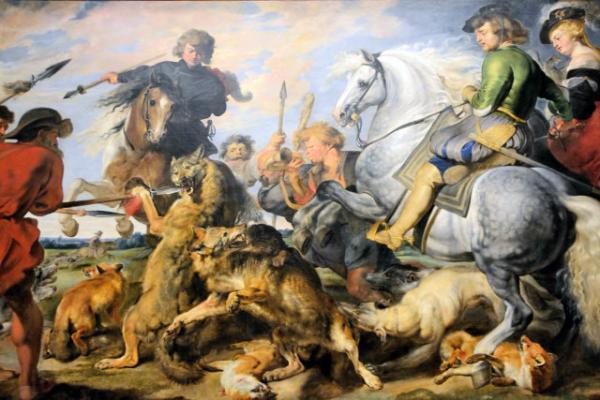 Peter Paul Rubens, Wolf & Fox Hunt, Oil on Canvas, 1616 Peter Paul Rubens, Wolf & Fox Hunt, Oil on Canvas, 1616
(彼得·保羅·魯本斯《狼與狐狸狩獵》| 1616年布面油畫)
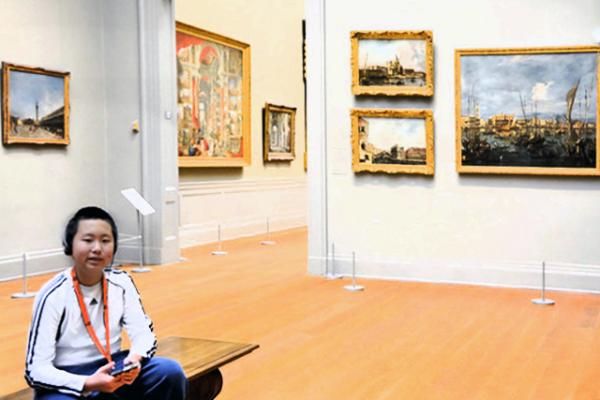 European Landscaping Paintings European Landscaping Paintings
(歐洲風景繪畫 02-21-2015) 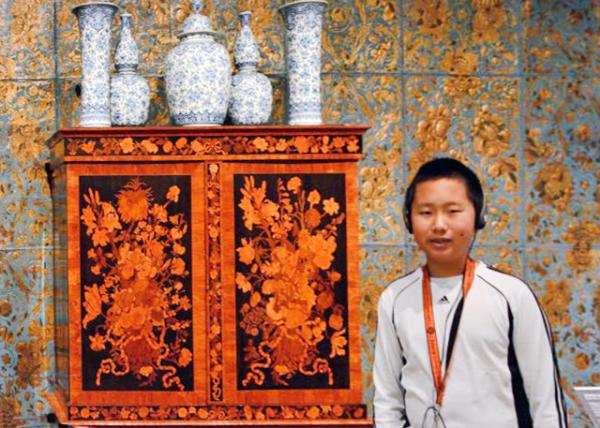 European Decorative Art (歐洲裝飾藝術 02-21-2015) European Decorative Art (歐洲裝飾藝術 02-21-2015)
 Charles Engelhard Court (查爾斯·安格哈德大廳) Charles Engelhard Court (查爾斯·安格哈德大廳)
 Modern and Contemporary Art (現代與當代藝術 05-11-1996) Modern and Contemporary Art (現代與當代藝術 05-11-1996)
 Roberto Matta, Watchman, What of the Night (1968) Roberto Matta, Watchman, What of the Night (1968)
(羅伯托·馬塔《守望者,黑夜將如何?》 | 1968年創作 05-11-1996) 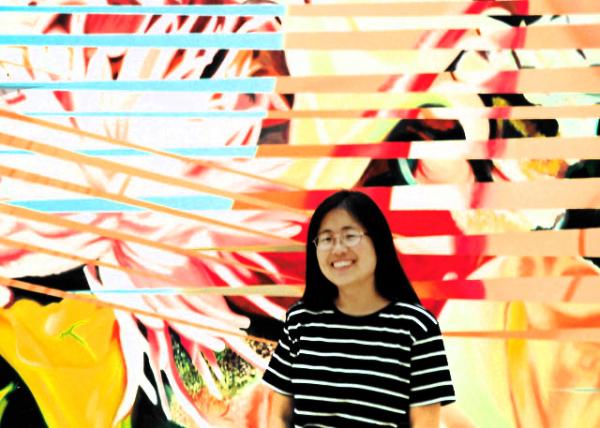 James Rosenquist, Females and Flowers, Oil on Canvas, 1984 James Rosenquist, Females and Flowers, Oil on Canvas, 1984
(詹姆斯·羅森奎斯特《女性與花卉》| 1984年布面油畫 05-11-1996) Crosslinks(相關博文): USA(出遊美國) 6th Grade(初中一年級) |