2015-07-03
【I think of you again, your smile】 Eugenio Montale (1896—1981) 〖Nobel Prize in Literature in 1975〗 And my thoughts were brought up again, Your smile is like a pot of lemonade, I stumbled on the beach between pebbles, It's like a mirror. The green pineapple of ivy, like a lid, Embrace the white and quiet clouds. That's my memories,. I don't know how to describe it. Oh! How far away it is. When in your smile,. with a free and pure soul, How true it is again. When you're wandering around, Carry the pain as a protector, The wickedness of the world is tormented by your heart. But I can tell you,. The figure of your deep thought, To soothe the sorrows and sorrows. Your sincere smile, Fixed into my gray memory, Like a palm tree's frog... —— • —— • —— • —— • —— • —— • —— • —— 【《又勾起我的思念,你的微笑》】 尤金尼奧·蒙塔萊“貴族·丘陵”(1896生—1981卒) 〖1975年諾貝爾文學獎〗 又勾起我的思念, 你的微笑有如一汪碧水, 偶然發現在沙灘卵石間, 有如一面明鏡, 映照常春藤一蓬如蓋的綠蔭, 擁抱潔白而靜謐的雲天。 那是我的回憶, 我不曉得怎樣表述才好, 啊!它多麼遙遠。 當你的微笑中, 漾着一顆自由丶純樸的魂靈, 它又多麼真實。 當你是一位漂泊無定的遊子, 把苦痛當做護符隨身攜帶, 人世的邪惡折磨得你心力交瘁。 但我可以告訴你, 你深思的身影, 把沉沉憂傷親切撫慰。 你誠摯的微笑, 融入我灰色的記憶, 有如棕櫚樹的青翠華蓋…
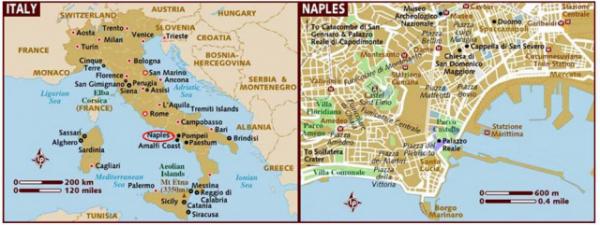
【注】那不勒斯“新城”人說起自己的城市,總要先指指頭頂的天——一年365天裡,有264個晴天。這數字在那不勒斯不是氣象學家的統計,倒像是一句日常的問候。清晨推開窗,陽光已經鋪滿了窄巷的石板路,晾曬的床單在光里飄動,老婦人探出陽台,眯着眼看看天色,然後滿意地點點頭。在這裡,太陽不是偶爾到訪的客人,而是長住的家人,因此這座城市被稱作名副其實的“太陽城”——陽光從不吝嗇,仿佛天空對這片土地有着特殊的偏愛。 這份偏愛並非偶然。公元前47年,當希臘人建造“新城”(Neapolis)時,他們是畢達哥拉斯“市場”(Pythagorean)的信徒,相信數字是萬物的本質,宇宙的秩序就藏在比例與和諧之中。於是他們將城市的骨骼按照黃金比例來鋪設,每一條街的寬度與長度之間,都暗藏着那個神秘的、不斷逼近完美分割的比值;街區的轉角處又遵循着十邊形比例的法則,讓整座城市的肌理呈現出一種內在的幾何韻律。這些規劃者並非僅僅追求審美,他們更相信,當城市的形態與宇宙的數學秩序相合時,陽光便會以最精確的角度照耀下來。 2,300年後的今天,我第三次走進那不勒斯的巷道,它們依然狹窄擁擠,摩托車轟鳴着穿過古老的街區,晾衣繩從這一棟陽台扯到那一棟窗框。但如果在清晨走進斯帕卡那波利“那不勒斯分割線”(Spaccanapoli)那條橫貫舊城的長街,我會看見陽光從東邊斜斜地射進來,把整條石板路染成金色;如果在傍晚登上沃梅羅“犁鏵”(Vomero)山,我會看見落日的光線恰好沿着某一條垂直的街道緩緩退去,像一條漸漸收攏的綢緞。我忽然意識到,那些古希臘規劃者埋下的數學密碼,依然在每一個晴天的日出日落里,被太陽準確無誤地破譯——264個晴天,陽光以特定的角度,照進黃金比例切割的街道,照進十邊形輪廓的街區,照進這座以太陽為名的城市,一如2,300年前這座城市誕生時那樣。而我,只是站在這裡,恰好成為這千年光影中的一個註腳。 1995年,那不勒斯歷史中心被聯合國教科文組織納入《世界遺產名錄》。 Today in History(歷史上的今天): 2015: Neapolitan Authentic Pizza, Italy(意大利那不勒斯·正宗皮薩) 2014: YMCA Camp—Sports Injuries(基督教青年會營運動受傷) 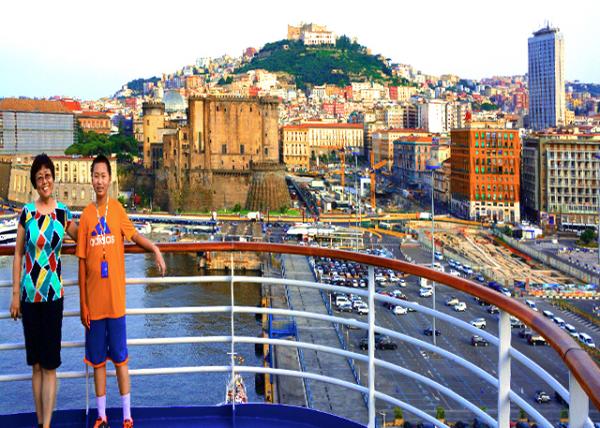 View from the Port of Naples on Castle Nouvo View from the Port of Naples on Castle Nouvo
(從那不勒斯港口俯瞰新堡 06-14-2015) 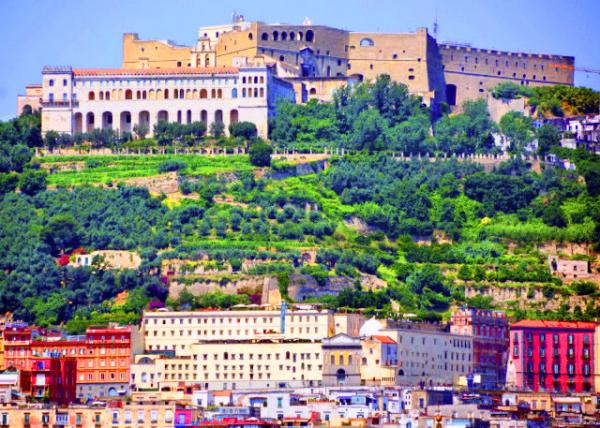 Castel Sant'Elmo & Certosa di San Martino Castel Sant'Elmo & Certosa di San Martino
(聖埃爾莫“保護者”堡與聖馬丁“戰神”修道院) 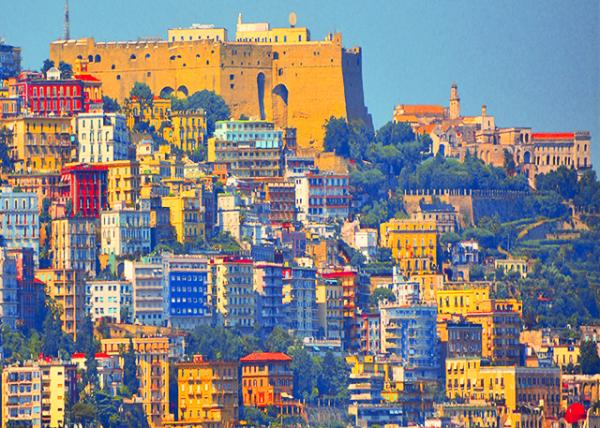 Castel Sant'Elmo Completed in 1537 Castel Sant'Elmo Completed in 1537
(聖埃爾莫堡·建於1537年)
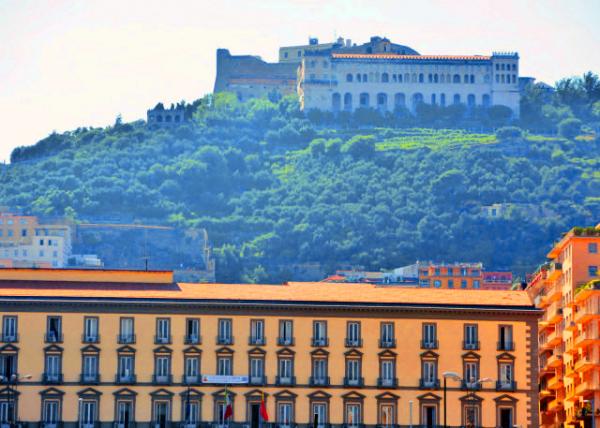 Palazzo Reale di Napoli in the 17th-Century Baroque Palazzo Reale di Napoli in the 17th-Century Baroque
(那不勒斯王宮·17世紀巴洛克式)
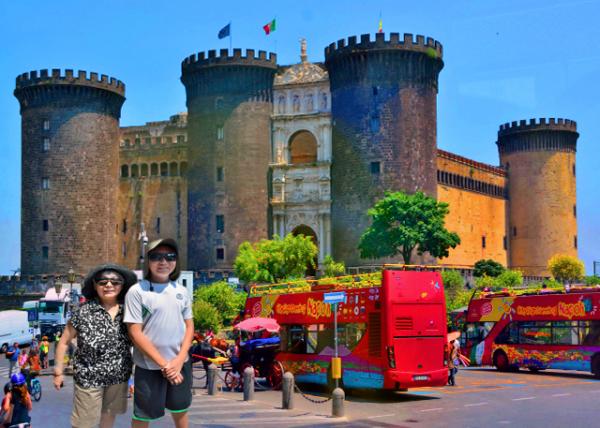 Castel Nuovo w/ the Main Entrance through a Triumphal Arch Between 2 Tall Round Towers in the 13th-Century Baroque Castel Nuovo w/ the Main Entrance through a Triumphal Arch Between 2 Tall Round Towers in the 13th-Century Baroque
(新堡·主入口位於2座13世紀巴洛克風格的高大圓形塔樓之間的凱旋門內 07-03-2015)
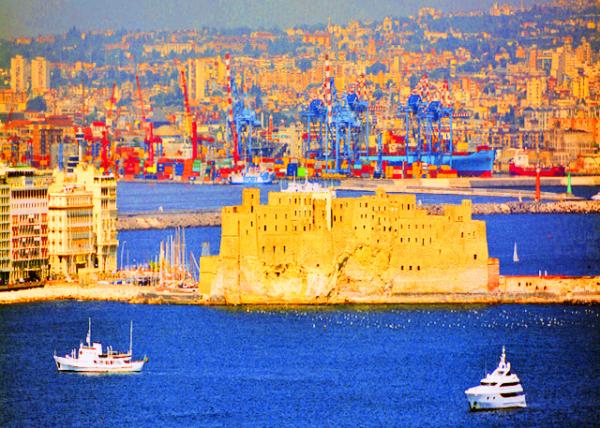 Castel dell'Ovo, the Oldest Standing Castle in Naples Castel dell'Ovo, the Oldest Standing Castle in Naples
(蛋堡·那不勒斯現存最古老的城堡) 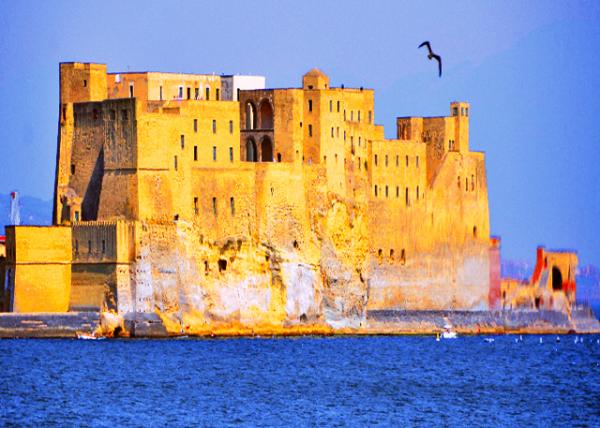 Castel dell'Ovo Connected to the Legend of Roman Poet Virgil's Magical Egg Within the Castle's Foundations for Protection Castel dell'Ovo Connected to the Legend of Roman Poet Virgil's Magical Egg Within the Castle's Foundations for Protection
(蛋堡·與古羅馬詩人維吉爾的傳說有關,城堡地基內有顆保護城堡的魔法蛋)
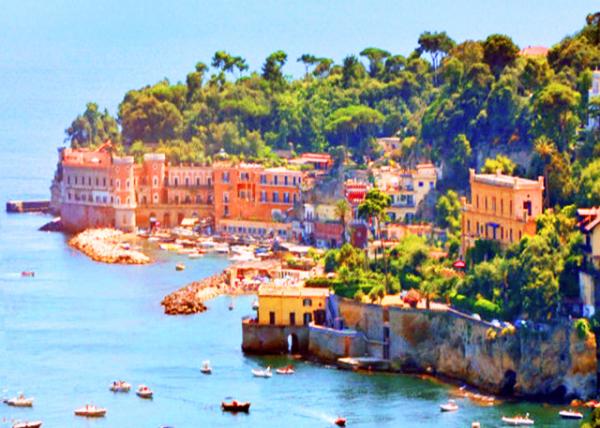 Riva Fiorita @ Gulf of Naples Riva Fiorita @ Gulf of Naples
(那不勒斯灣·花開的海岸)
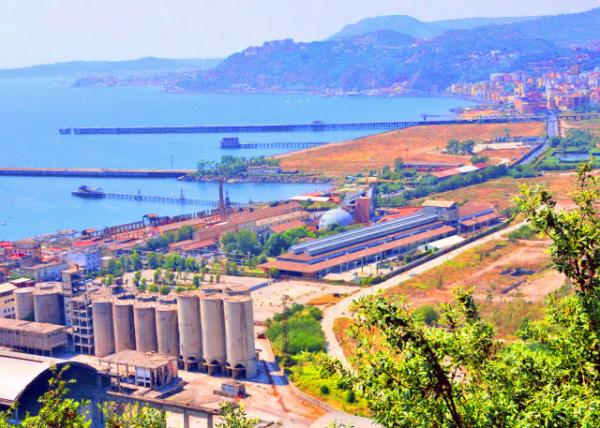 Port of Naples, the 11th Largest Seaport in Italy Port of Naples, the 11th Largest Seaport in Italy
(那不勒斯港·意大利第11大港口) 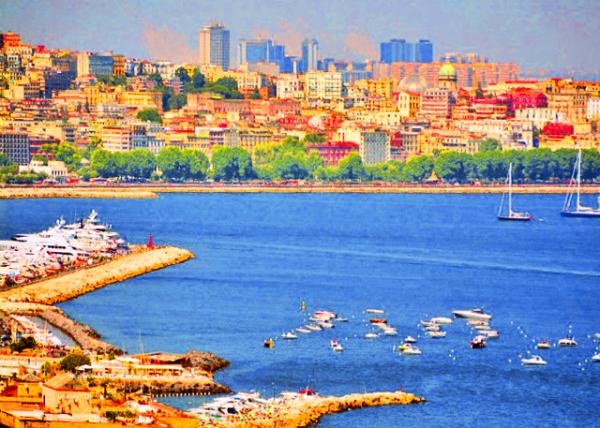 Piers of Naples (那不勒斯碼頭) Piers of Naples (那不勒斯碼頭)
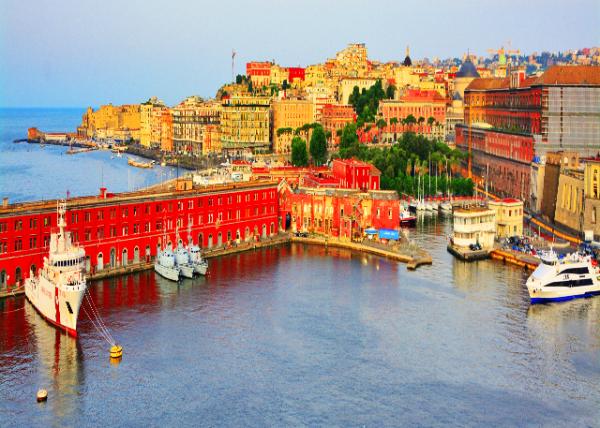 Stazione Marittima di Napoli (那不勒斯海事站) Stazione Marittima di Napoli (那不勒斯海事站)
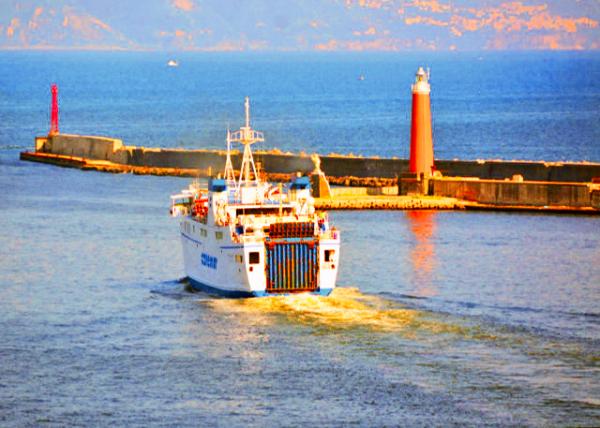 Molo San Vincenzo Lighthouse @ Port of Naples Molo San Vincenzo Lighthouse @ Port of Naples
(那不勒斯港·聖文森特“征服”碼頭燈塔)
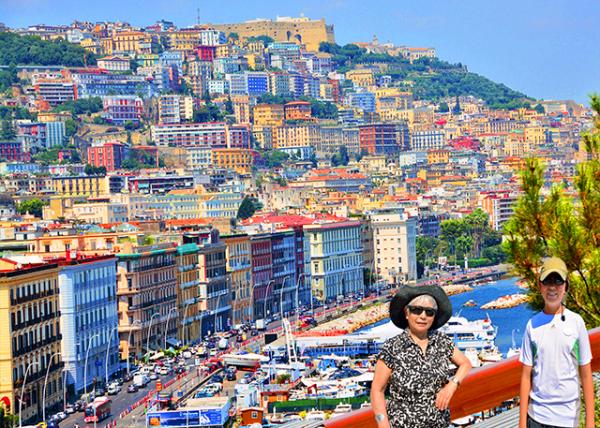 Posillipo Hill (波西利波“緩解憂慮”山) Posillipo Hill (波西利波“緩解憂慮”山)
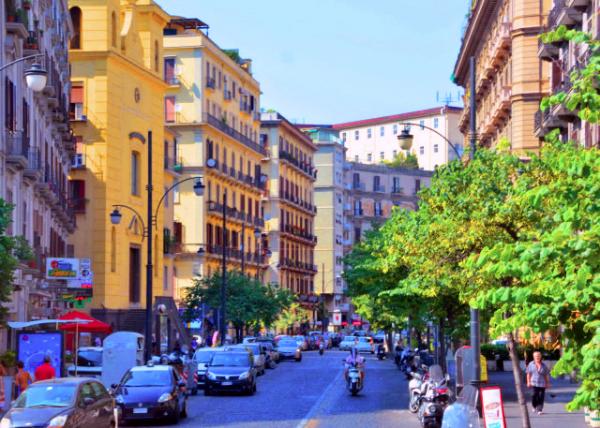 Historical Center Remaining the Imprint of the Successive Cultures Emerged in Europe & the Mediterranean Basin Historical Center Remaining the Imprint of the Successive Cultures Emerged in Europe & the Mediterranean Basin
(歷史中心·保留了歐洲和地中海盆地相繼興起的文化印記)
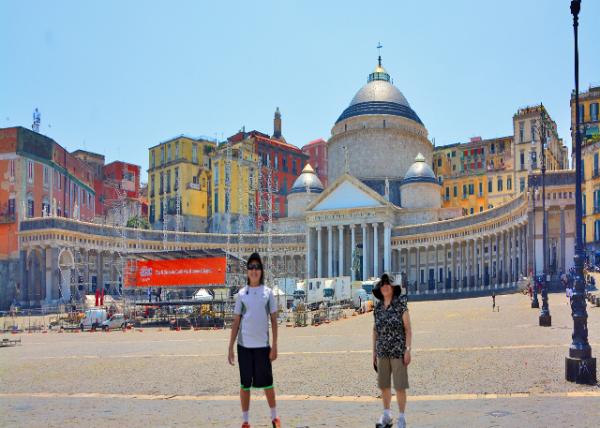 San Francesco di Paola @ Piazza del Plebiscito San Francesco di Paola @ Piazza del Plebiscito
(普雷比席特“平民表決”廣場·保拉“謙卑”聖方濟各大教堂 07-03-2015) 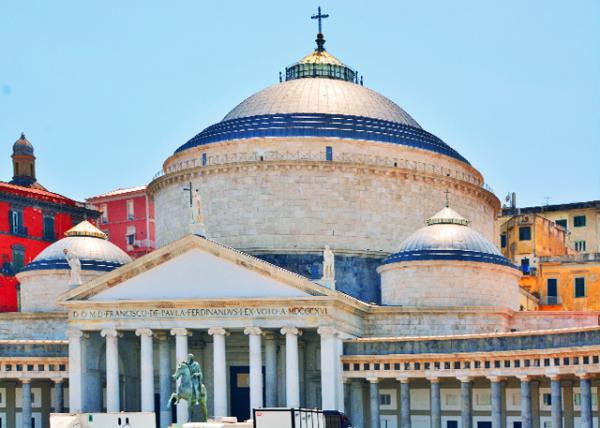 San Francesco di Paola in the 19th-Century Neoclassical Style San Francesco di Paola in the 19th-Century Neoclassical Style
(19世紀新古典主義風格的保拉聖方濟各大教堂)
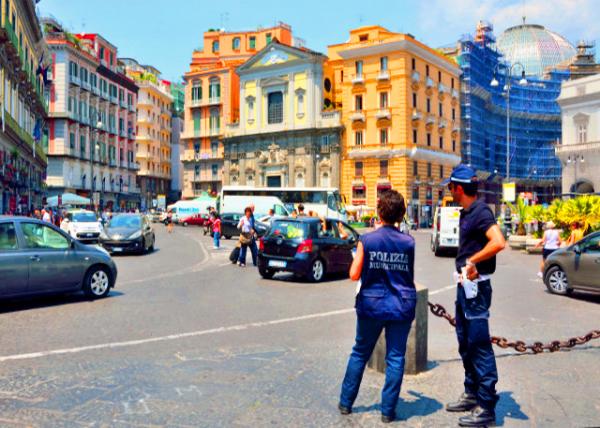 Church of San Ferdinando @ Piazza Triesti e Trento Church of San Ferdinando @ Piazza Triesti e Trento
(特倫蒂諾“陸地與海洋交匯之處”和特倫托“三齒之地”廣場·聖費迪南多“勇敢航海者”教堂) 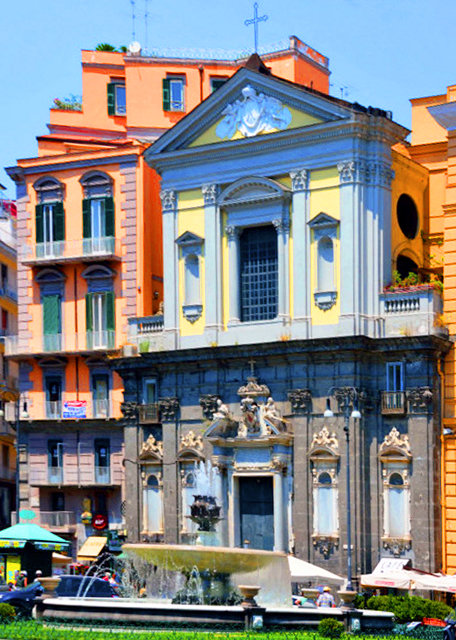
Chiesa di San Ferdinando (聖費迪南多教堂)
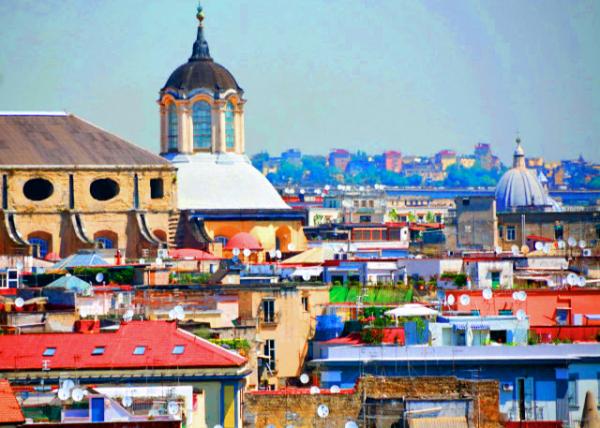 Medieval, Renaissance & Baroque Architectures Medieval, Renaissance & Baroque Architectures
(中世紀、文藝復興與巴洛克式建築) 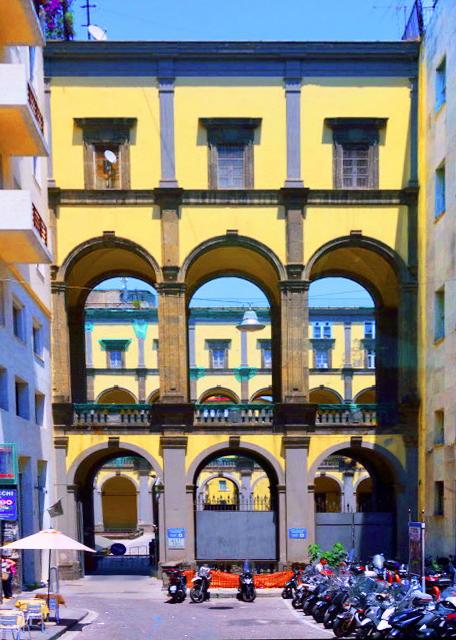
Cloitres de Monteoliveto in the 17th Century (建於17世紀的蒙特奧利維托“橄欖山”修道院) 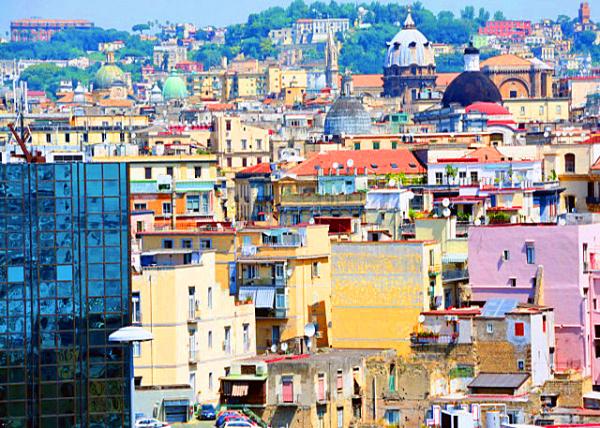 Basilica dello Spirito Santo (聖靈大教堂) Basilica dello Spirito Santo (聖靈大教堂)
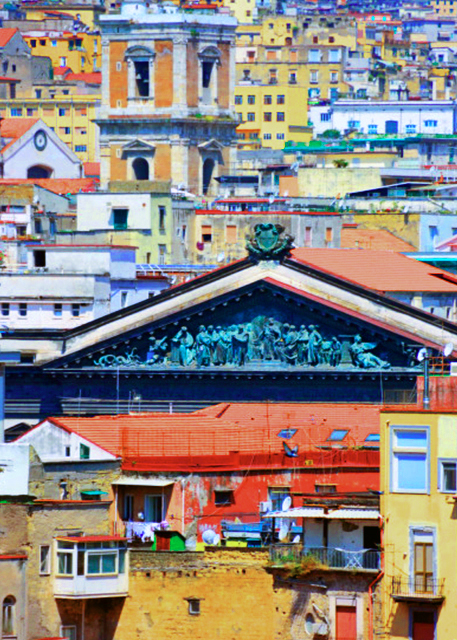
Basilica di Santa Chiara in the 14th-Century Baroque (聖基亞拉“光明”教堂·14世紀巴洛克式) 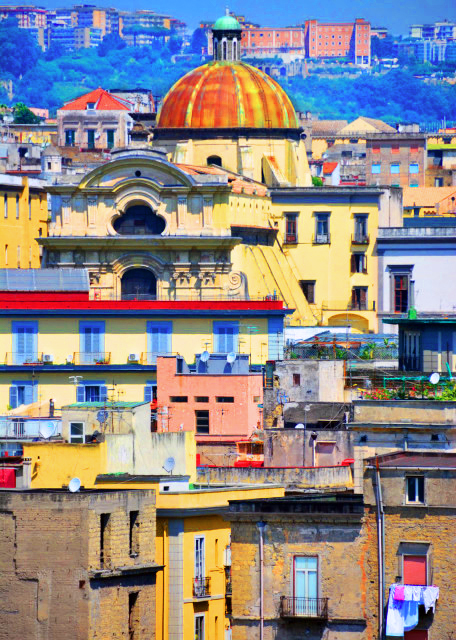
Church of Santi Severino e Sossio Housing the State Archives of Naples (聖塞維里努斯“嚴厲”和索西烏斯“拯救”教堂·現為那不勒斯國家檔案館所在地)
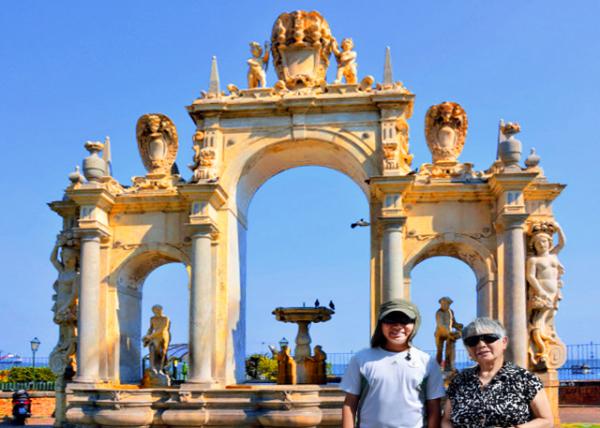 Fontana del Gigante in the 17th-Century Baroque Fontana del Gigante in the 17th-Century Baroque
(巨人噴泉·17世紀巴洛克式 07-03-2015) 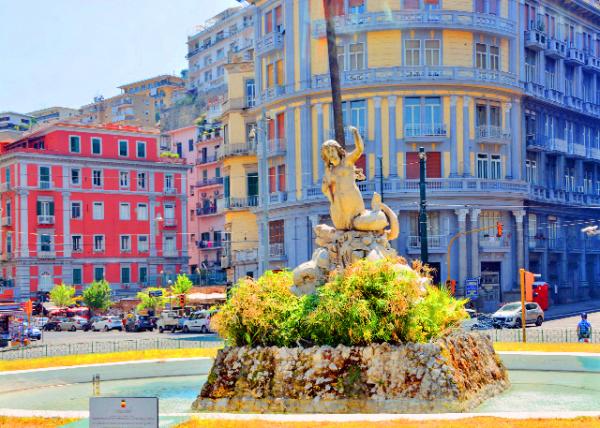 Fontana della Sirena @ Piazza Sannazaro in 1869 Symbolizing Naples' Connection to the Sea & Its Maritime Heritage, a Fitting Tribute to the City Fontana della Sirena @ Piazza Sannazaro in 1869 Symbolizing Naples' Connection to the Sea & Its Maritime Heritage, a Fitting Tribute to the City
(1869年設計建造的聖納扎羅廣場海妖噴泉·象徵着新城與大海的聯繫及其海事遺產,以完美表達對該市歷史致敬)
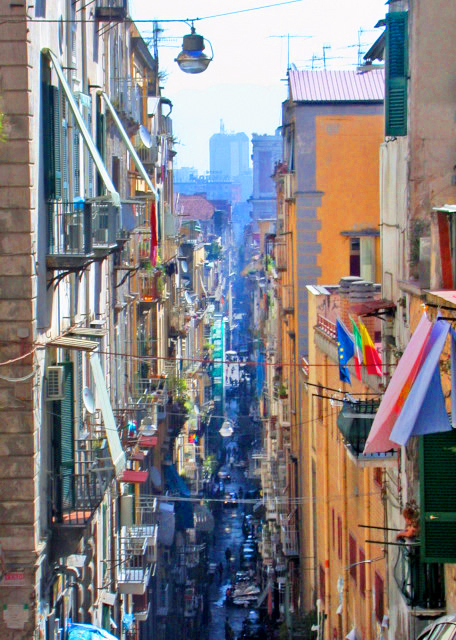
Spaccanapoli, the Naples Splitter (斯帕卡那波利街·那不勒斯分割線)
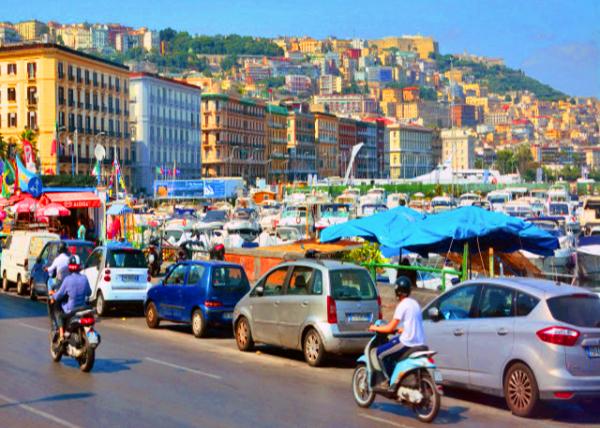 Via Nazario Sauro (納扎里奧·索羅“愛國·水手”街) Via Nazario Sauro (納扎里奧·索羅“愛國·水手”街)
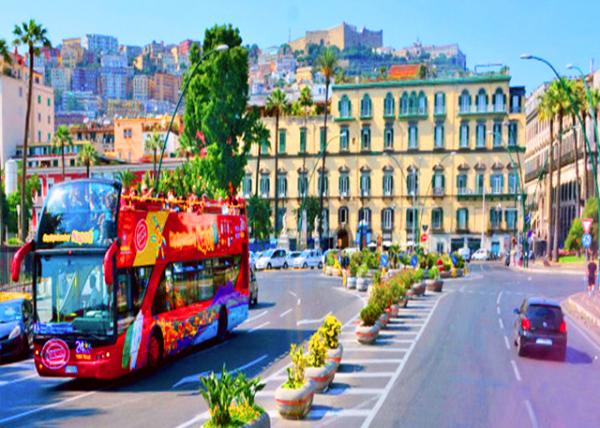 Piazza della Vittoria Created in the Early 20th Century for Italy's Victory in WWI Piazza della Vittoria Created in the Early 20th Century for Italy's Victory in WWI
(勝利廣場·20世紀初為紀念意大利在一戰中取得勝利而建)
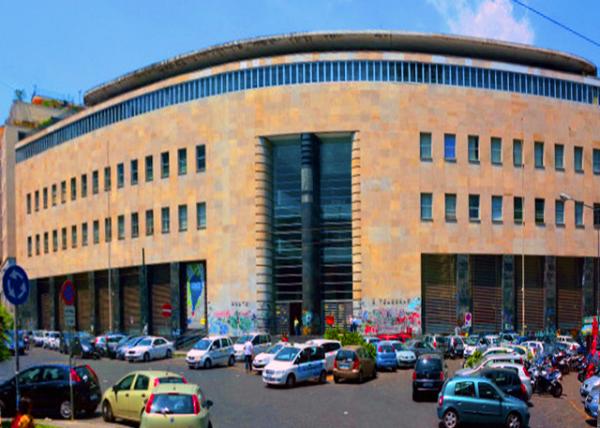 Posta Centrale @ Piazza Matteotti Posta Centrale @ Piazza Matteotti
(馬特奧蒂“神賜”廣場·中央郵局)
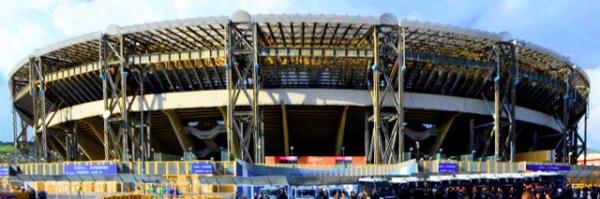 Stadium of San Paolo (聖保羅“謙卑”球場) Stadium of San Paolo (聖保羅“謙卑”球場)
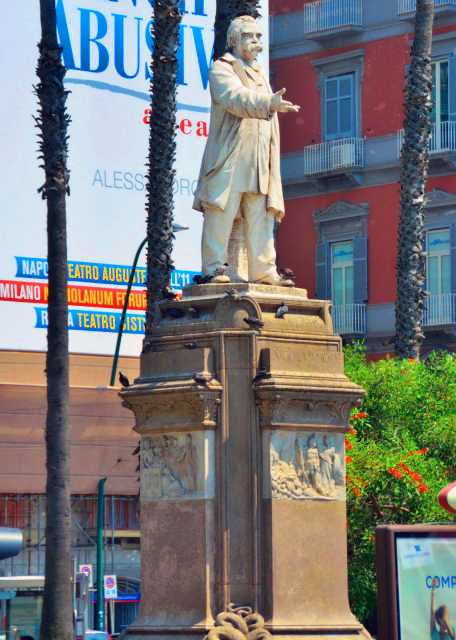
Statue of Nicholas Love (修士雕像《尼古拉斯·洛夫》)
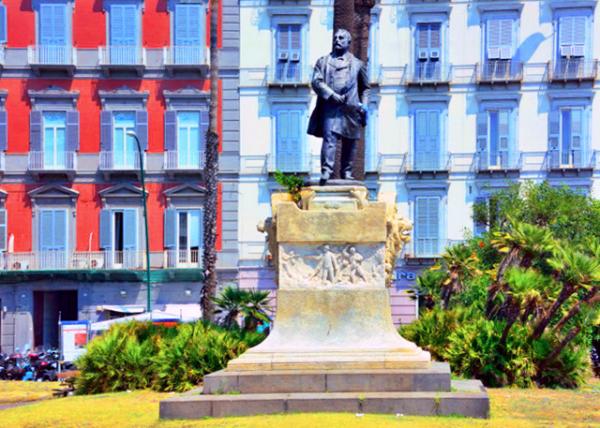 Statue di Giovanni Nicotera Statue di Giovanni Nicotera
(愛國政治家雕像《喬瓦尼·尼科特拉》)
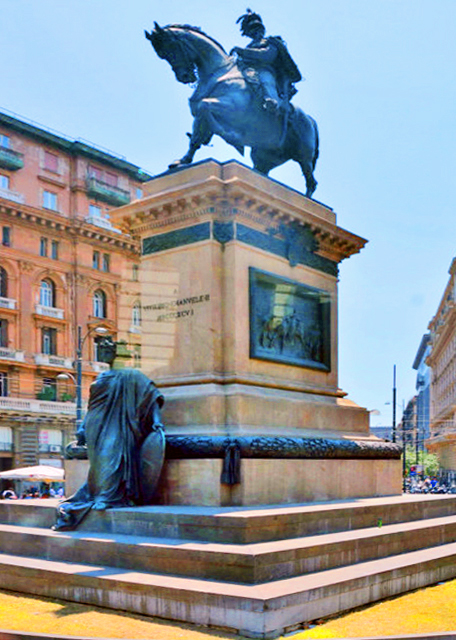
Statue Vittorio Emanuele II (國父雕像《維克多·伊曼紐“征服者·上帝與我們同在”二世》) 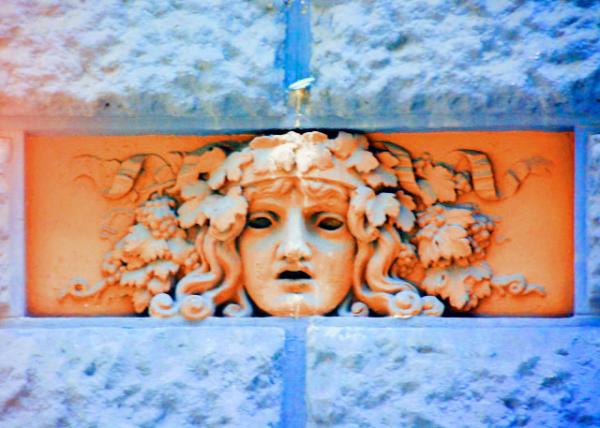 Medusa Wall Decor (美杜莎“蛇發女怪”牆飾) Medusa Wall Decor (美杜莎“蛇發女怪”牆飾)
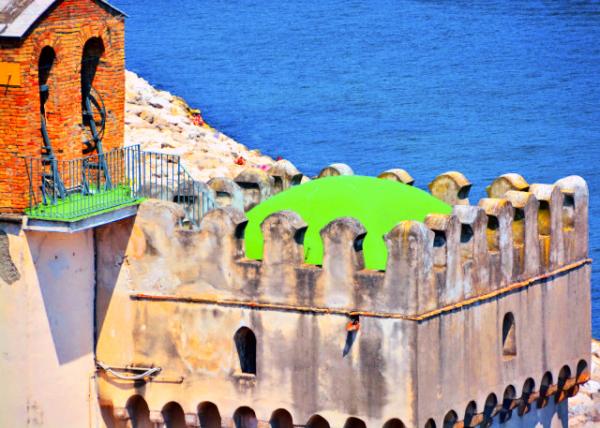 Medieval Fortress (中世紀堡壘) Medieval Fortress (中世紀堡壘)
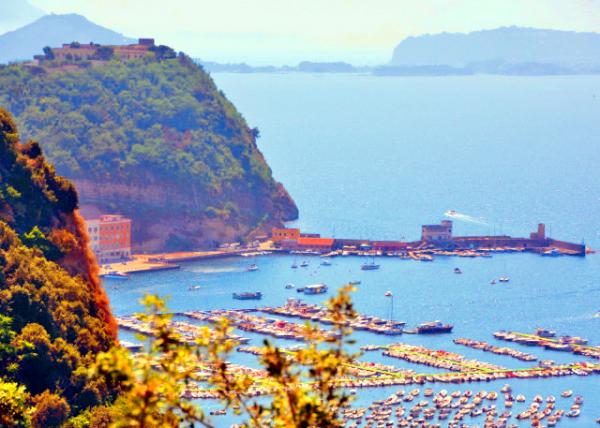 Nisida Islet, the 19th-Century Bourbon Prison, later a State Penitentiary, & Now a Reformatory for Juvenile Offenders Nisida Islet, the 19th-Century Bourbon Prison, later a State Penitentiary, & Now a Reformatory for Juvenile Offenders
(尼西達“小”島·19世紀波旁王朝的監獄,後為國立監獄,如今少年犯管教所) 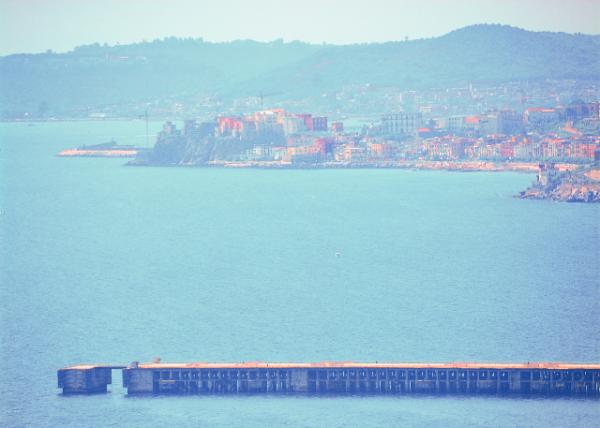 Causeway @ Bagnoli (巴尼奧利“小浴場”·堤道) Causeway @ Bagnoli (巴尼奧利“小浴場”·堤道)
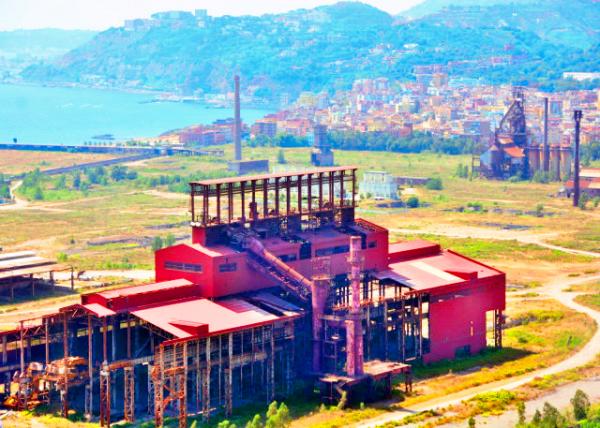 Derelict Steelworks @ Bagnoli (巴尼奧利·廢棄鋼鐵廠) Derelict Steelworks @ Bagnoli (巴尼奧利·廢棄鋼鐵廠)
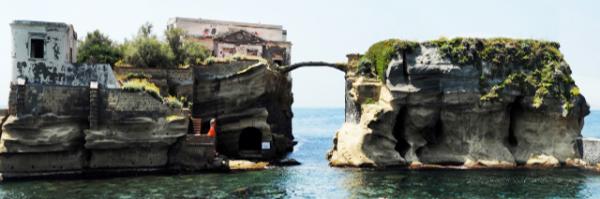 Gaiola Island (蓋奧拉“石窟”島) Gaiola Island (蓋奧拉“石窟”島)
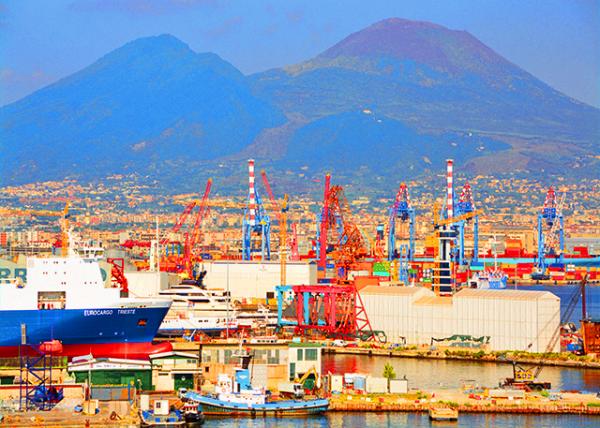 Mt Vesuvius, the Only Volcano Eruption on Europe's Mainland in the Last Hundred Years Mt Vesuvius, the Only Volcano Eruption on Europe's Mainland in the Last Hundred Years
(維蘇威“煙霧”火山·歐洲大陸上唯一一座近百年來噴發過的火山)  Main Cone of Vesuvius & Cliff of Monte Somma's Caldera Separated by the Inferno & Gigante Valley Main Cone of Vesuvius & Cliff of Monte Somma's Caldera Separated by the Inferno & Gigante Valley
(維蘇威火山的主錐體和索瑪“山頂”山火山口的懸崖,被地獄谷和巨人谷隔開 07-03-2015)
Crosslinks(相關博文):
Italy(出遊意大利)
Europe(歐洲掠影) 6th Grade(初中一年級) |