2012-12-21 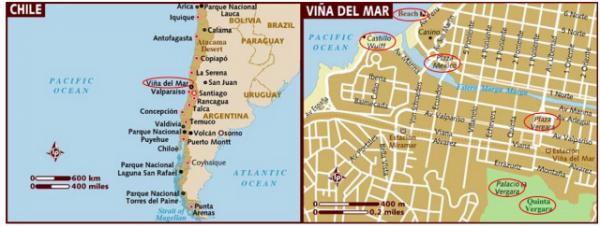
【Aiden in English】
In a Chinese proverb, an hour in the morning is worth two in the evening. It's always pleasant to start a new day with a scrumptious breakfast. I had fried eggs and toasted bread with strawberry juice. The eggs with white bread looked plain but yummy, and the juice tasted fresh and very berry. As we loaded up our luggage and checked out, I made a French silent farewell to the hotel and the great city of Santiago. When the tour group finally met, we started in a garden city called Vina Del Mar on the Pacific coast. It was called Vineyard by the Sea due to a colonial hacienda whose vineyards faced the ocean. The Flower Clock made the entire city bloom. There, we visited a tiny Fonck Museum, which provided the best insight into the ancestral history of its inhabitants and natural sciences. A giant Moai stood at the gate, symbolizing the city and the nation, as it was the only one outside Easter Island. It reminded us how great it was to make our pilgrimage to his hometown a few days ago. The exhibition on the 2nd floor featured a complete collection of arthropods and animals, whose footprints we would encounter while traveling in Chile the following week. Some poisonous insects were kept in carefully designed cages. I swore never to sit on the floor before dusting it when I passed this section. Outside the entrance to Palacio Carrasco municipal library, as the Cultural Capital, the sculpture of "La Defensa" by Auguste Rodin was declared a National Historic Monument. A flag of culture in China hung on top. Currently, it is under renovation. Therefore, we couldn't even take a look inside. An earthquake struck the city severely in February 2010. A visible crack remained in the facade of the Palacio Vergara Fine Arts Museum, and its recovery was still on track after nearly three years. Nearby, the Vergara Amphitheater hosted the Vina Del Mar International. The Song Festival is held every summer, and Elton John will perform "Rocket Man" in 2013. Away from downtown, Reñaca Beach boasts beautiful, vast expanses of sand that look out to the Pacific. However, the water remained cold, and the Humboldt Current continued to rise from the ocean floor. We'd rather stay offshore. Interestingly, the same current trend also accounts for marvelous seafood, which was one of the reasons we came here. The BBQ beef steak I ordered seemed too tough to chew at lunch. I doubted even a chainsaw would be able to cut it. However, I was amazed to have almond chocolate ice cream served with a strawberry smoothie for my dessert. The ice cream gave me tons of brain freeze, and the smoothie tasted like sour-patch juice. Mom had her entree and tried Pastel de Chocio, served in a traditional earthenware bowl by a newly met friend across our table. She was not accustomed to ground meat topped with corn puree and baked, as it tasted too much like sugar. In the afternoon, we drove to its twin city, Valparaiso. We purchased tickets to visit Nobel Literature Laureate Pablo Neruda's house, La Chascona, which has been transformed into a museum in memory of the famous Chilean poet. "Twenty Love Poems and a Song of Despair" was on display. This wooden house was situated on the side of a steep hill, offering a panoramic view of the Pacific Ocean. Pablo designed the interior independently, and his 2nd artist's wife painted all the pictures. Green ink often appeared in his poems as his symbol of will and hope. He enjoyed inviting friends and hearing new jokes, although he wasn't a good joke-teller himself. Indeed, he would laugh and giggle even when the joke wasn't so funny. After climbing back on our tour bus, my mom gave the driver a tip of $11. It meant a lot to him because $1 converted to 500 Chilean pesos. So, $11 was equal to 5,500 pesos! The driver tended to drop us off at the hotel in the middle of the steep hill. But the street was too narrow for the bus to go through, and the slope appeared sharp enough for us to hike. By the time we arrived there, my legs felt on fire! I thought I was climbing Mount Everest. As soon as I got to my boutique room, I hopped onto the bed and tried to think about when I last slept in a proper bed.
【红霞译】
中国有句谚语:“一日之计在于晨”。对我而言,称心如意的早餐永远是每天良好开端的标志,炒鸡蛋夹烤面包看起来极其平常,吃起来口感不错,草莓汁味道新鲜可口。吃罢早餐,我们打点行李准备结账离开酒店,此时我默默道别酒店和智利“土地的尽头”首府圣地亚哥“后继者”。 只待旅行团集结完毕,我们立刻朝维尼亚德尔“海边的葡萄园”城驶去,该城最早因一殖民庄园主的葡萄园面向太平洋而得名,市中心的“花草时钟”可以印证。 丰克“火花”博物馆小巧玲珑,为我们了解智利土著祖先生活史和自然科学打开了窗口,馆外摩艾“活脸谱”石像是唯一远离复活节岛而落户智利大陆的真品国宝,让我们禁不住想起前不久朝拜其故地文化的愉快场景;二楼展厅有从全国采集的节肢动物和哺乳动物整套标本,相信在未来一周所到之处,我们将会实地探访这些动物的足迹,鉴于有些具毒的昆虫被小心存放在密封的盒子里,我暗下决心,今后如若再经过此类地方一定不能随便席地而坐。
素有“文化之家”美誉的卡拉斯科“圣栎”宫市立图书馆门前矗立着英雄国家纪念碑《防御工事》,这是法国著名雕塑家罗丹的作品,楼顶屋檐下大幅标语张贴着“中国文化”字样,可惜图书馆正处在维修阶段而谢绝参观,不然真该进去看个究竟。 2010年2月地震严重破坏了维尼亚德尔建筑,维加拉“赤杨树”宫艺术博物馆深受其害,时过将近三年,正面墙上的裂缝至今尚未修复;附近维加拉圆形露天剧场每年夏季都要举行规模盛大的国际歌咏比赛,2013年英国乐坛常青树艾尔顿·约翰“老城区·神慈”将亲临现场演唱《火箭人》。 离开闹市区走近太平洋,雷尼亚卡“沙之所在”海滩像条宽大的白色玉带,优雅地镶嵌在一眼望不到边的海岸线上,洪堡“大胆”洋流从南极冰川流经南美西部海岸,使得当地的海水凉得寒心而海风刮得刺骨,因此我们情愿躲到风吹不到水打不着的人间天堂,溜溜弯儿压压马路晒晒太阳。有趣的是海洋生物反倒逆太平洋寒流而入,带来丰盛的水产资源,吸引了天下游客来此大快朵颐生猛海鲜。
午餐上我点来火烤牛排,没想到肉质硬得根本嚼不动,即使钢锯铁锉恐怕难以将它切开,好在备有杏仁巧克力冰激凌和草莓冰沙做后盾,虽然冰激凌害得我脑袋发僵,但冰沙酷得我味觉发嗲。妈妈吃完自己的主餐不算,还惦记周围别人盘中智利名菜佳肴,当尝过邻桌“肉末玉米脆饼沙锅”之后,她竟耐受不住高糖含量配方。 下午时分,我们随车来到姊妹城瓦尔帕莱索“天堂谷”,首先拜访了诺贝尔文学奖获得者智利诗人巴勃罗·聂鲁达“谦卑·乖戾”的草原故居,现已改成博物馆供游人参观,他的著名诗集《二十首情诗和一支绝望的歌》陈列其中。故居木楼依山傍海,内部全都由诗人设计,其第二位艺术家妻子作画,绿色诗迹记录了他对理想的追求和对诗歌的热爱。诗人好客,喜欢聆听朋友讲笑话,虽然自己并不擅长插科打诨,但却欣赏各种品味的趣闻轶事。 我们终于看完景点返回旅游大巴上。这时妈妈递给司机$11美元小费,对他来说非常可观,因为按国际货币交换时价,$1美元可以折算智利现金$500比索,所以他总共收到$5,500比索外快!司机原打算送我们直接去酒店,但街道太窄,大巴根本过不去,再加上坡路又陡,我们只能一点一点向前蠕动。胜利到达酒店时,我两腿酸软脚底冒火!真以为自己刚刚从喜马拉雅山凯旋而归;等我一踏进精致房间,我连滚带爬扑上床去,好像很久没有睡过囫囵觉了。 夜被击碎
而蓝色的星在远处颤抖 晚风在天空中回旋歌唱
──巴勃罗·聂鲁达《今夜我可以写》
Today in History(历史上的今天):
2010: 月全食(Total Lunar Eclipse)
2009: 新西兰圣水地热仙境(Waiotapu Thermal Wonderland, NZ) 2009: 新西兰第二湖市——硫磺之城(Rotorua the Sulphur City, NZ) 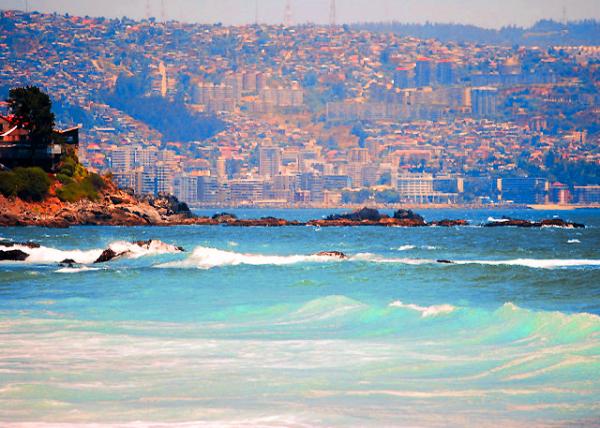 Vina Del Mar, the 4th Largest City in Chile Vina Del Mar, the 4th Largest City in Chile
(维尼亚德尔·智利第四大城市) 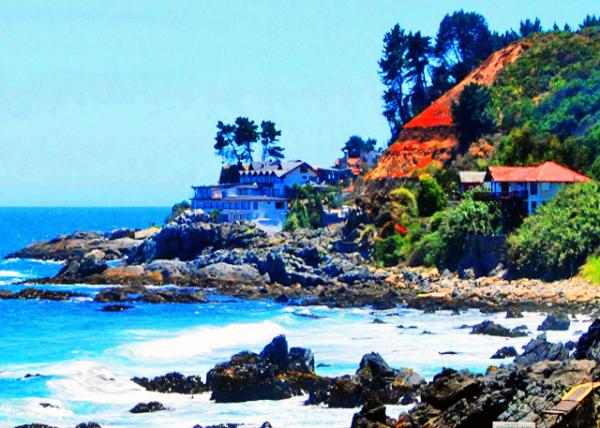 Hotel Oceanic over Reñaca Beach Hotel Oceanic over Reñaca Beach
(俯瞰雷尼亚卡海滩的海洋酒店) 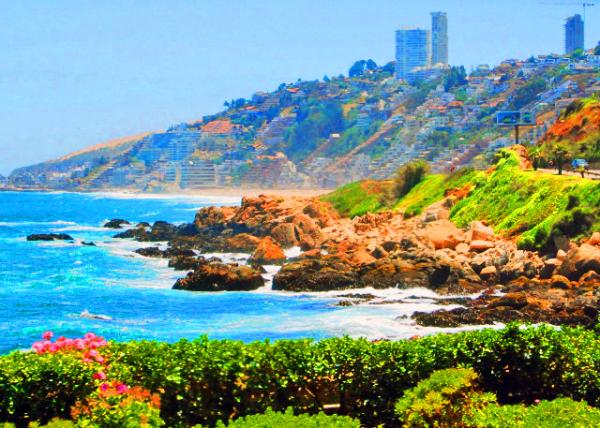 Tornamesa Centro de Escalada Tornamesa Centro de Escalada
(托纳梅萨“转盘”抱石攀岩胜地) 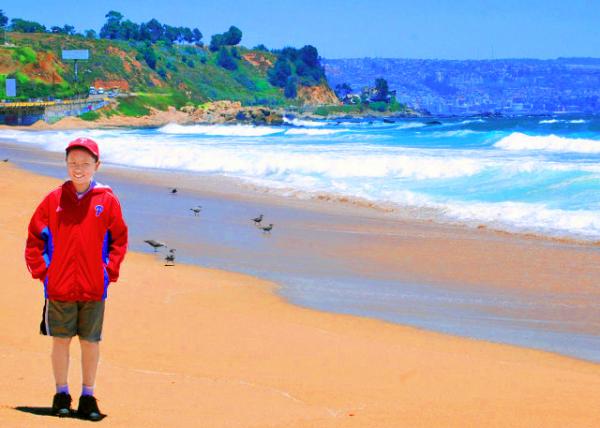 Playa Cochoa, Protected by a Small Peninsula Playa Cochoa, Protected by a Small Peninsula
(小半岛庇护下的科乔亚“绿画眉”海滩 12-21-2012) 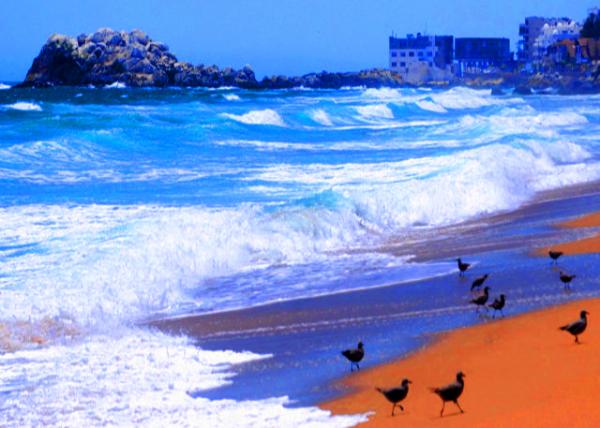 Roca Oceanica NP, a Natural Rocky Promontory Roca Oceanica NP, a Natural Rocky Promontory
(海洋岩国家公园·天然岩石海角) 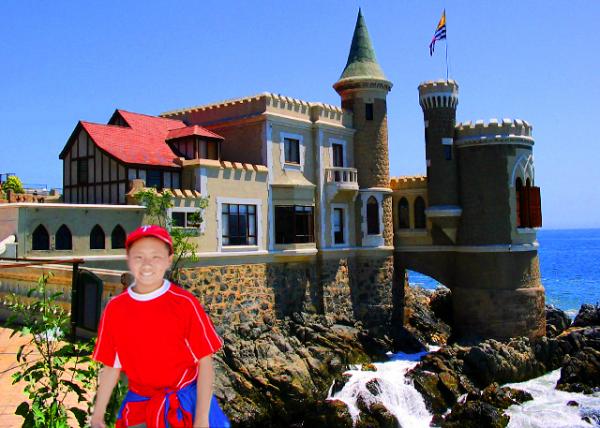 Wulff Castle w/ Its Blend of European Medieval & French Architectural Styles Built in 1906 Wulff Castle w/ Its Blend of European Medieval & French Architectural Styles Built in 1906
(武尔夫“狼”城堡·建于1906年,融合了欧洲中世纪和法国的建筑风格 12-21-2012) 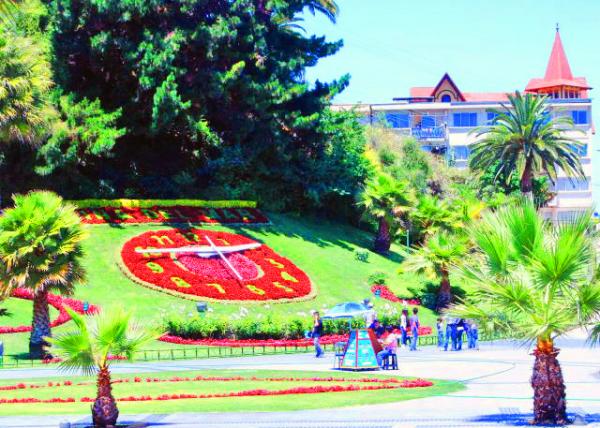 Flower Clock, Part of the FIFA World Cup in 1962 Flower Clock, Part of the FIFA World Cup in 1962
(花钟·为1962年国际足联世界杯而建) 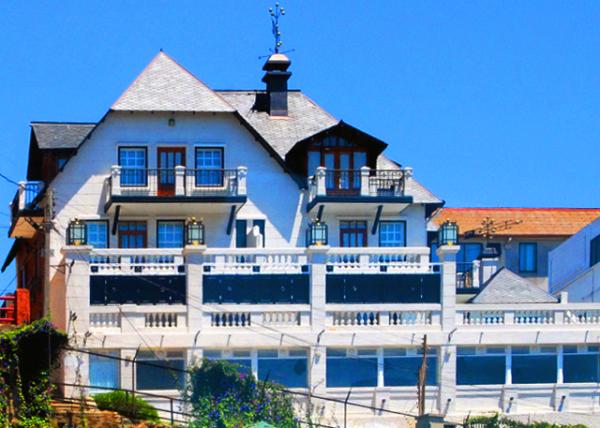 Domus Mare Hotel, the 1st Boutique Hotel in Recreo-Viña del Mar Domus Mare Hotel, the 1st Boutique Hotel in Recreo-Viña del Mar
(多莫斯·马雷“海之屋”酒店·雷克雷奥“休闲”—维尼亚德尔马首家精品酒店) 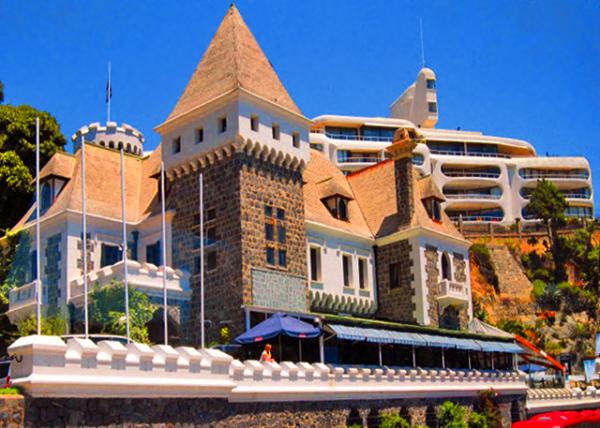 Castillo Ross, a Defining Fiece of the City's Belle Époque Heritage Built in 1921 Castillo Ross, a Defining Fiece of the City's Belle Époque Heritage Built in 1921
(罗斯“海岬”城堡·建于1921年美好年代遗产的标志性建筑)
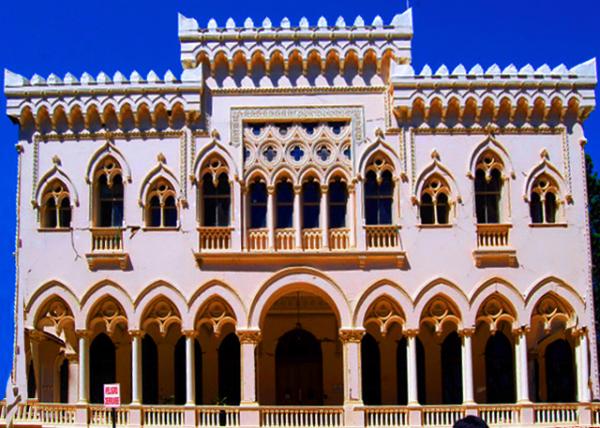 Palace Vergara or Fine Arts Museum in Venetian Gothic Architecture Built in 1910 Palace Vergara or Fine Arts Museum in Venetian Gothic Architecture Built in 1910
(维加拉宫美术博物馆·建于1910年、威尼斯“水城”哥特式建筑) 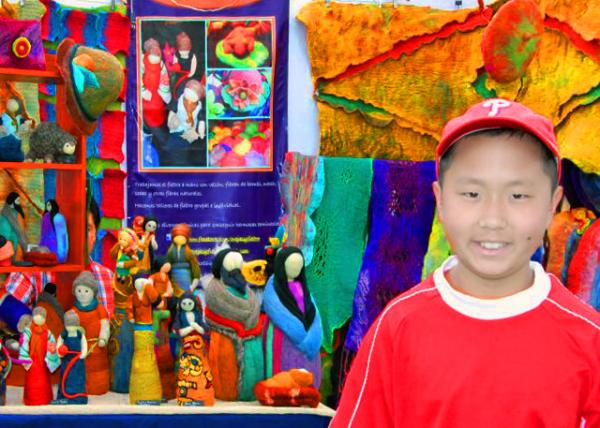 Handcrafts @ Vergara Park Handcrafts @ Vergara Park
(维加拉花园公园·手工艺品 12-21-2012) 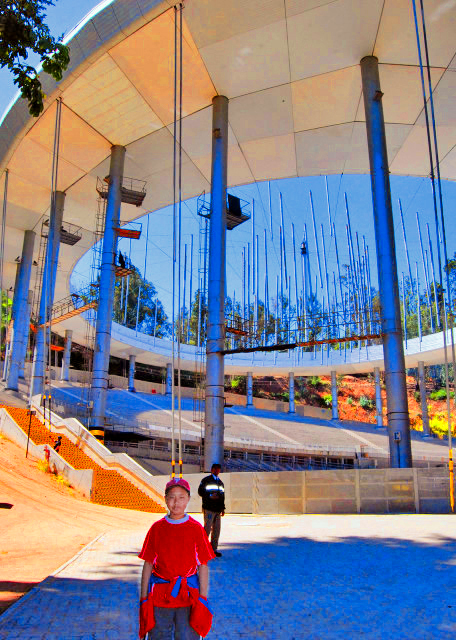
Quinta Vergara Amphitheater, Home to the Viña del Mar Intl Song Festival (维加拉花园圆形露天剧场·国际歌曲节所在地 12-21-2012) 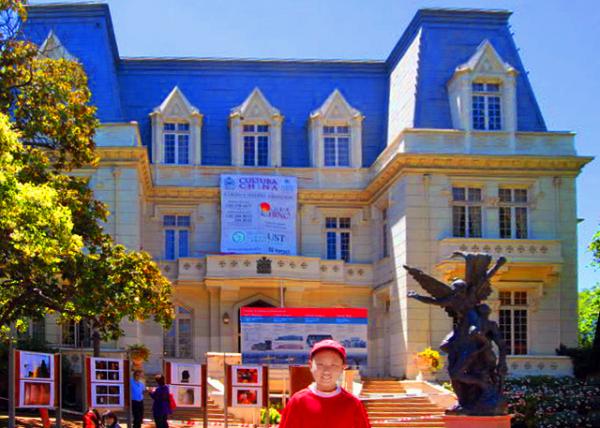 Palacio Carrasco in Neoclassical Style Built in 1912—1923 Palacio Carrasco in Neoclassical Style Built in 1912—1923
(卡拉斯科宫市立图书馆·建于1912年—1923年间,新古典主义式 12-21-2012) 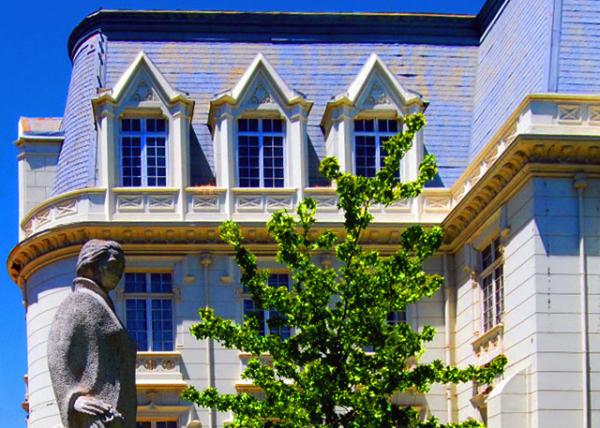 Statue of Benjamín Vicuña Mackenna @ Palacio Carrasco Statue of Benjamín Vicuña Mackenna @ Palacio Carrasco
(卡拉斯科宫市立图书馆—智利作家《本杰明·维库尼亚·麦肯纳“右手之子·小羊驼·火之子”》雕塑)
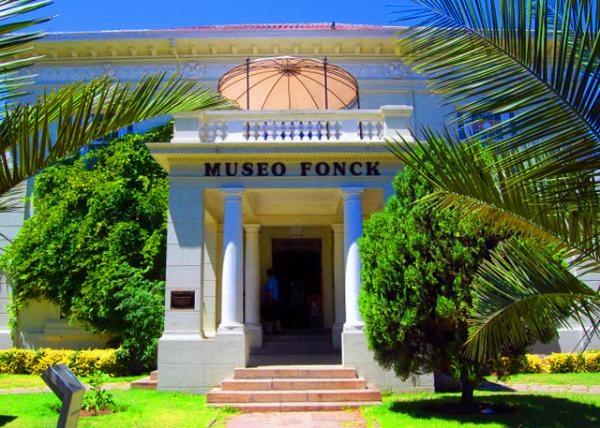 Fonck Museum w/ a Collection of Artifacts from Easter Island Fonck Museum w/ a Collection of Artifacts from Easter Island
(丰克博物馆·复活节岛文物收藏)
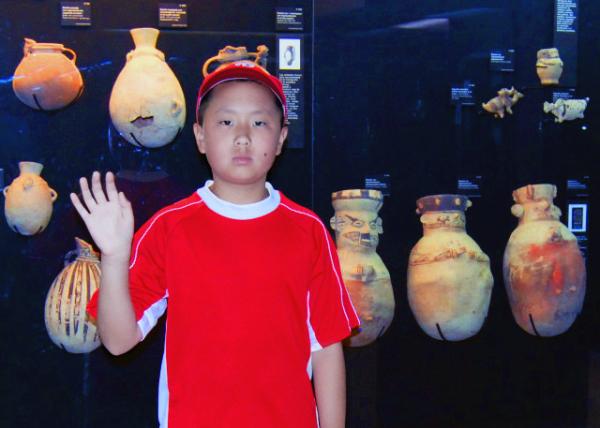 Fonck Museum Housing Exhibits on Pre-Columbian Cultures Fonck Museum Housing Exhibits on Pre-Columbian Cultures
(丰克博物馆·前哥伦布“鸽子”时期文化展品 12-21-2012) 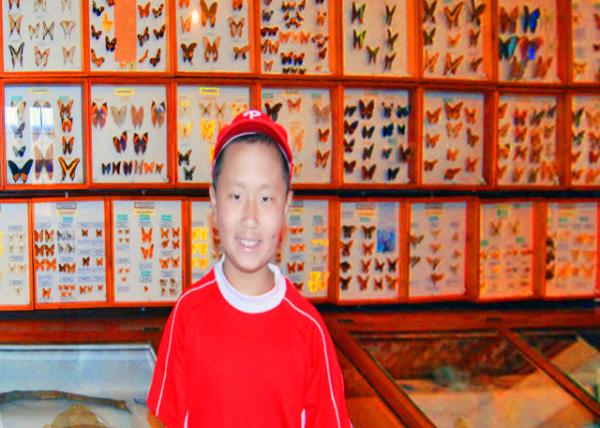 Chile's Natural History @ Fonck Museum of Archeology Chile's Natural History @ Fonck Museum of Archeology
(丰克考古博物馆·智利自然历史 12-21-2012) 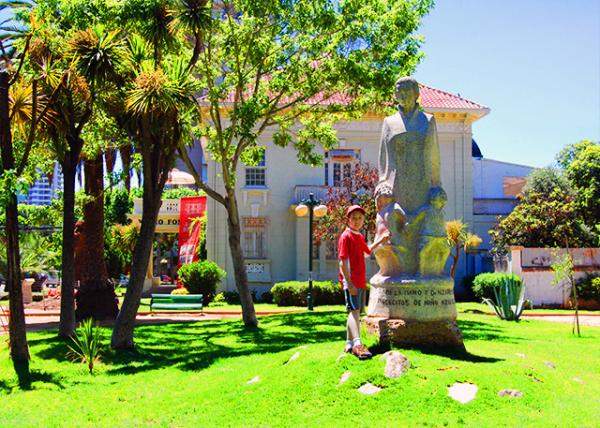 Monument to Gabriela Mistral @ Fonck Museum Monument to Gabriela Mistral @ Fonck Museum
(丰克博物馆·智利诗人、外交官、记者和教育家《加夫列拉·米斯特拉尔“虔诚的信徒·精湛”》纪念碑 12-21-2012)
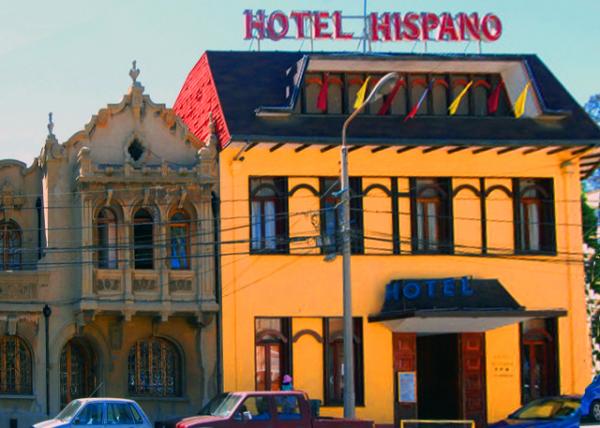 Hotel of Hispano in a Traditional Colonial & Old-school European-inspired Architecture Hotel of Hispano in a Traditional Colonial & Old-school European-inspired Architecture
(西班牙酒店·传统的殖民地风格和古典欧式建筑) 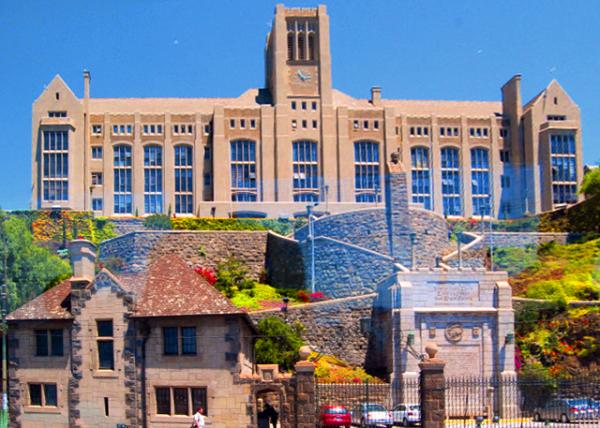 Federico Santa María Technical University Federico Santa María Technical University
(费德里科“和平统治者”圣母理工大学)
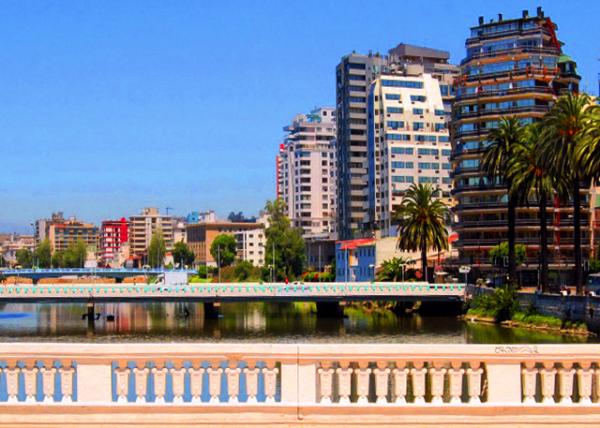 Puente Ecuador over Marga Marga Estuary Puente Ecuador over Marga Marga Estuary
(厄瓜多尔“赤道”桥下玛尔加“珍珠”河谷入海口) 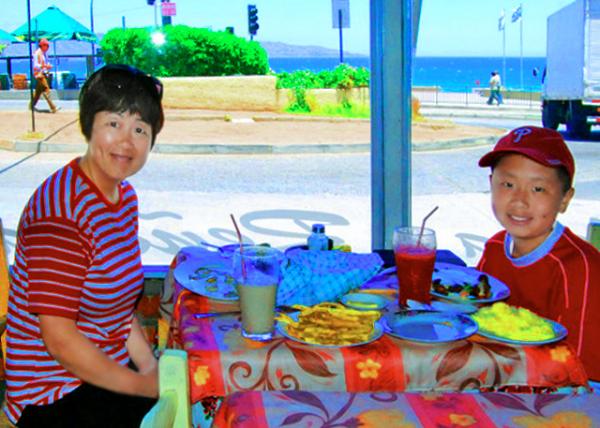 Los Pomairinos, Specialized in the Local Authentic Cuisine Los Pomairinos, Specialized in the Local Authentic Cuisine
(波迈里纳斯“长苹果树之地”餐厅·专注于当地正宗美食 12-21-2012) 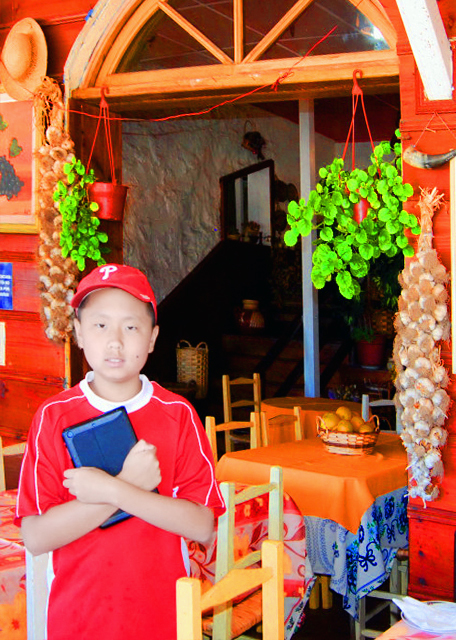
String Garlic Faux @ Los Pomairinos (波迈里纳斯餐厅·蒜辫装潢 12-21-2012) 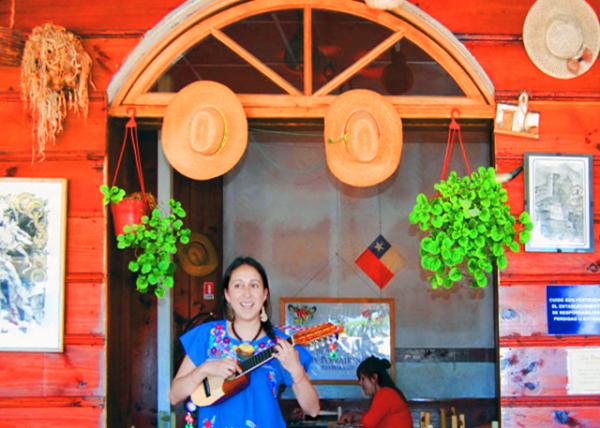 Charango Performer @ Los Pomairinos Charango Performer @ Los Pomairinos
(波迈里纳斯餐厅·安第斯“铜色”四弦琴艺人)
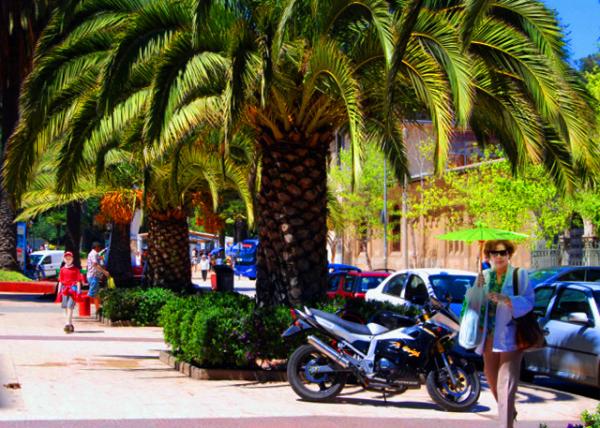 Plaza Parroquia (帕罗基亚“教区”广场 12-21-2012) Plaza Parroquia (帕罗基亚“教区”广场 12-21-2012)
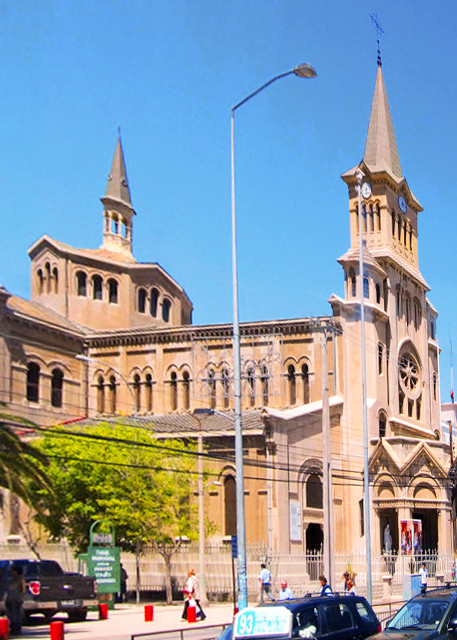
Our Lady of Sorrows Parish, the City's 1st & Oldest Parish (圣母痛苦教区教堂·该市第一个也是最古老的教区教堂) 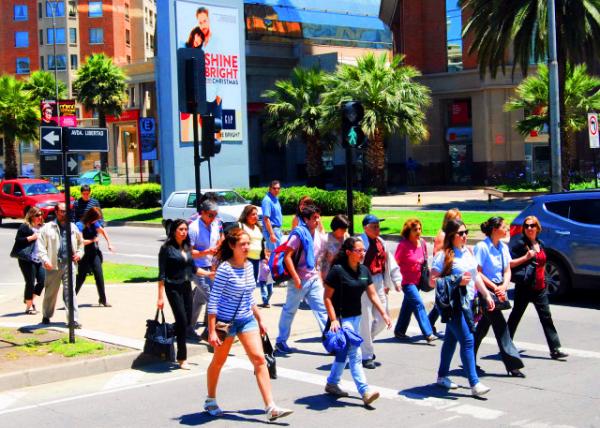 Pedestrians @ Intersection of Avenida Libertad & 1 Norte Pedestrians @ Intersection of Avenida Libertad & 1 Norte
(自由大道与北一街交叉路口的行人) 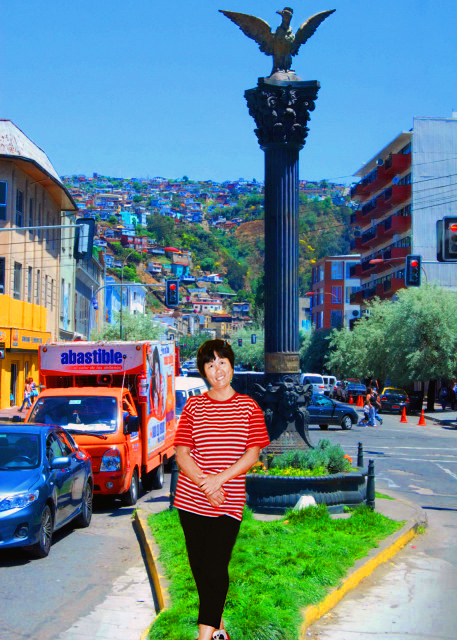
Columna Francesa of Valparaíso, Featuring a Cast-Iron Column Inaugurated in 1912 (瓦尔帕莱索“法国柱”·于1912年落成的铸铁柱 12-21-2012)
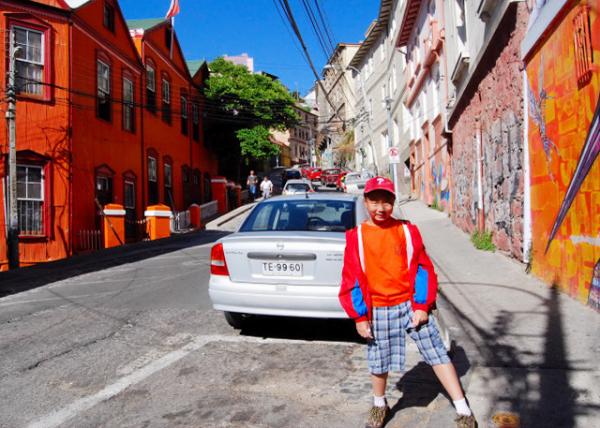 Steep Hills, Unique Street Art, & Colorful Homes Blending Historic Charm w/ a Bohemian Vibe in Valparaíso Steep Hills, Unique Street Art, & Colorful Homes Blending Historic Charm w/ a Bohemian Vibe in Valparaíso
(瓦尔帕莱索·融合了历史魅力和波西米亚“ 游牧式”风情的陡峭山丘、独特街景和彩色房屋 12-21-2012) 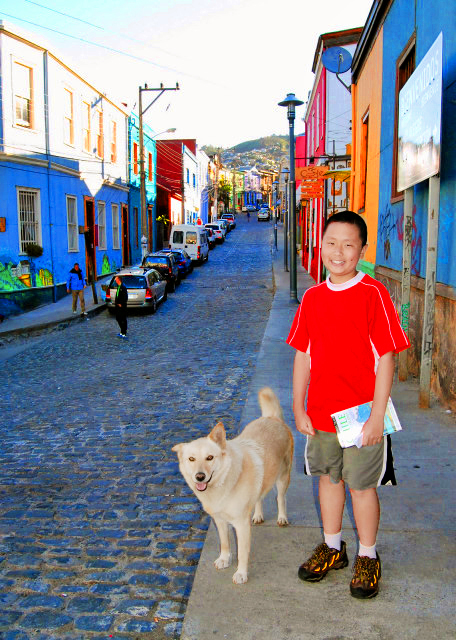
Steep Rolling Street in Valparaíso (瓦尔帕莱索·上坡不见天下坡前滚翻的马路 12-21-2012) 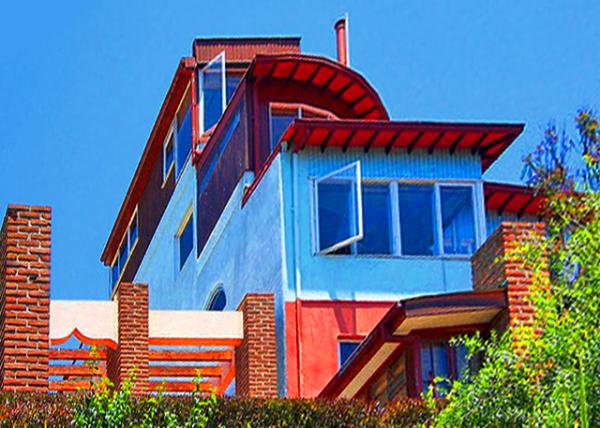 La Sebastiana, Pablo Neruda's House in Valparaíso La Sebastiana, Pablo Neruda's House in Valparaíso
(瓦尔帕莱索塞巴斯蒂安娜“可敬”之家——巴勃罗·聂鲁达故居) 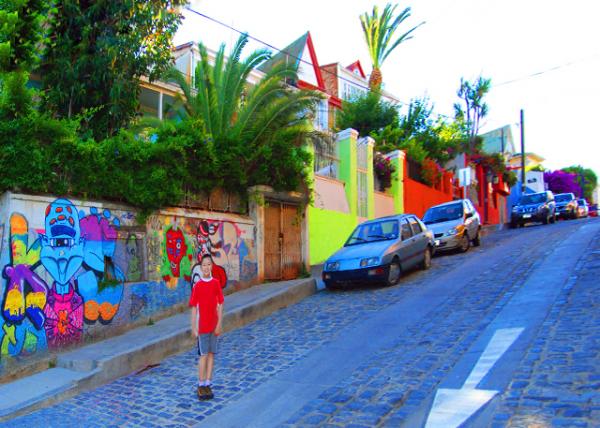 Calle San Enrique of Valparaíso, Lined w/ Vibrant Murals and Colorful Bldgs Calle San Enrique of Valparaíso, Lined w/ Vibrant Murals and Colorful Bldgs
(瓦尔帕莱索圣恩里克“家园统治者”街·沿街遍布充满活力的壁画与色彩缤纷的建筑 12-21-2012) 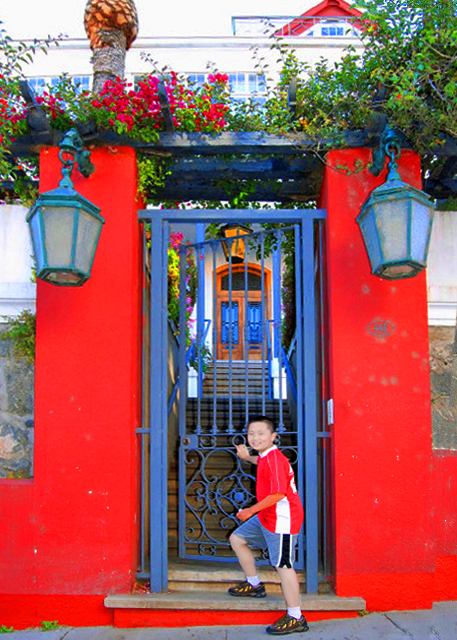
Hotel Casa Thomas Somerscales in Valparaíso (瓦尔帕莱索——英国海洋艺术家托马斯·萨默斯凯尔斯“双·夏季小屋”民宿酒店 12-21-2012)
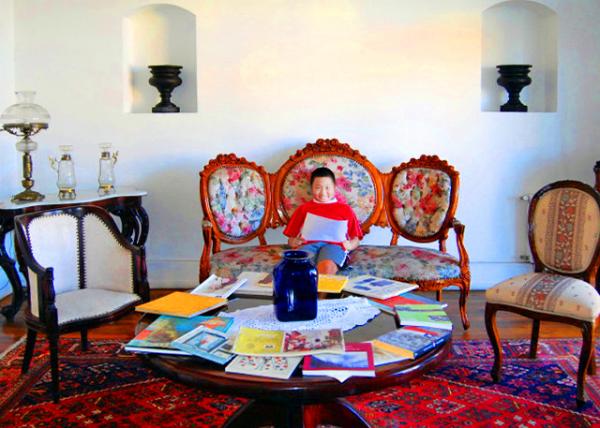 Lounge @ Somerscales Boutique Hotel, Valparaíso Lounge @ Somerscales Boutique Hotel, Valparaíso
(瓦尔帕莱索托马斯·萨默斯凯尔斯民宿酒店——休息室 12-21-2012) 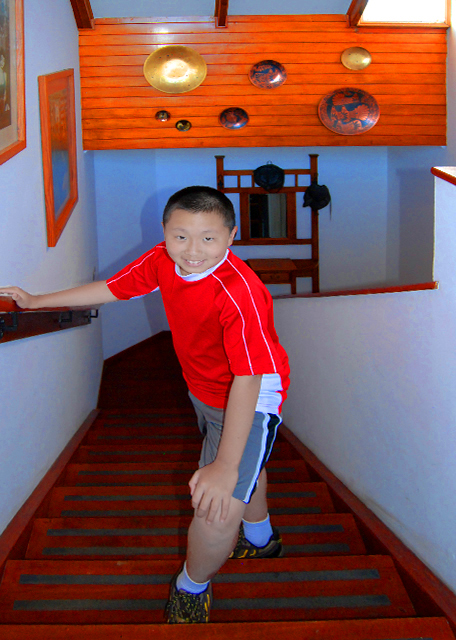
Stairway @ Somerscales Boutique Hotel, Valparaíso (瓦尔帕莱索托马斯·萨默斯凯尔斯民宿酒店·楼梯 12-21-2012) 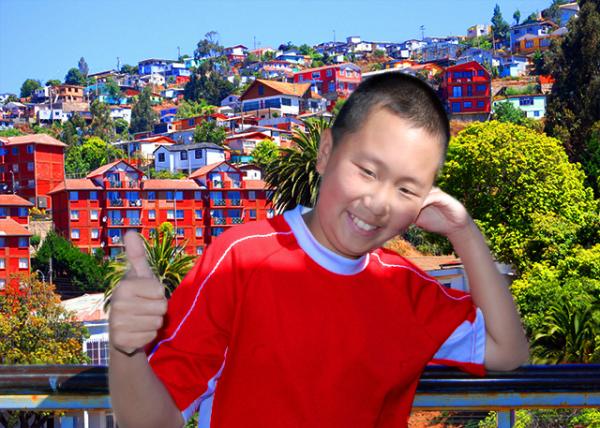 Valparaíso Uniquely Shaped by Its Numerous Hills & Hillside Homes Built on Steep Slopes Valparaíso Uniquely Shaped by Its Numerous Hills & Hillside Homes Built on Steep Slopes
(瓦尔帕莱索·城市因地制宜,民宅依山而建 12-21-2012) 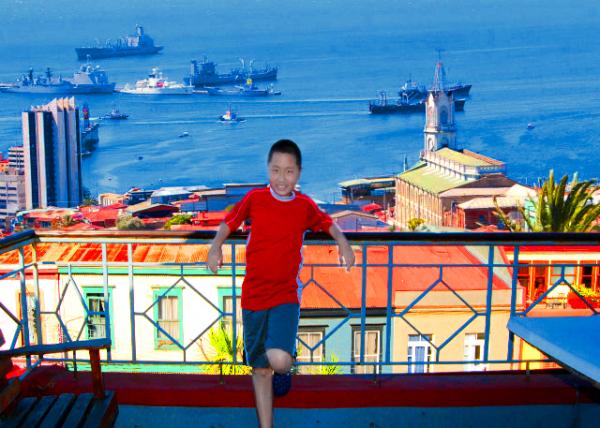 Iglesia de las Carmelitas in the Early 20th-Century Romanesque & Gothic Revival, Valparaíso Iglesia de las Carmelitas in the Early 20th-Century Romanesque & Gothic Revival, Valparaíso
(瓦尔帕莱索卡梅利塔“葡萄园”教堂·建于20世纪初,罗马“力量”式和哥特复兴式 12-21-2012) 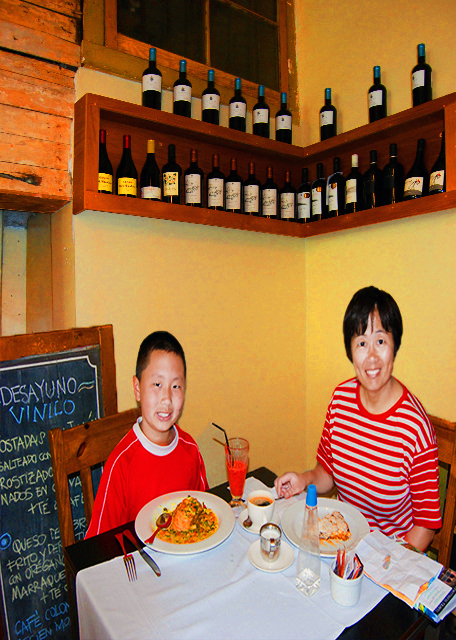
Dinner @ Café Vinilo, Valparaíso (瓦尔帕莱索黑胶唱片咖啡馆·晚餐 12-21-2012) Crosslinks(相关博文): Chile(出游智利)
South America(漂流南美洲)
小学四年级(4th Grade) |